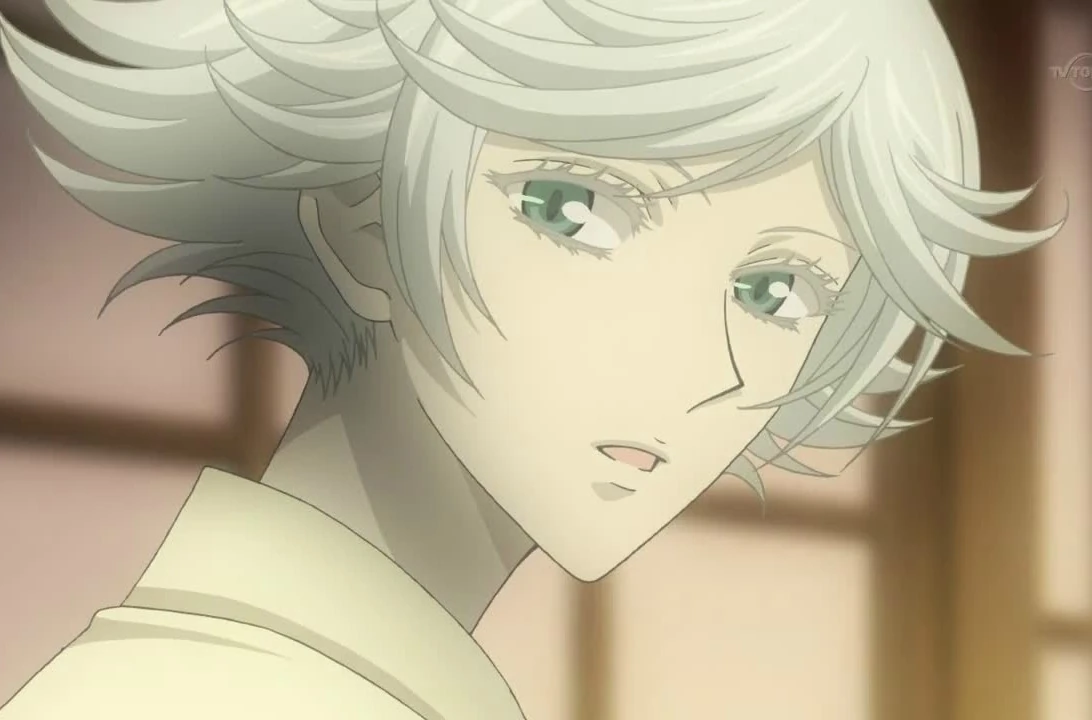
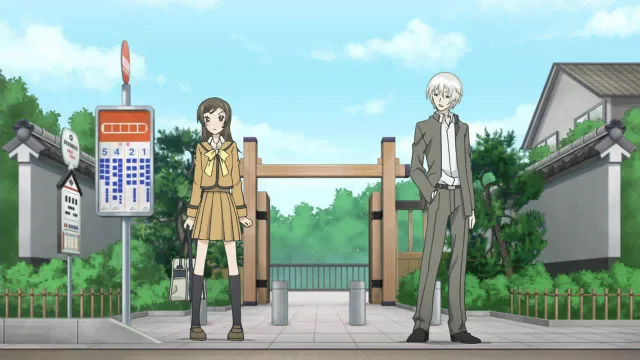
Kamisama Kiss, also known as Kamisama Hajimemashita, is closely tied to Kawagoe in Saitama Prefecture, a historic city northwest of Tokyo. The anime’s shrine, school, old-town streets, station scenes, and food stops draw fans toward Kawagoe’s temples, shrines, castle area, and kurazukuri warehouse streets.
The easiest way to enjoy the real-life locations of Kamisama Kiss is to treat Kawagoe as a half-day or one-day anime pilgrimage. Most central stops can be grouped on foot around Honkawagoe Station, Kita-in Temple, Kawagoe Castle, Kumano Shrine, Kashiya Yokocho, and the old town around Toki no Kane.
Quick Answer: Is Mikage Shrine Real?
Mikage Shrine itself is fictional, but fans usually connect its atmosphere with the Fujimi Yagura Ruins and Ontake Shrine area near Kawagoe High School. Some pilgrimage references also point to nearby Miyoshino Shrine for parts of the shrine look. It is better to understand this as a Kawagoe-inspired shrine setting rather than one single public shrine named Mikage Shrine.
For a first visit, start with the places that are easiest and most useful for travelers: Honkawagoe Station, Kawagoe Ichibangai and Toki no Kane, Kashiya Yokocho, Kawagoe Kumano Shrine, Kita-in Temple, and the Kawagoe Castle area. The school and shrine-stairs area should be treated more carefully because they involve an active school neighborhood and a potentially restricted or unsafe access point.
How To Visit From Tokyo
Kawagoe is a practical day trip from Tokyo. JNTO describes Kawagoe as less than an hour from major Tokyo stations by express train, with Honkawagoe Station reachable from Seibu Shinjuku Station on the Seibu Shinjuku Line. You can also reach Kawagoe Station by JR or Tobu lines, then continue on foot or by local bus depending on your route.
If you are visiting mainly for Kamisama Kiss locations, Honkawagoe Station is a convenient starting point because it places you close to Crea Mall, the old shopping streets, Kumano Shrine, and the walk toward Kita-in and the castle area. Allow around half a day for the main fan stops, or a relaxed full day if you want to enter temples, museums, shops, and restaurants.
Suggested Kawagoe Route
A sensible walking route is Honkawagoe Station, Crea Mall, Kawagoe Ichibangai, Toki no Kane, Kashiya Yokocho, Kawagoe Kumano Shrine, Kita-in Temple, Kawagoe Castle Honmaru Goten or Nakanomonhori area, then the Kawagoe High School and Fujimi Yagura/Ontake Shrine area from public streets only.
This order keeps most of the old-town stops together and avoids backtracking. If you are short on time, focus on Honkawagoe Station, Ichibangai, Toki no Kane, Kashiya Yokocho, Kumano Shrine, and Kita-in. Those stops give you the clearest Kawagoe atmosphere without pushing into school or restricted-access areas.
Kamisama Kiss Locations In Kawagoe
Honkawagoe Station East Exit And Crea Mall
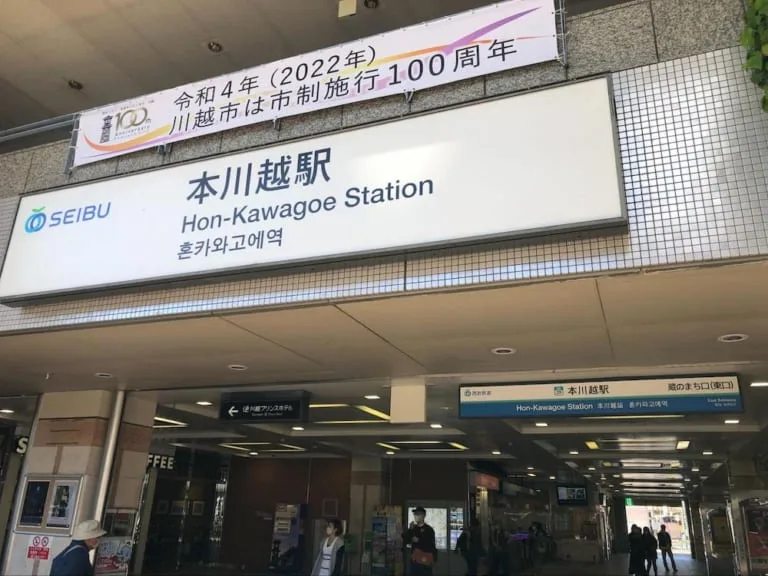
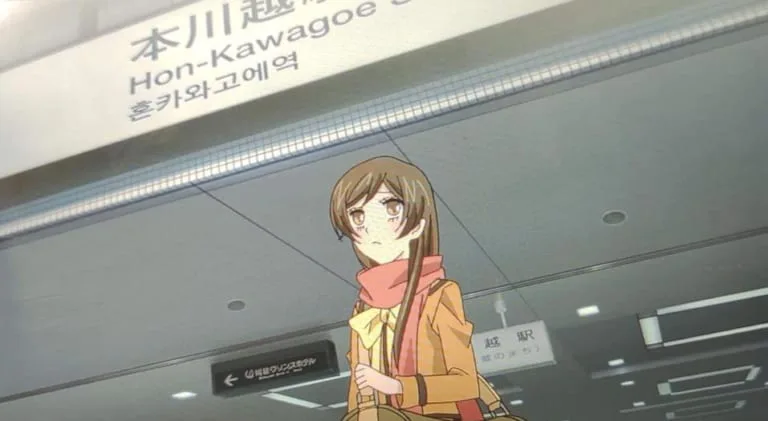
Honkawagoe Station is one of the most useful real-world anchors for a Kamisama Kiss walk. It is a natural arrival point if you come from Seibu Shinjuku, and pilgrimage references connect the East Exit area with later anime scenes involving Nanami around the station.
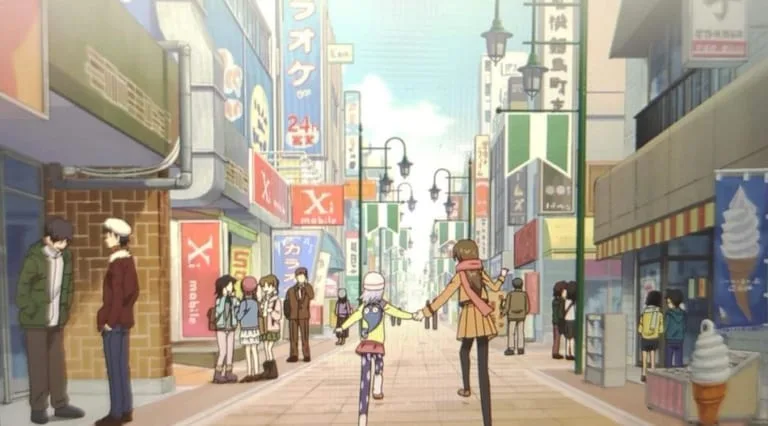
Crea Mall runs near Kawagoe and Honkawagoe stations and works well as the first or last shopping stretch of the route. Treat it as helpful Kawagoe context unless you are matching a specific frame from the anime; the stronger travel value is that it connects the station area with the old-town walk.
Kawagoe Ichibangai, Kurazukuri Street, And Toki No Kane
The old warehouse district is where Kawagoe most clearly earns its Koedo, or Little Edo, nickname. JNTO highlights the Warehouse District, Toki no Kane bell tower, and traditional candy shops as major Kawagoe sights, and these streets also fit the everyday outside-world atmosphere Kamisama Kiss fans look for.
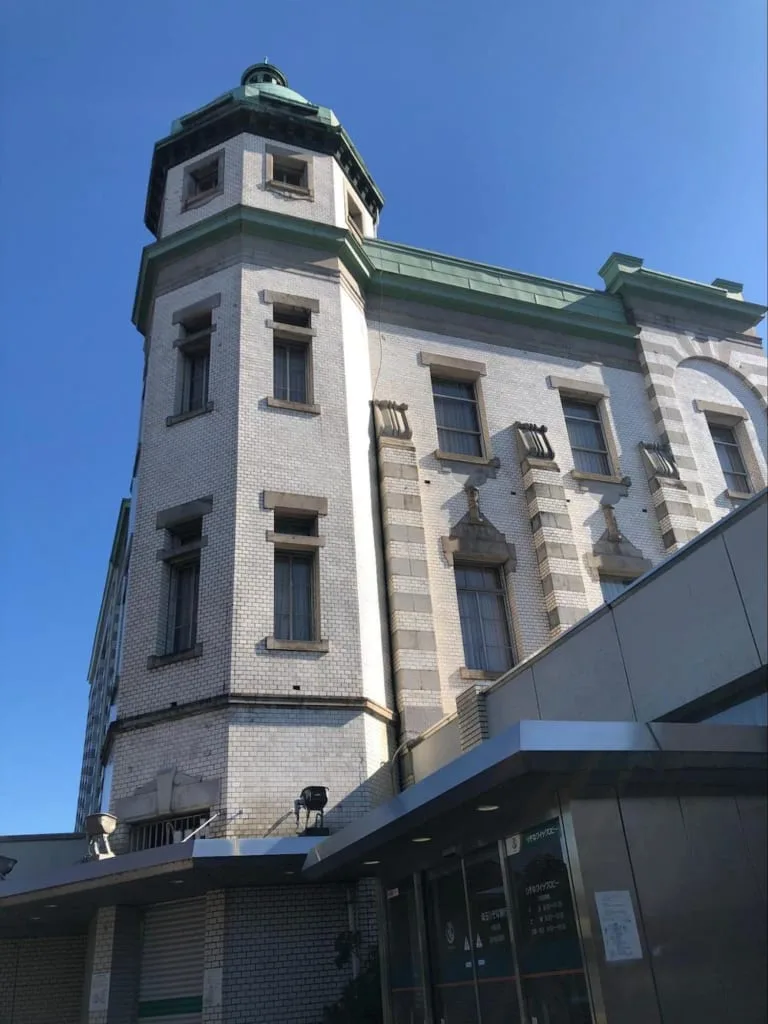
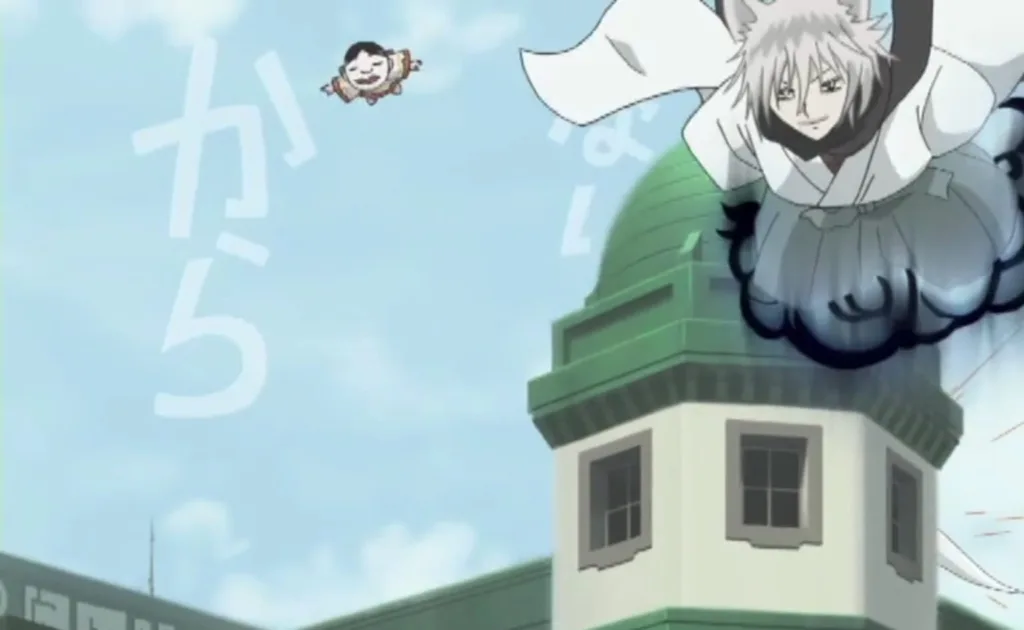
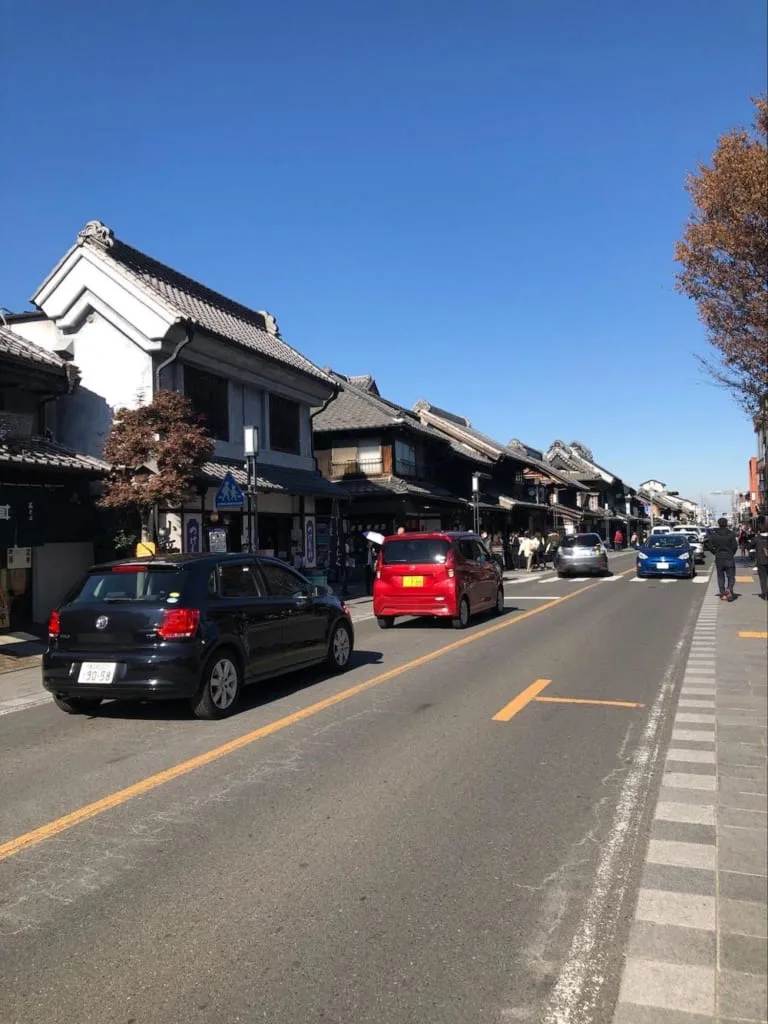
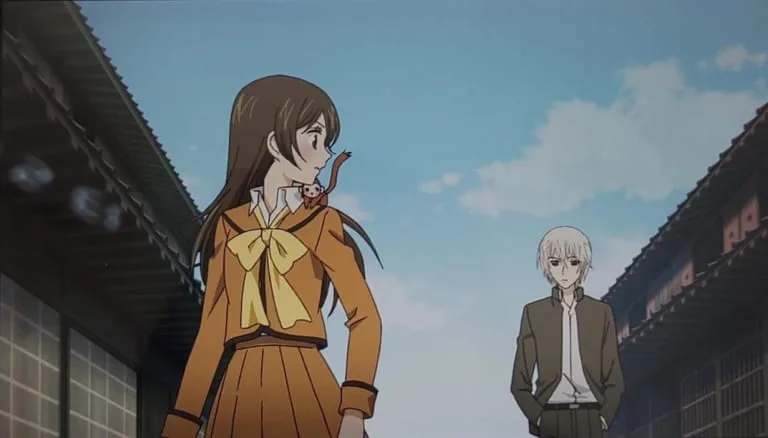
For travelers, Kawagoe Ichibangai, Kurazukuri Street, and the Warehouse District are clearer names to look for on maps and tourism signs. The former Saitama Resona Bank building and the old town’s dark warehouse facades make this one of the easiest places to recognize on a Kawagoe walk.
Toki no Kane, the Bell of Time, stands nearby and is one of Kawagoe’s best-known landmarks. The bell tower still rings four times daily, and it is an easy add-on before or after Kashiya Yokocho.
Kashiya Yokocho
Kashiya Yokocho is Kawagoe’s candy alley, a short walk from the warehouse streets and Toki no Kane. It is a good stop for fans because it keeps the route in the same old-town atmosphere while giving you something practical to do between photo spots.
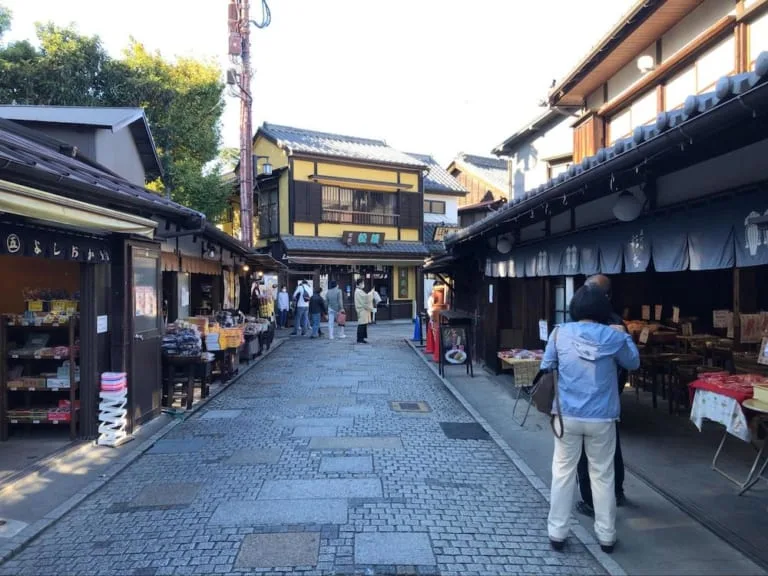
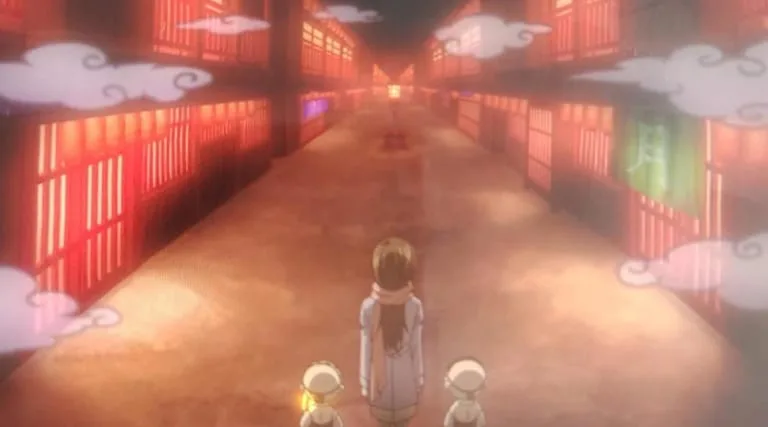
Expect a small, walkable street with traditional sweets and snack shops rather than a large attraction. It is usually best grouped with Toki no Kane and the warehouse district.
Kawagoe Kumano Shrine
Kawagoe Kumano Shrine is one of the more practical Kamisama Kiss stops because it is central, public, and easy to combine with the old-town route. The city describes it as a shrine associated with good fortune and matchmaking, and the shrine area includes the foot-stimulation path that fans connect with Nanami and Himemiko’s visit.
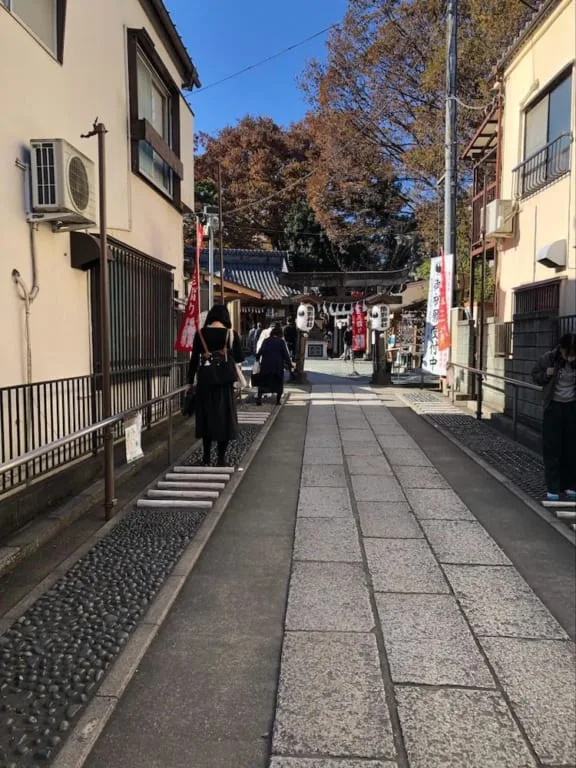
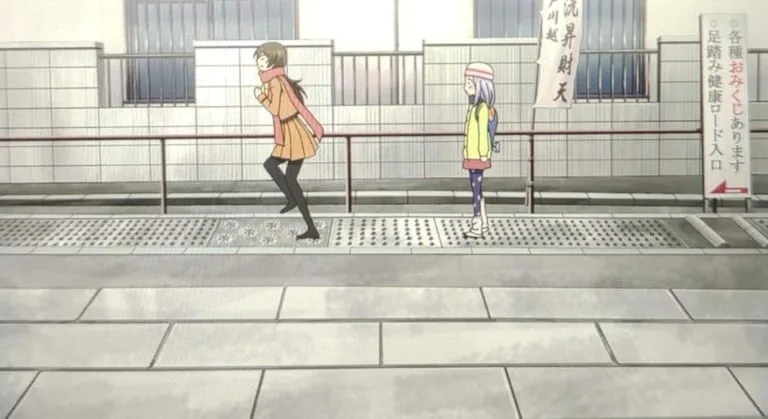
Go slowly and respectfully here. It is a real place of worship, so avoid blocking worshippers, follow posted rules, and do not treat shrine rituals as props for photos. If you try the foot path, do it only if it feels safe for you physically.
Kita-in Temple
Kita-in is one of Kawagoe’s most important temples and one of the easiest Kamisama Kiss stops to recommend. The temple is known for buildings connected with Edo Castle and for its Gohyaku Rakan statues. In Kamisama Kiss pilgrimage material, fans connect Kita-in with scenes involving Nanami and Himemiko in kimono.
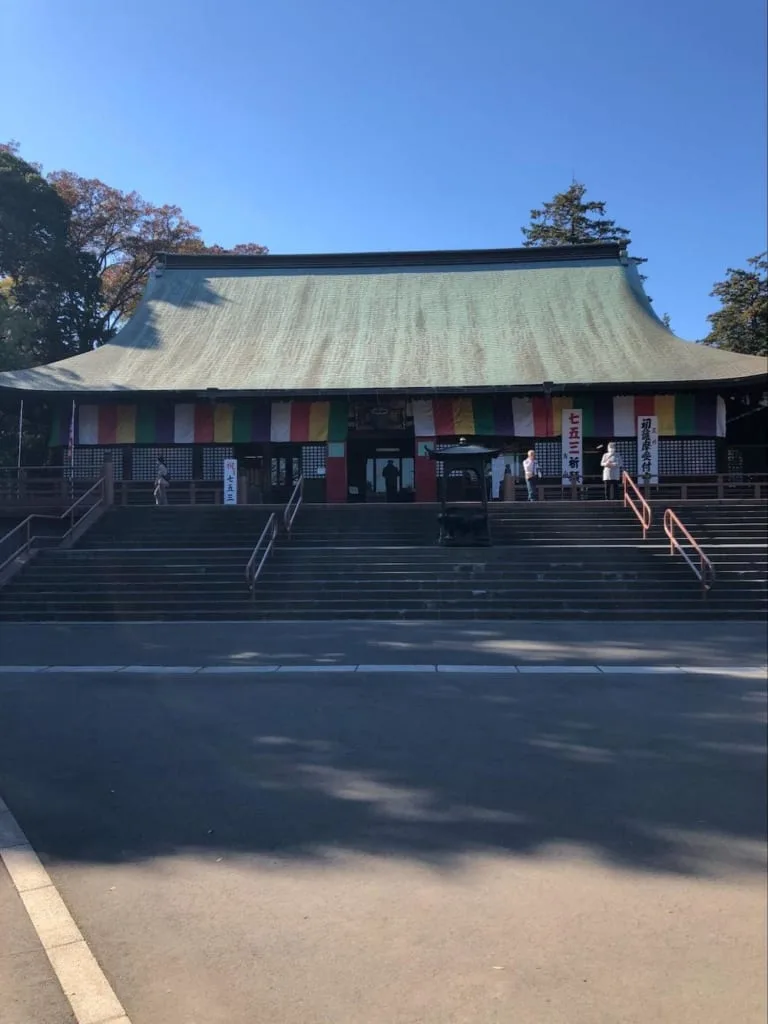
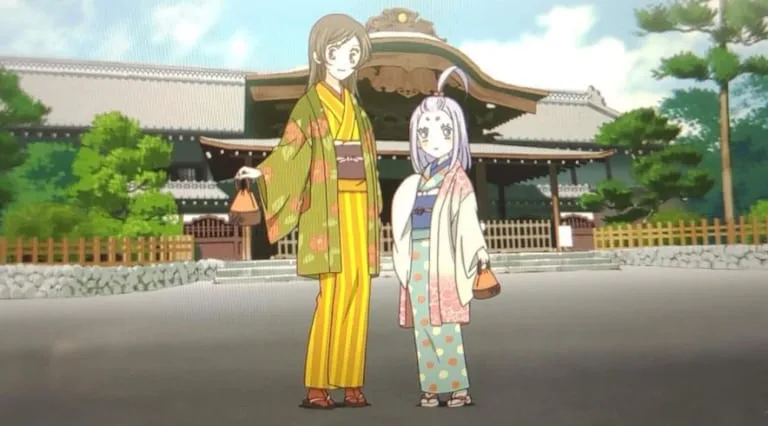
The official Kita-in visitor page lists admission for the paid viewing course at 400 yen for adults and 200 yen for elementary/junior-high-age children. Hours vary by season and day: March 1 to November 23 is generally 9:00 to 16:30 on weekdays and 9:00 to 16:50 on Sundays and holidays; November 24 to the end of February is generally 9:00 to 16:00 on weekdays and 9:00 to 16:20 on Sundays and holidays. Last reception is 30 minutes before closing, and closures include December 25 to January 8, February 2 afternoon and February 3, and April 2 to 4, with possible changes for temple events.
Kimono rental is common around Kawagoe, but prices and plans vary by shop and season. If you want the Nanami/Himemiko feeling for photos, choose a rental shop after checking current plans rather than relying on an old fixed price.
Kawagoe Castle Honmaru Goten And Nakanomonhori Area
For a visitor, it is clearest to treat this as the Kawagoe Castle area: Honmaru Goten is the surviving palace building, while Nakanomonhori is part of the former castle’s moat/earthwork history.
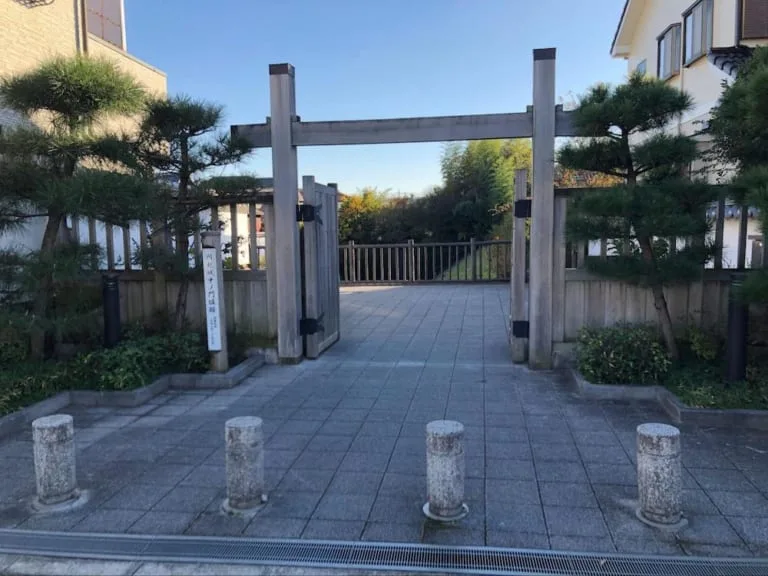
If you enter Honmaru Goten, current public information lists typical opening hours around 9:00 to 17:00, with entry until 16:30, and a low admission fee for the building. Check the official Kawagoe City page before going because closing days and combined museum tickets can change.
Saitama Prefectural Kawagoe High School
Kamisama Kiss fans connect Ujigami High School with Saitama Prefectural Kawagoe High School. Saitama Prefectural Kawagoe High School is in Kuruwamachi, near the castle area.
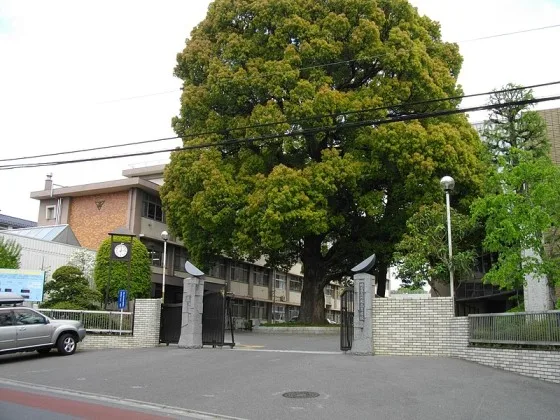
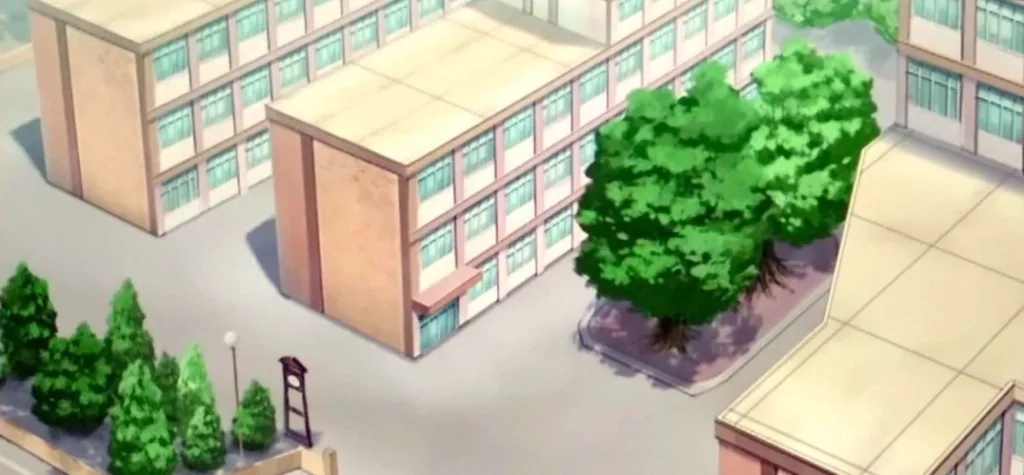
This is an active school, not a tourist attraction. If you include it in your route, view it only from public streets, do not enter the campus, do not photograph students, and avoid lingering at gates during school activity times. Kawagoe High School’s own site asks visitors to consider privacy when photographing students.
Fujimi Yagura Ruins And Ontake Shrine
Fujimi Yagura Ruins and the Ontake Shrine area are the main real-world places fans discuss when asking about Mikage Shrine. The connection is better phrased as a model or inspiration discussed in pilgrimage references, not as a one-to-one shrine that has become Mikage Shrine in real life.
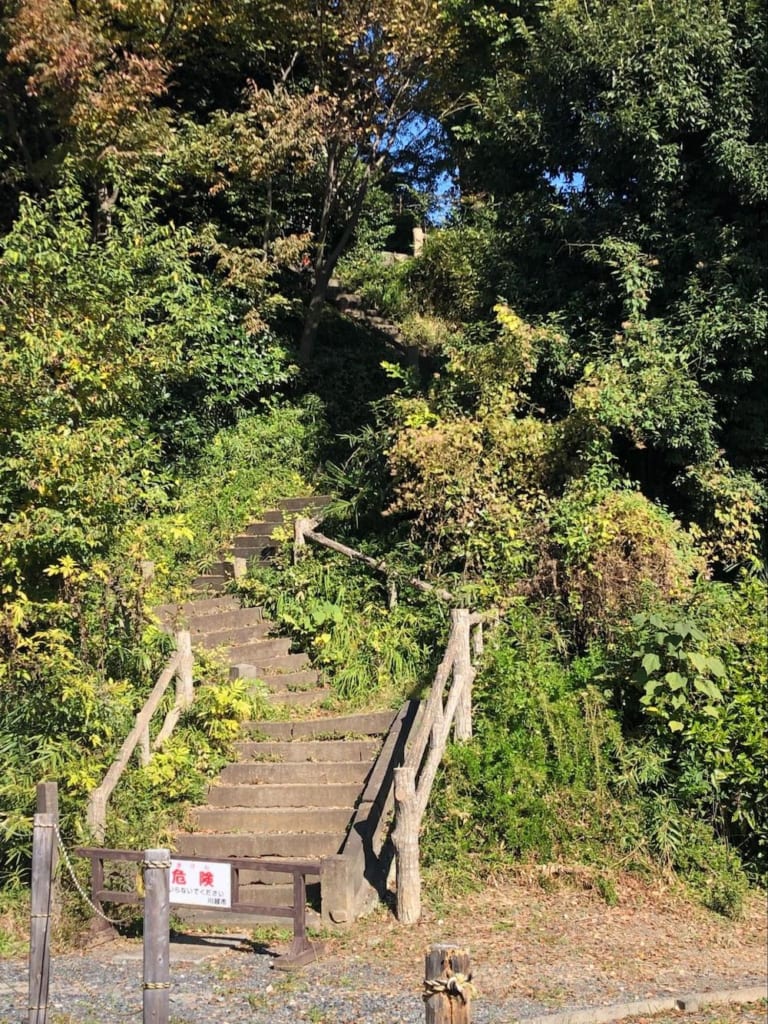
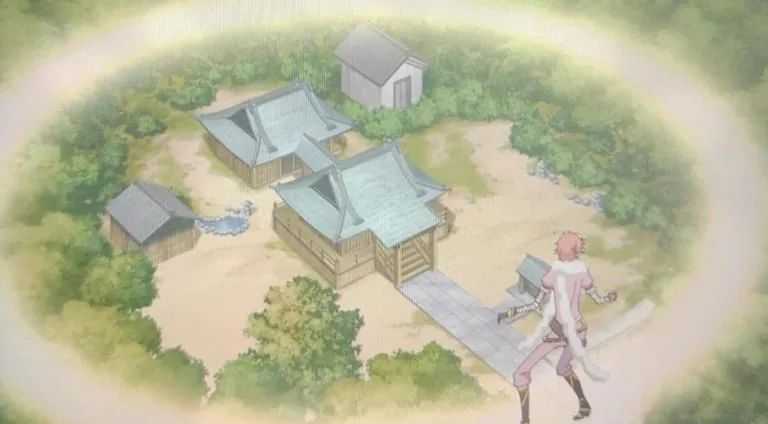
If access is blocked, unsafe, or unclear when you arrive, skip it and enjoy the castle and shrine area from public, permitted paths.
Hayashiya
Hayashiya is an eel restaurant in Kawagoe with a traditional-looking building, and it is still listed on the restaurant’s official site as the Unagi Hayashiya Kawagoe Store. The official listing gives the Kawagoe branch at 2-4 Nakacho, with business hours around 11:00 to 18:00 and Tuesday as the regular holiday.
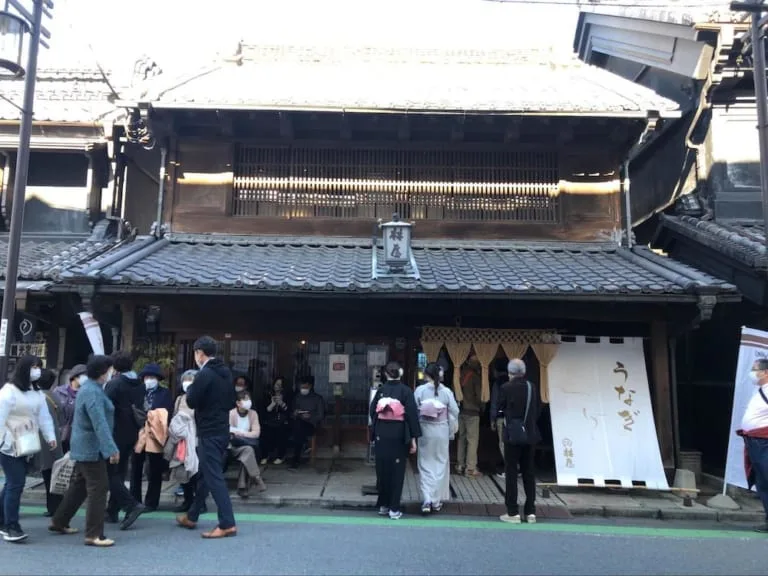
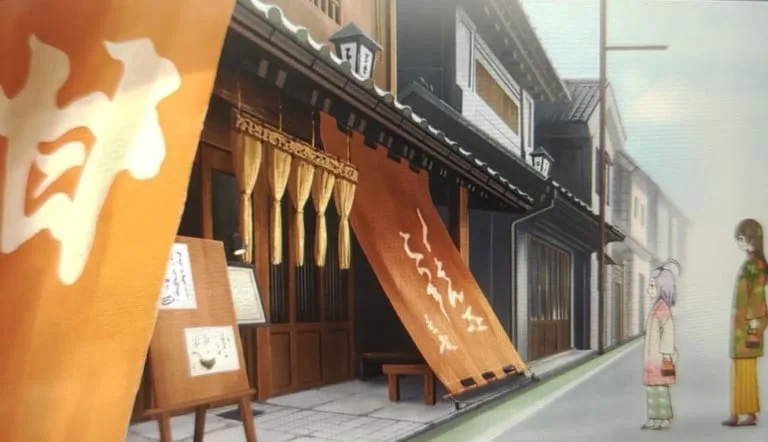
If you plan to eat there, check the restaurant’s current hours before making it the fixed meal stop of your route. Kawagoe can be busy on weekends, and restaurant hours may shift around holidays or stock availability.
Travel Tips For A Kamisama Kiss Pilgrimage
- Best starting point: Honkawagoe Station works especially well for the old-town and anime-location route.
- Time needed: plan half a day for the main exterior stops, or a full day if you enter Kita-in, Honmaru Goten, museums, shops, and restaurants.
- Costs: many exterior stops are free, but Kita-in’s paid viewing course and Honmaru Goten have admission fees. Food, kimono rental, and transport are separate.
- Accessibility: the old-town route is walkable but can involve crowds, narrow streets, uneven surfaces, temple grounds, and stairs. Use buses or taxis if long walks are difficult.
- Etiquette: shrines, temples, schools, and residential streets are real community spaces. Keep voices low, avoid blocking paths, follow photo rules, and do not enter private or restricted areas.
FAQ
Where is Kamisama Kiss set?
Kamisama Kiss is strongly associated with Kawagoe in Saitama Prefecture, Japan. Kawagoe’s historic streets, shrines, temples, castle area, and station surroundings give fans the clearest real-world route.
Can you visit Kamisama Kiss locations from Tokyo?
Yes. Kawagoe is commonly visited as a day trip from Tokyo, and JNTO describes it as less than an hour from major Tokyo stations by express train.
Which station should Kamisama Kiss fans use?
Honkawagoe Station is the most convenient starting point for many central stops, especially if you are coming from Seibu Shinjuku. Kawagoe Station also works if your route uses JR or Tobu lines.
Is every location an exact anime match?
No. Some places are strong pilgrimage stops, while others are better understood as atmosphere, resemblance, or commonly discussed fan-route locations. That is normal for anime pilgrimage planning, especially when a fictional place like Mikage Shrine draws from more than one real-world reference.
Shrine etiquette matters on other anime routes too, including the Numabukuro Hikawa Shrine stop in the Tokyo Revengers locations guide.
More Anime Location Guides



Show Your Work
Whether you are a professional or an amateur, we will love to see your artwork. So don't hesitate to remove your cats from your box right away