Bocchi the Rock Real-Life Locations in Japan: Shimokitazawa, Enoshima & More
Bocchi the Rock! is one of the easiest modern anime pilgrimages to plan because many of its most recognizable places are real streets, stations, venues, shops, parks, and seaside landmarks. The core route is in Shimokitazawa, Tokyo, while important scenes also reach Kanazawa-Hakkei in Yokohama, Enoshima in Fujisawa, Shinjuku, and Ochanomizu.
For most visitors, the best plan is not to chase every tiny background. Start with a focused Shimokitazawa walk, then add Kanazawa-Hakkei or Enoshima if you have extra time. Shinjuku and Ochanomizu work as short city extensions.
Before Visiting the Bocchi the Rock Locations
Several Bocchi locations are working live houses, shops, streets, stations, parks, or residential-adjacent spaces. Keep photos quick, do not block roads or entrances, avoid loud group behavior, do not interfere with loading or unloading, and never photograph private residences. The official Bocchi the Rock! site also asks visitors to avoid visiting, photographing, or filming model locations on weekends and holidays.
Shimokitazawa: The Main Bocchi the Rock Pilgrimage Area
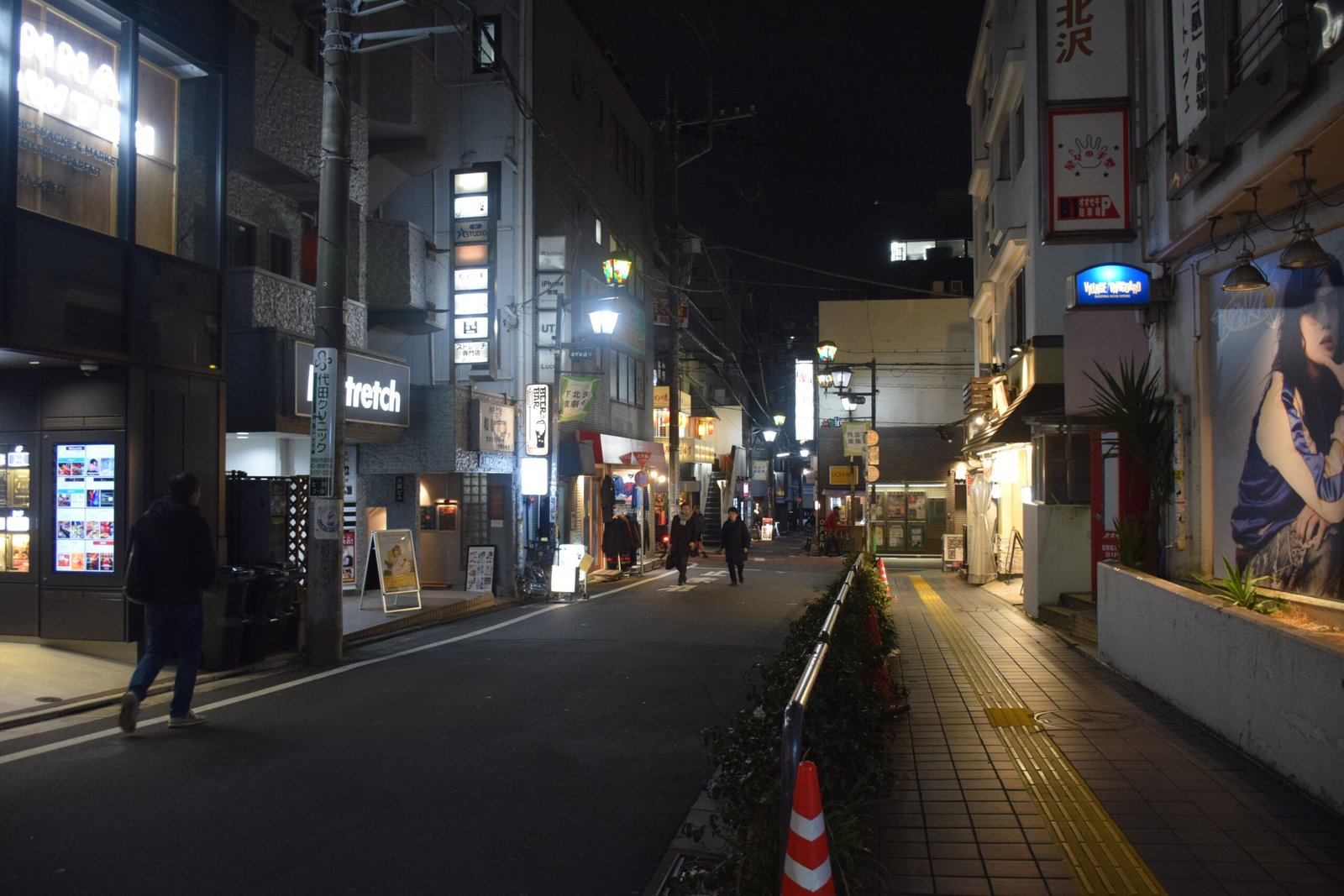
Shimokitazawa is the main Bocchi the Rock! area and the easiest part of the pilgrimage to walk. A sensible order is station area, shopping streets, Village Vanguard, theater streets, SHELTER, then the west/north side locations around parks, Senrogai, ADRIFT, and the photo-session streets.
Shimokitazawa Station East Exit
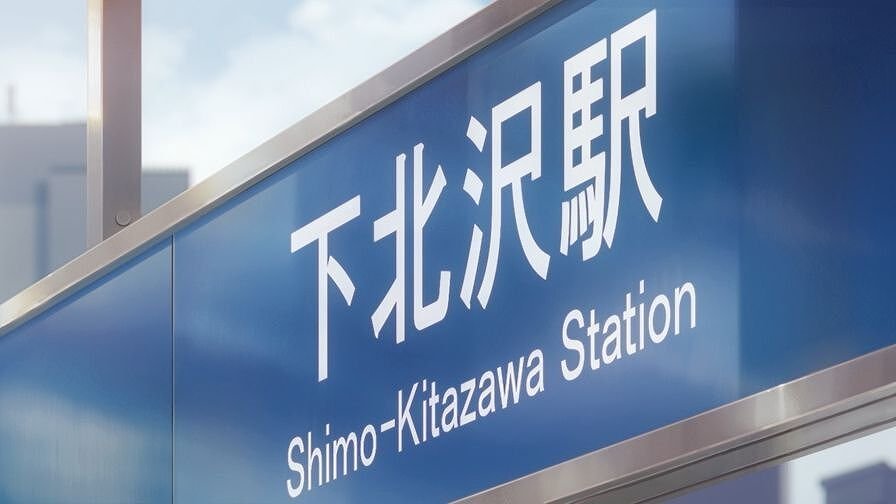
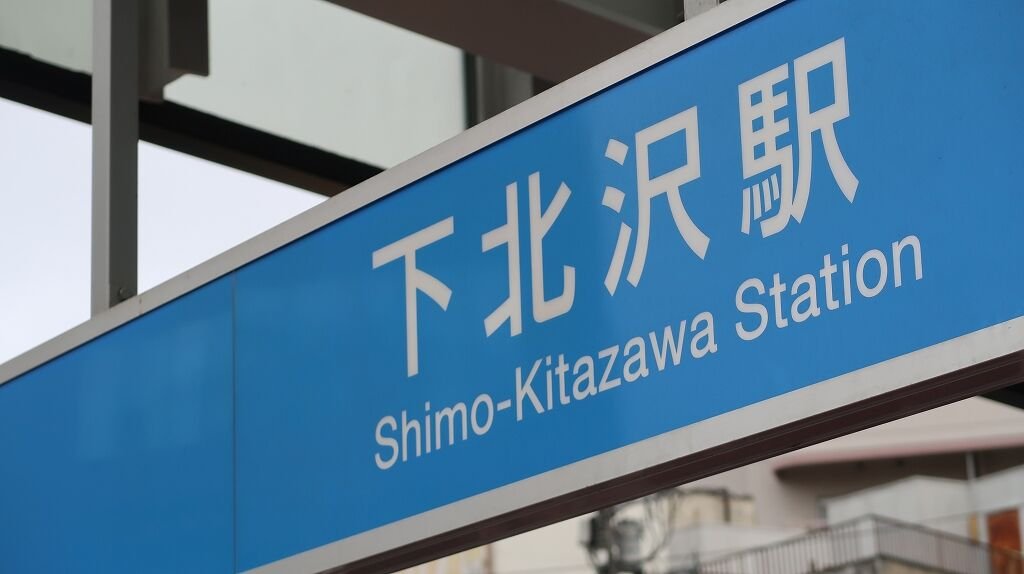
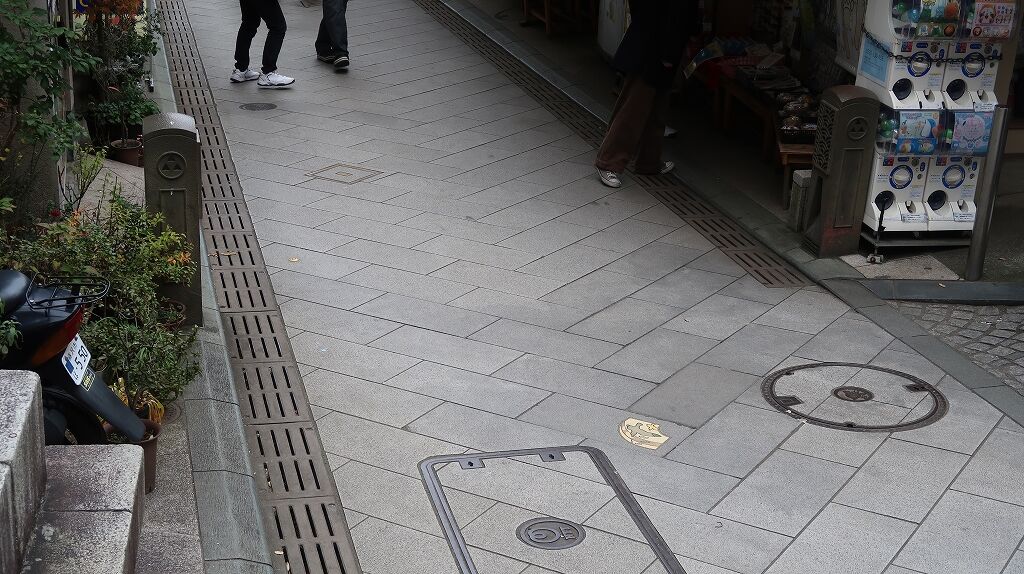
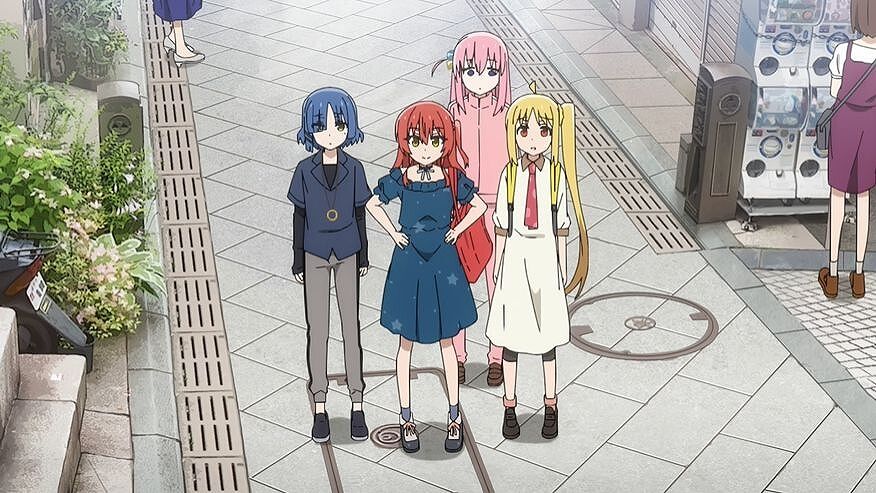
Shimokitazawa Station is the natural starting point. The Odakyu Line and Keio Inokashira Line meet here, and the east side places you close to the shopping streets and theater district used repeatedly in the anime’s everyday Shimokitazawa scenes.
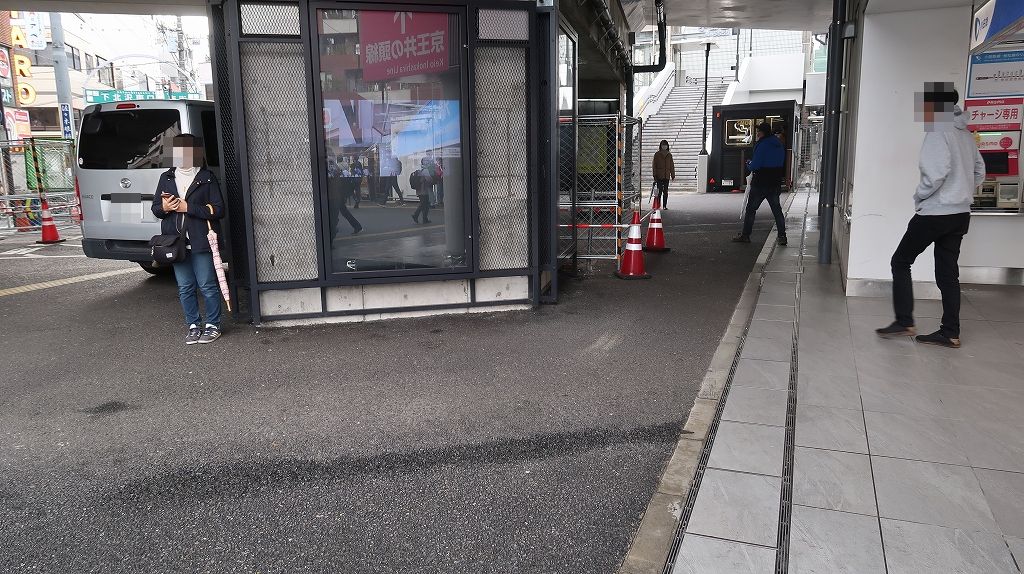
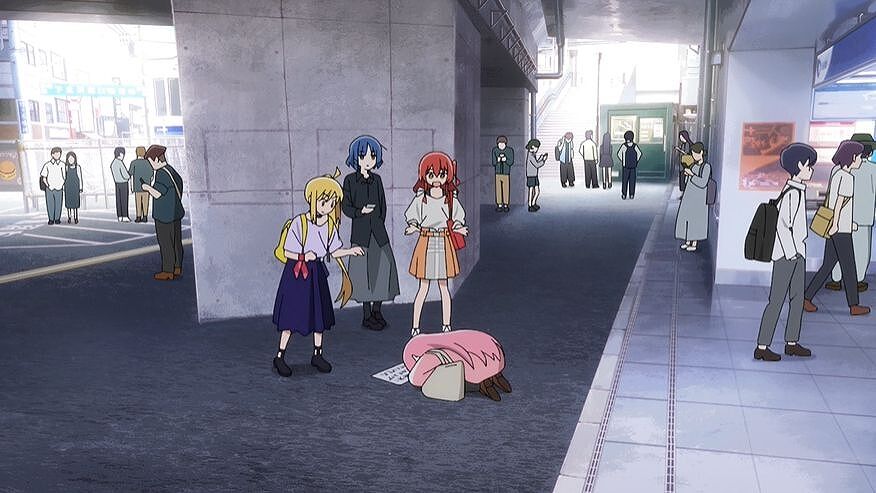
A still from episode 1.
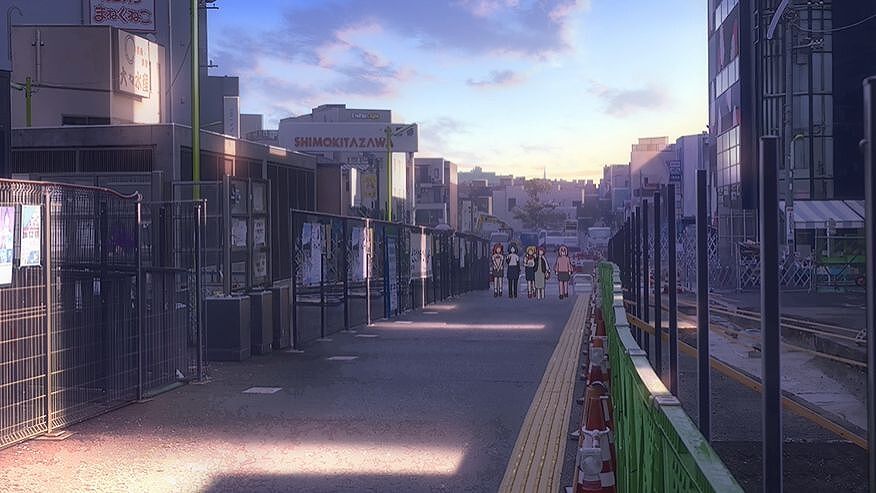
Ozeki Shimokitazawa Area
The area near Ozeki Shimokitazawa appears in fan pilgrimage routes for Episode 5 and Episode 10 street cuts. It is useful as a walking reference because it helps connect the station side with the live-house and theater streets without sending readers out of the main route.
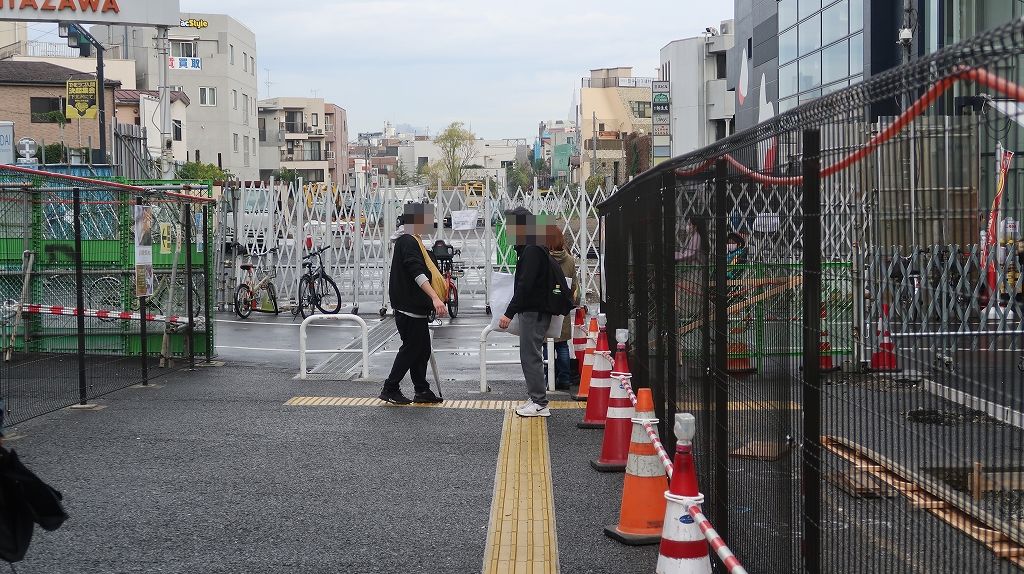
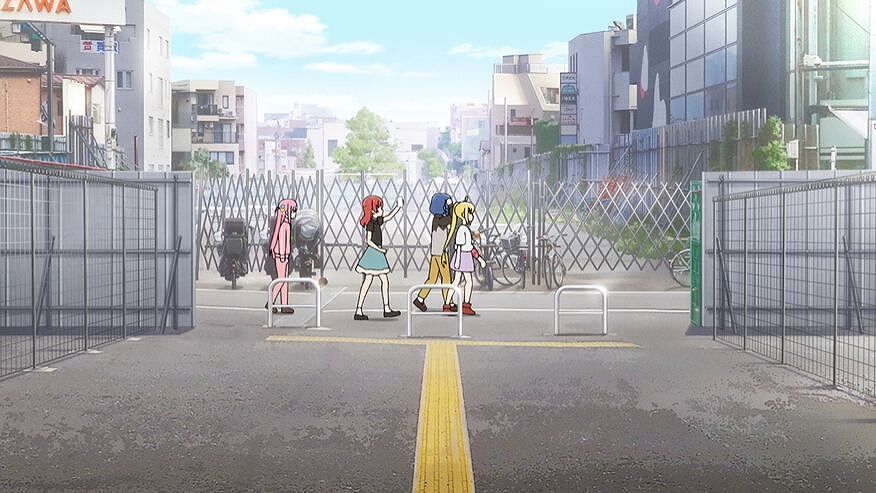
A cut from episode 5.

Yakiniku Yazawa Shimokitazawa Area
The street near Yakiniku Yazawa is identified with Episode 3 cuts as the characters move through Shimokitazawa. Treat it as a quick street-view stop rather than a destination to linger around.
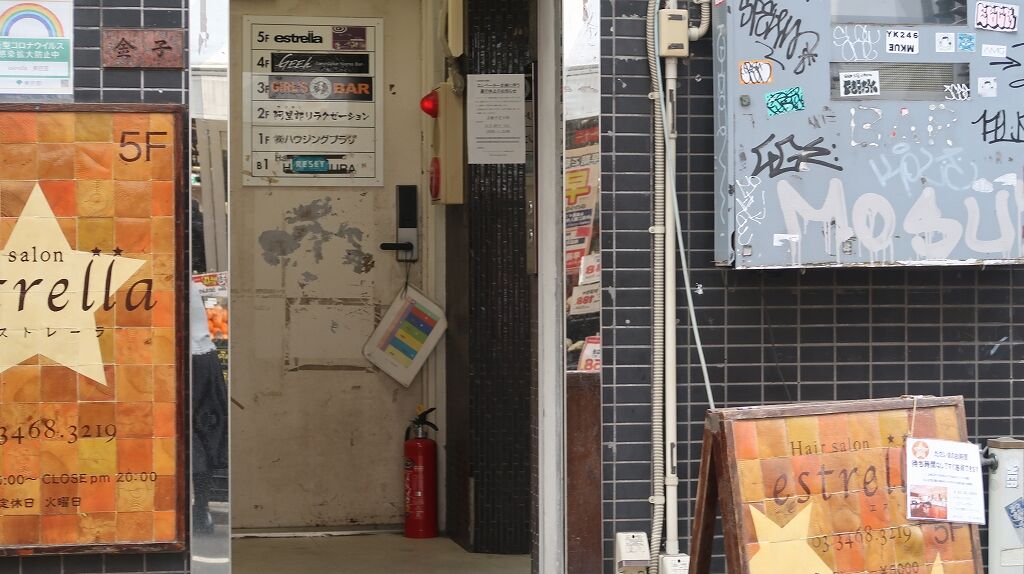
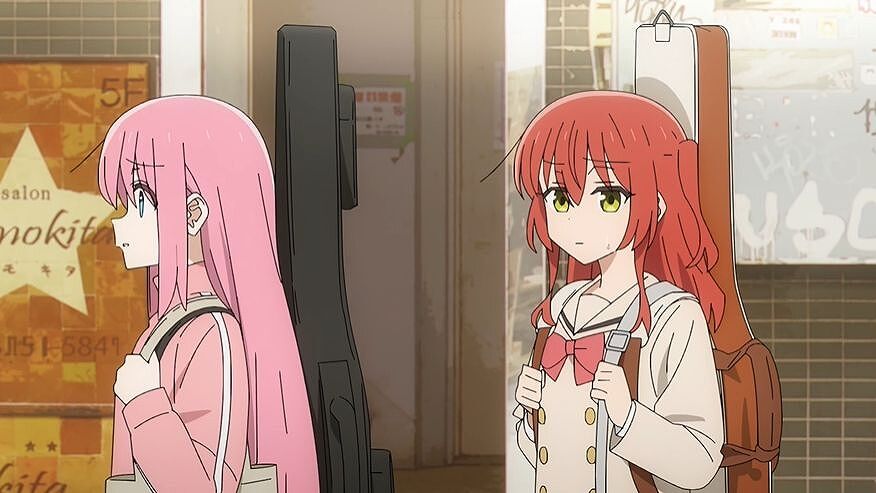
Village Vanguard Shimokitazawa
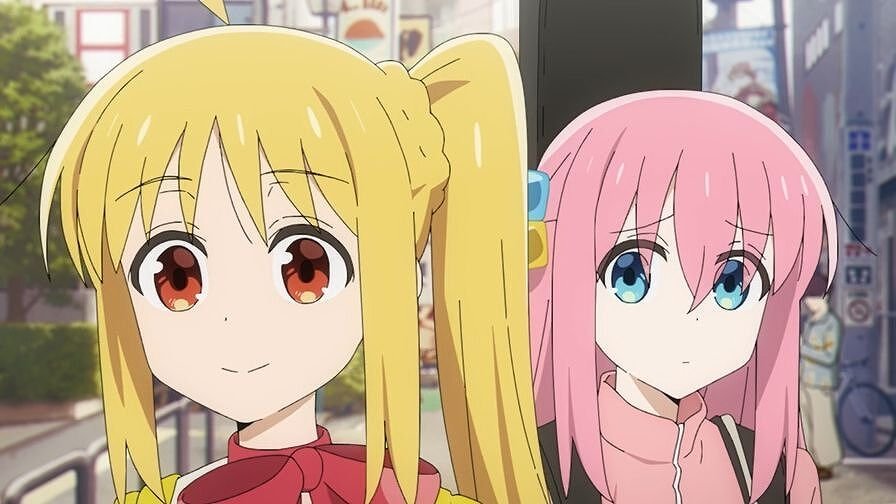
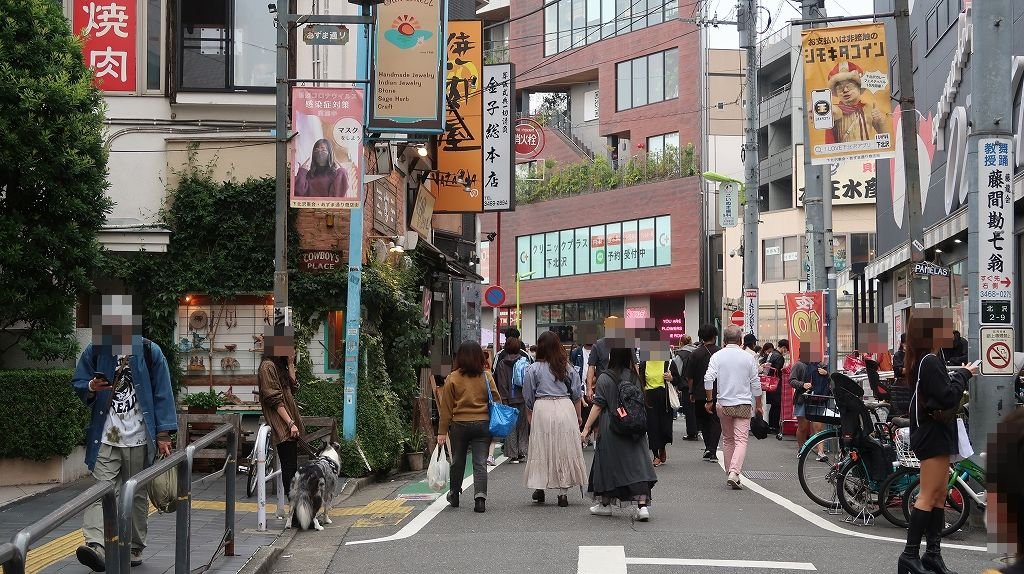
Village Vanguard Shimokitazawa sits at 2-10-15 Kitazawa in Marche Shimokitazawa. It fits Bocchi’s music-and-subculture mood, and its surrounding streets are among the most useful connectors between the station, Honda Theater area, and SHELTER.
Geki / Shogekijo Area
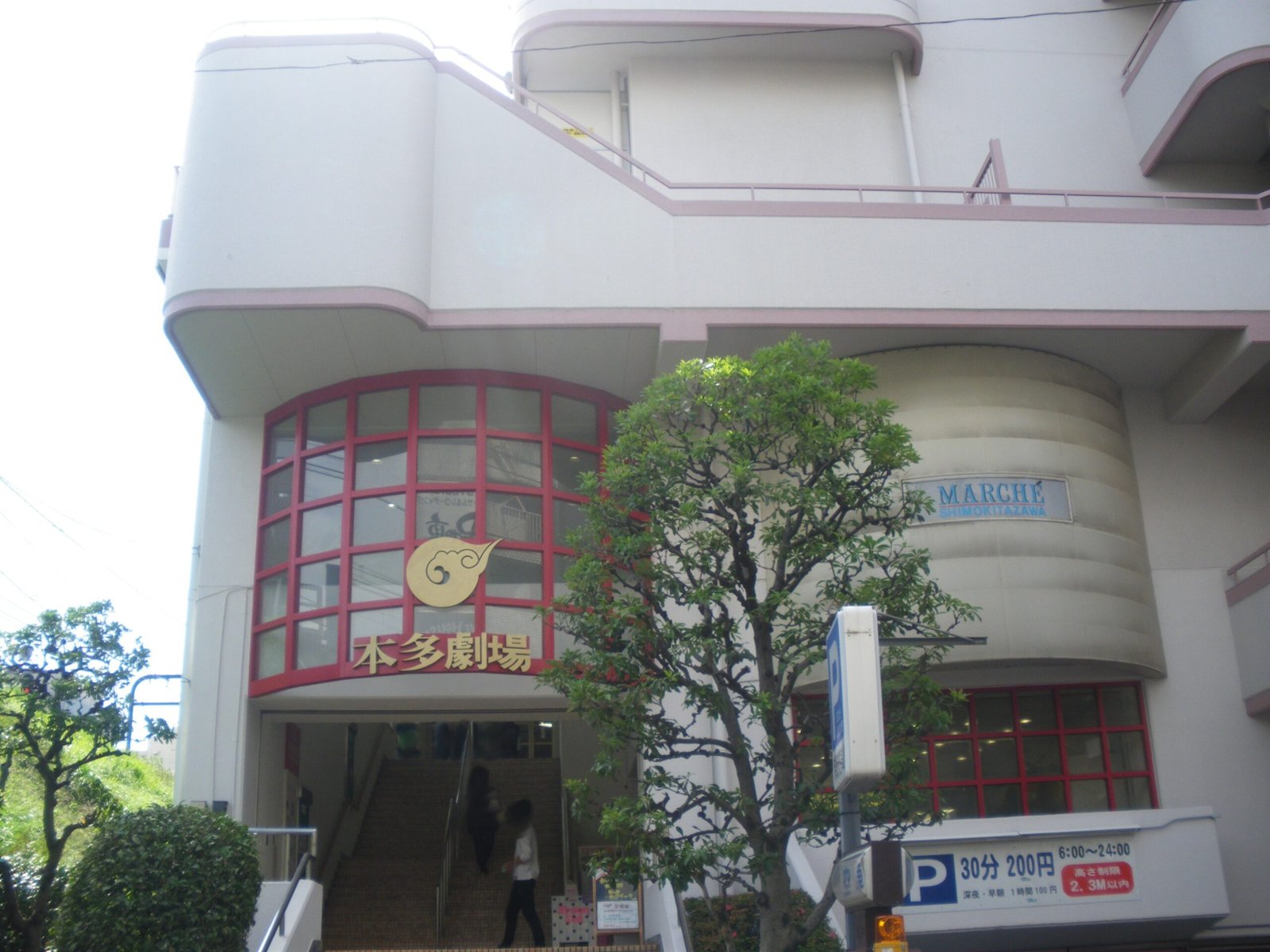
The small-theater area around Geki Shogekijo is one of the most recognizable Shimokitazawa walking points. Honda Theater Group lists Geki Shogekijo at 2-6-6 Kitazawa, and the wider theater cluster gives the Bocchi route its live-performance atmosphere.
Shimokitazawa SHELTER
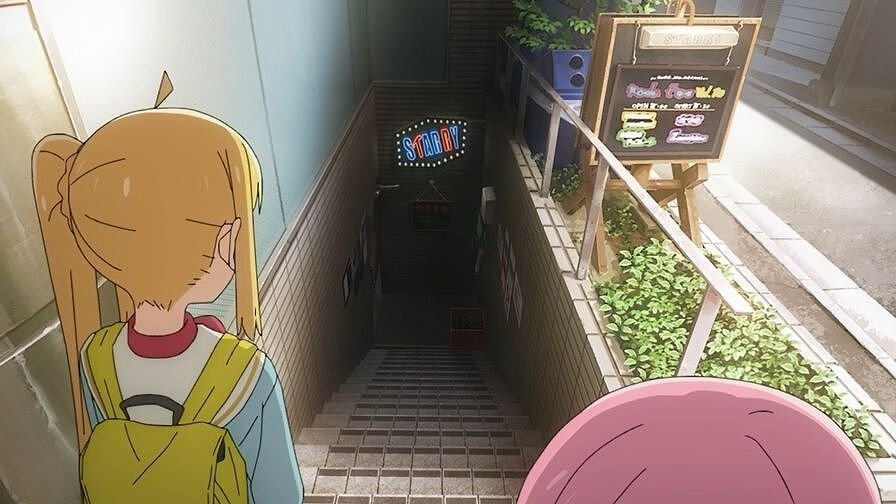
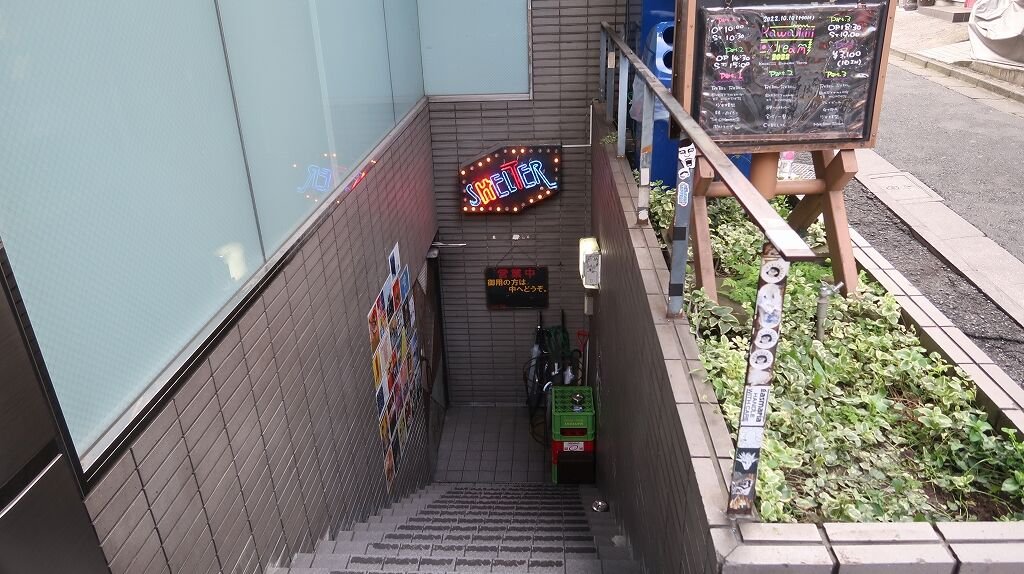
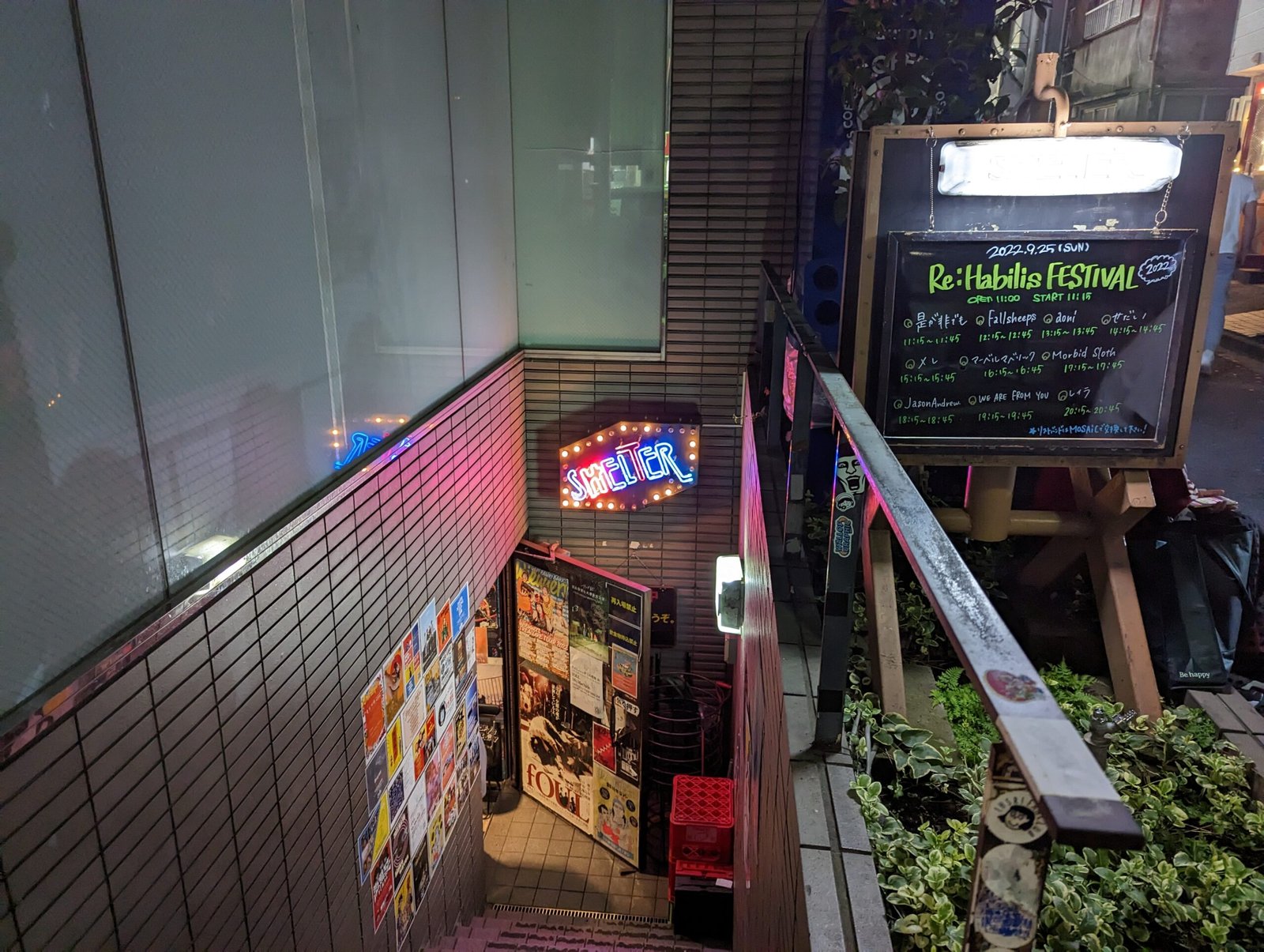
Shimokitazawa SHELTER is the essential Bocchi stop. The basement entrance, stairs, signage, and narrow street closely match the anime’s live-house setting for STARRY, where Kessoku Band starts to become real.
SHELTER is an active music venue. Do not block the entrance, gather in a group outside, or photograph while staff, bands, or visitors are using the space. A quick exterior look on a quiet weekday is the respectful approach.
RAGTAG Shimokitazawa Area
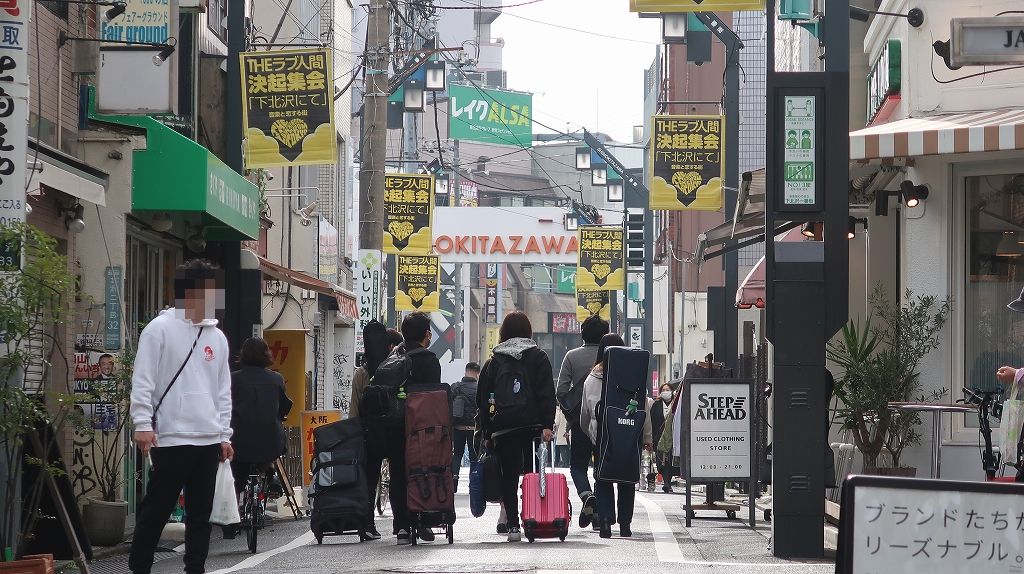
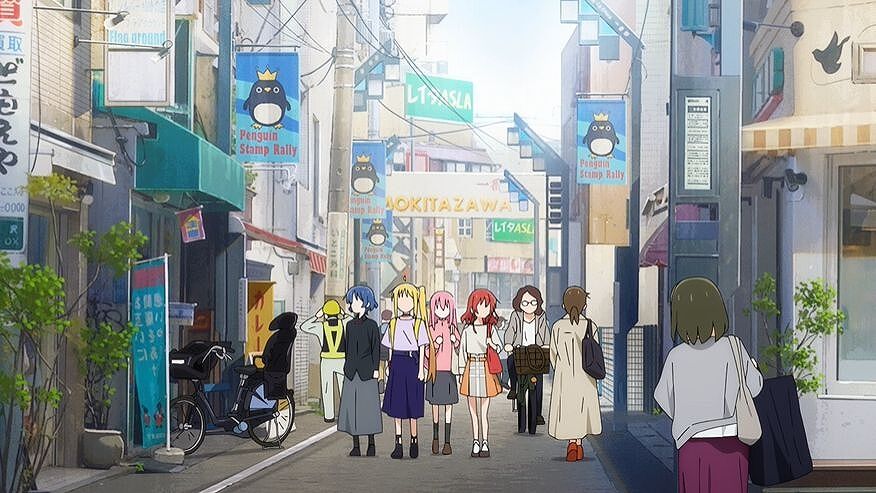
The RAGTAG Shimokitazawa area appears in Episode 4 pilgrimage references. It is a compact street stop near the live-house side of town, so it works best as part of the SHELTER walk rather than a separate destination.
Cuore Forte Area
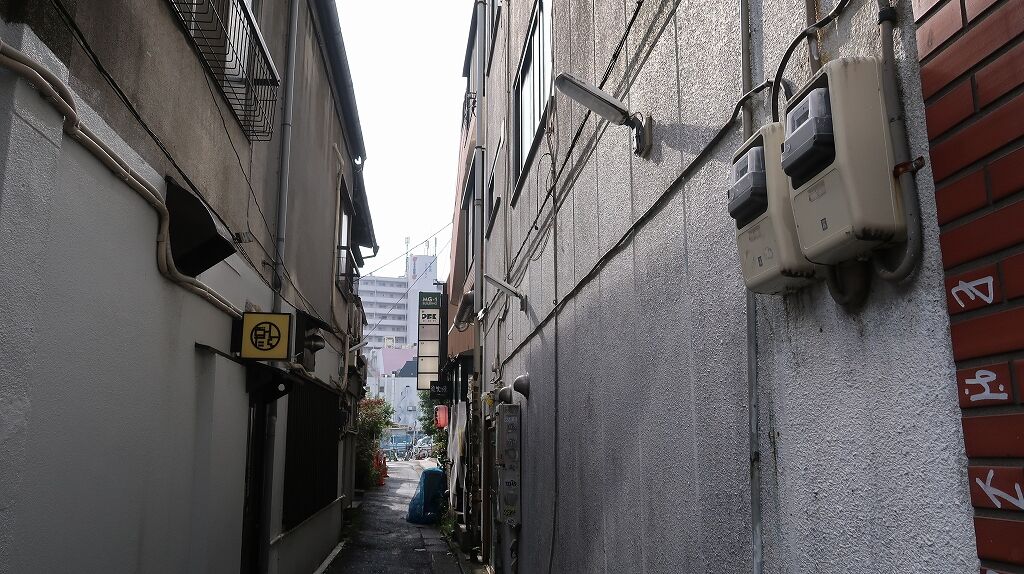
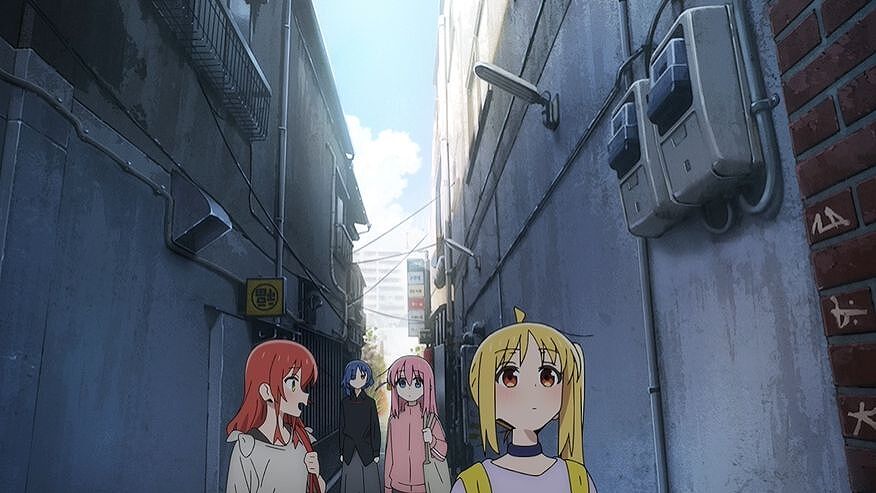
Cuore Forte is another Episode 4 street reference around Shimokitazawa. Its value is the visual continuity of the neighborhood: narrow shopfront streets, signage, and pedestrian scale rather than a major attraction.
Donguri Hiroba Park
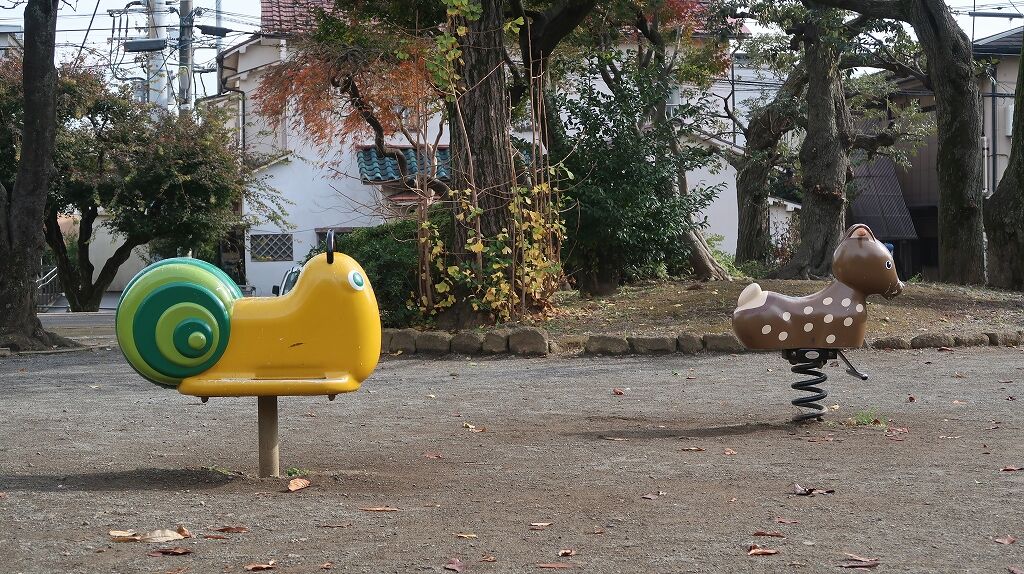
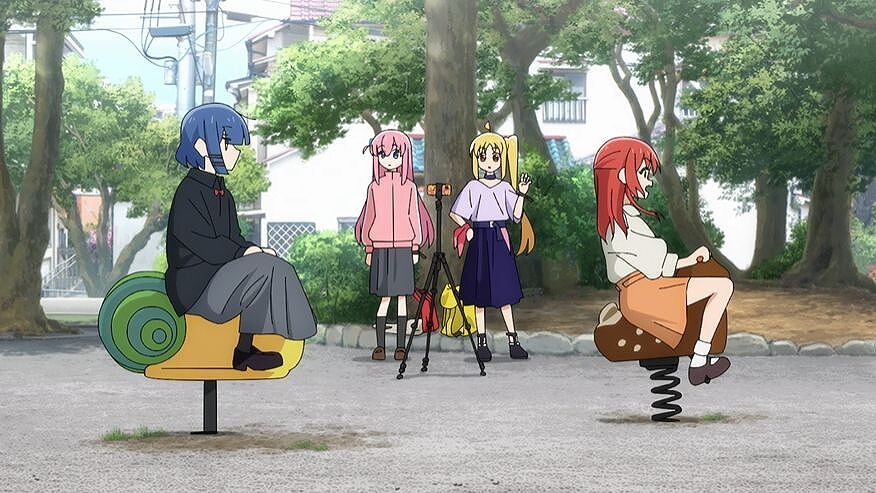
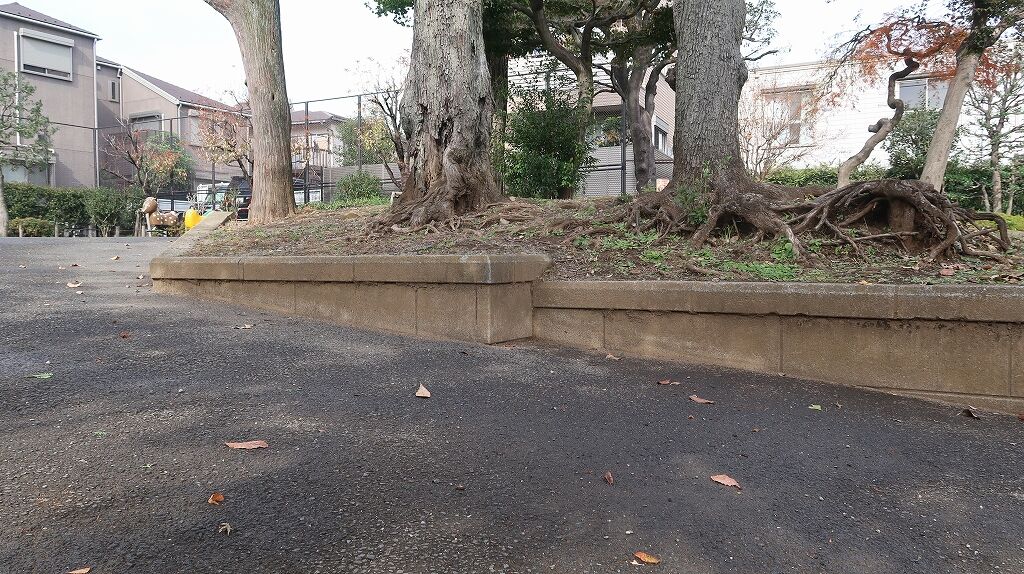
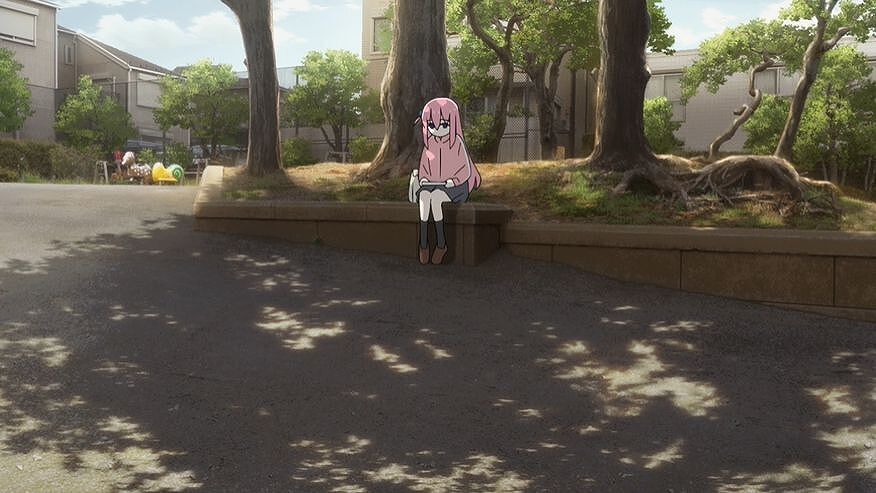
Donguri Hiroba Park is a small neighborhood park, so keep this stop short and quiet. It is useful for Bocchi fans because it gives the Shimokitazawa route a softer everyday moment between busier shop and venue areas.


Shimokita Senrogai and ADRIFT


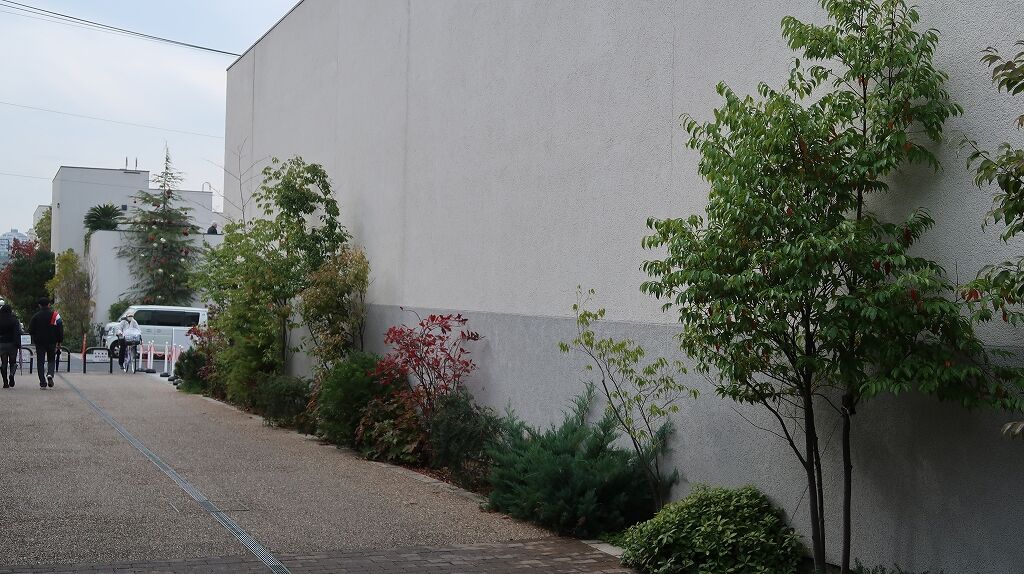
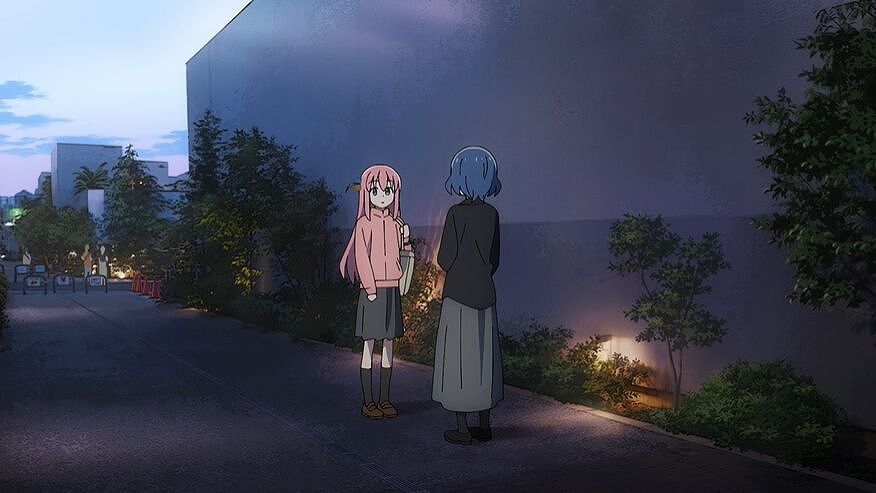
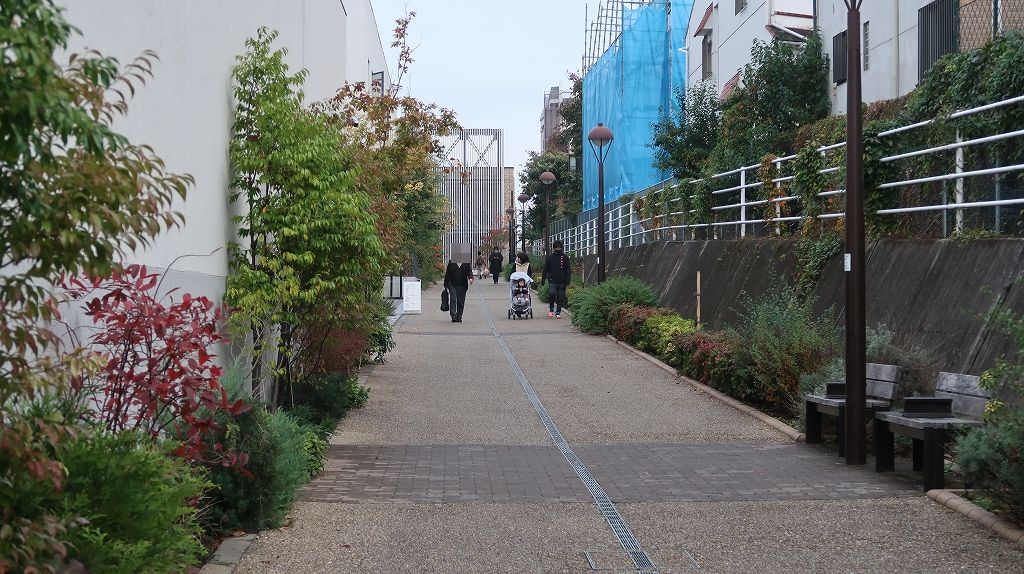
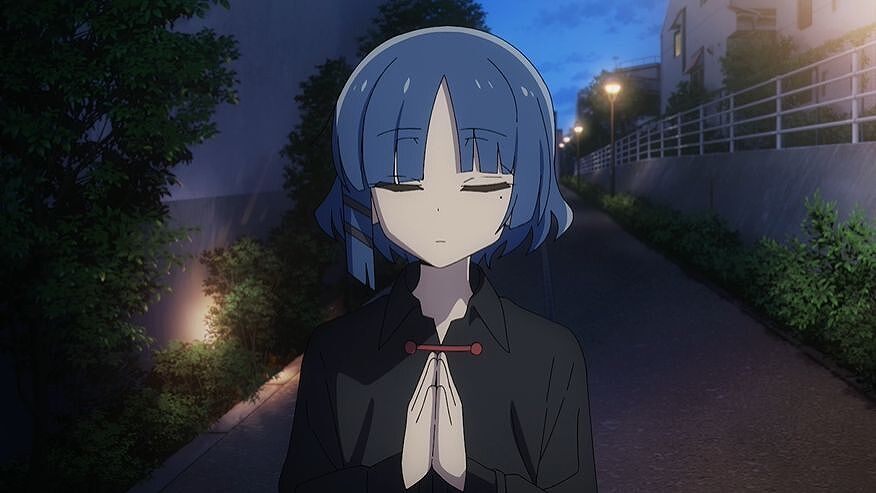
Shimokita Senrogai and ADRIFT show the newer trackside side of Shimokitazawa. ADRIFT describes itself as a space for music, culture, food, and fashion, which makes it a good real-world match for the creative feel surrounding Bocchi’s Shimokitazawa scenes.
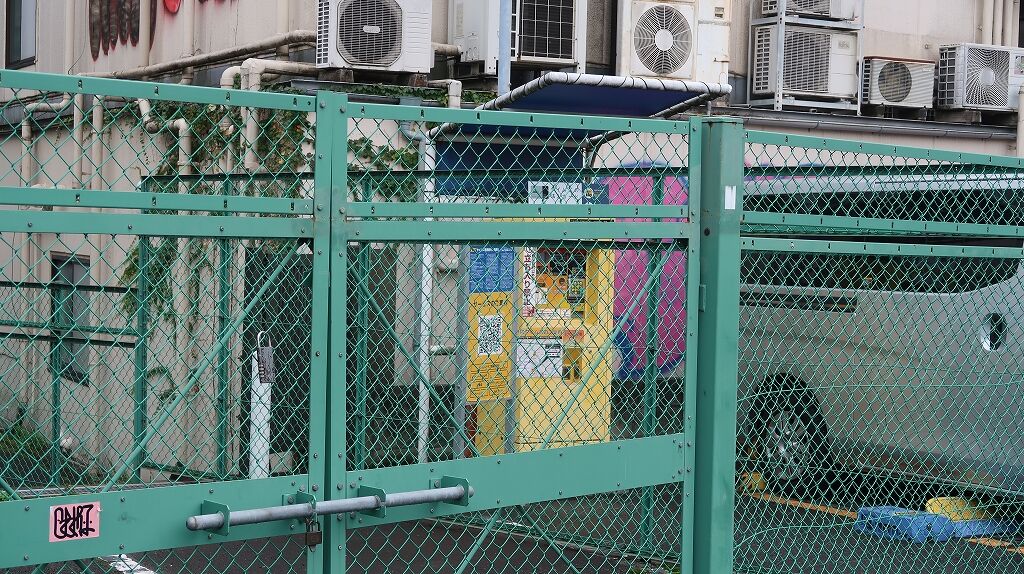
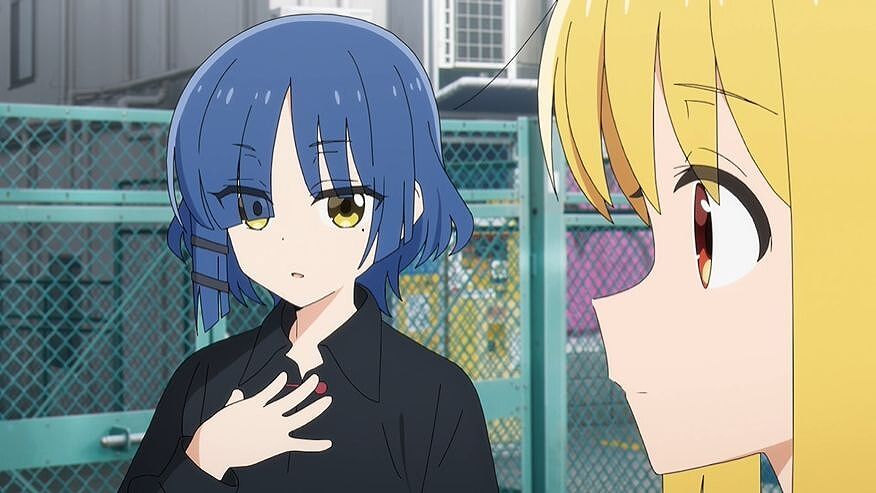
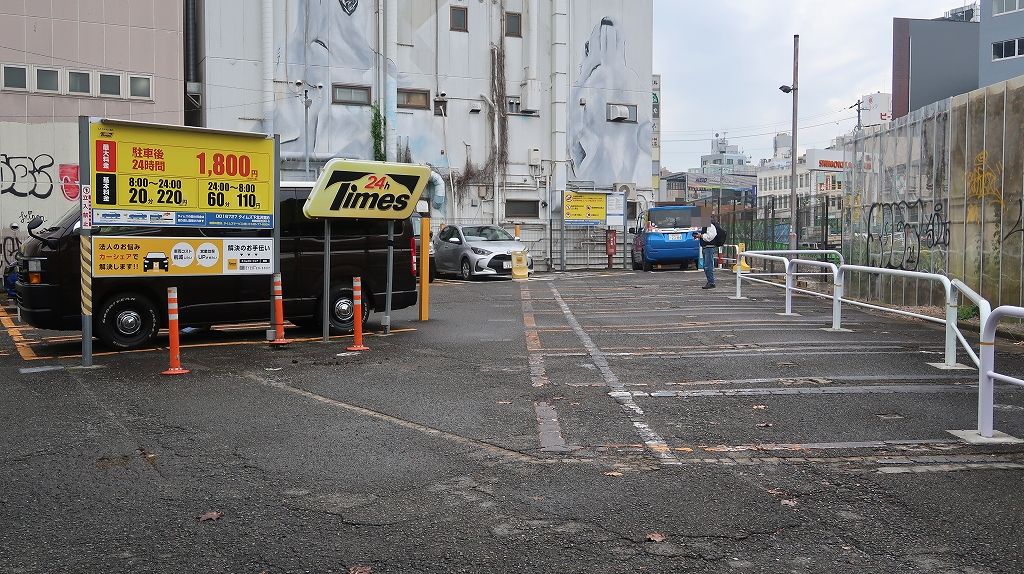
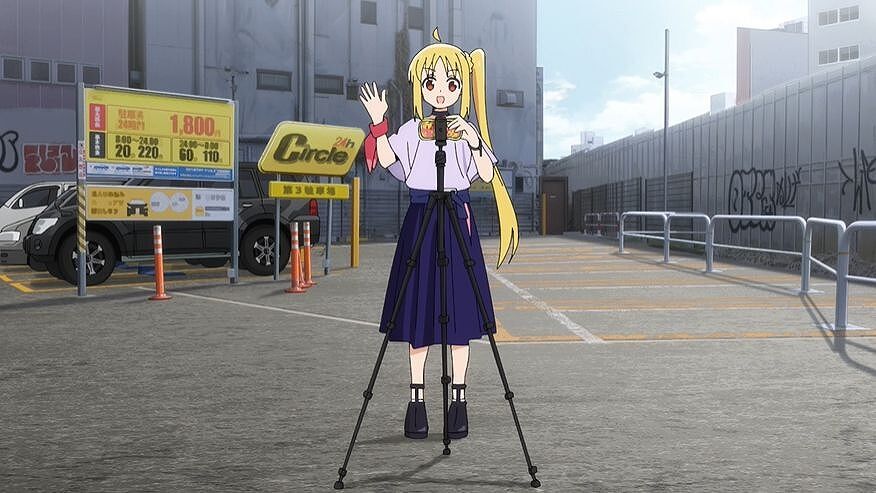
Times Shimokitazawa No. 8 Area
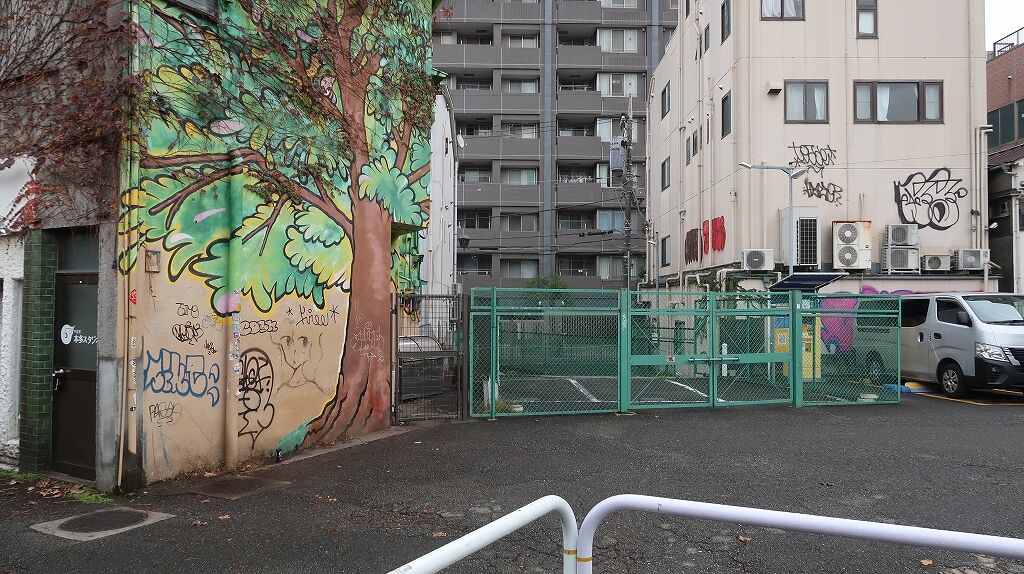
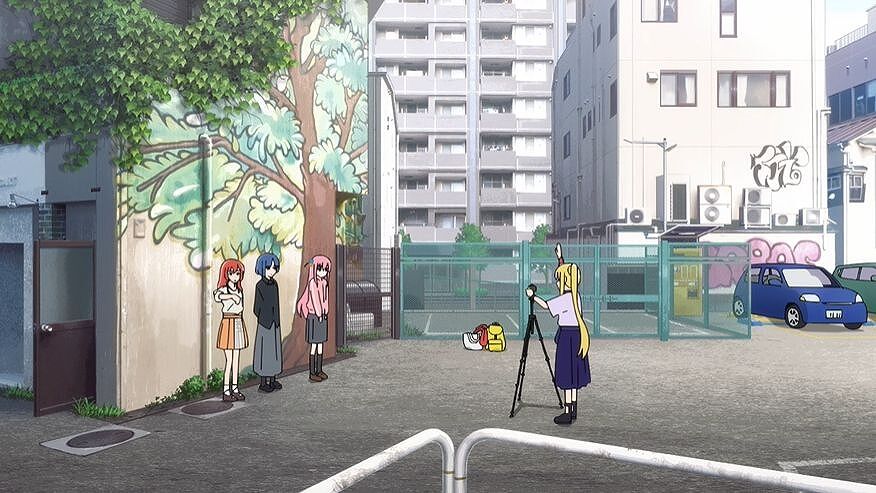
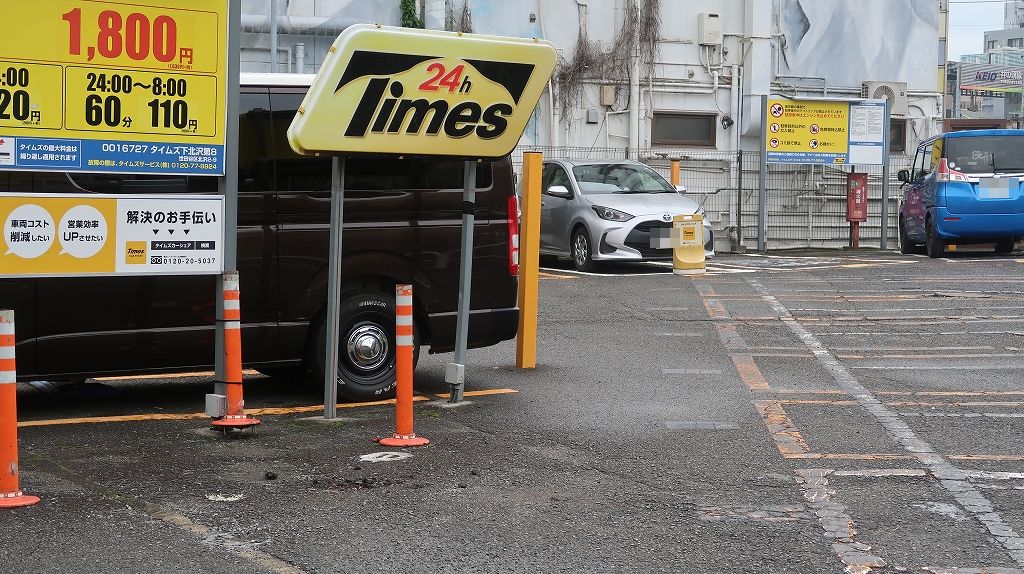
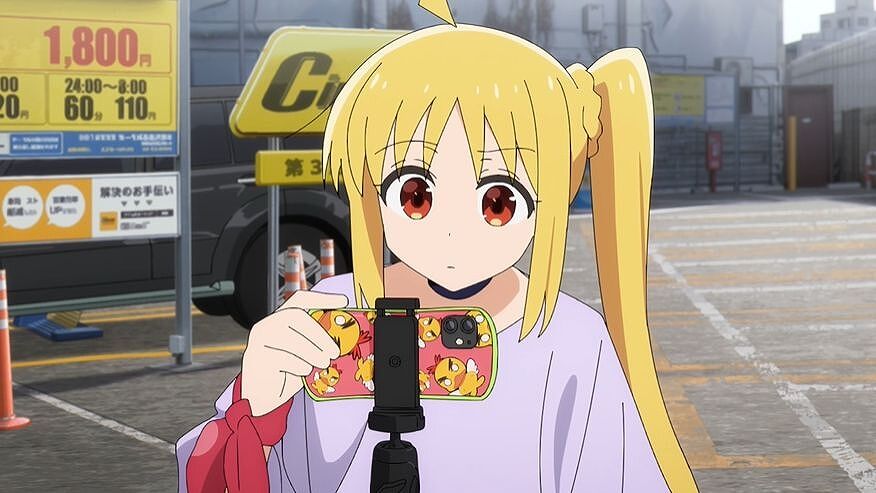
The Times Shimokitazawa No. 8 area is associated with Episode 4 artist-photo cuts. Parking lots and nearby streets can change, so use this as a flexible photo-area reference rather than expecting every background element to match perfectly.
Shimokitazawa Station West Exit

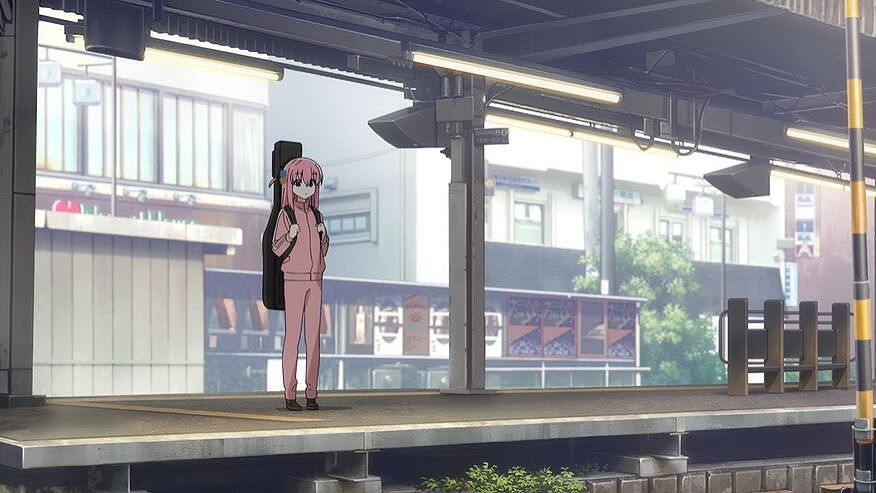
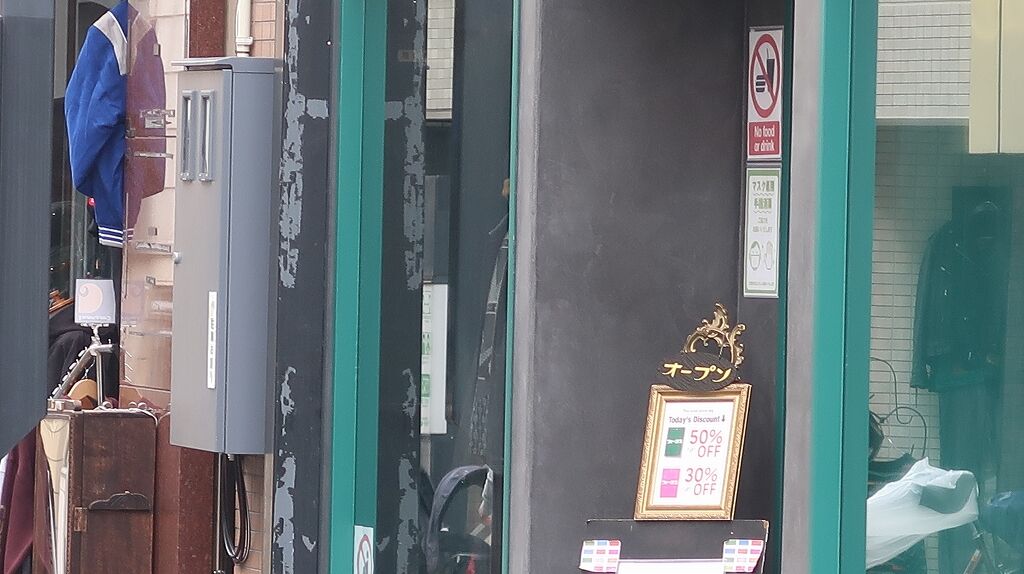
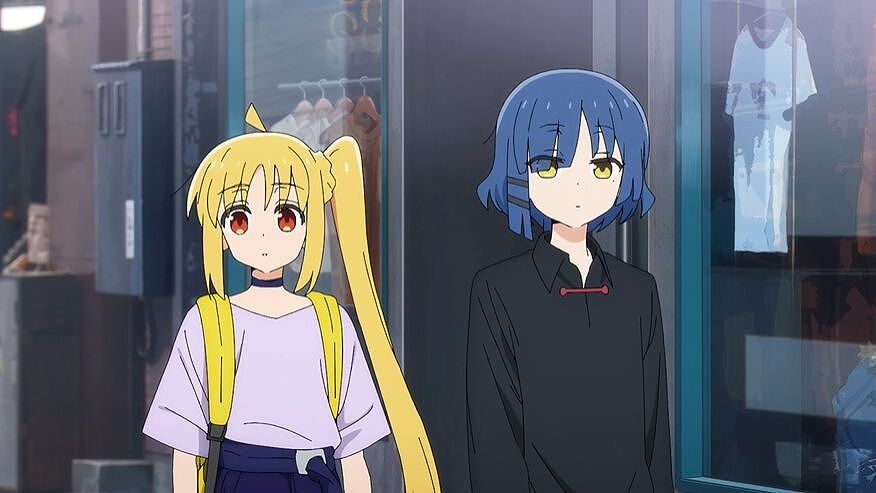
The west side of Shimokitazawa Station appears in Episode 5 scene references and helps complete the loop back toward the station. It is a practical end point if you are keeping the walk to the core neighborhood.
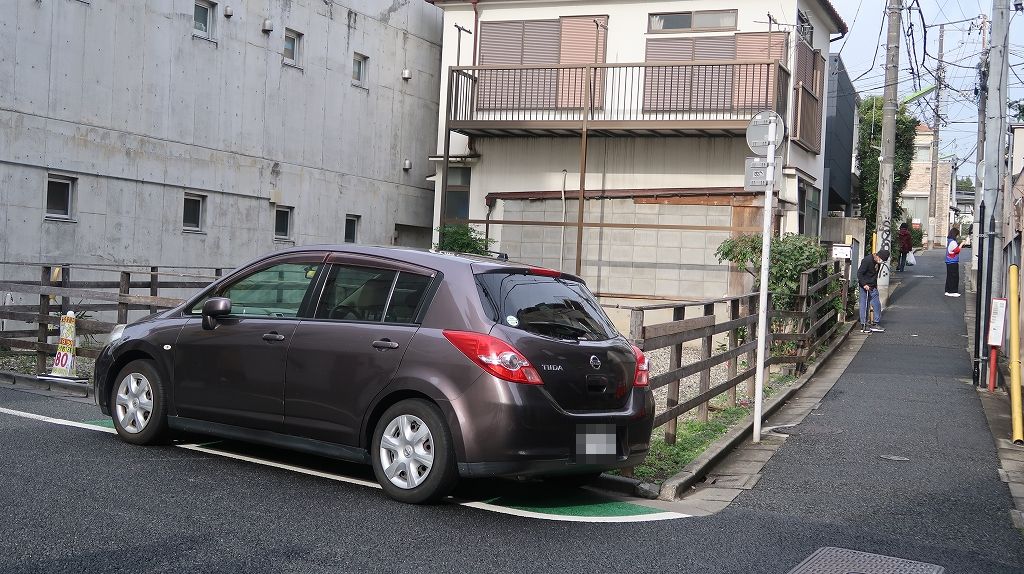
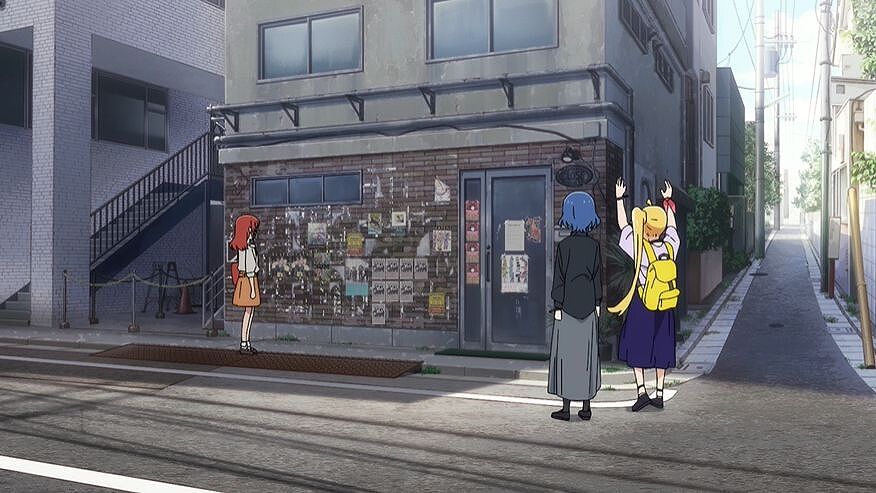
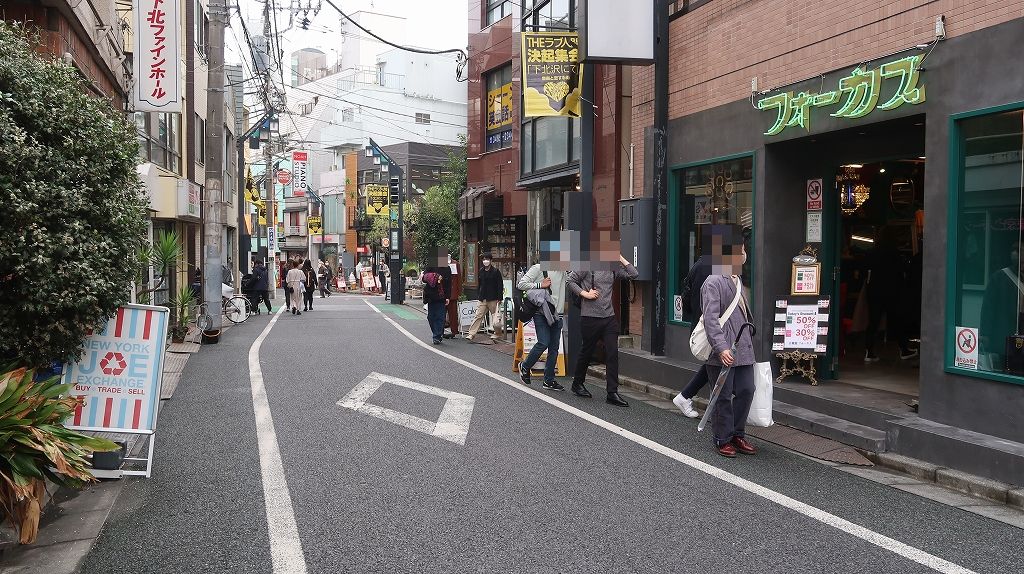
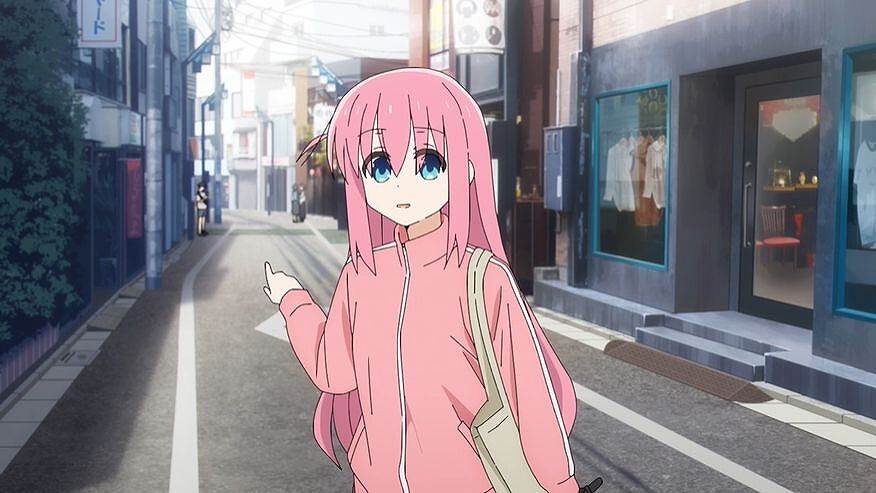
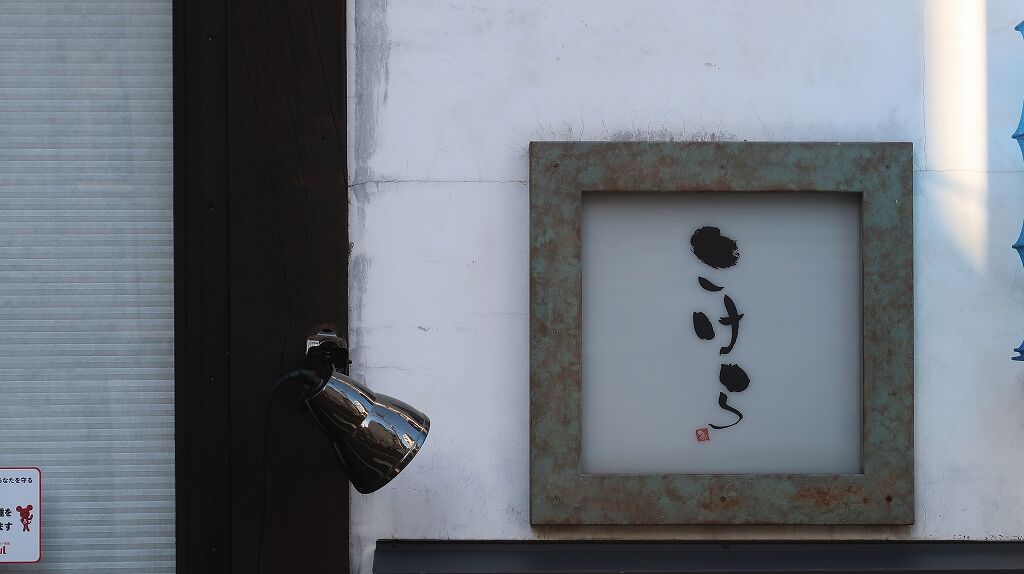
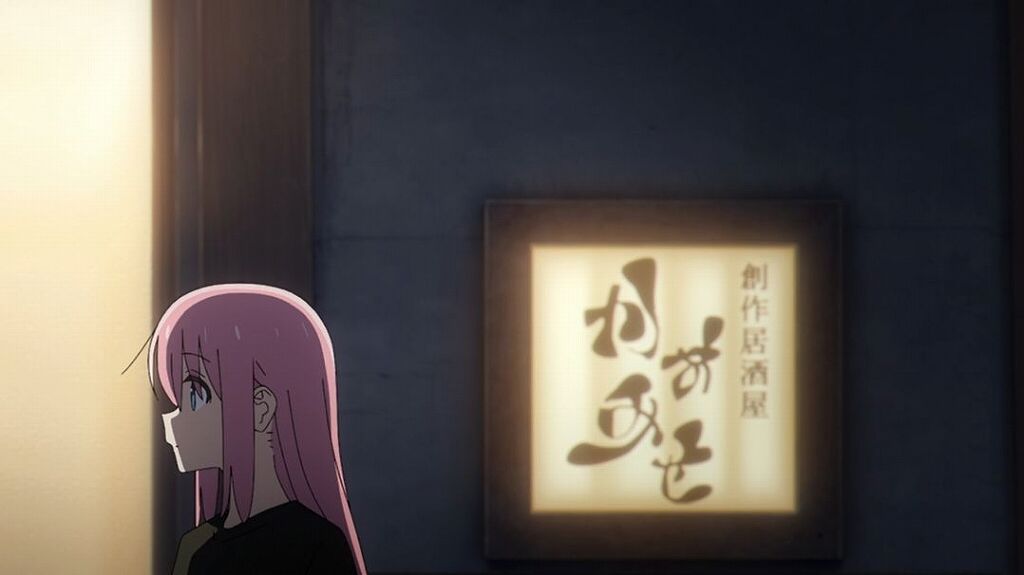
Kokera Area
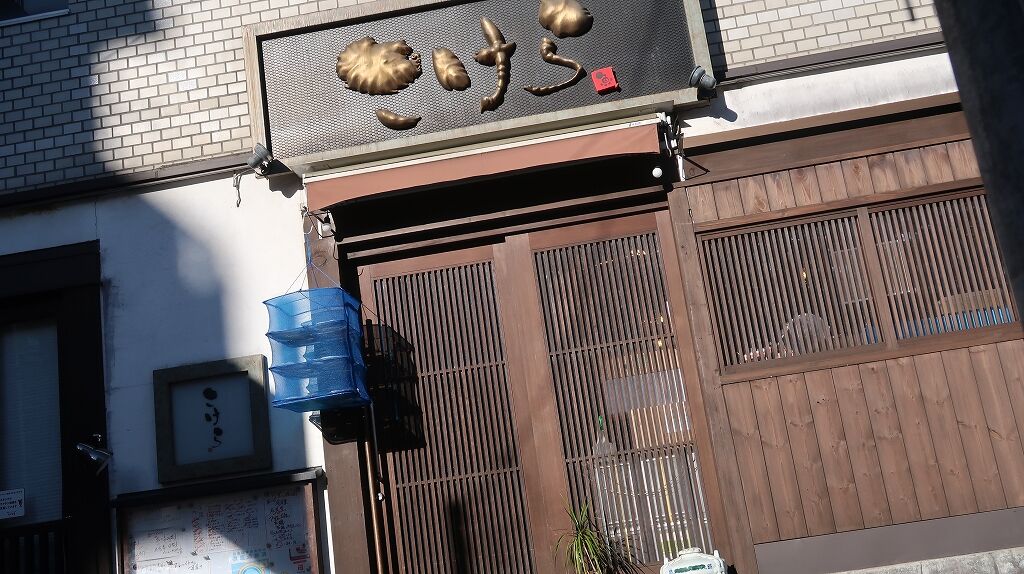
Kokera is associated with the Episode 8 after-show gathering. If you include it, treat it like a normal restaurant or bar area: check current business hours, avoid crowding the entrance, and do not treat staff as part of the anime route.
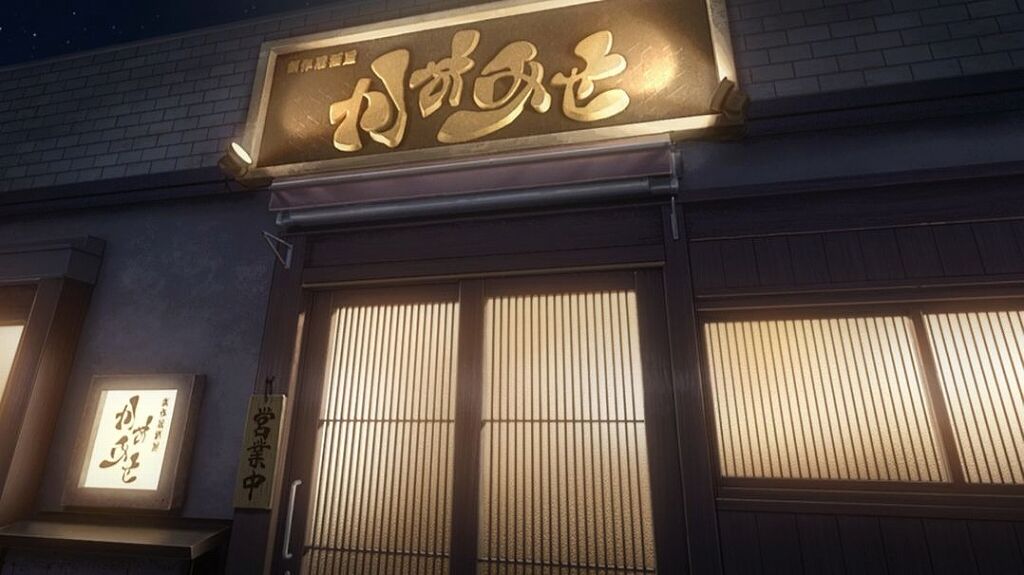
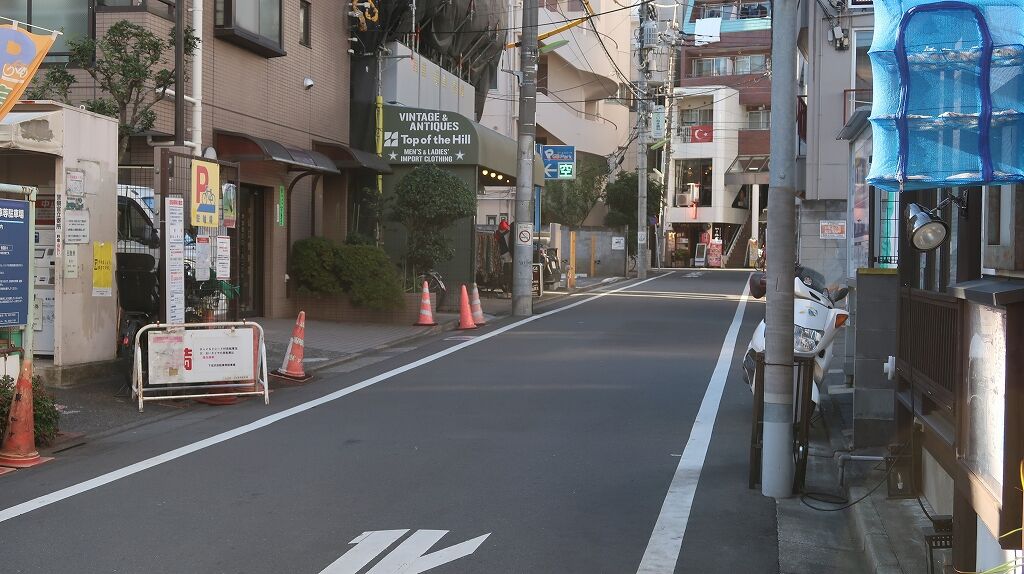
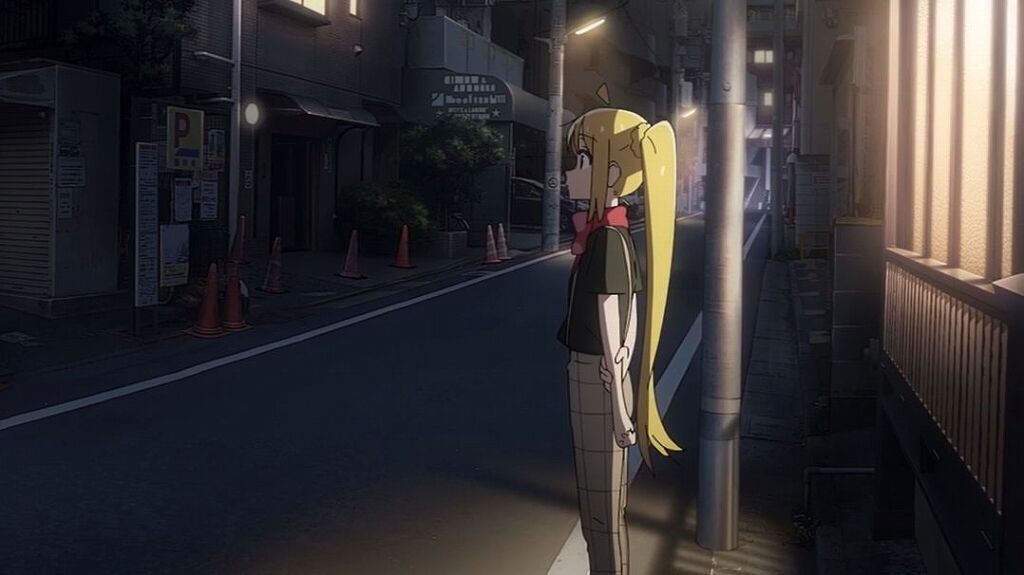
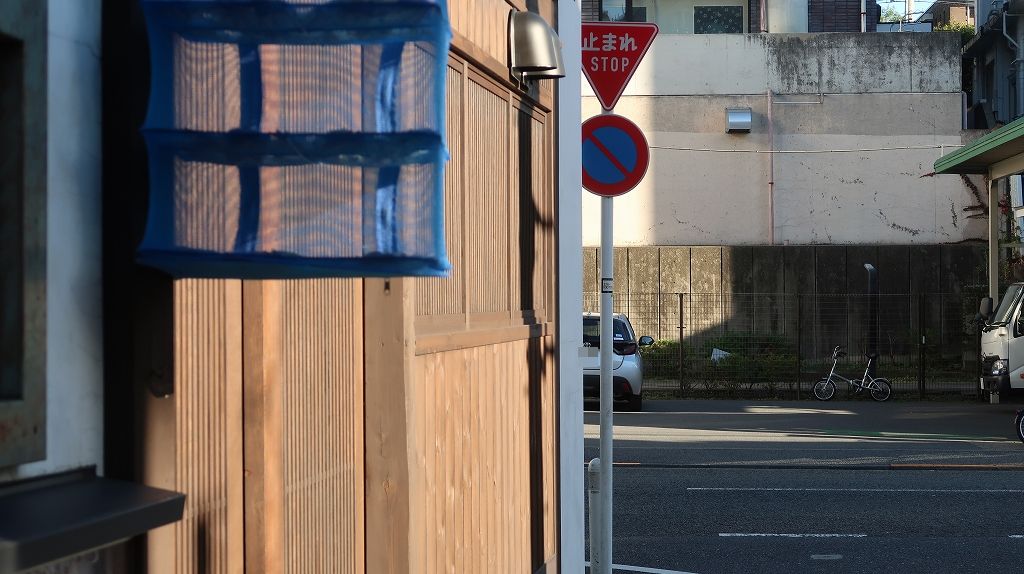

Kanazawa-Hakkei: Bocchi’s Everyday World
Kanazawa-Hakkei gives the route a different feeling from Shimokitazawa. These stops connect more with Hitori’s everyday world, station commutes, bridges, and neighborhood scenes. Avoid private apartment or school-related locations; the useful public route can still be satisfying without exposing residential addresses.
Hakkei Bridge
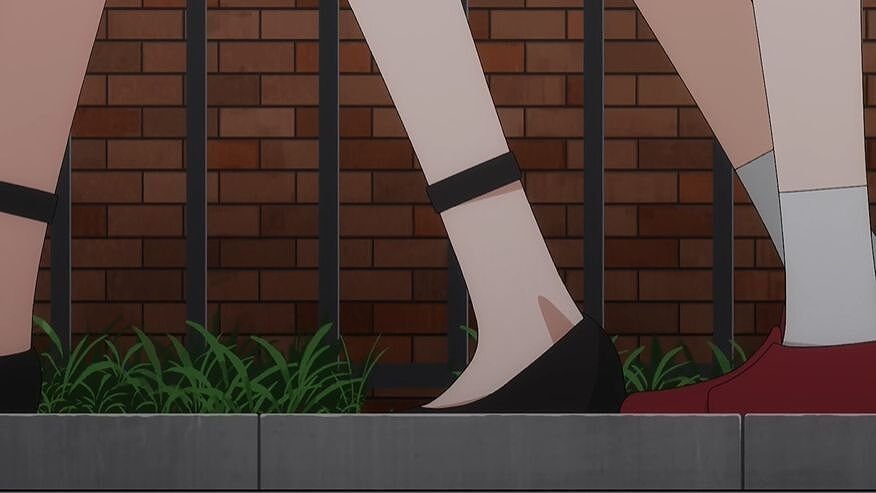
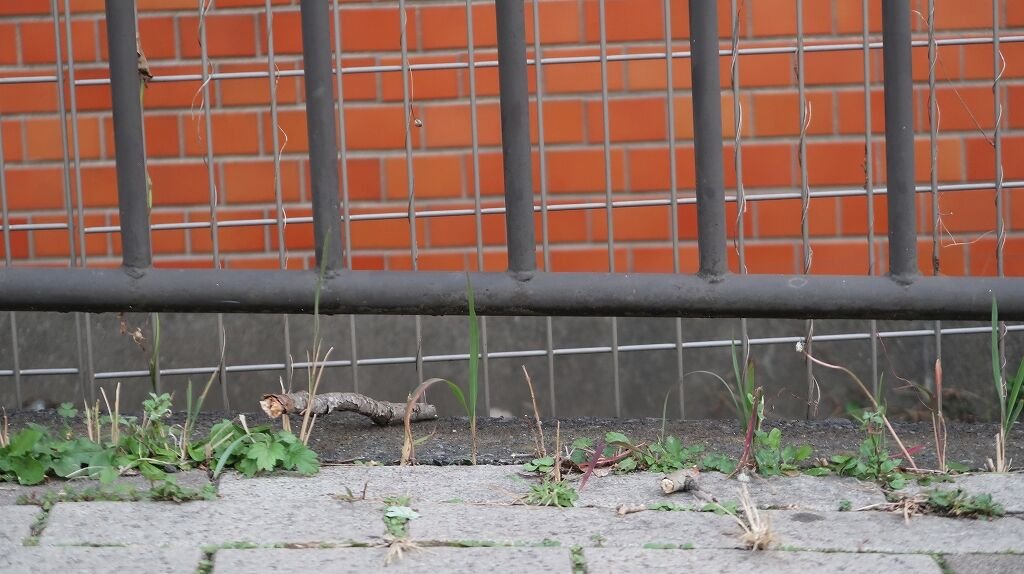
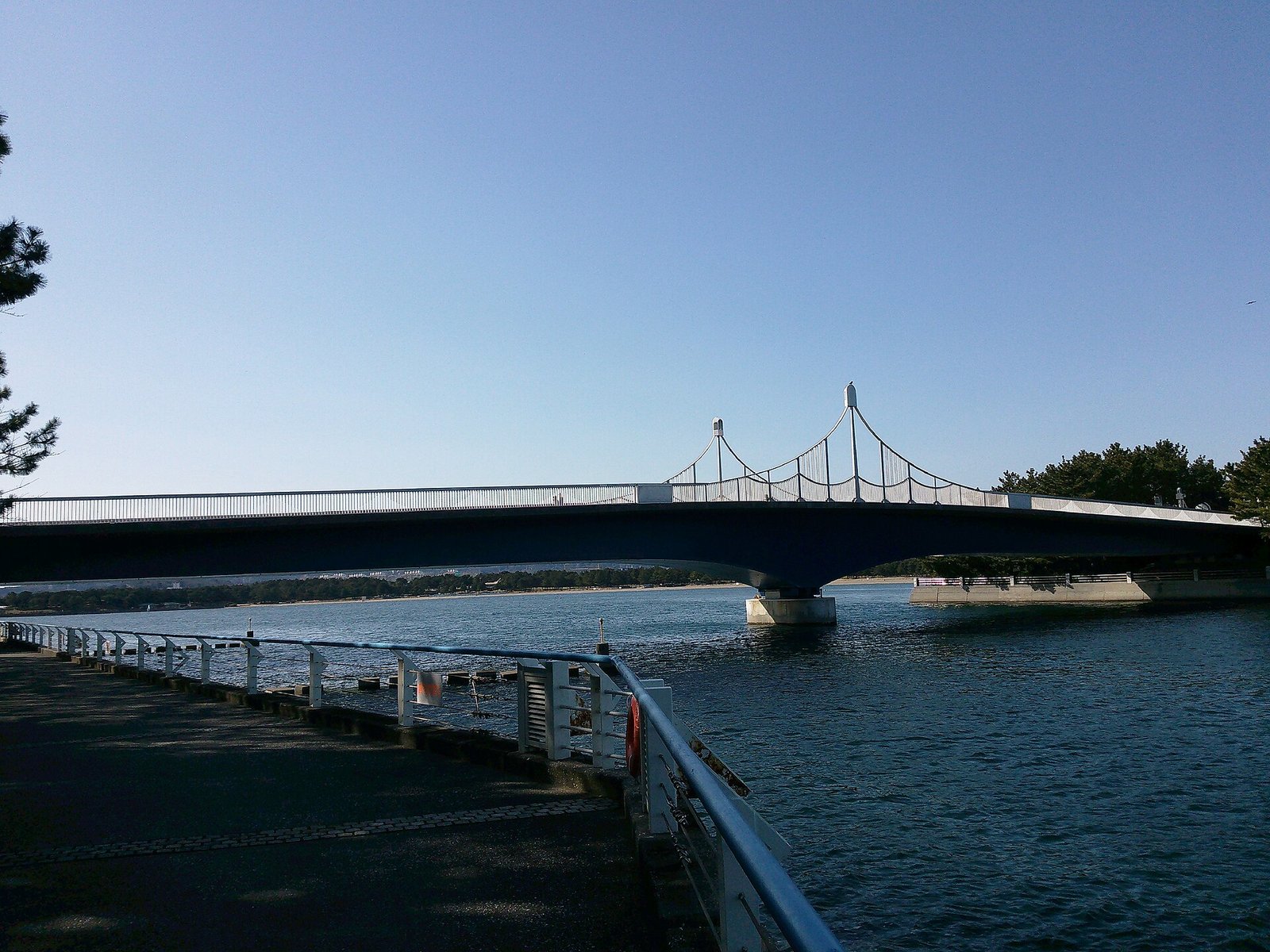
Hakkei Bridge is one of the stronger public Kanazawa-Hakkei stops, linked with Episode 7 scene references. It gives visitors a clear, public landmark rather than a private residential target.
Yanagicho Area
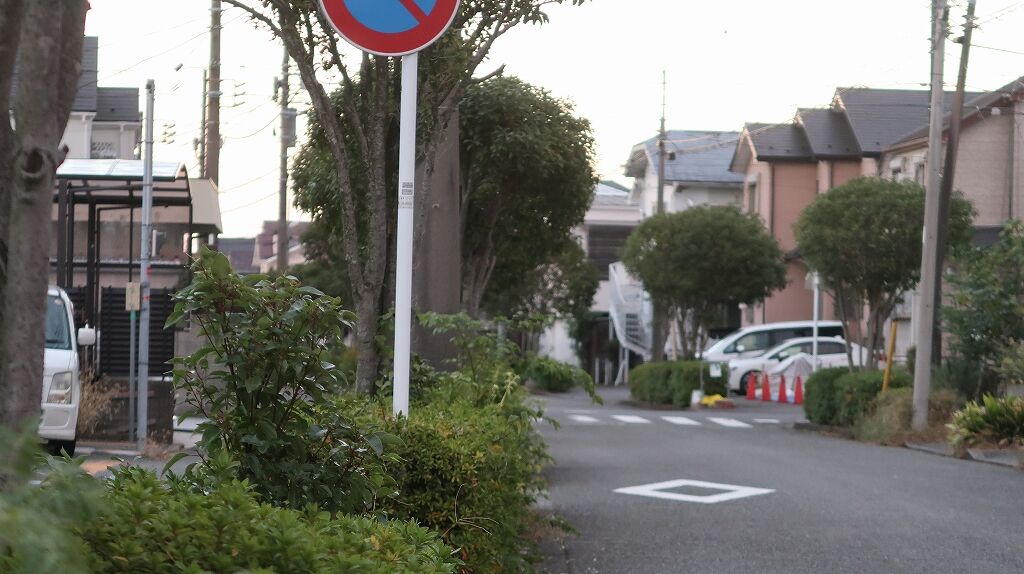
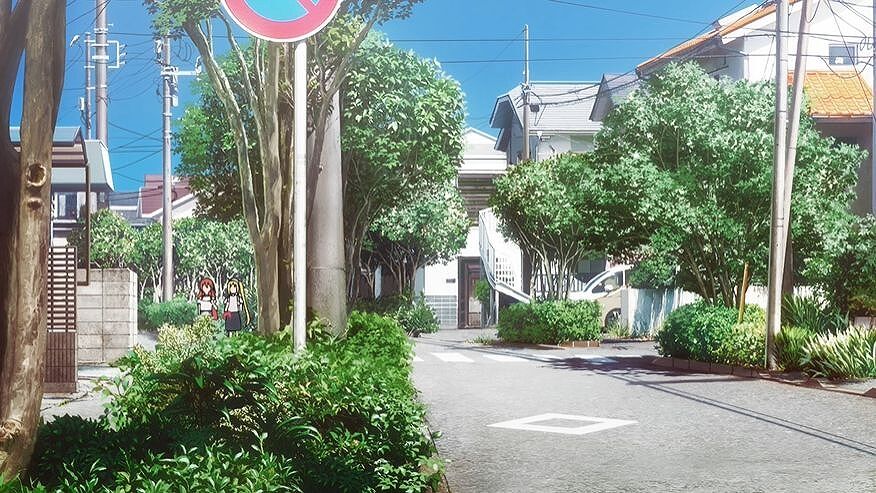
The Yanagicho area appears in Episode 7 references around everyday street scenes. Keep the visit general and low-key because some nearby points are close to ordinary homes and local businesses.
Kanazawa Shichifukujin / Benzaiten Area
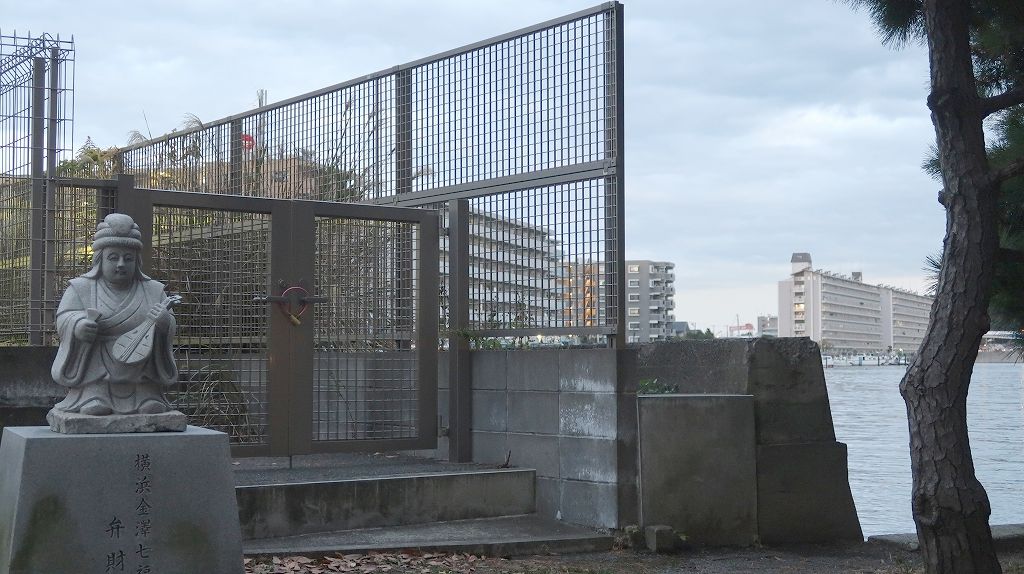
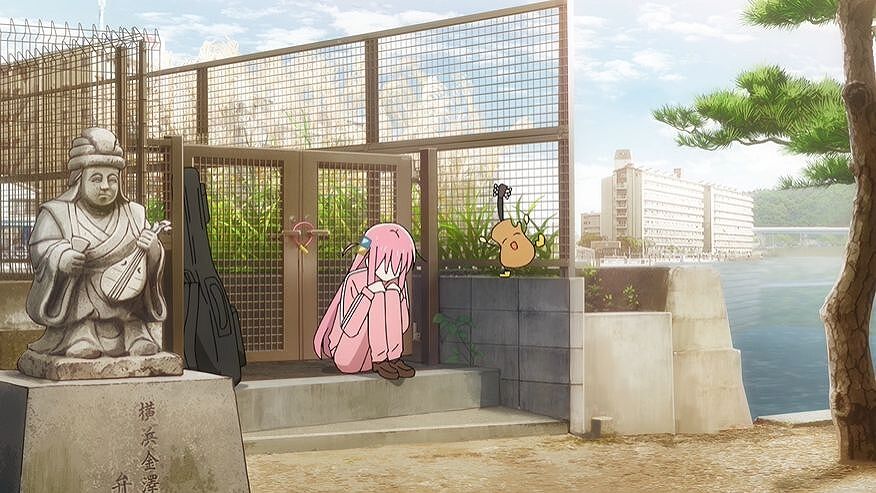
The Benzaiten area gives the Kanazawa-Hakkei section a public cultural landmark connected with Episode 6 references. It is a better reader-facing stop than private apartment points because visitors can understand the place without intruding on residents.
Lawson Near Kanazawa-Hakkei Station
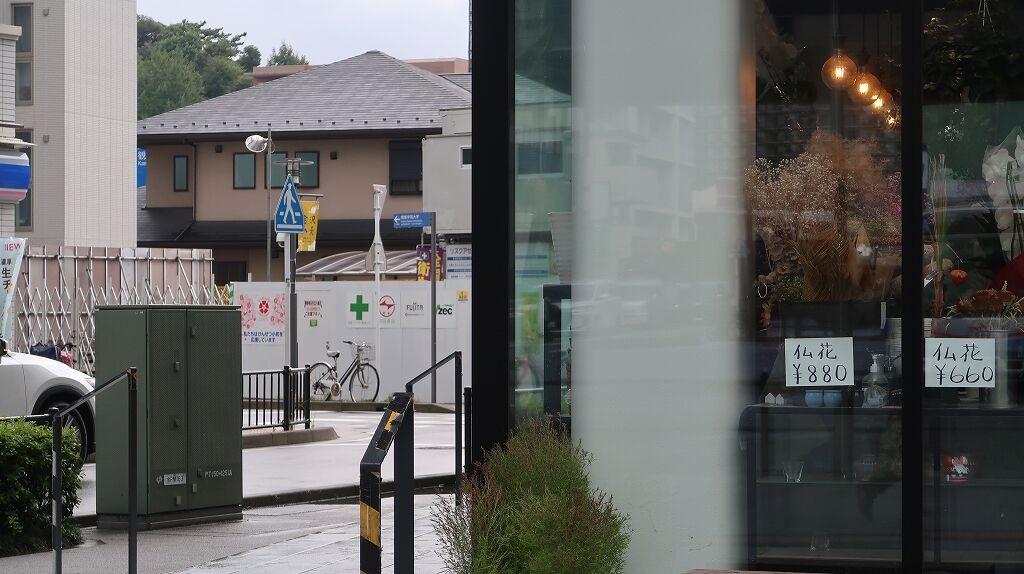
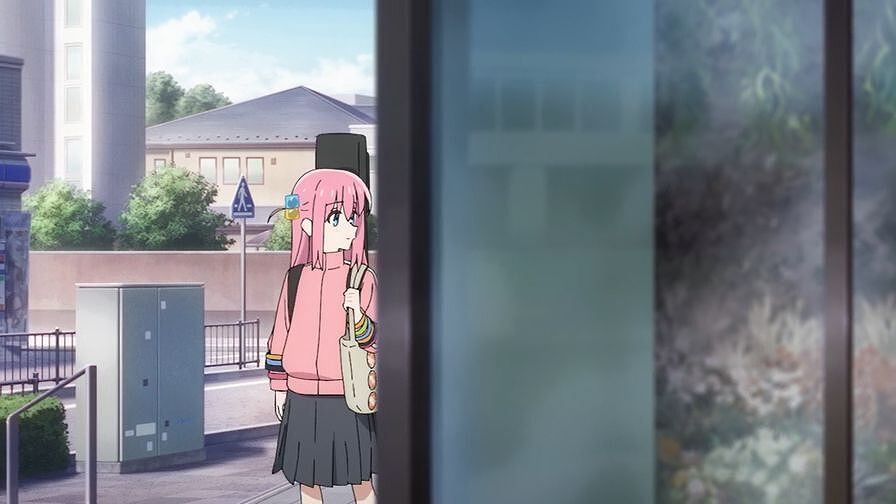
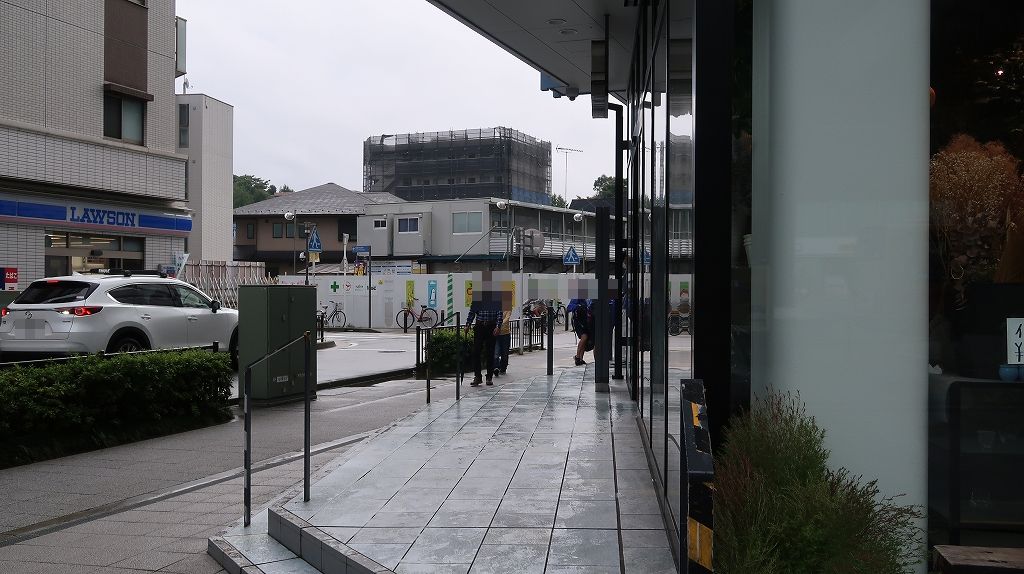
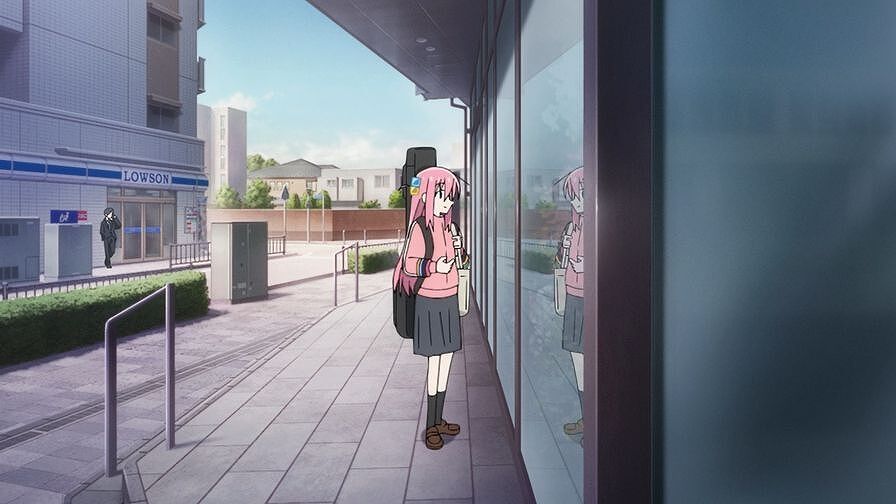
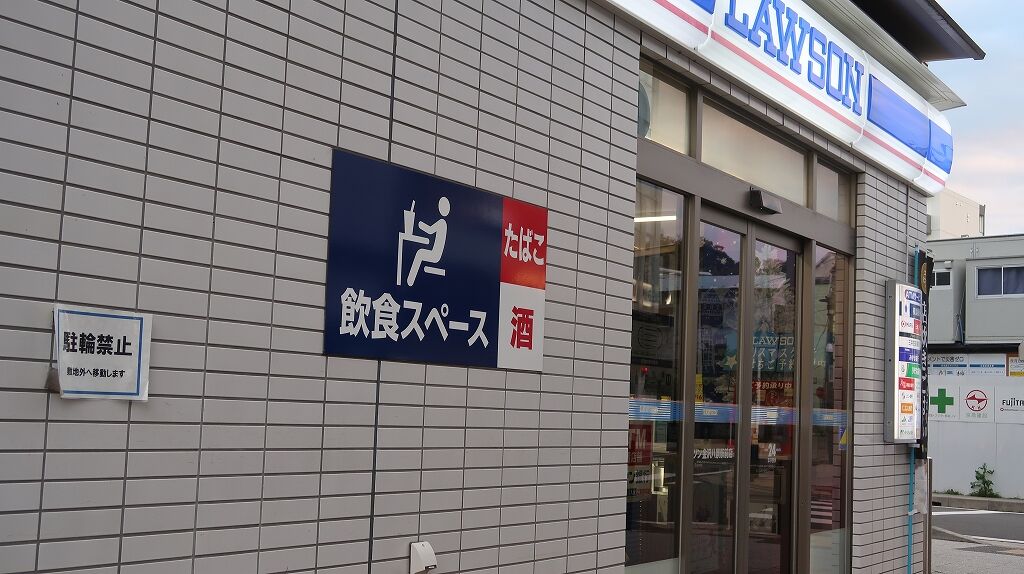
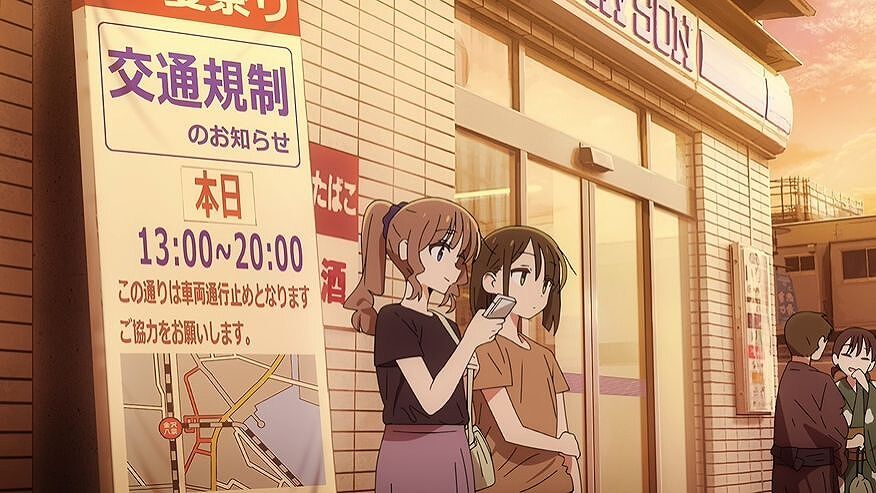
The Lawson near Kanazawa-Hakkei Station appears in commute-related Bocchi references. Convenience stores are working businesses, so buy something if you enter, avoid photographing customers or staff, and keep exterior photos quick.
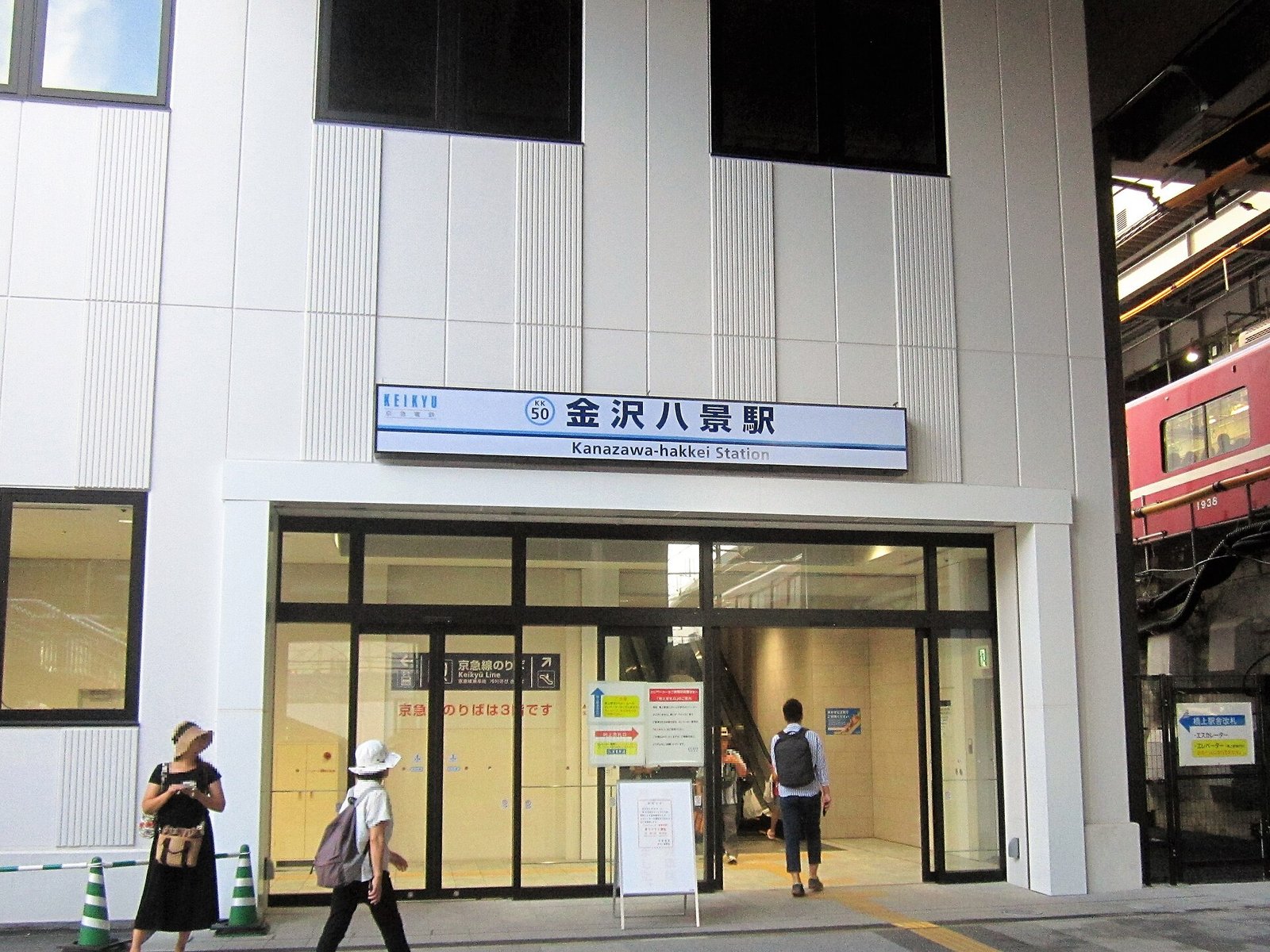
Keikyu Kanazawa-Hakkei Station Front
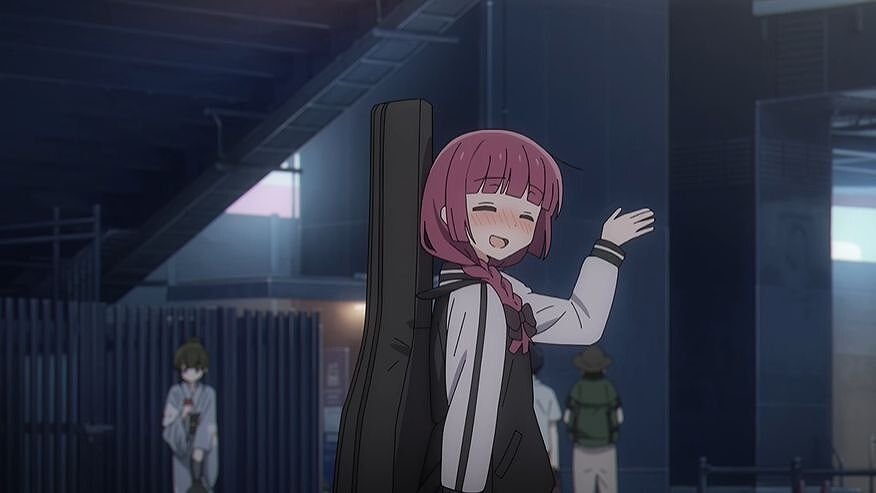
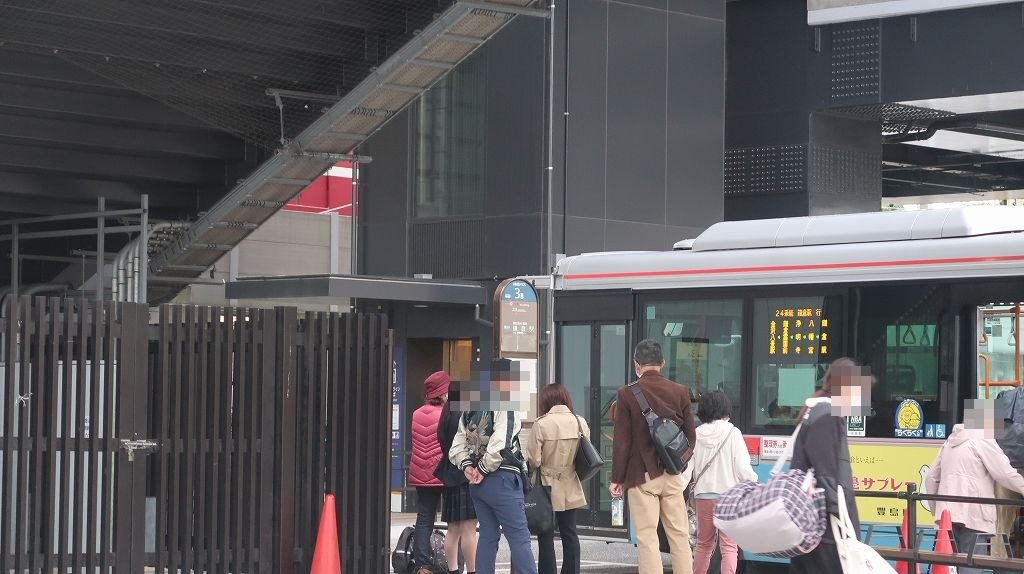
The Keikyu station-front area appears in Episode 6 cuts and is the easiest public anchor for this part of the route. Use it to orient the rest of the Kanazawa-Hakkei walk.
Kanazawa-Hakkei Station Platform
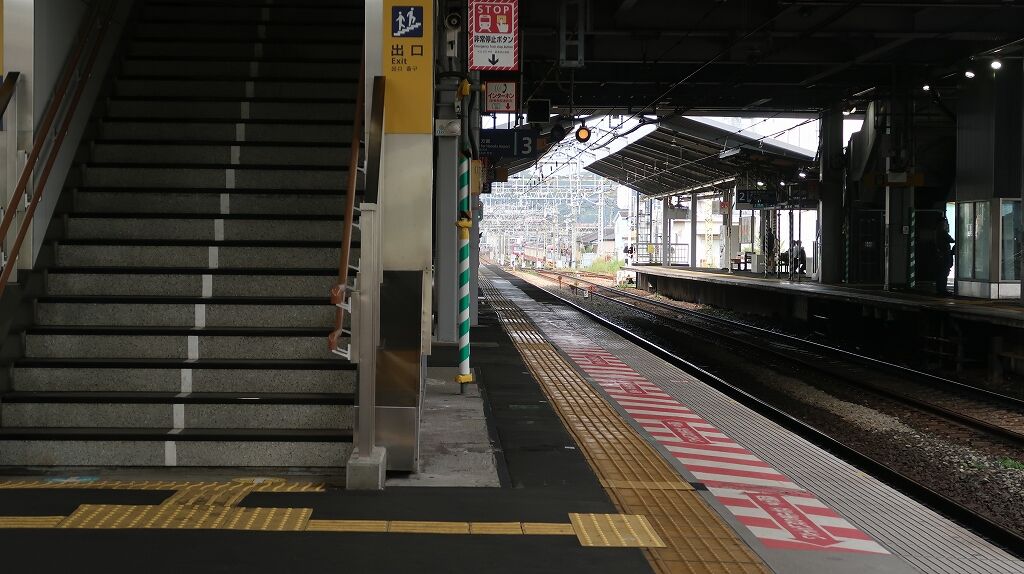
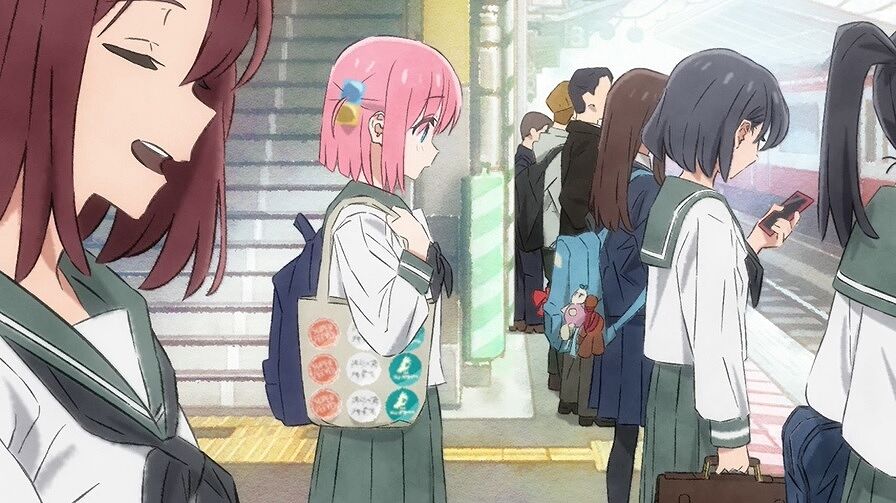
Platform 3 is identified with Hitori’s middle-school flashback in Episode 1. Because this is an active railway platform, prioritize safety and passenger flow over photos, and never stop in a dangerous position for an angle.
Matsunoki Children’s Park
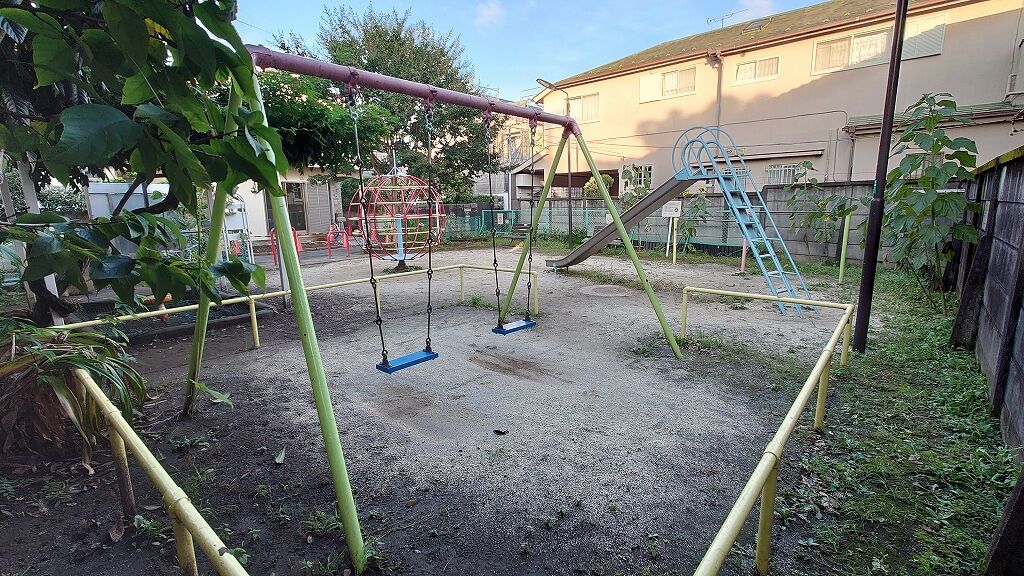
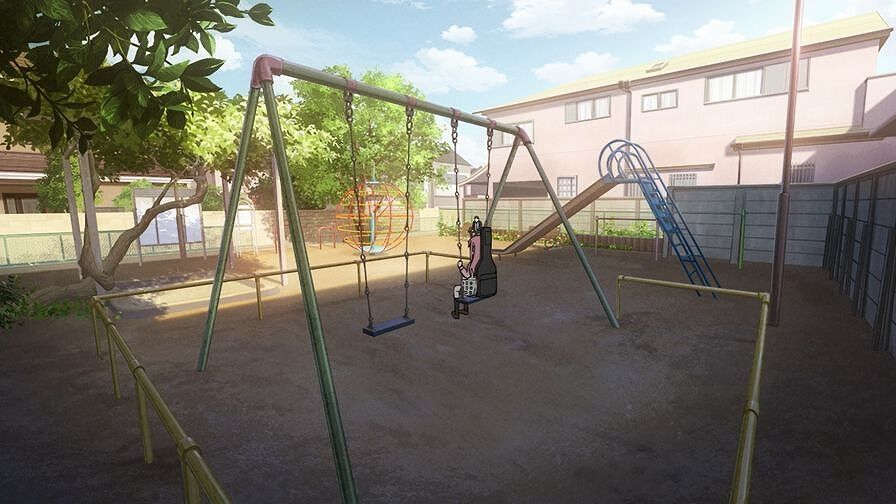
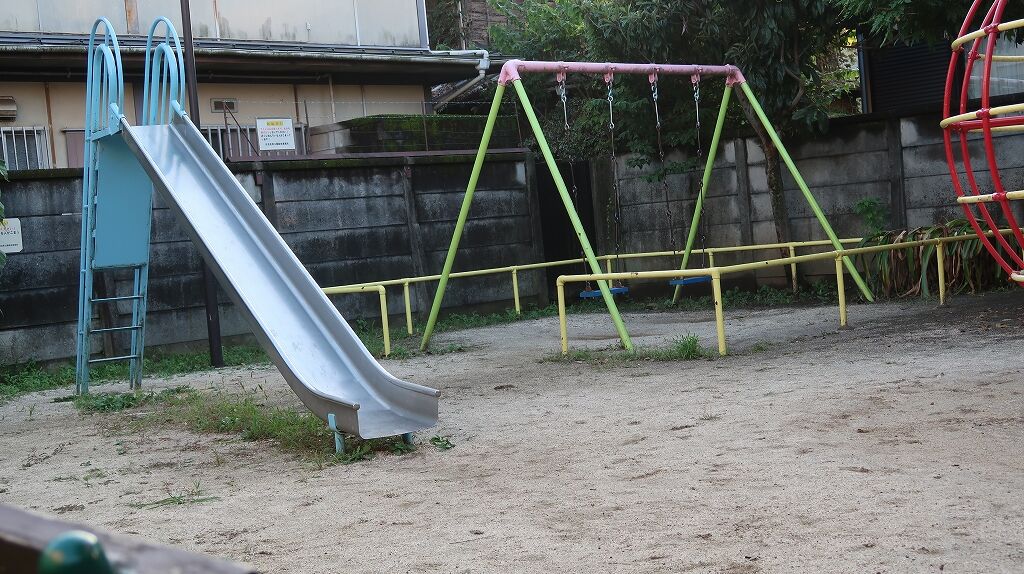
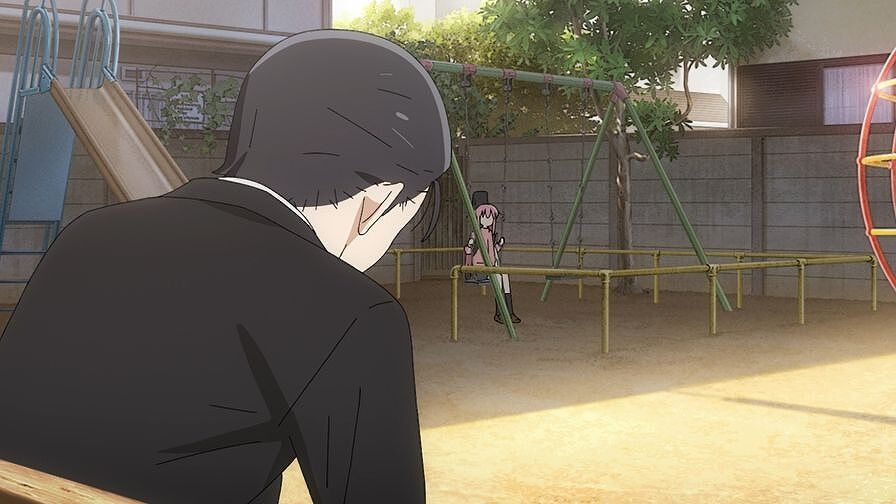

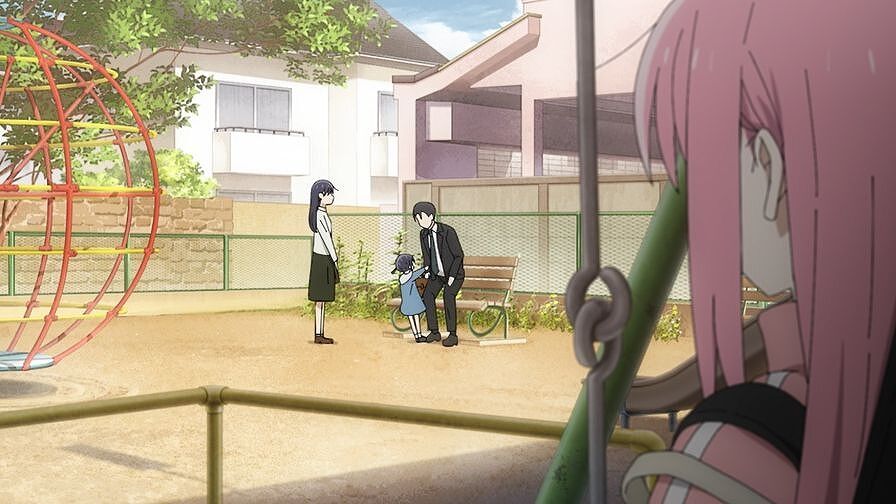
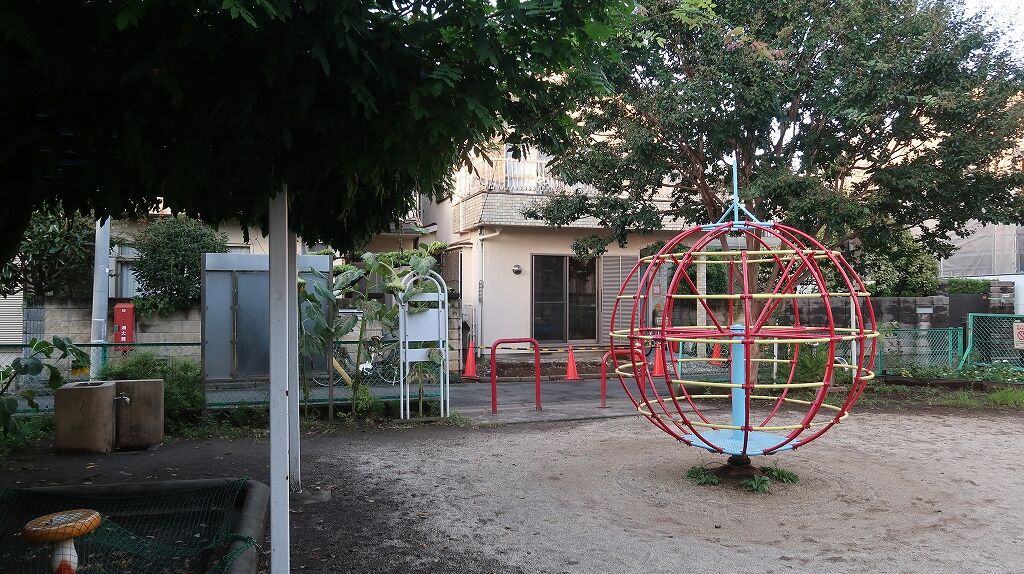
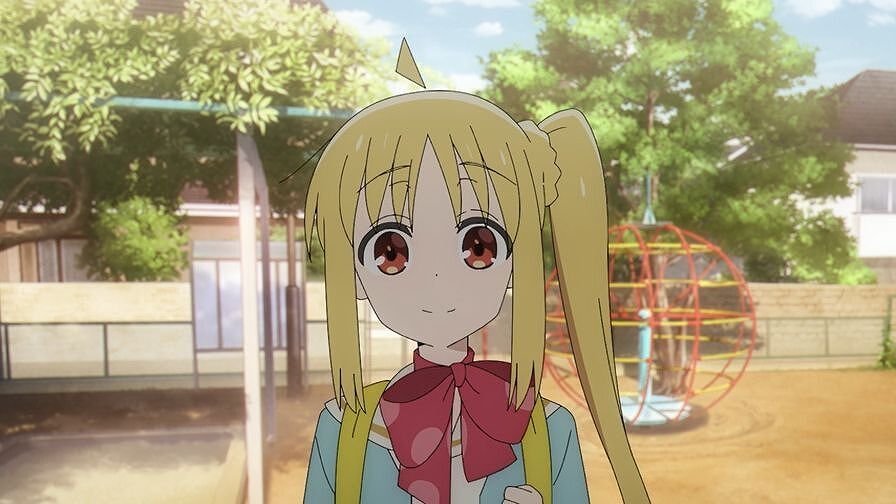
Matsunoki Children’s Park is tied to the Episode 1 scene where Hitori and Nijika meet, but it sits far from Shimokitazawa. Visit only if you are already doing the Kanazawa-Hakkei side route, and keep the park respectful for local families.
Enoshima: The Episode 9 Pilgrimage
Enoshima is best treated as its own half-day or full-day extension. It is not close to Shimokitazawa, but Episode 9 gives fans a clear seaside route with station, bridge, shrine, escalator, garden, and observation-tower stops.
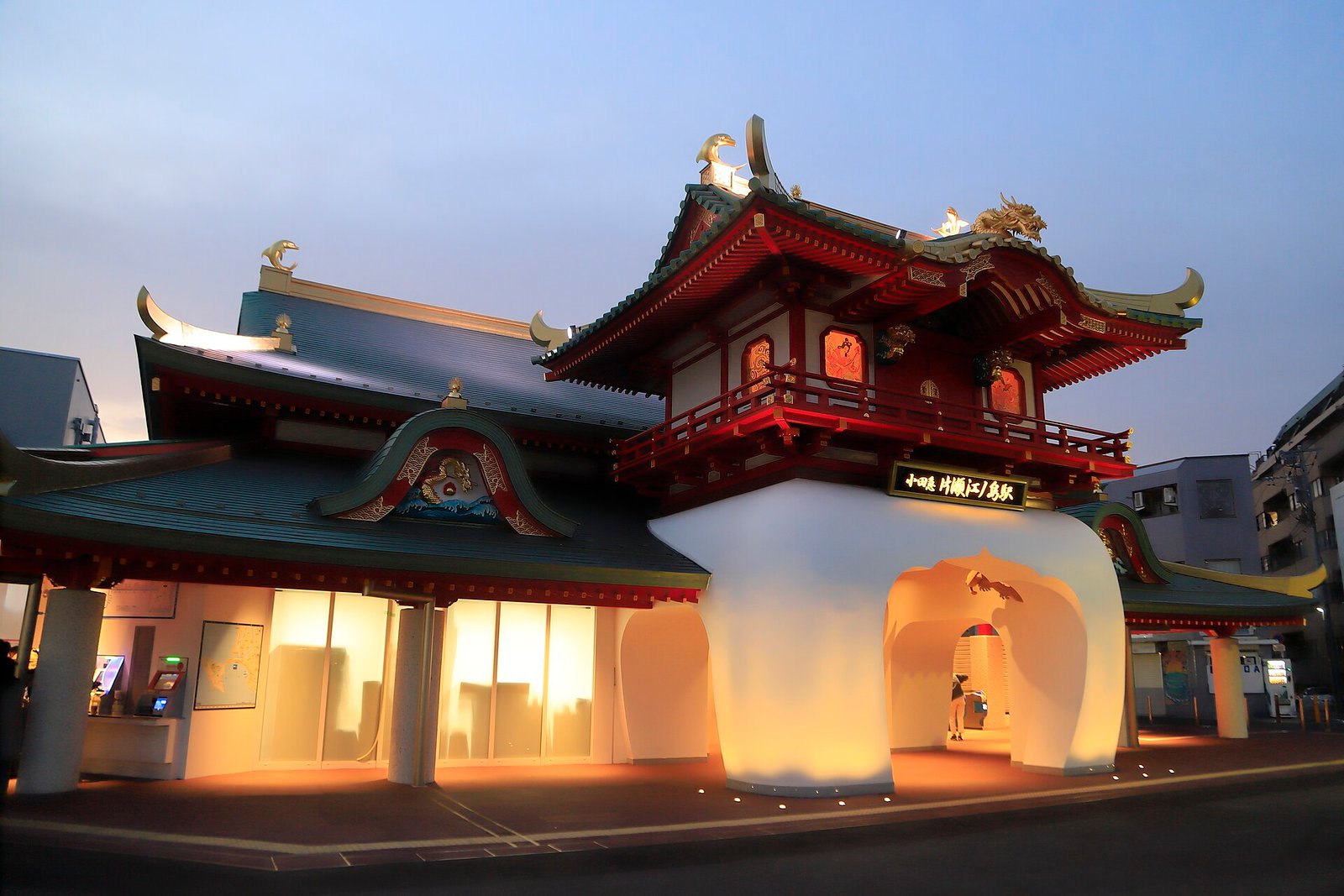
The Katase-Enoshima Station
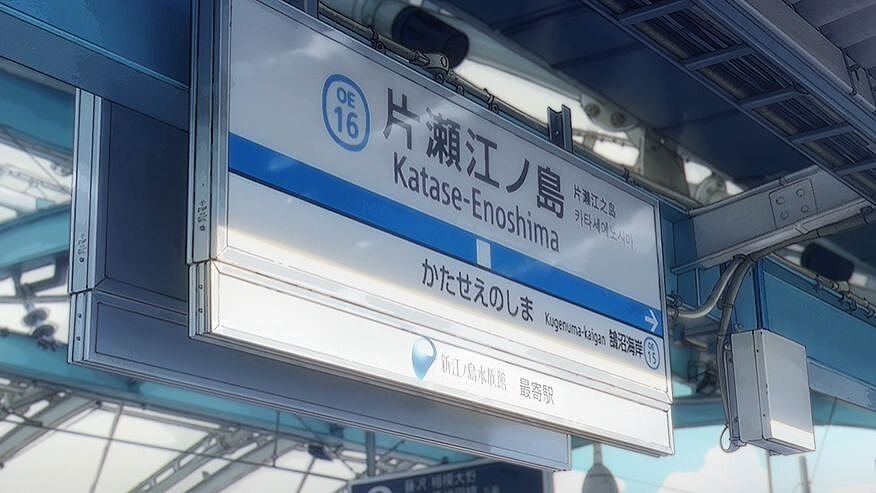
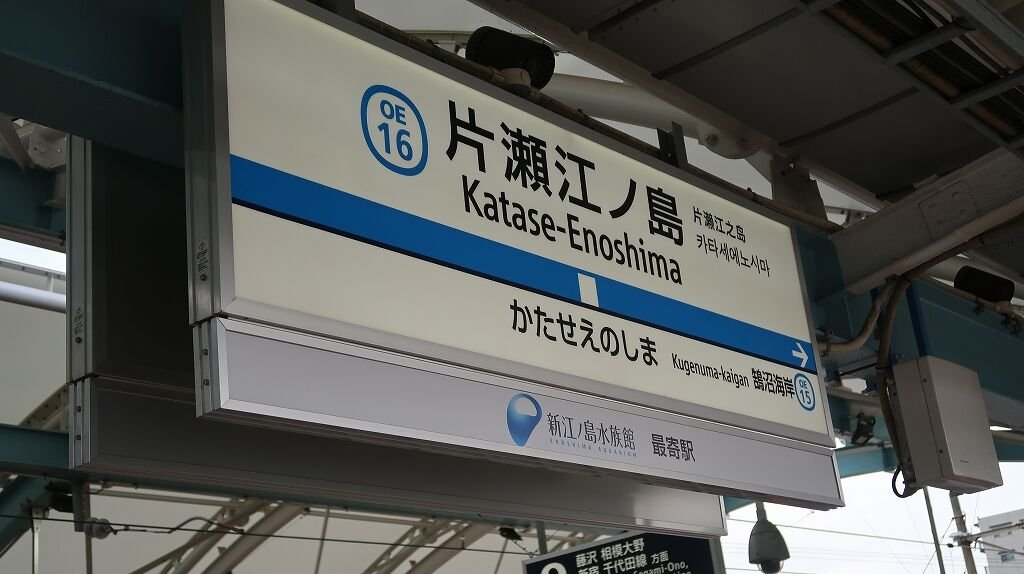
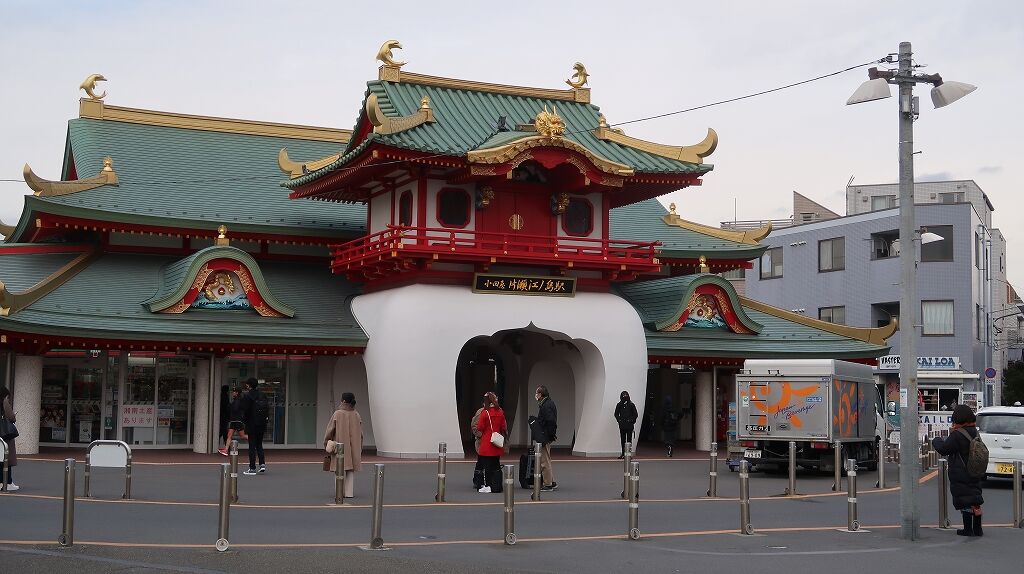
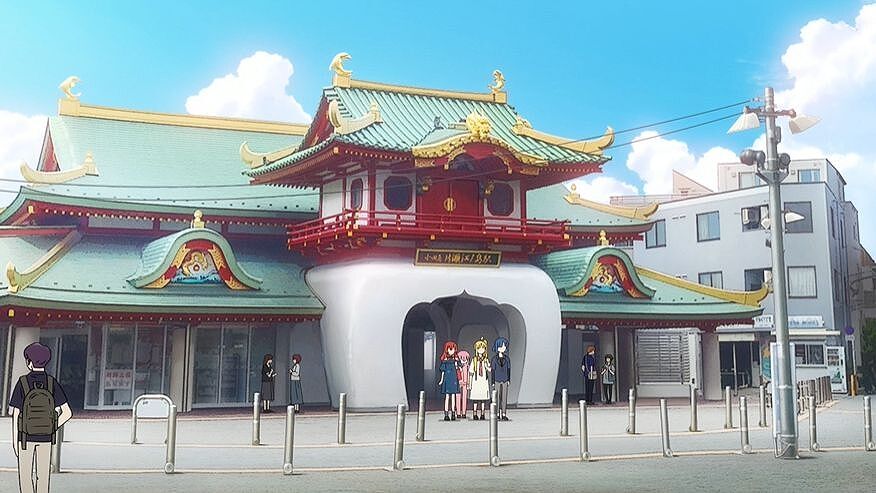
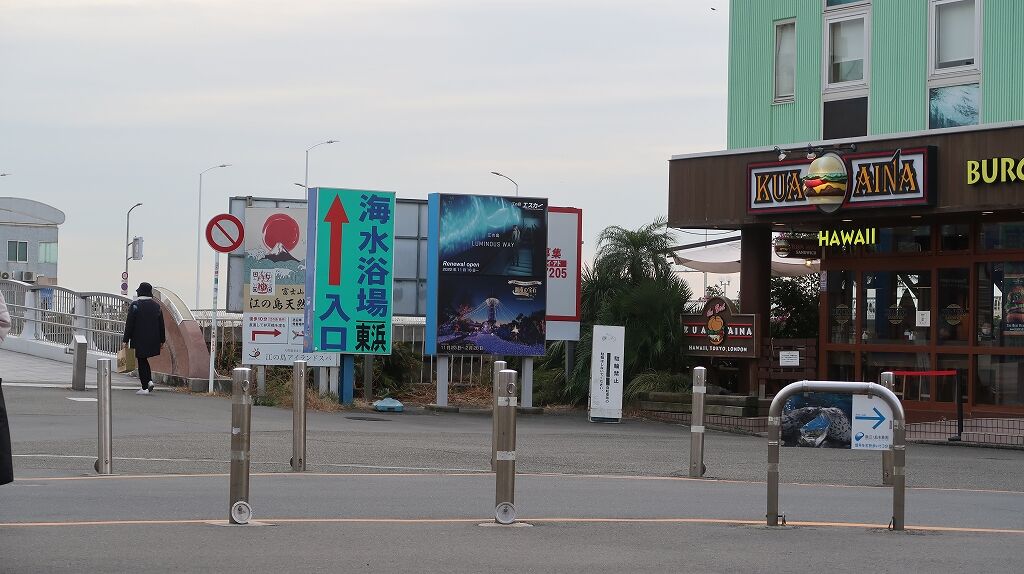
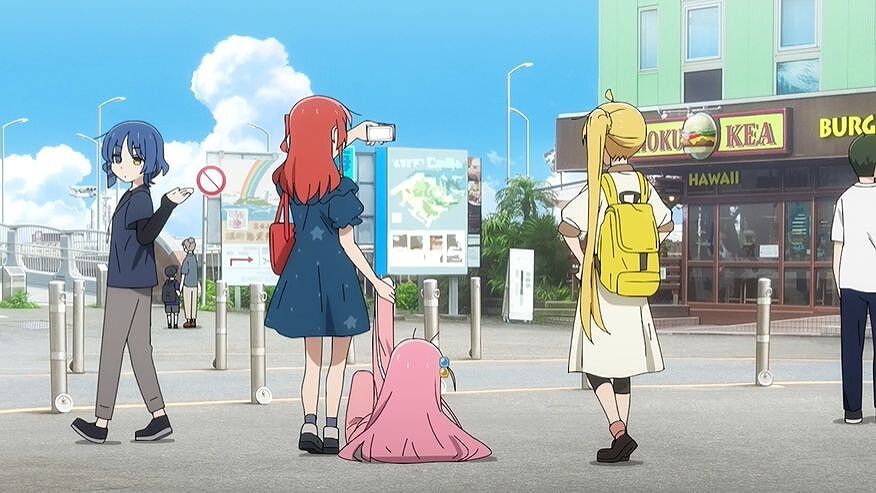
Katase-Enoshima Station is the cleanest starting point for the Episode 9 route. From here, walk toward the beach, bridge approach, and island entrance before climbing toward the shrine and Sea Candle area.
Enoshima Entrance / Bridge Approach
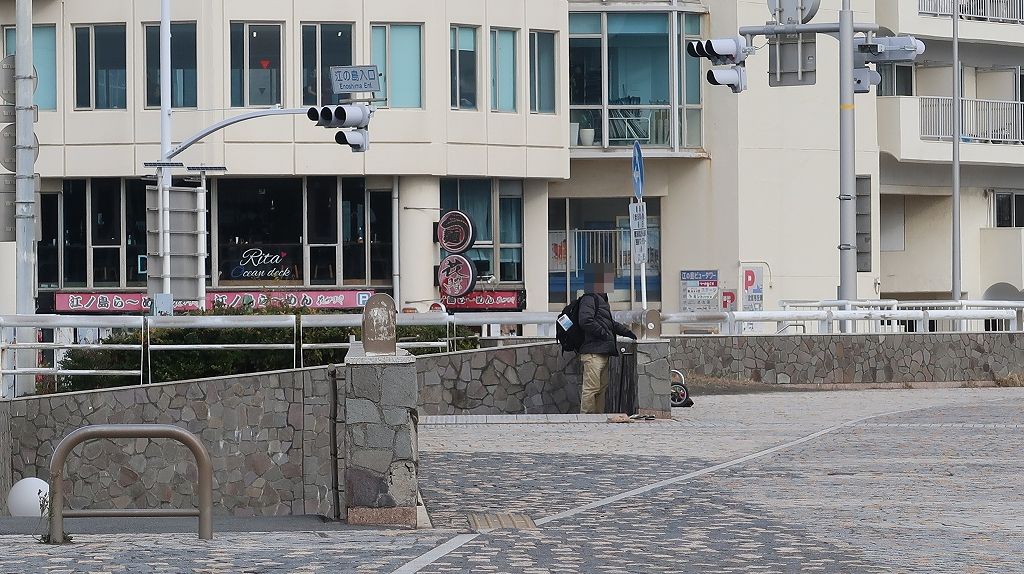
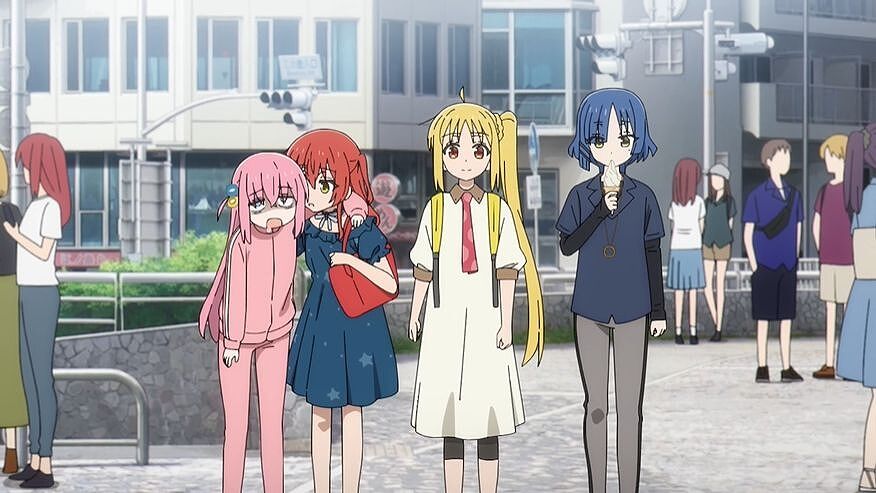
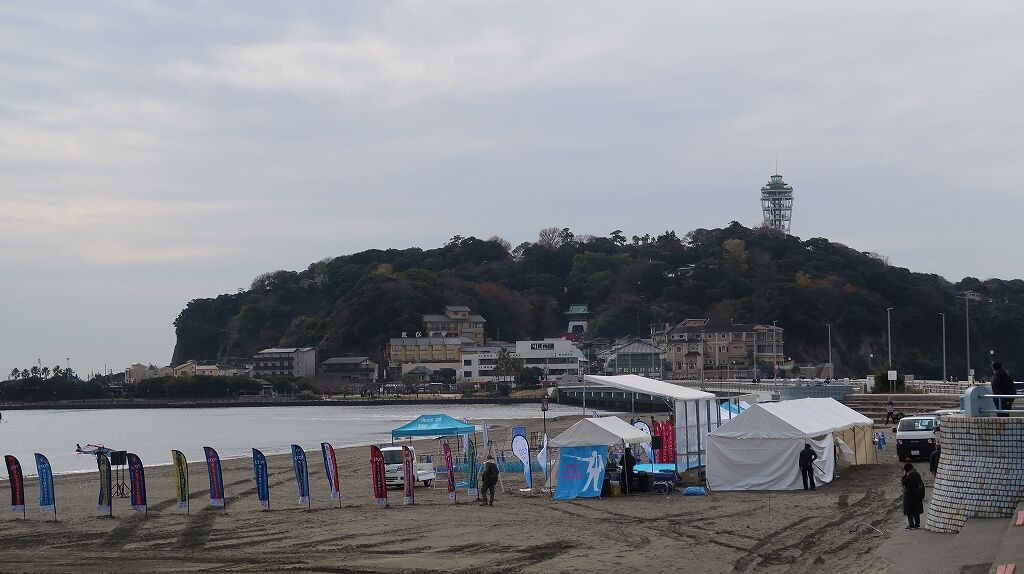
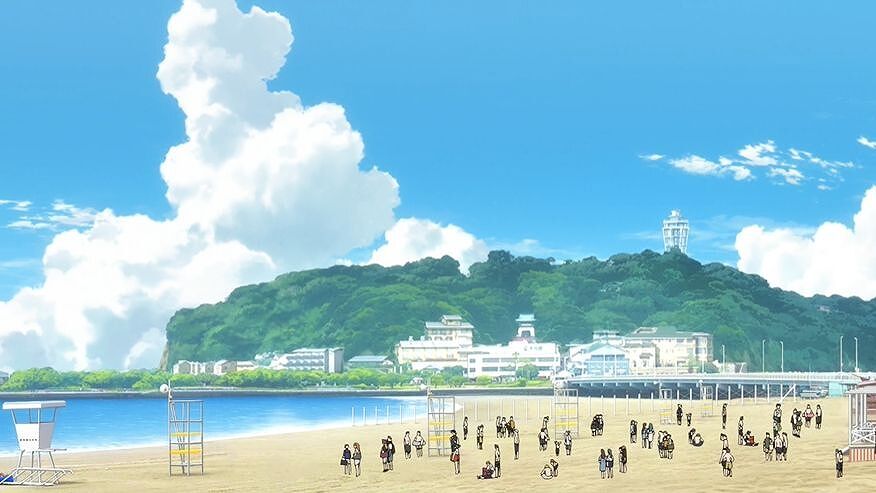
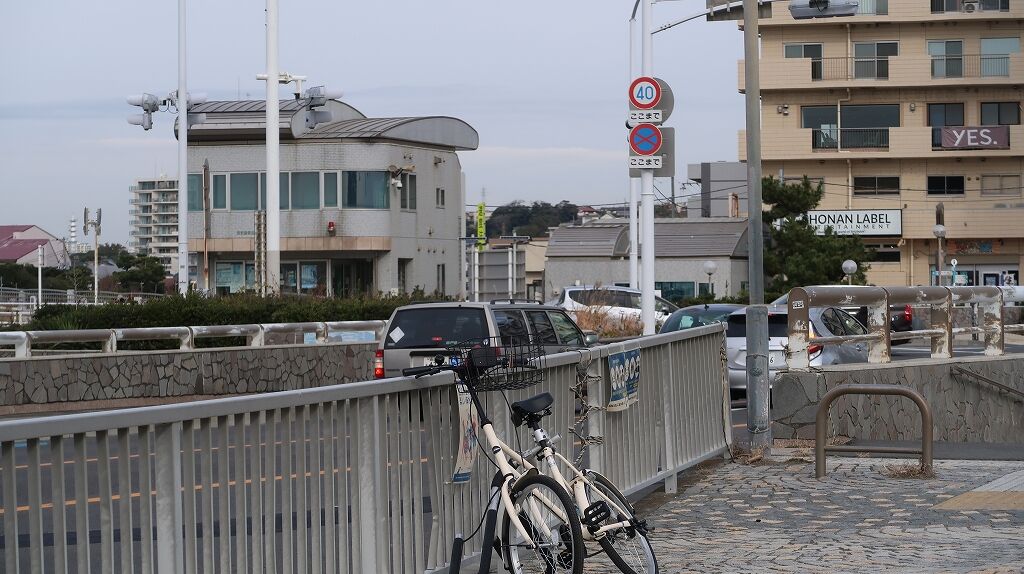
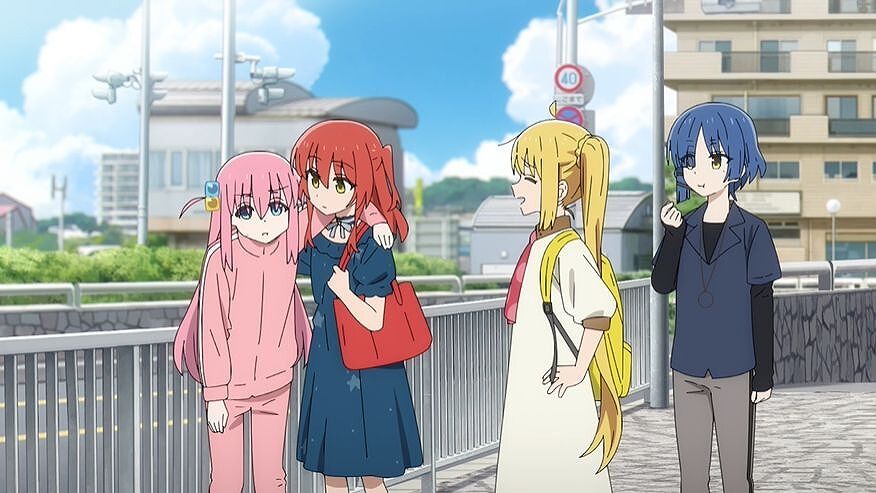
The island approach and entrance crossing appear in Episode 9 references. The bridge area can be busy, so take photos from the side and keep moving with pedestrian flow.
Asahi Honten
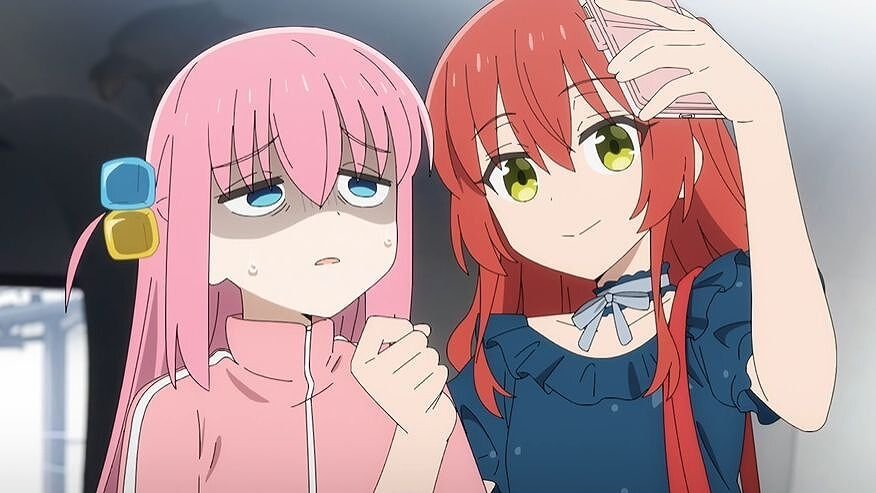
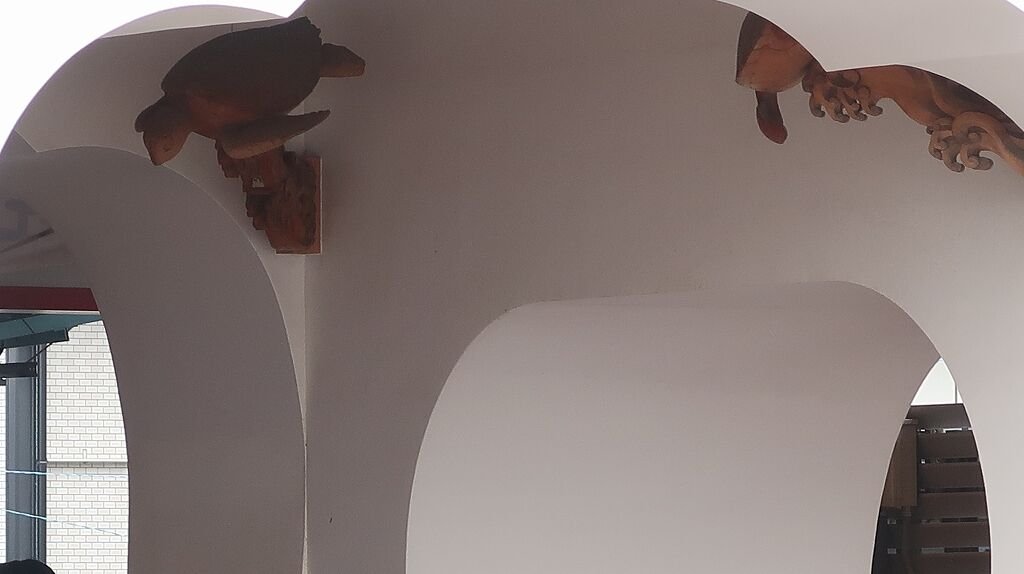
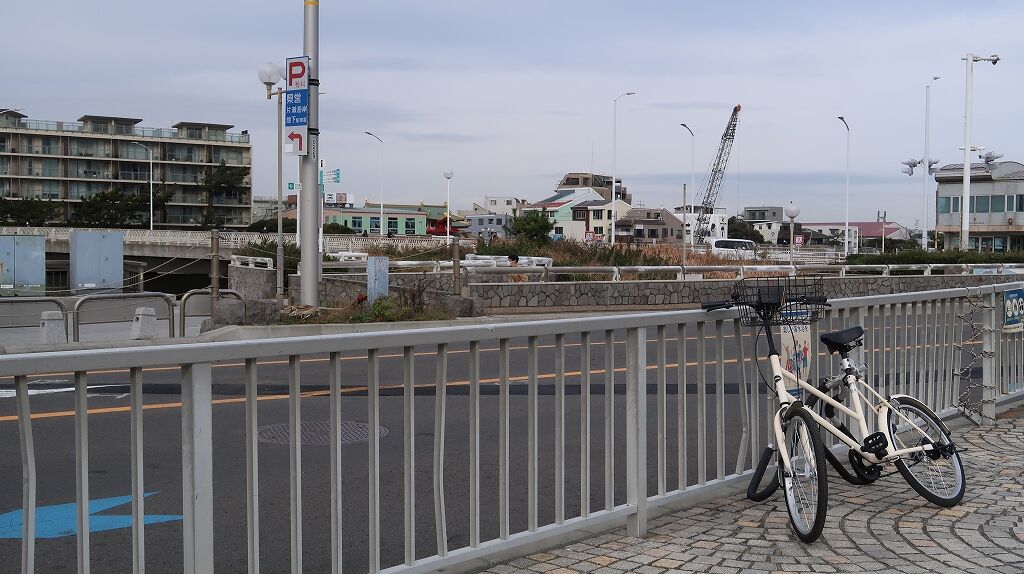
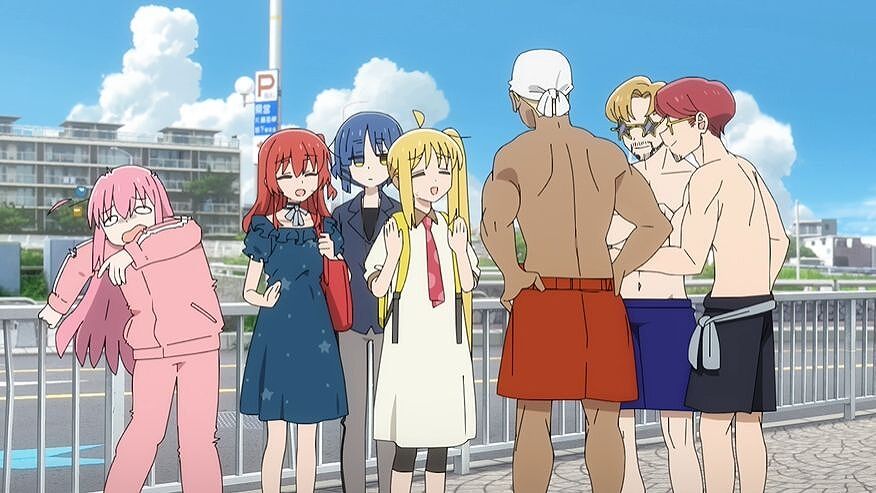
Asahi Honten is a recognizable Enoshima shopping-street stop from the Episode 9 route. It is a real business, so check current opening status and avoid blocking the line or storefront for photos.
Enoshima Shrine Torii
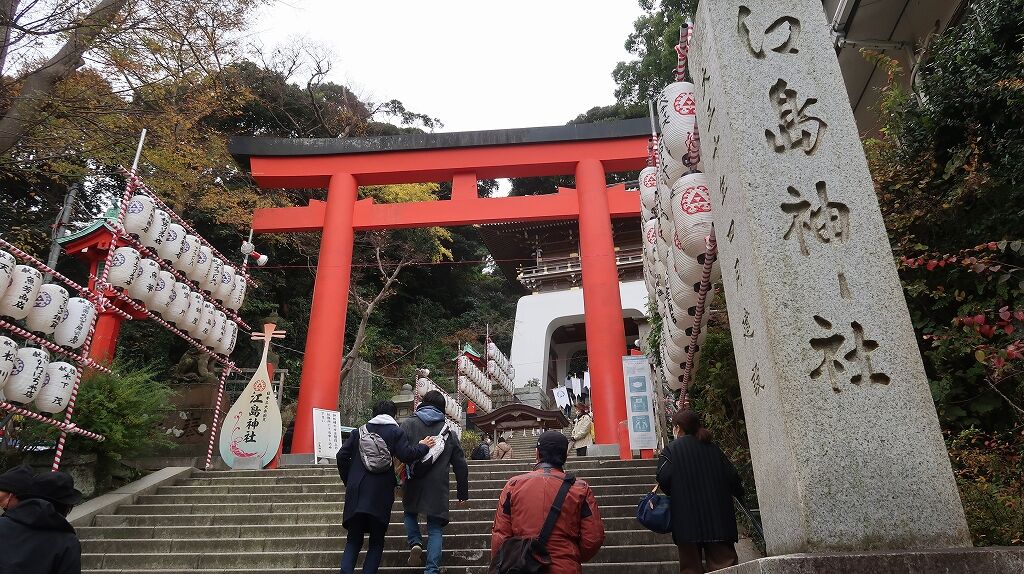

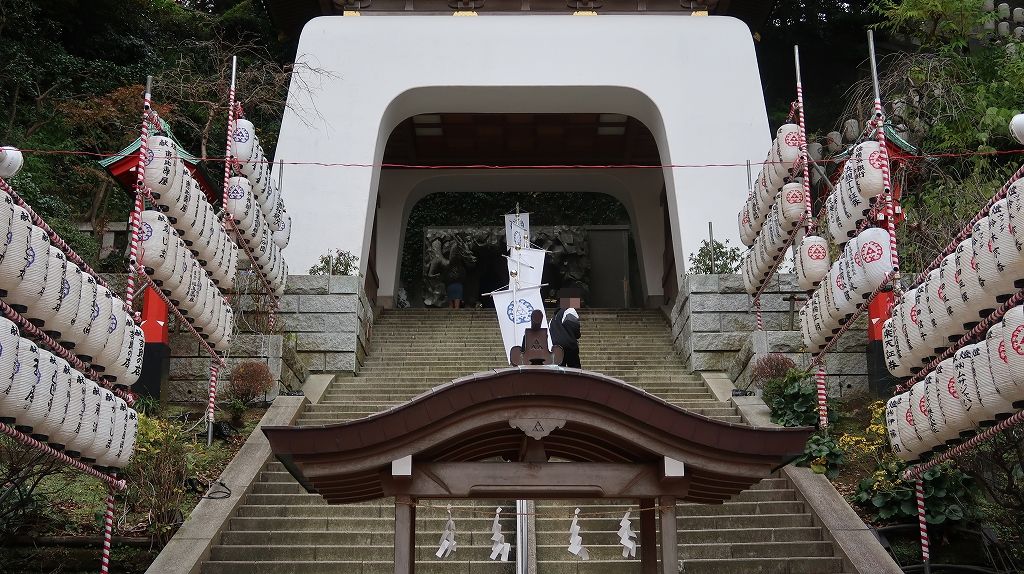
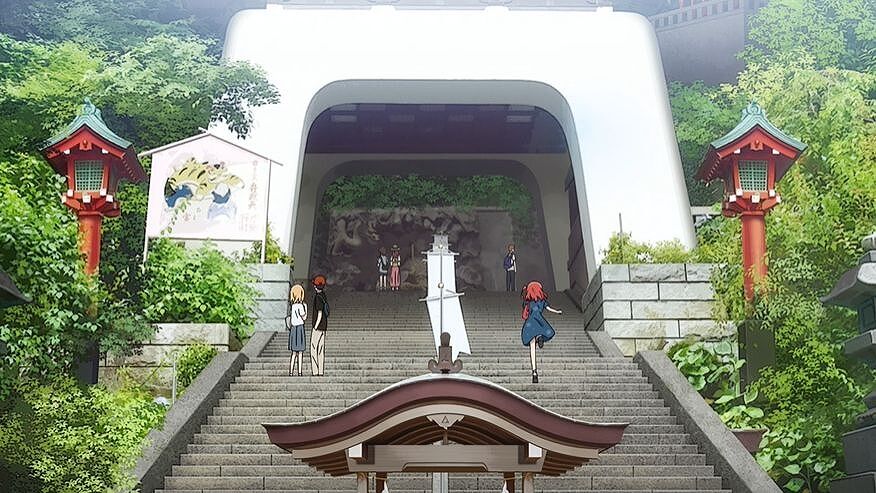
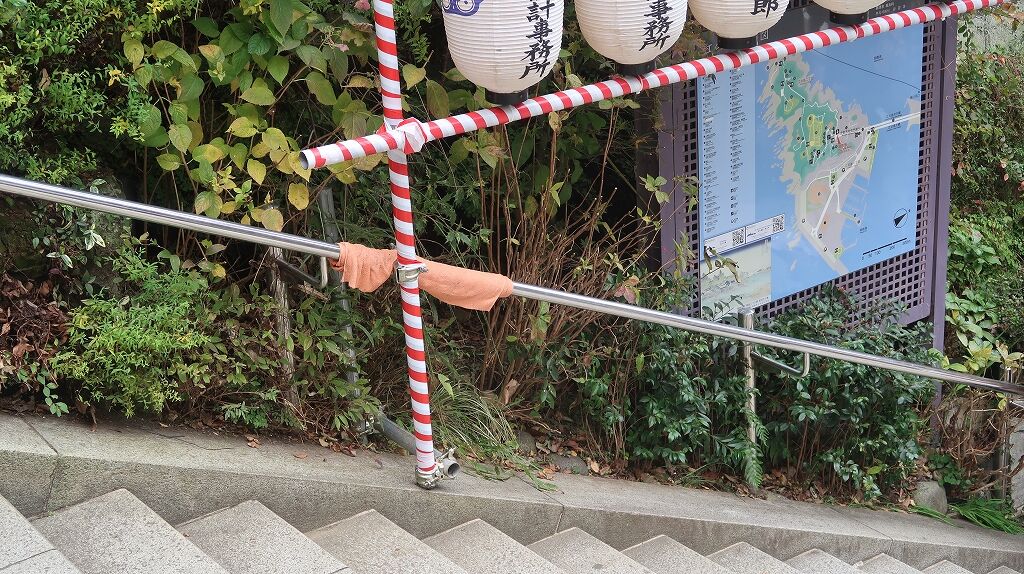
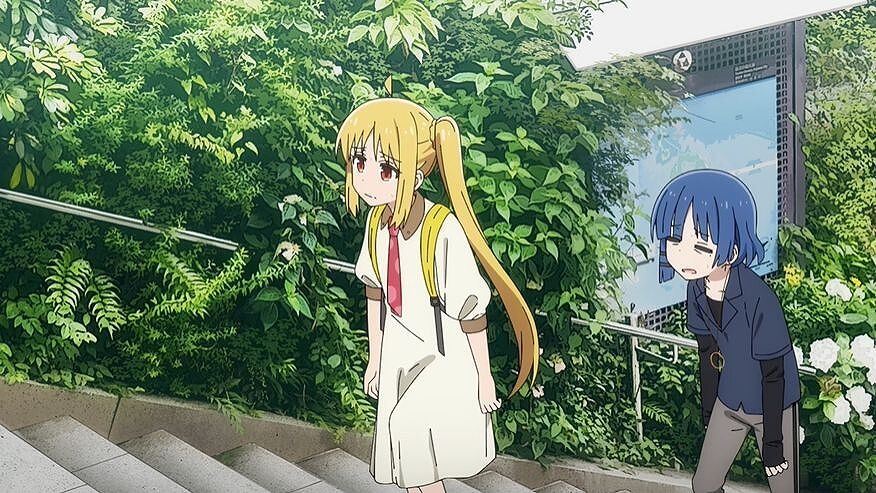
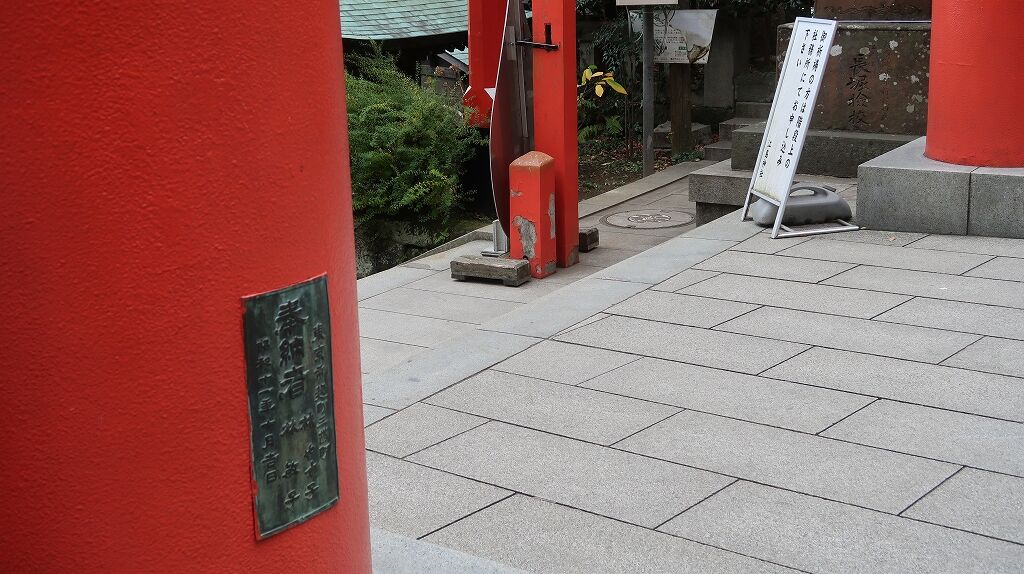
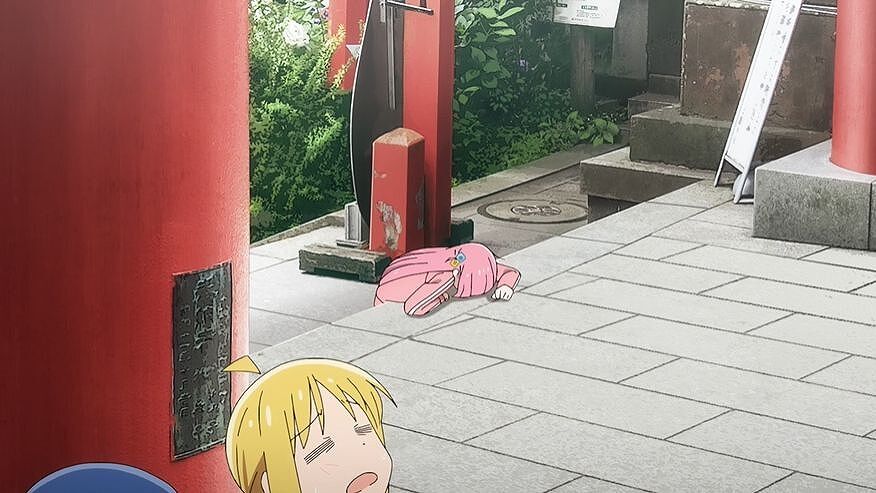
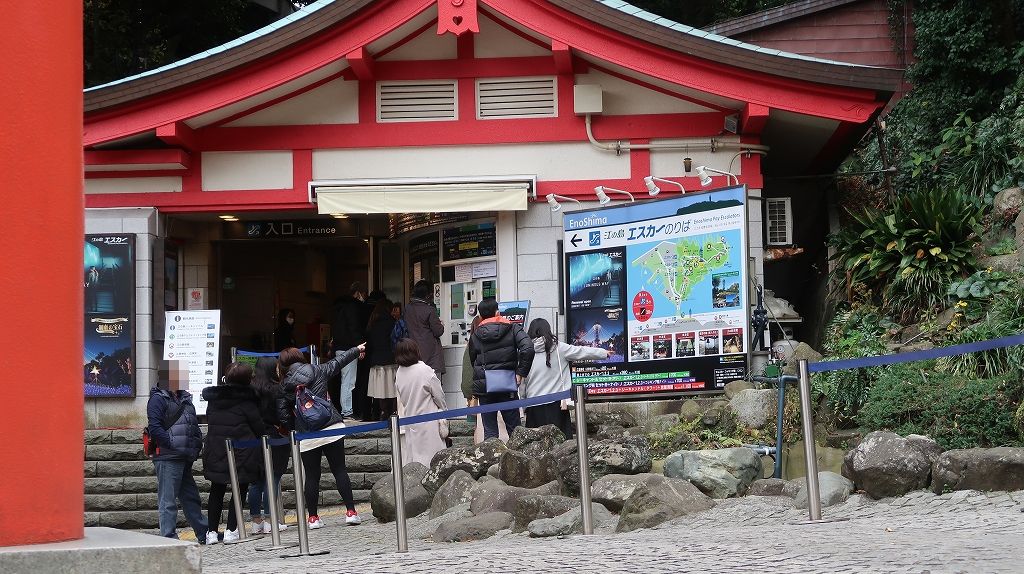
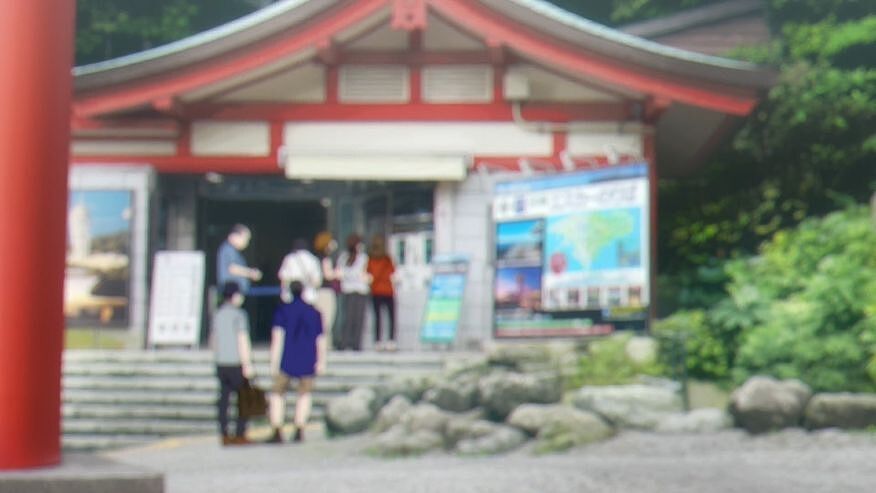
The large torii at Enoshima Shrine is one of the easiest Episode 9 visual references for visitors to recognize. It also marks the transition from the shopping street into the shrine route.
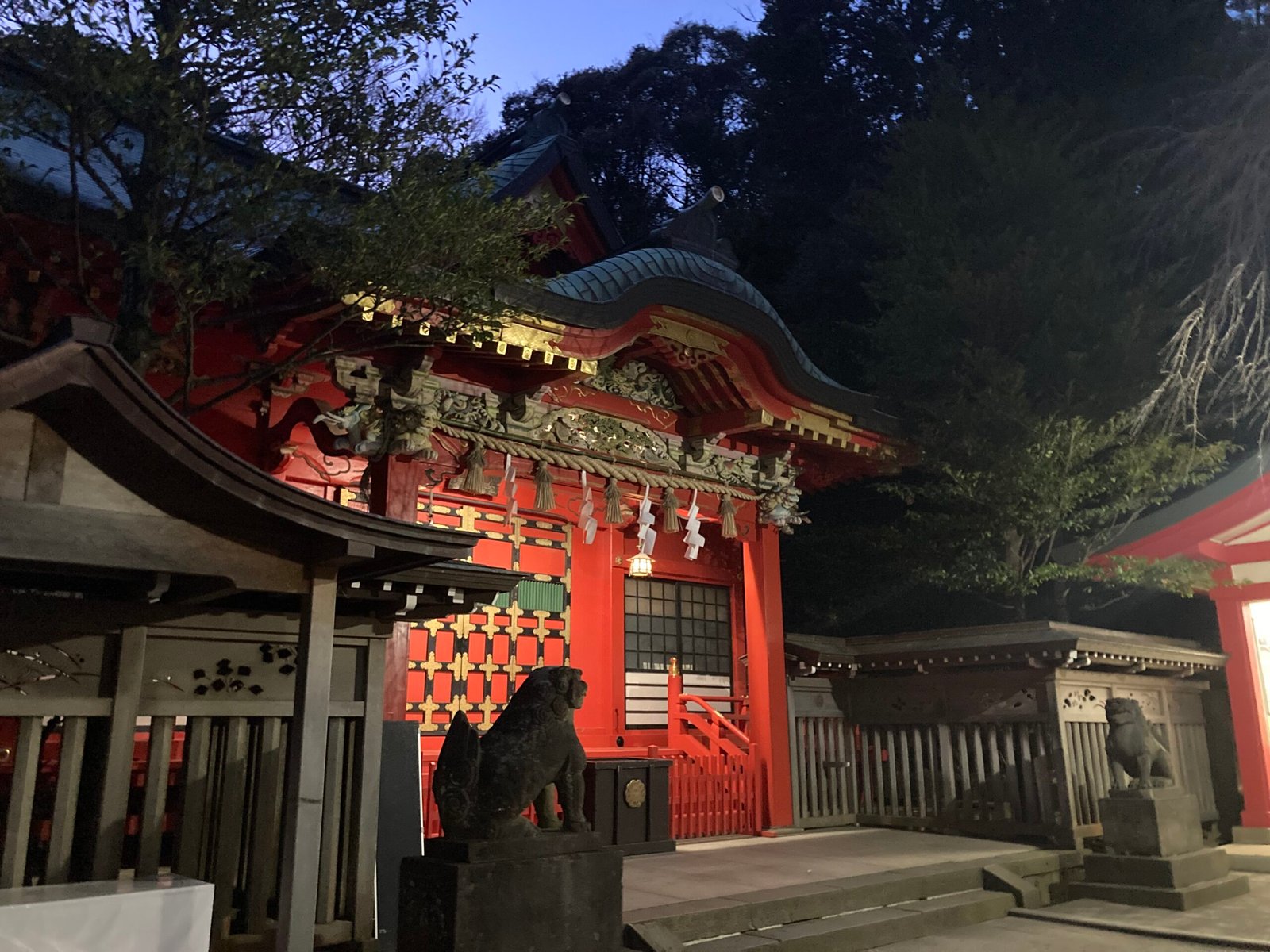
Samuel Cocking Garden
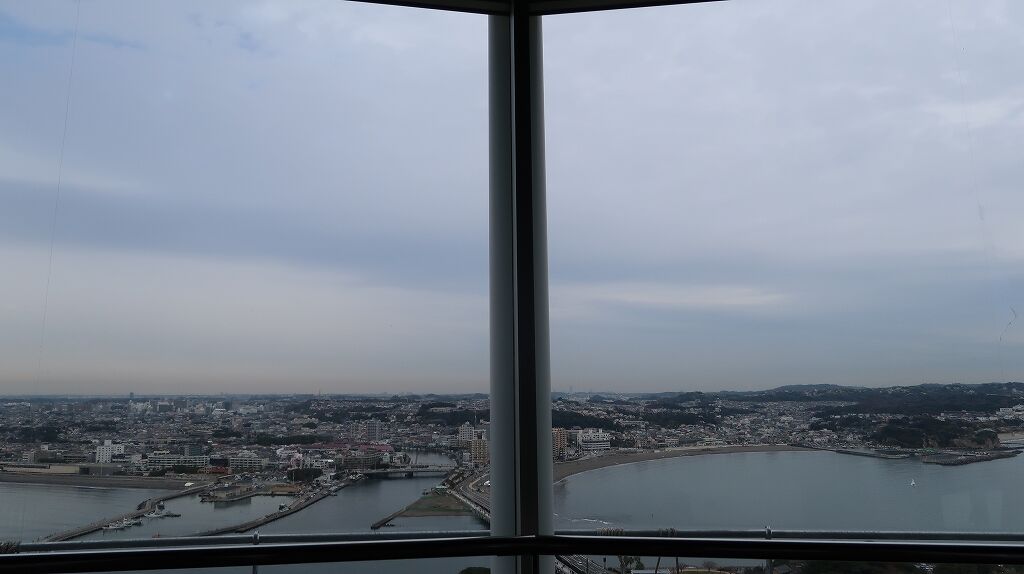
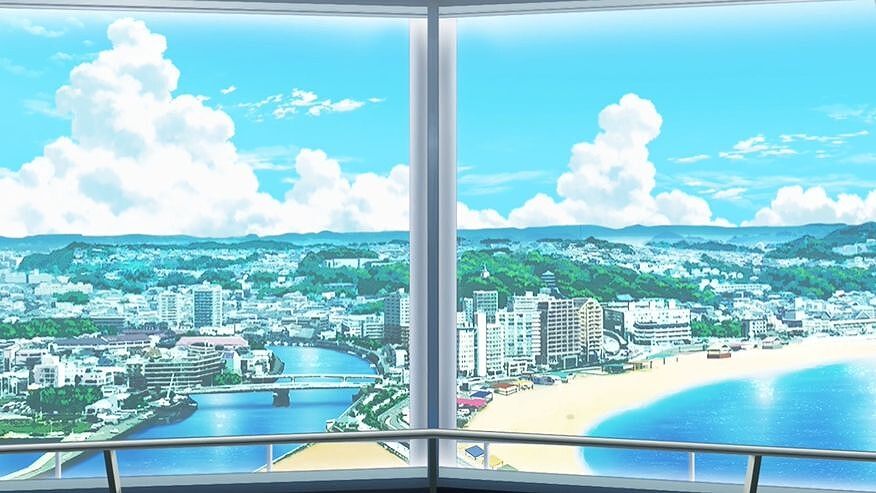
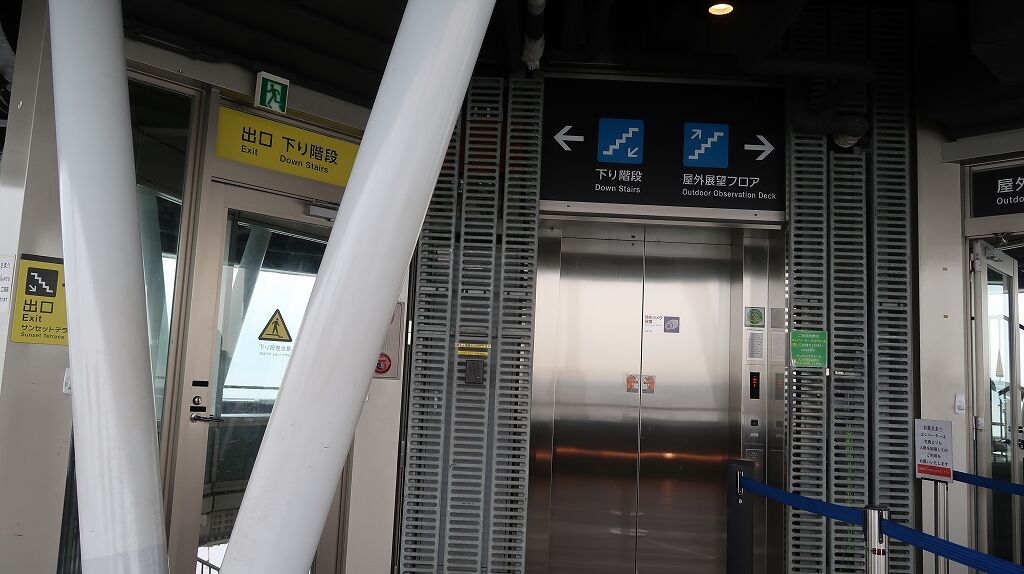
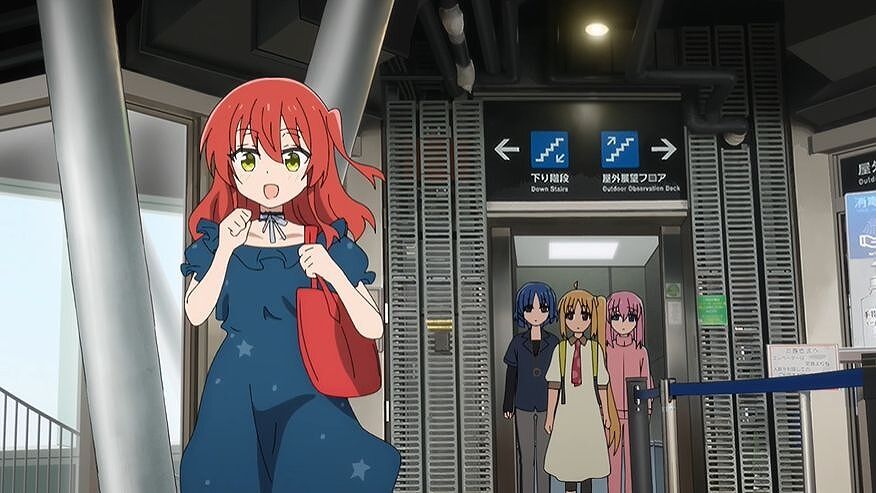
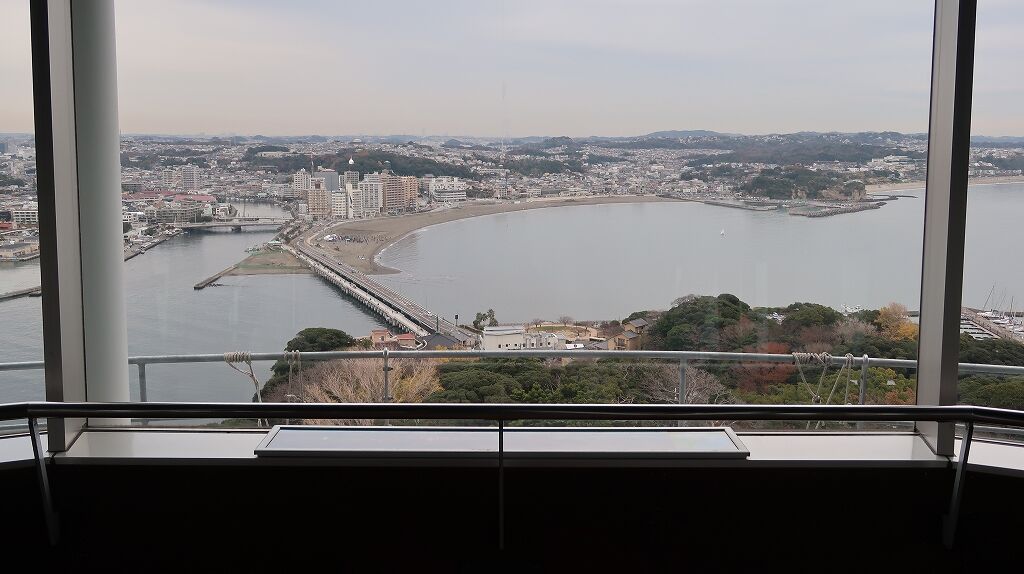

Samuel Cocking Garden is part of the upper Enoshima route and connects naturally with the Sea Candle. Check current admission and opening details before visiting because paid-area rules and hours can change.
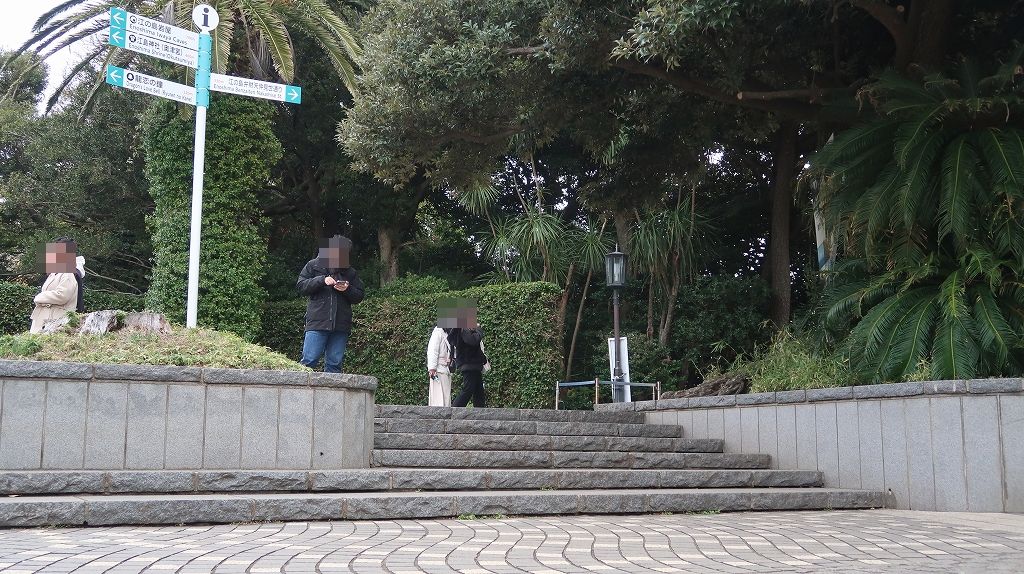
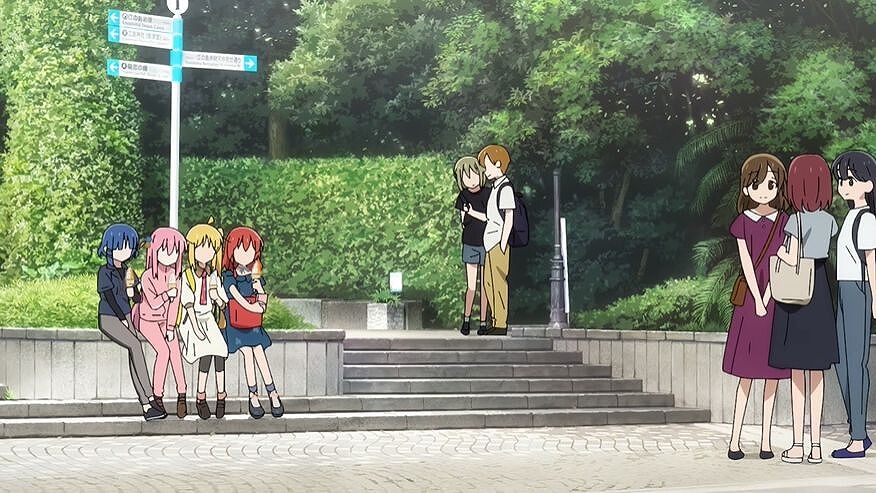
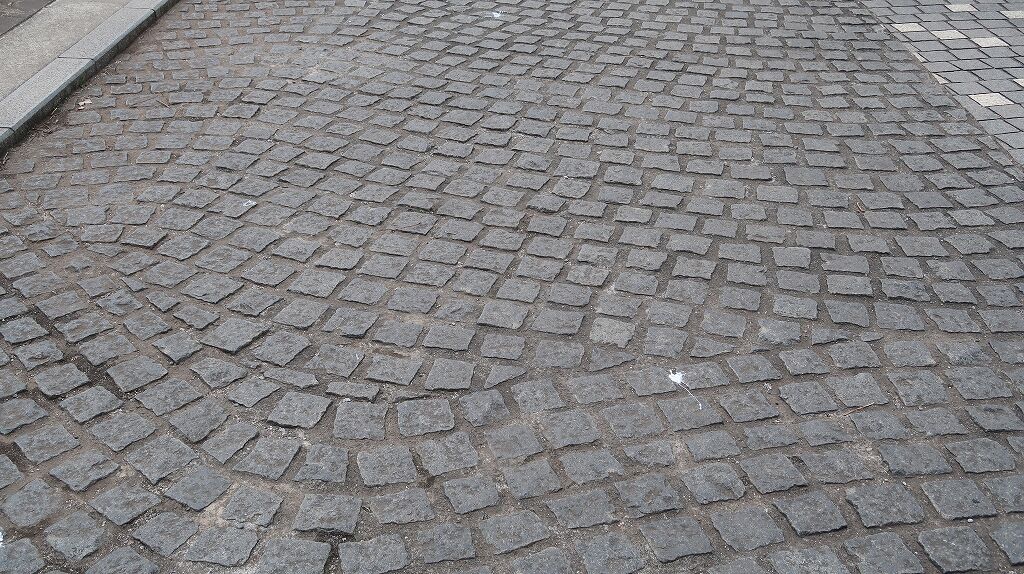
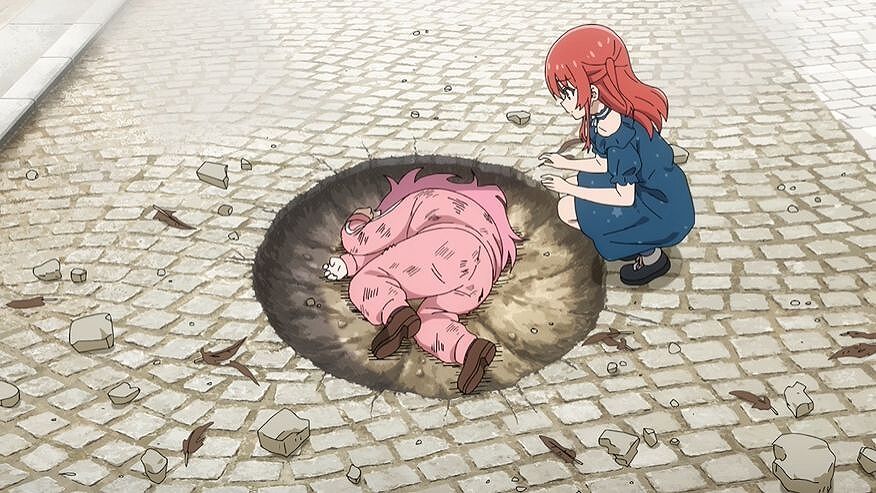
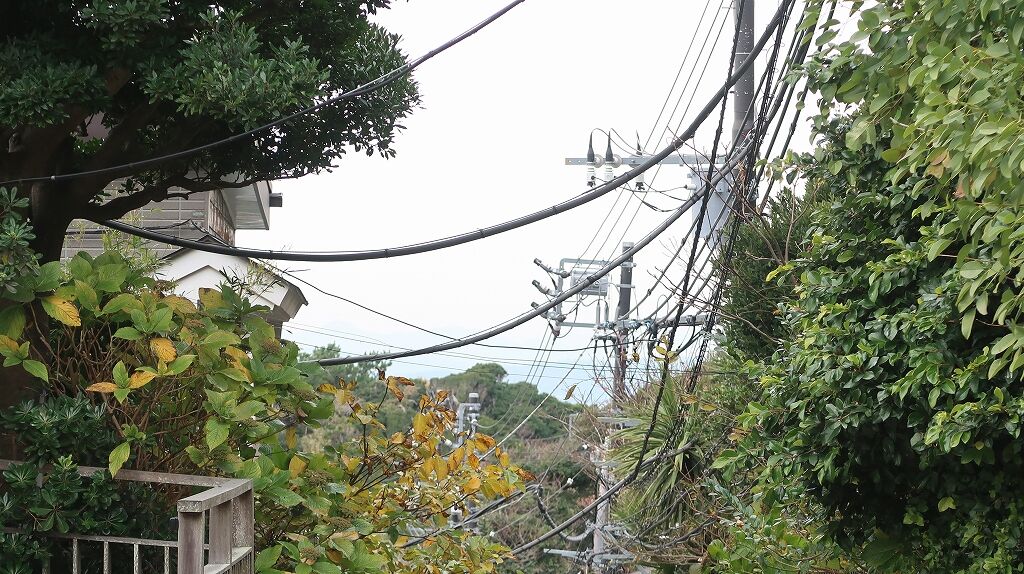
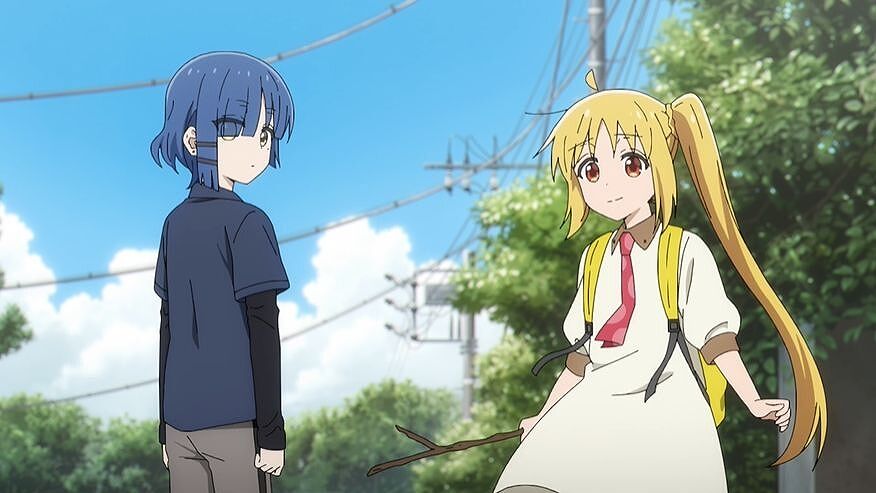
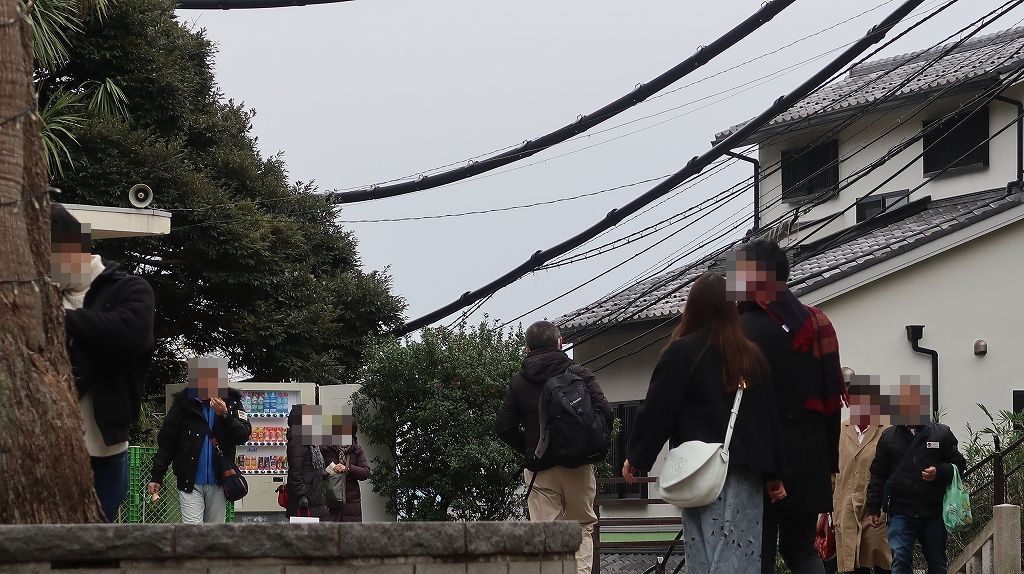
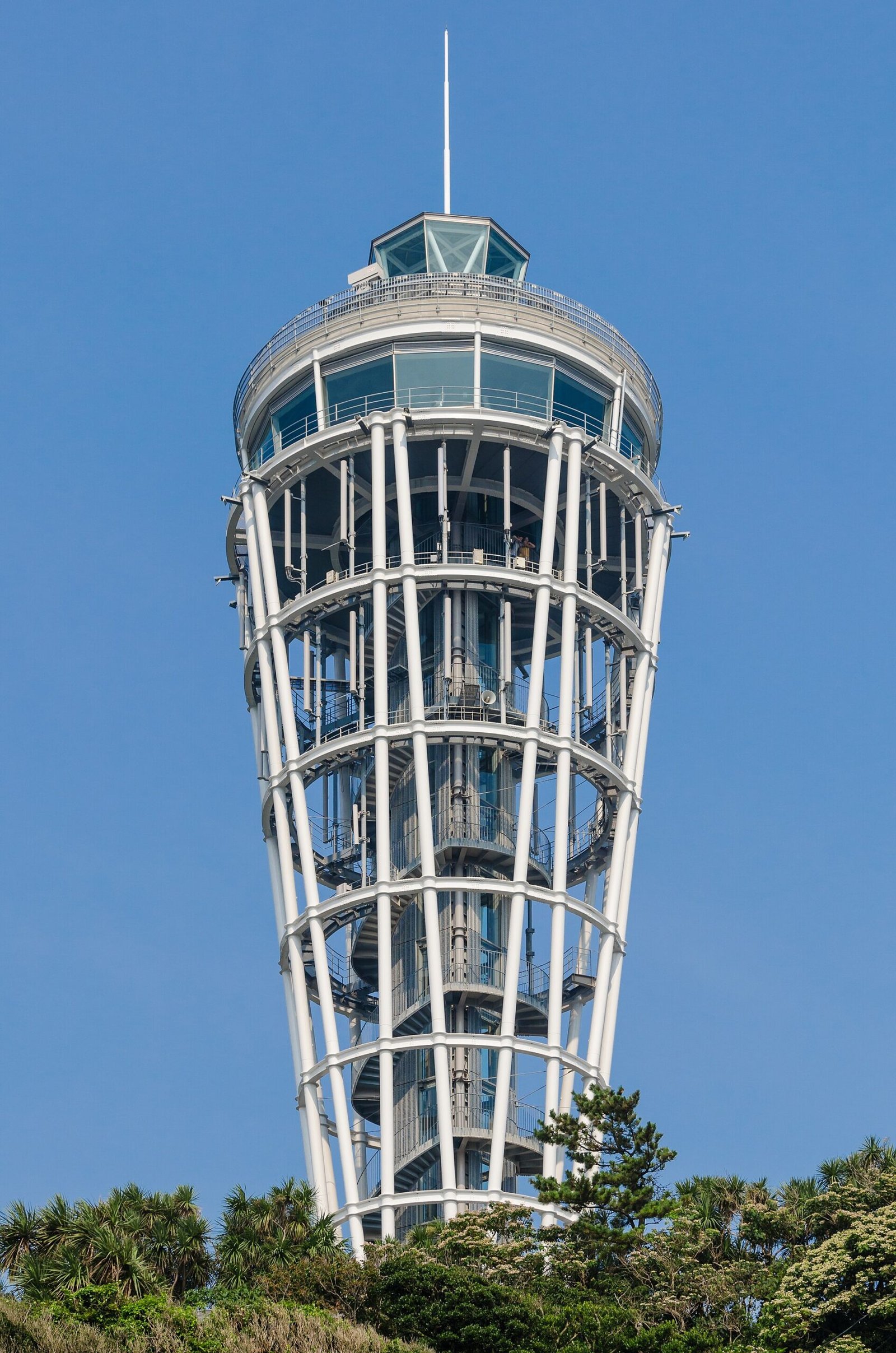
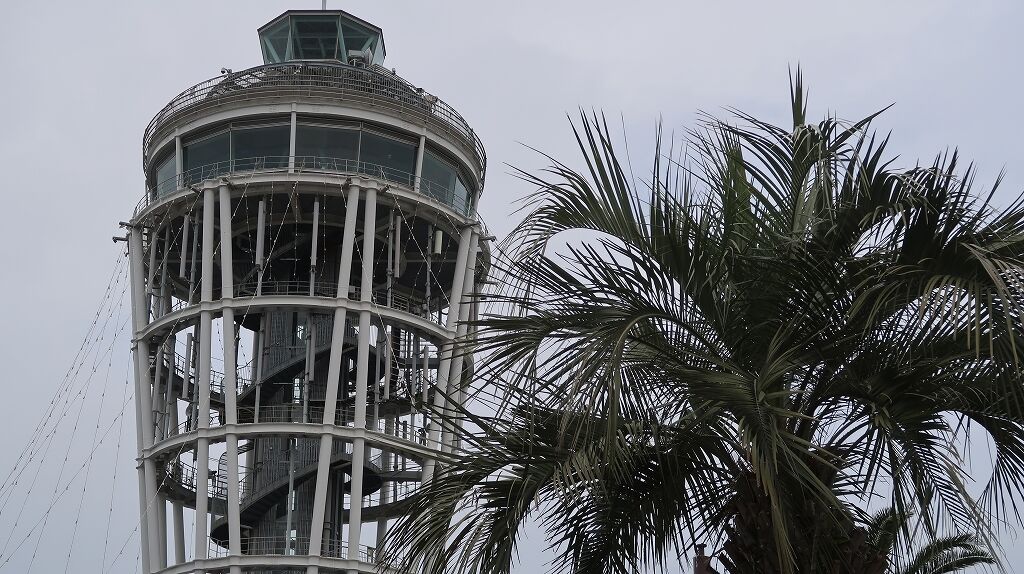
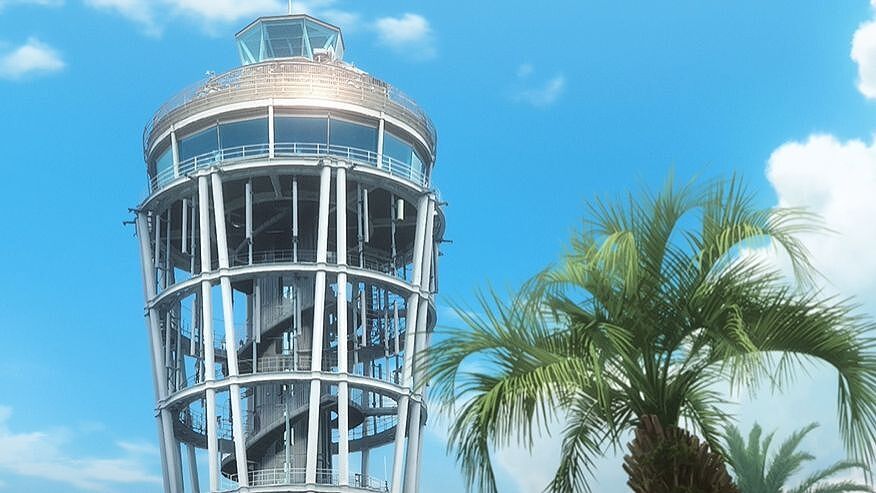
Enoshima Sea Candle
The Sea Candle is the main vertical landmark of the Enoshima section. It gives the Episode 9 route a clear endpoint and makes the detour feel like a real sightseeing trip rather than only a screenshot hunt.
Shinjuku Bocchi the Rock Locations
Shinjuku only needs a short section. These stops are useful because they connect the show to Tokyo’s wider live-house and station network without pulling attention away from Shimokitazawa.
Shinjuku Station / Odakyu West Gate Area
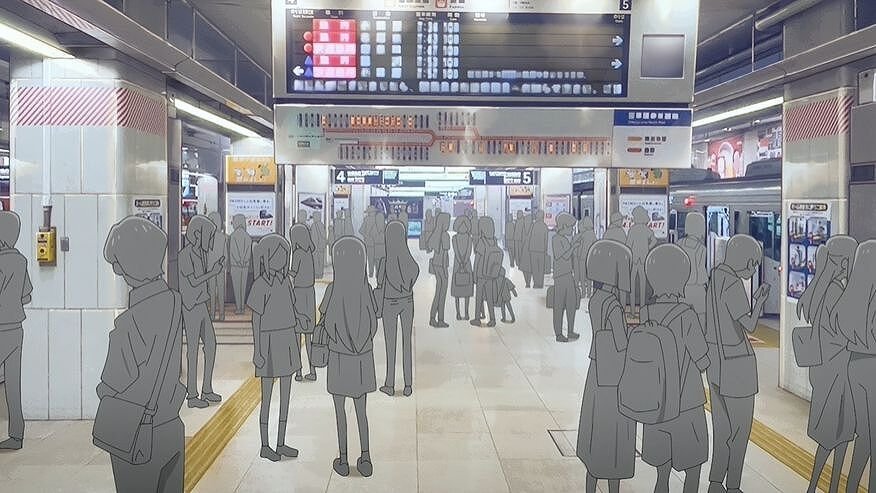
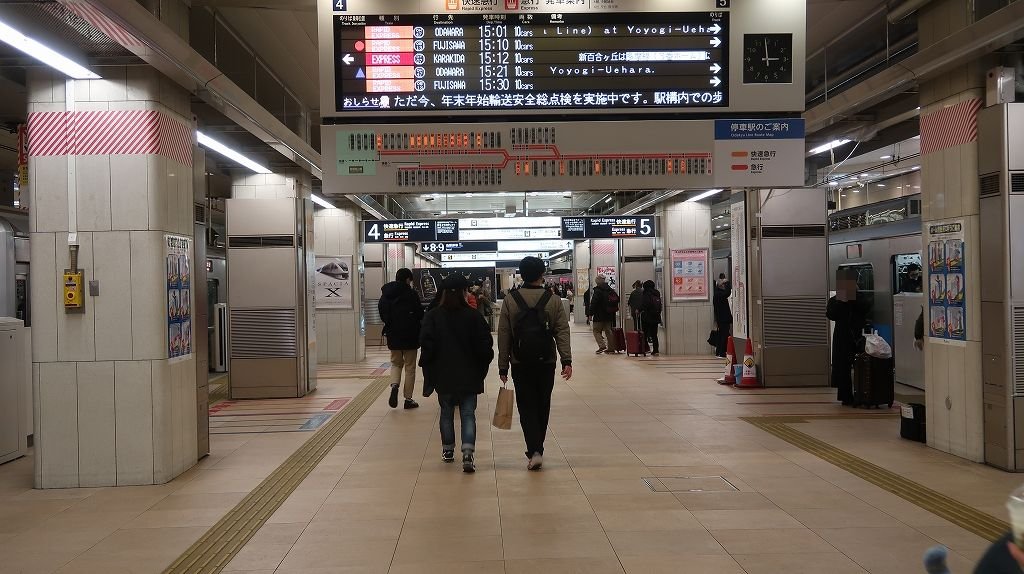
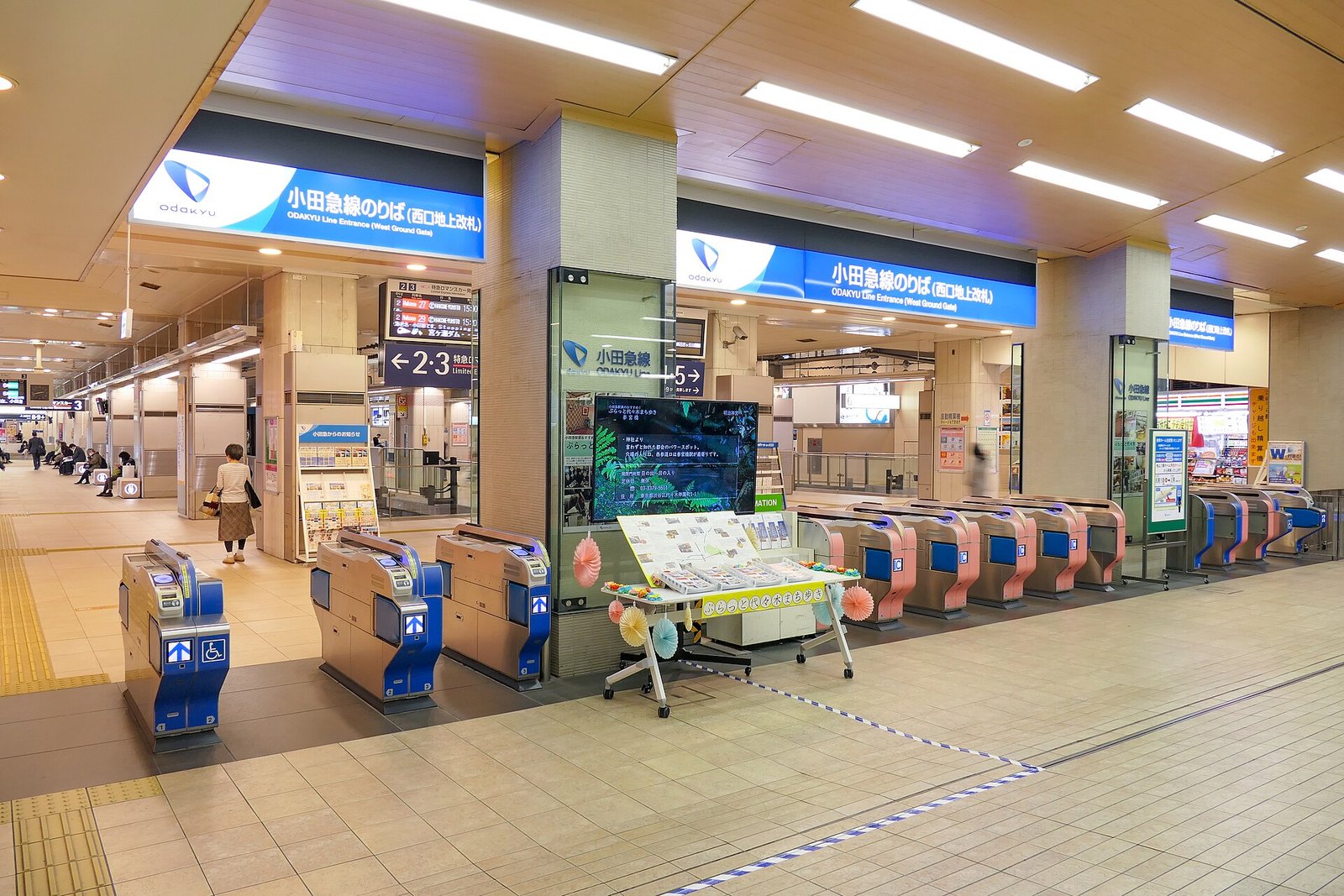
The Shinjuku station scene is tied to Episode 10 references around the Odakyu/JR west-side gate area. Shinjuku Station is busy and under continuing redevelopment in places, so expect crowds and changing sightlines.
Shinjuku LOFT
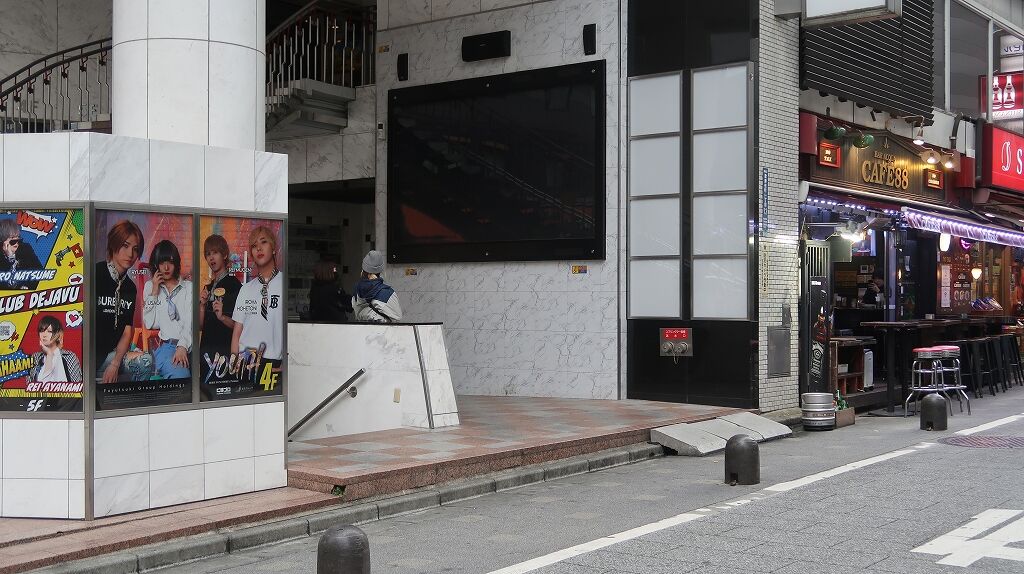
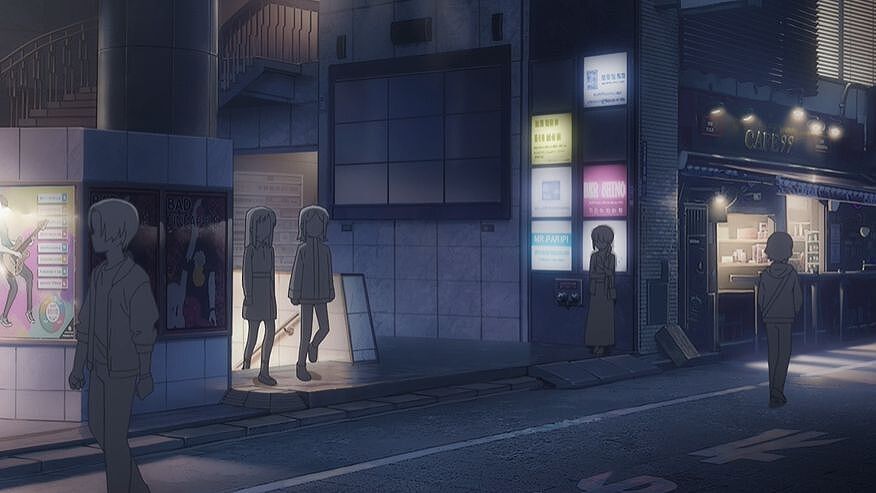
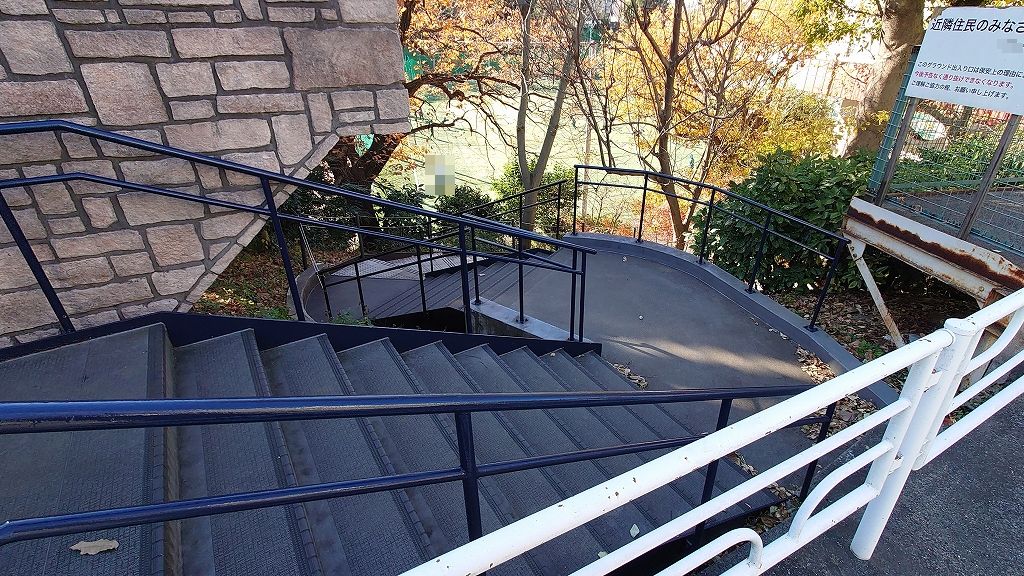
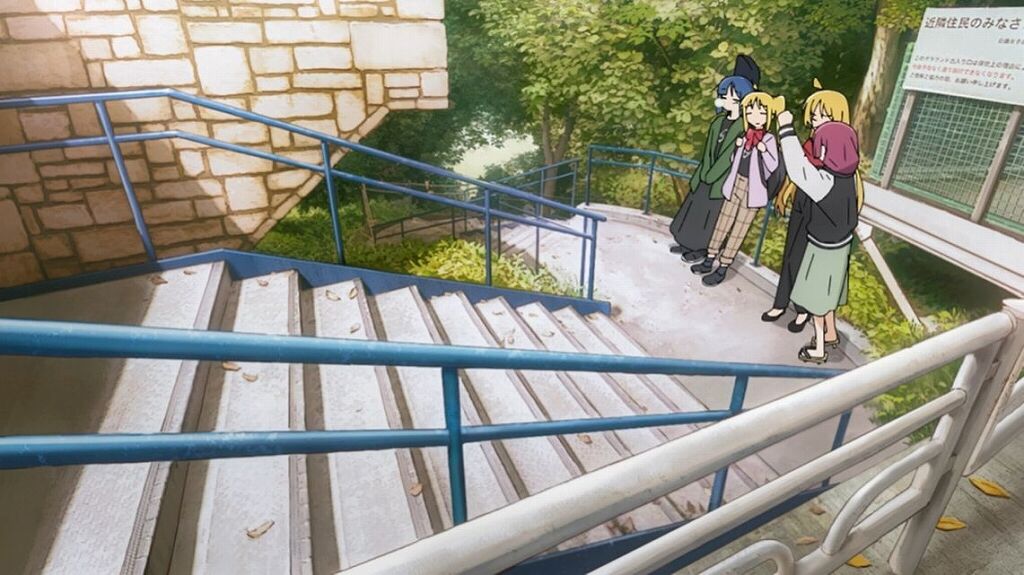
Shinjuku LOFT is associated with Kikuri’s band base in Episode 10 references. It is an operating live house, so check the venue schedule if you plan to attend an event and avoid treating the entrance as a photo set.
Ochanomizu Bocchi the Rock Locations
Ochanomizu is a concise but worthwhile extension because it connects the final-episode music-shop mood with one of Tokyo’s best-known instrument-shopping districts.
The Ochanomizu Station
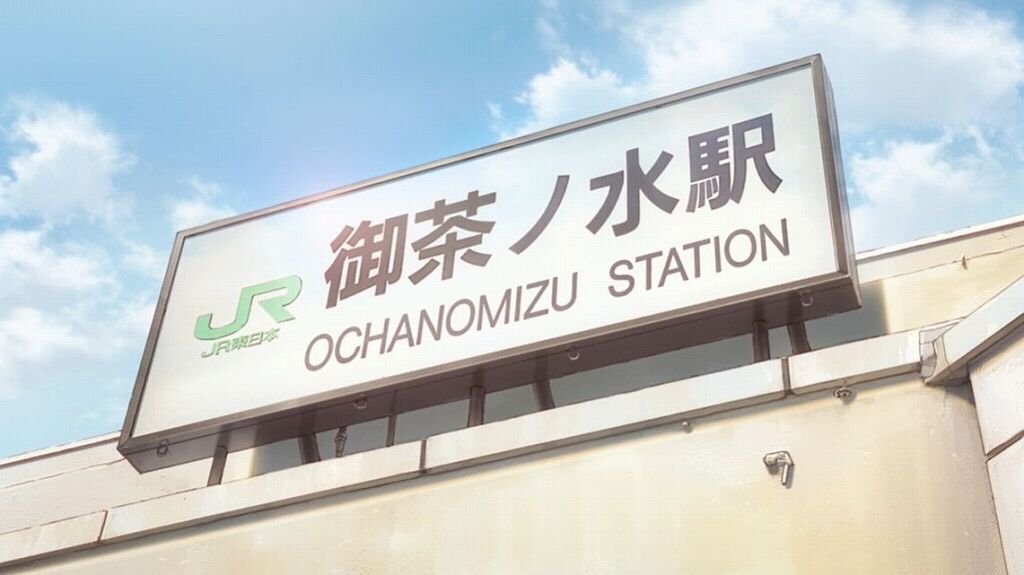
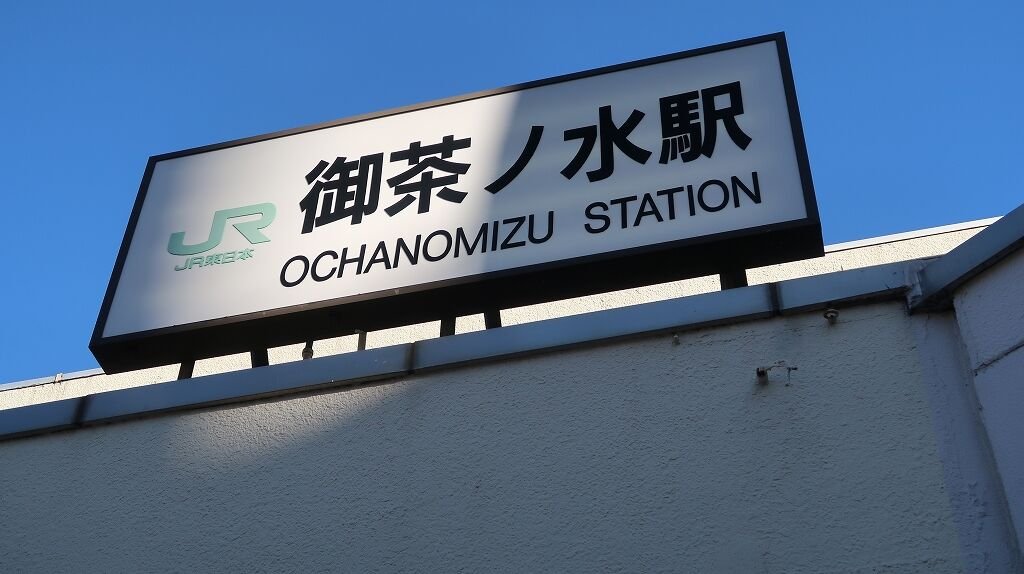
Ochanomizu Station appears in Episode 12 references. The Hijiribashi side is the most useful orientation point for visitors walking toward the instrument-shop area.
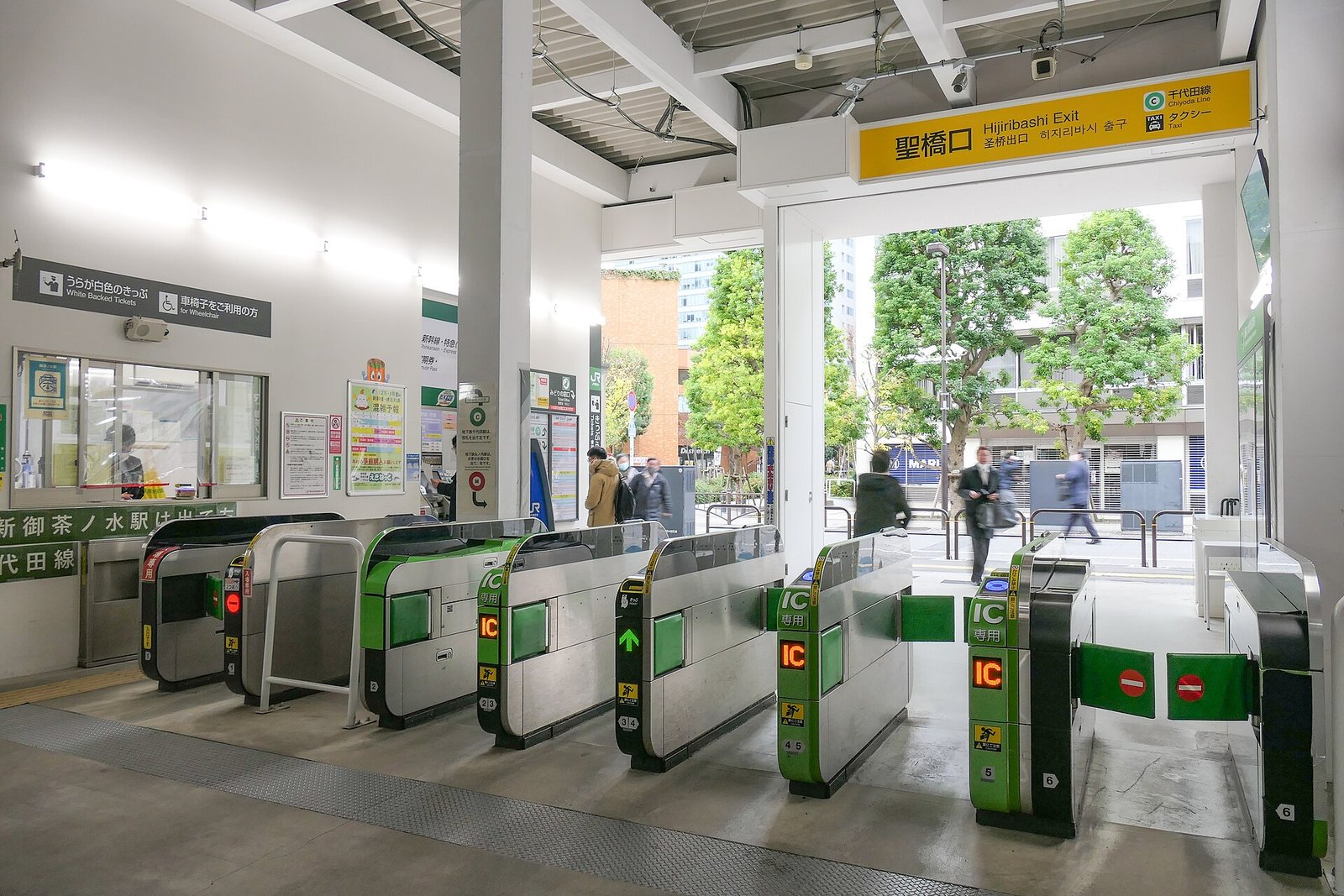
Ishibashi Music Ochanomizu
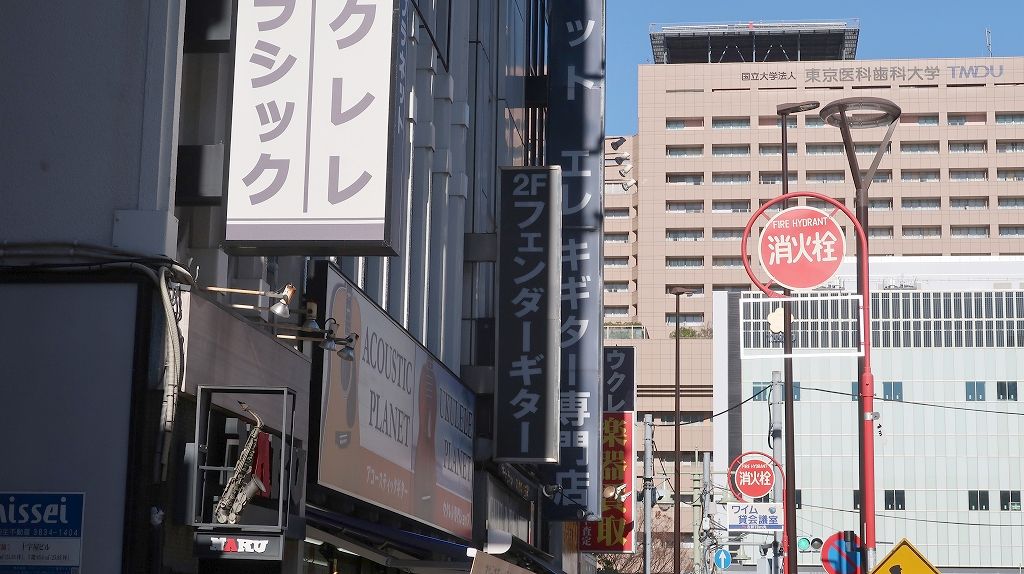
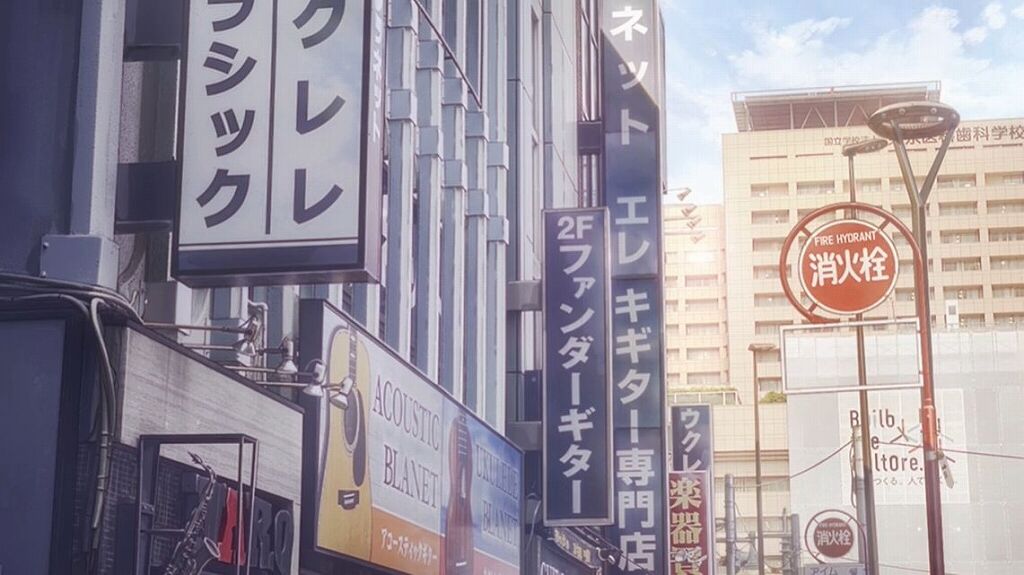

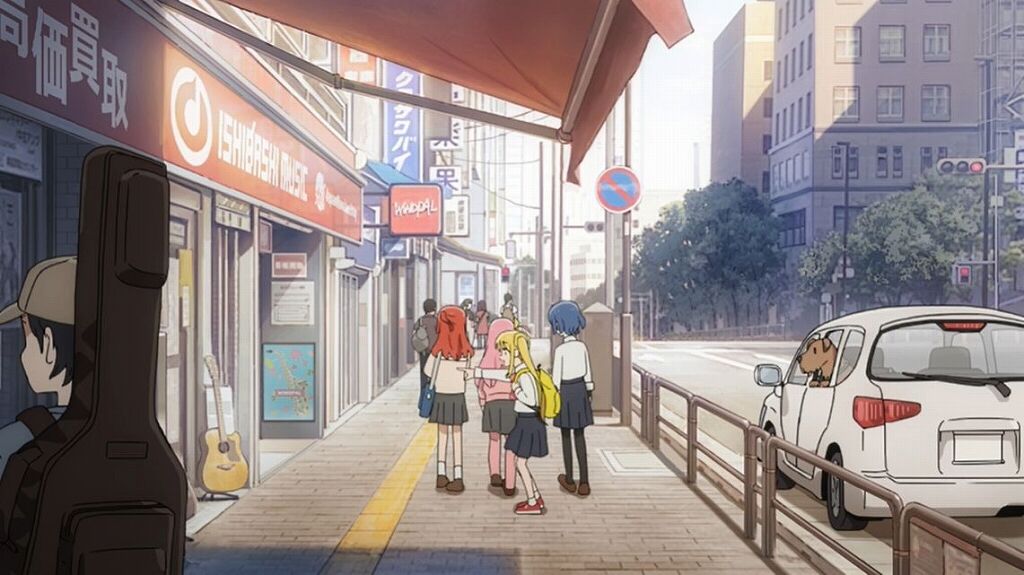
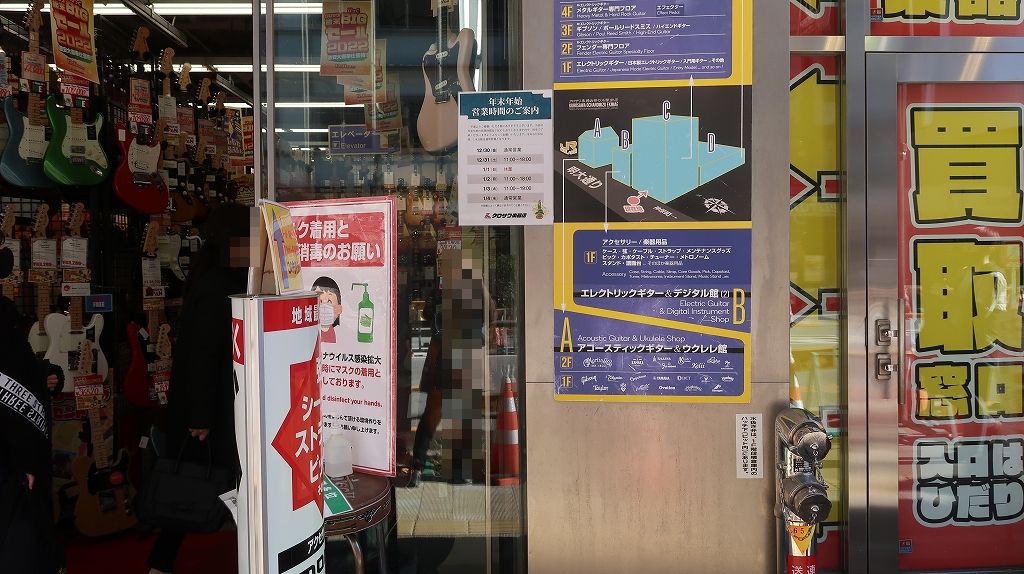
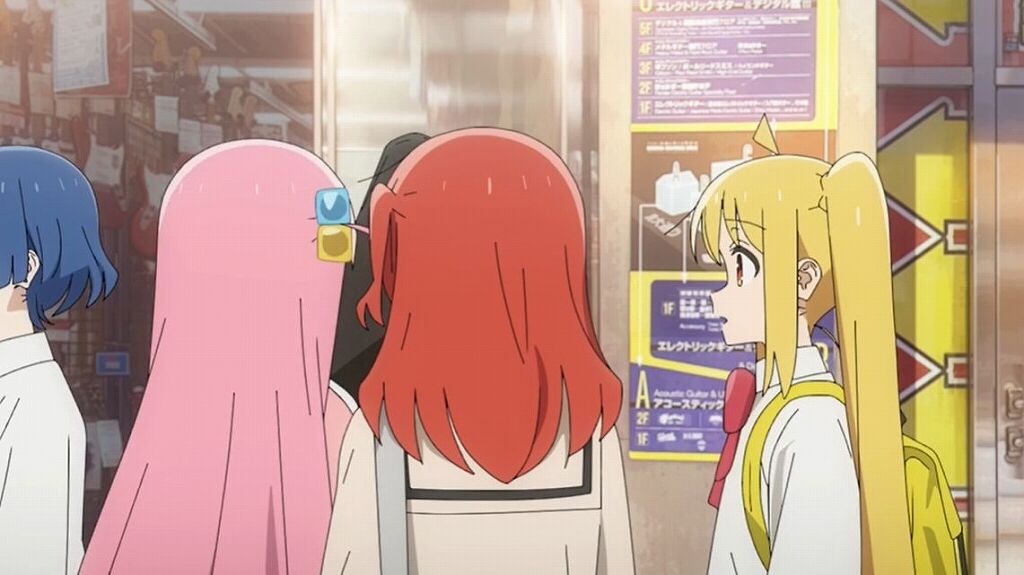
The area around Ishibashi Music Ochanomizu is linked with Episode 12 guitar-shopping references. It works best as a short add-on if you already like guitars, music shops, or the final-episode feel of the series.
Planning a Bocchi the Rock Pilgrimage
For a half-day, stay in Shimokitazawa: station, Village Vanguard, theater streets, SHELTER, Donguri Hiroba Park, Senrogai, ADRIFT, and the west-exit loop. This keeps the route compact and leaves time for food, shopping, or a live event.
For a full day, add either Kanazawa-Hakkei or Enoshima, not both unless you are comfortable with a long transit-heavy schedule. Kanazawa-Hakkei is better for Hitori’s everyday-world scenes; Enoshima is better for a scenic Episode 9 side trip.
For a Tokyo-only extension, add Shinjuku and Ochanomizu on a separate music-themed route. Shinjuku connects naturally with live houses and Shinjuku Gyoen anime-location planning, while Ochanomizu is stronger for guitar-shopping context.
Shimokitazawa also pairs well with other Tokyo anime walks. Fans planning multiple routes can compare the compact music-district feeling here with Tokyo Revengers locations in Shinjuku and Shibuya, Oshi no Ko locations around Tokyo, and Jujutsu Kaisen real-life locations in Tokyo.
Image Sources & Credits
Real-life images in this guide use Wikimedia Commons media where available: Shimokitazawa street scene, Shimokitazawa SHELTER by Syced (CC0), Honda Theater by Kamemaru2000 (CC BY-SA 3.0/GFDL), Keikyu Kanazawa-Hakkei Station, Kanazawa Hakkei Ohashi bridge, Katase-Enoshima Station, Enoshima Shrine, Enoshima Sea Candle, Odakyu Shinjuku Station west gate, and JR Ochanomizu Station Hijiribashi Gate. Furaba Anime Seichi comparison images are credited to Furaba. Bocchi the Rock! anime images remain © Hamaji Aki/Houbunsha/Aniplex.


Show Your Work
Whether you are a professional or an amateur, we will love to see your artwork. So don't hesitate to remove your cats from your box right away