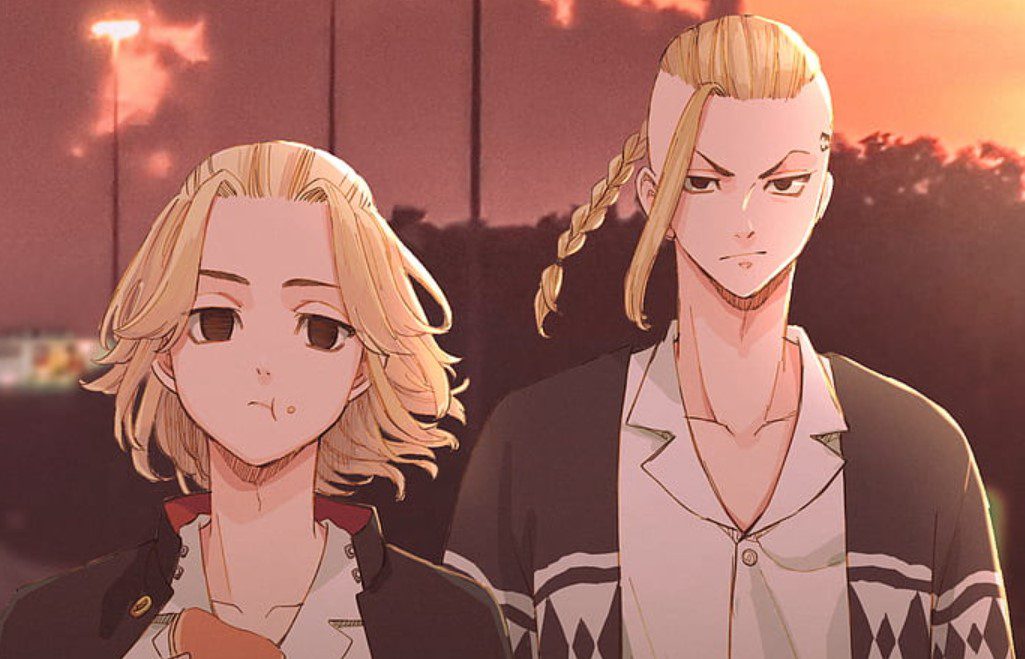
Tokyo Revengers is one of the easiest anime-location trips to build into a Tokyo itinerary because many recognizable spots sit around Shinjuku, Shibuya, Harajuku, Nakano, and Tama. Some places closely match anime backgrounds, while others are better visited as atmosphere-rich stops connected with the series.
Start with Shinjuku Station, Shibuya, Numabukuro Hikawa Shrine, Parthenon Tama, and the smaller street-corner or restaurant-style places fans often compare with Tokyo Revengers scenes. The route works best when you enjoy the real city as much as the frame matches.
Quick Route For Tokyo Revengers Fans
For a simple Tokyo Revengers day, start at Shinjuku Station, continue to Shibuya for the crossing, Hachiko area, Dogenzaka, and station-area scenes, then ride to Numabukuro for the shrine most strongly connected with Musashi Shrine. If you want the suburban side of the series, add Parthenon Tama as a separate stop because it sits farther west near Tama Center Station.
- Compact route: Shinjuku Station -> Shibuya Station / Hachiko Exit -> Dogenzaka and SHIBUYA109 -> Numabukuro Hikawa Shrine.
- Longer route: add the Jingumae/Harajuku street stop for Draken and Mitsuya fans, then save Parthenon Tama, Tama Center, and the Tama River side for later in the day or a separate half day. Yokohama and Kawasaki work better as detours or a second day.
- Best etiquette rule: Tokyo Revengers locations are real stations, streets, restaurants, shrines, and neighborhoods. Photograph from public areas, keep moving in crowded stations, and be especially respectful at shrines.
Tokyo Revengers Real-Life Locations In Tokyo
Shinjuku Station

Shinjuku Station is the natural opening stop because episode 1 begins Takemichi’s time-leap story around a station platform, with Platform 14 commonly associated with the scene. Visit for the atmosphere and the connection, but do not linger on platforms just to frame-match screenshots.


Shinjuku is one of Tokyo’s biggest transfer hubs, with JR, Tokyo Metro, Toei Subway, Keio, and Odakyu lines. If you want another Shinjuku anime stop nearby, the Garden of Words location guide pairs well with this part of the route. GO TOKYO describes Shinjuku as a station area surrounded by shopping, dining, entertainment, skyscrapers, and Kabukicho, so it also works well as a practical sightseeing stop before or after the anime route.
Shibuya Crossing And Hachiko Exit Area

Shibuya is one of the easiest areas to enjoy as a Tokyo Revengers fan because the crossing, Hachiko Exit, pedestrian decks, and nearby streets sit close together. It also fits naturally into a first-time Tokyo itinerary, so you can combine the anime route with normal sightseeing instead of crossing the city for a single quick photo.


JNTO places Shibuya Crossing directly outside Shibuya Station’s Hachiko Exit and describes it as one of Tokyo’s most recognizable sights. For Tokyo Revengers fans, this is less about one quiet frame and more about the Shibuya atmosphere around the modern timeline: station exits, crowds, pedestrian decks, and streets where Tokyo’s youth culture feels immediate.
Because this area is extremely crowded, keep your photo stops brief, do not block the crossing or station exits, and avoid filming strangers at close range.
Shibuya Hachiko Exit Bicycle Parking


The Hachiko Exit bicycle parking area gives the Shibuya section a more specific stop than the crossing alone. Fans connect this underground-feeling location with a tense conversation involving Draken and Kazutora before a major conflict, so treat it as a quick Shibuya add-on rather than a place to dwell. Station-adjacent bicycle parking areas are working commuter spaces.
SHIBUYA109, Dogenzaka, And Mark City Streets
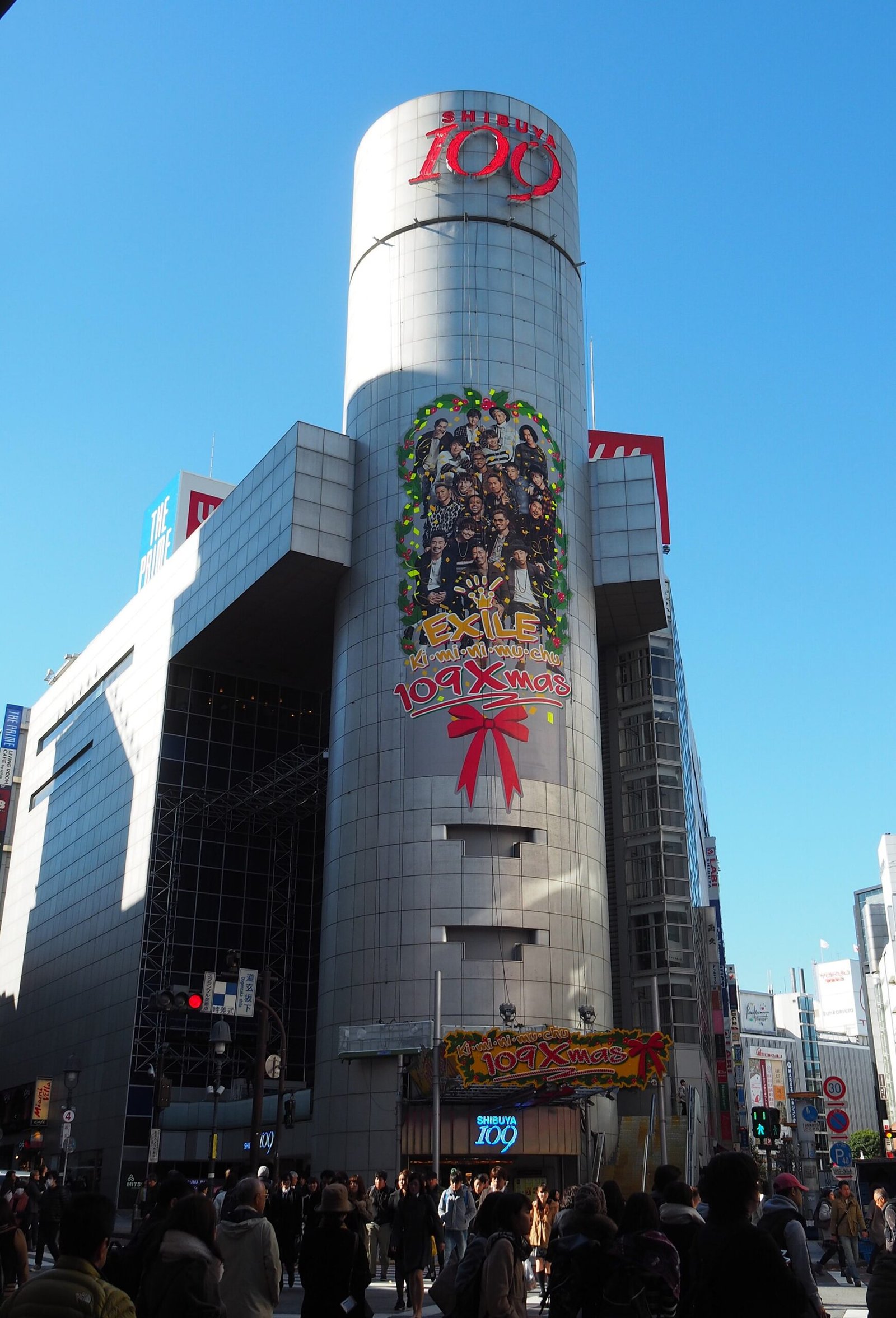
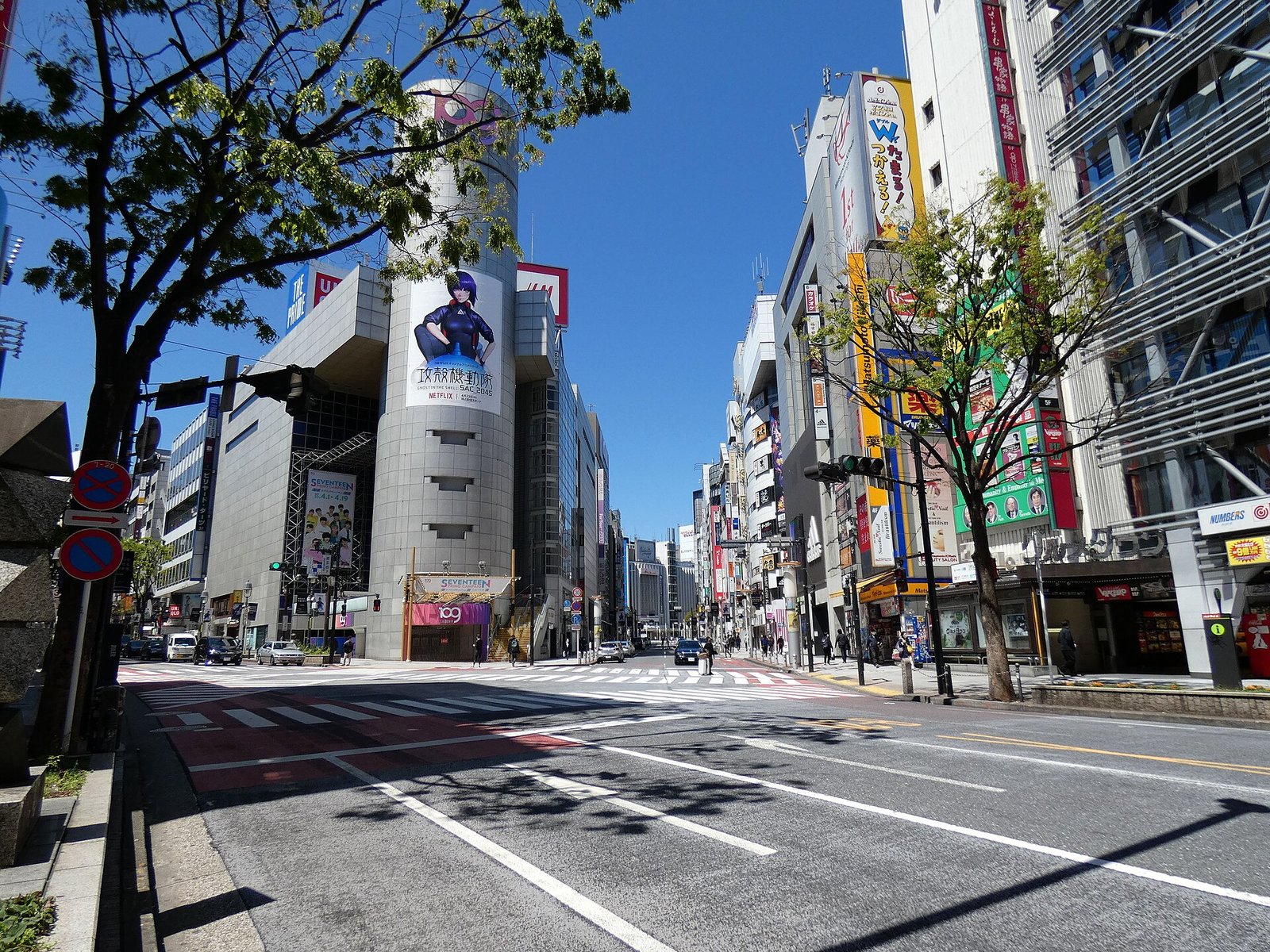
If you want a stronger Shibuya walking route, continue from Hachiko toward SHIBUYA109, Dogenzaka, and the Mark City side streets. This small area is commonly associated with several manga moments, including the Tokyo Manji Gang’s formation photo near the SHIBUYA109 crossing, later Dogenzaka confrontations, and street scenes around Shibuya’s west side. If you want the gang context before walking the route, the guide to the most powerful gangs in Tokyo Revengers helps place Toman, Valhalla, and later rival groups.
SHIBUYA109 is at Dogenzaka 2-29-1, and Shibuya Mark City connects directly to the Keio Inokashira Line side of Shibuya Station. This makes the area easy to add after the crossing, but keep your photos outside, short, and out of pedestrian flow.
Art-In-Gallery And The Jingumae Backstreets
Draken and Mitsuya fans may want to add Art-In-Gallery in Jingumae, near Harajuku and Omotesando. For a refresher on how these characters fit into the wider cast, use the main Tokyo Revengers characters guide before visiting. Fans connect the street outside the gallery with the childhood flashback where Draken and Mitsuya meet around the dragon-wall memory. The dragon wall itself is no longer a reliable present-day target, so visit for the surrounding street context rather than expecting a perfect recreation.
Art-In-Gallery is at Jingumae 4-25-3, about five minutes from Meiji-jingumae or Omotesando and seven minutes from Harajuku Station. Because this is a real gallery street, avoid photographing active exhibitions, doorways, or visitors without permission.
Musashi Shrine And Numabukuro Hikawa Shrine

Musashi Shrine is fictional, but Nakano Numabukuro Hikawa Shrine is the real-world shrine most worth prioritizing. It closely resembles the fictional shrine and has hosted official Tokyo Revengers collaboration items, which makes it a meaningful pilgrimage stop rather than just a shrine with a similar name. For another shrine-and-old-town anime route, Kamisama Kiss locations in Kawagoe is a natural follow-up trip.


Visit this as a real working shrine, not as a set. Keep voices down, avoid blocking worshippers, follow photography rules, and consider supporting the shrine respectfully if official collaboration items are available when you visit. Collaboration goods can sell out or change, so check the shrine’s current information before making a special trip for merchandise.
Parthenon Tama

Parthenon Tama is a useful western Tokyo add-on for fans who want more than the Shinjuku and Shibuya stops. Fans commonly associate it with an episode 3 location, and it is easy to reach: the Parthenon Tama access page gives a five-minute walk from Tama Center Station on the Keio Sagamihara Line, Odakyu Tama Line, and Tama Monorail.
This stop is not near Shibuya or Shinjuku, so add it only if you have enough time. If you like quieter Tokyo-area routes, the Girl Who Leapt Through Time locations are another good fit for slower suburban sightseeing. It works better as a suburban Tokyo Revengers add-on than as part of a rushed central Tokyo walk.
Tama River And Riverside Matches
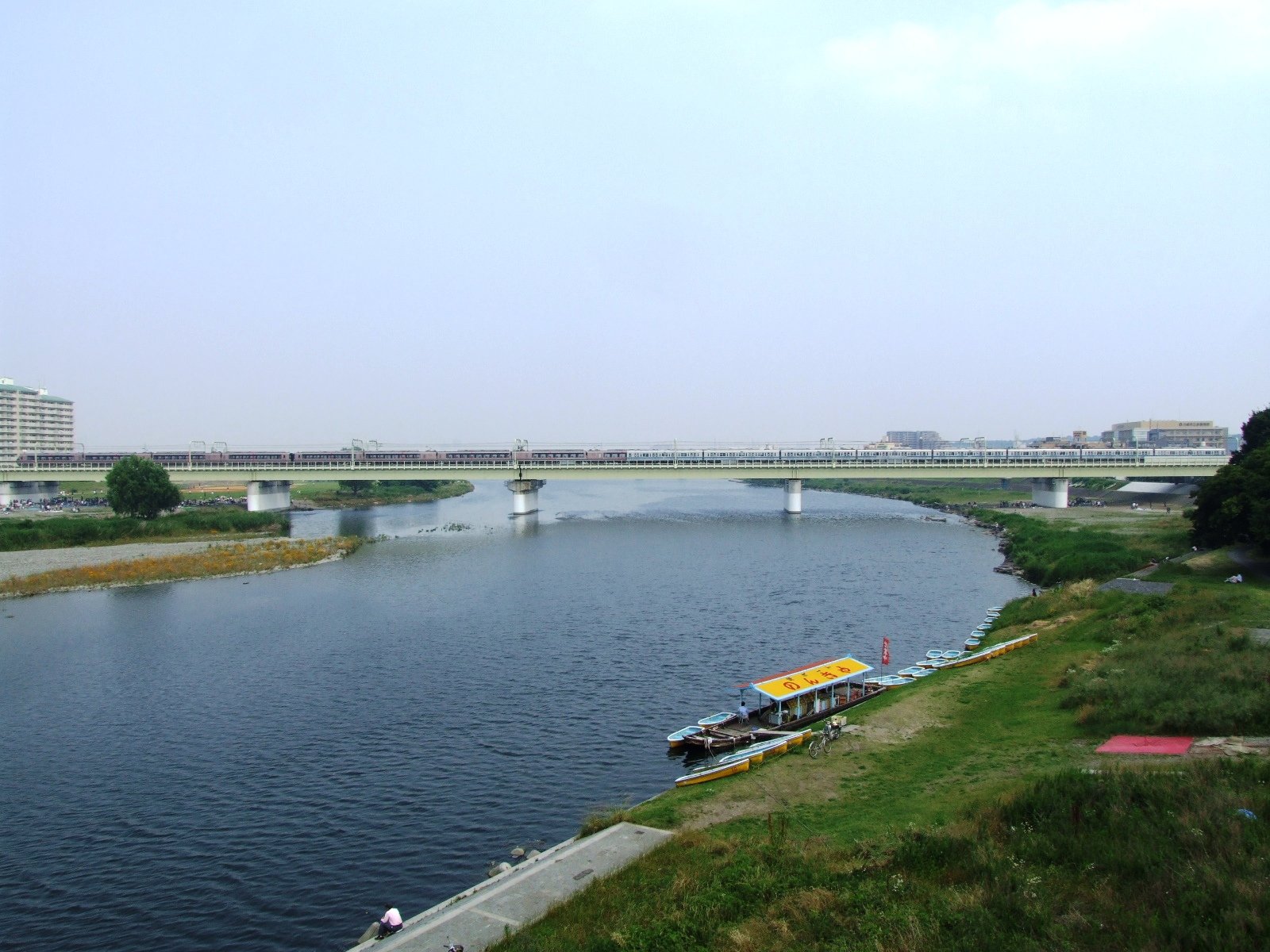
If you are already adding Parthenon Tama, the Tama River side is worth considering as the other suburban layer of the route. Fans identify several riverside areas with Tokyo Revengers confrontation and everyday-life scenes, including Tama River matches and a Tama Riverside House reference. Treat them as visual pilgrimage stops rather than official attractions.
The practical value is the scenery: wide paths, open river views, bridges, and quieter neighborhood edges that feel very different from Shibuya or Shinjuku. GO TOKYO’s Tama River walking guide is useful for understanding the riverside as a walking area, but check the exact fan-map pin you want before traveling because “Tama River” covers a long stretch of western and southern Tokyo.
Family Restaurant Scene

Family restaurant scene matches can be tricky because ordinary chain restaurants close, relocate, or change appearance. Several fans point to restaurant scenes in the Shibuya area, including a Gusto Shibuya Sakuragaoka match for episode 5, so treat this as a flexible add-on rather than the anchor of your route.
Worth The Detour Outside Central Tokyo
The main route stays in Tokyo, but two nearby Kanagawa stops are memorable enough for dedicated fans to consider. Add them only if you have extra time, because they change the day from a compact Tokyo walk into a wider Kanto pilgrimage.
Yamashita Park In Yokohama
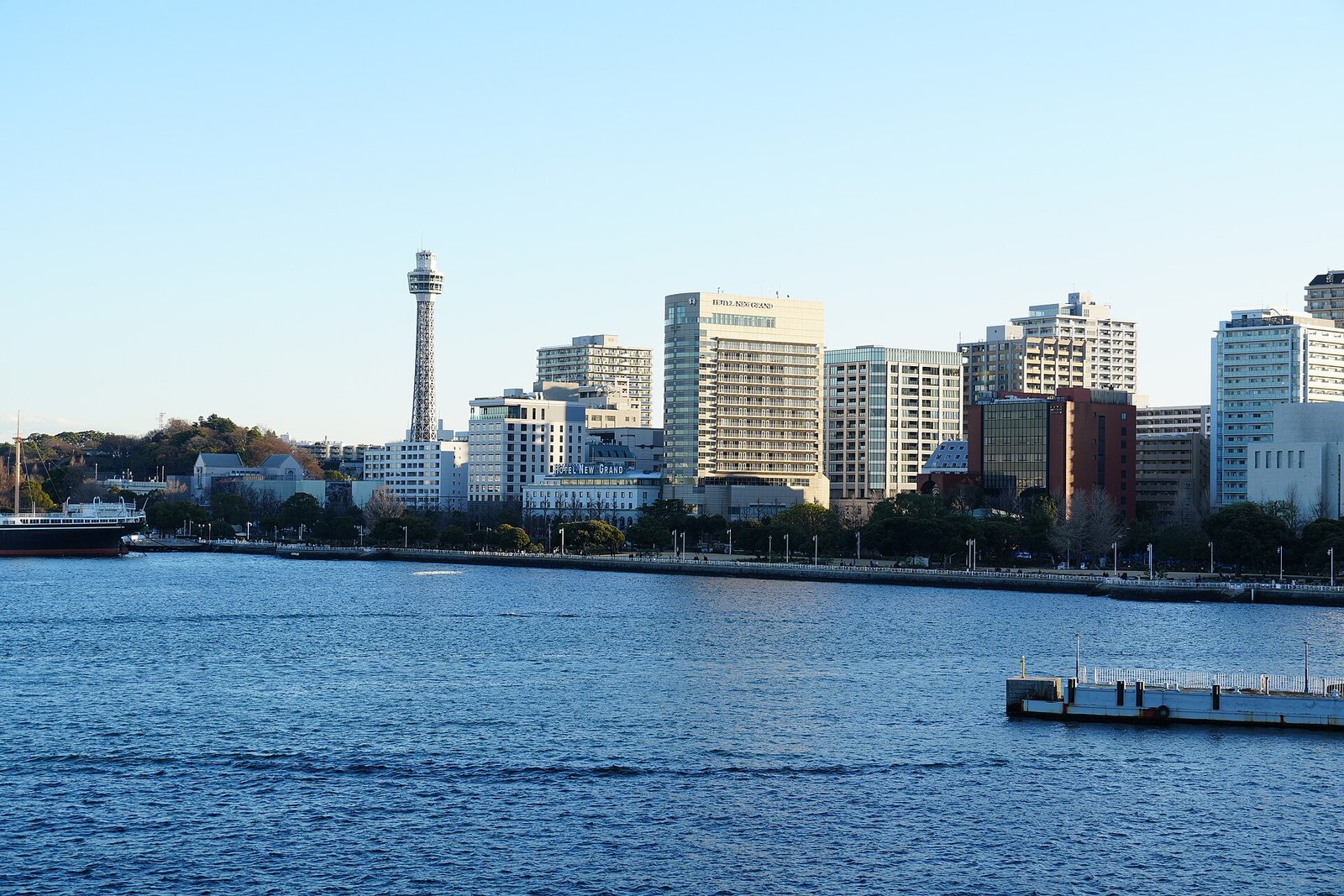
Fans commonly connect Yamashita Park with the waterfront park scenes around Hina and Takemichi, especially the episode 12 matches around the park area. The scene value is strongest when you look for the open seaside paths, benches, toilets, parking-area edges, and harbor backdrop rather than one isolated landmark.
Yamashita Park is at Yamashita-cho 279 in Naka Ward, about three minutes from Motomachi-Chukagai Station. It is also close to Chinatown and the Hikawa Maru, so it can become a half-day Yokohama add-on instead of a quick photo stop. If Yokohama becomes part of your anime trip, the Bungo Stray Dogs location guide is the most relevant next stop on MangaAnimeTradNow.
Kawasaki Daishi Heikenji
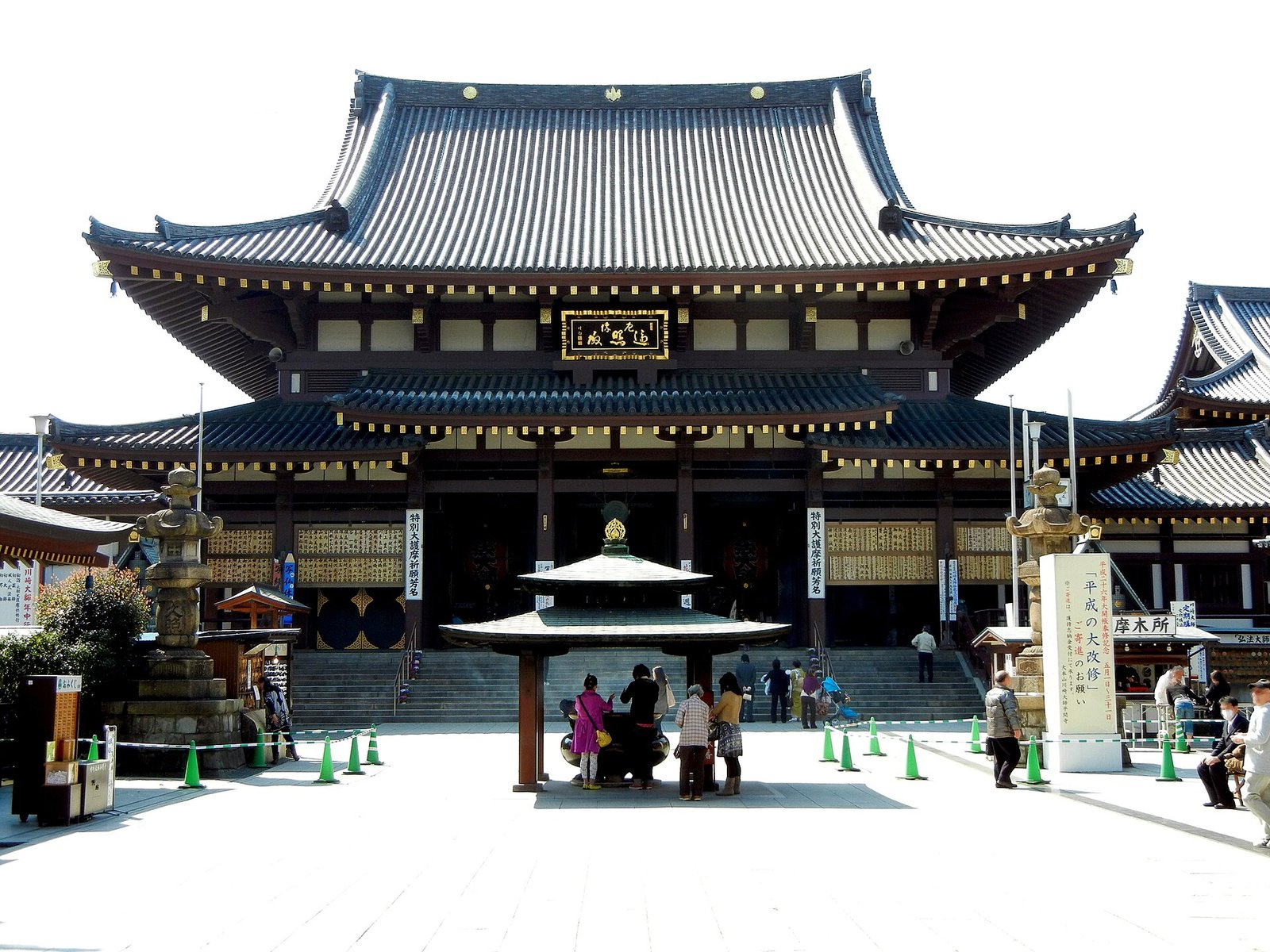
Kawasaki Daishi is a worthwhile detour if you are following later manga locations. Heikenji, better known as Kawasaki Daishi, is commonly linked with the New Year temple scene from volume 13/chapter 110, where Takemichi and the others spend New Year’s Eve after the Christmas Showdown material.
Kawasaki Daishi is at Daishi-machi 4-48 in Kawasaki, with access from Kawasaki-Daishi Station on the Keikyu Daishi Line. Visit it as a real temple first and a Tokyo Revengers stop second, especially around New Year when crowds can be heavy.
What To Expect On A Tokyo Revengers Pilgrimage
Tokyo Revengers is not a single-landmark pilgrimage. Its mood comes from stations, crossings, pedestrian decks, shrine grounds, commuter routes, suburban plazas, and places that feel ordinary until you connect them with a scene. That makes the trip easy to combine with normal Tokyo sightseeing, but it also means you should be careful with private property, station safety, and shrine etiquette.
If you have only a few hours, choose Shinjuku, Shibuya, and Numabukuro Hikawa Shrine. If you have most of a day, add Tama Center, Parthenon Tama, and one carefully chosen Tama River stop. For a second day or want the wider Kanto layer, add Yamashita Park or Kawasaki Daishi instead of rushing them into the central Tokyo route.
FAQ
Where does Tokyo Revengers take place?
Tokyo Revengers is mainly associated with Tokyo, especially Shibuya, Shinjuku, Nakano, and suburban Tokyo areas such as Tama. Dedicated fans also follow Yokohama and other Kanagawa spots connected with later scenes.
Is Musashi Shrine real?
Musashi Shrine is fictional, but Nakano Numabukuro Hikawa Shrine is one of the strongest real-world models associated with it. The shrine has had official Tokyo Revengers collaboration items, which makes it a more reliable pilgrimage stop than a generic shrine match.
Can you visit Tokyo Revengers locations in one day?
Yes, if you keep the route focused. Shinjuku, Shibuya, and Numabukuro are realistic in one day. Parthenon Tama adds more travel time and is better if you want a fuller suburban route.
Are these anime locations or live-action filming spots?
This page focuses on anime and manga pilgrimage locations, but some readers use “filming spots” when searching for Tokyo Revengers places in general. Live-action Tokyo Revengers movie locations can differ from anime background matches, so treat those as a related but separate layer of the franchise.
Image Sources & Credits
- Real-life view of SHIBUYA109 in Shibuya. Photo: Laika ac from UK, CC BY-SA 2.0, via Wikimedia Commons.
- Dogenzaka-shita crossing near SHIBUYA109. Photo: Asanagi, CC0, via Wikimedia Commons.
- Tama River bridge view in Tokyo. Photo: Lover of Romance, CC BY-SA 3.0, via Wikimedia Commons.
- Yamashita Park waterfront in Yokohama. Photo: Tokyo538, CC0, via Wikimedia Commons.
- Main hall of Kawasaki Daishi Heikenji. Photo: ペン太, CC BY 2.5, via Wikimedia Commons.
More Tokyo And Anime Location Guides



Show Your Work
Whether you are a professional or an amateur, we will love to see your artwork. So don't hesitate to remove your cats from your box right away