Tokyo Ghoul real-life locations are scattered across real Tokyo, but the useful version of a pilgrimage is not just a list of ward names. This guide focuses on places you can actually find, visit and understand, from Rikkyo University and Milky Way in Ikebukuro to Shinjuku, Kichijoji, Omotesando, Nerima and a few optional stops.
Some stops are close visual matches. Others are models or fan-associated places that need more careful wording. When a location is only an inspiration candidate, the guide says so plainly.
If you are building a wider Tokyo trip, use this page as the Tokyo Ghoul layer and keep the rest of the day organized by neighborhood rather than jumping across the city.
Tokyo Ghoul Location Overview
| Location | Tokyo Ghoul connection | Area | Nearest station | What to expect |
|---|---|---|---|---|
| Rikkyo University | Kamii University campus context | Ikebukuro | Ikebukuro | real-world model and campus stop |
| Parfait Terrace Milky Way | season 1 episode 1 cafe/date scene around 6:05 | Ikebukuro | Ikebukuro | close visual match and operating cafe |
| Shinjuku East Exit | season 1 episode 3 street cut around 12:45 | Shinjuku | Shinjuku | busy public-street photo stop |
| Kabukicho | season 1 episode 1 entertainment-district cut around 16:53 | Shinjuku | Shinjuku | area match, not a confirmed Uta shop |
| Kichijoji and Kurikoan | Kaneki, Hide and Nishiki street-food route | Kichijoji | Kichijoji | station streets and current taiyaki shop |
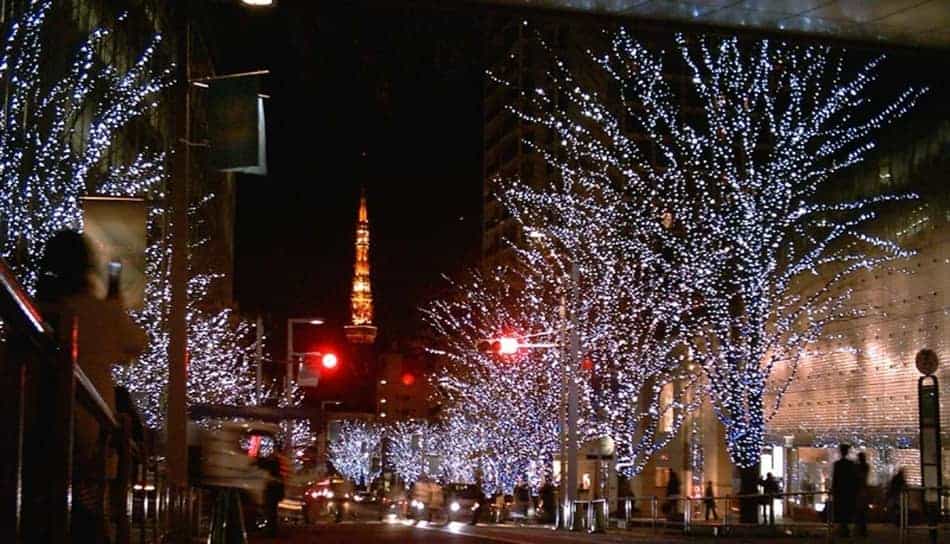
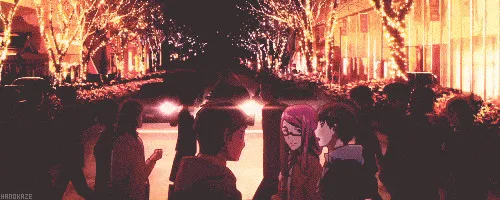
| Omotesando | season 1 episode 1 date/street cuts around 7:03 to 7:34 | Omotesando | Omotesando | storefront angles, not a single set |
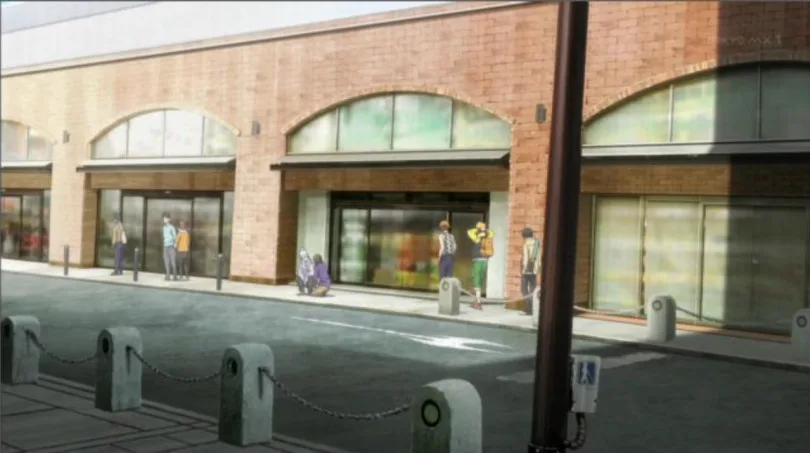
| Gofukubashi Underpass | season 1 episode 1 railway-underpass cut around 7:45 | Marunouchi | Tokyo | quick central-Tokyo angle |
| Minami-Tanaka Bridge | season 1 episode 3 Kaneki and Touka area around 15:39 | Nerima | Nerima-Takanodai | quiet neighborhood bridge |
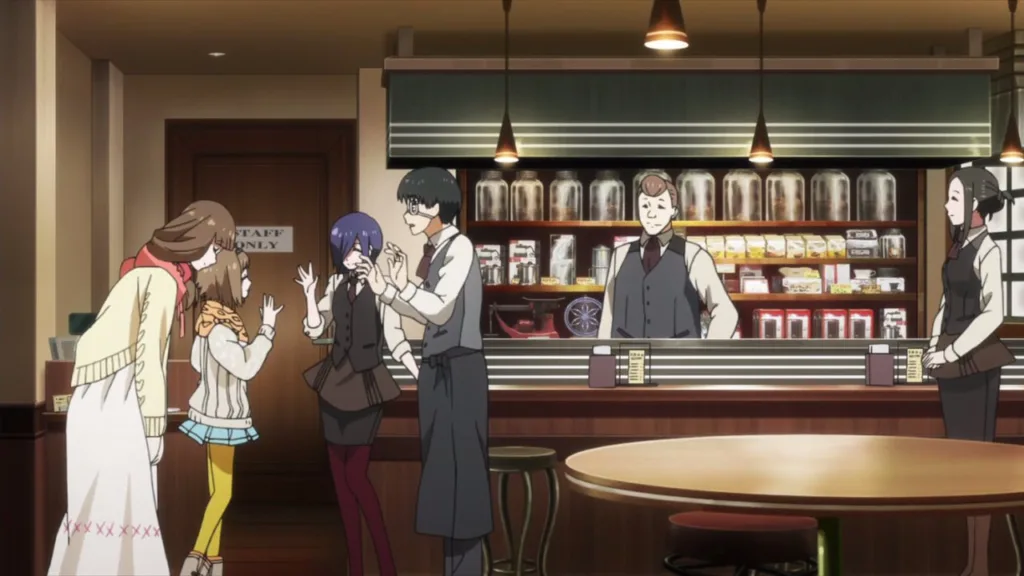
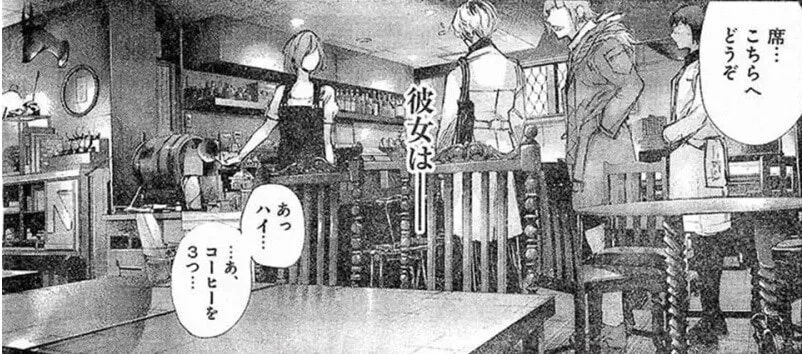
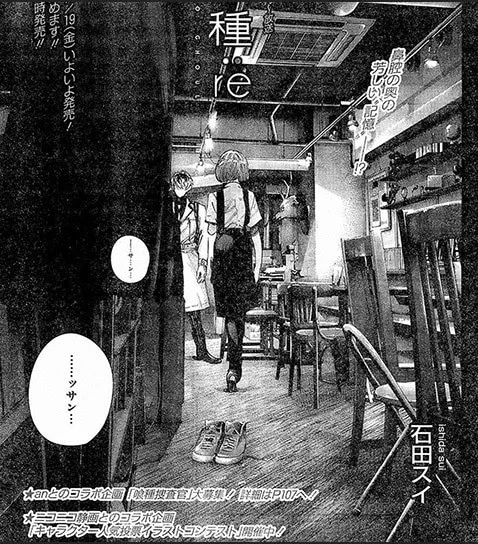
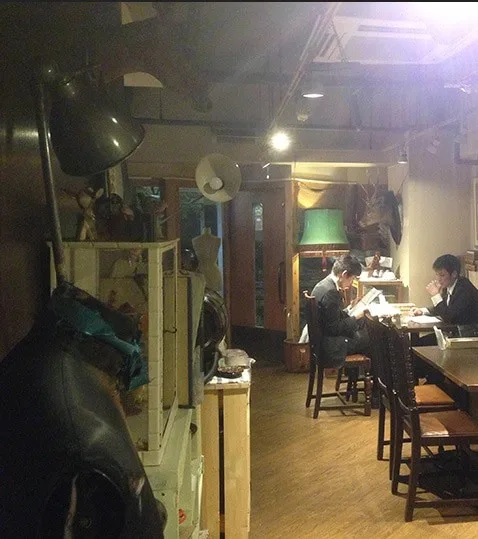
| Cafe Andes and related cafe models | Anteiku inspiration question | Nerima / Ikebukuro | Nerima / Ikebukuro | fan-associated, not a confirmed real Anteiku |
| Shibuya and Miyashita Park | optional Shibuya cuts, including episode 9 area context | Shibuya | Shibuya | optional add-on |
| Odaiba | season 1 episode 11 Tokyo Teleport and DiverCity area cuts | Odaiba | Tokyo Teleport | optional detour |
Tokyo Ghoul Real-Life Locations Map
Use the interactive map below to see the core Tokyo Ghoul locations, optional stops and the separately marked Anteiku-related location.
Core Tokyo Ghoul Pilgrimage Locations
Ikebukuro
Rikkyo University and Kamii University
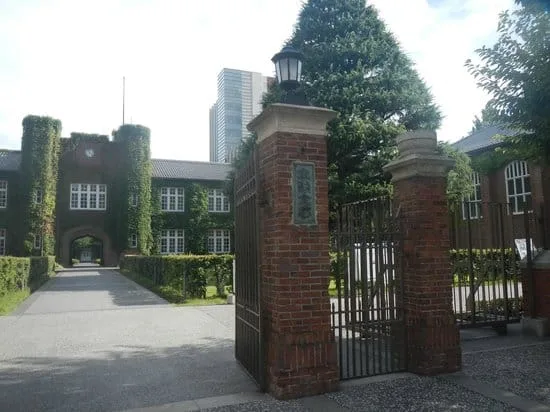
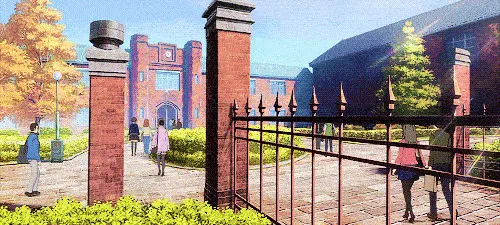
Rikkyo University is the cleanest starting point for the Kamii University question. The anime campus cut most often matched here is from season 1 episode 2 around 9:14, focused on the Ikebukuro Campus Building 11 area. Tokyo Location Box separately identifies Rikkyo as the Kamii University filming location for the 2017 live-action Tokyo Ghoul movie, which makes this the strongest real-world Kamii stop for visitors.
For visitors, treat this as a campus stop rather than a theme attraction. Rikkyo is at 3-34-1 Nishi-Ikebukuro, Toshima-ku, a short walk from Ikebukuro Station. Ikebukuro also carries a lot of anime-location appeal through Durarara!!, so it is one of the easiest areas to turn into a longer pilgrimage stop. Stay in public areas, avoid photographing students closely and do not enter buildings unless access is clearly open to visitors. Open in Google Maps.
Parfait Terrace Milky Way
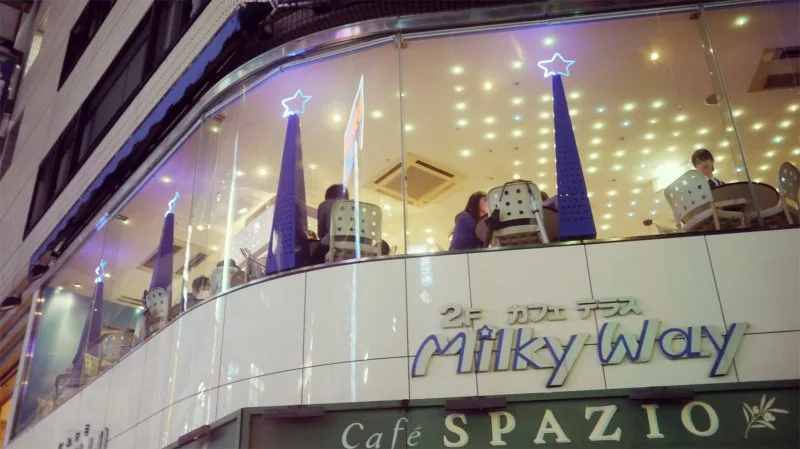
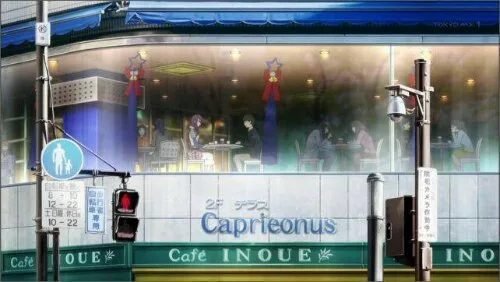
Parfait Terrace Milky Way is one of the most satisfying Tokyo Ghoul stops because it is still an operating cafe with a clear visual match. The match is tied to the season 1 episode 1 cafe/date scene around 6:05, when the show moves into Ikebukuro’s bright dessert-cafe atmosphere.
The cafe is near Ikebukuro East Exit at FujiKi Building 2F, 1-12-8 Higashi-Ikebukuro. Check the official hours before going because closing days and last order times matter more here than they do for public street locations. It is a small food business, so buy something if you plan to sit, photograph your own order and avoid blocking the entrance or tables. Open in Google Maps.
Tokyo Ghoul Real-Life Locations in Shinjuku
Shinjuku East Exit
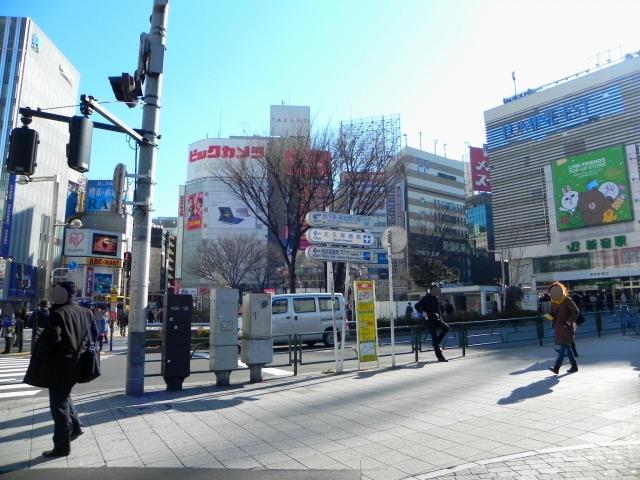
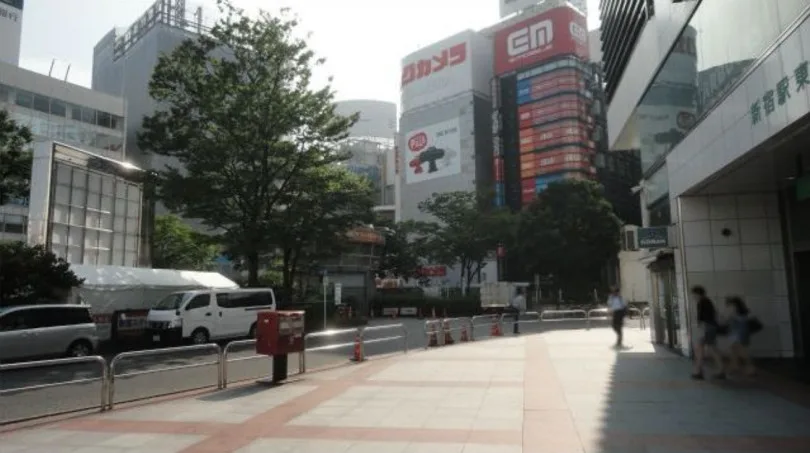
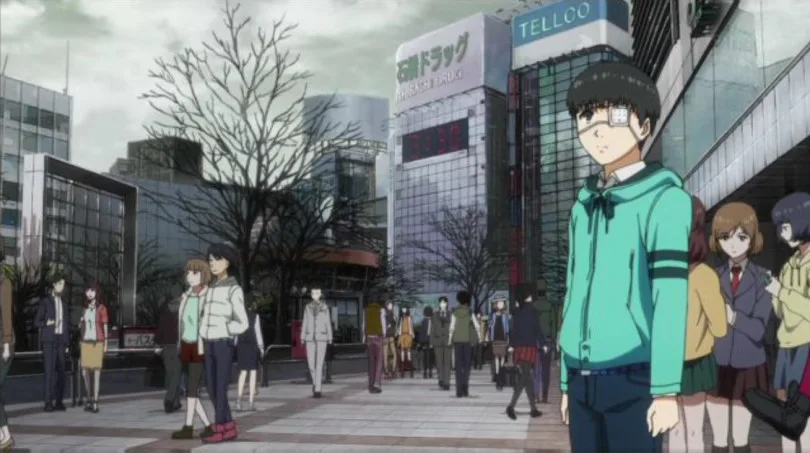
Shinjuku East Exit works well as the first public-street stop. A season 1 episode 3 cut around 12:45 is commonly matched to the station-front area, where the anime uses the dense rail-side crowd, signage and crossings to sell the 4th Ward’s Tokyo setting.
Use Shinjuku Station East Exit as the practical anchor, then keep the visit light. This is one of Tokyo’s busiest pedestrian areas, and the anime comparison is more about lining up a familiar city angle than standing in a quiet filming spot. For a quieter Shinjuku contrast on the same day, Shinjuku Gyoen is the emotional center of The Garden of Words. Open in Google Maps.
Kabukicho and Kuyakusho-dori
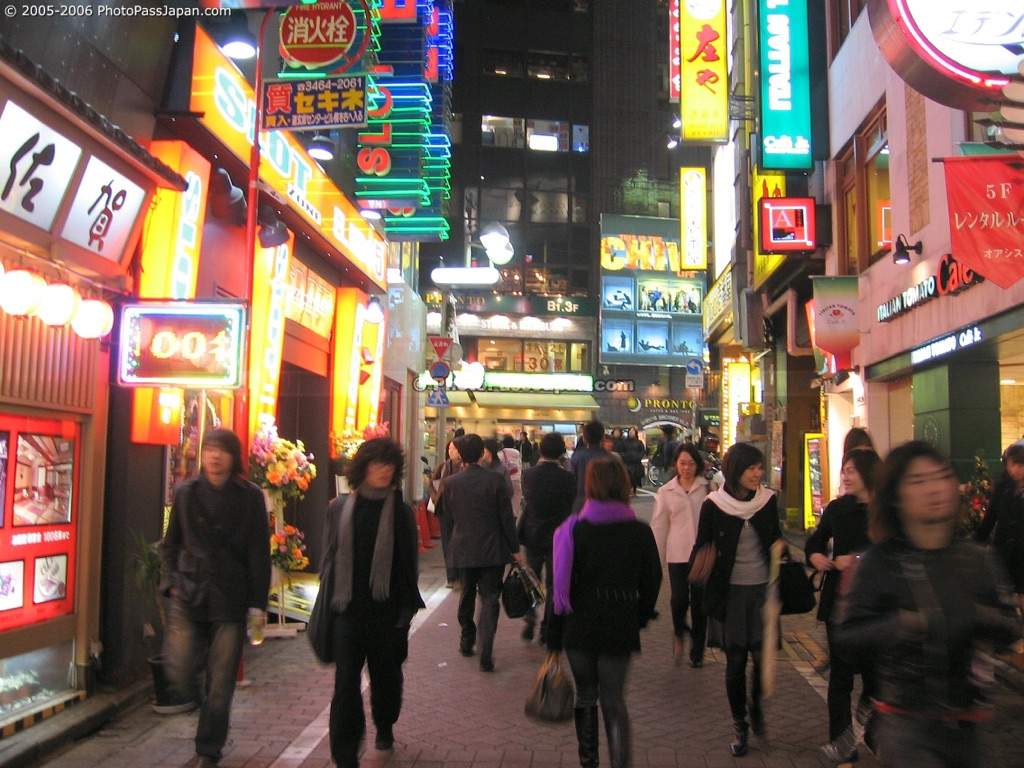
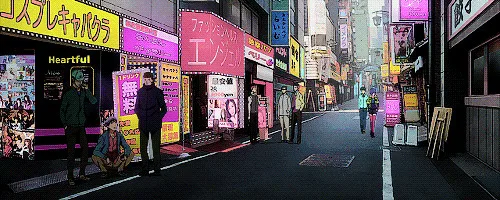
Kabukicho sharpens the Shinjuku portion because the match is not just “somewhere in Shinjuku.” Season 1 episode 1 around 16:53 lines up with the Kabukicho Ichibangai entertainment-district area, while Kuyakusho-dori gives the route a recognizable Shinjuku street texture.
The real mask shop should not be treated as a confirmed shop a reader can visit. Instead, use Kabukicho as an atmosphere-and-street-layout stop near Shinjuku East Exit. Photograph signs and streets from public sidewalks, not people working there. Open in Google Maps.
Kichijoji
The Kichijoji Station, Sunroad and Kurikoan
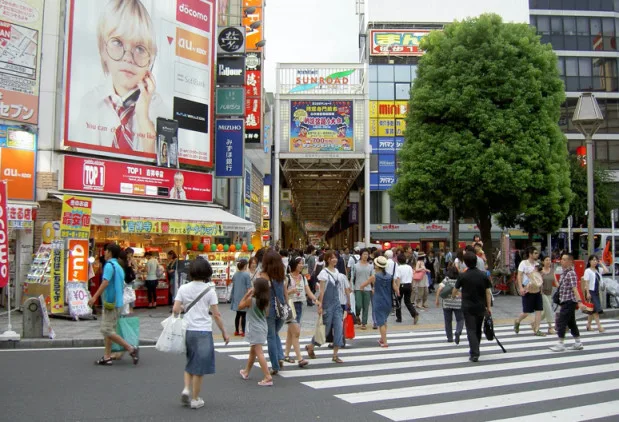
Kichijoji deserves a proper section because it gives readers a real neighborhood route, not a single photo stop. The station area is tied to season 1 episode 2 around 12:02, while the police-box and shopping-street angles are also connected with early Kichijoji cuts.
The most useful named food stop is Kurikoan Kichijoji, the taiyaki shop associated with the Kaneki, Hide and Nishiki street-food scene. The official Kurikoan shop list confirms the Kichijoji branch at 1-1-7 Kichijoji Honcho, Musashino, close to the station’s north side.
Kichijoji is also a better place to slow down than Shinjuku. If you like anime locations that still feel like normal Tokyo neighborhoods, give this area more time and fold in Inokashira Park if your schedule allows. Open Kurikoan in Google Maps.
Omotesando and Marunouchi
The Omotesando Luxury-Store Street Cuts
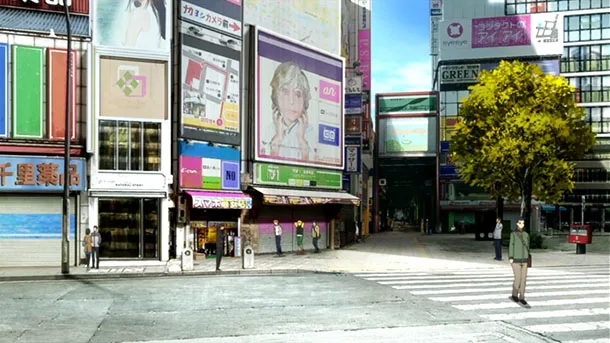
Omotesando appears through polished street-front cuts rather than one single pilgrimage monument. Season 1 episode 1 uses several quick date-route angles here, including the Armani Cafe vicinity around 7:03 and nearby luxury storefronts around 7:31 to 7:34.
This is a natural stop if you are already moving between Shibuya and central Tokyo. It is also useful for anime fans who like seeing how real storefront geometry becomes background texture. Keep expectations realistic. You are visiting a fashionable shopping street, not a preserved set. Open the Omotesando anchor in Google Maps.
Gofukubashi Underpass
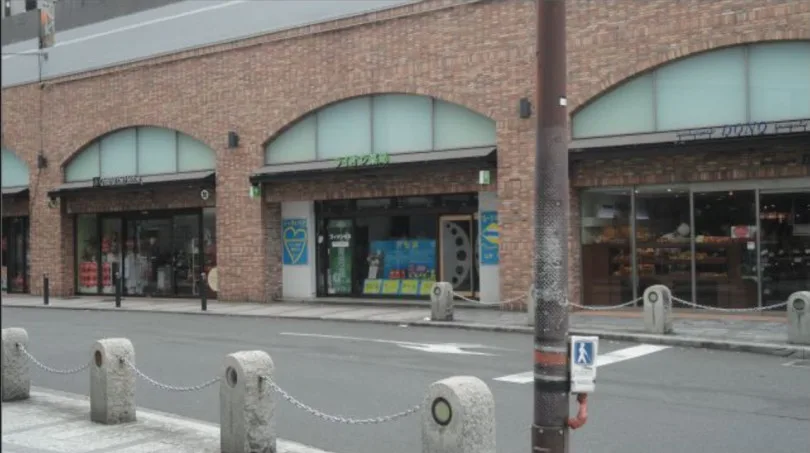
Gofukubashi Underpass, near Tokyo Station and Nihonbashi, gives the guide a sharp central-Tokyo pin. The season 1 episode 1 railway-underpass cut around 7:45 is the draw here, with the overhead tracks and narrow urban view doing most of the visual work.
This is a quick stop. Visit for the angle, take a few photos from a safe pedestrian position, then move on. Open in Google Maps.
Nerima and the Anteiku Question
Minami-Tanaka Bridge
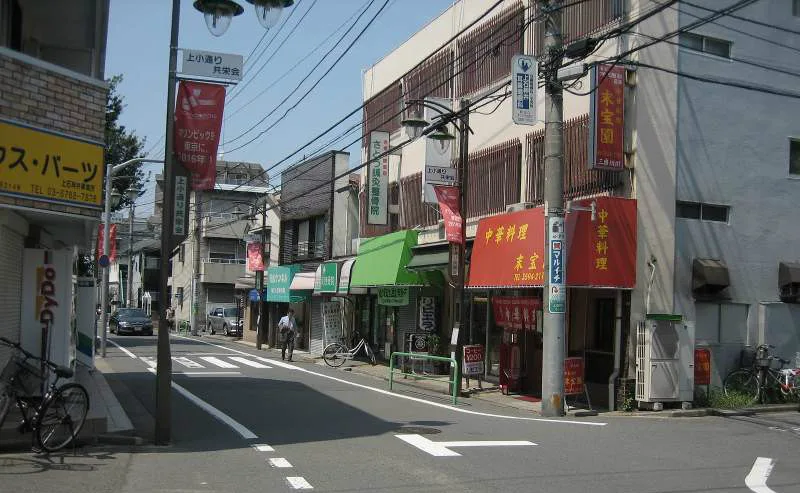
Minami-Tanaka Bridge is one of the strongest Nerima-area matches. The season 1 episode 3 scene around 15:39 is associated with the Kaneki and Touka conversation area, and the mapped pin sits in Minami-Tanaka, Nerima-ku, near Nerima-Takanodai.
This is a neighborhood bridge, so visit quietly and treat it like an everyday residential place. It is more rewarding if you care about the scene itself than if you are looking for a flashy Tokyo landmark. Open in Google Maps.
Is Anteiku A Real Cafe?
There is no confirmed real-world Anteiku cafe. Anteiku is fictional, and no current Tokyo cafe should be sold to readers as the canonical coffee shop from Tokyo Ghoul.
Cafe Andes in Nerima is the older fan-associated name that comes up most often, but it closed in 2020. Treat it as a former inspiration candidate, not a working pilgrimage cafe. For Tokyo Ghoul:re, the former MUSEUM Cafe and Diner site in Ikebukuro, now connected with GARA Spice Restaurant, is discussed separately as a cafe-model stop.
If Anteiku is your main reason for searching, the honest answer is that you can visit cafe-related reference areas, but you should not expect to find Anteiku itself. Milky Way and Kurikoan are more straightforward visitor stops because they are named, current businesses with stronger scene-location value. Open the former Cafe Andes area in Google Maps.
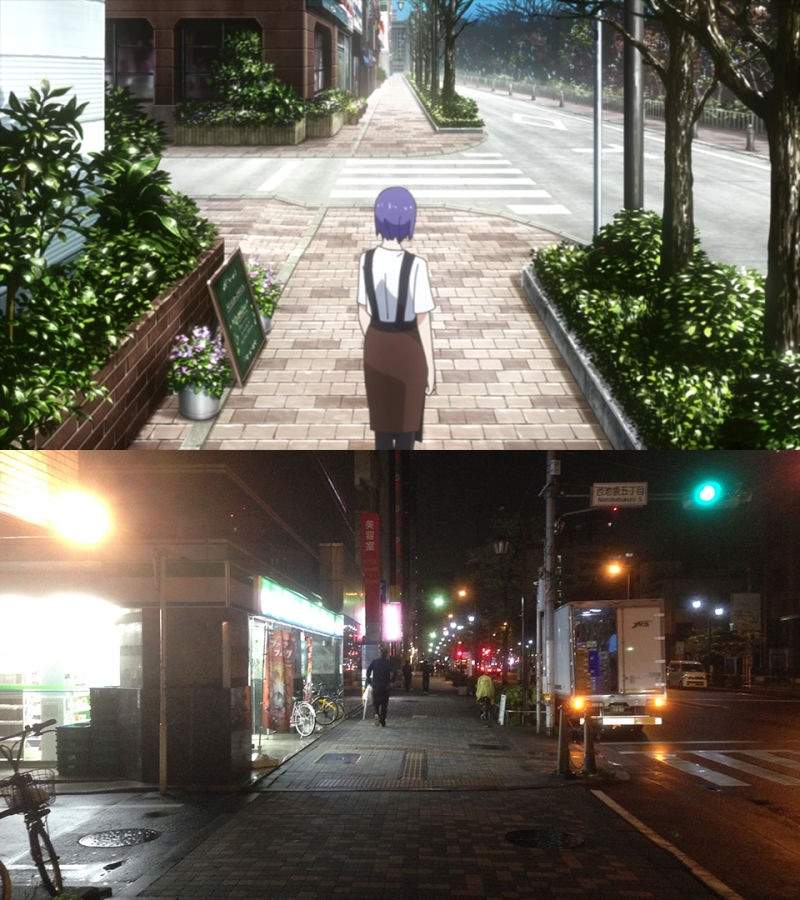
Optional Additional Stops
Shibuya Crossing and Miyashita Park
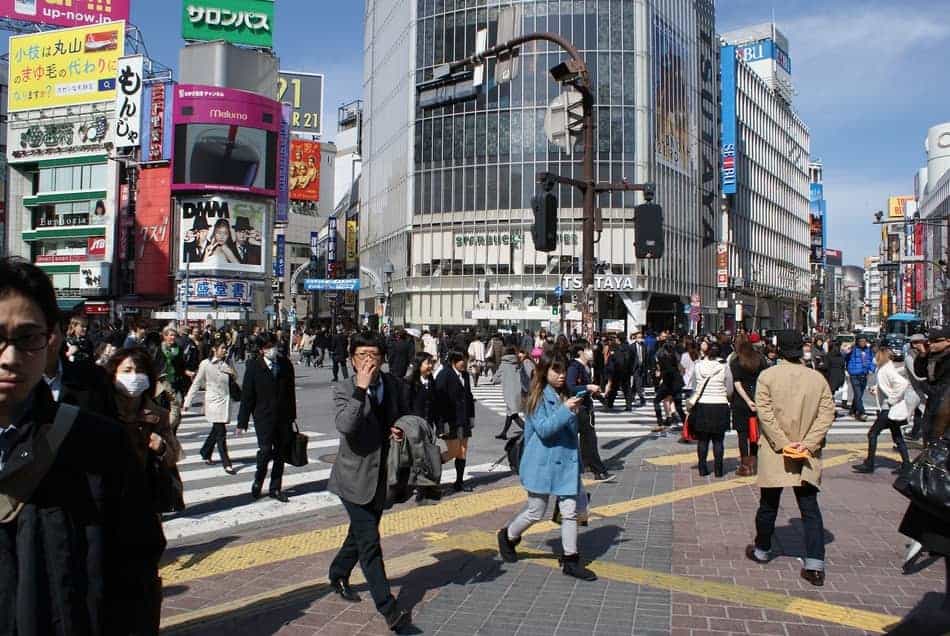
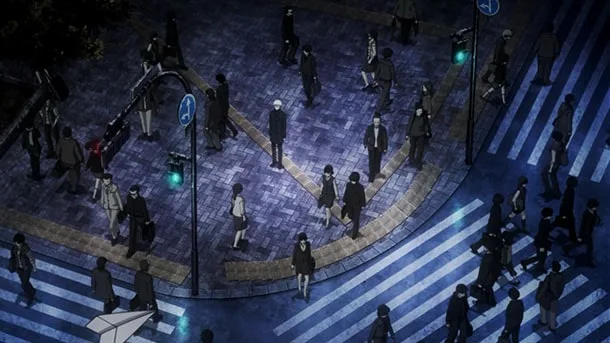
Shibuya Scramble Crossing is useful as an optional stop, especially if you already plan to visit Omotesando. The stronger anime-specific Shibuya pin is Miyashita Park, which is tied to a season 1 episode 9 area cut around 20:28. The crossing itself remains a practical landmark and photo anchor rather than the main reason to cross town.
The crossing is directly outside Shibuya Station’s Hachiko side, and it is best photographed from normal public viewpoints without stopping in the middle of foot traffic. Open Shibuya Crossing in Google Maps. Open Miyashita Park in Google Maps.
Odaiba, Tokyo Teleport and DiverCity
Odaiba belongs in the optional tier. Season 1 episode 11 includes cuts around the Tokyo Teleport, Deai Bridge and DiverCity Tokyo Plaza side of the waterfront, but it sits far enough from the core route that it can make a one-day Tokyo Ghoul plan feel stretched.
Add Odaiba only if you already want waterfront Tokyo or you are building a broader anime day. DiverCity’s official access page is the most useful current link for checking the destination before you go, and Odaiba also turns up in MangaAnimeTradNow’s Weathering With You locations coverage. Open DiverCity in Google Maps.
A Practical Tokyo Ghoul Route
For a compact day, start around Ikebukuro with Rikkyo University and Milky Way, then move west to Shinjuku for East Exit and Kabukicho. From there, choose one direction. Kichijoji gives you the strongest neighborhood-and-food stop, while Omotesando and Shibuya fit better if you want central Tokyo streets.
A full but still realistic order is Ikebukuro, Shinjuku, Kichijoji, then Nerima. Add Omotesando and Shibuya only if you are comfortable with a longer city day. Save Odaiba for a second day or for a separate waterfront plan.
- Best first stop: Ikebukuro, because Rikkyo and Milky Way sit close enough to pair.
- Best neighborhood stop: Kichijoji, especially if Kurikoan and station-front cuts matter to you.
- Best quick city stop: Shinjuku East Exit and Kabukicho.
- Best quieter scene stop: Minami-Tanaka Bridge in Nerima.
- Best optional add-on: Shibuya and Omotesando if you are already moving through that side of Tokyo.
Tokyo Ghoul overlaps naturally with other dark or city-heavy anime routes. If Shinjuku and Shibuya are your focus, MangaAnimeTradNow’s Terror in Resonance locations guide and Tokyo Revengers locations guide can help you build a bigger urban-anime day without jumping randomly across the map.

Show Your Work
Whether you are a professional or an amateur, we will love to see your artwork. So don't hesitate to remove your cats from your box right away