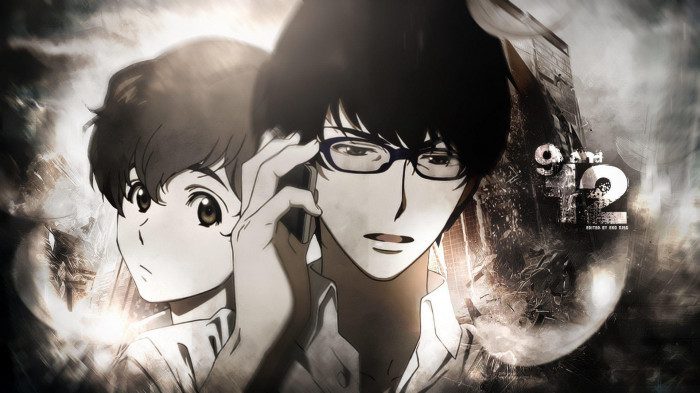
Terror in Resonance turns Tokyo into part of the story: glass towers in Shinjuku, the crush of Shibuya, official buildings in Roppongi, quiet shrine grounds in Katsushika, and colder, more isolated corners farther from the center. This route keeps the clearest real-life locations together in a way that works for an actual day out, not just a screenshot hunt.
Start in Shinjuku, move south to Shibuya, continue to Roppongi, then add Katsushika, Fuchu, or Kasai Rinkai Park only if those scenes matter to you. The central stops are easy to combine; the outer stops are better when you have time to slow down and let the atmosphere land.
Quick Route For Terror In Resonance Fans
| Area | Best stops | Route note |
|---|---|---|
| Shinjuku | Tokyo Metropolitan Government Building, Shinjuku Chuo Park, former Studio Alta / AltaVision area, west-side street corner | Best first stop. Use Tochomae Station for the government building and park, then Shinjuku Station for the Alta and street-corner stops. |
| Shibuya | Shibuya Scramble Crossing and Maruhachi Shibuya | Take the JR Yamanote Line from Shinjuku to Shibuya. The crossing is outside Hachiko Exit; Maruhachi is in Dogenzaka. |
| Roppongi | Azabu Police Station exterior | Use Roppongi Station and treat this as an exterior-only stop. |
| Katsushika | Shibue Shirahige Shrine | A longer east-side detour. Visit respectfully and avoid confusing it with the famous Shirahige Shrine in Shiga. |
| Optional detours | Fuchu former U.S. communication/base site; Kasai Rinkai Park Ferris wheel | Add only if you are following the orphanage/Athena Plan or later Ferris wheel scenes. |
Terror In Resonance Real-Life Locations
Tokyo Metropolitan Government Building
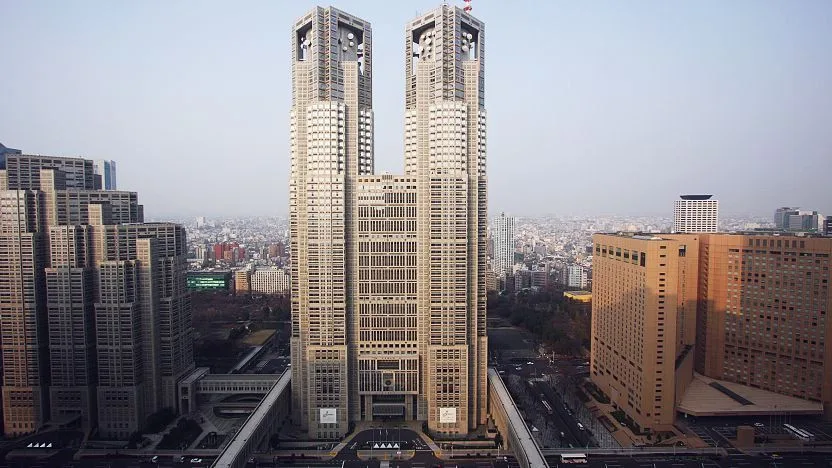
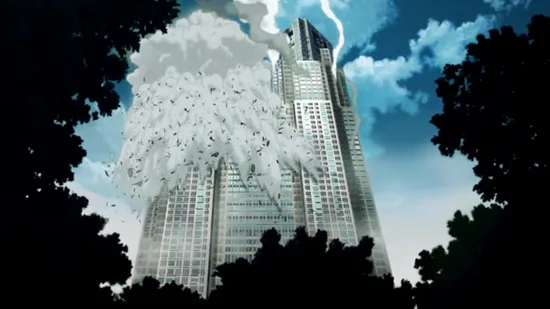
The Tokyo Metropolitan Government Building is the anchor of the whole route. Terror in Resonance opens by turning this Shinjuku landmark into the site of its first major attack, so the real building gives the pilgrimage an immediate sense of scale.
The building stands at 2-8-1 Nishi-Shinjuku, close to Tochomae Station. Its public observatory sits 202 meters above ground, and admission is free, though opening days and wait times can change. Check the official observatory page before going.
Keep the visit understated. The anime uses the building for spectacle, but the real place is a working government complex. Photos from public areas and the observatory are normal; tripods are not allowed in the observatory.
Shinjuku Chuo Park
Shinjuku Chuo Park sits almost beside the Tokyo Metropolitan Government Building, which makes it a natural second stop after the opening-scene location. In the anime’s early Shinjuku sequence, the park area fits the shift from public chaos to the quieter aftermath around Lisa.
The park is at 2-11 Nishi-Shinjuku. Tochomae Station Exit A5 is about one minute away, Nishi-Shinjuku Station is about five minutes away, and Shinjuku Station West Exit is about ten minutes away. The park also has restrooms, dining facilities, ramps and accessible toilets.
Shinjuku West-Side Street Corner
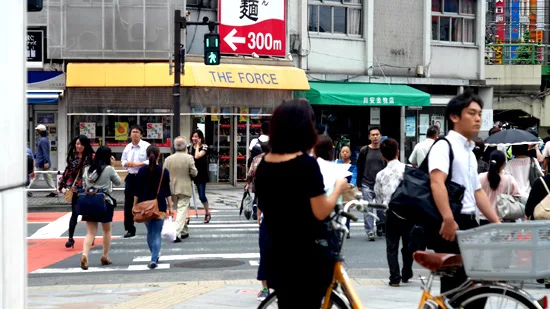
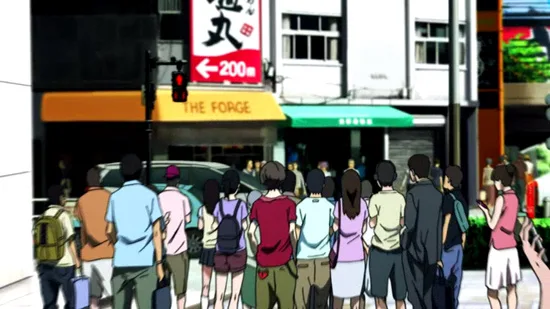
The west side of Shinjuku Station gives the route one of its smaller but sharper matches: a street-corner scene from episode two where the anime tweaks real storefront details while keeping the city texture intact.
Make this a quick comparison stop. Shinjuku sidewalks are busy, storefronts change, and the fun is in catching the angle and street geometry rather than hunting for a perfectly frozen version of 2014 Tokyo. Since Tokyo Revengers also leans heavily on Shinjuku’s streets, this area works well if you are stacking Tokyo anime routes in one day.
Former Studio Alta And AltaVision Area
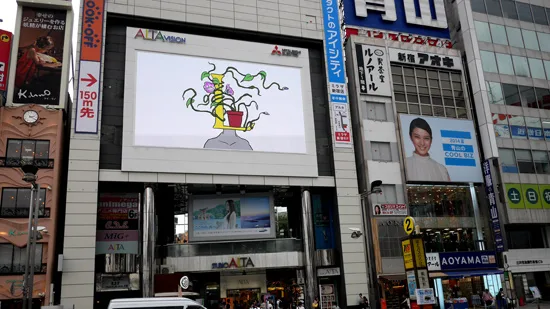
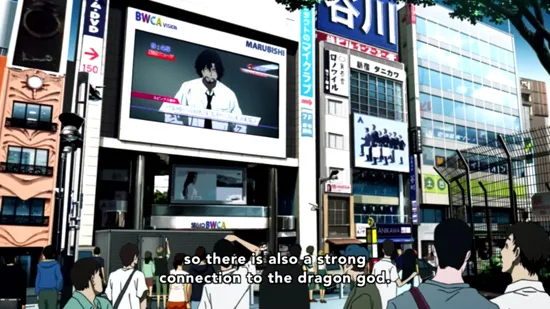
The former Studio Alta / AltaVision area near Shinjuku Station East Exit is the kind of landmark anime loves: loud, public, instantly readable, and tied to the rhythm of the station crowd. In Terror in Resonance, the giant screen helps make Shinjuku feel watched as much as visited.
One thing has changed since the anime aired: Shinjuku Alta closed on February 28, 2025. The location still belongs in the guide because it explains the scene’s geography, but visitors should expect a changed landmark rather than the old shopping complex experience.
Shibuya Scramble Crossing
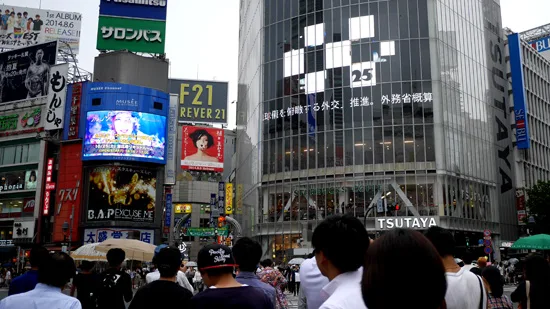
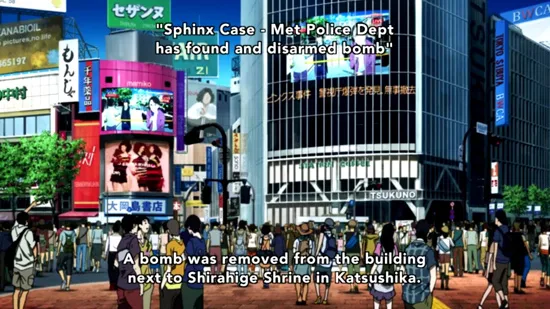
From Shinjuku, Shibuya is the cleanest next move. Terror in Resonance uses Shibuya Scramble Crossing in the way Tokyo stories often do: as a place where one character can disappear into a crowd and still feel exposed.
Shibuya Crossing sits outside Shibuya Station’s Hachiko Exit, with pedestrians moving from every direction each light cycle. For photos, the better move is an overhead viewpoint from a nearby station building or cafe instead of stopping in the middle of the crossing.
Shibuya is also one of Tokyo’s most reusable anime districts. The same station area gives you easy overlap with Tokyo Revengers, Tokyo Ghoul, and Weathering With You, each of which uses the district for a different kind of urban tension.
Maruhachi Shibuya
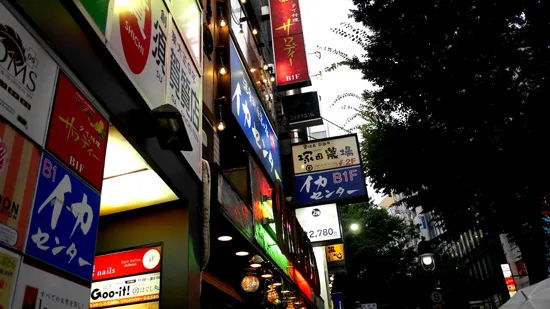
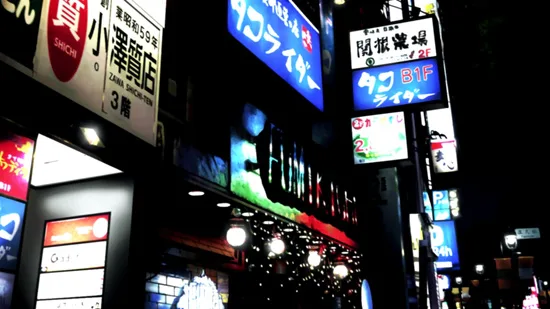
Maruhachi in Dogenzaka gives the route a smaller, more grounded stop after the spectacle of the crossing. The anime’s restaurant scene lines up with the real Shibuya location at 2-10-12 Dogenzaka, close to the station.
Check the current business status before building a meal around it. Restaurant listings are not perfectly consistent, so the safest plan is to confirm the Dogenzaka address on a current map or reservation page on the day you go.
Azabu Police Station / Roppongi Police-Station Context
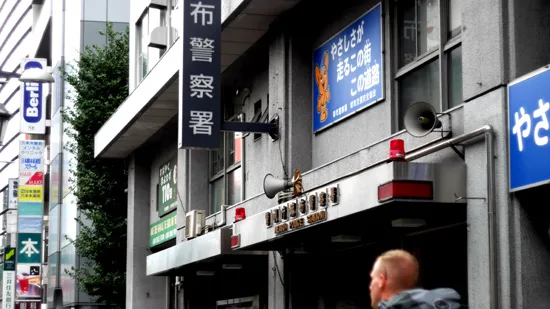
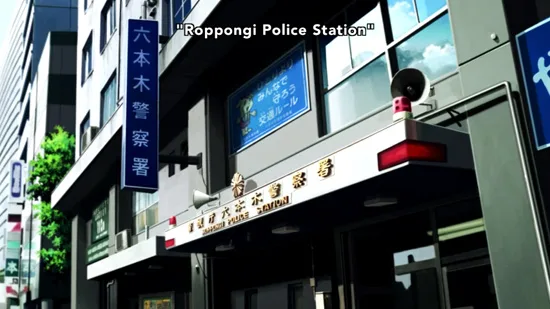
The Roppongi police-station exterior in the anime closely matches Azabu Police Station. The real station stands at 4-7-1 Roppongi, Minato-ku, which keeps this stop practical after Shibuya.
Keep this exterior-only. It is a real police station, not an anime attraction. Roppongi Station Exit 6 on the Toei Oedo Line is about one minute away, and Exit 4a on the Tokyo Metro Hibiya Line is about three minutes away.
Shibue Shirahige Shrine In Katsushika
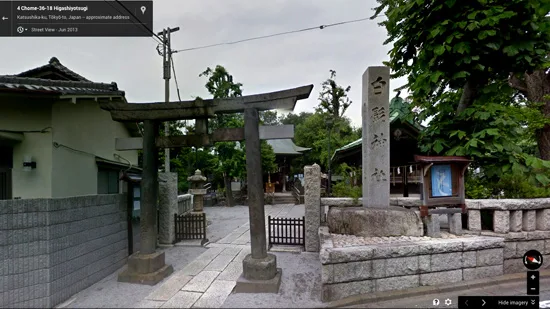
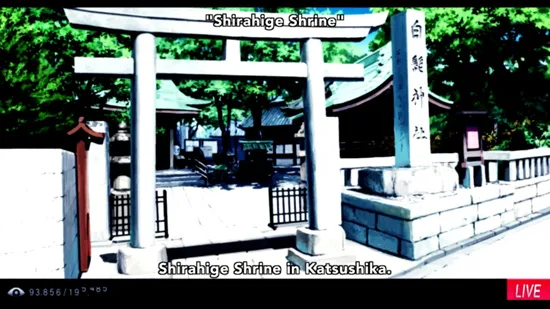
For this route, the relevant shrine is Shibue Shirahige Shrine in Katsushika, not the famous Lake Biwa shrine in Shiga Prefecture. The anime’s Shirahige Shrine material fits the smaller Tokyo shrine, which gives this stop a very different mood from the Shinjuku and Shibuya scenes.
The shrine’s address is 4-36-18 Higashi-Yotsugi, Katsushika-ku, with access from Yotsugi Station on the Keisei Oshiage Line. It is a real place of worship, so keep photos quiet, avoid blocking worshippers, and do not treat shrine grounds as a photoshoot set.
Former Fuchu U.S. Base / Communication Facility Area
The Fuchu former U.S. base and communication-facility area gives the route its darkest detour, tied to the orphanage and Athena Plan context rather than a casual landmark scene. It belongs in the guide because it deepens the story’s geography, but it is not a normal sightseeing stop.
Fuchu City’s current planning material describes former base land and a former U.S. communication-facility site around Asama-cho 1-chome, with long-running redevelopment and access questions. Treat this as background context unless you have a specific reason to visit Fuchu. Do not photograph restricted areas or security features.
Kasai Rinkai Park Ferris Wheel
The Diamond and Flower Ferris Wheel at Kasai Rinkai Park is the best outer-Tokyo add-on for visitors who want a location that still feels like a real outing. It connects with the later Twelve/Lisa Ferris wheel material and gives the route a softer finish than the government-building and police-station stops.
GO TOKYO lists Kasai Rinkai Park at 6 Rinkai-cho in Edogawa City, one minute from Kasai-Rinkai Park Station on the JR Keiyo Line. Japan Guide lists the Ferris wheel’s typical admission at 800 yen and notes regular closing days, but visitors should confirm current hours before going.
Suggested One-Day Route
For most visitors, the best order is Tokyo Metropolitan Government Building, Shinjuku Chuo Park, the Shinjuku west-side street corner, former Studio Alta / AltaVision area, Shibuya Scramble Crossing, Maruhachi Shibuya, and Azabu Police Station. That keeps the route mostly on the Yamanote, Oedo and Hibiya lines.
Shibue Shirahige Shrine, Fuchu, and Kasai Rinkai Park are better as optional add-ons. Trying to cover every stop in one day is possible, but it turns the trip into transit work rather than a satisfying anime walk.
Travel And Photography Etiquette
- Government buildings, police stations, shrines, restaurants and ordinary sidewalks are not anime sets. Keep visits brief and respectful.
- Do not block Shibuya Crossing or Shinjuku sidewalks for photos. Use overhead viewpoints where possible.
- At Shibue Shirahige Shrine, worshippers come first. Keep voices low and follow posted rules.
- At Azabu Police Station and the Fuchu former-base area, avoid close-up photos of staff, security features or restricted zones.
- For Maruhachi, confirm current business status before visiting and buy something if you photograph or enter the restaurant.
Is Terror In Resonance Banned?
Terror in Resonance is often discussed alongside anime restricted in some countries because of its terrorism theme. For a location guide, the main point is simple: the series deals with heavy political and crime themes, so this pilgrimage route is best approached with care and respect for the real public places involved.
That broader censorship history sits outside the travel route, but it pairs naturally with the site’s look at anime and manga that have been banned or restricted.
Terror In Resonance Location FAQ
What is Terror in Resonance?
Terror in Resonance, also known as Zankyou no Terror, is an 11-episode anime from MAPPA directed by Shinichiro Watanabe. It follows Nine and Twelve as their attacks, riddles and past pull Tokyo into a tense investigation.
Is Terror in Resonance based on a manga?
No. Terror in Resonance is an anime-original series, not an adaptation of a manga or light novel. That also means there is no manga route to compare against the anime locations.
Can you visit Terror in Resonance locations in one day?
Yes, if you focus on Shinjuku, Shibuya and Roppongi. Tokyo Metropolitan Government Building, Shinjuku Chuo Park, the Shinjuku station-area stops, Shibuya Scramble Crossing, Maruhachi and Azabu Police Station make the most practical one-day route.
Which Shirahige Shrine appears in Terror in Resonance?
The Tokyo pilgrimage stop is Shibue Shirahige Shrine in Katsushika. Do not confuse it with the famous Shirahige Shrine by Lake Biwa in Shiga Prefecture.
Is Shinjuku Alta still open?
No. Shinjuku Alta closed on February 28, 2025. The location remains important for understanding the former AltaVision scene, but the old shopping-complex experience is no longer there.
Are all Terror in Resonance locations exact matches?
Some are very direct, like the Tokyo Metropolitan Government Building and Shibuya Scramble Crossing. Others work better as scene matches or area references, especially where storefronts, signs or access have changed since the anime aired.
How should fans behave at these locations?
Keep the anime context low-key at government buildings, police stations, shrines, restaurants and busy crossings. Take quick photos from public areas, do not block people, and avoid photographing staff, security details or worshippers.

Show Your Work
Whether you are a professional or an amateur, we will love to see your artwork. So don't hesitate to remove your cats from your box right away