The Ultimate Guide to Call of the Night Real life Locations in Japan
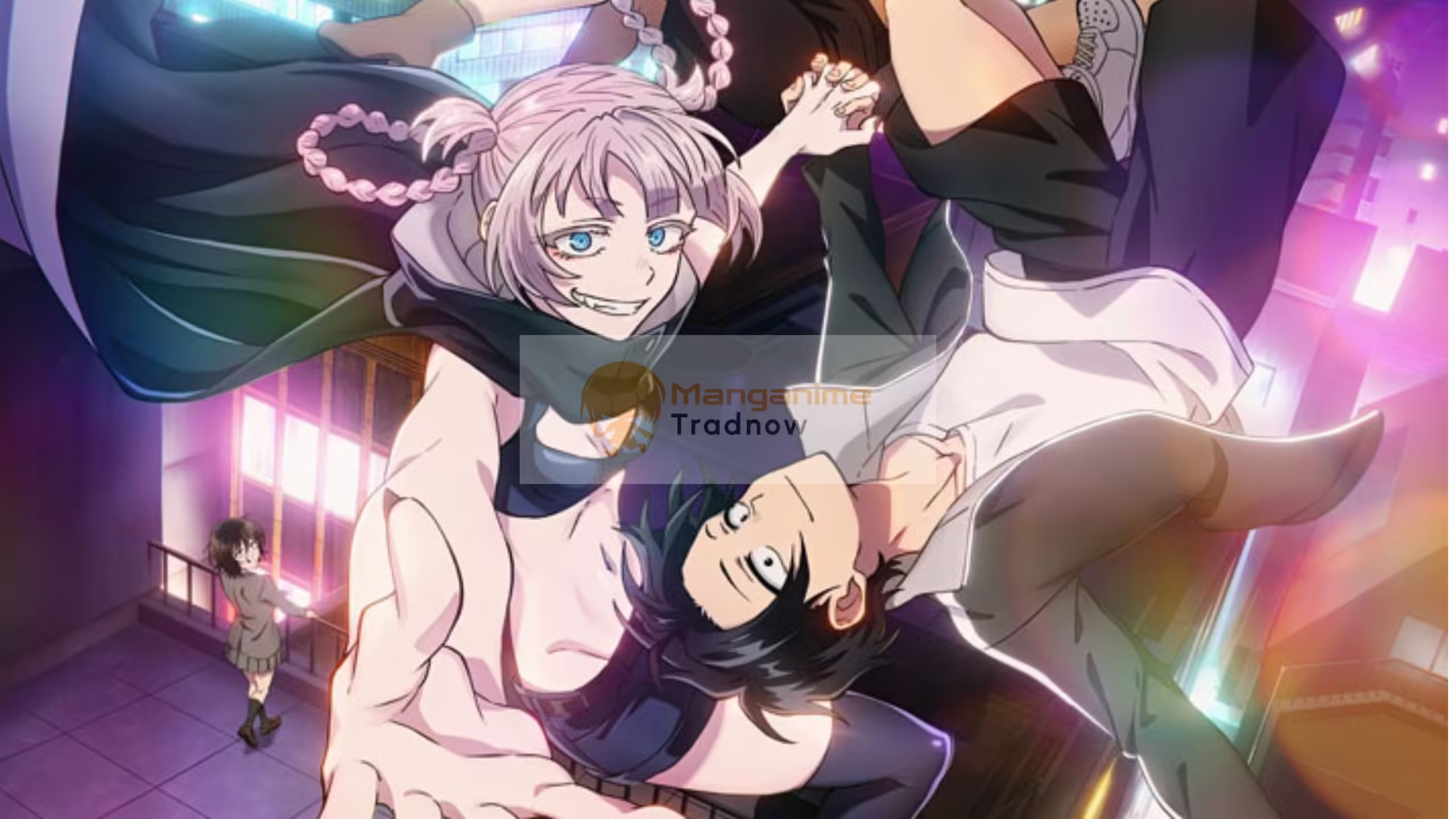
Yofukashi no Uta or Call of the Night in english, may appear quiet and understated on the surface, but many of its nighttime settings are inspired by real places in Japan. From residential streets and local parks to station areas and late-night convenience stores, this guide explores the real-world locations that shaped the atmosphere of the series.
Rather than focusing on famous landmarks, Yofukashi no Uta highlights the diversity of everyday urban life after dark. The story moves through neighborhoods that feel ordinary by day but take on a different character at night, reflecting the variety of spaces that exist within Japanese cities.
The creators paid close attention to real environments, drawing inspiration from actual streets, buildings, and public spaces. Subtle details such as lighting, layout, and distance between locations help ground the series in reality, even as it explores supernatural themes. This careful balance is one of the reasons the anime resonates so strongly with viewers.
While the series is primarily inspired by Tokyo and the surrounding Kanto region, including areas in Saitama and Yokohama, its locations represent a wider slice of modern Japan. Together, these real-life references form the foundation of Yofukashi no Uta’s distinctive nighttime world.
Exploring Some Real-Life Locations in Yofukashi no Uta
In this article, we explore real-life locations that correspond to places shown in Yofukashi no Uta, focusing on environments that can be identified or reasonably matched based on visual details present in the series.
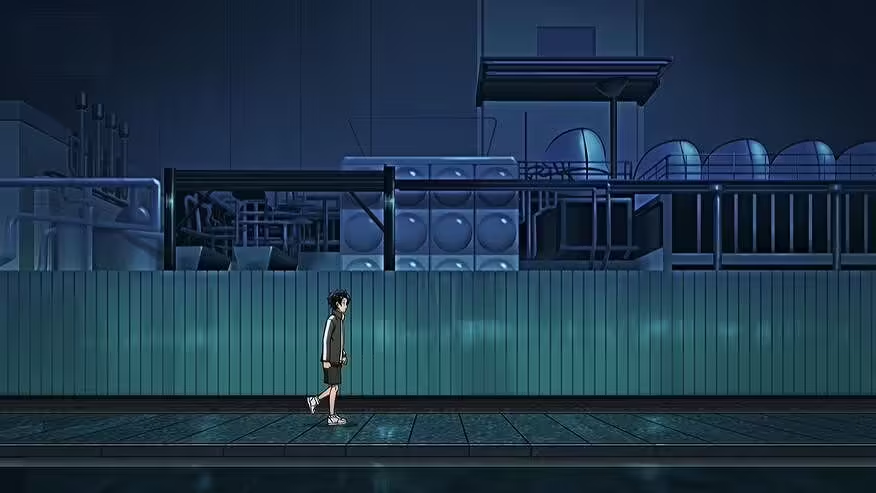
Yofukashi no Uta is set almost entirely at night and takes place in contemporary Japan. The story regularly features residential neighborhoods, local parks, public bathhouses, station areas, convenience stores, schools, and mixed-use urban streets. These settings are depicted with realistic layouts, lighting, signage, and building density that closely resemble real locations found in Tokyo, Saitama, Yokohama, and other nearby cities.
Rather than inventing fictional cities or relying on symbolic landmarks, the series consistently uses ordinary, recognizable urban spaces. Many scenes show streets and facilities exactly as they exist in real life, including apartment complexes, pedestrian paths, playgrounds, and station exits, allowing viewers to identify comparable locations without the anime explicitly naming them.
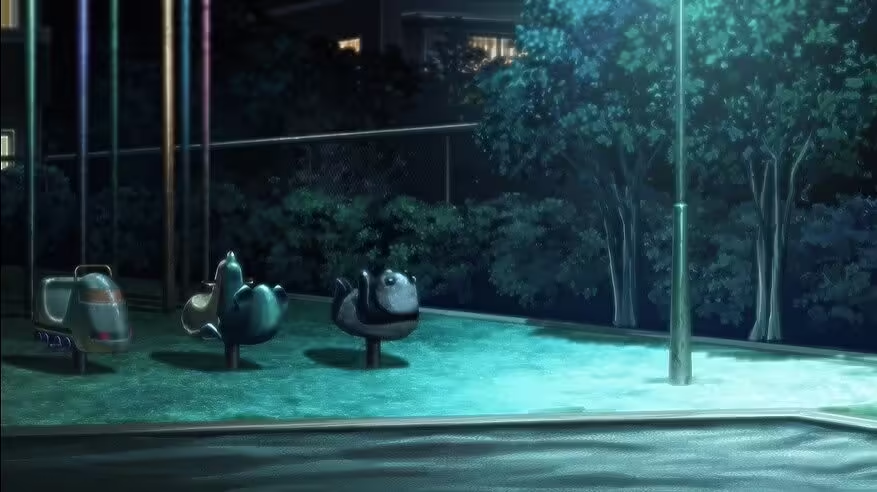
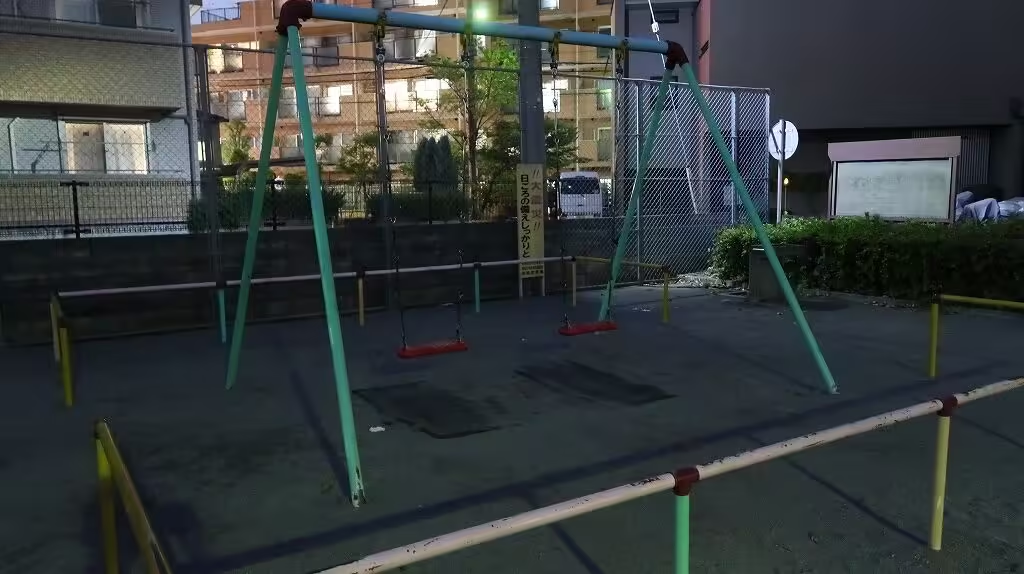
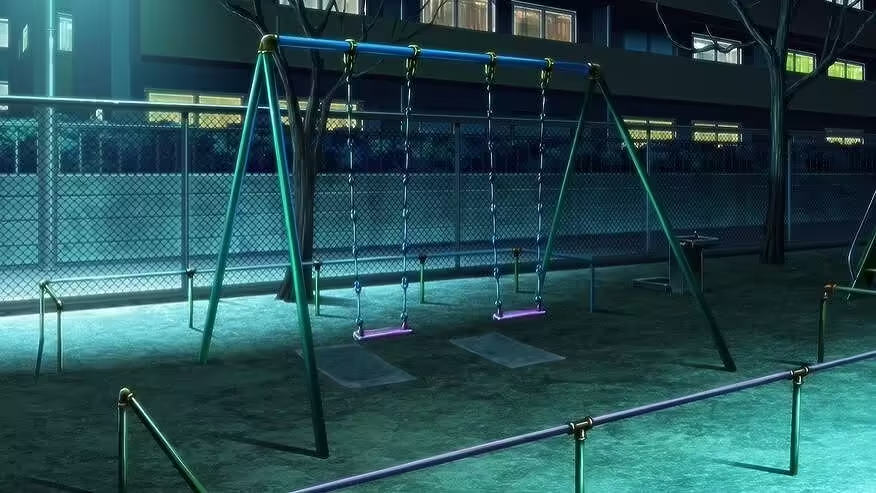
Yotsuya Park
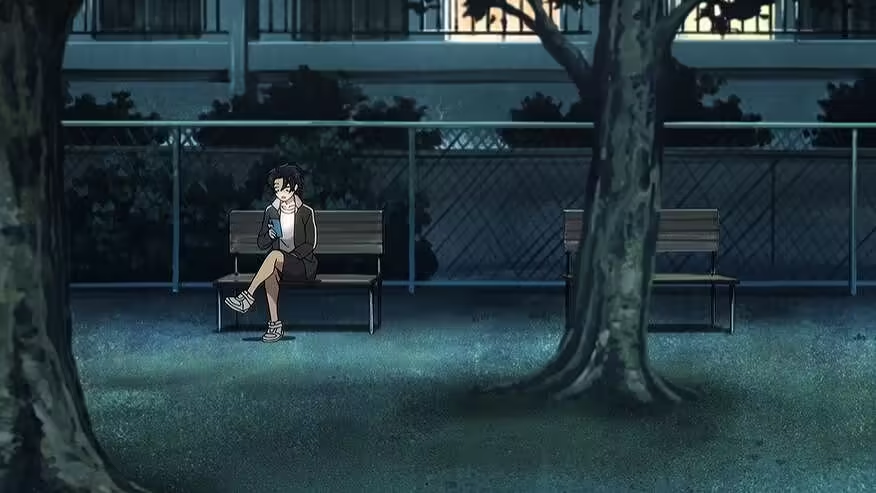
Yotsuya Park is a small urban park in Shinjuku, surrounded by residential buildings and quiet streets. At night, the park becomes subdued, with minimal lighting and very little foot traffic. Its modest scale and enclosed feeling align with the kind of low-key public spaces frequently seen in Yofukashi no Uta, where characters pause during nocturnal walks rather than gathering in landmark locations.
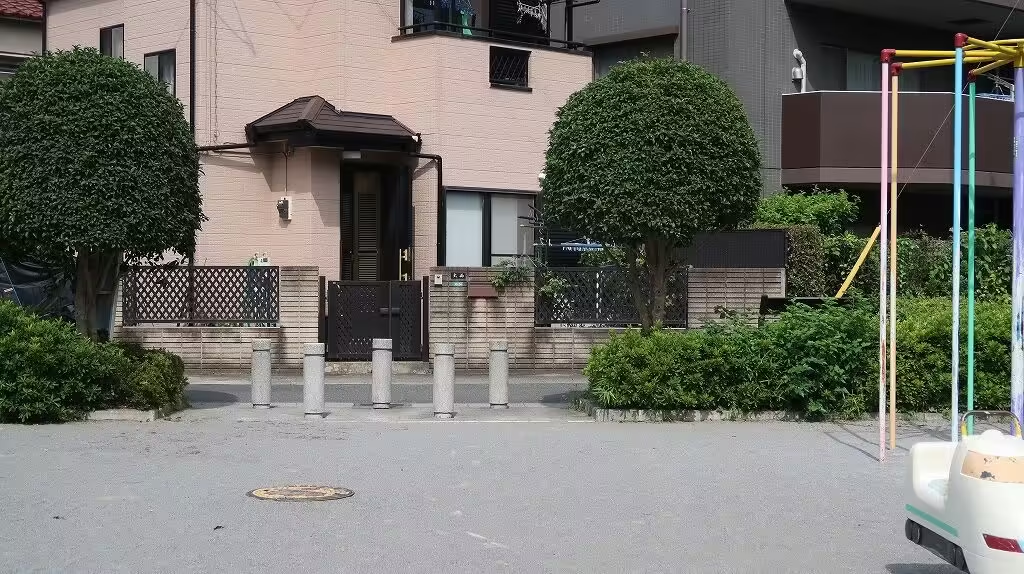
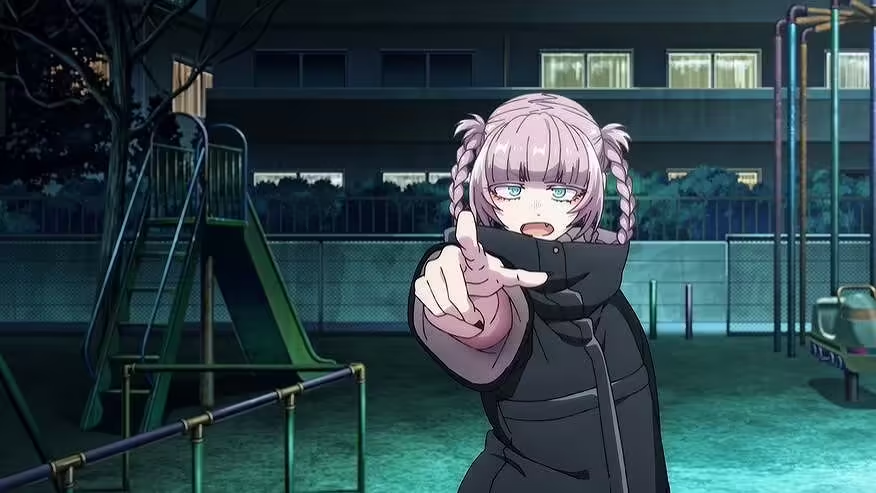
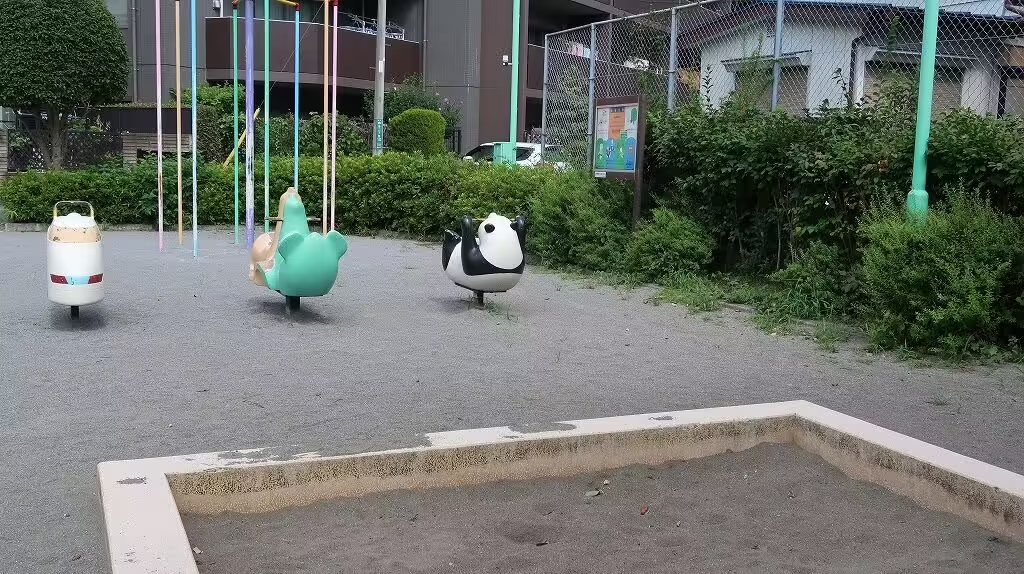
Susaki Corporation – in front of the 3rd Susaki Corporation building
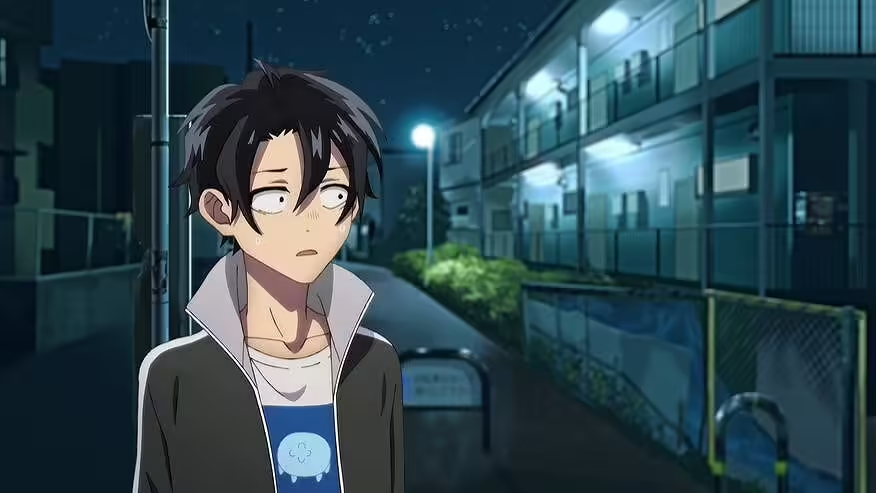
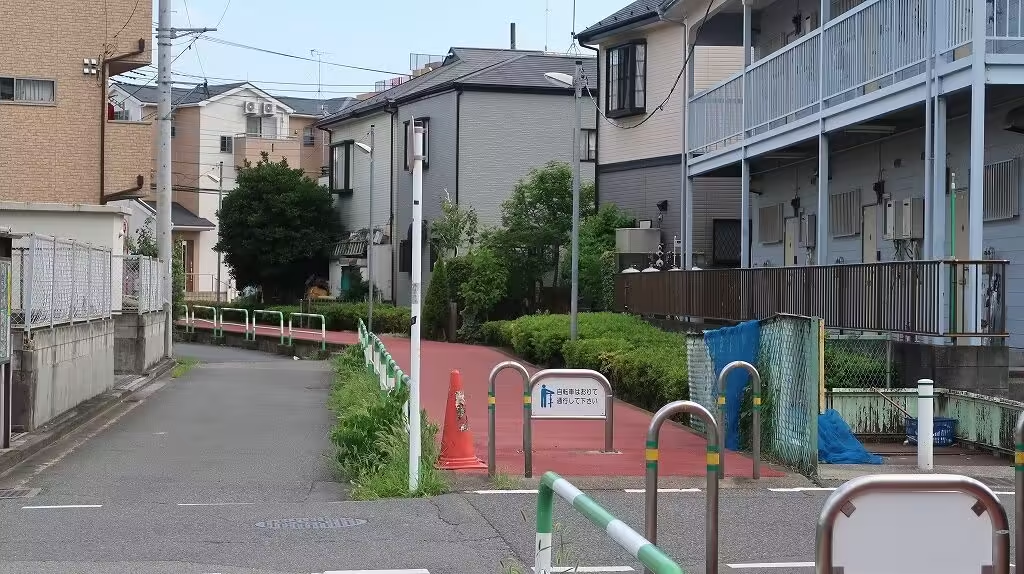
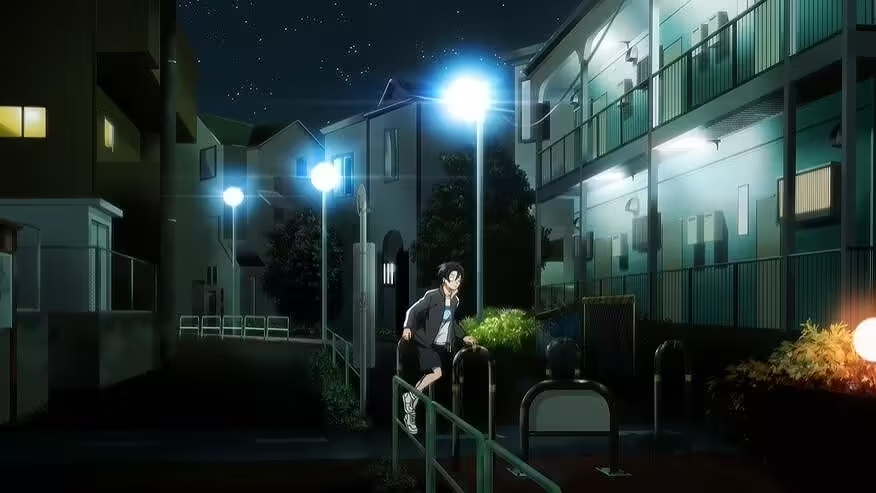
The area in front of the 3rd Susaki Corporation building reflects a typical Japanese mixed-use street: commercial ground floors, residential upper levels, and subdued lighting after business hours. These transitional city spaces mirror the everyday urban backdrops used throughout Call of the Night, where realism is prioritized over recognizable landmarks.
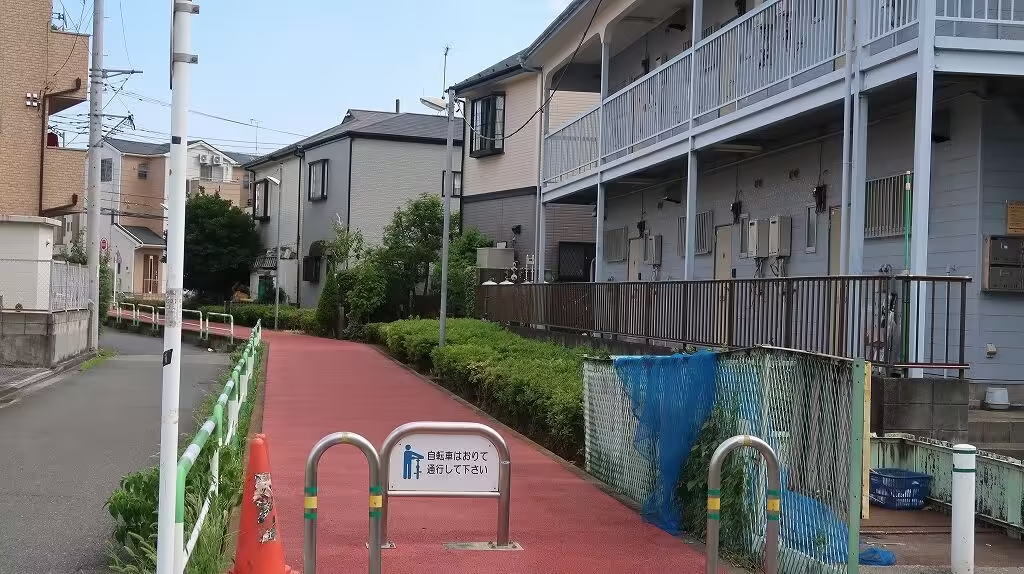
Shikatebukuro Sakura Park
Address Shikatebukuro Sakura Park
Shikatebukuro Sakura Park is a compact neighborhood park located away from Ikebukuro’s busiest zones. Outside cherry blossom season, it appears quiet and understated, especially at night. This kind of local park fits naturally within Yofukashi no Uta Tokyo locations, where nighttime solitude matters more than visual spectacle.
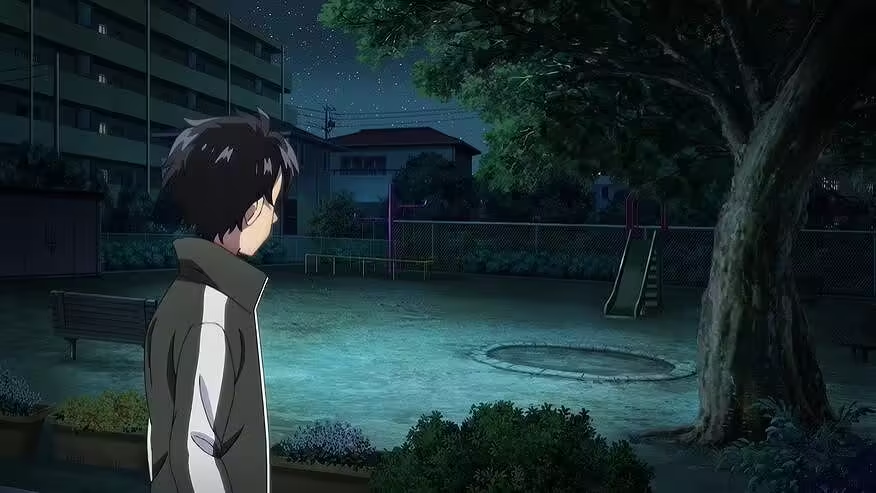
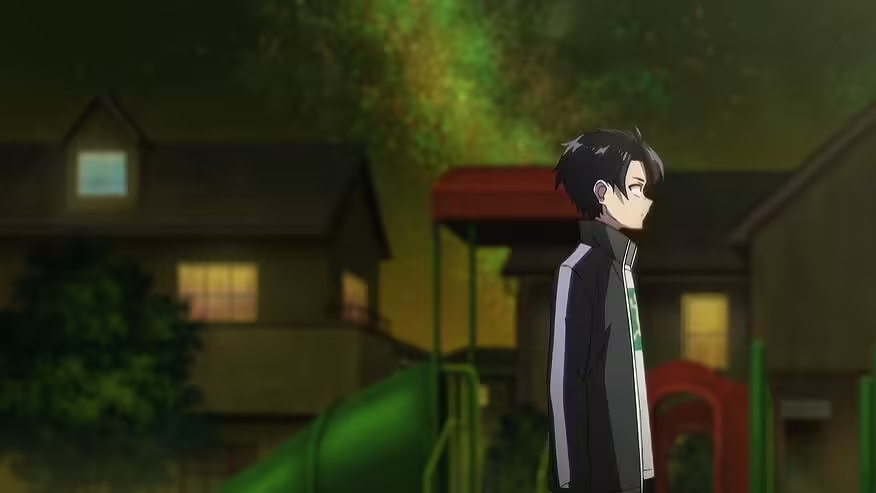
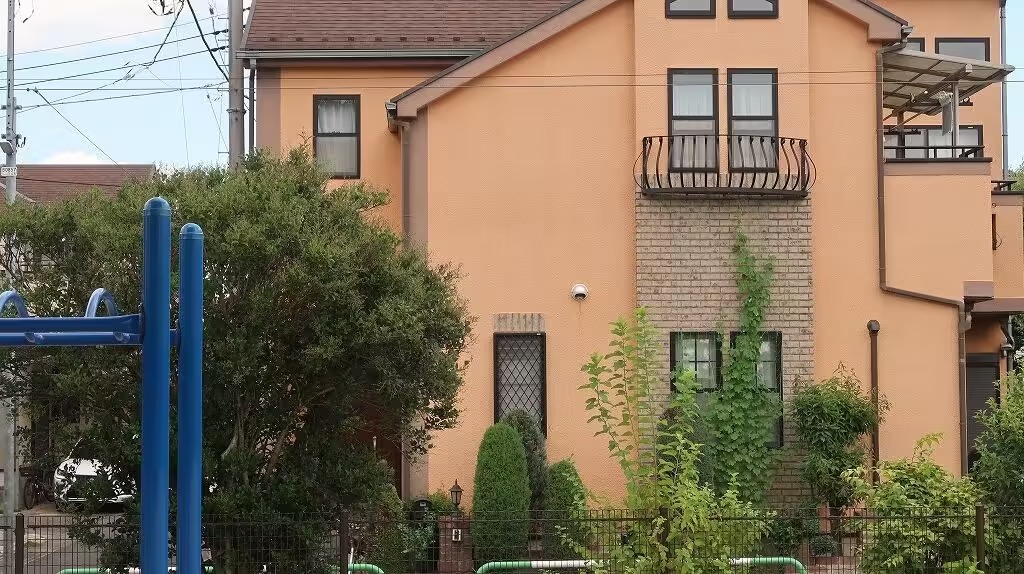
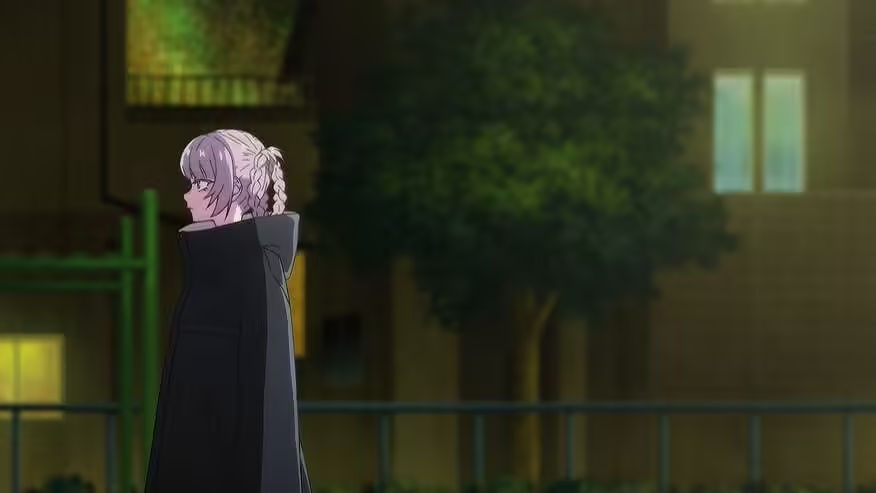
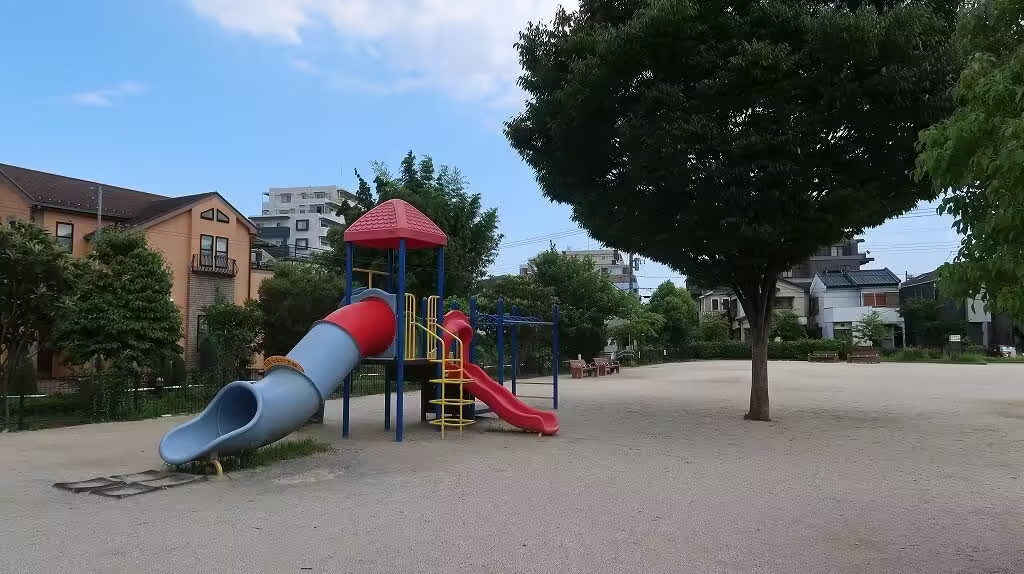
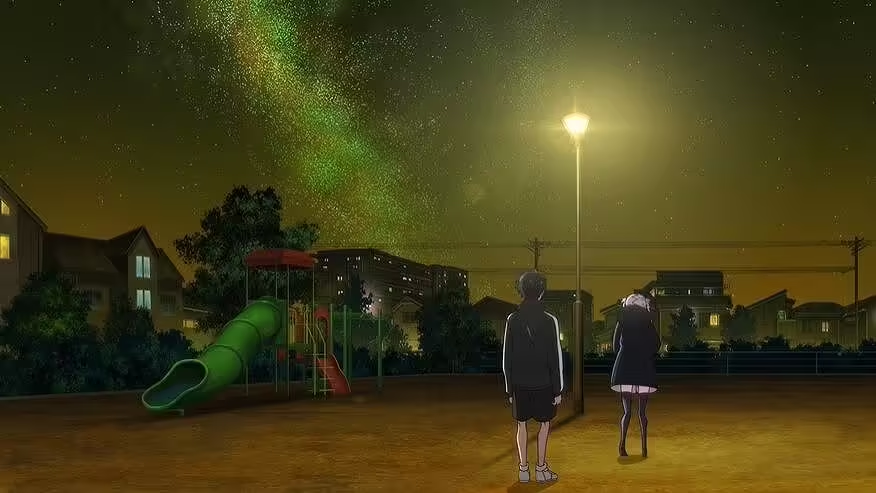
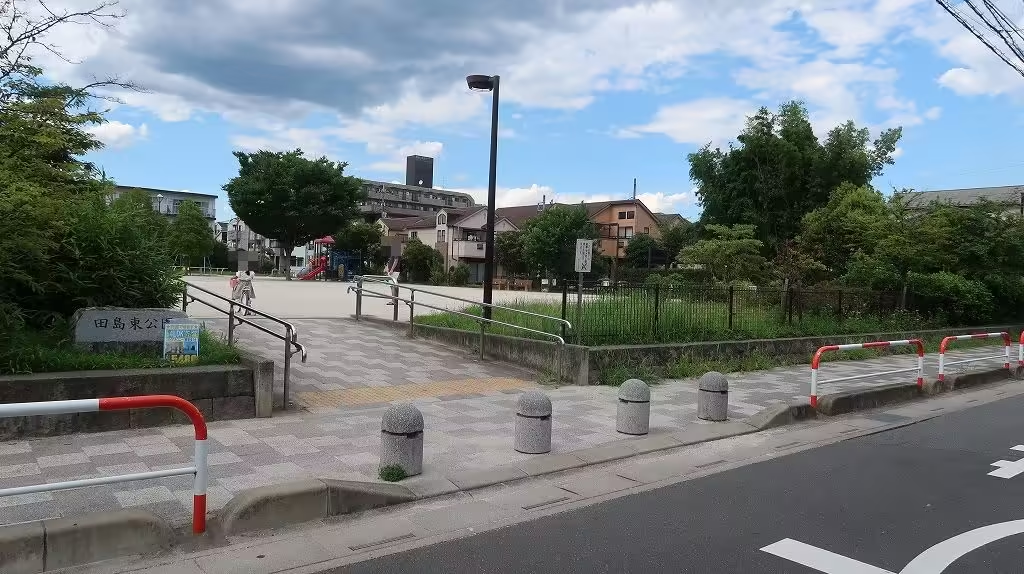
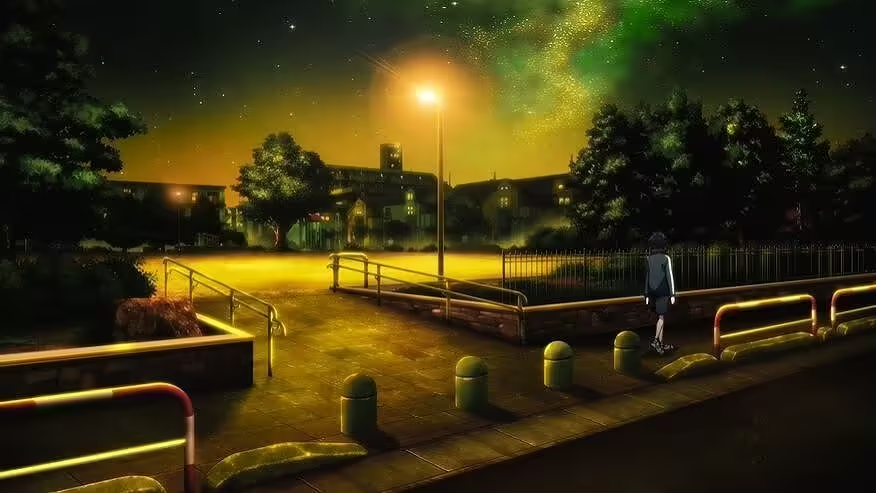
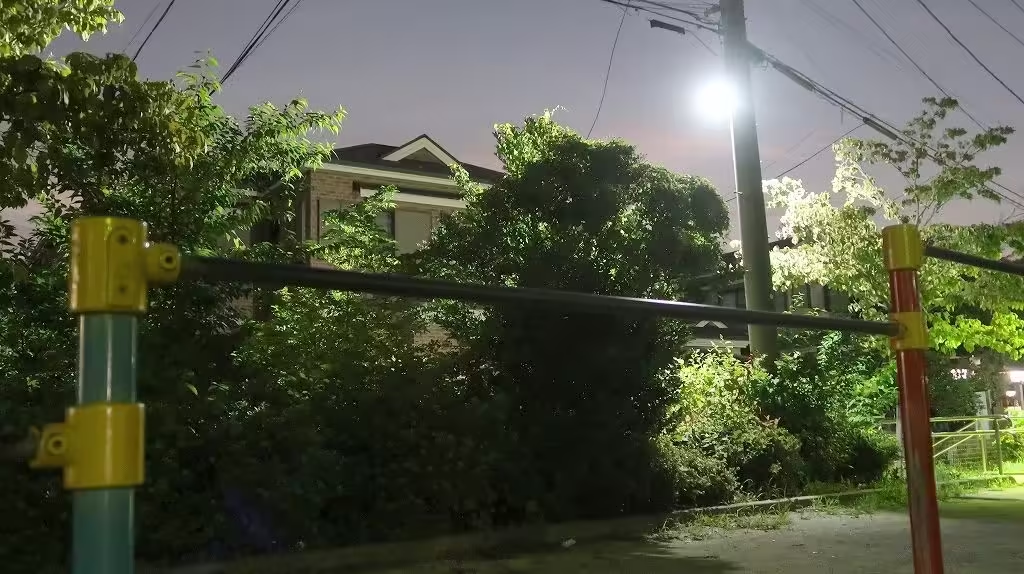
Near Tajima East Park
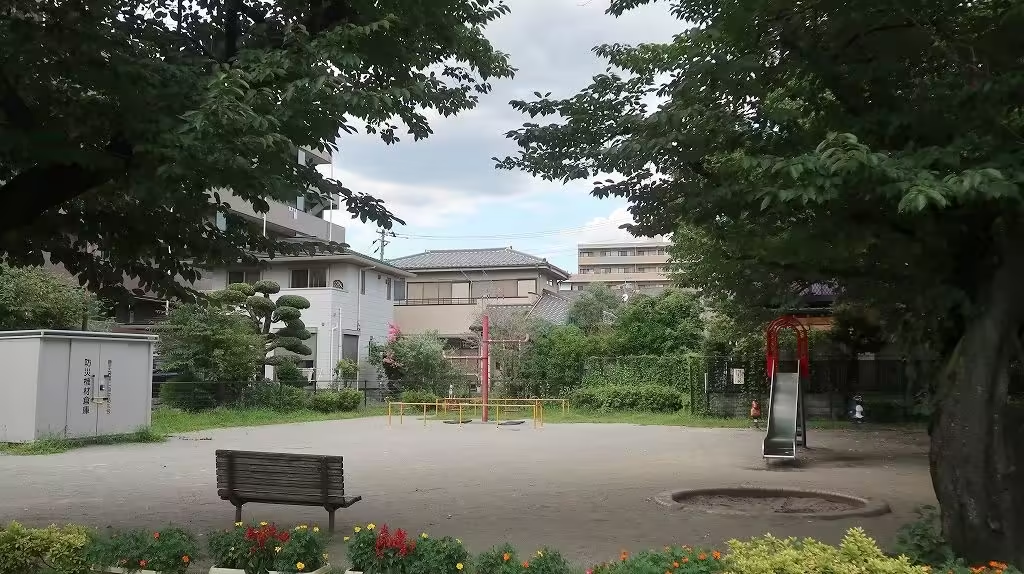
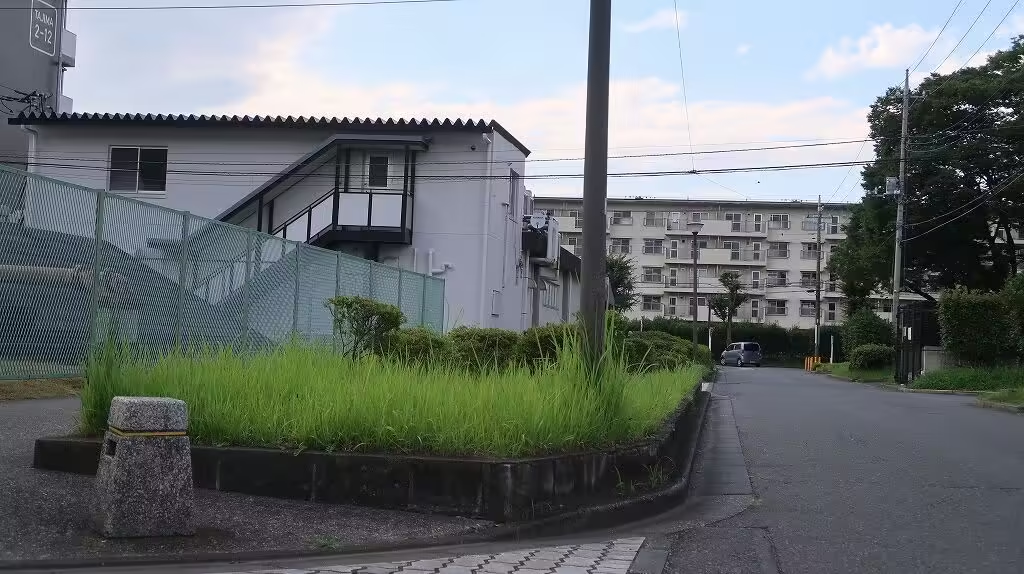
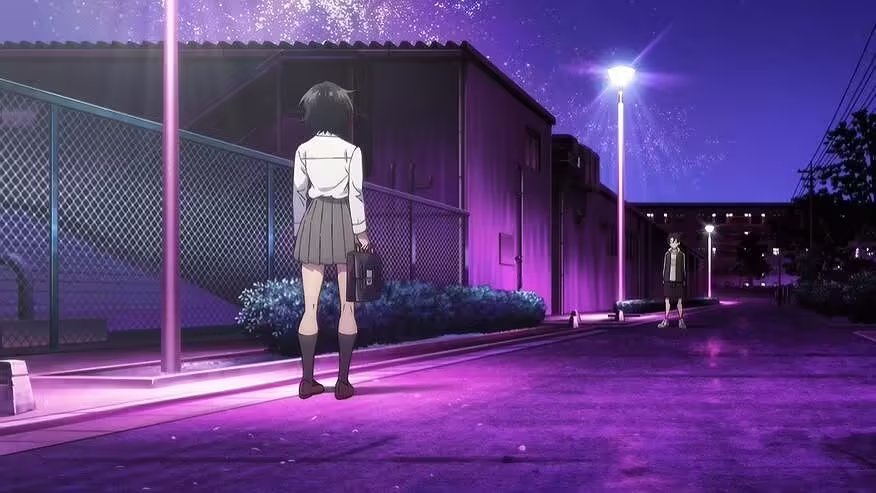
The streets surrounding Tajima East Park are narrow, residential, and sparsely lit. These surrounding areas are often as visually important as the park itself, reflecting how Yofukashi no Uta frequently frames its characters walking through silent neighborhoods rather than lingering in central attractions.
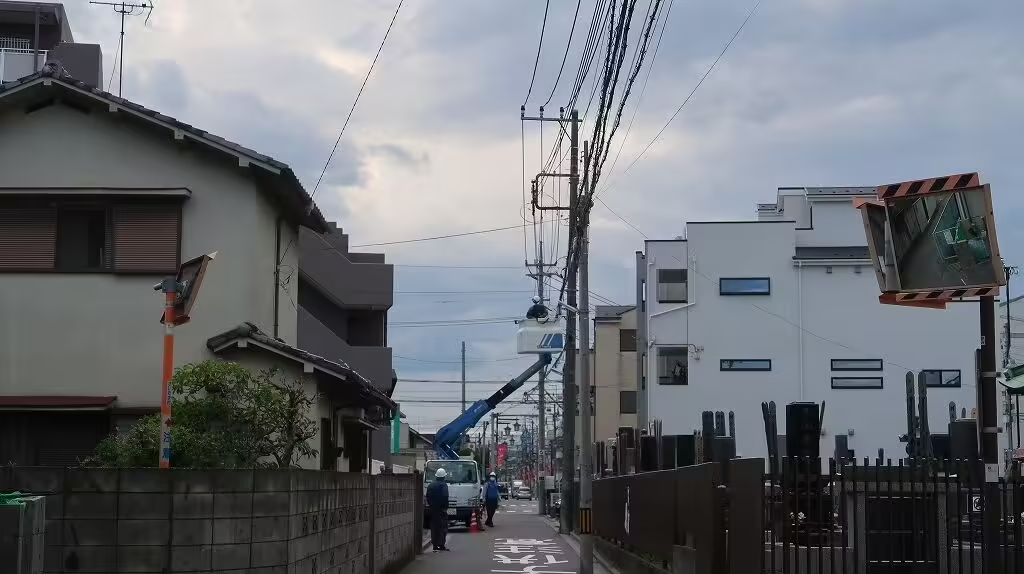
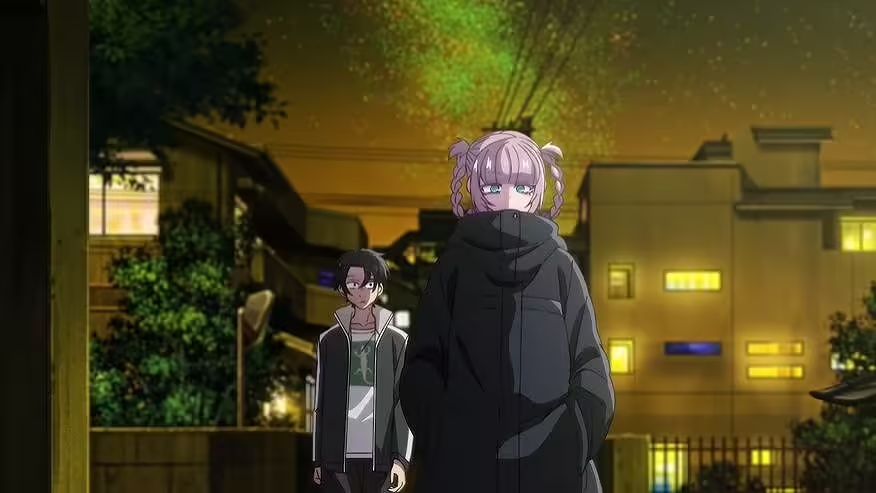
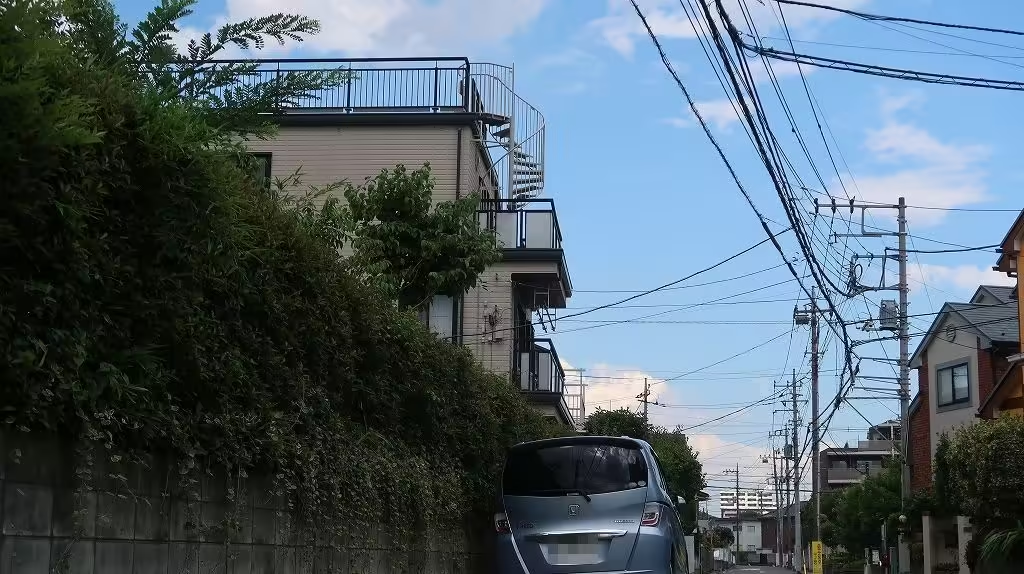
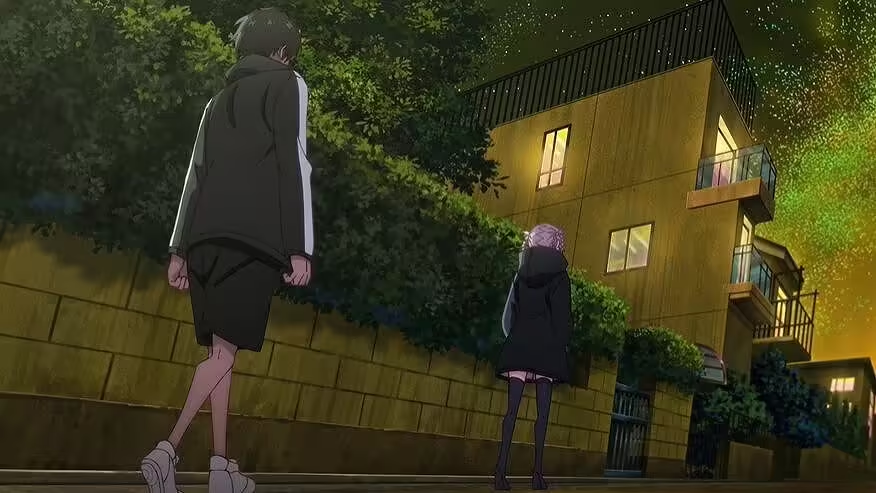
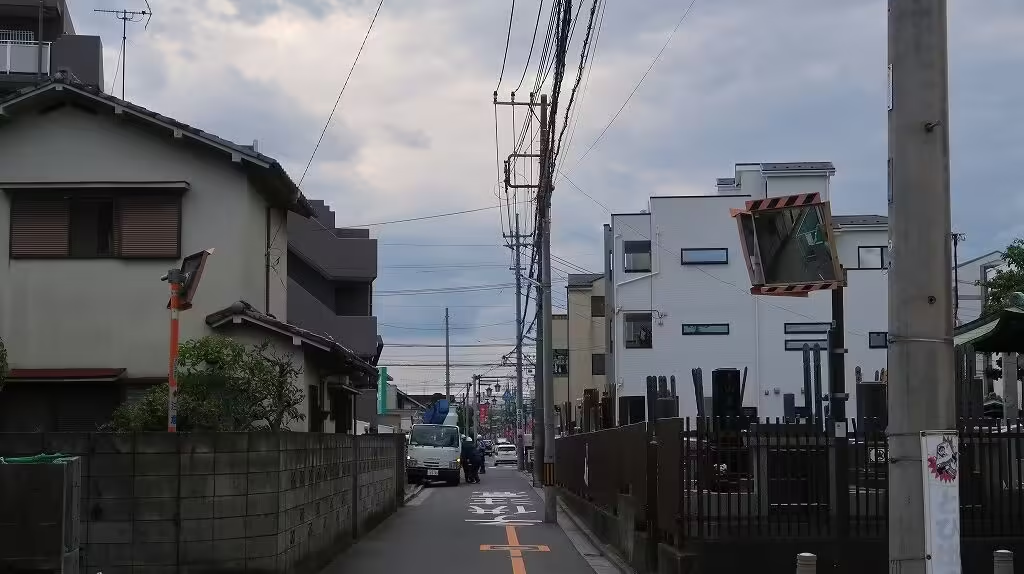
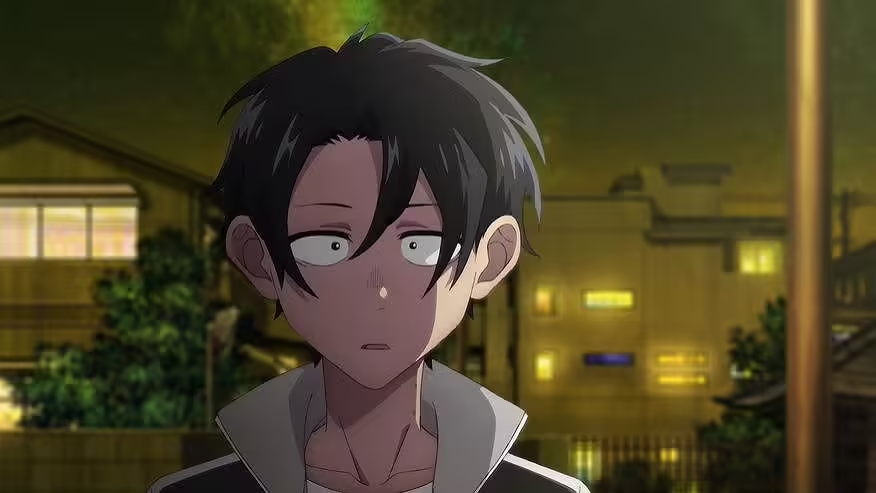
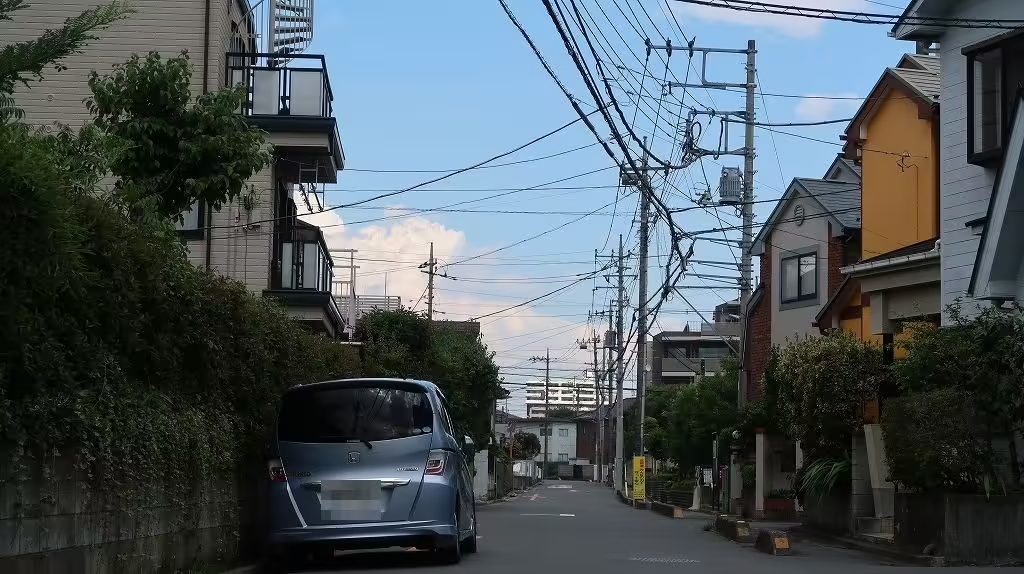
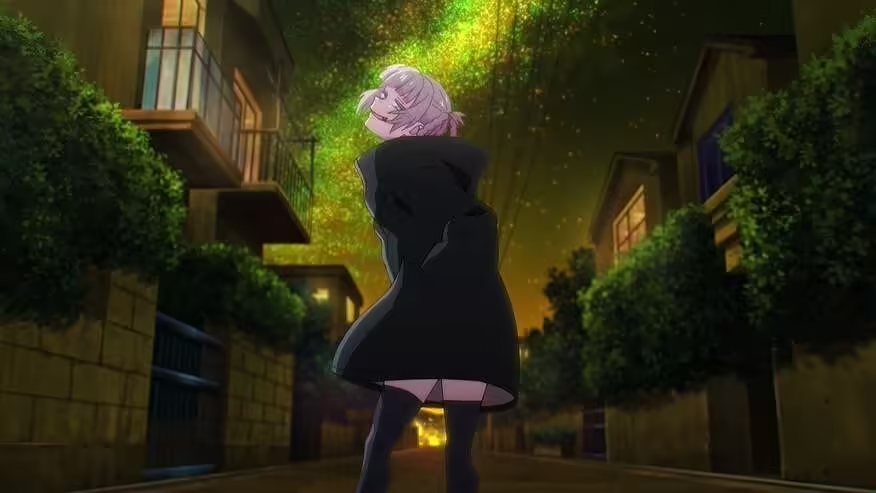
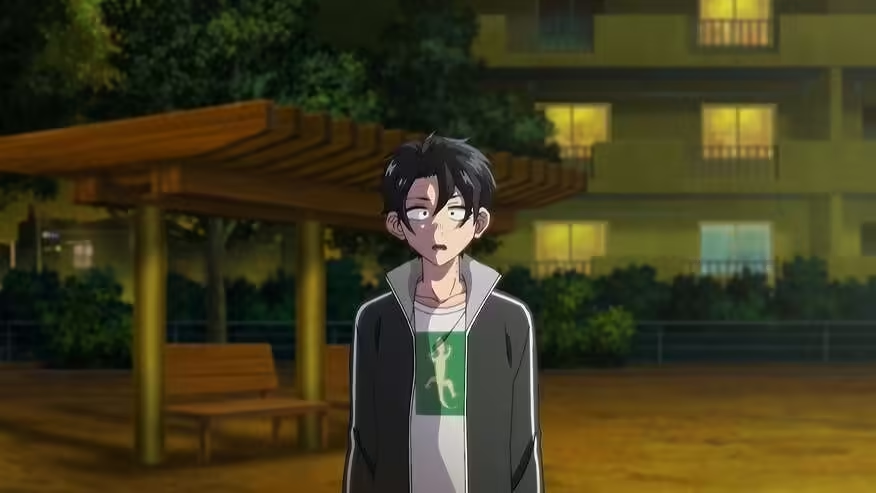
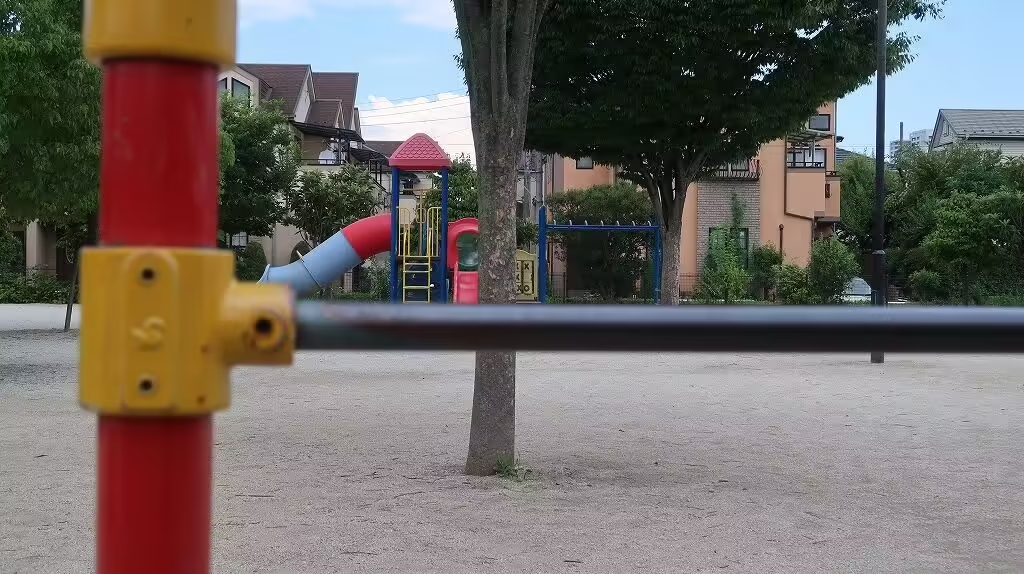
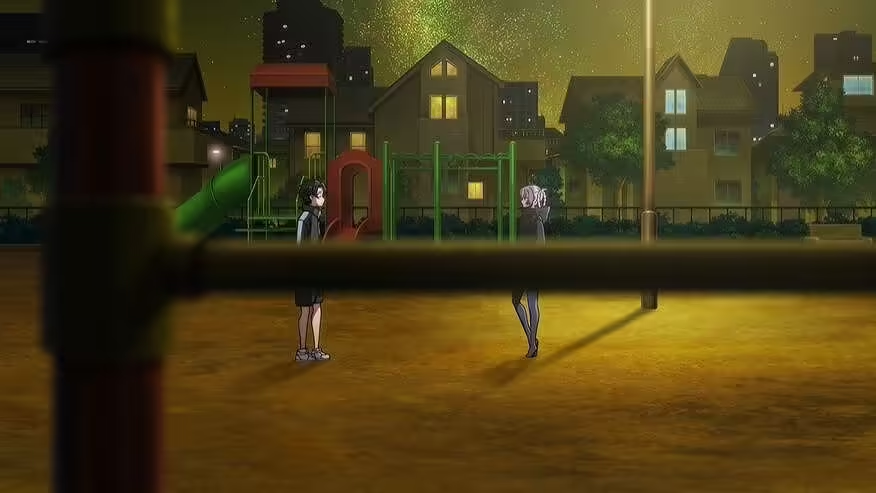
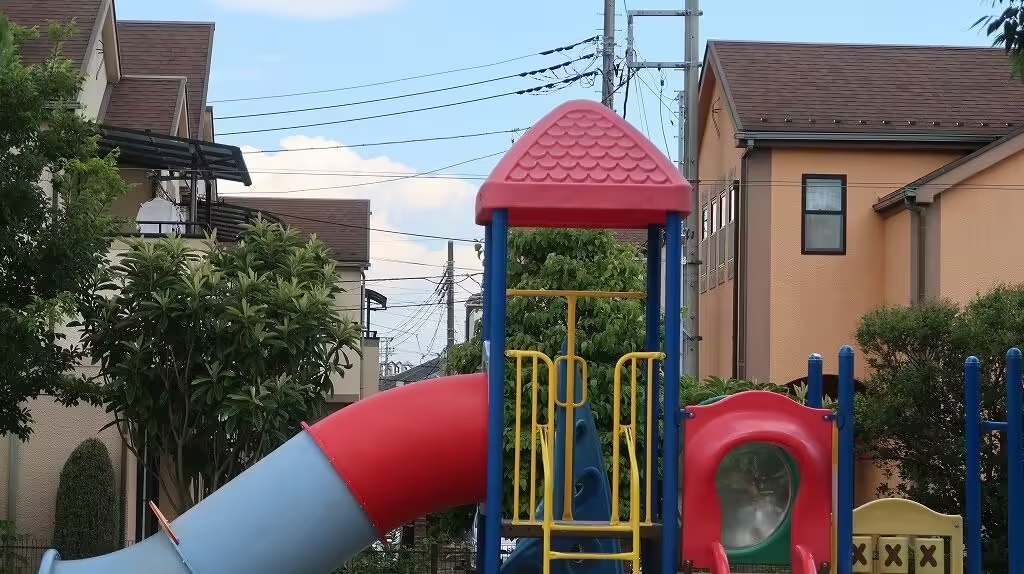
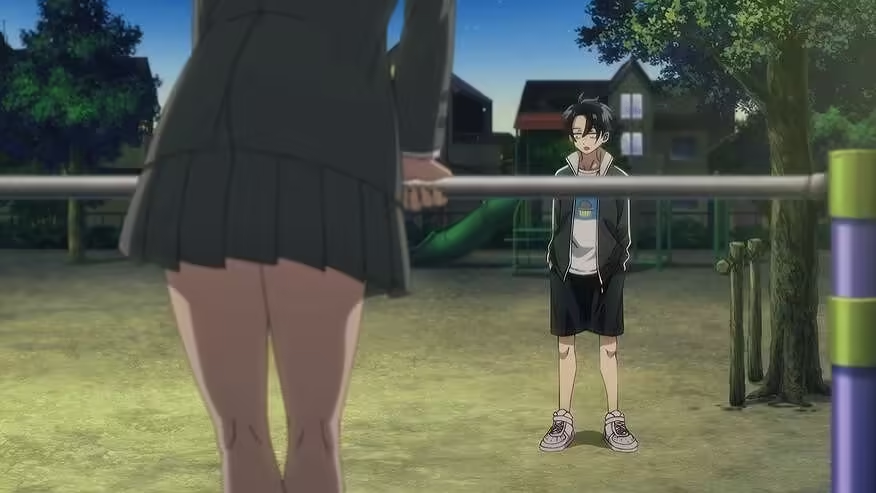
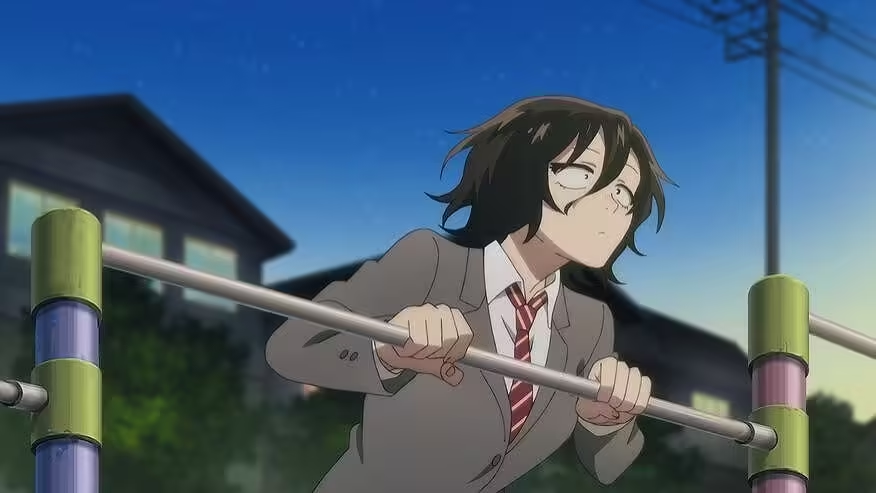
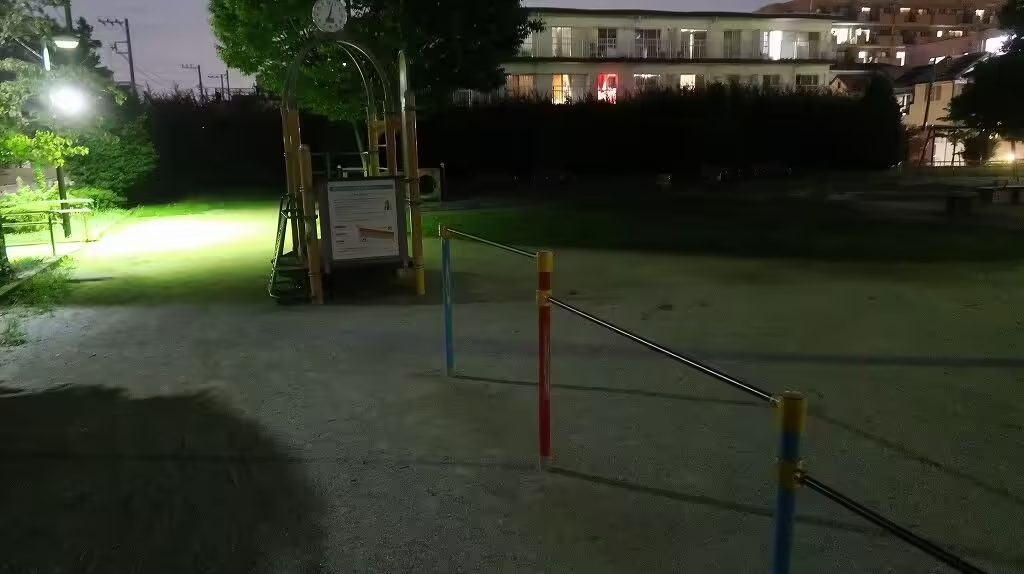
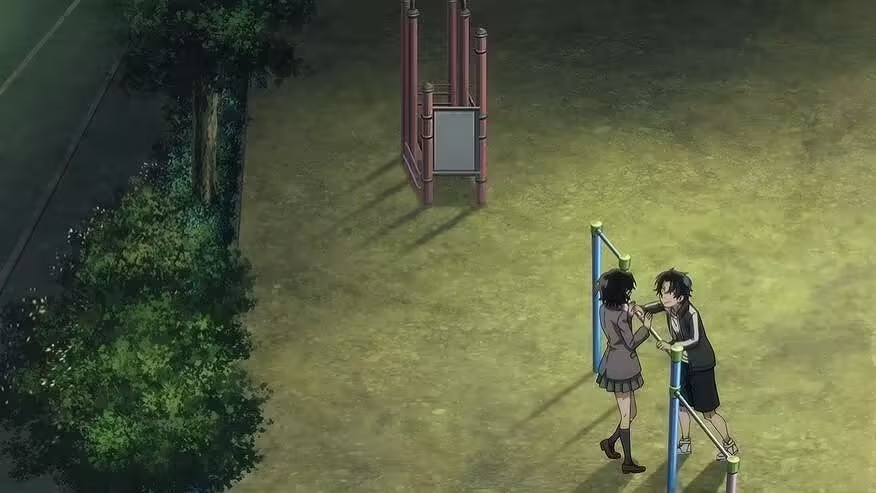
Tajima East Park (Tajima-higashi Park)
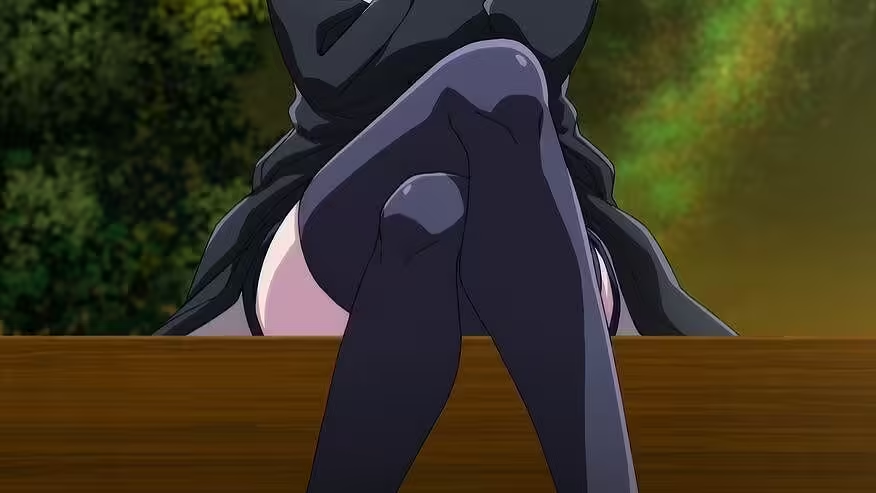
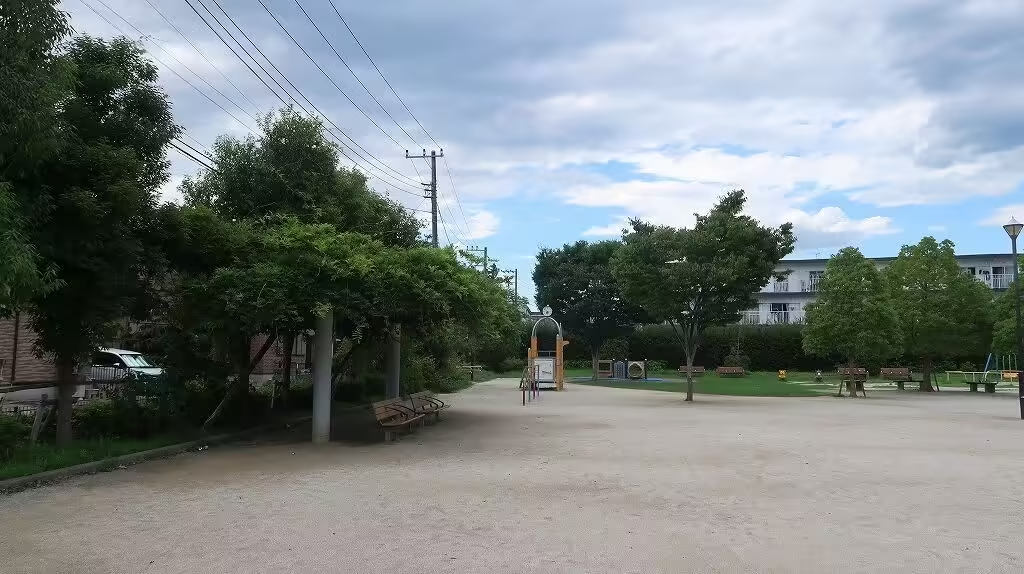
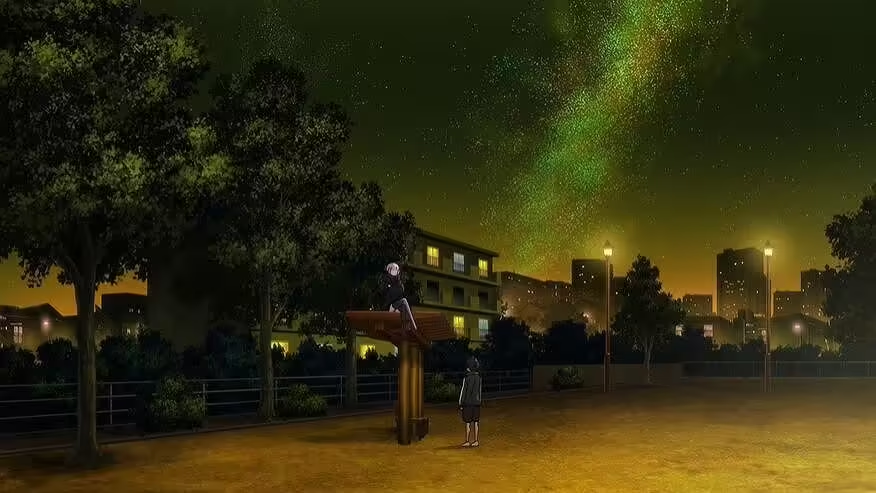
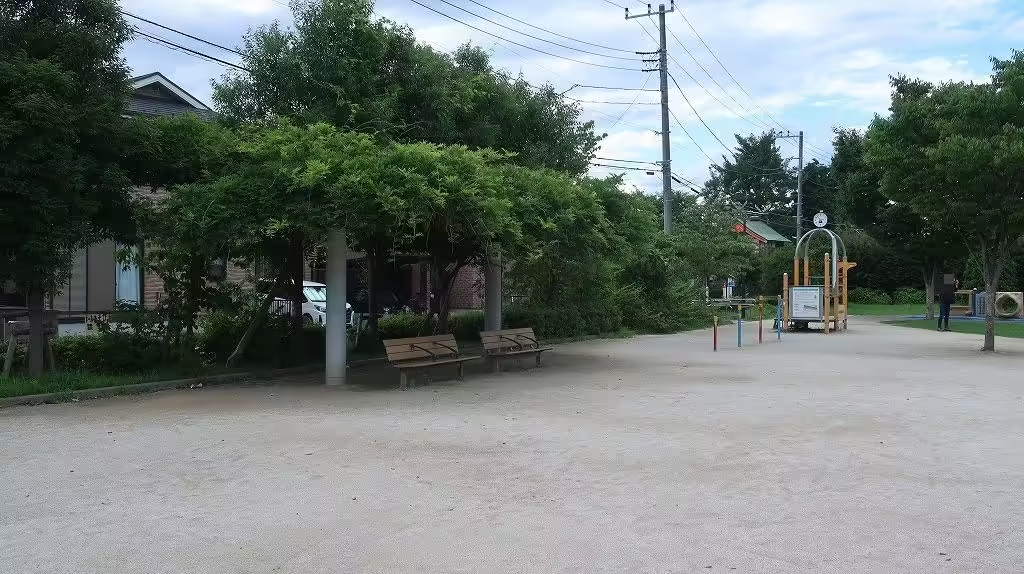
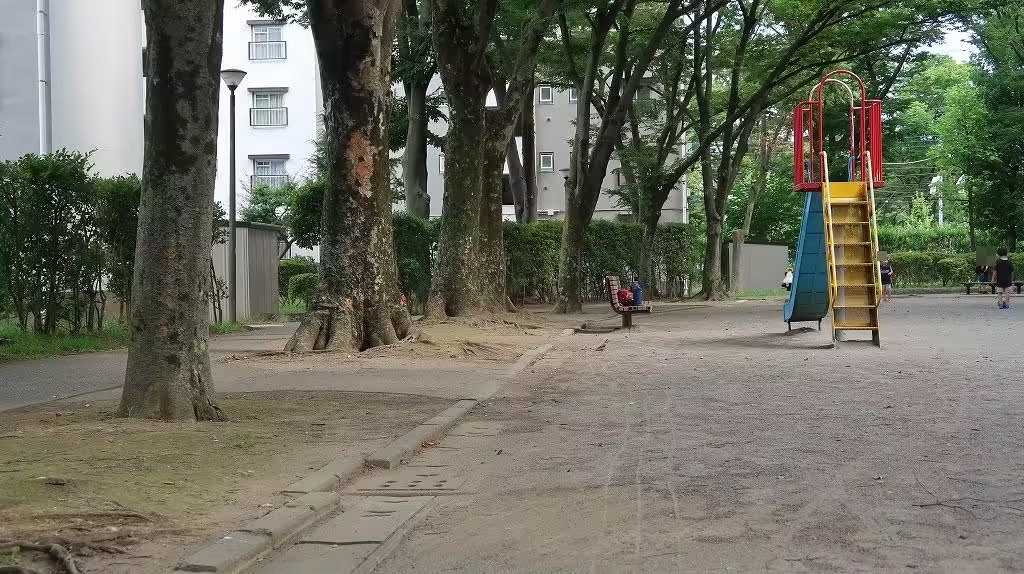
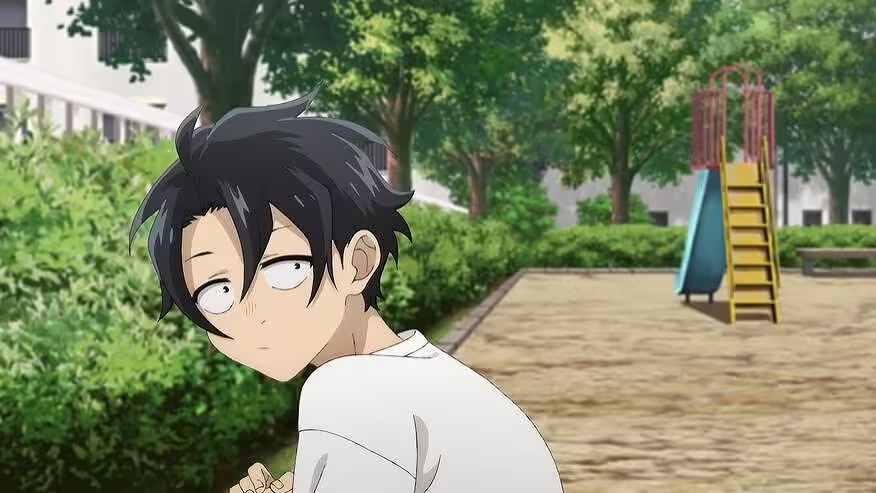
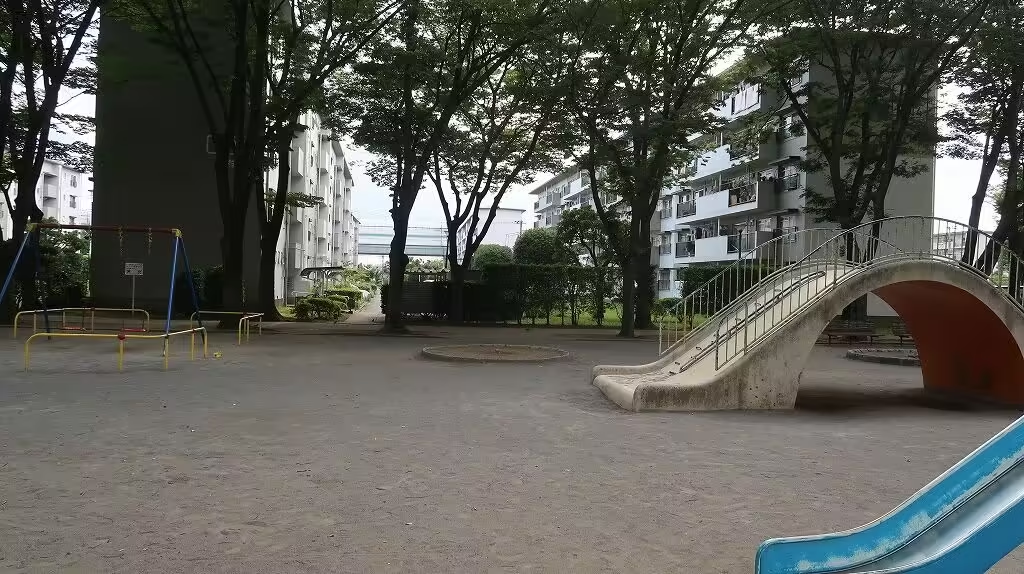
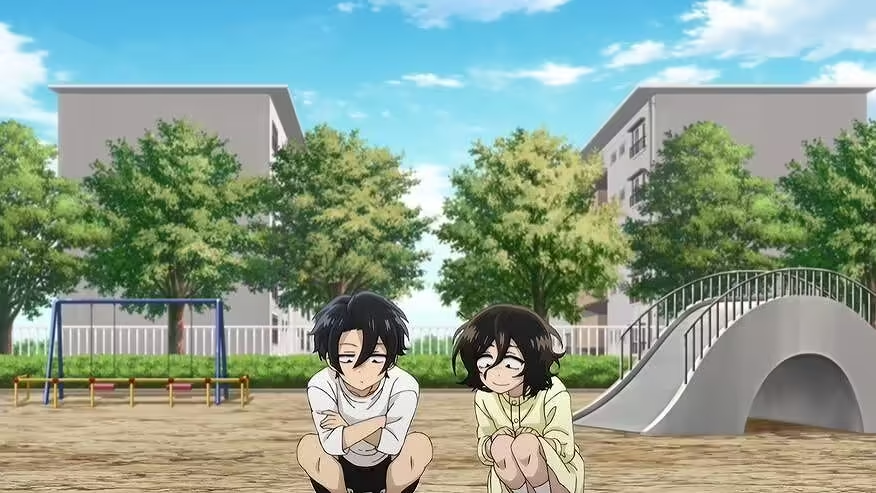
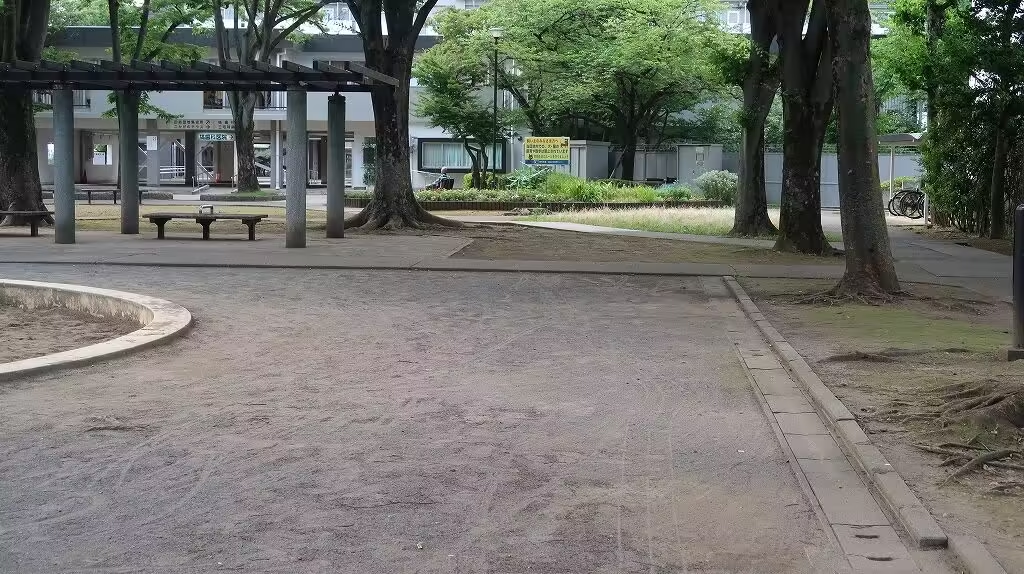
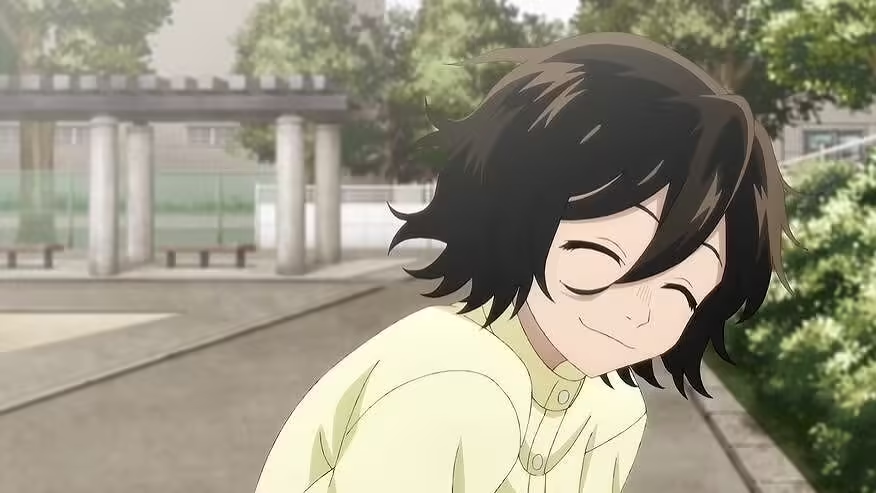
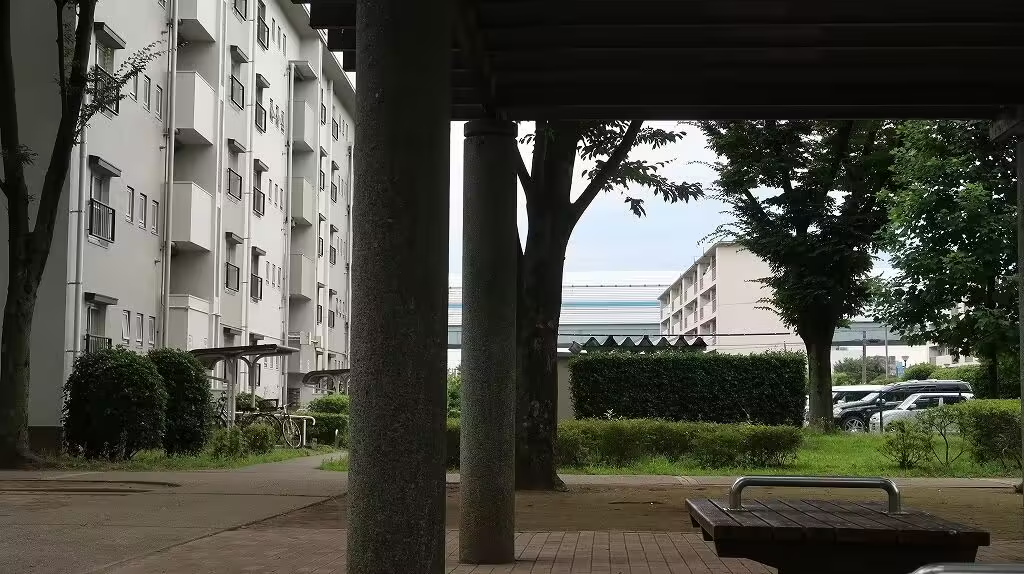
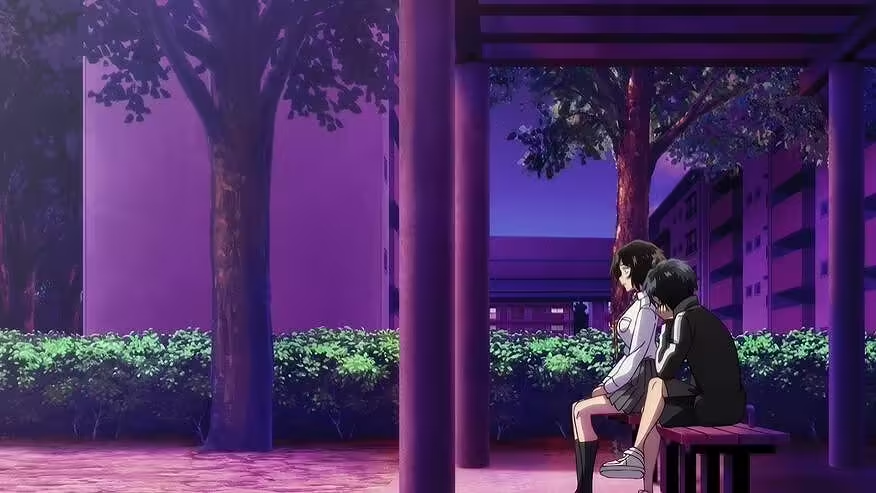
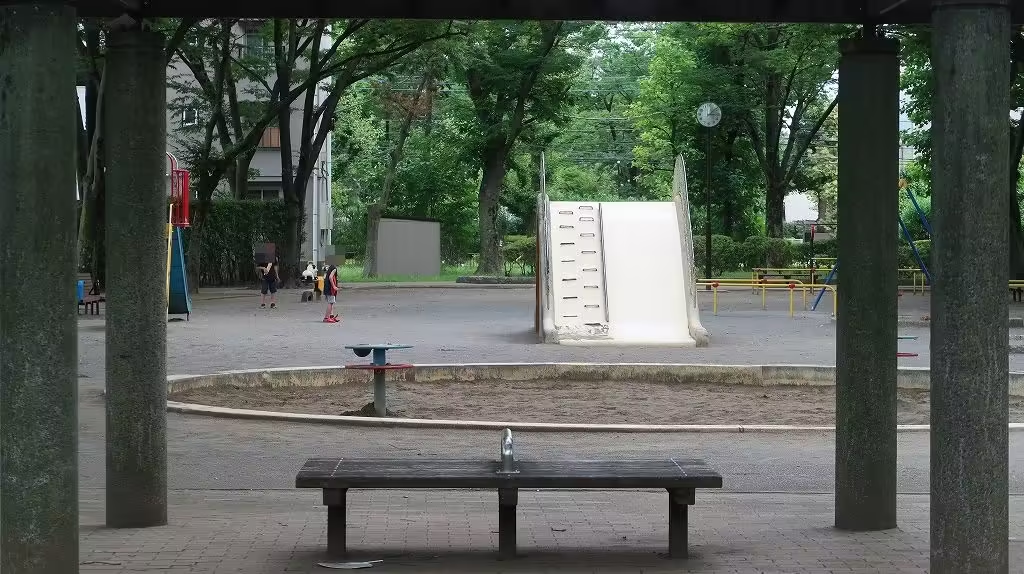
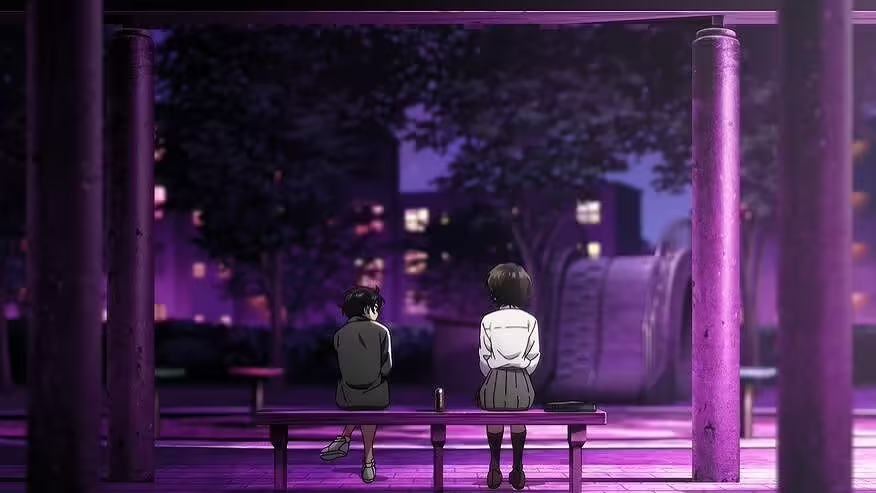
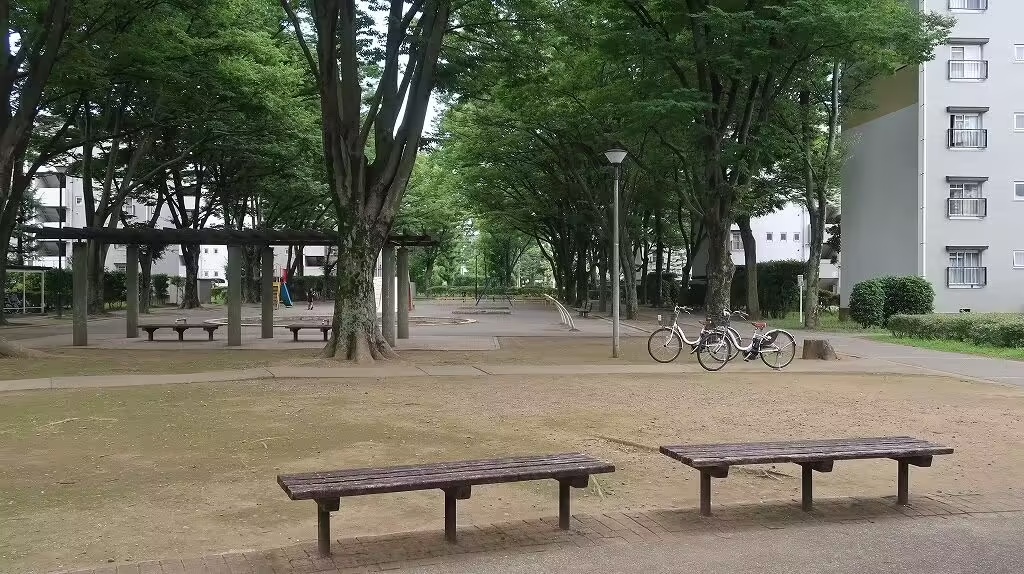
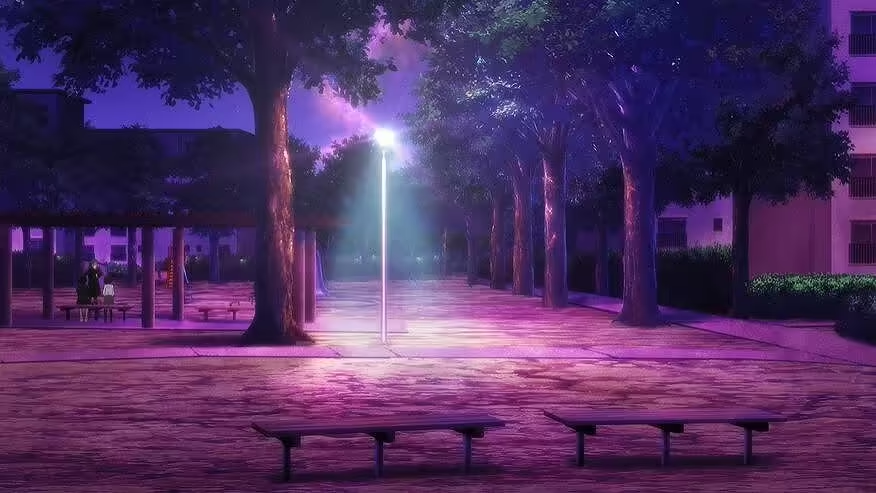
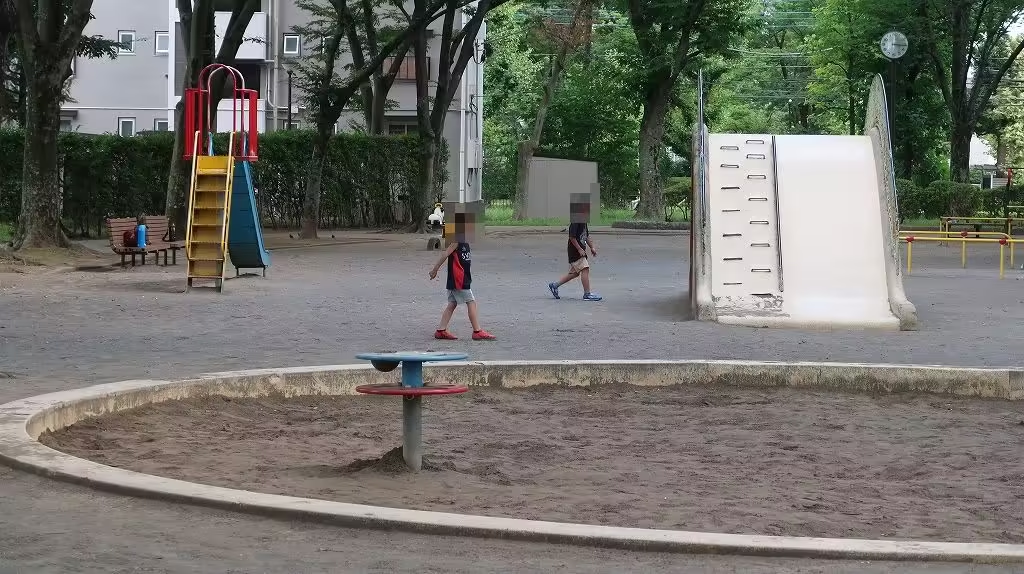
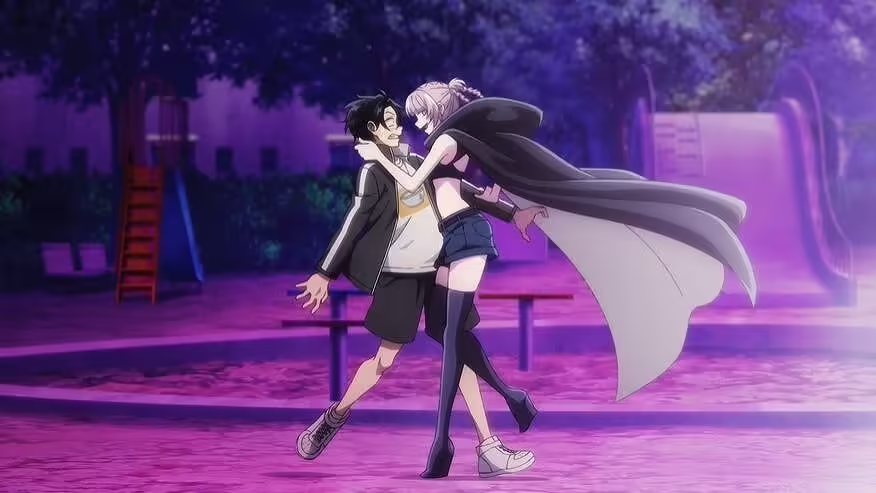
Tajima-Higashi Park is a small community park serving a very local population. Its minimal facilities, open layout, and calm nighttime atmosphere closely resemble the understated park scenes in Yofukashi no Uta real life locations, where conversations unfold quietly and without interruption.
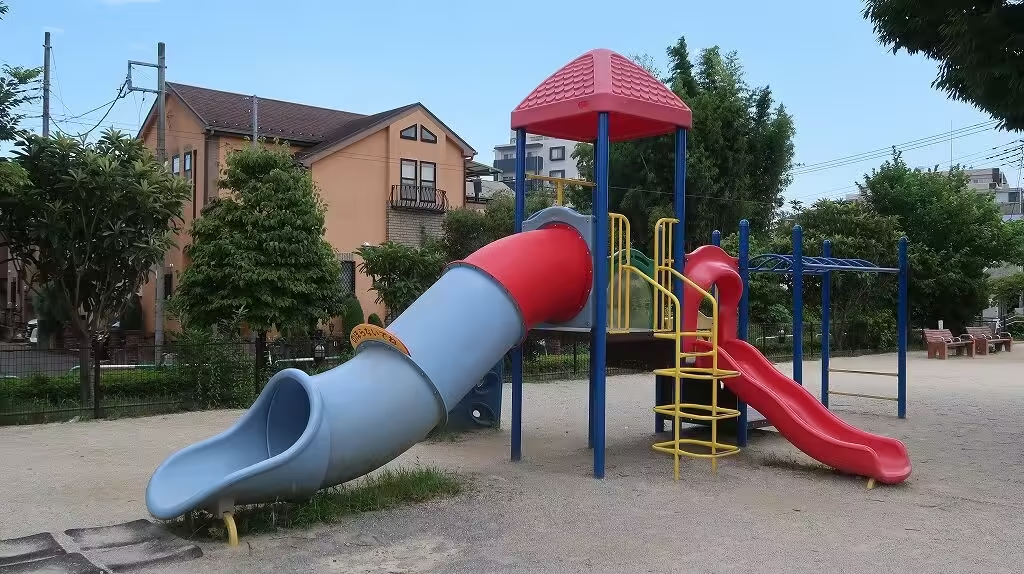
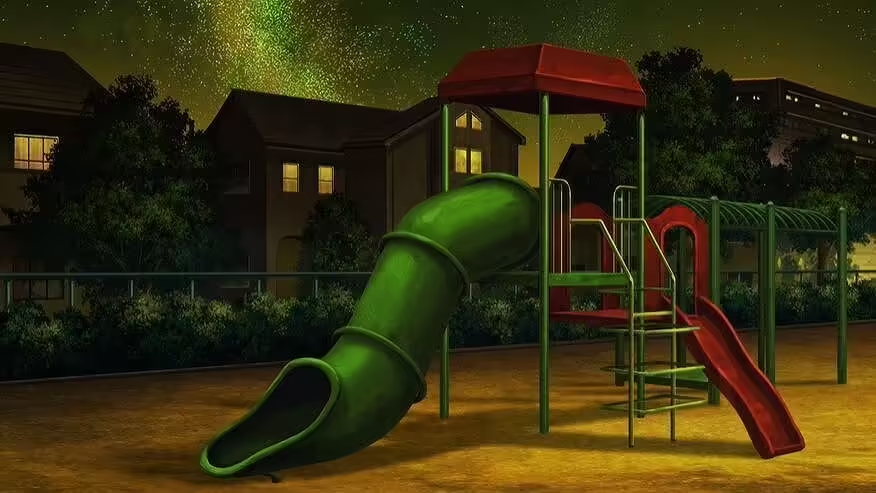
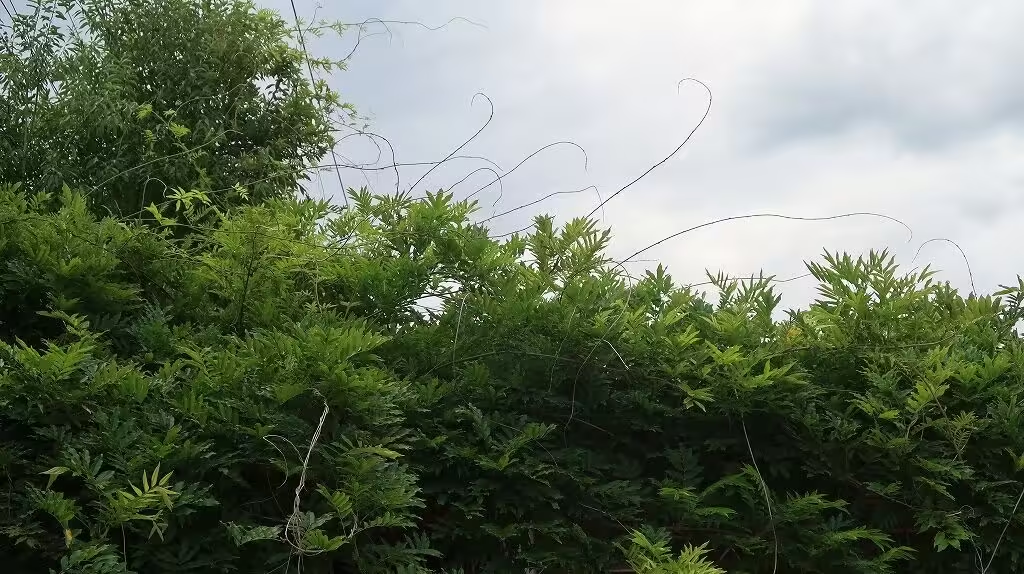
Tajima Park
Tajima Park is slightly larger than Tajima-Higashi Park and functions as a neighborhood gathering space during the day. After dark, it becomes still and lightly illuminated. Its ordinary, lived-in character aligns with the anime’s preference for realistic public spaces rather than dramatic set pieces.
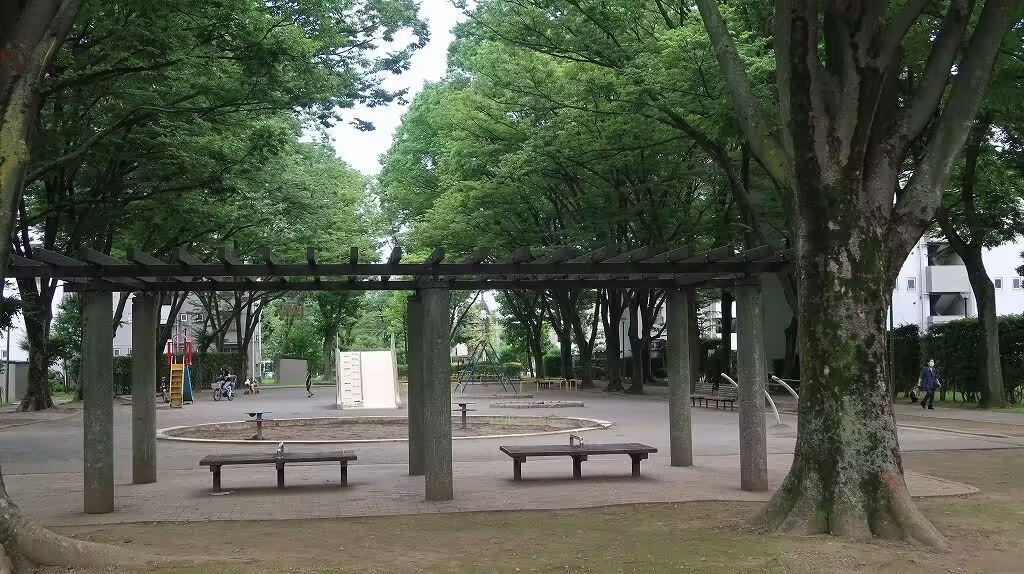
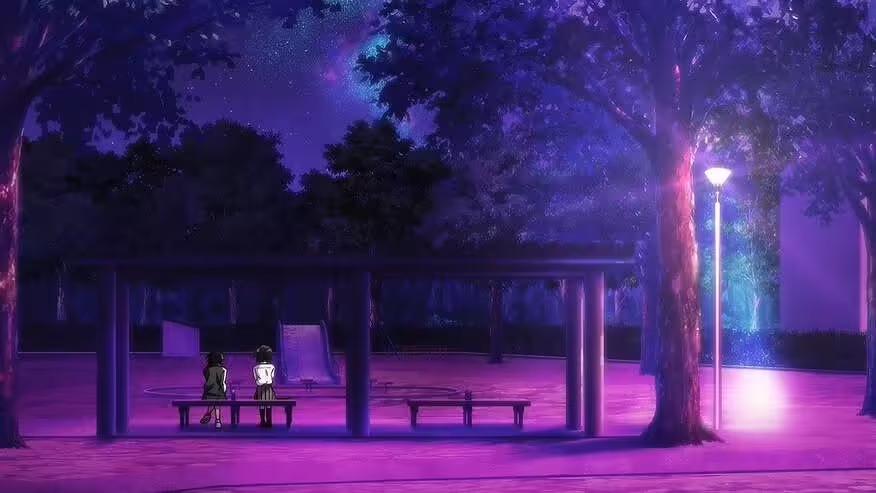
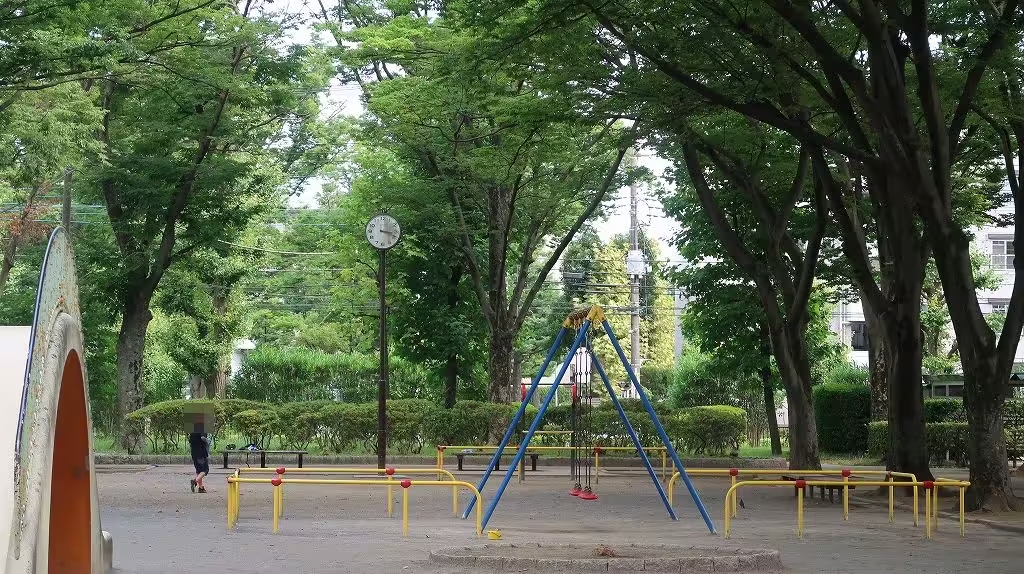
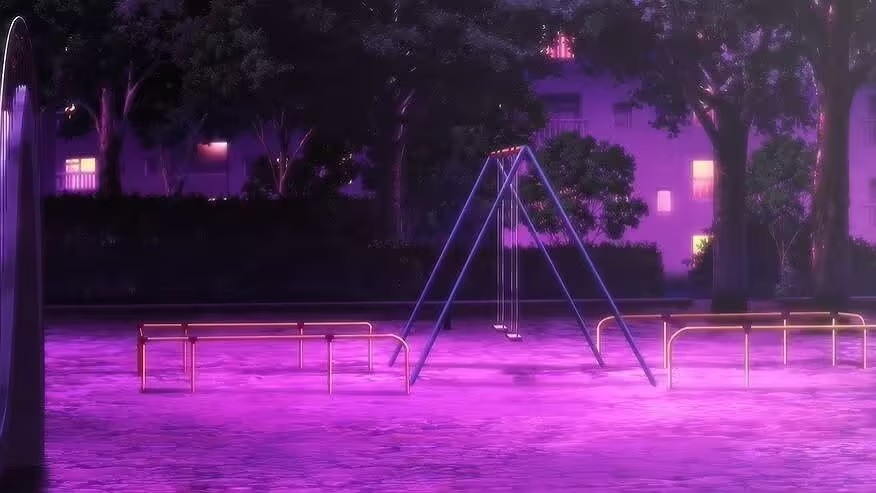
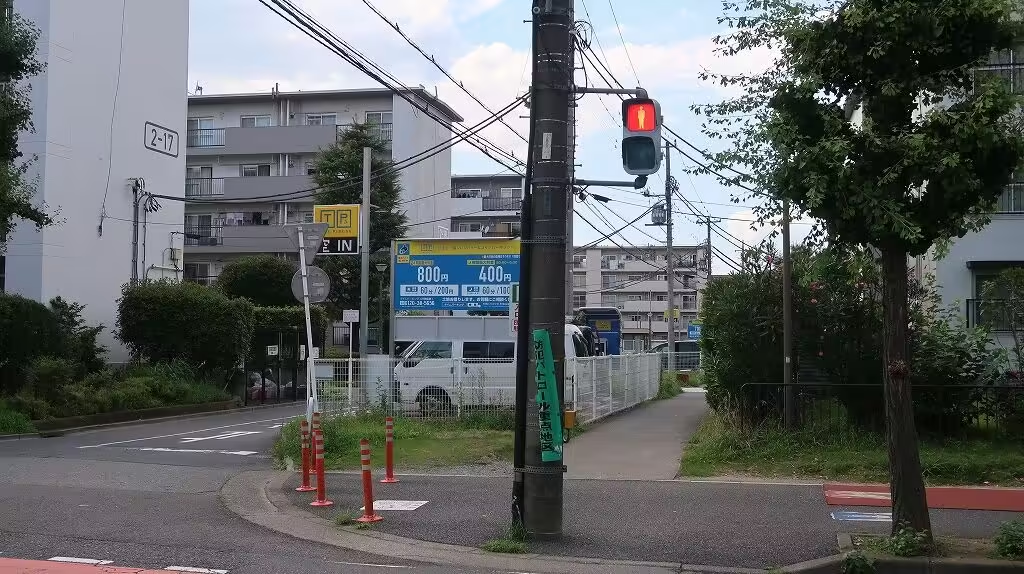
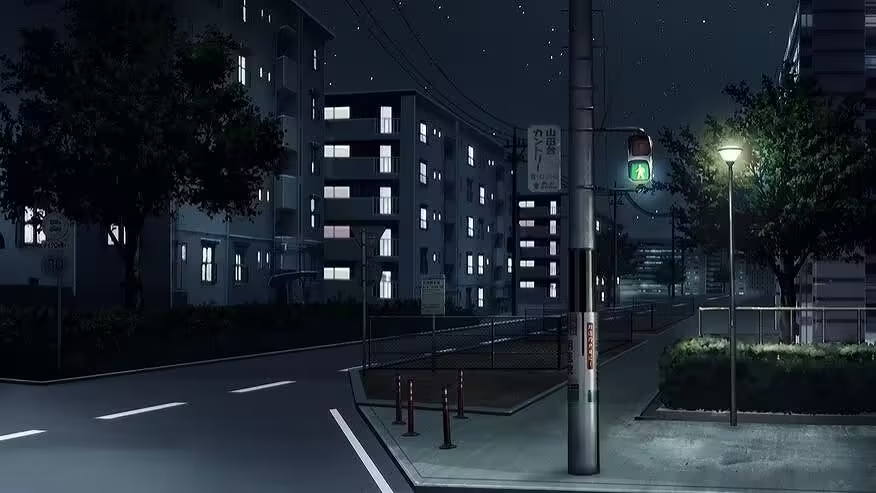
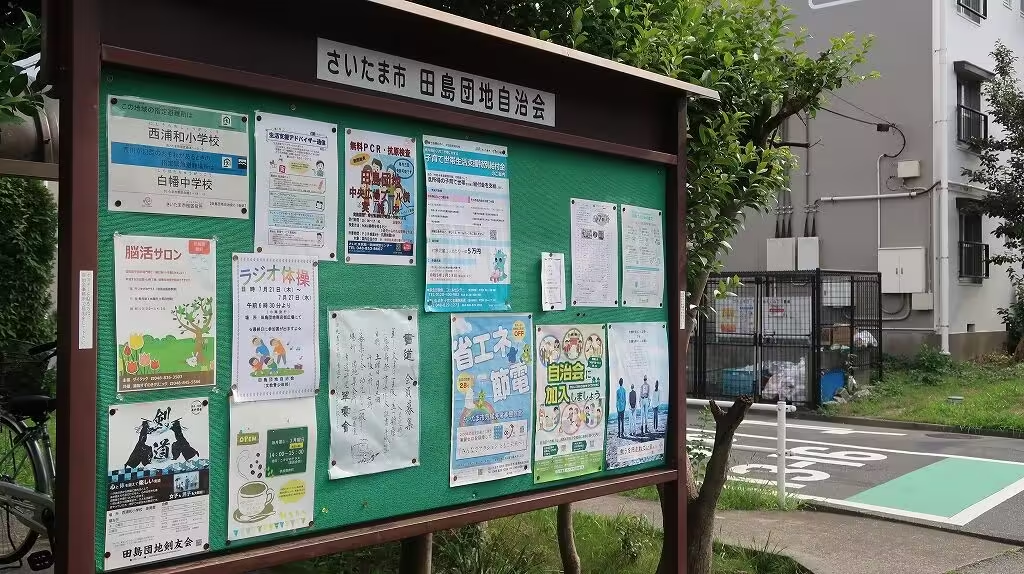
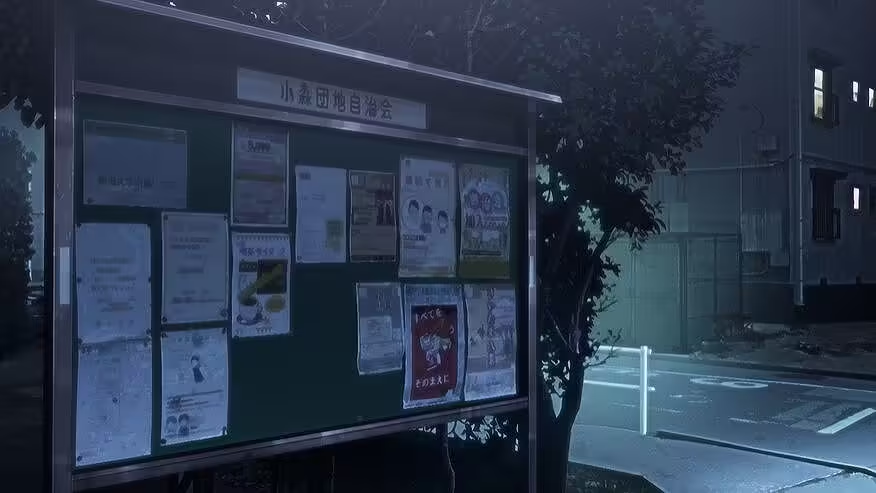
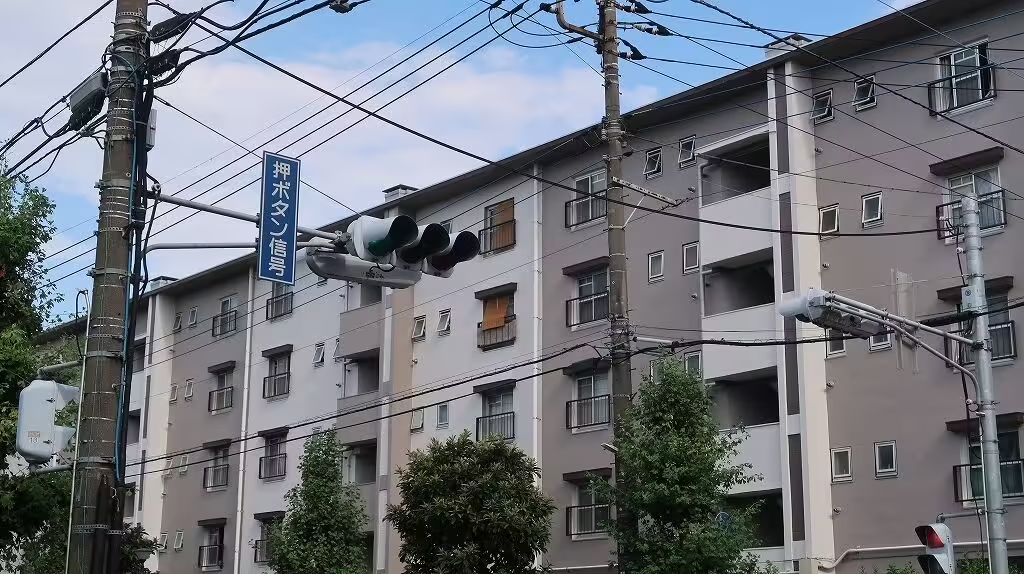
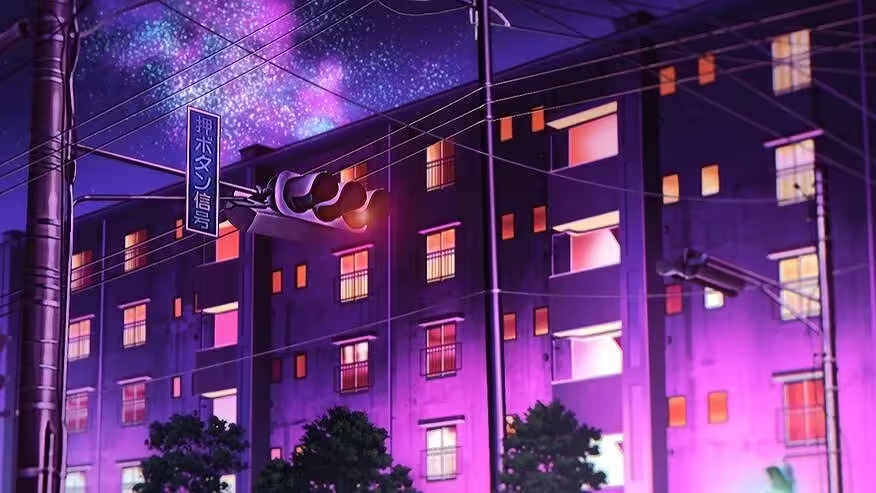
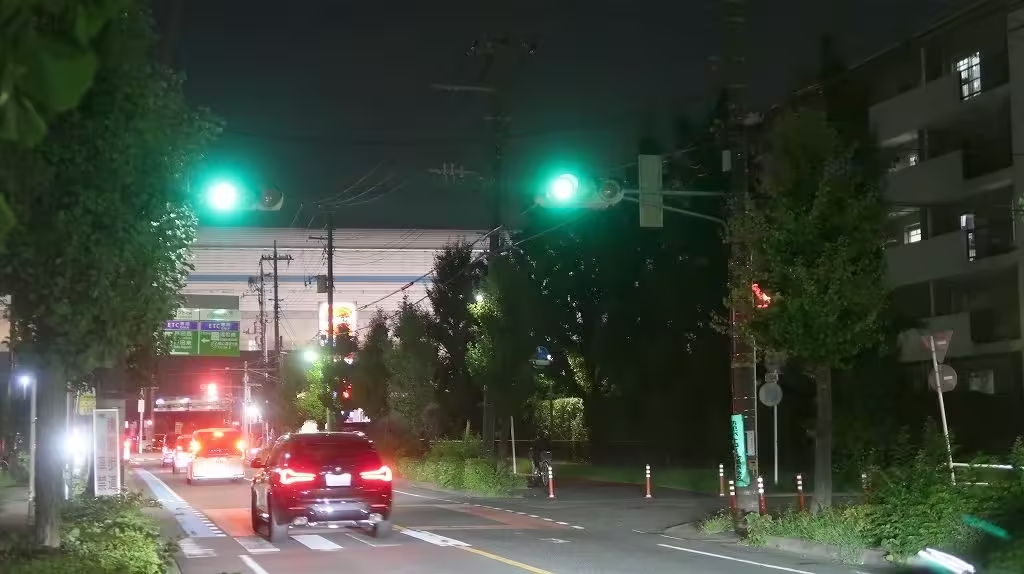
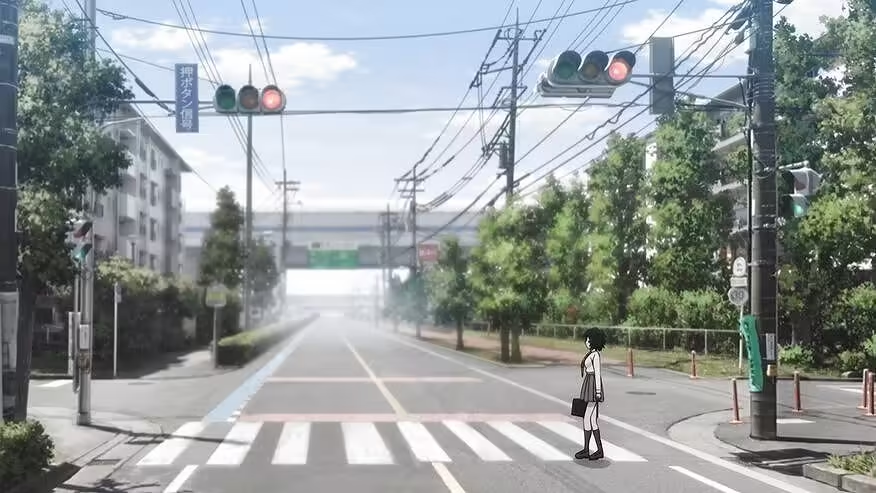
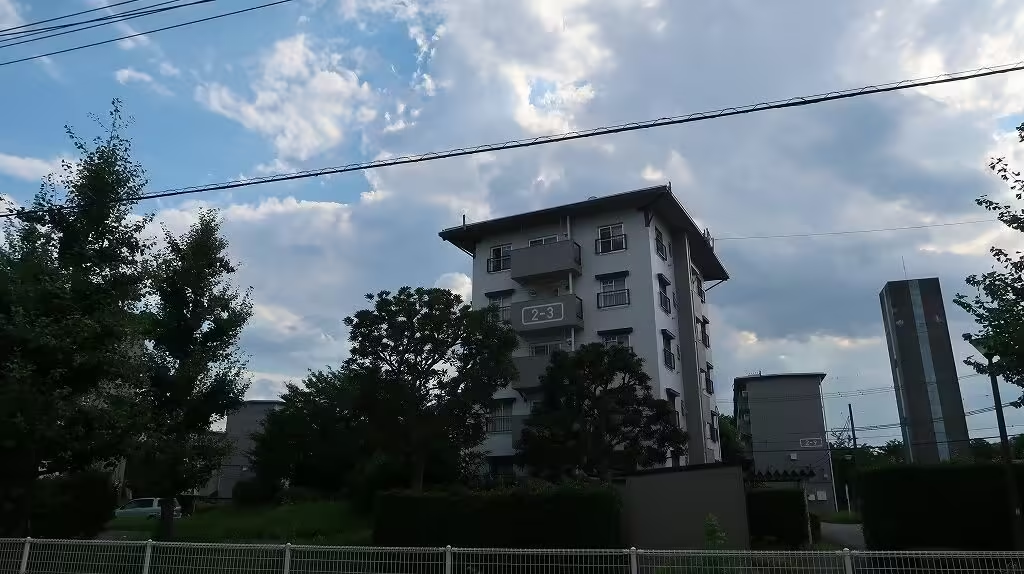
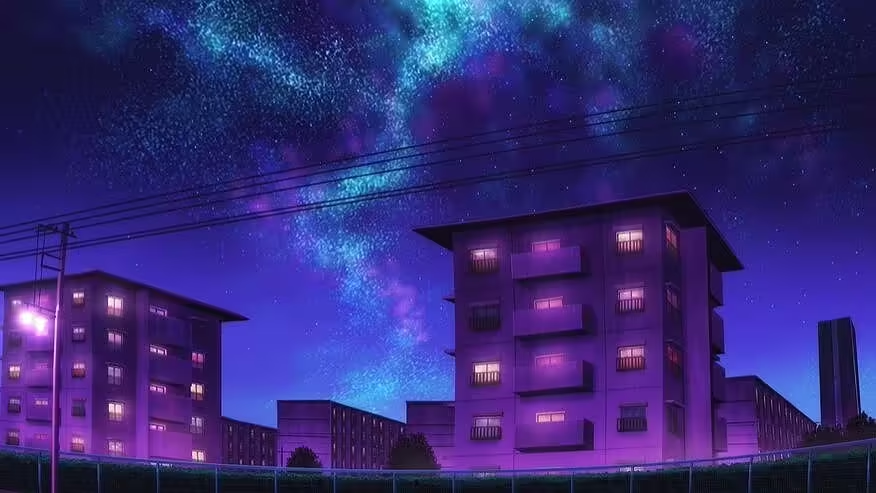
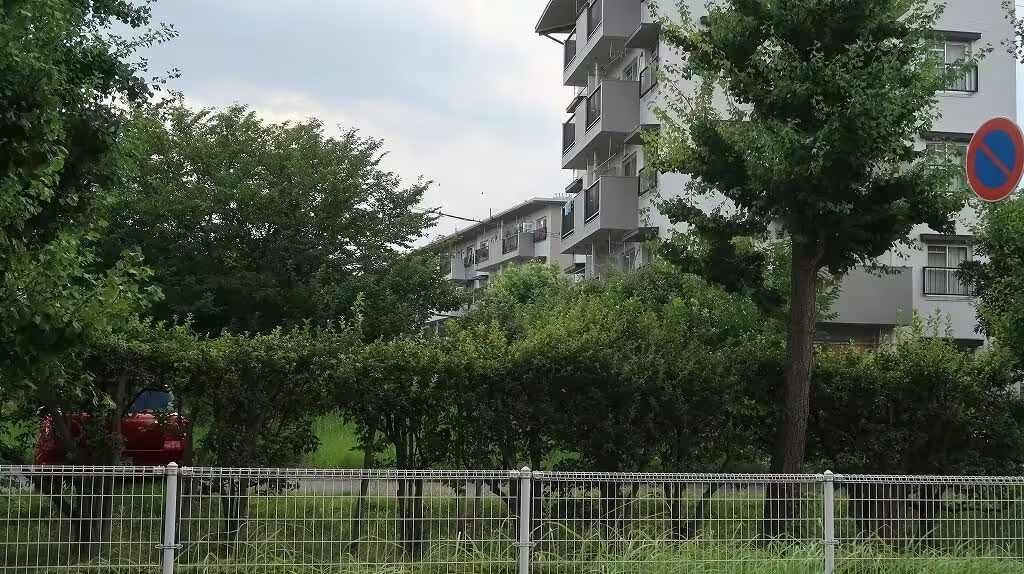
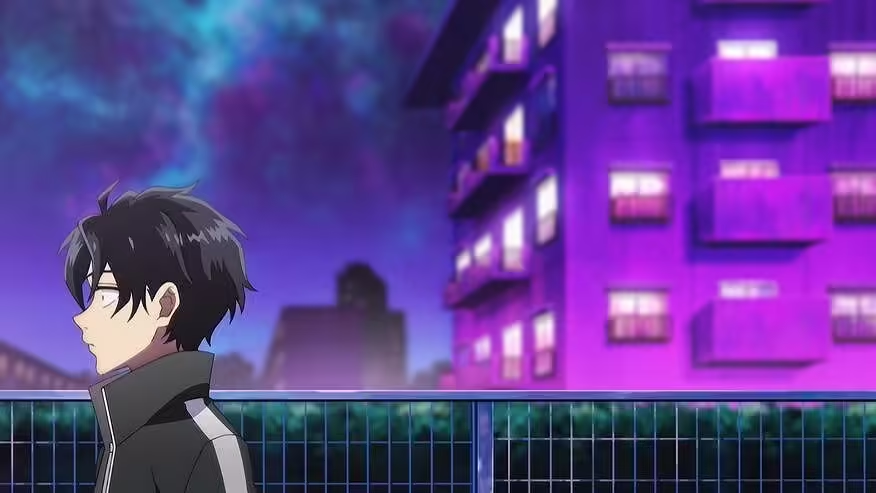
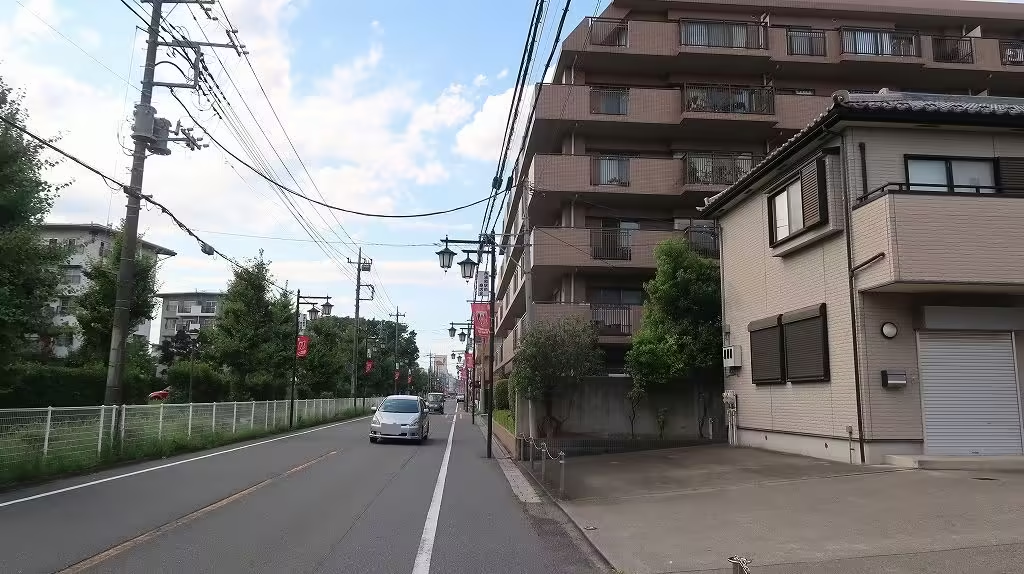
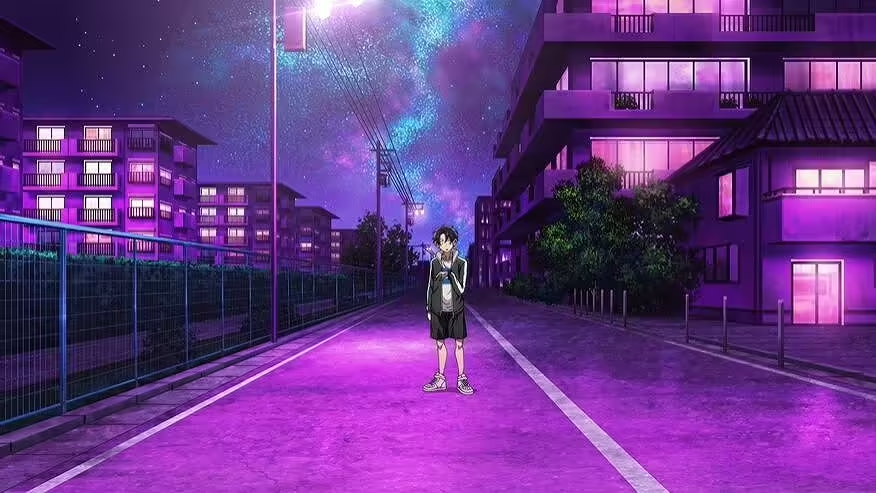
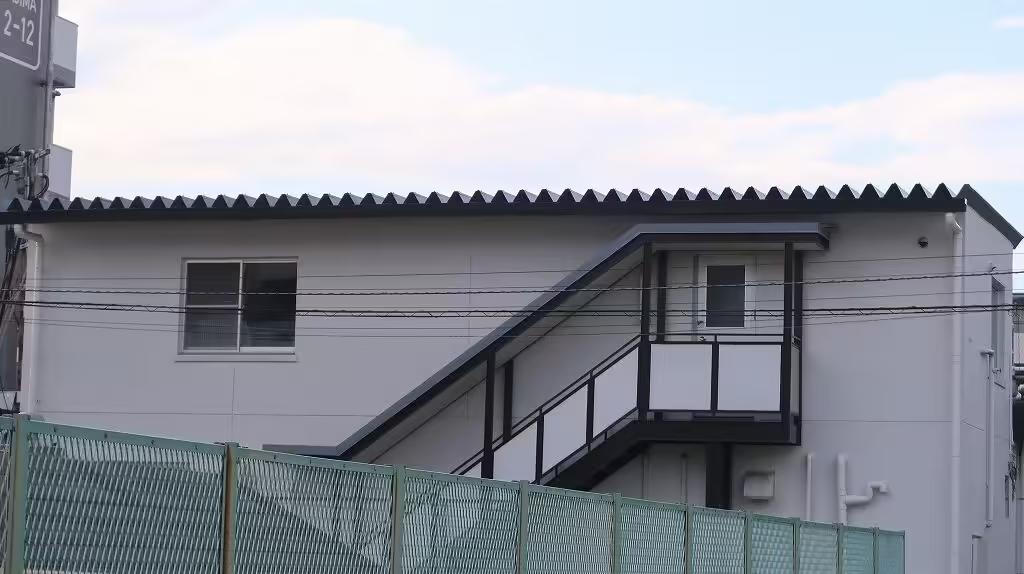
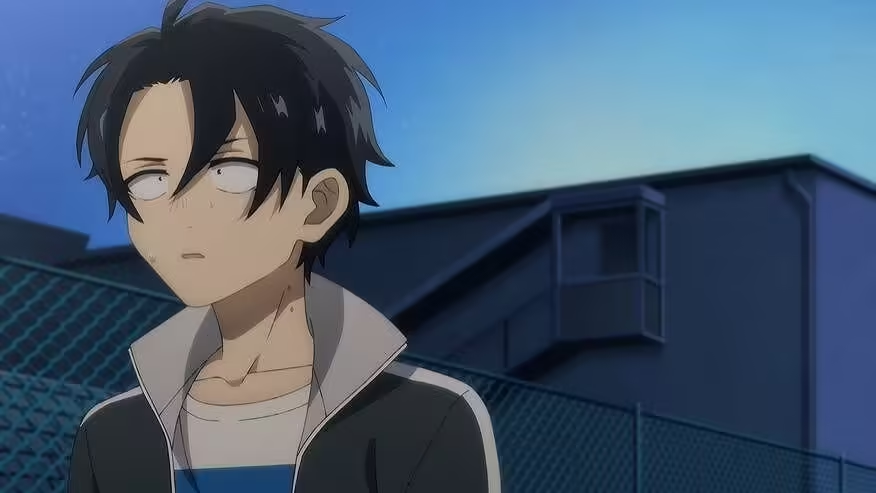
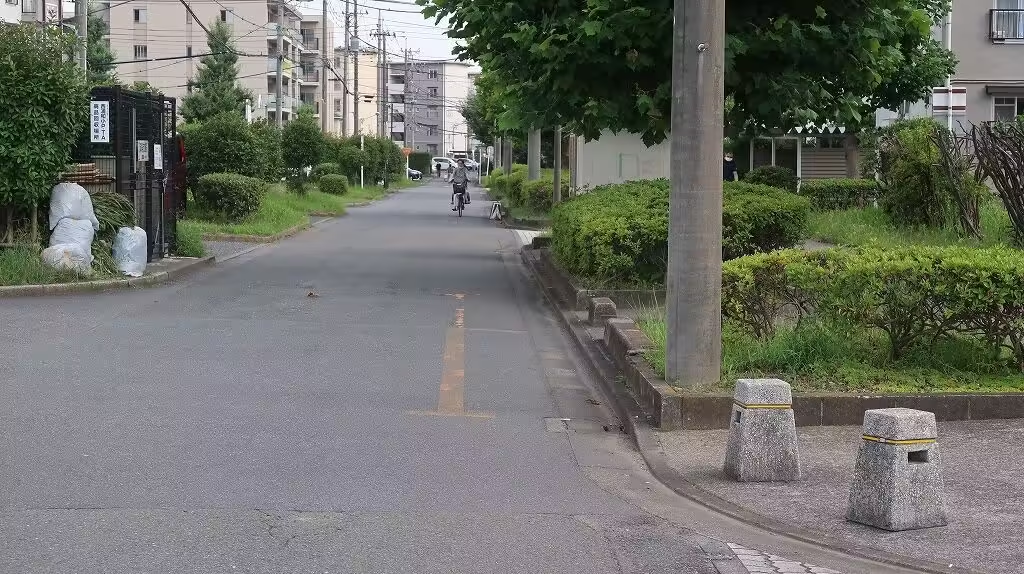
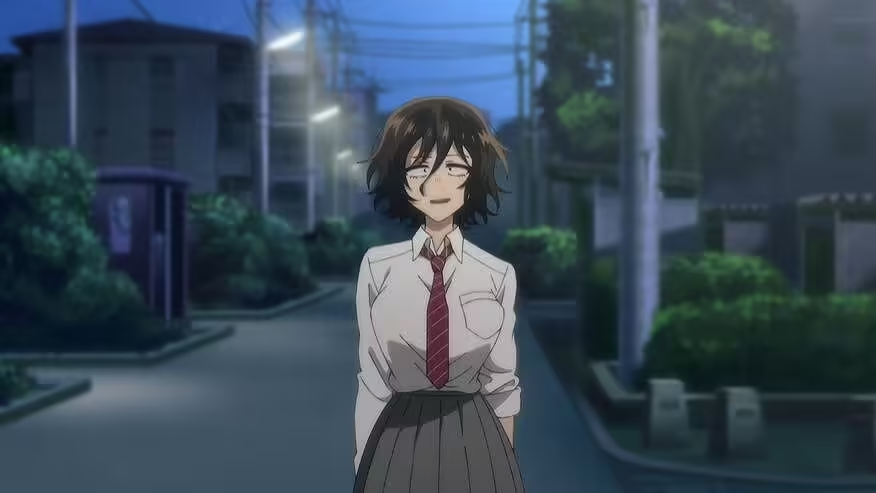
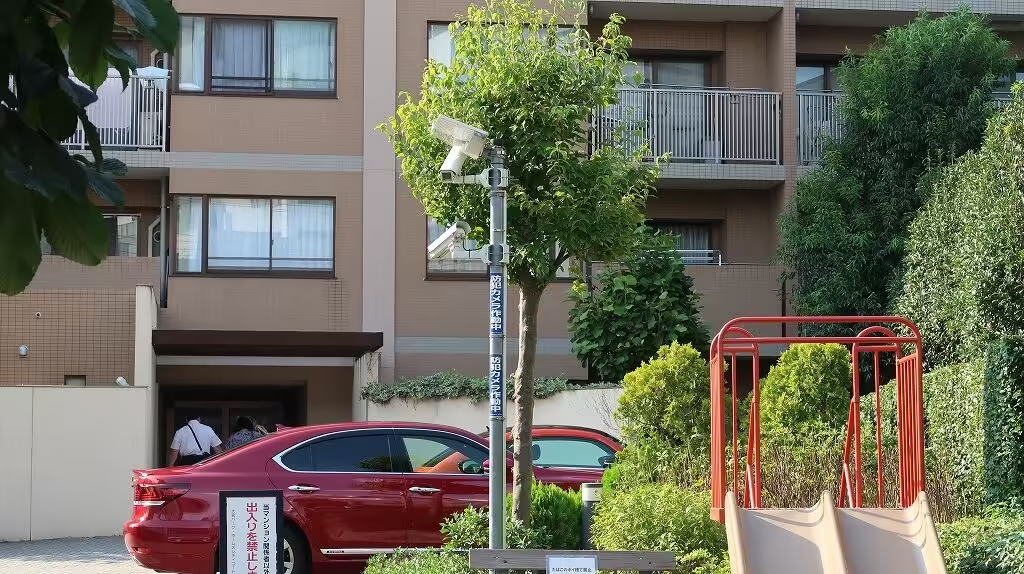
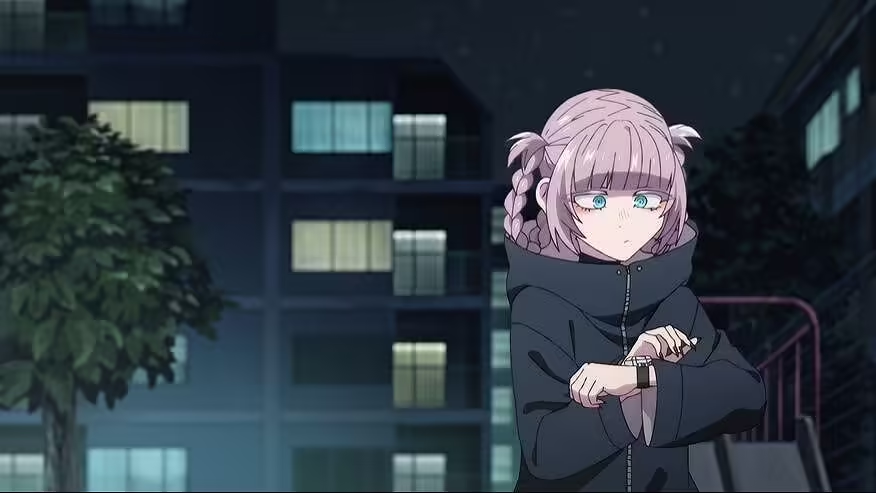
Roads within Tajima Housing Complex
Near Sky Mansion Nishi-Urawa
Nisshi-Urawa Sky Mansion Address
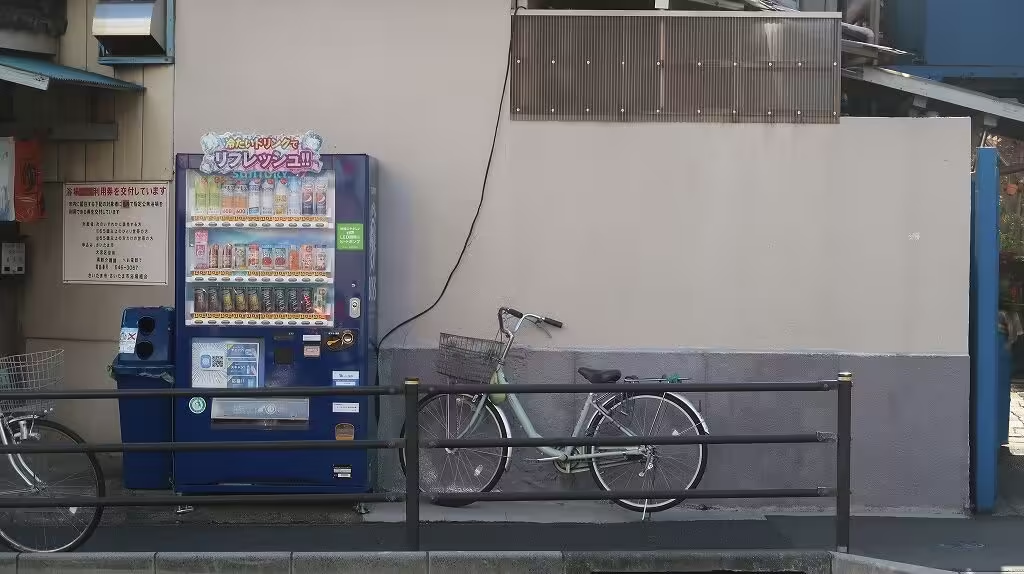
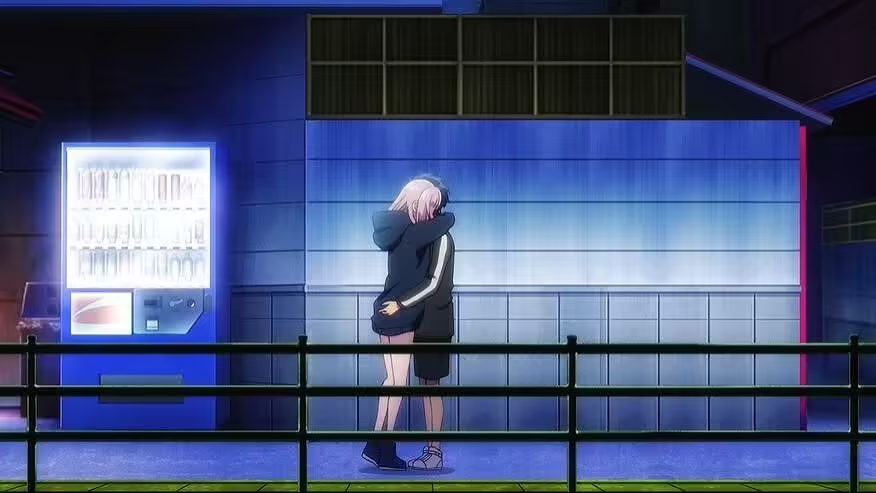
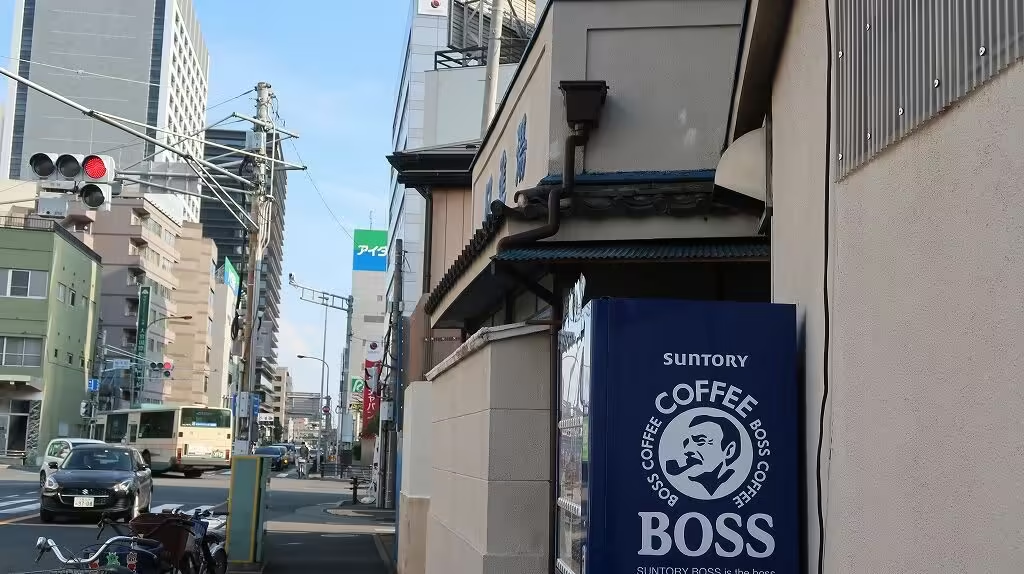
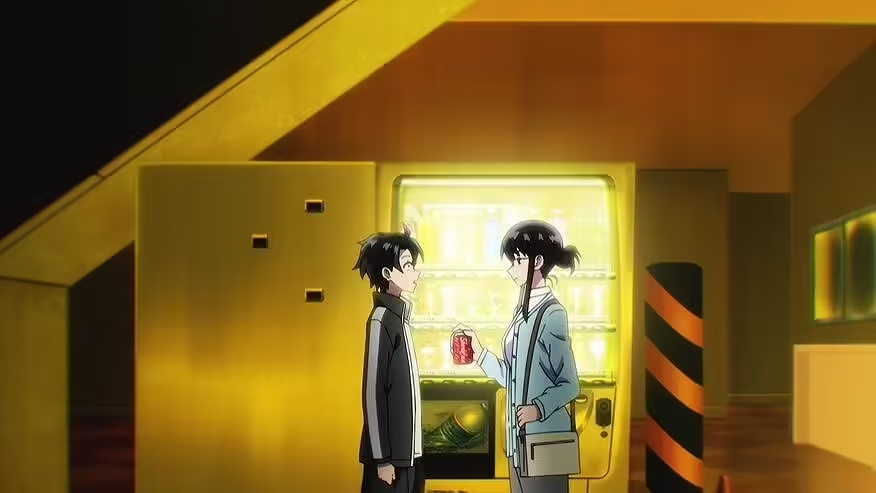
This residential area near Sky Mansion Nishi-Urawa features apartment buildings, sidewalks, and vending machines typical of suburban Tokyo-area neighborhoods. Such environments strongly match the residential nightscapes used in Call of the Night real locations, where characters drift through everyday living spaces.
Tajima Housing Complex
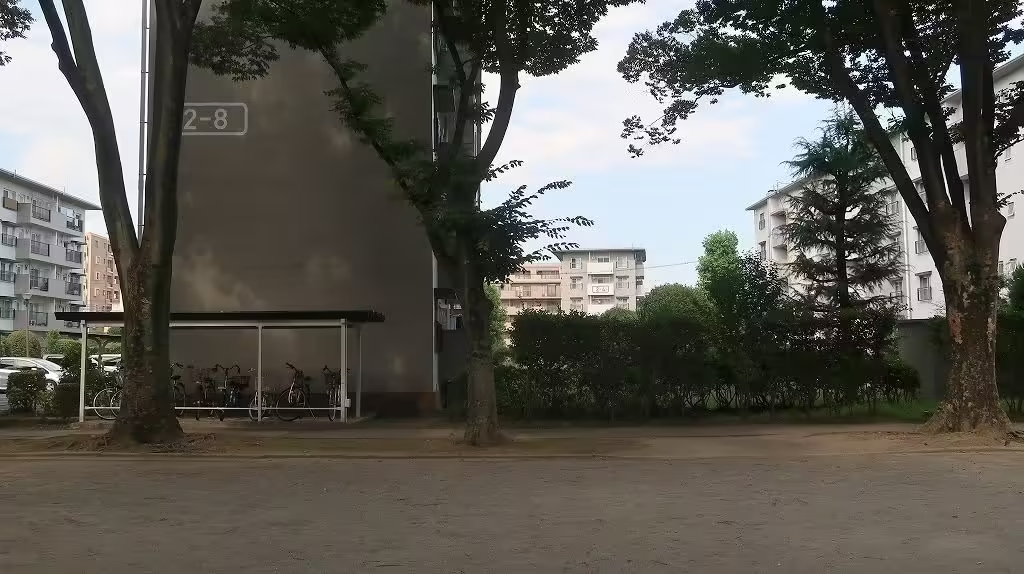
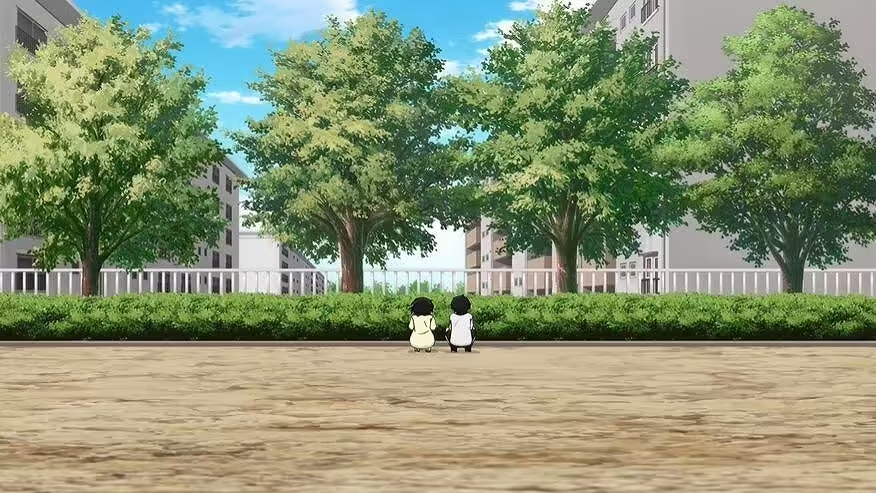
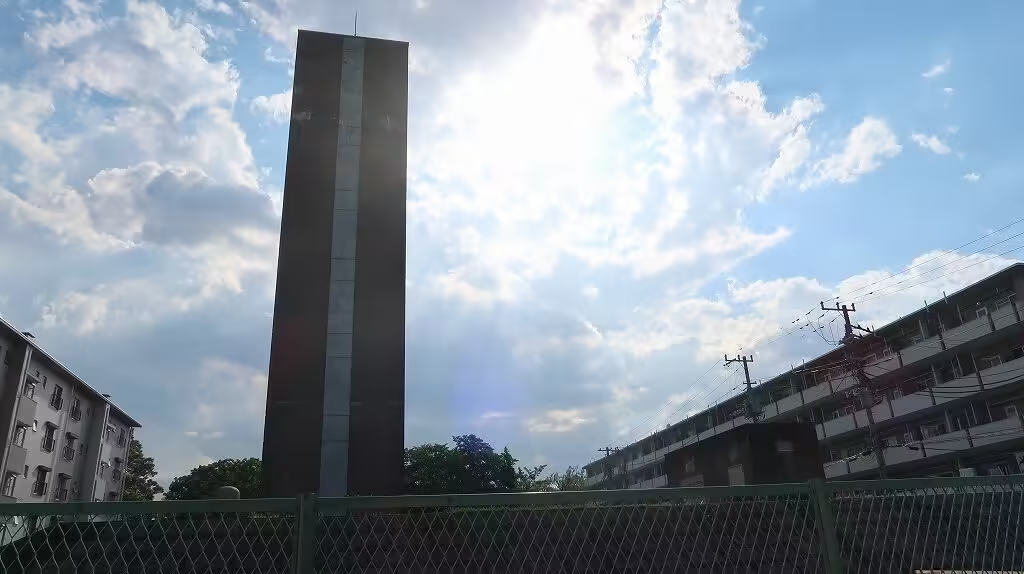
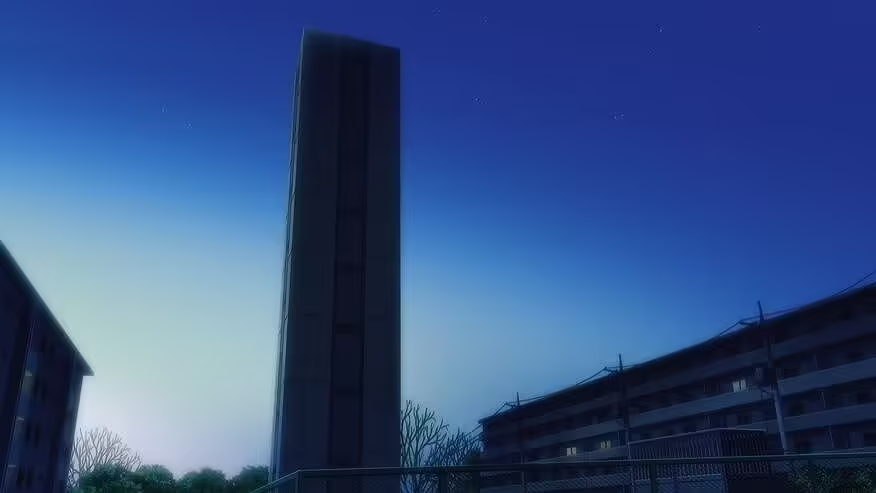
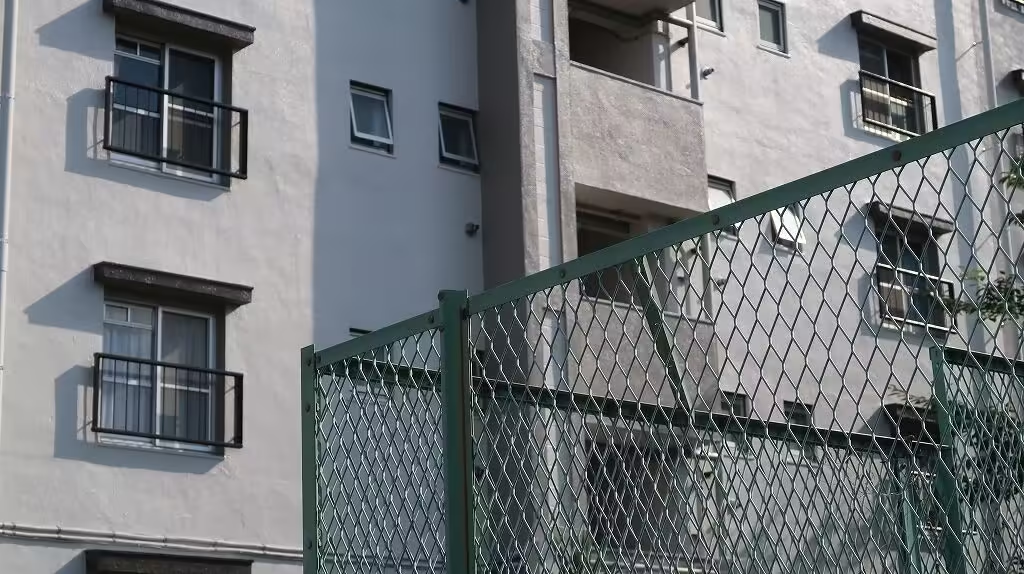
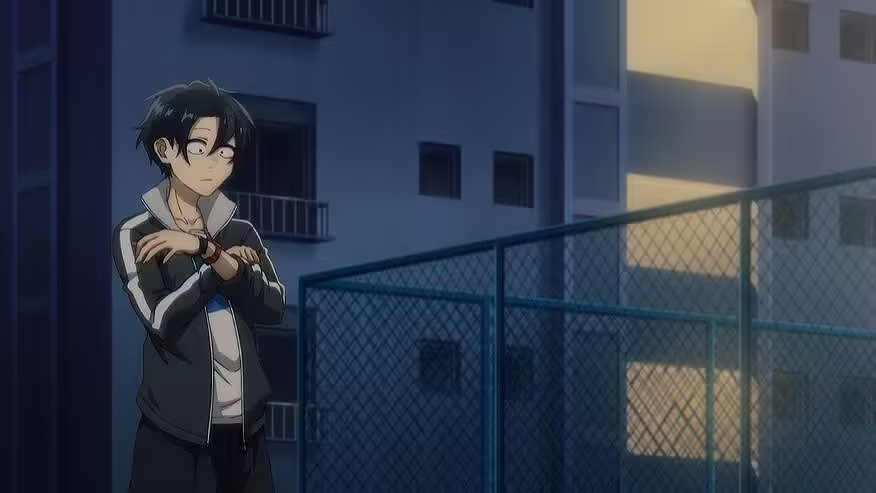
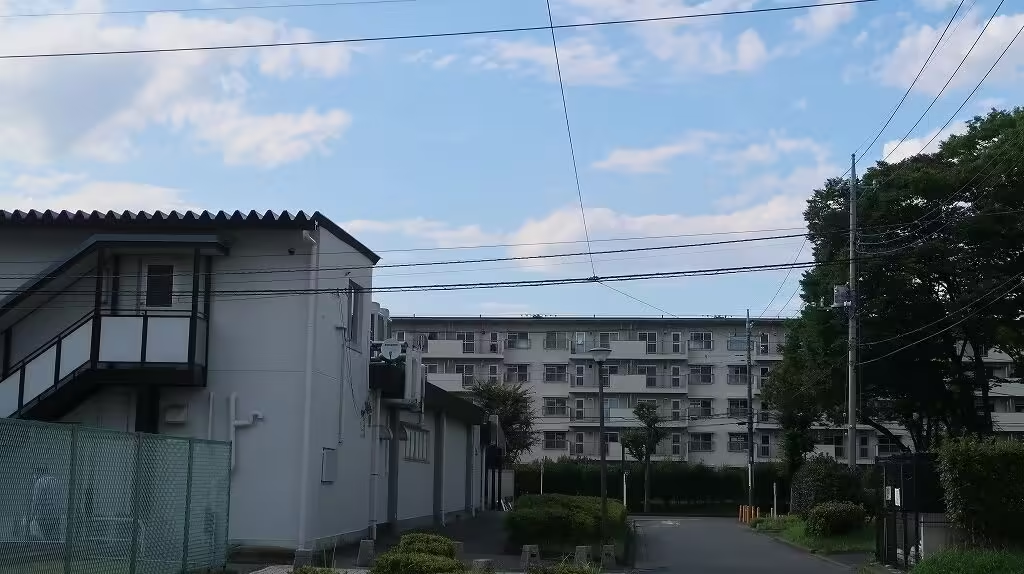
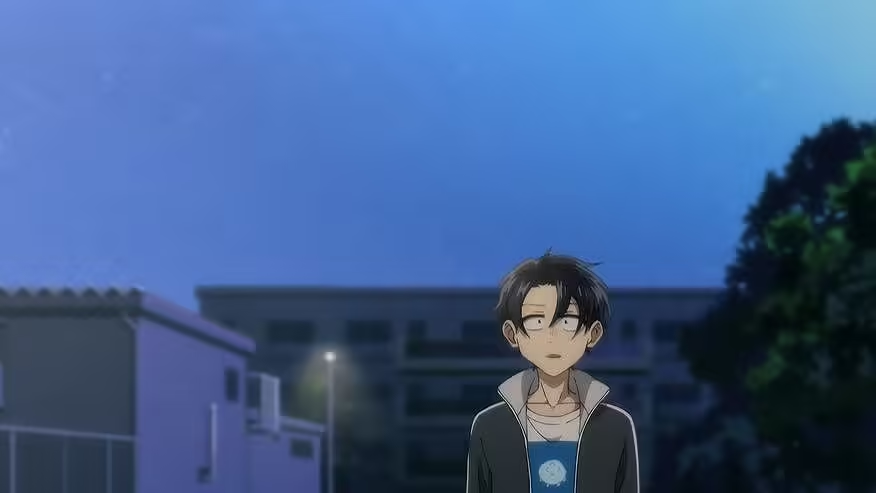
Tajima Housing Complex is a public residential complex with repeating building forms and internal walkways. These structured residential layouts resemble the anime’s repeated use of apartment zones, emphasizing routine, quietness, and the emotional weight of nighttime wandering.
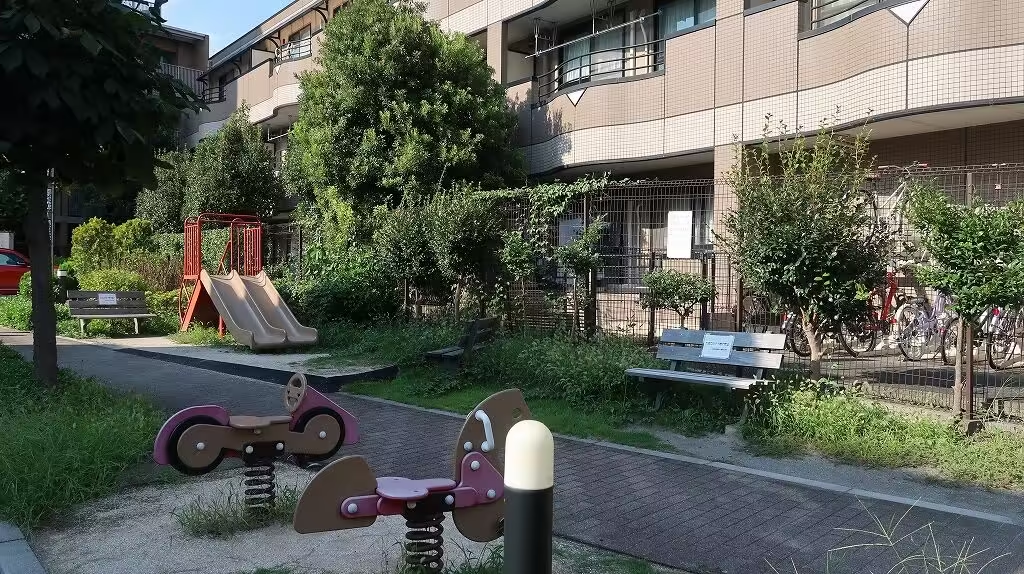
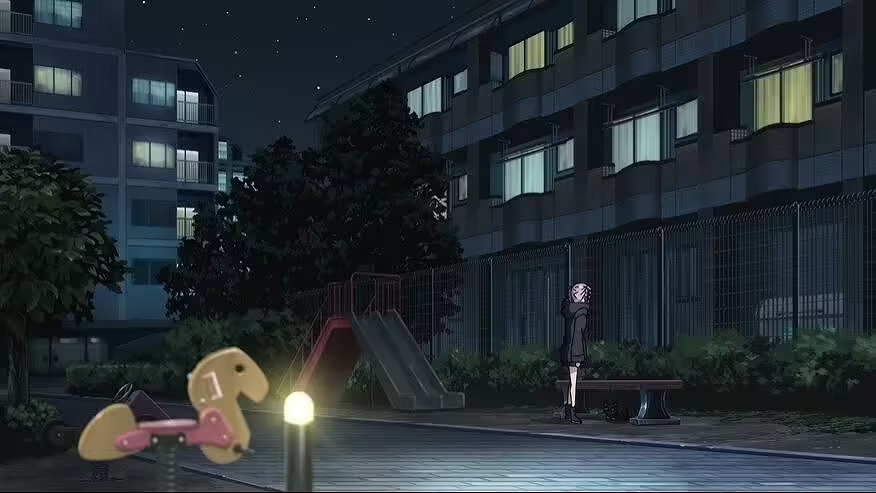
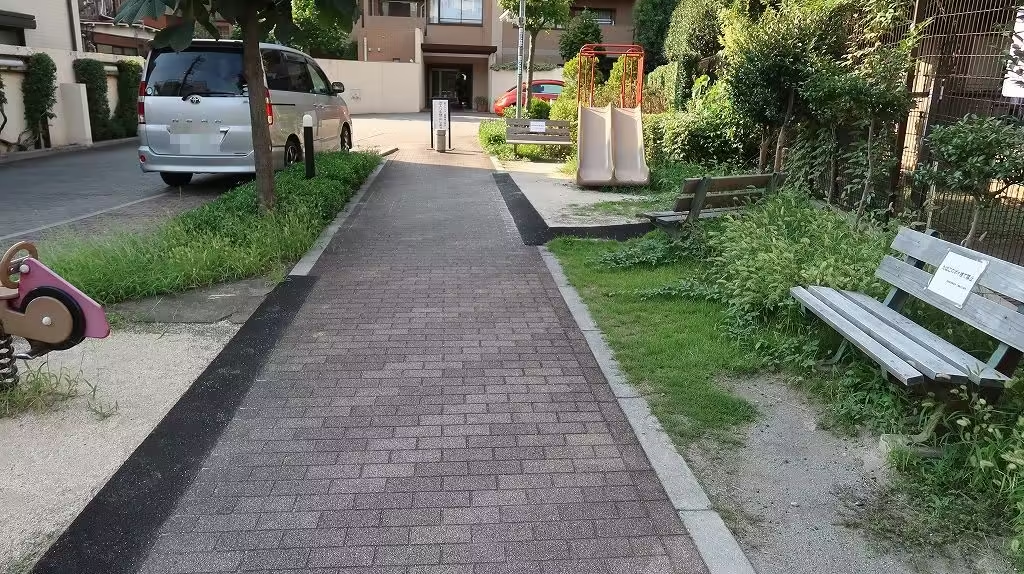
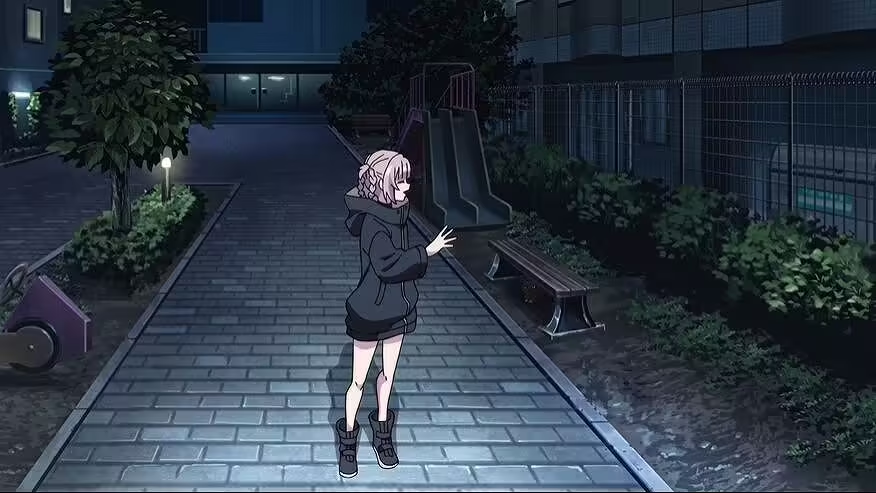
Taisei 1-chome Minami Park
Taisei 1-chome Minami Park is a local park in Saitama City, surrounded by residential streets. Its small size and calm nighttime presence reflect the kind of understated parks that appear throughout Yofukashi no Uta, reinforcing the anime’s grounded approach to urban night life.
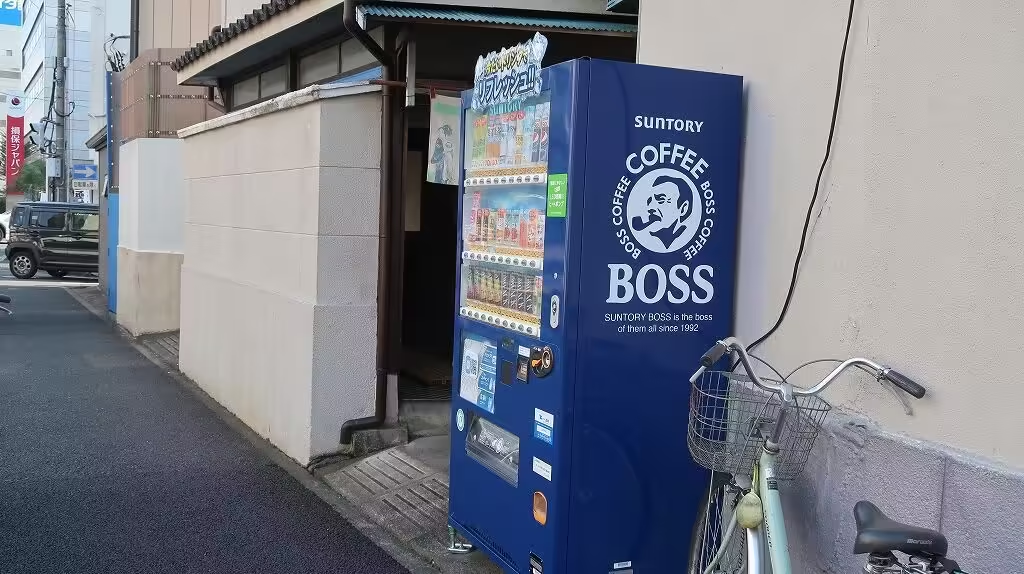
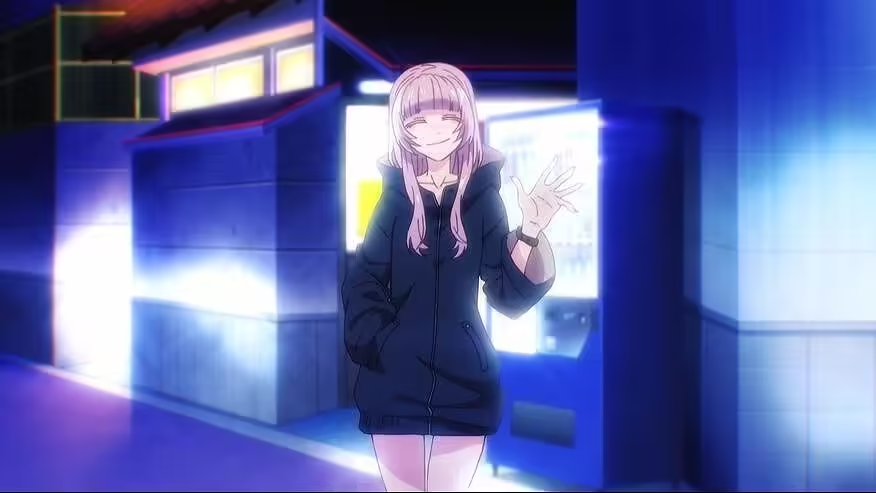
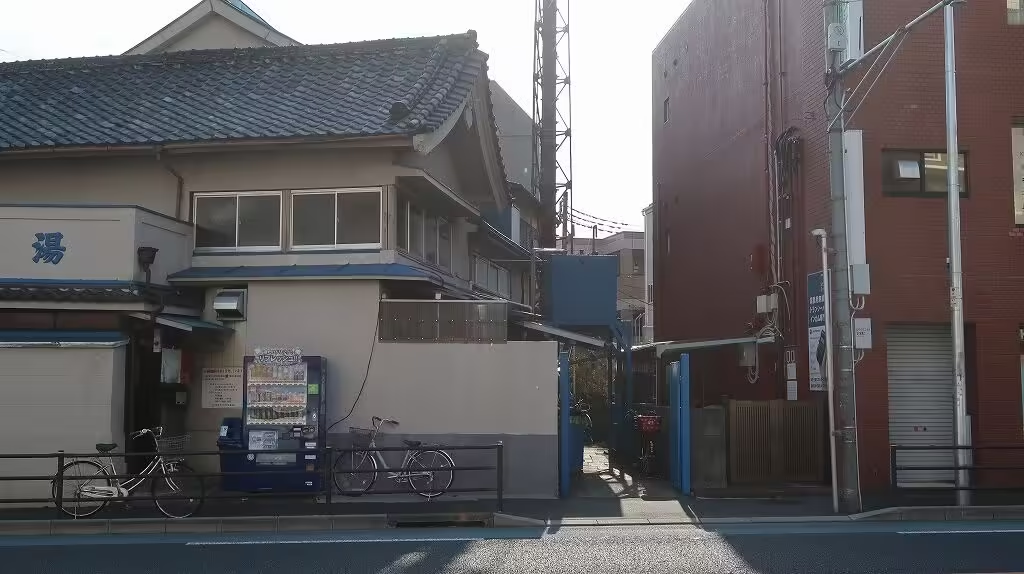
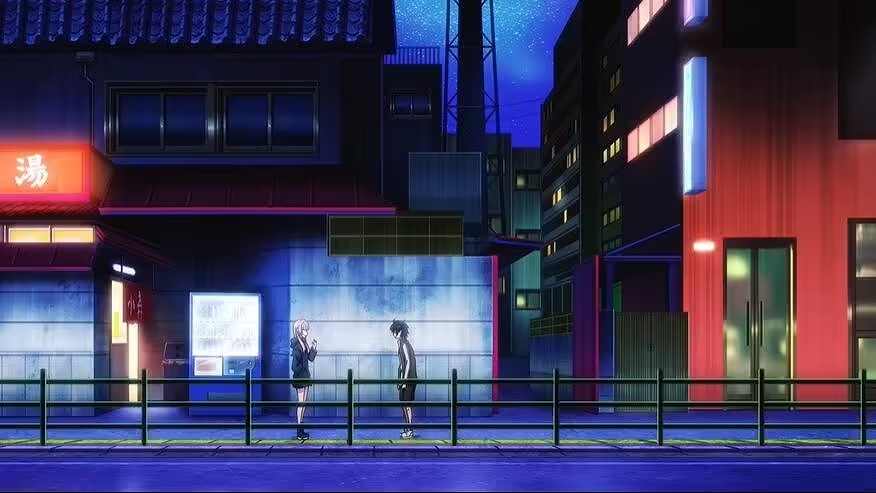
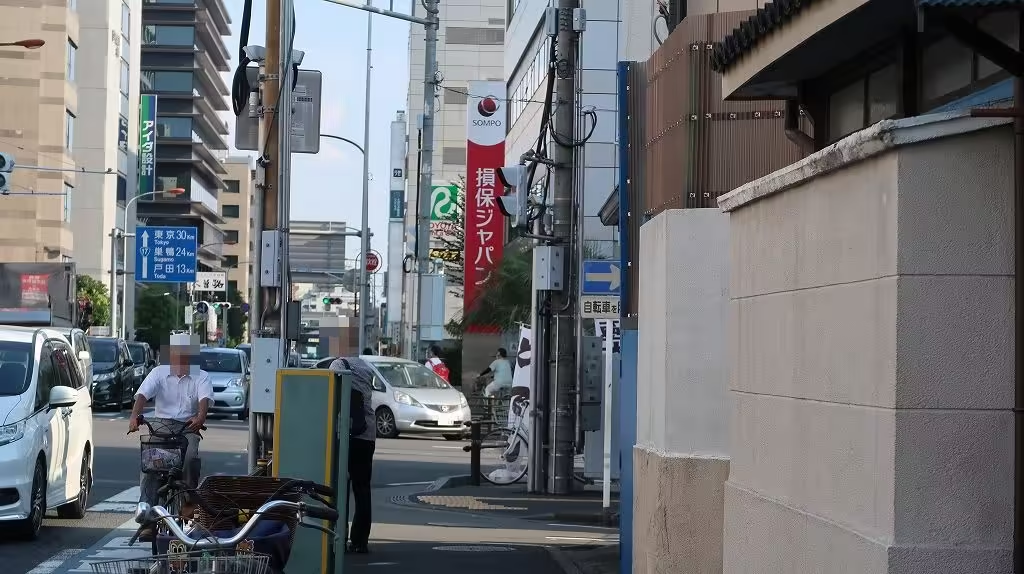
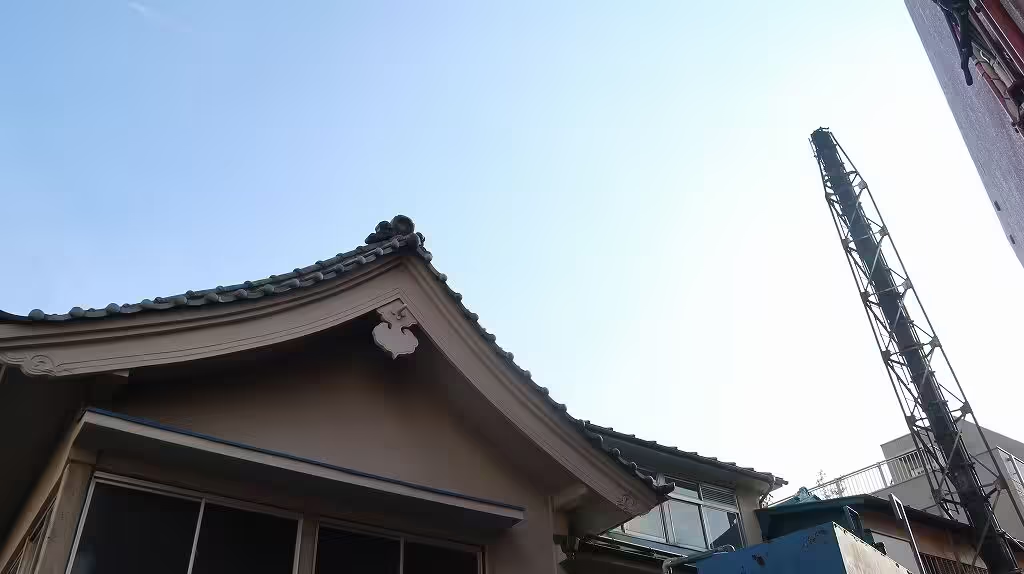
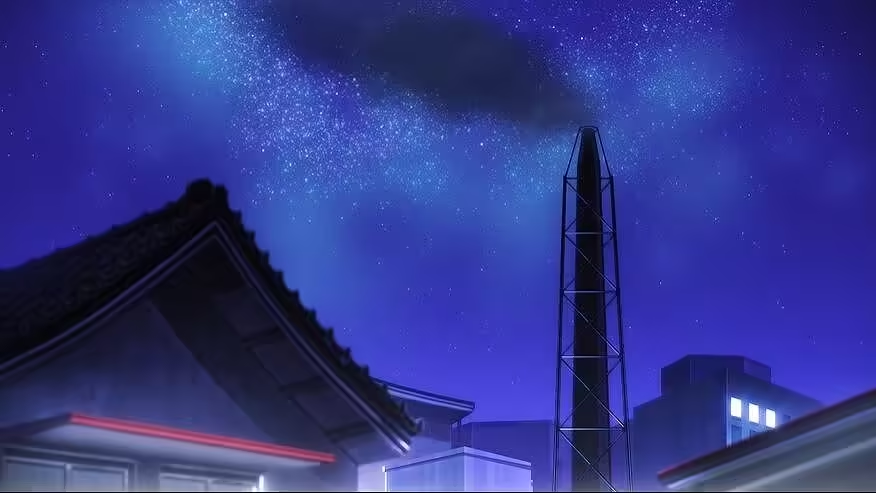
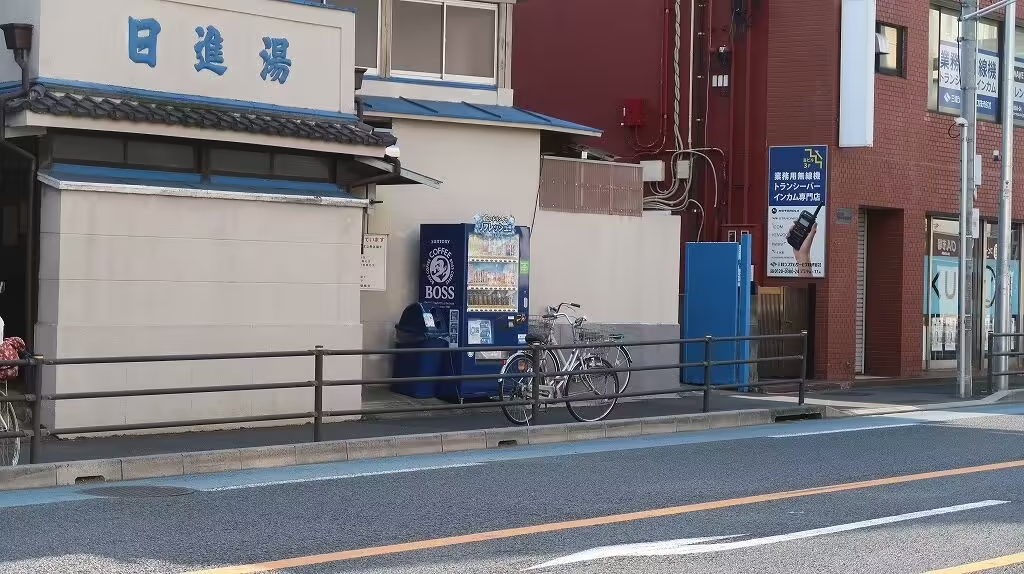
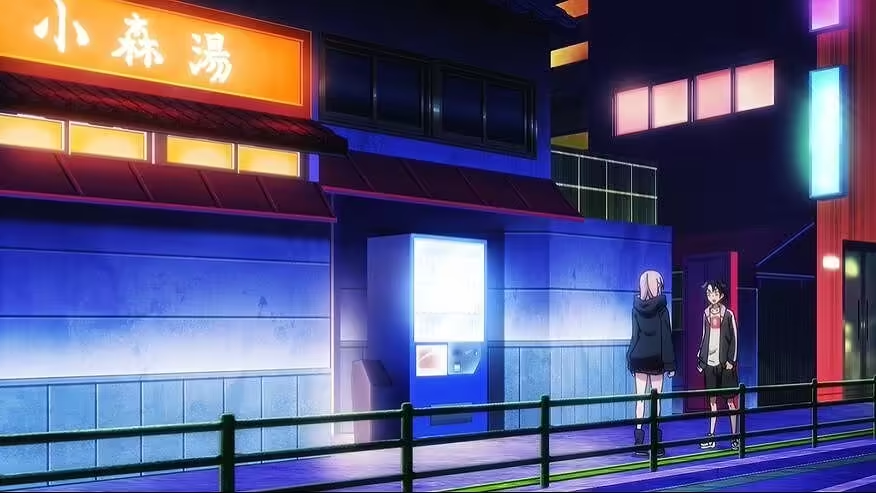
Nisshinyu
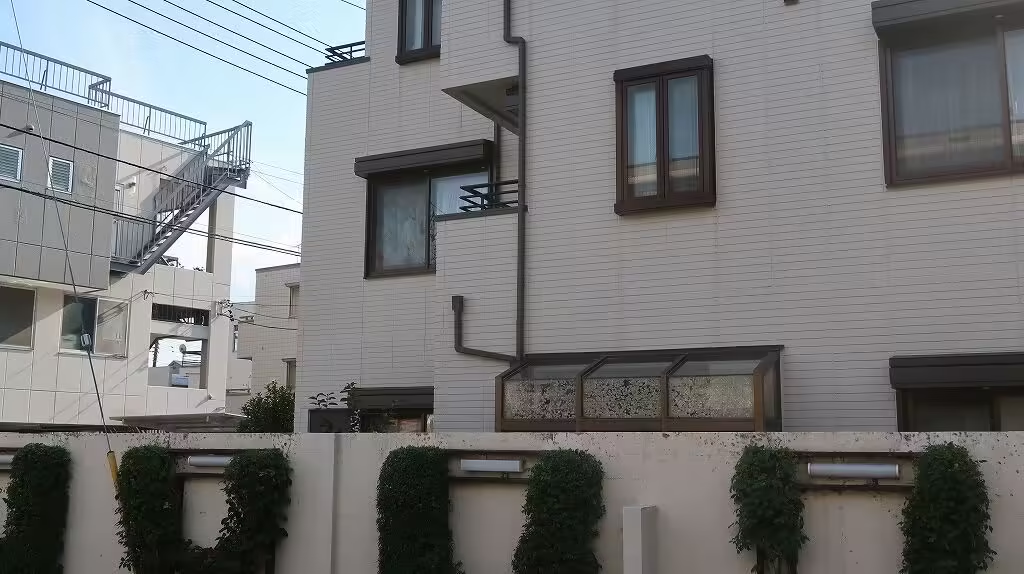
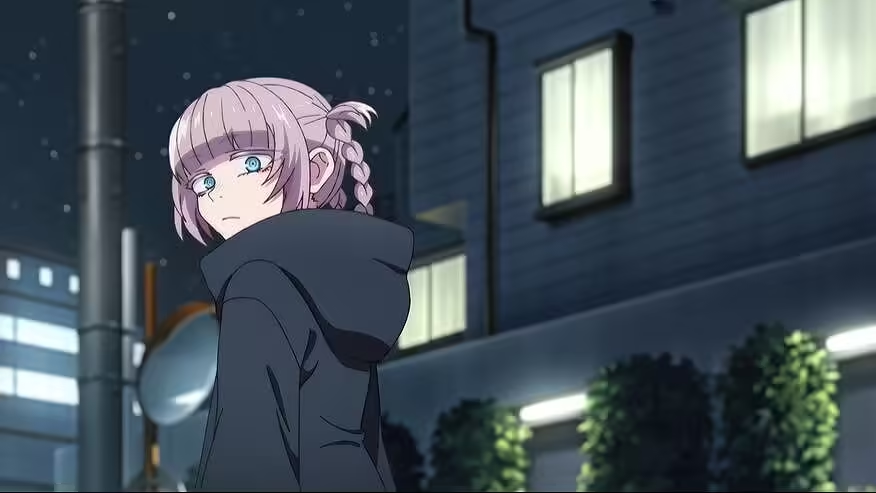
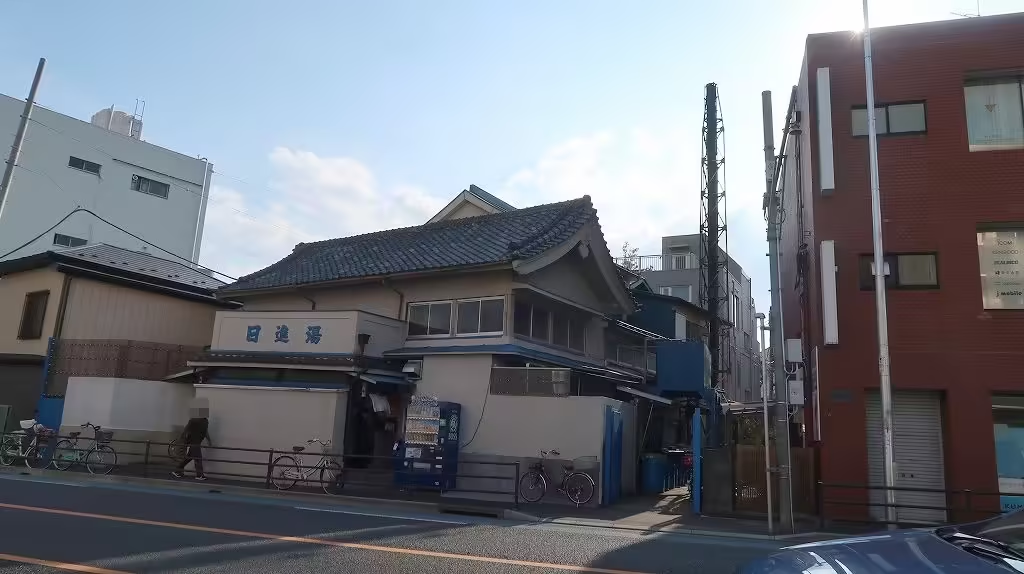
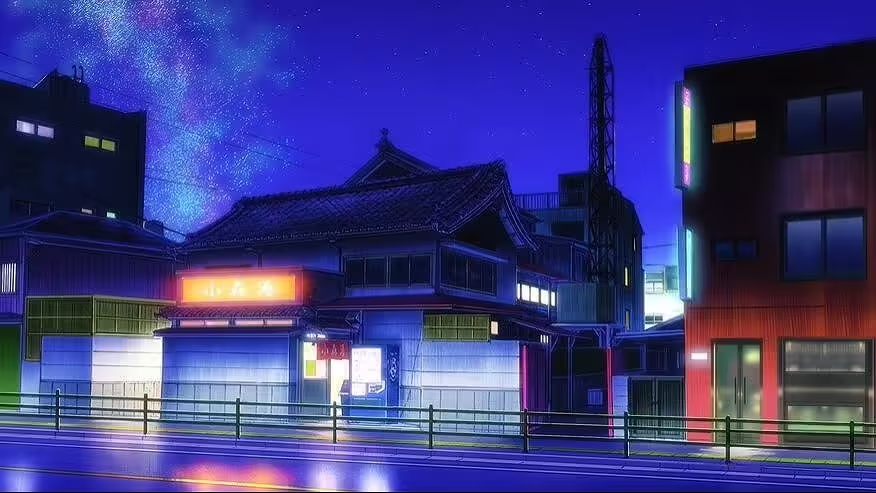
Nisshinyu is a traditional public bathhouse (sento), a type of location deeply rooted in everyday Japanese life. Bathhouses often appear in anime as communal yet quiet spaces, and their inclusion fits naturally with Yofukashi no Uta’s focus on nocturnal routines and unconventional social encounters.
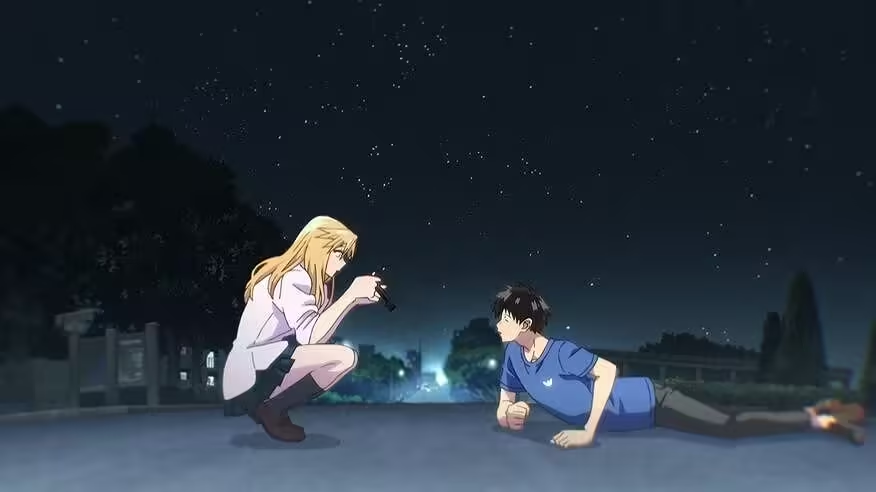
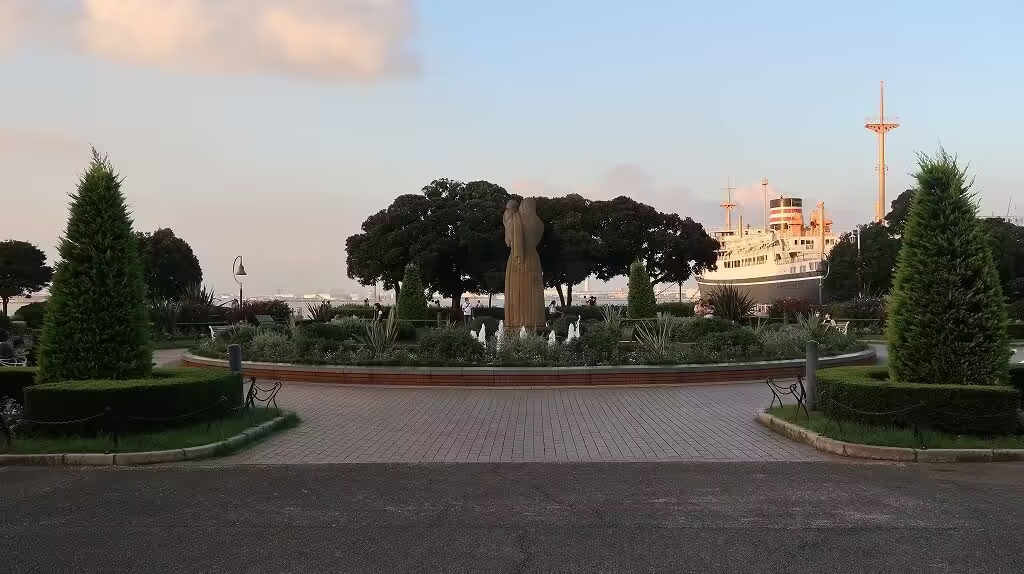
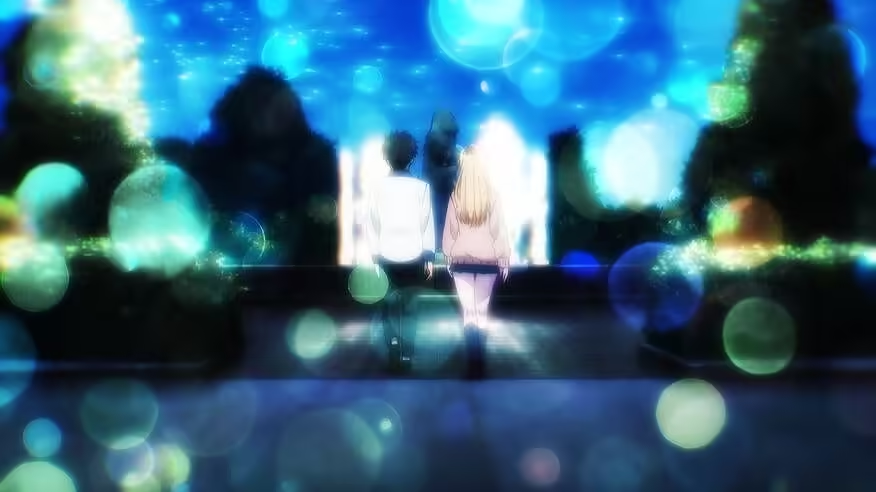
Yamashita Park
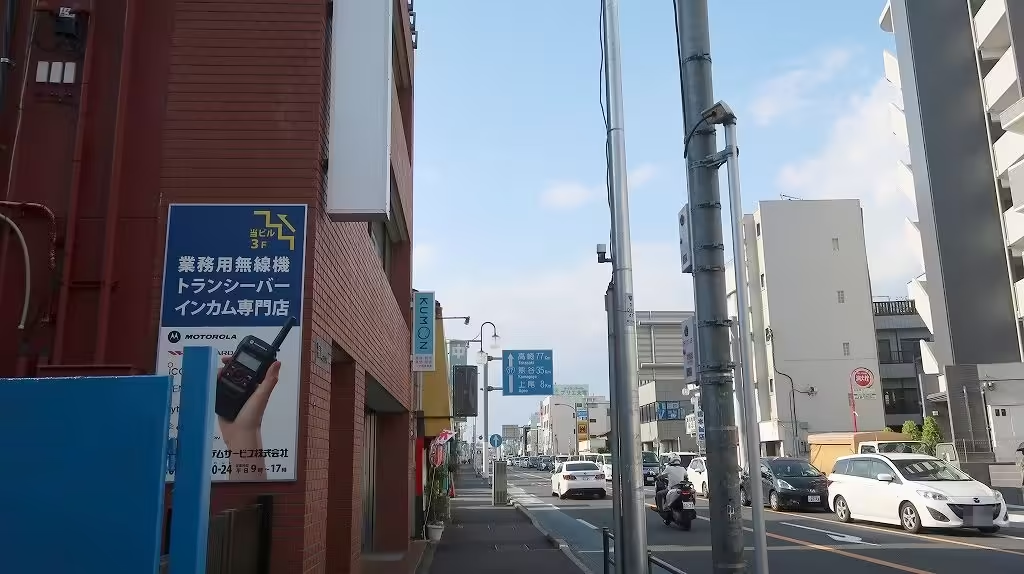
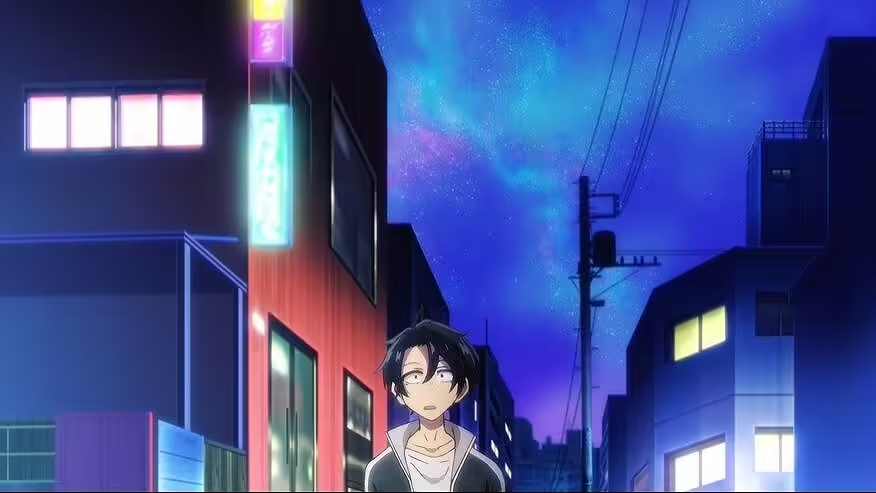
Yamashita Park in Yokohama is a large waterfront park known for its open views and nighttime calm. While larger than most locations in Yofukashi no Uta, its nighttime atmosphere—especially along the promenade—matches the reflective, drifting mood seen in several walking sequences.
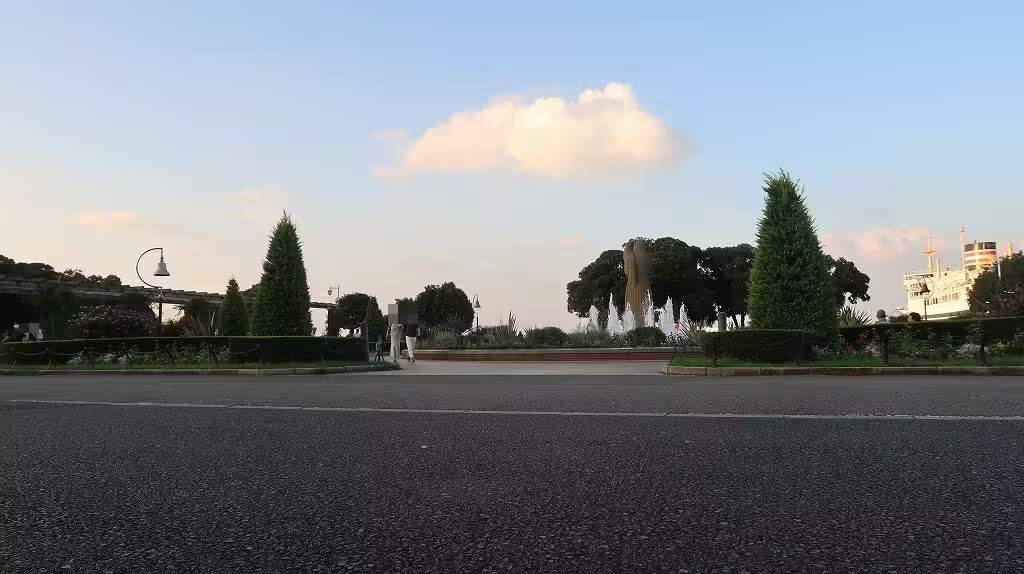
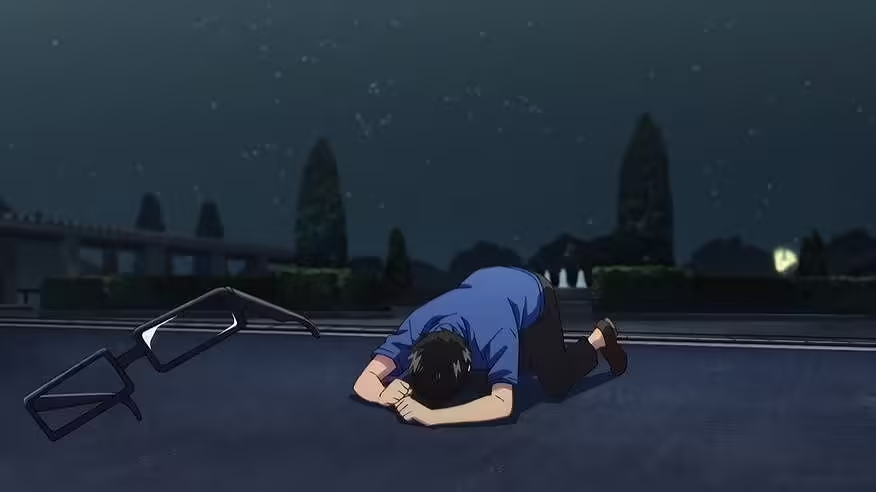
Yokohama
Address: 1-1Kaigandori Naka-ku Yokohama-shi Kanagawa 231-8401
Yokohama is a city that appears frequently in anime, often used for its waterfront views, wide streets, and calmer nighttime atmosphere. In Yofukashi no Uta, it works as a believable real-world reference for night scenes that feel more open and reflective, similar to how Yokohama is portrayed in series like Bungo Stray Dogs or The Girl Who Leapt Through Time.
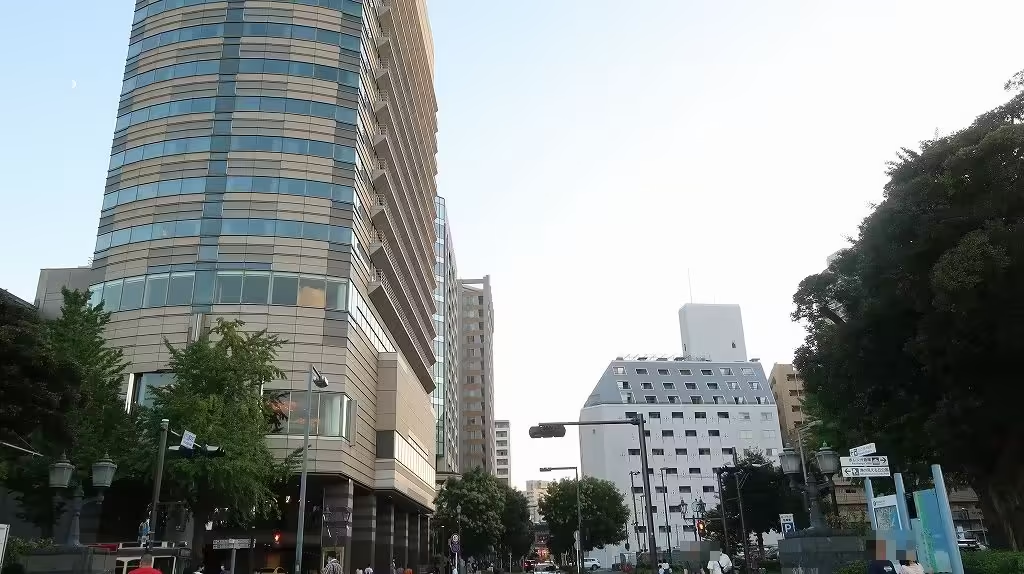
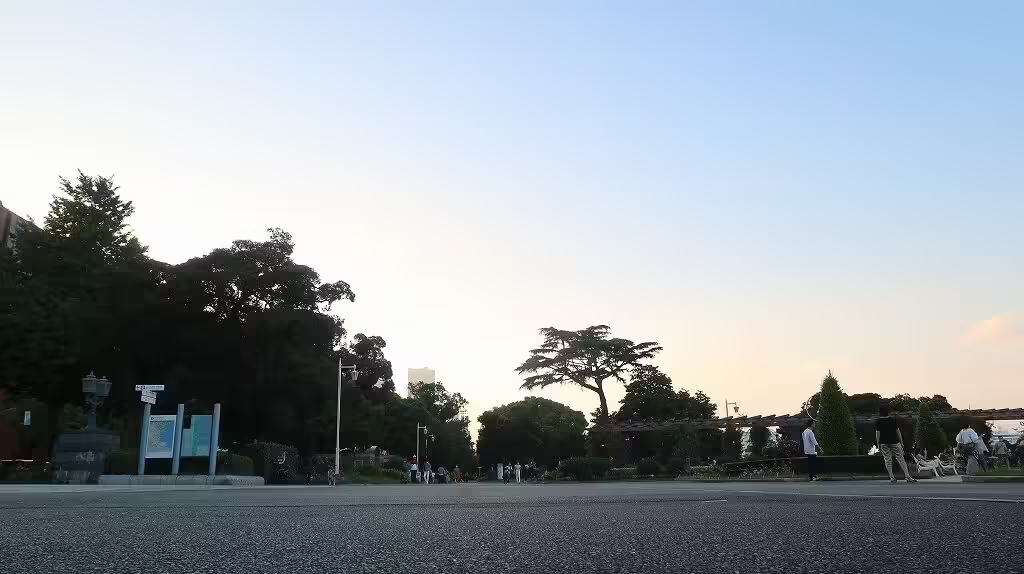
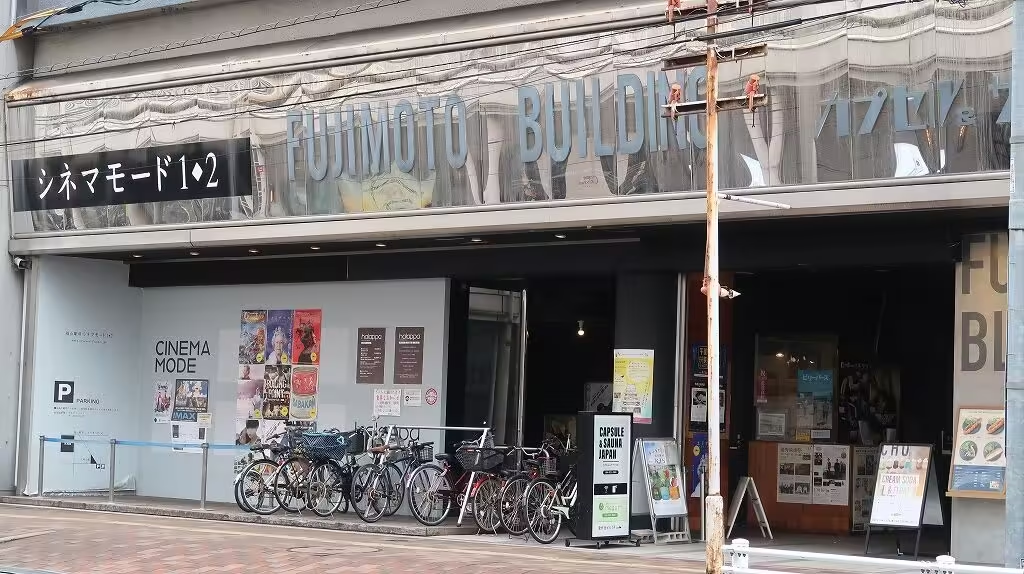
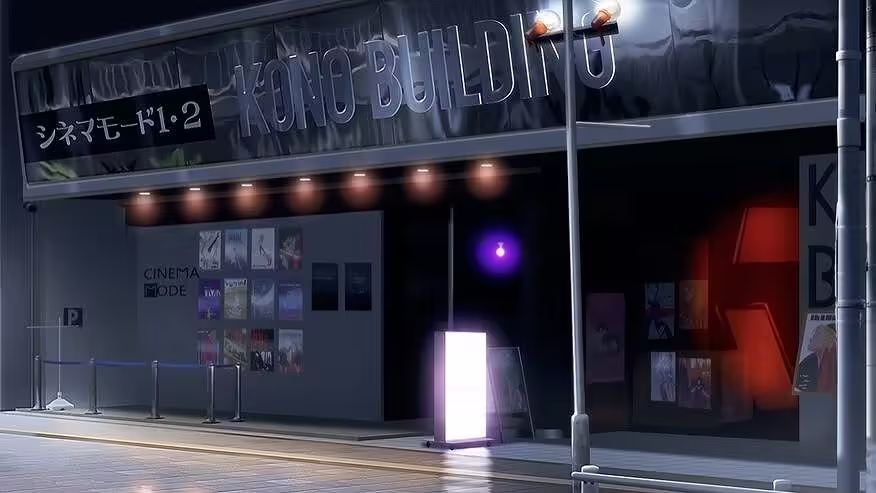
Fukuyama Station Cinema Mode 1 & 2
Cinema Mode 1 & 2 near Fukuyama Station represents regional city nightlife rather than central Tokyo. The surrounding area quiets significantly after evening showings, reflecting the anime’s interest in places that exist in a subdued state once normal daily activity fades.
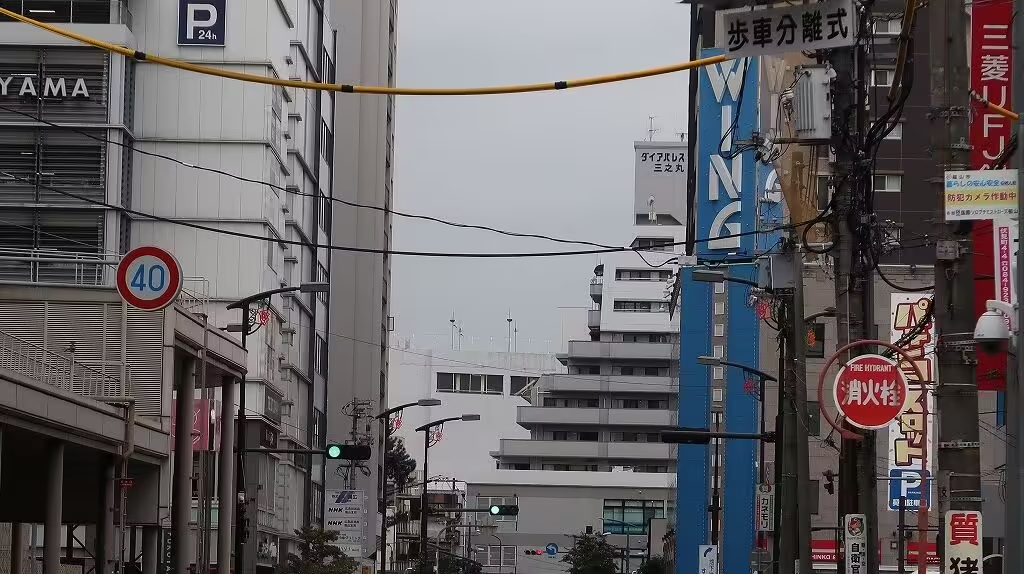
Hiroshima Prefecture
Hiroshima Prefecture is a large region in western Japan that includes both coastal cities and quieter inland areas. In the context of Yofukashi no Uta, it fits as a real-world setting for scenes that step away from Tokyo’s density, showing nighttime streets and local districts that feel calmer, slower, and more grounded in everyday regional life. The area has also appeared in other anime works like Ponyo that focus on regional cities and slower urban rhythms, making it a familiar setting for grounded, realistic portrayals of Japan.
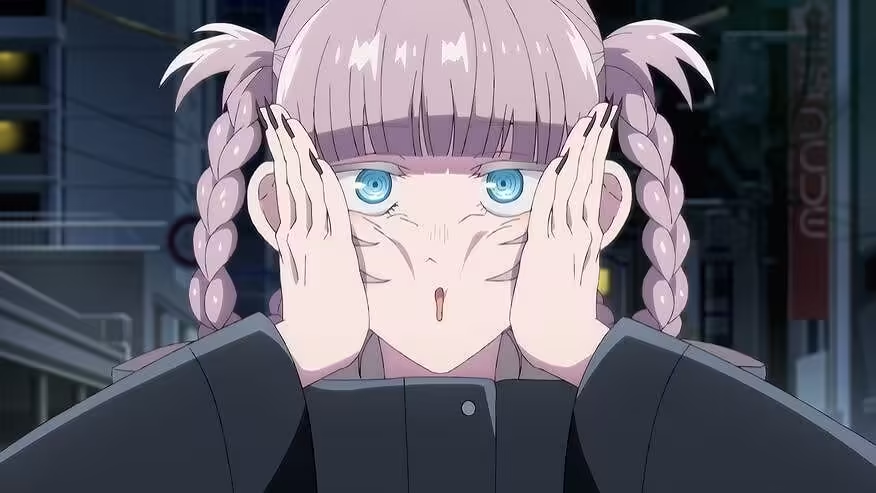
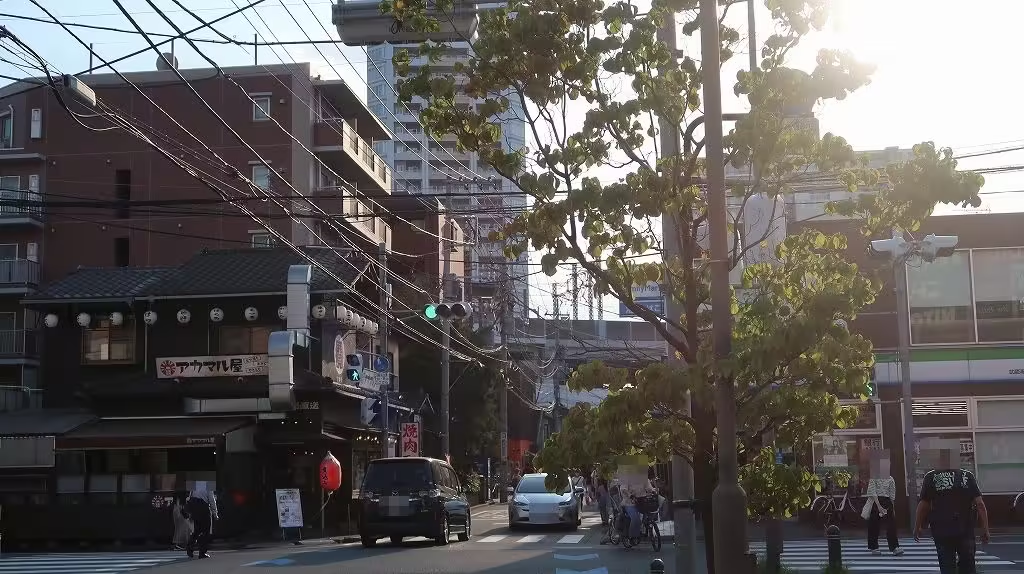
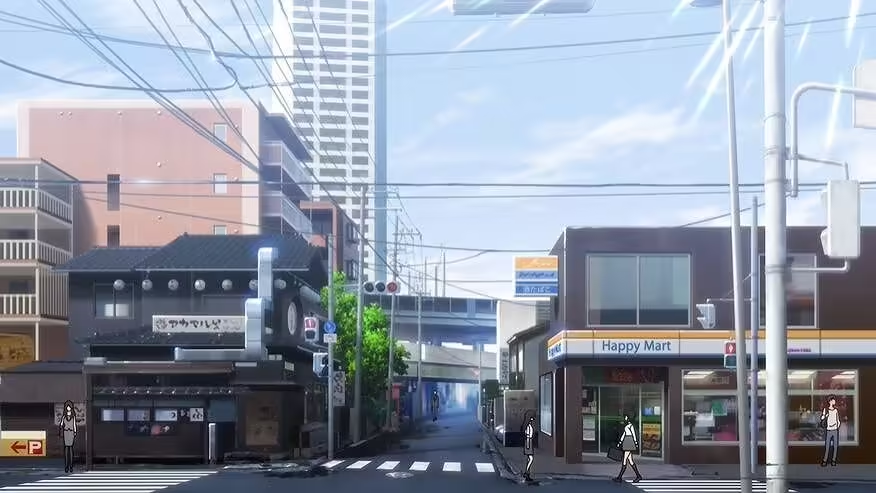
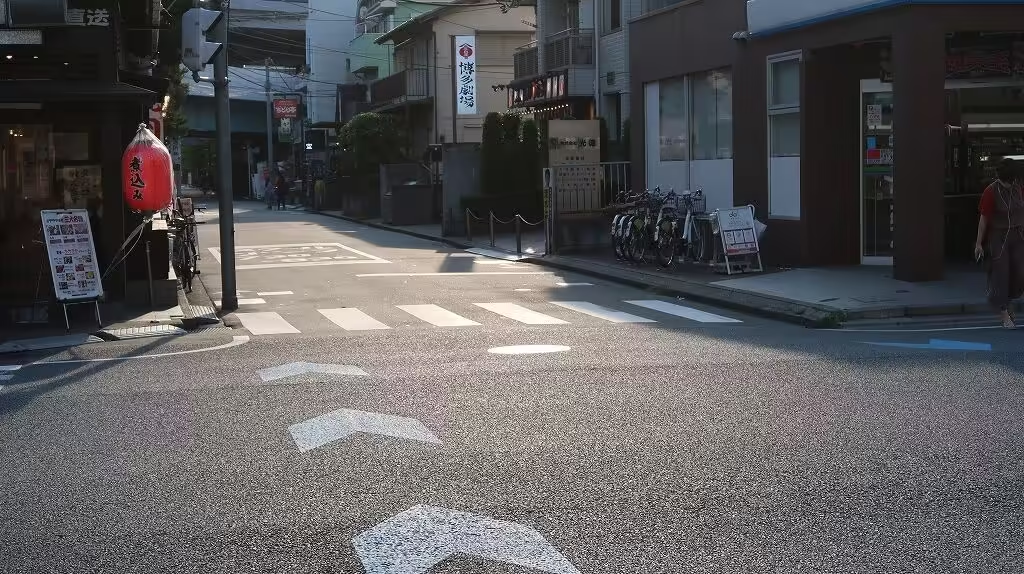
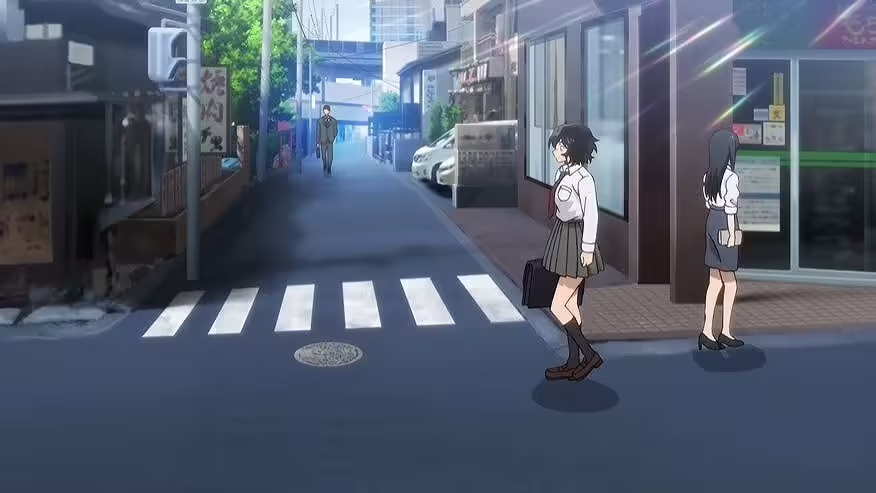
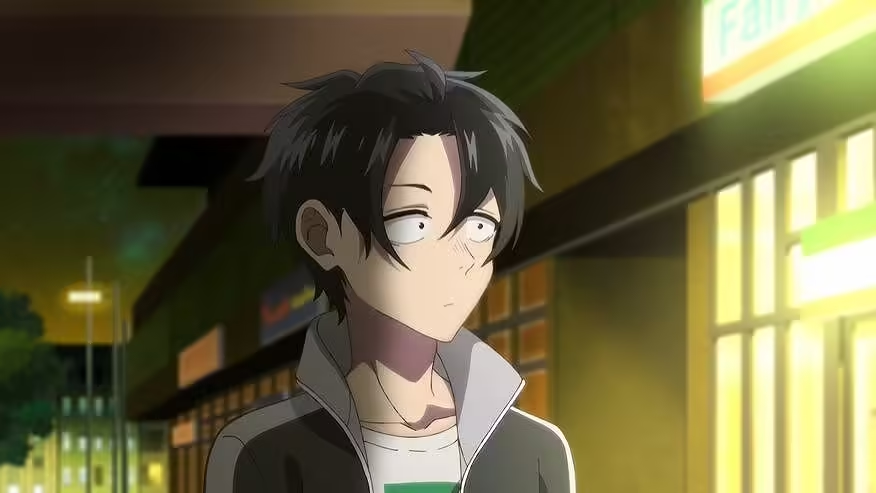
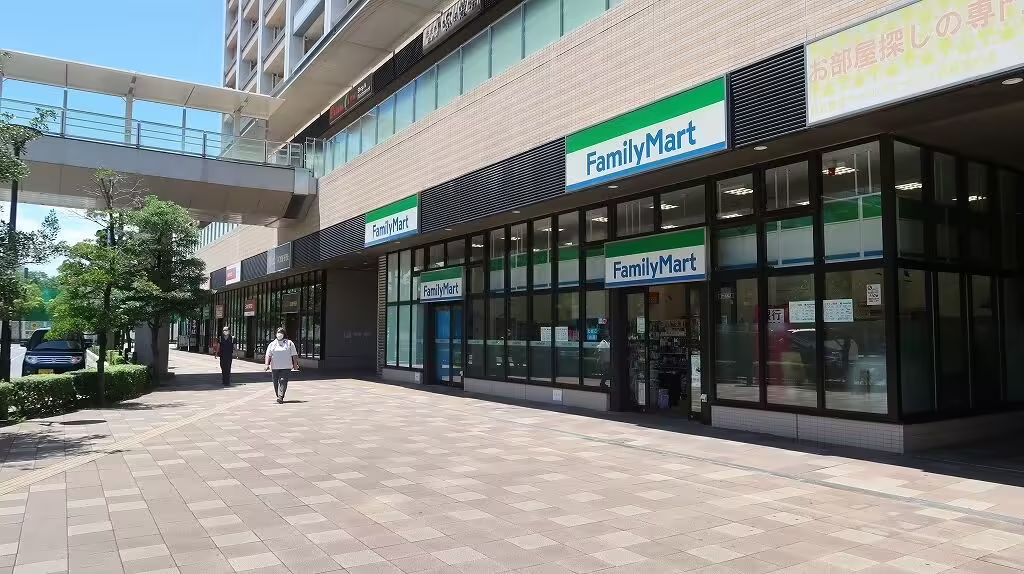
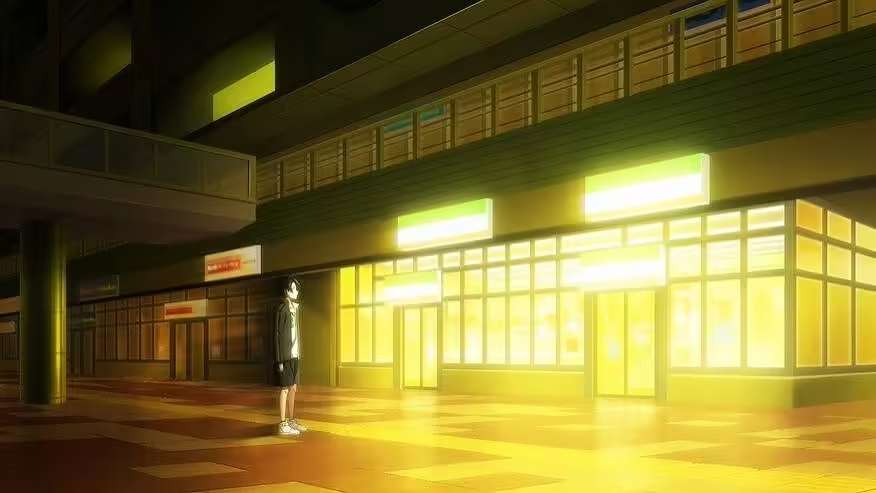
In front of FamilyMart Musashi-Urawa Station East Store
Convenience stores like this FamilyMart are central visual anchors in Yofukashi no Uta. Their bright interiors contrast sharply with dark streets, symbolizing safety, routine, and the persistence of everyday life during sleepless nights.
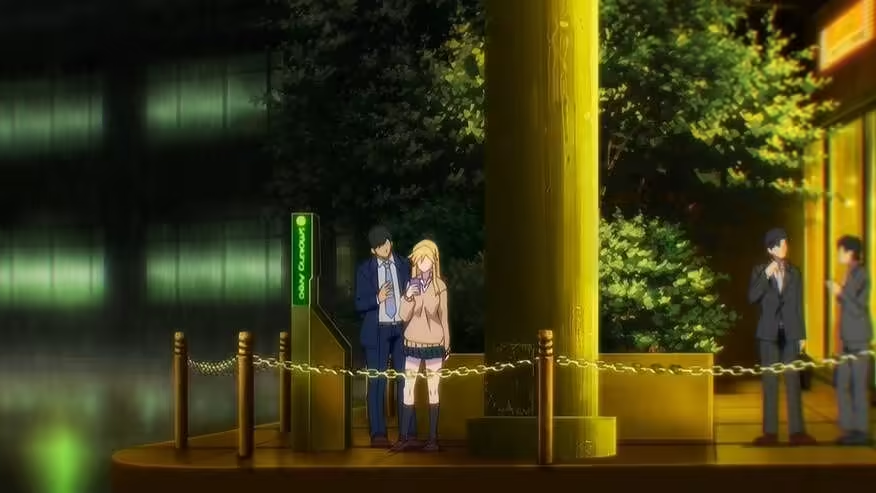
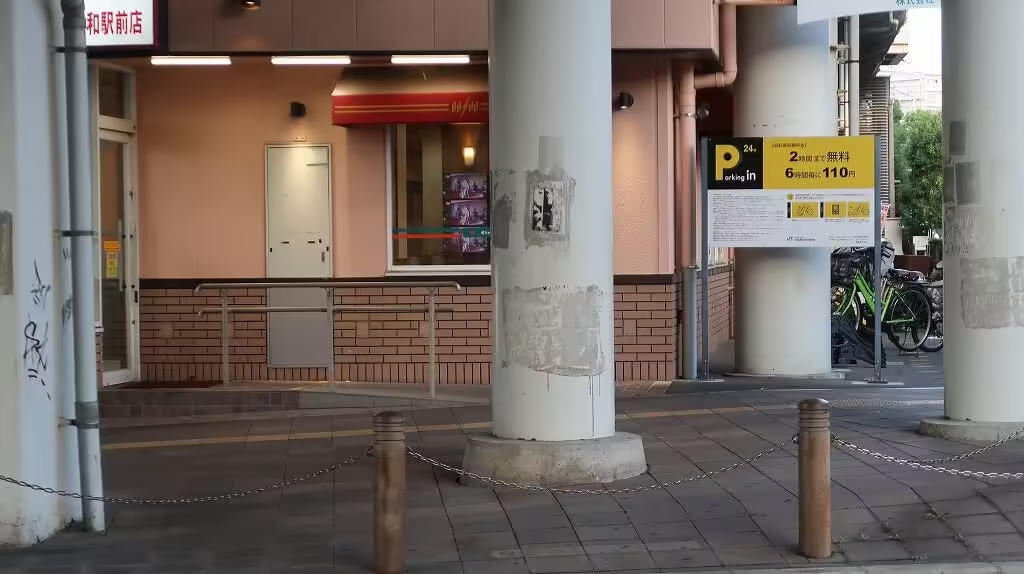
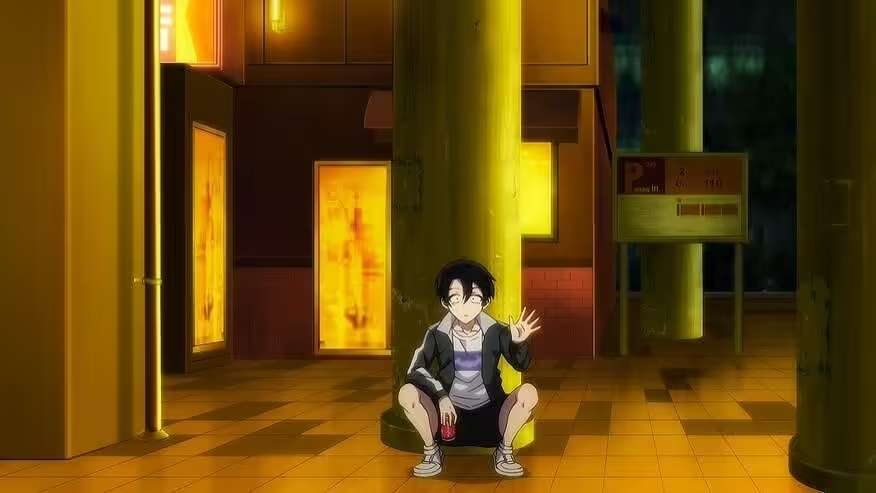
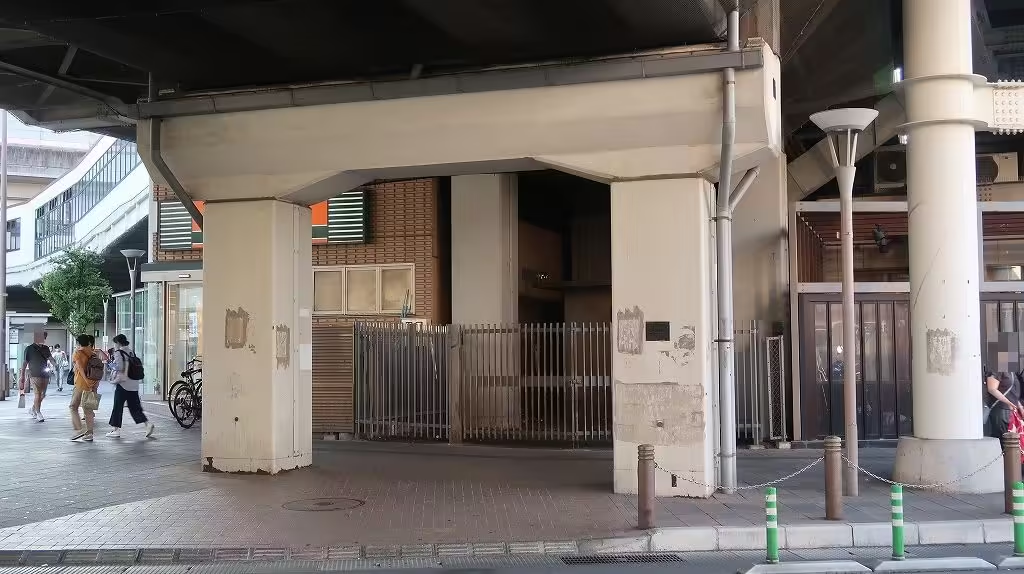
Gyoza no Ohsho Musashi-Urawa Station store
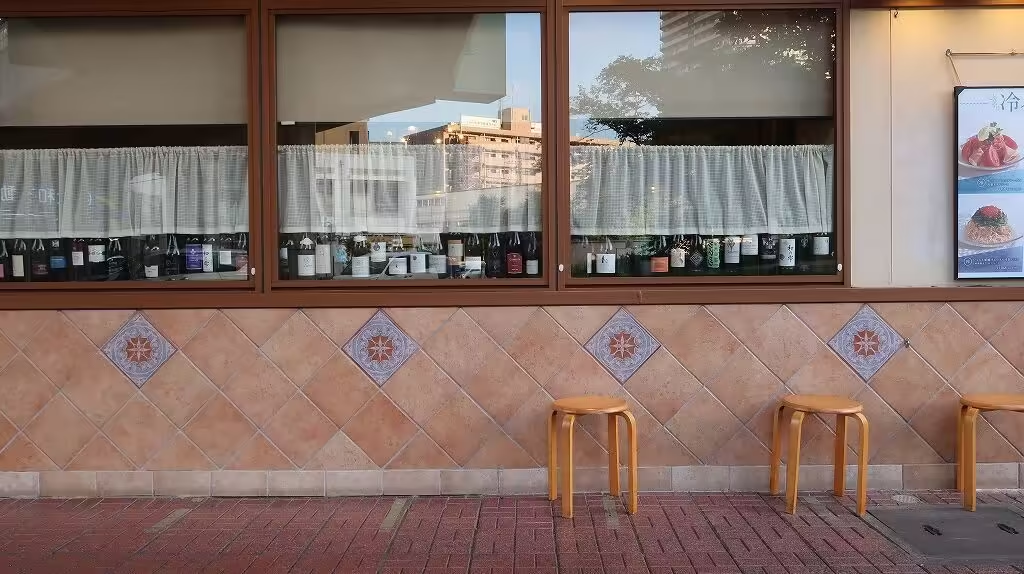
This late-opening restaurant sits within the everyday food landscape of Japanese cities. Such casual dining spots appear frequently in anime as transitional spaces, reinforcing Call of the Night’s emphasis on ordinary nighttime activity rather than dramatic nightlife.
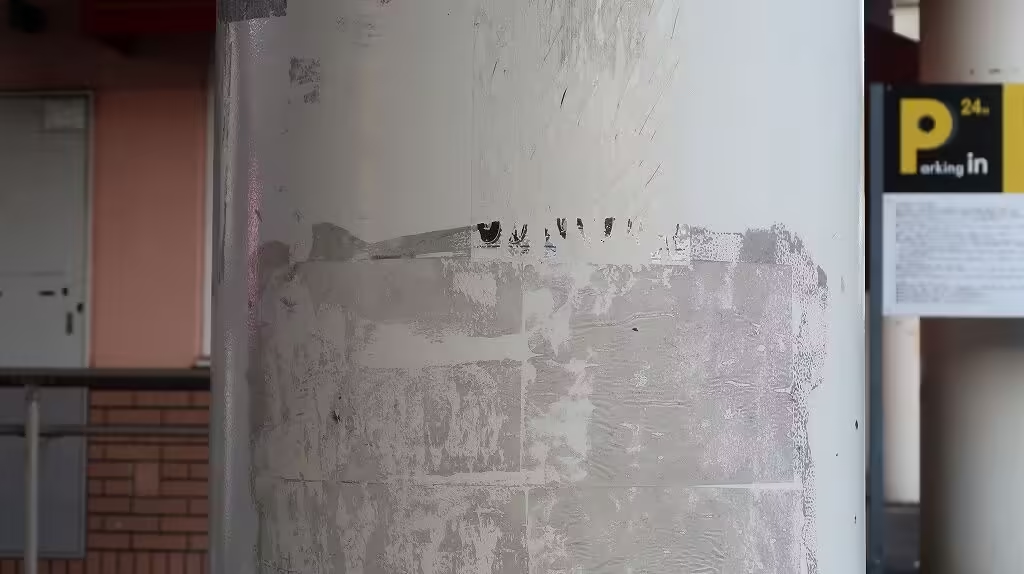
In front of Gyoza no Ohsho Musashi-Urawa Station store
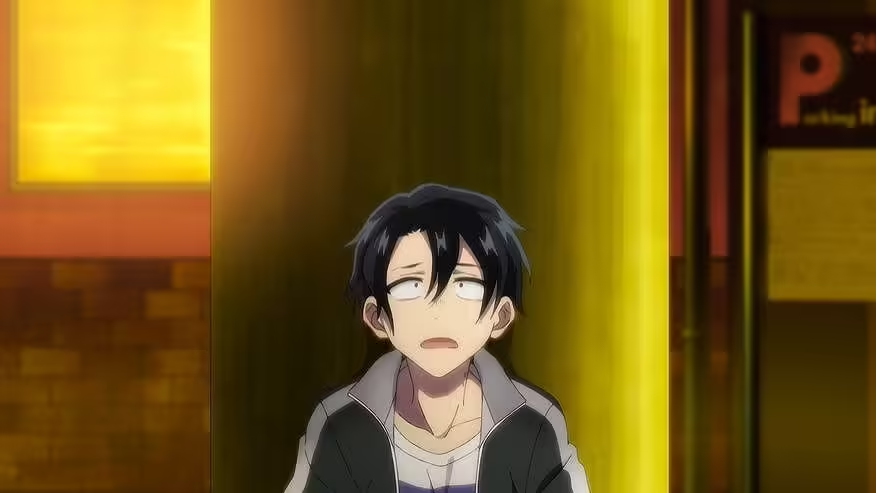
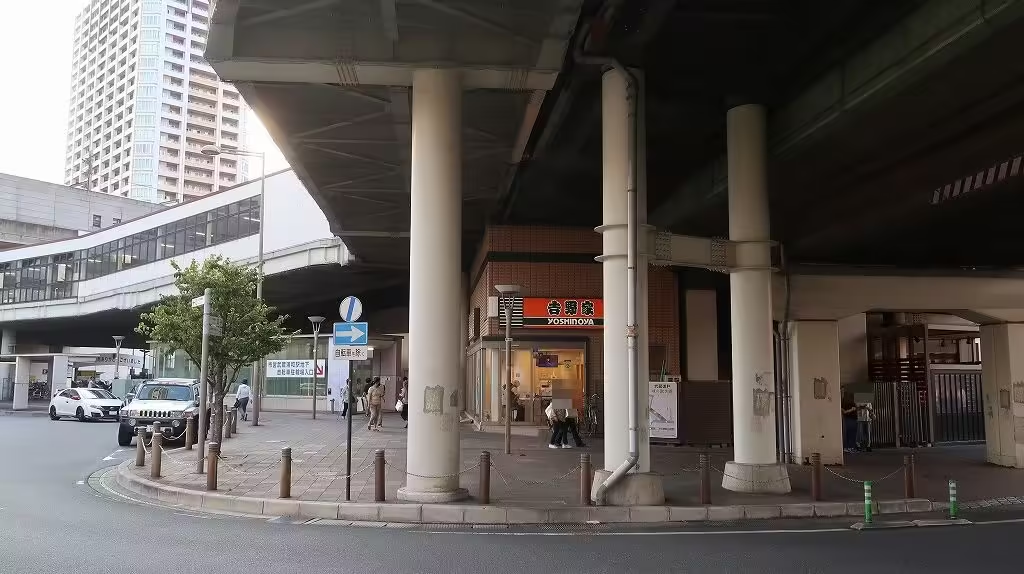
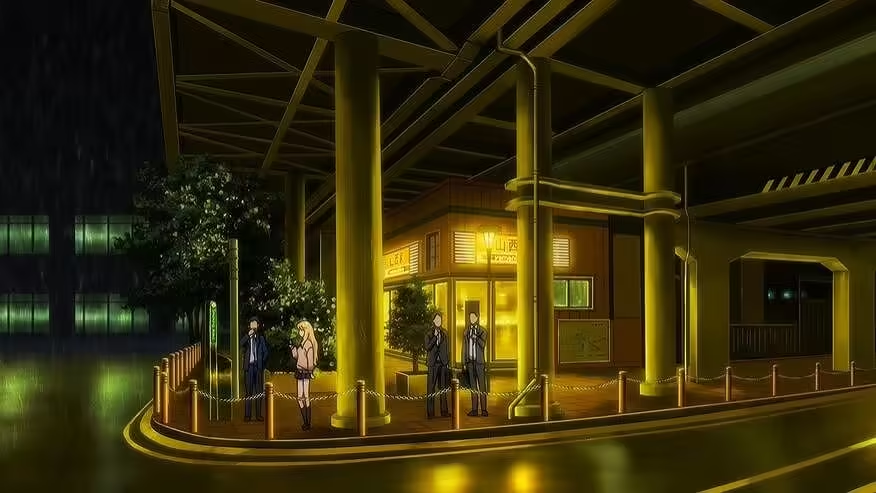
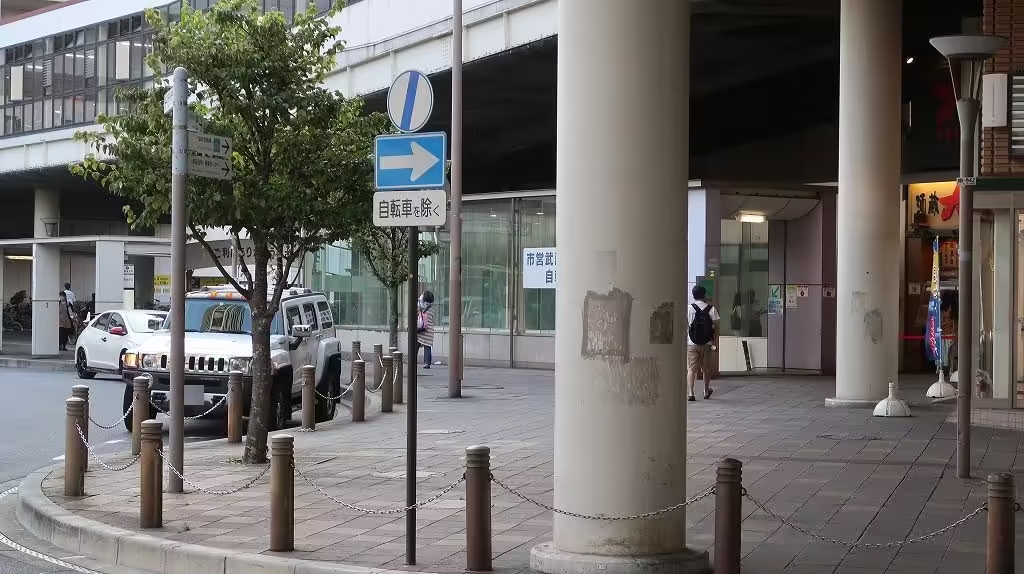
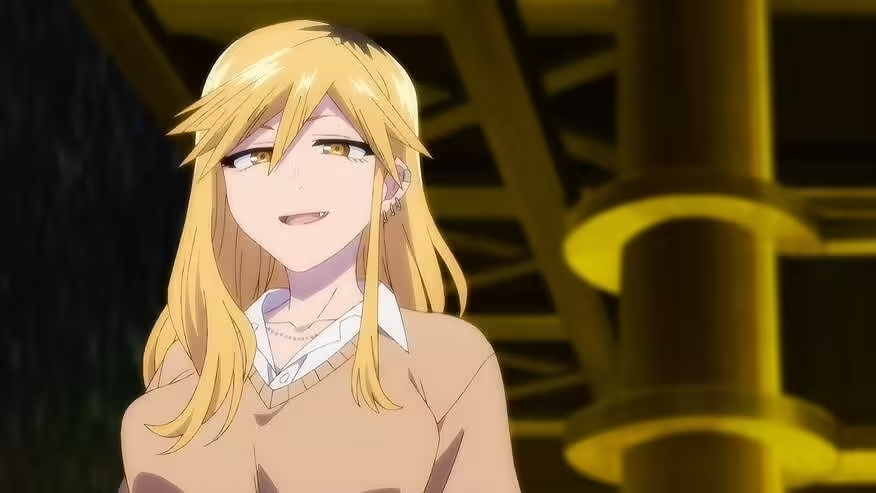
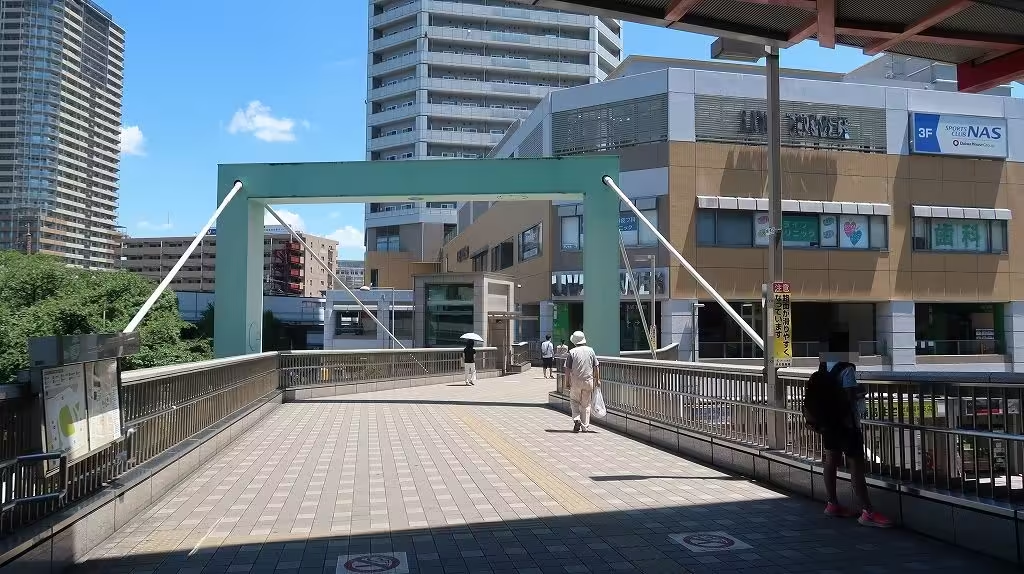
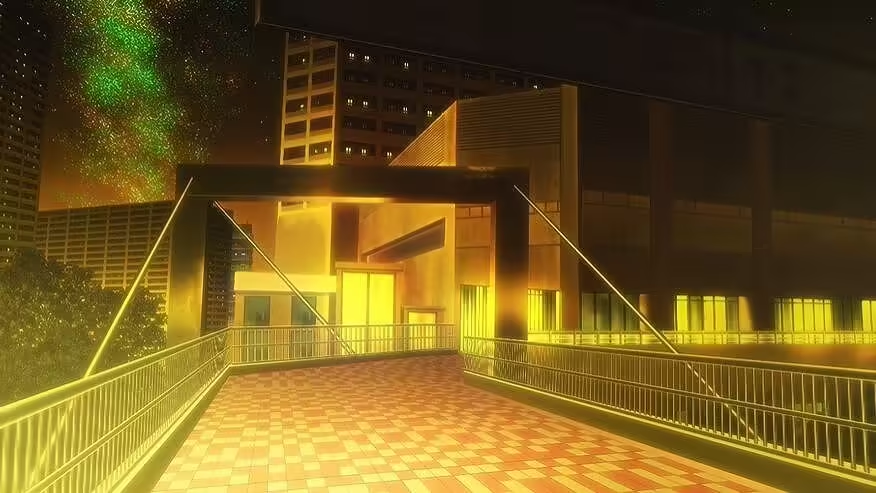
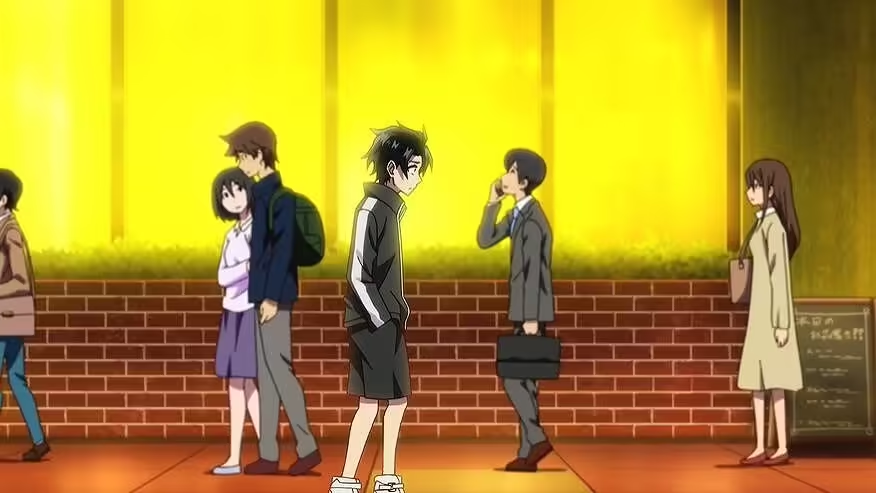
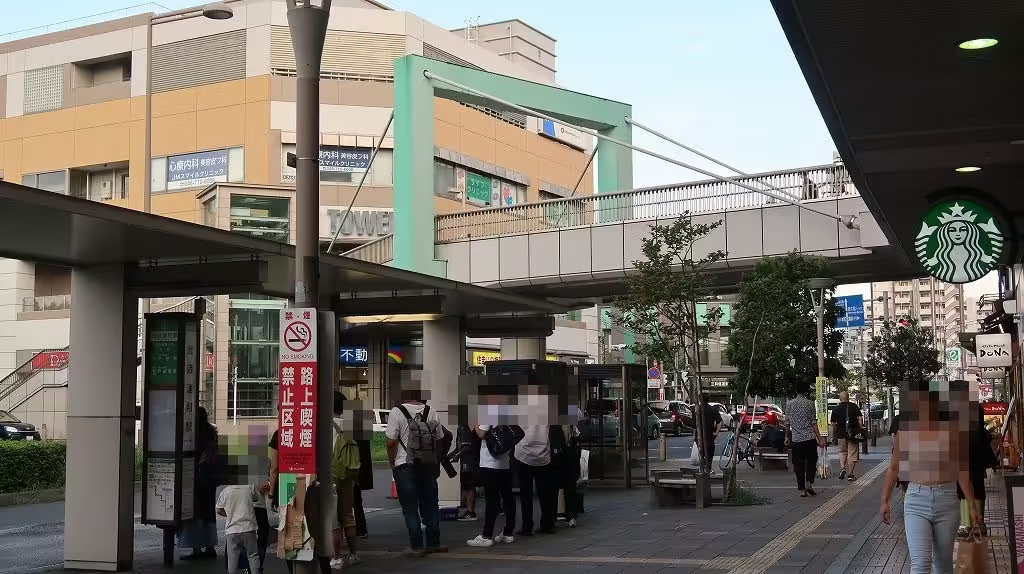
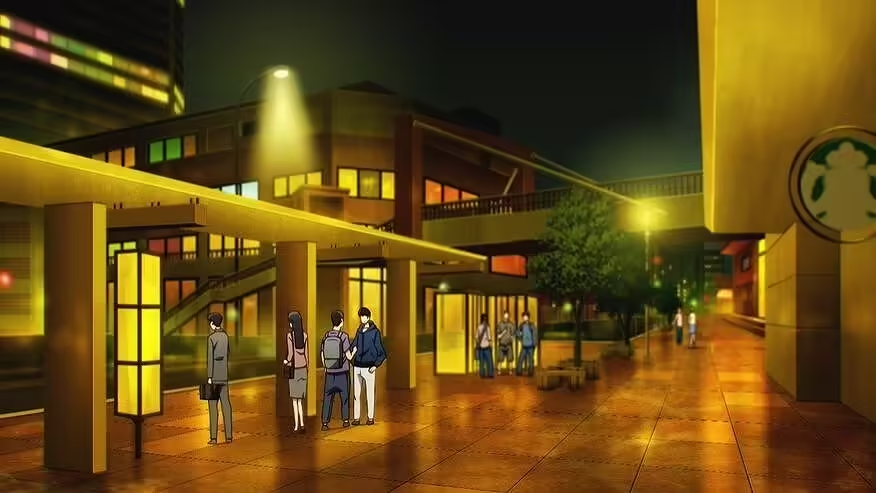
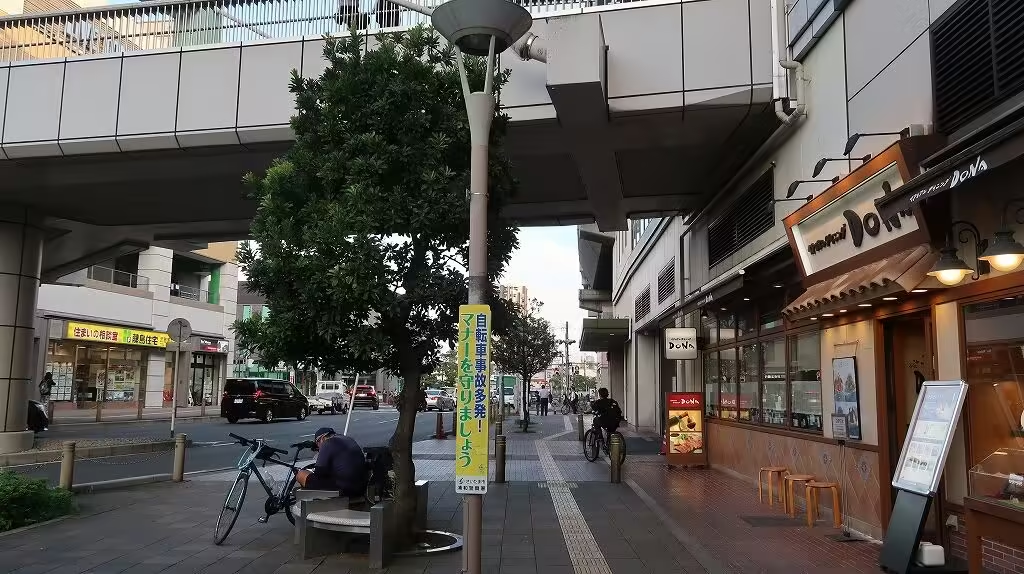
Musashi-Urawa Station East Exit
Musashi-Urawa Station East Exit Address
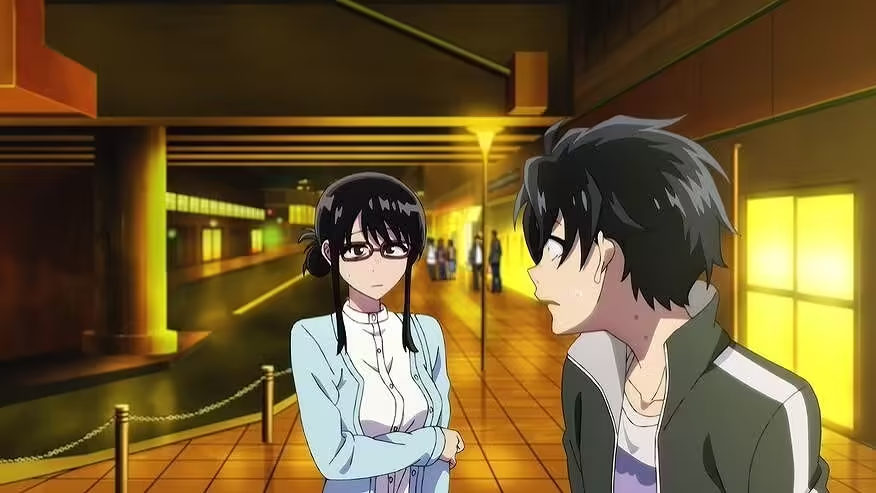
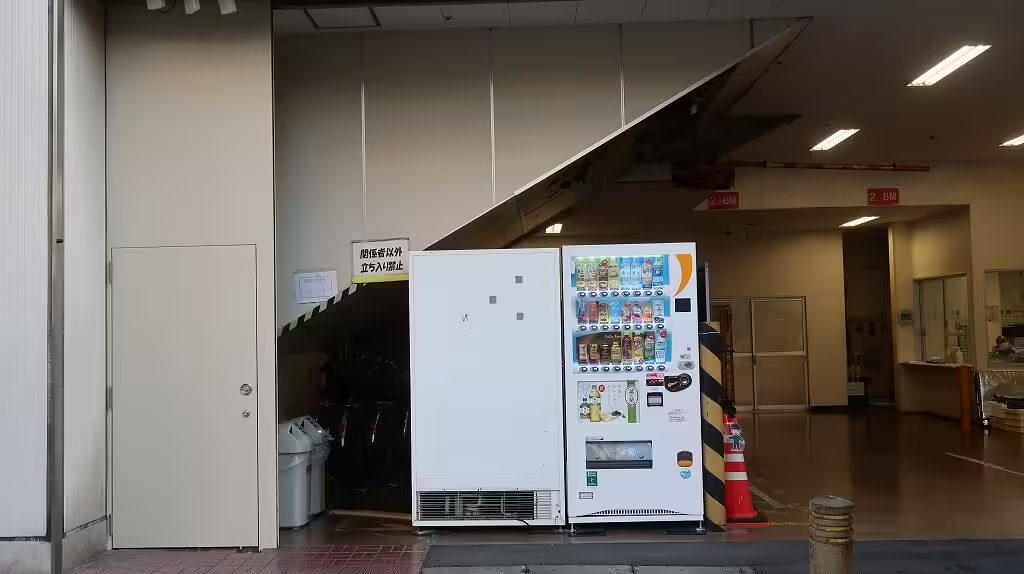
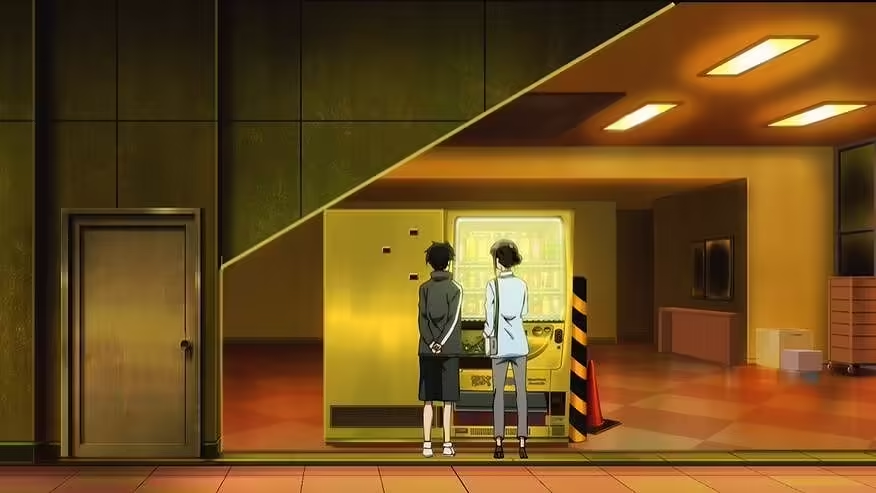
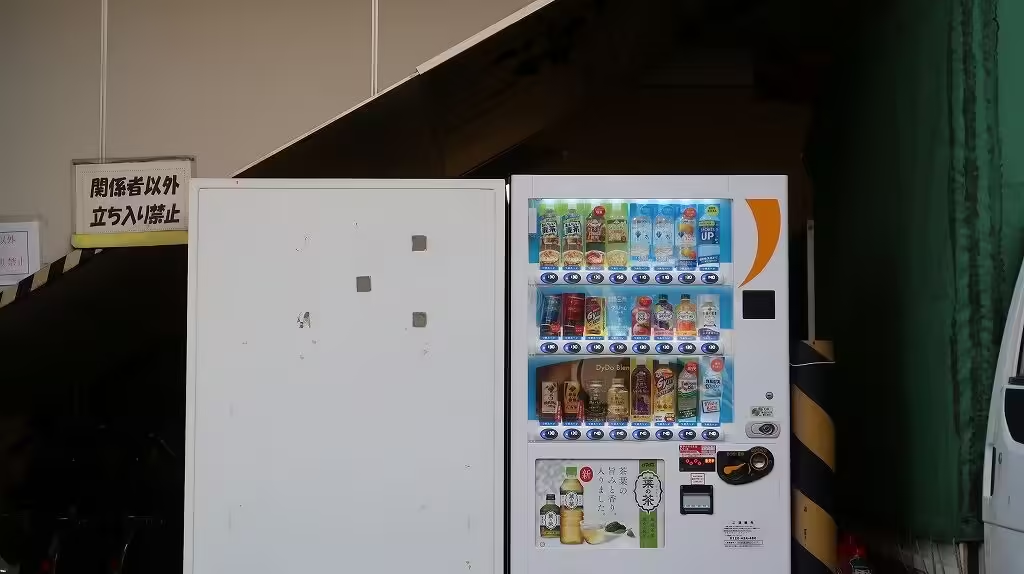
The east exit of Musashi-Urawa Station leads into quieter commercial and residential zones. After the last trains, the area empties significantly, closely reflecting the post-midnight urban emptiness depicted in Yofukashi no Uta Tokyo locations.
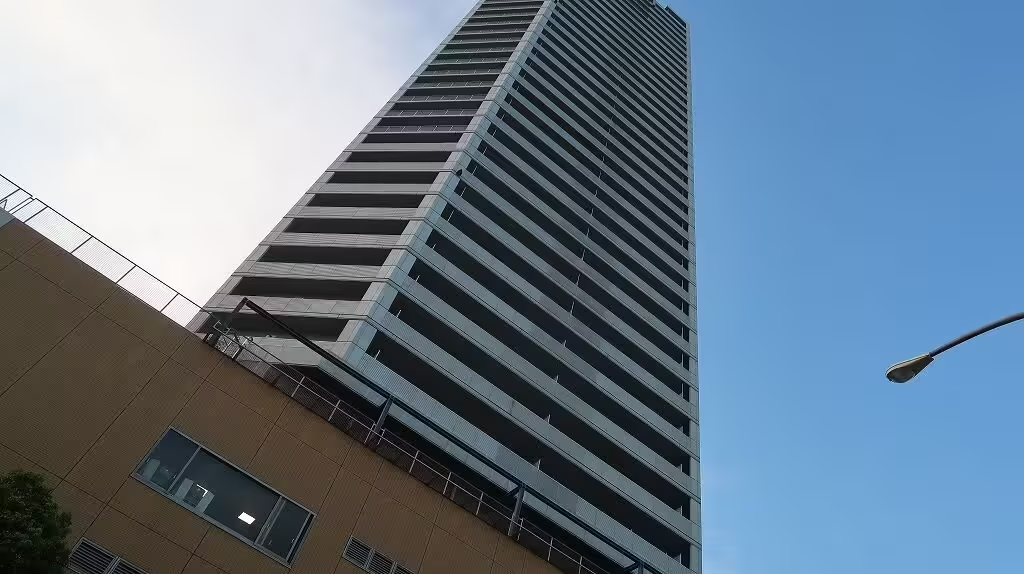
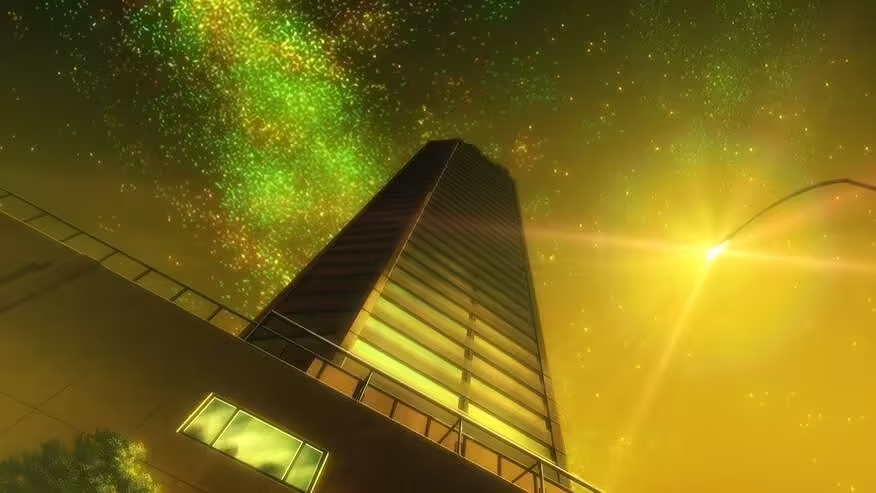
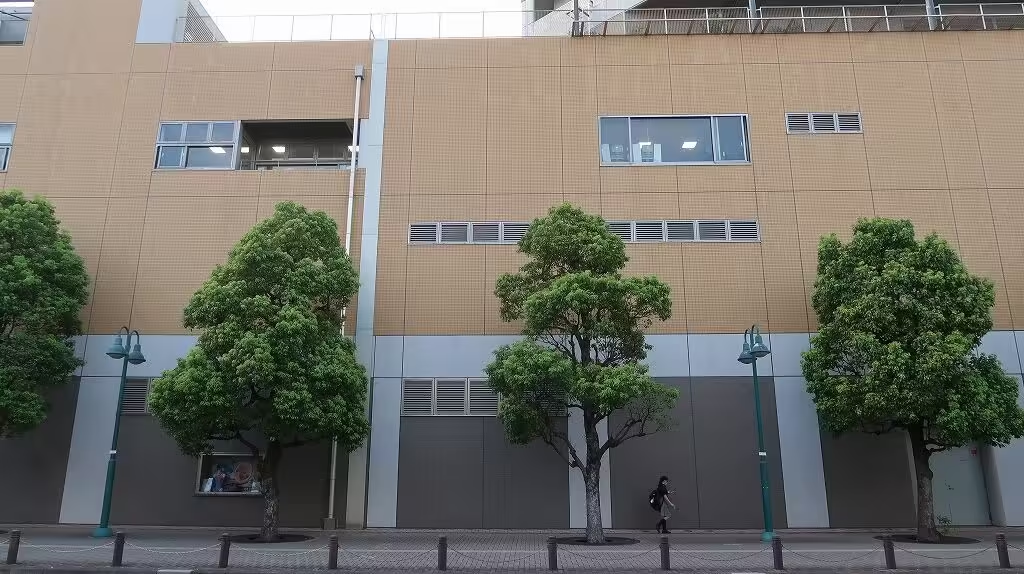
Shomidori Hospital
Hospitals are among the few facilities that remain visibly active at night. Shomidori Hospital’s exterior lighting and quiet surroundings echo the anime’s recurring visual theme of isolated buildings standing awake while the city sleeps.
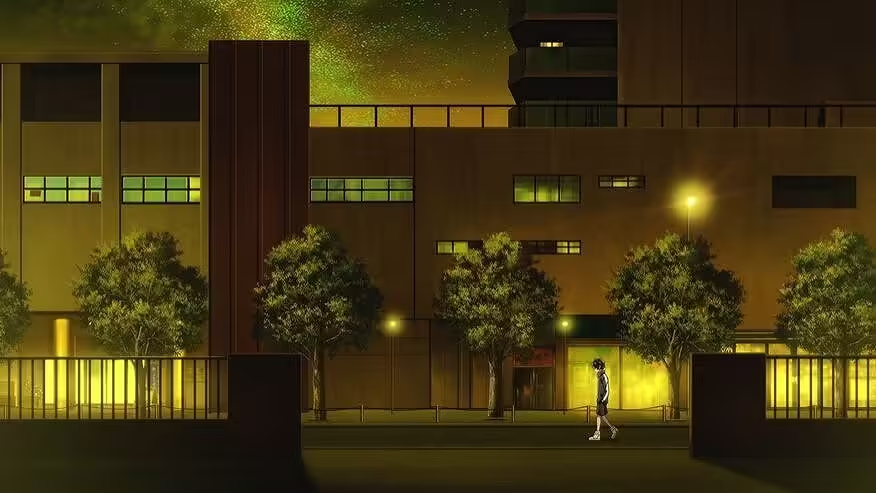
Near the south exit of Musashi-Urawa Station
Musashi-Urawa Station South Exit Address
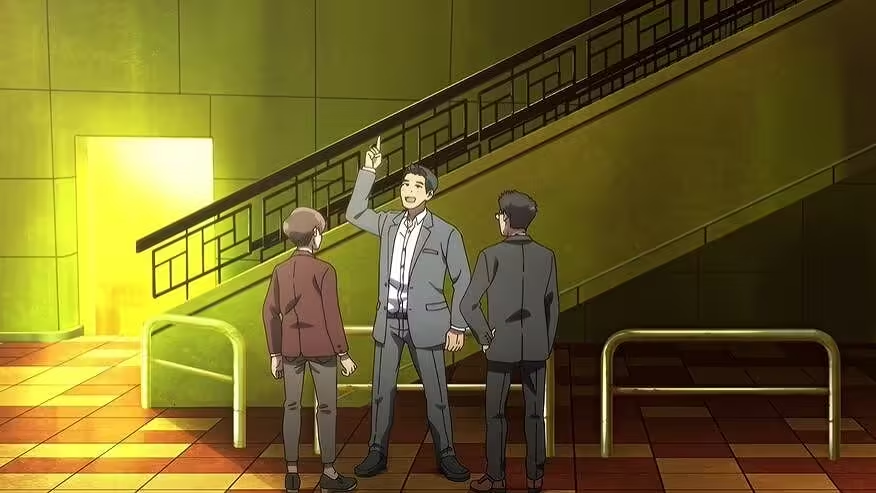
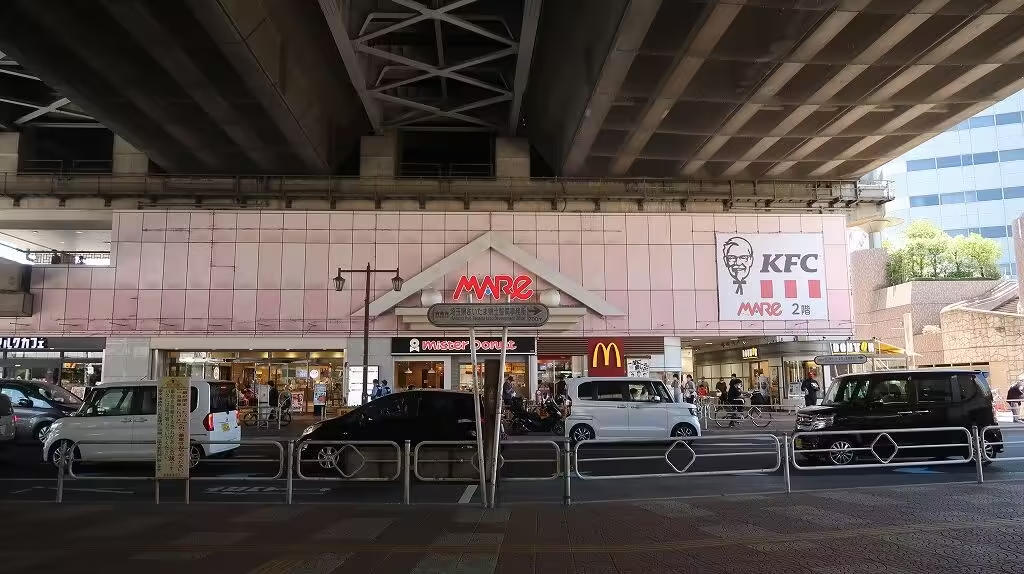
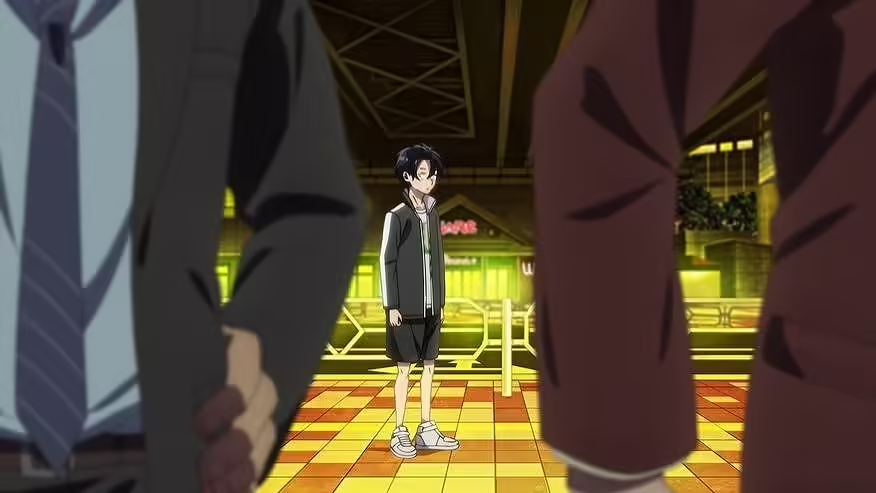
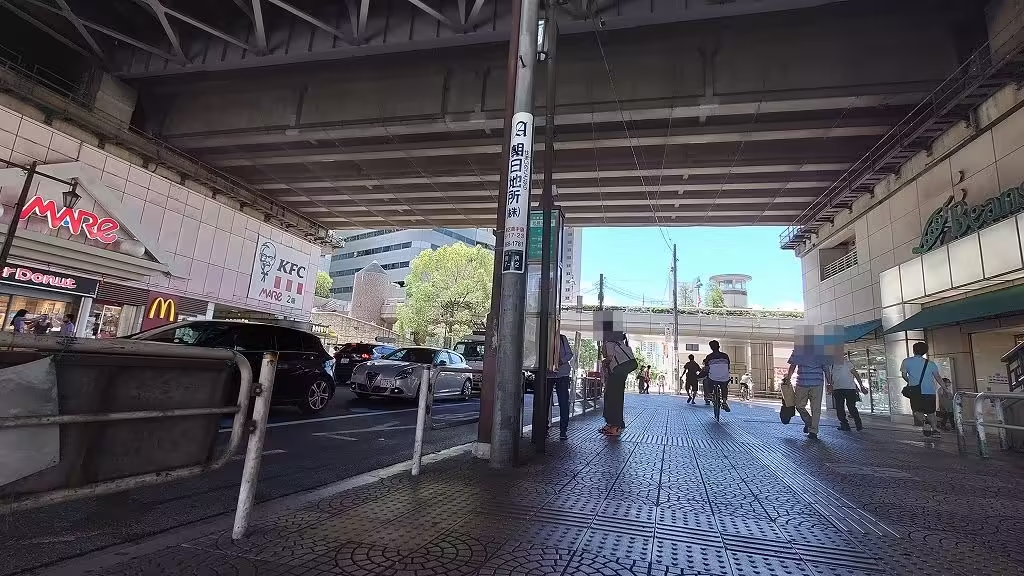
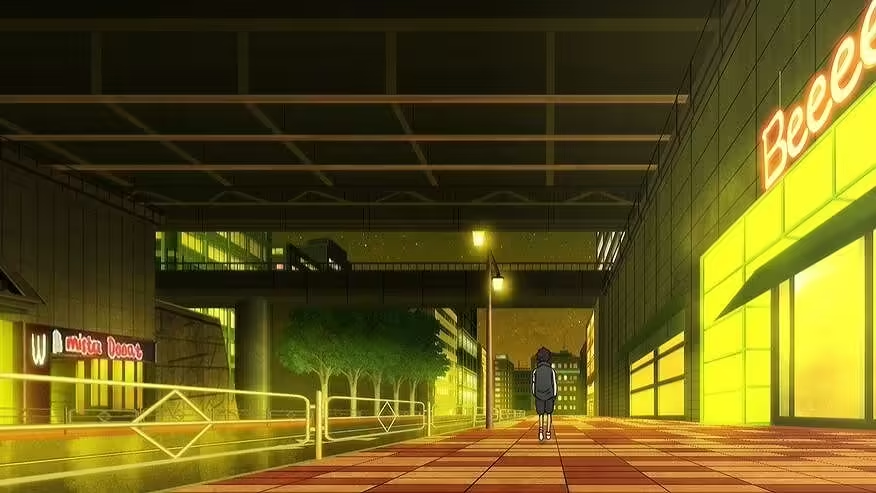
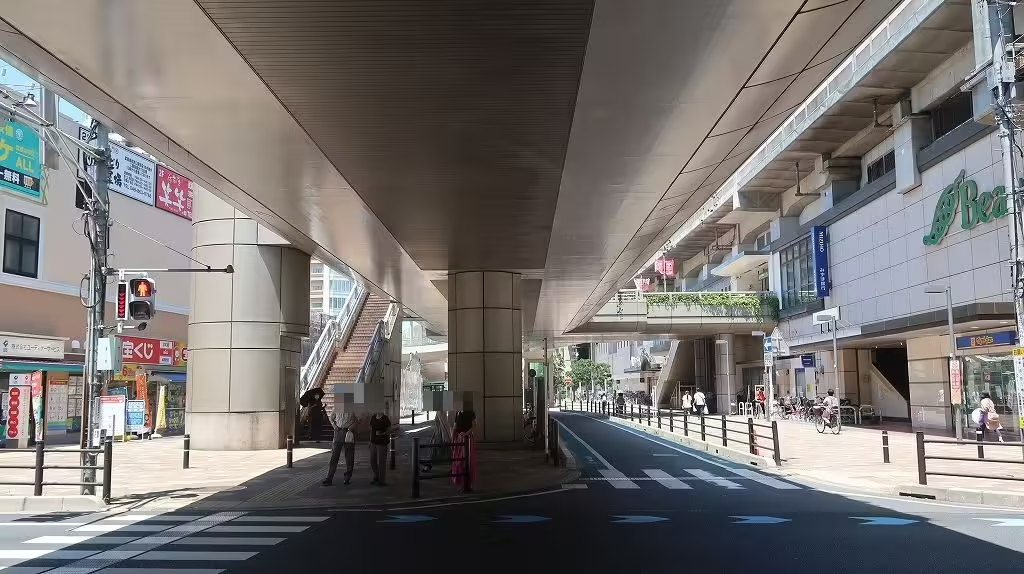
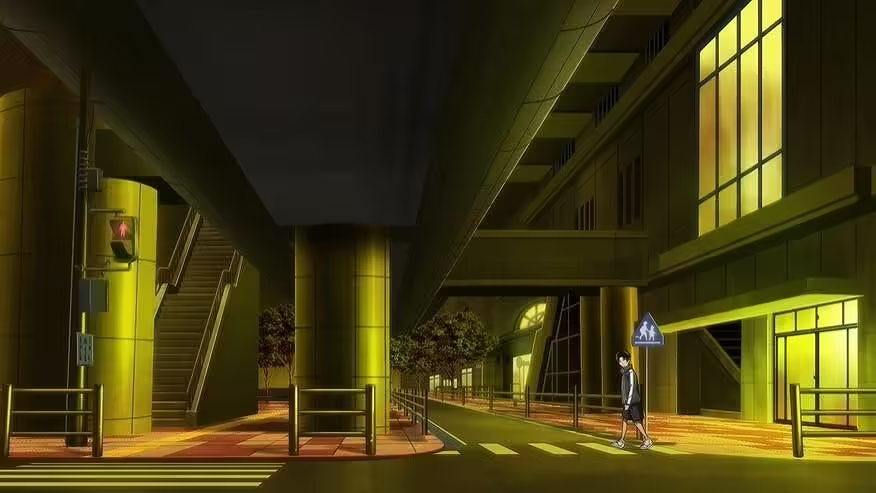
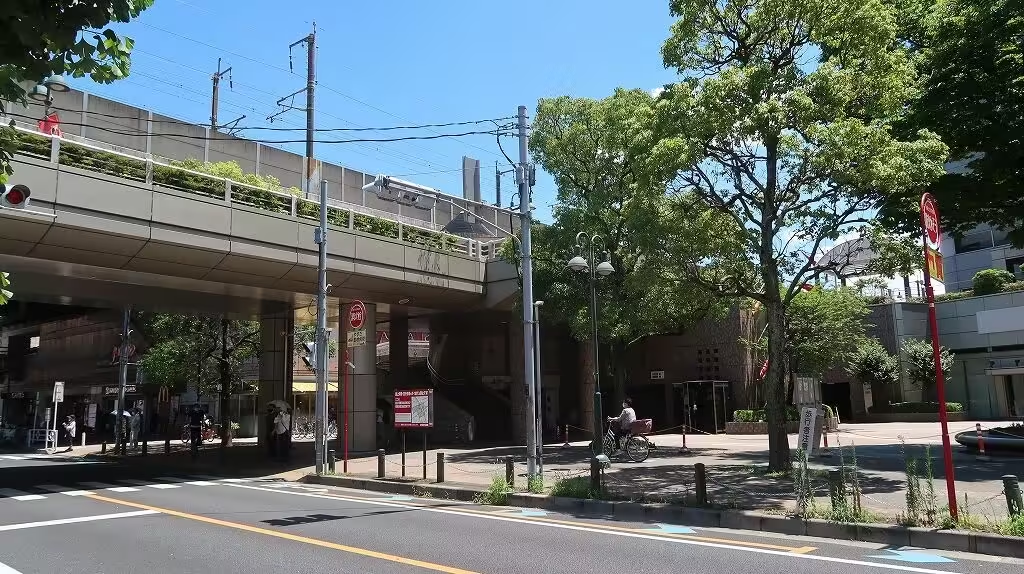
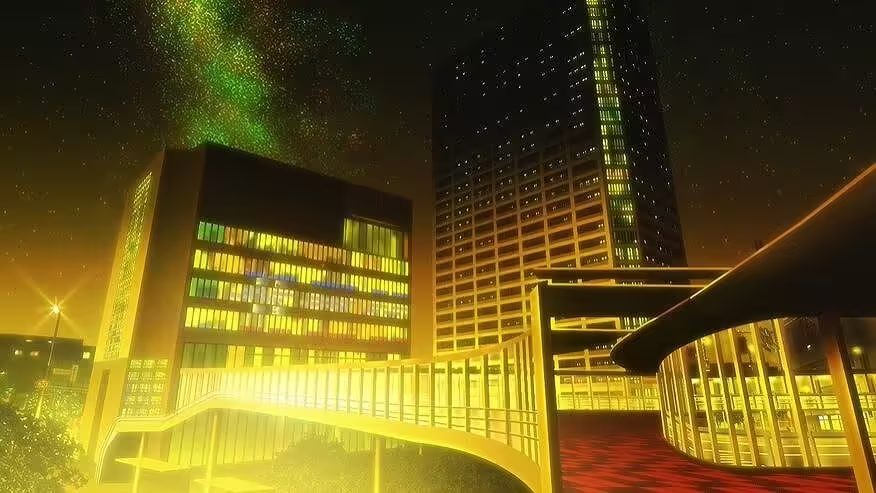
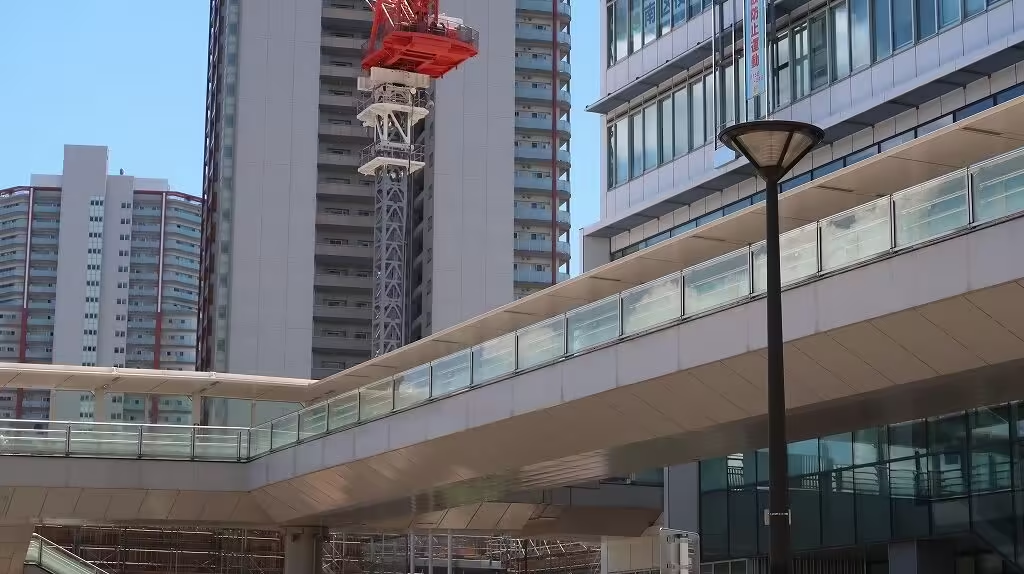
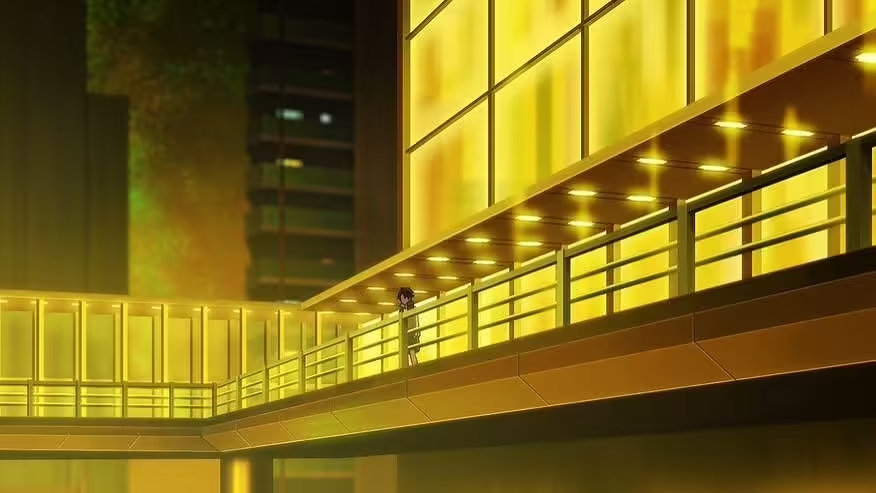
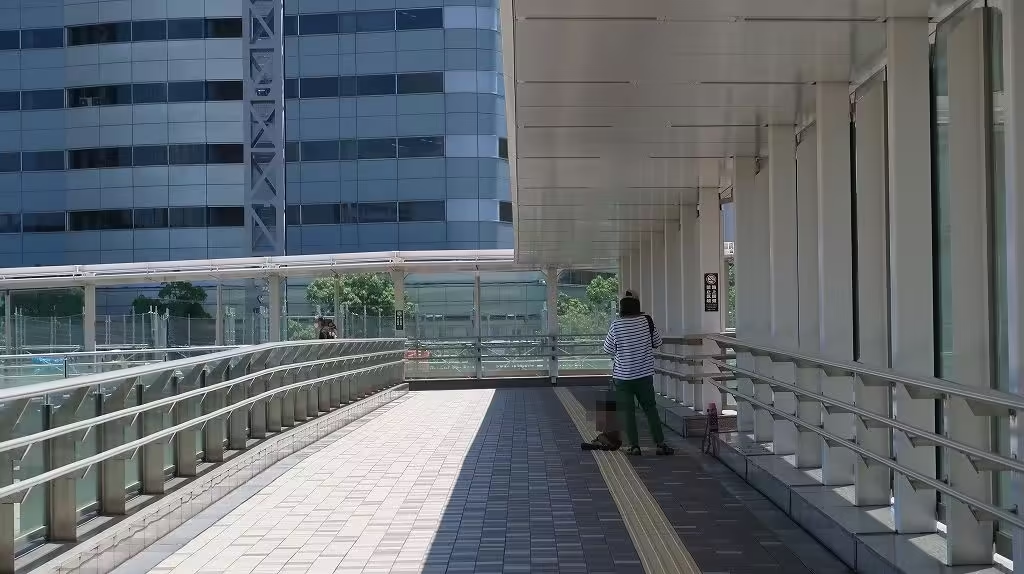
This area blends pedestrian walkways, small shops, and residential access points. The mix of light and shadow mirrors the kind of realistic city transitions commonly portrayed in Yofukashi no Uta, especially during wandering scenes.
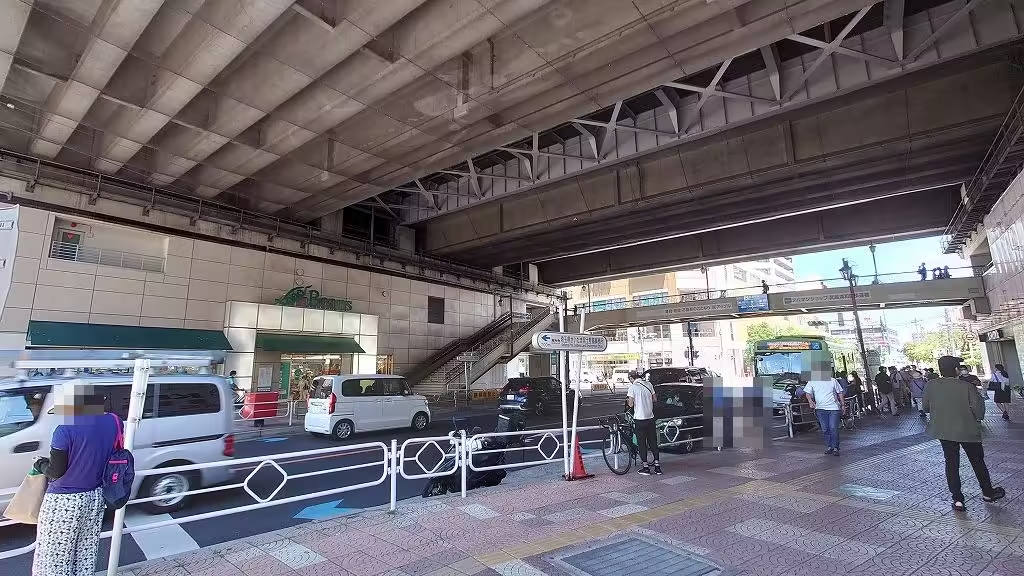
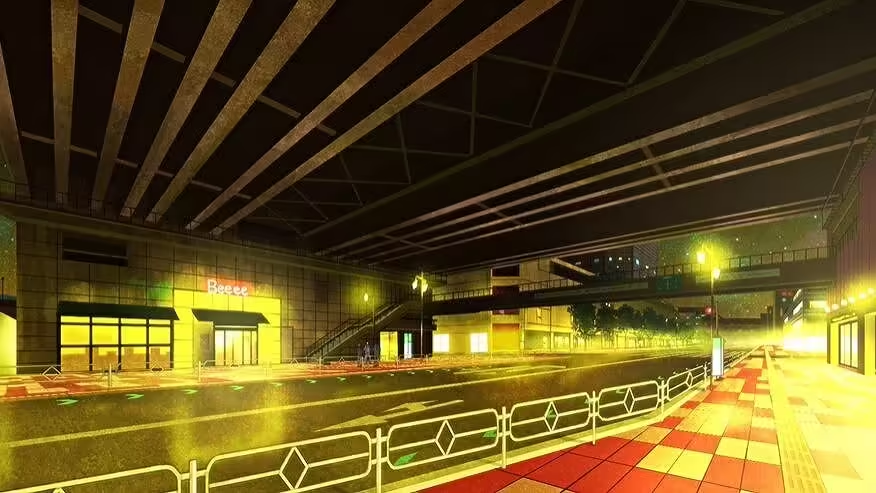
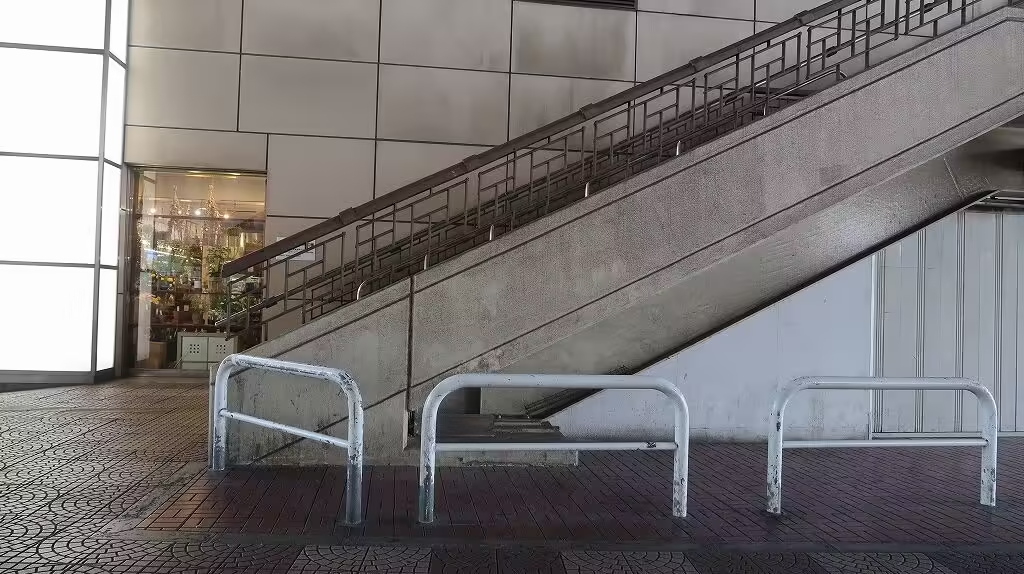
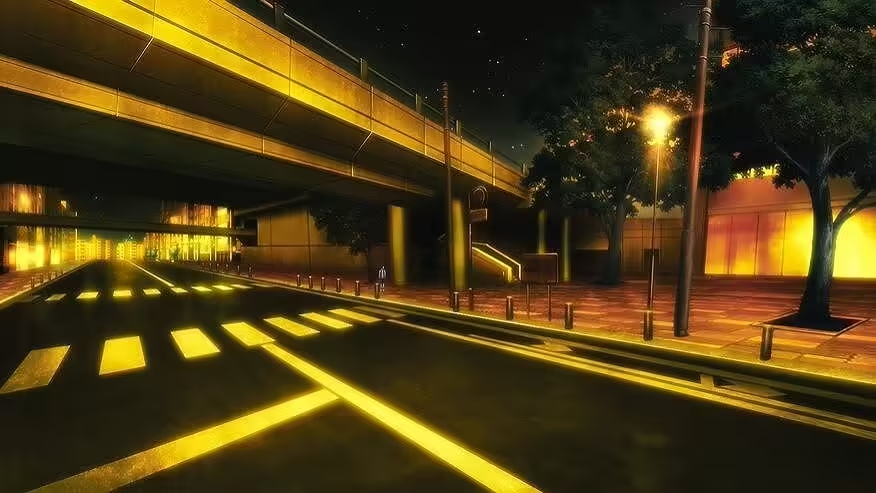
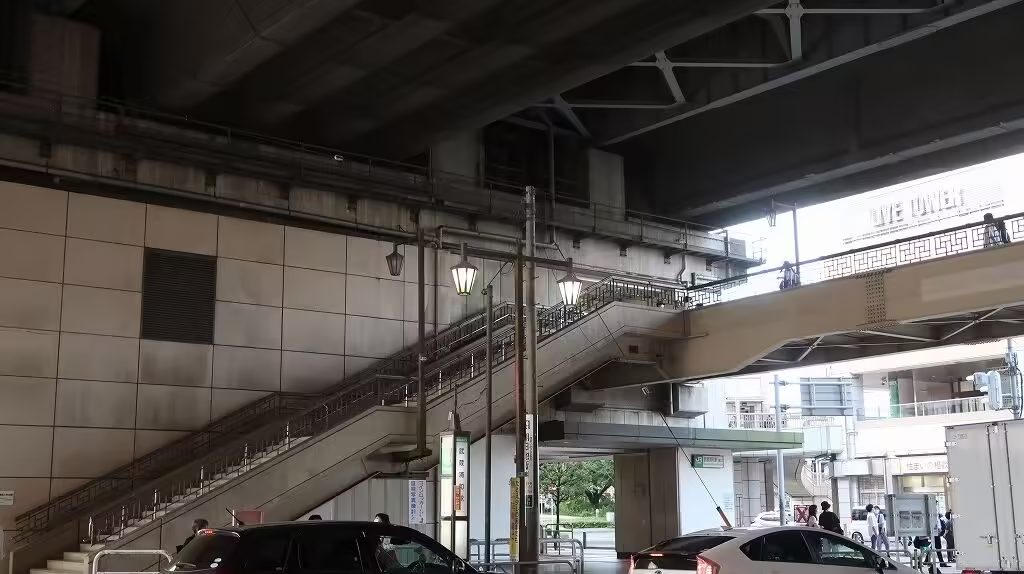
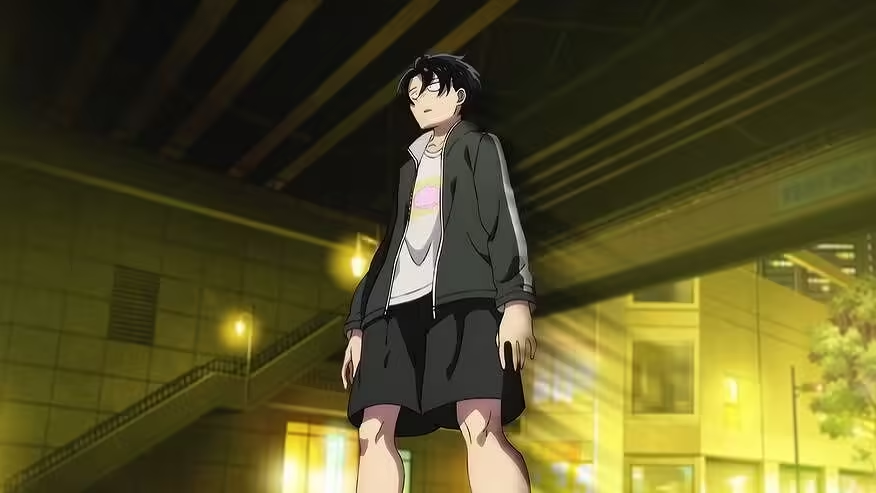
Musashi-Urawa Station Branch
Musashi-Urawa Station Branch Address
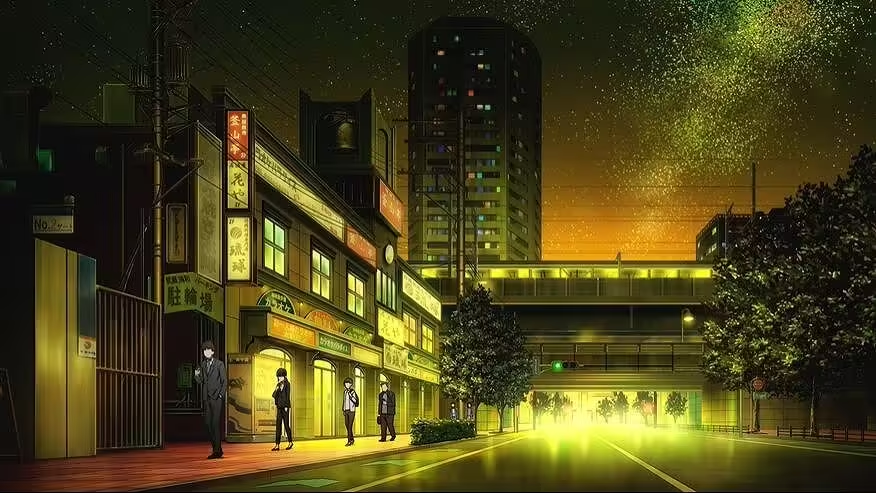
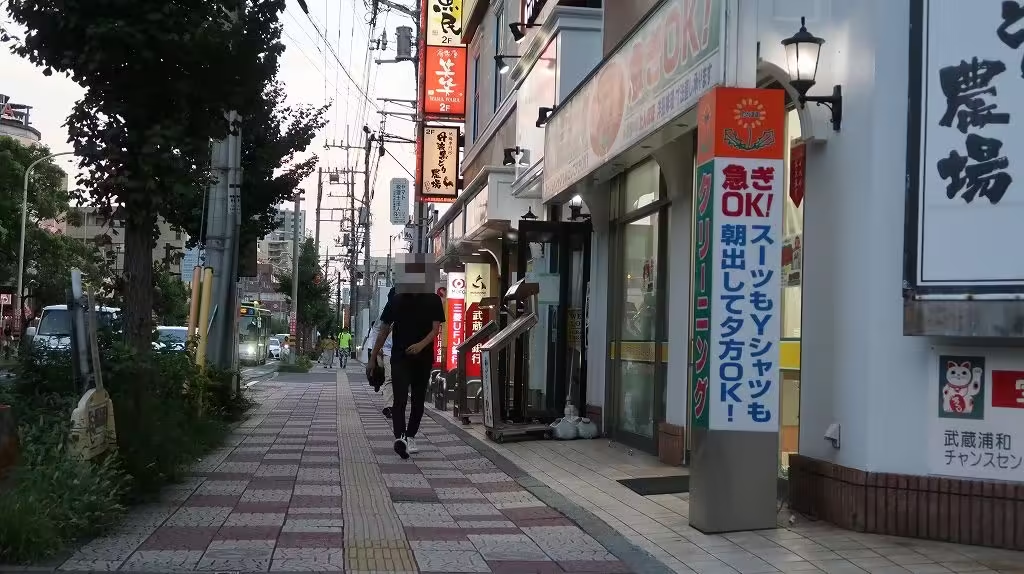
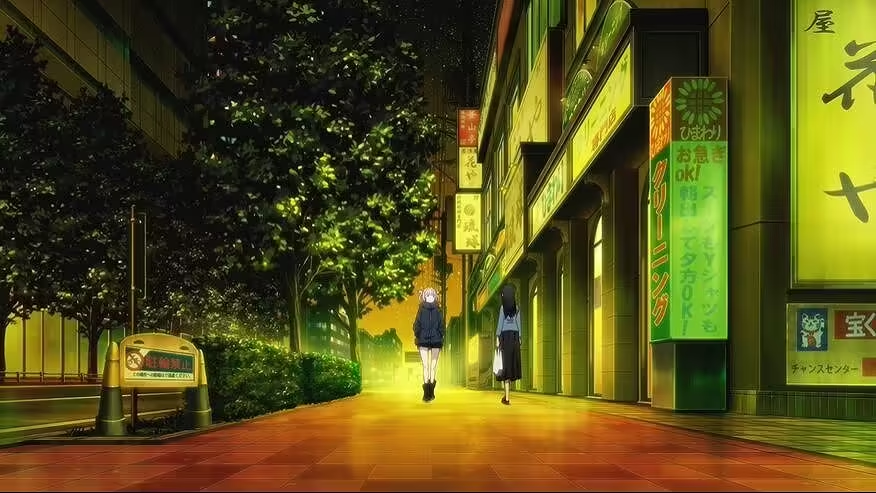
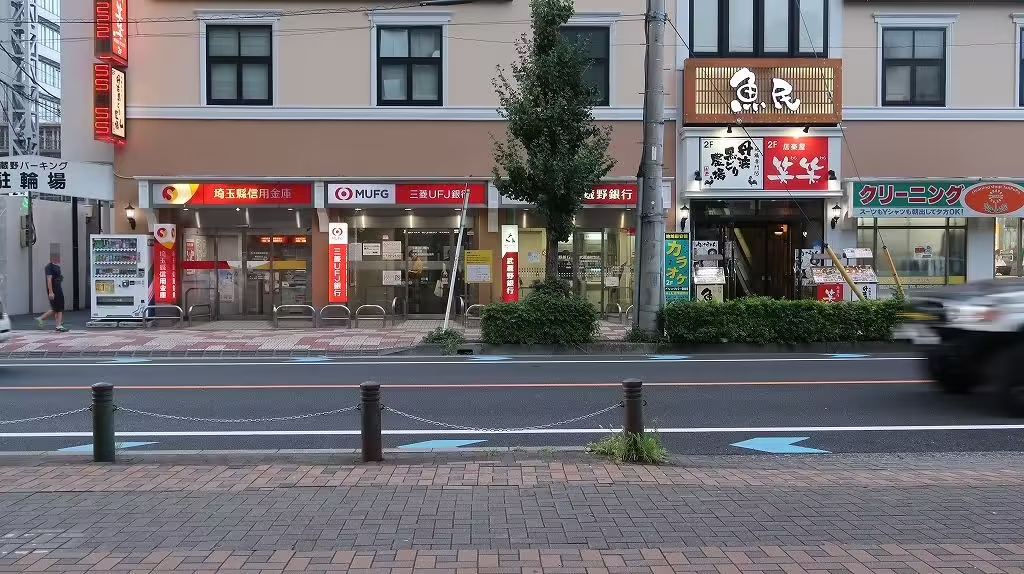
The station branch area functions as a connective zone rather than a destination. Such in-between spaces are central to the anime’s pacing, where movement itself often carries more meaning than arrival.
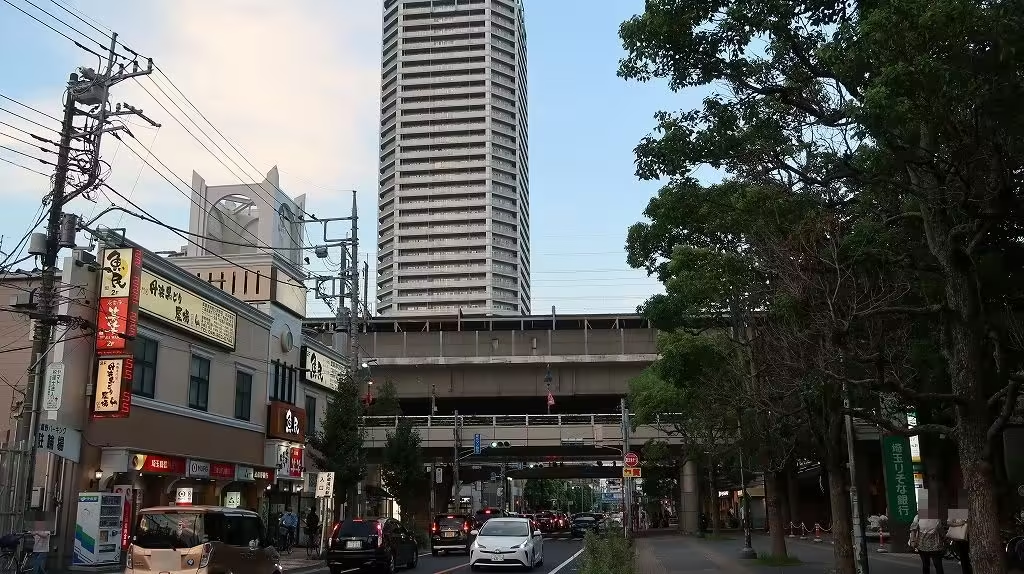
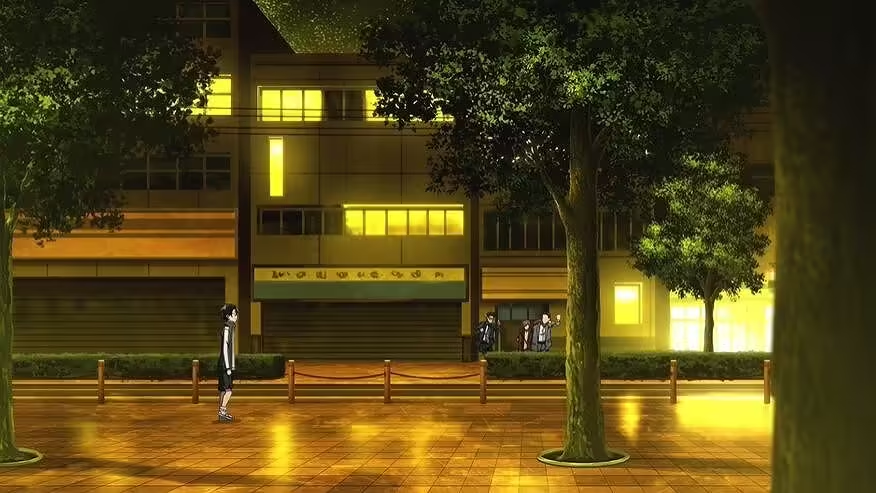
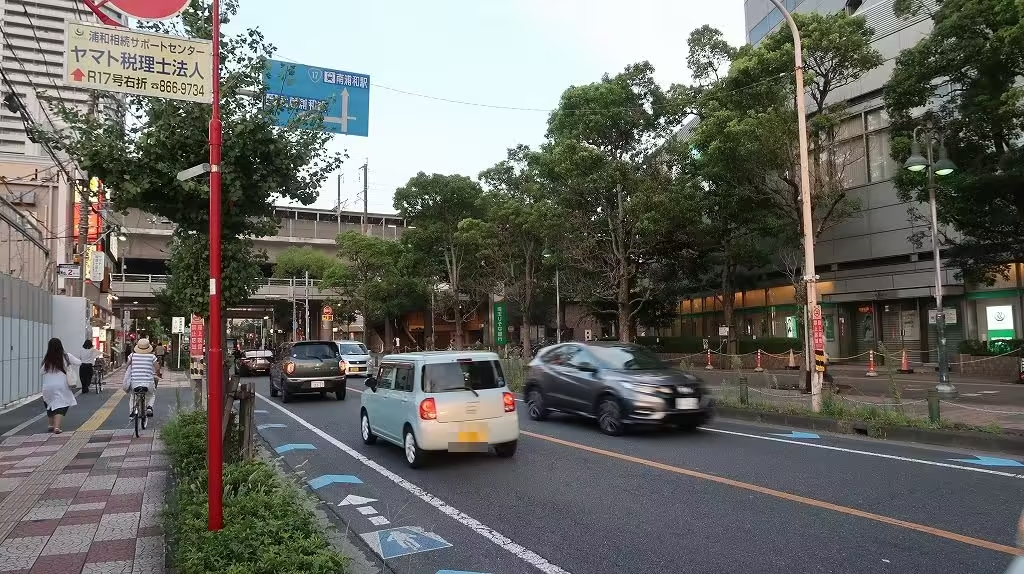
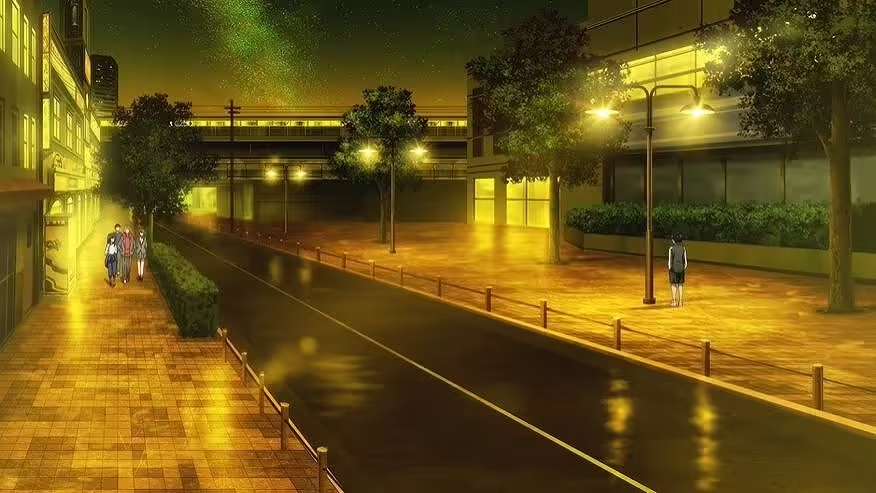
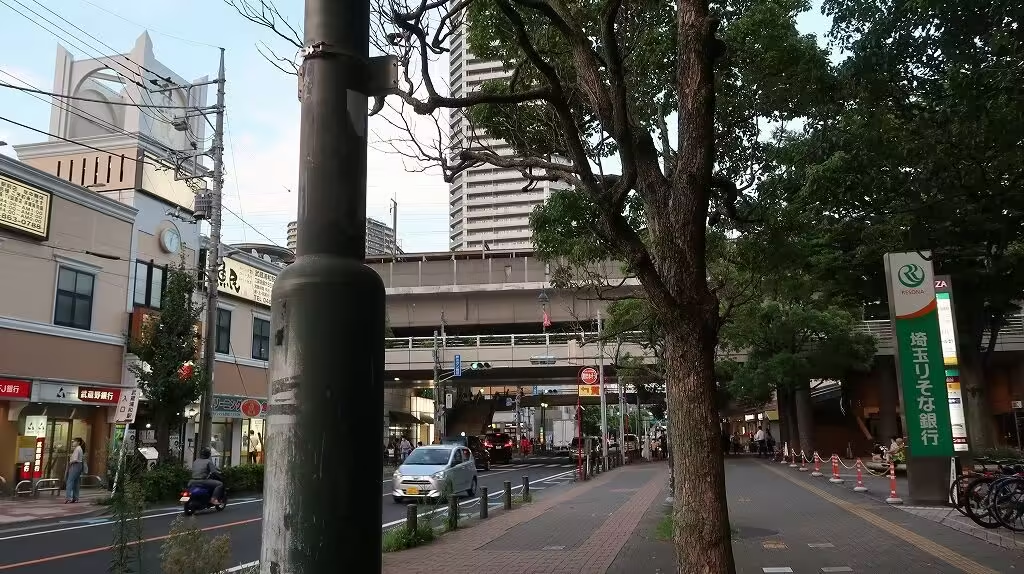
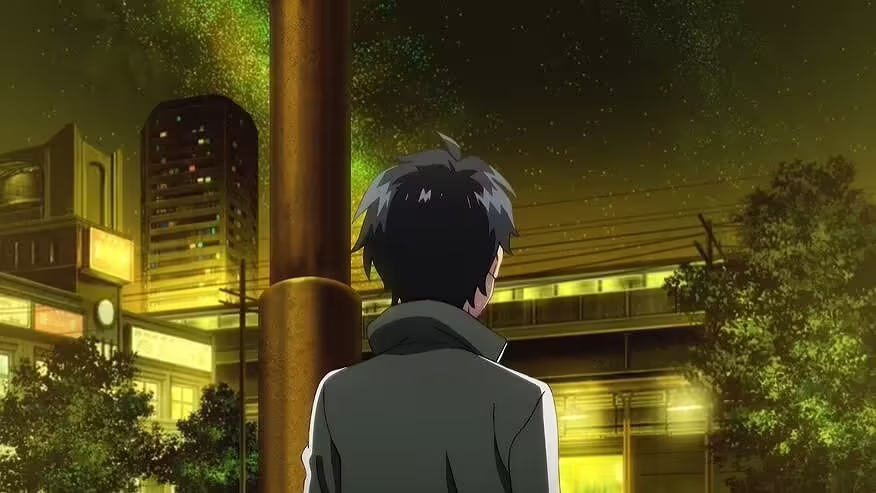
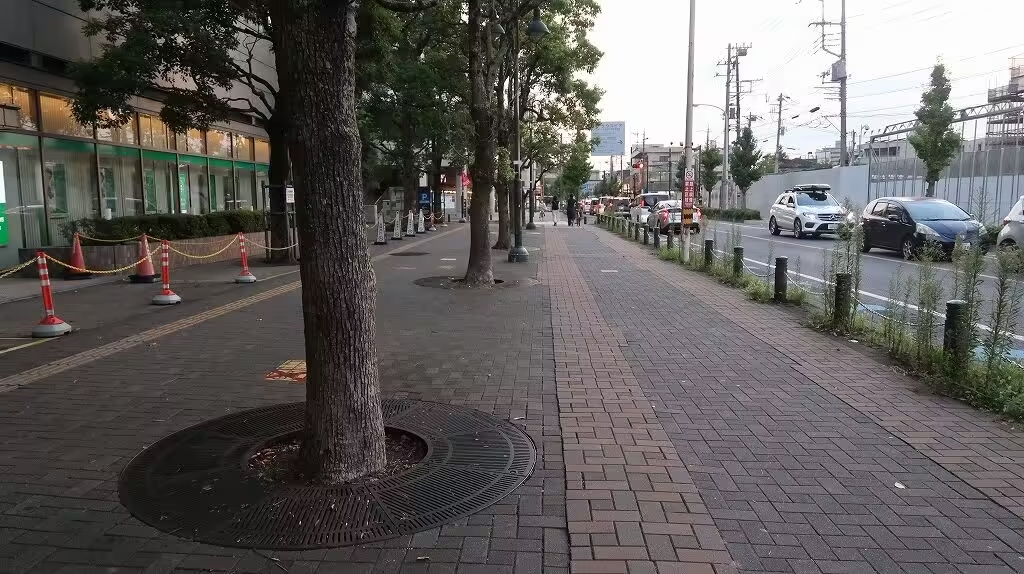
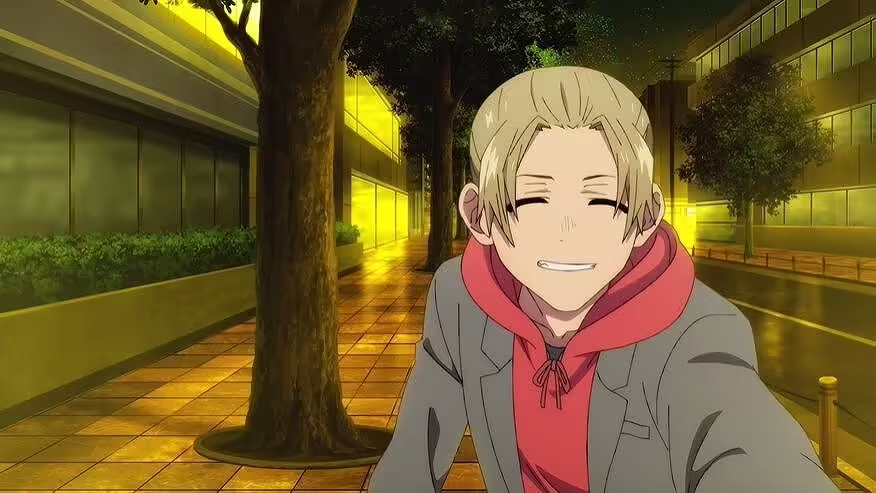
Musashi-Urawa Station West Exit
Musashi-Urawa Station West Exit Address
The west exit opens toward residential neighborhoods and wider streets. At night, the space becomes quiet and lightly trafficked, closely aligning with the anime’s preference for calm, open urban layouts.
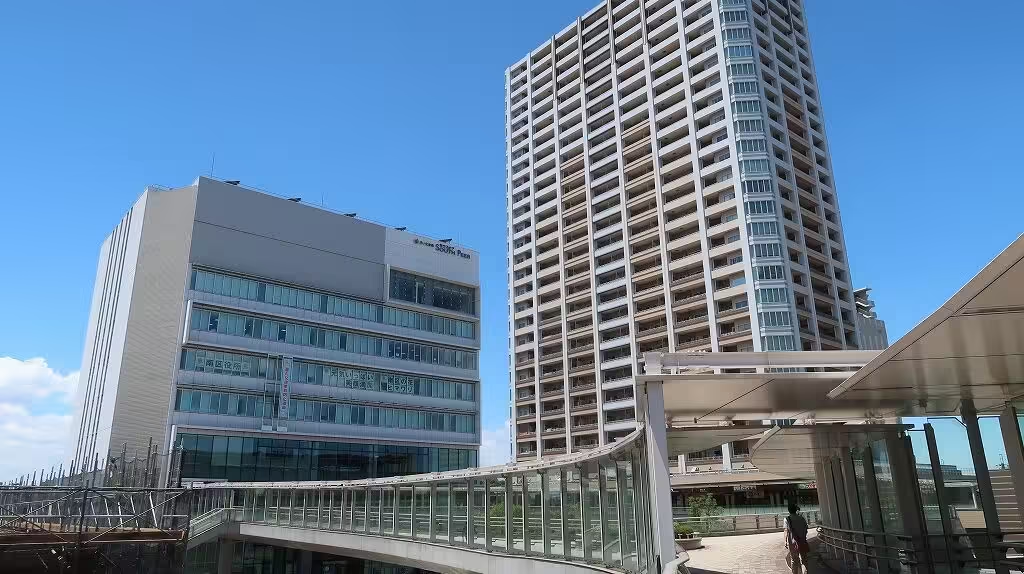
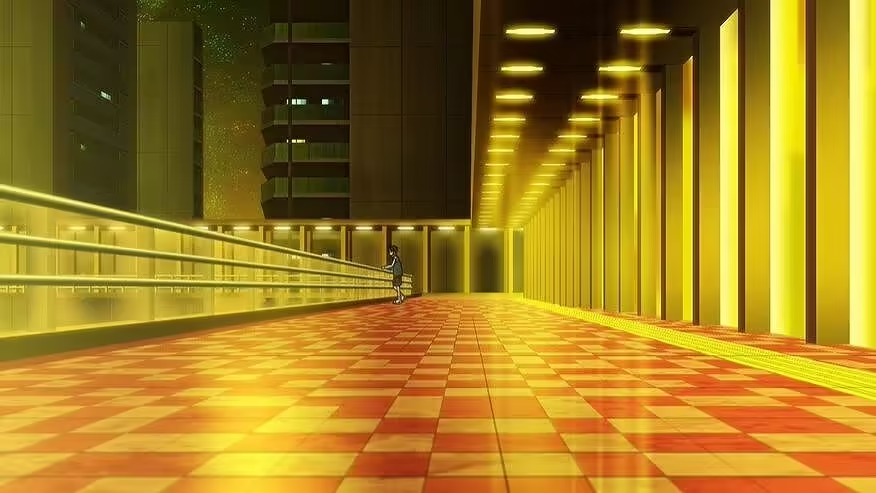
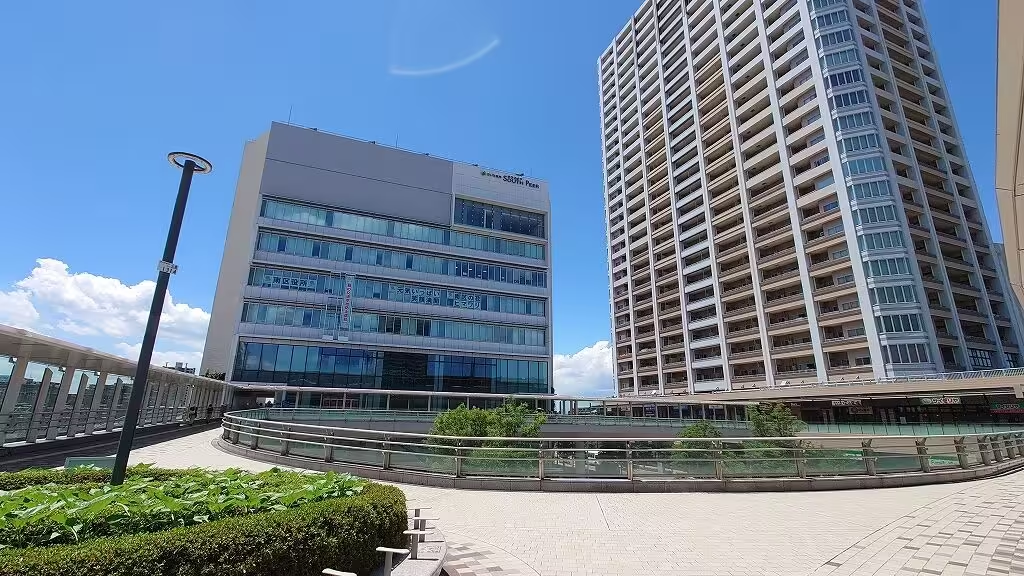
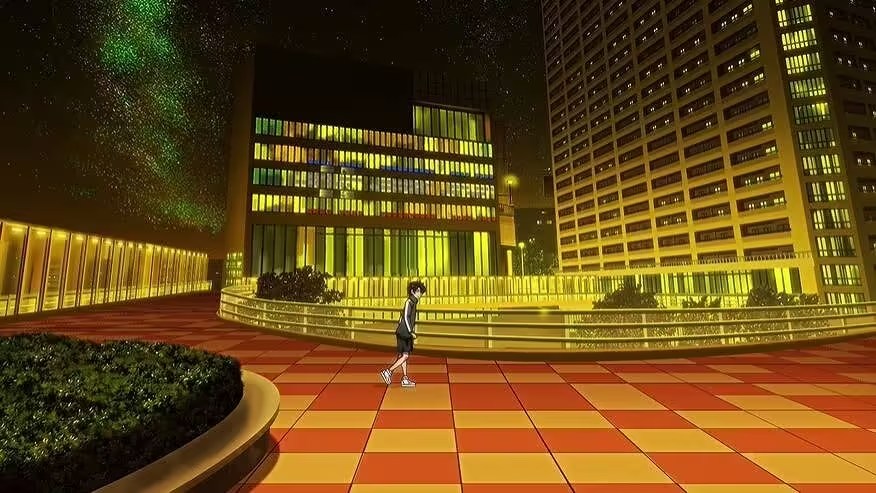
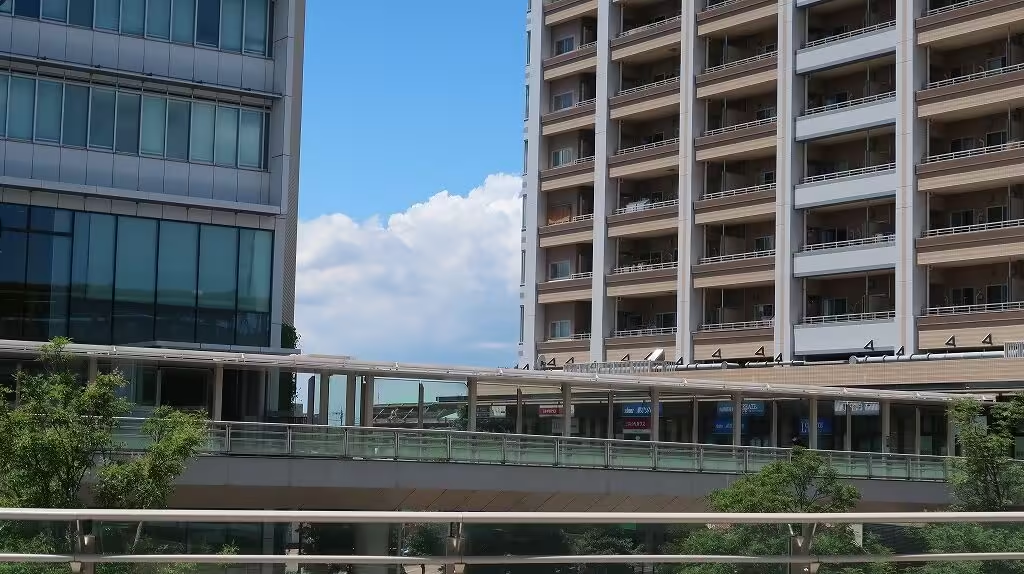
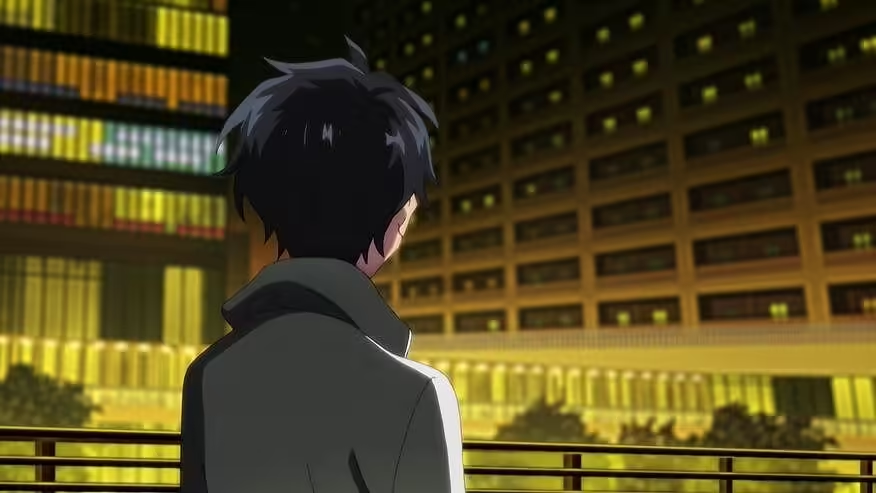
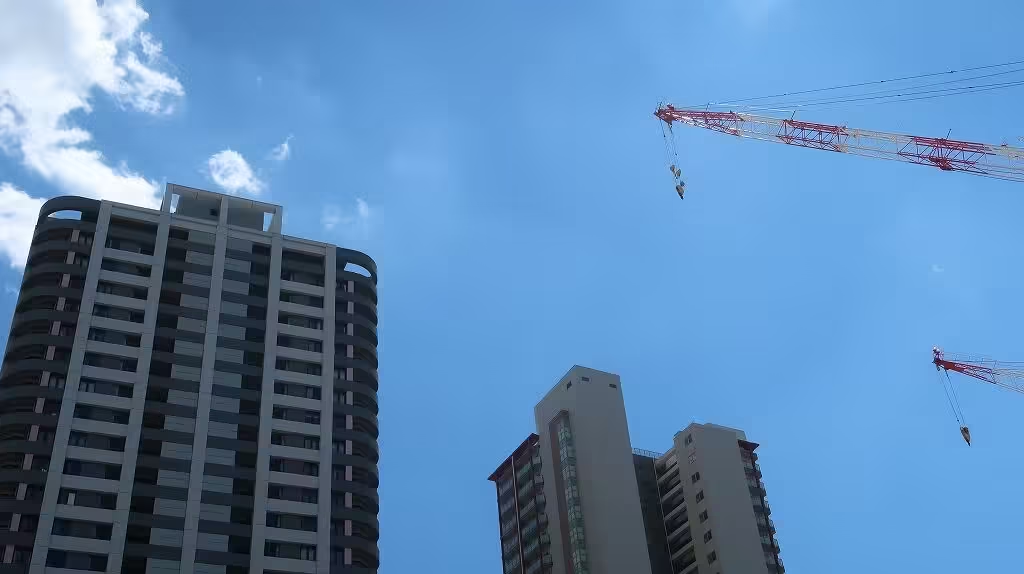
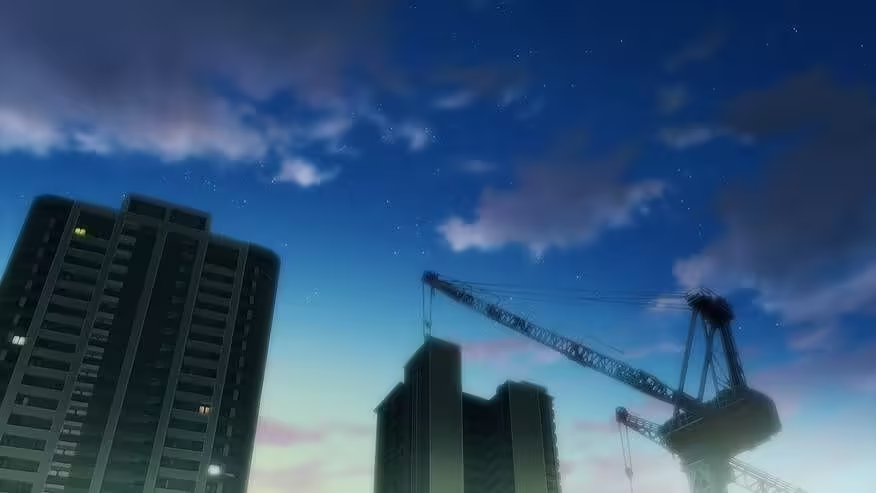
FamilyMart Musashi-Urawa Marks store
Another real-world example of how convenience stores ground Call of the night real life locations in recognizable Japanese night culture. The consistent lighting and late-night accessibility mirror scenes where characters pause briefly before continuing their walks.
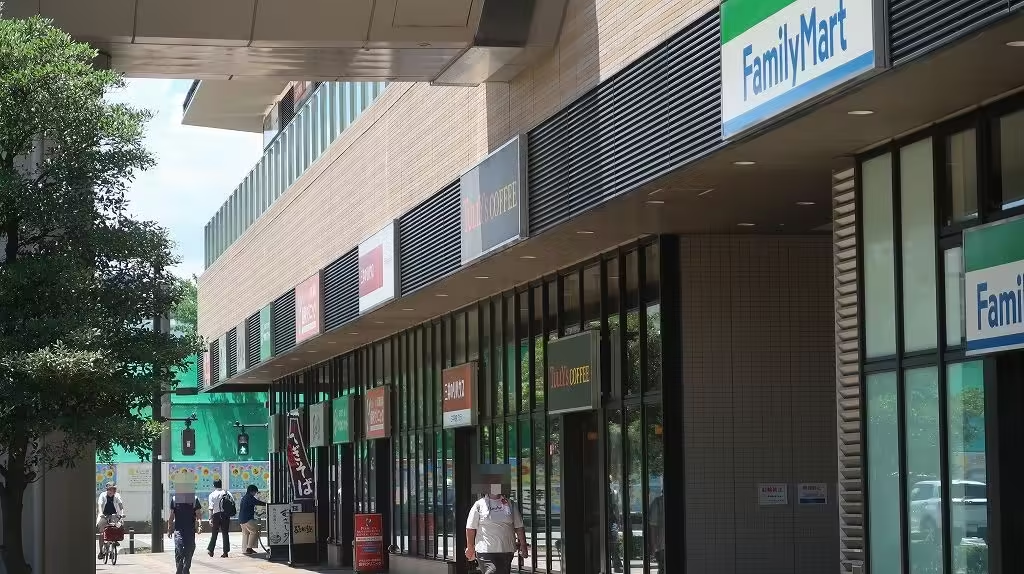
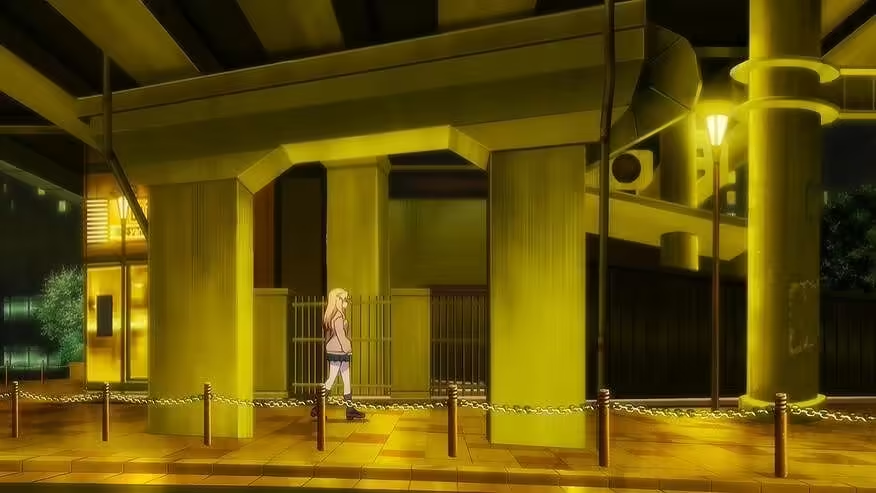
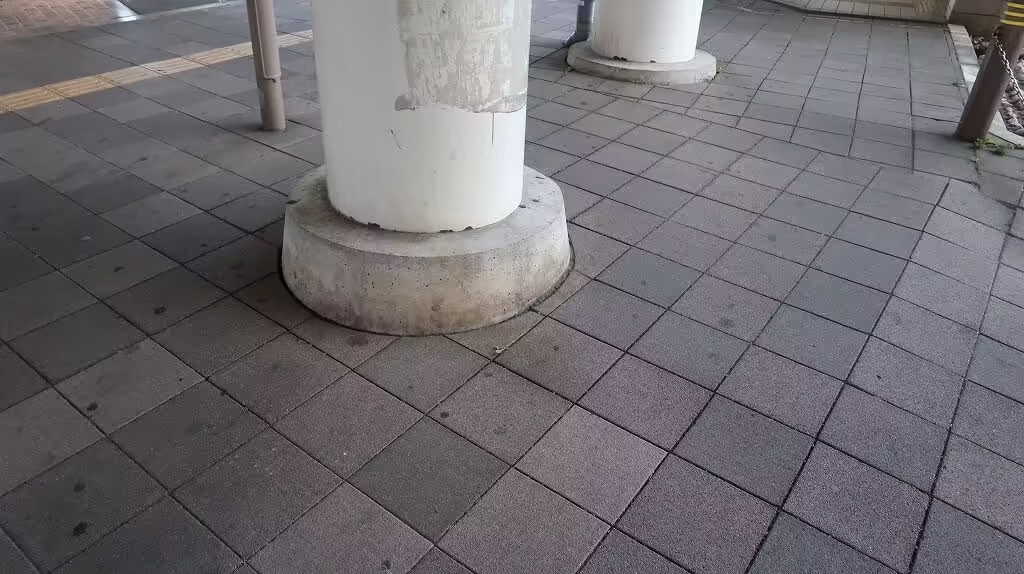
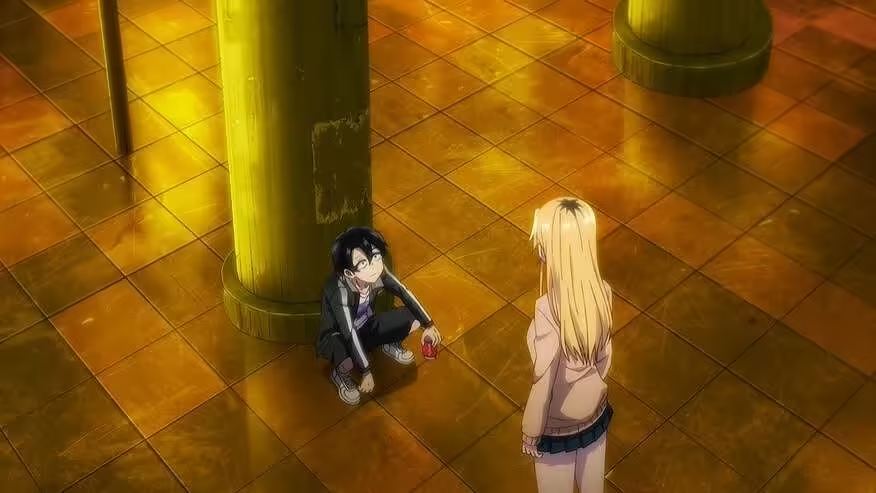
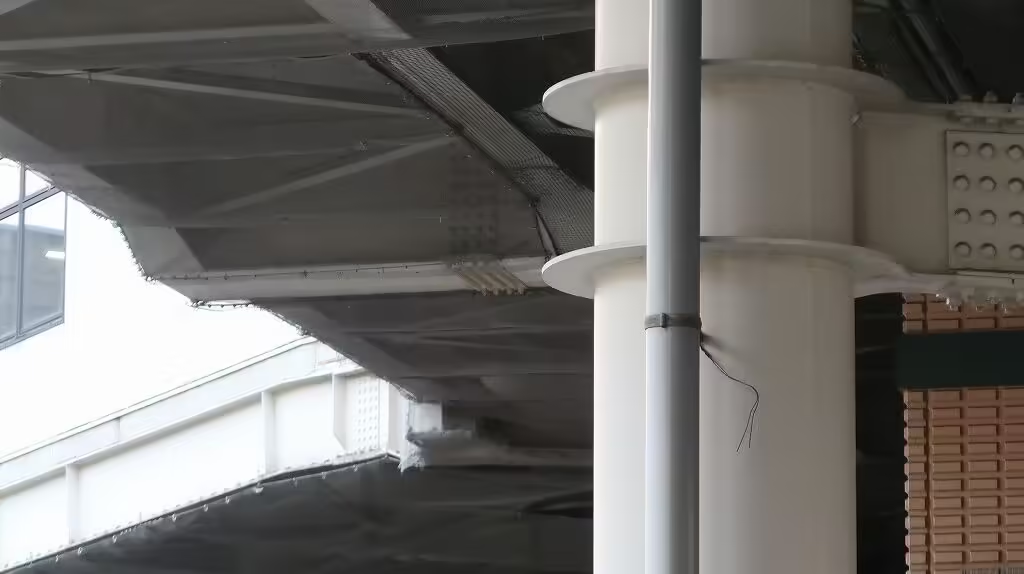
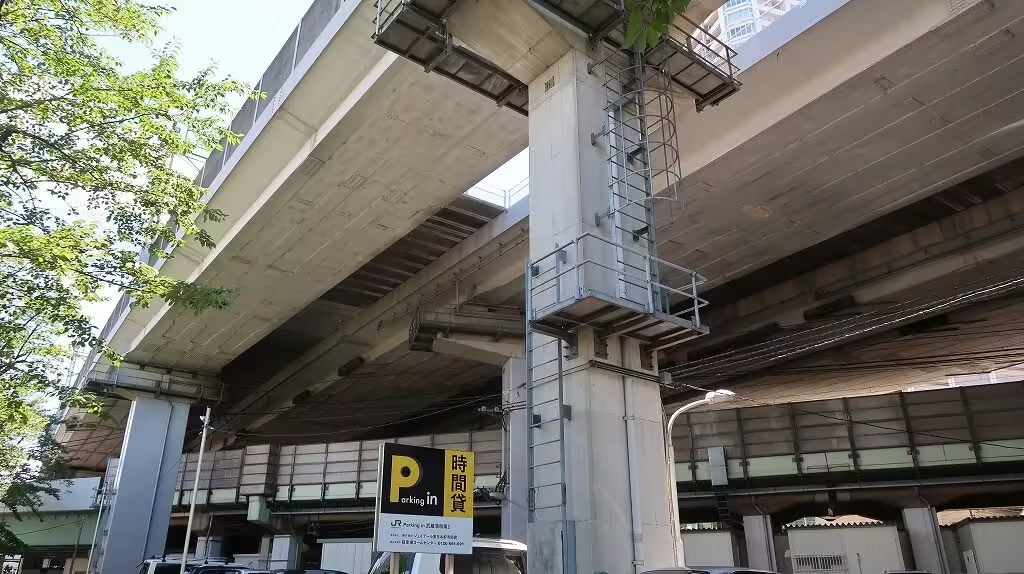
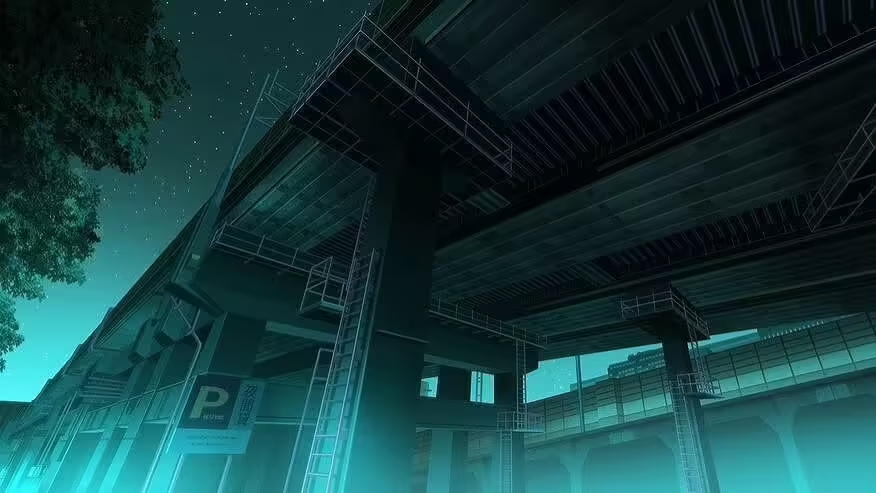
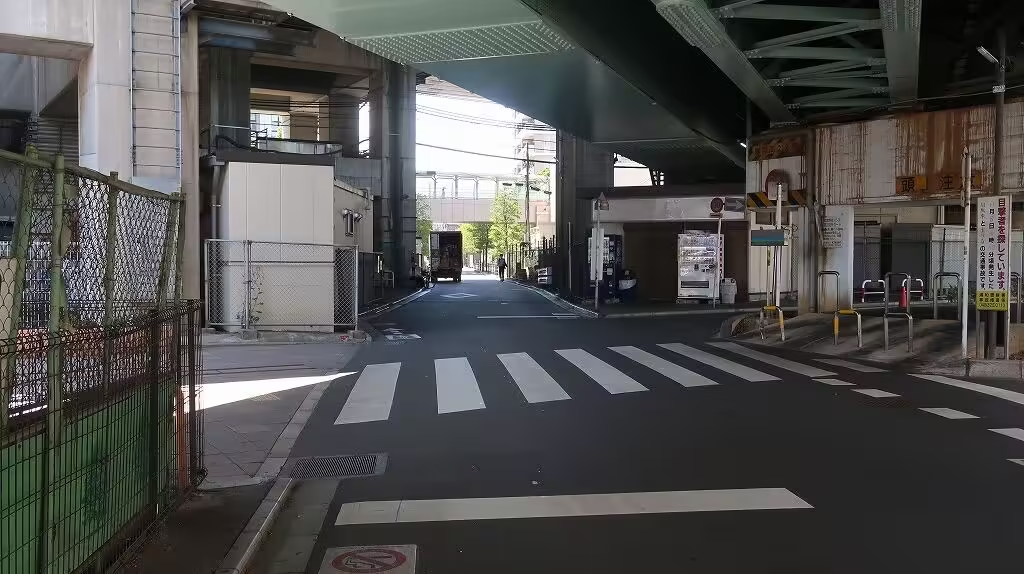
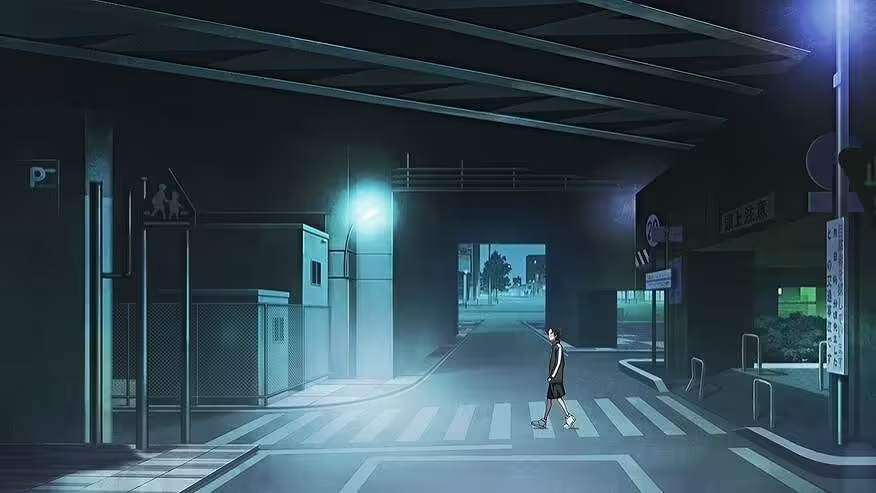
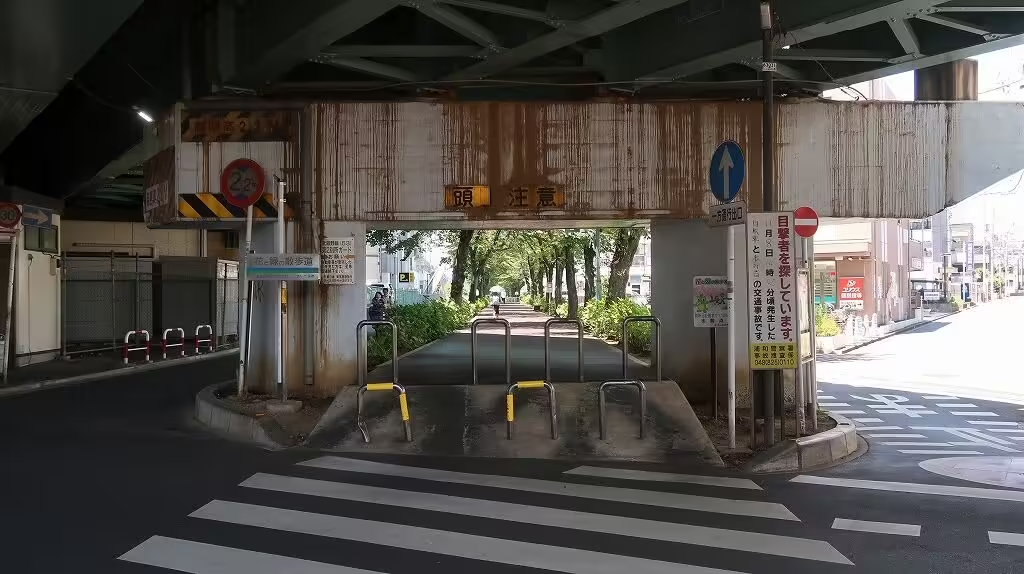
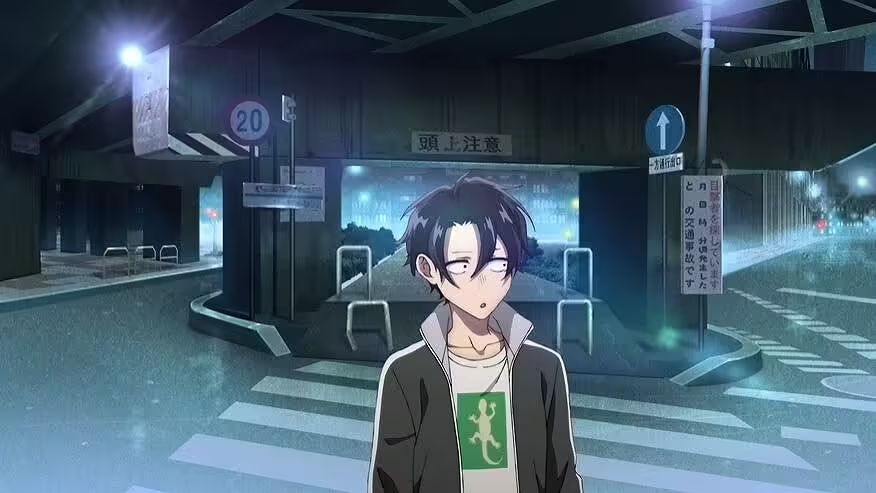
Under the elevated track on the north side of Musashi-Urawa Station
Near Minami Ward Office, Saitama City
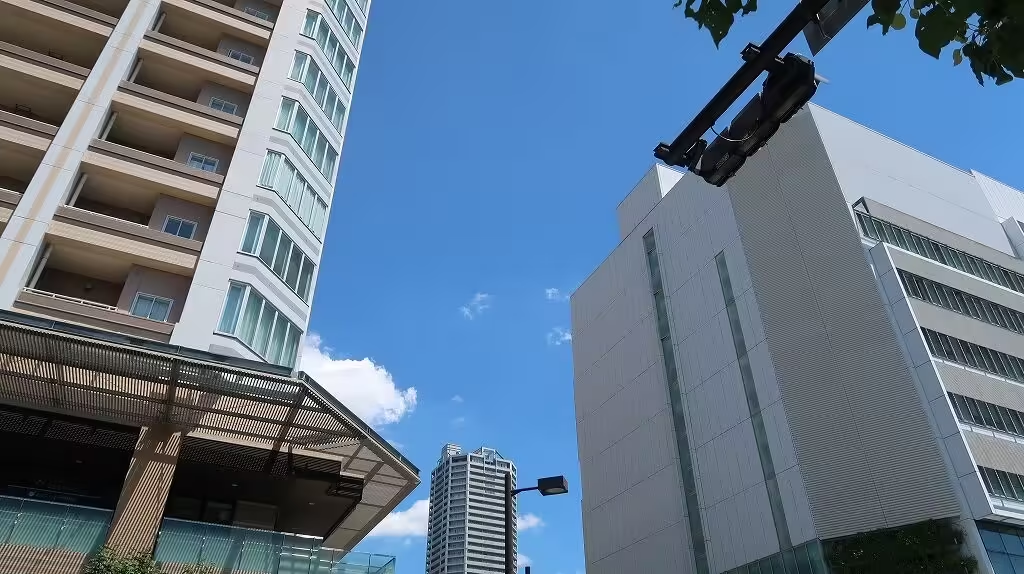
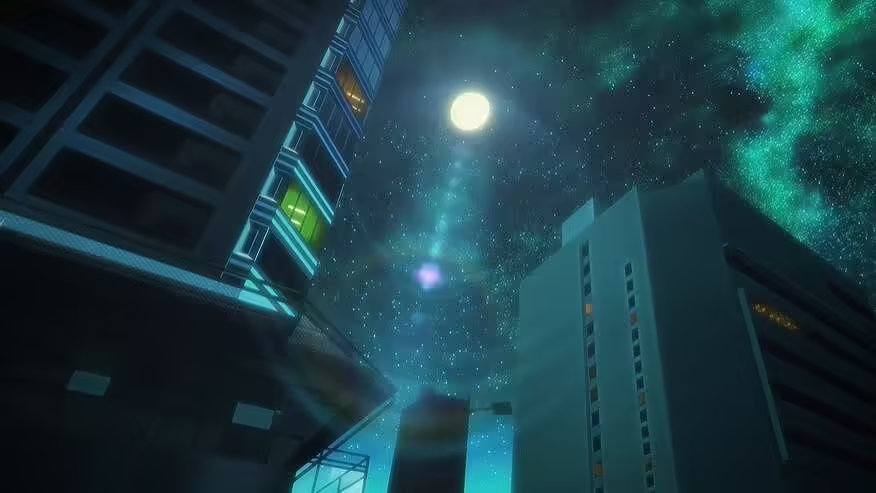
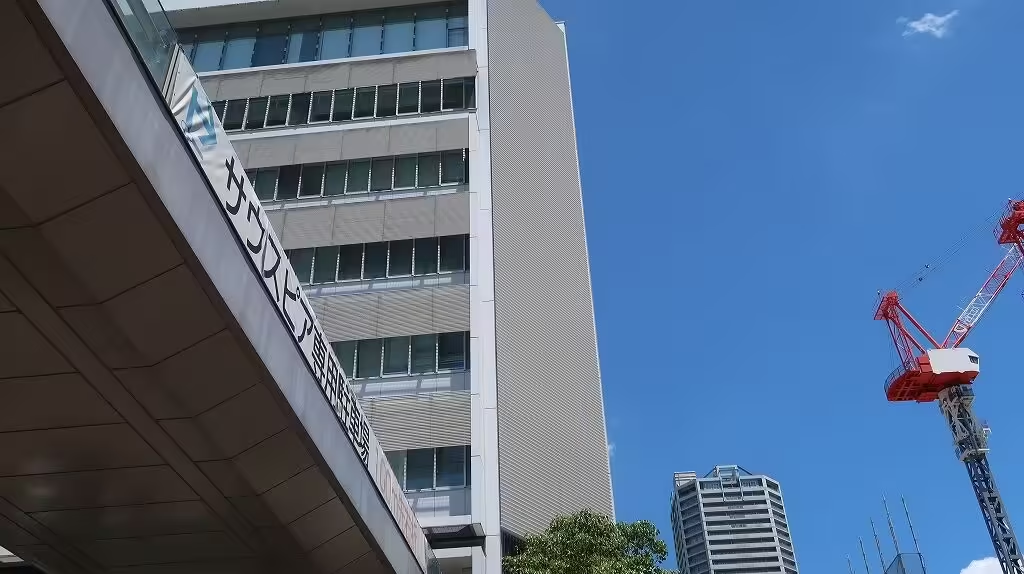
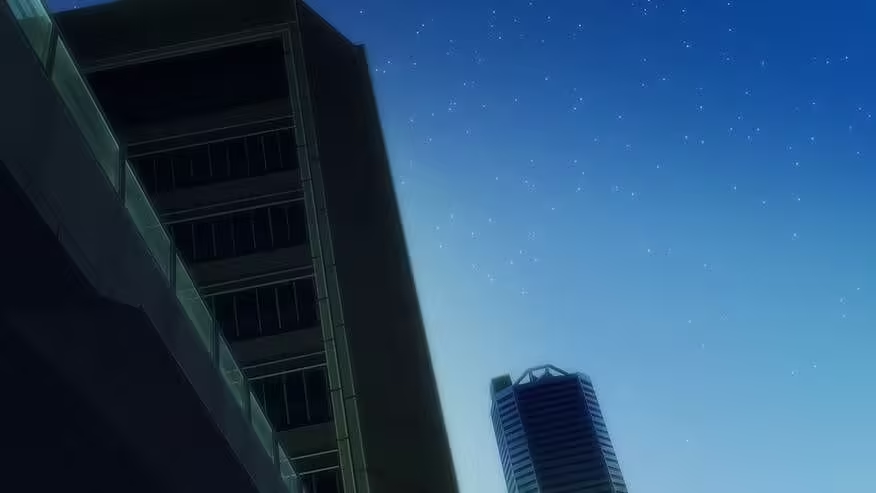
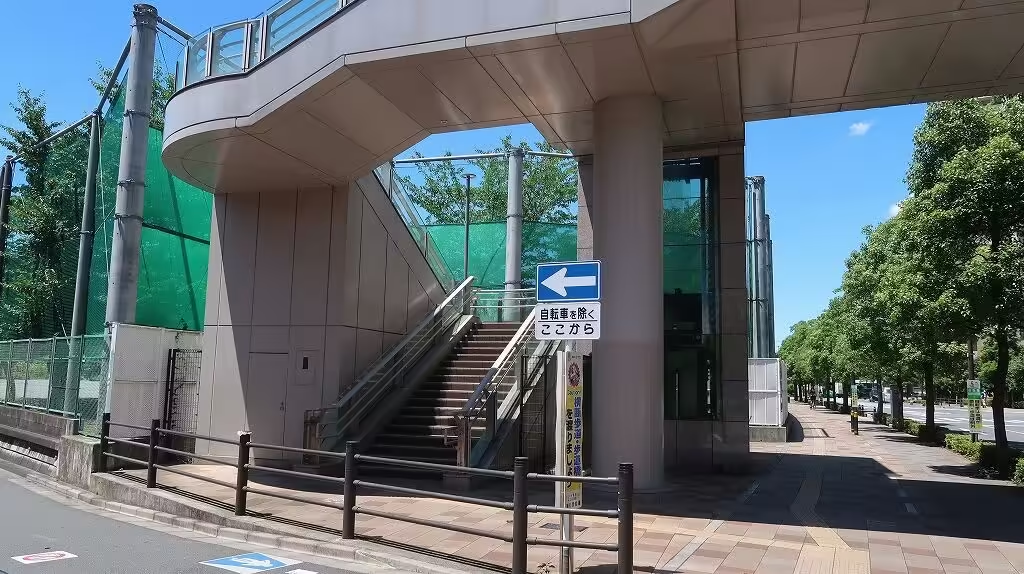
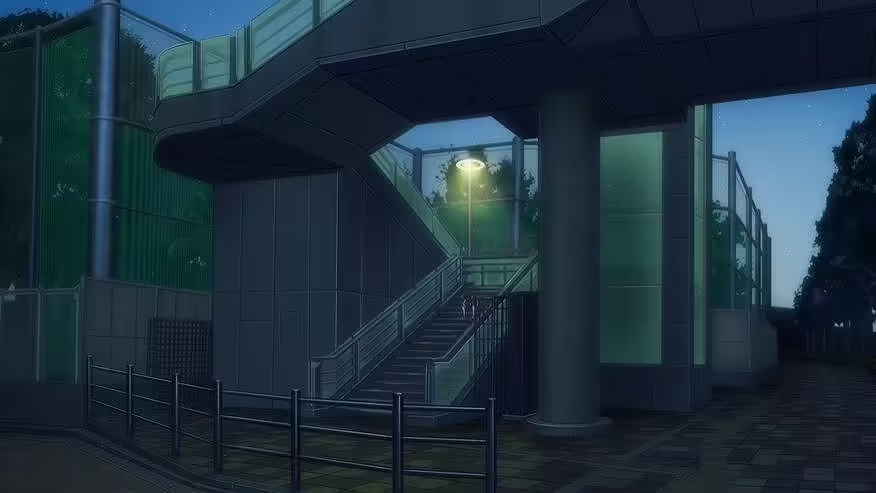
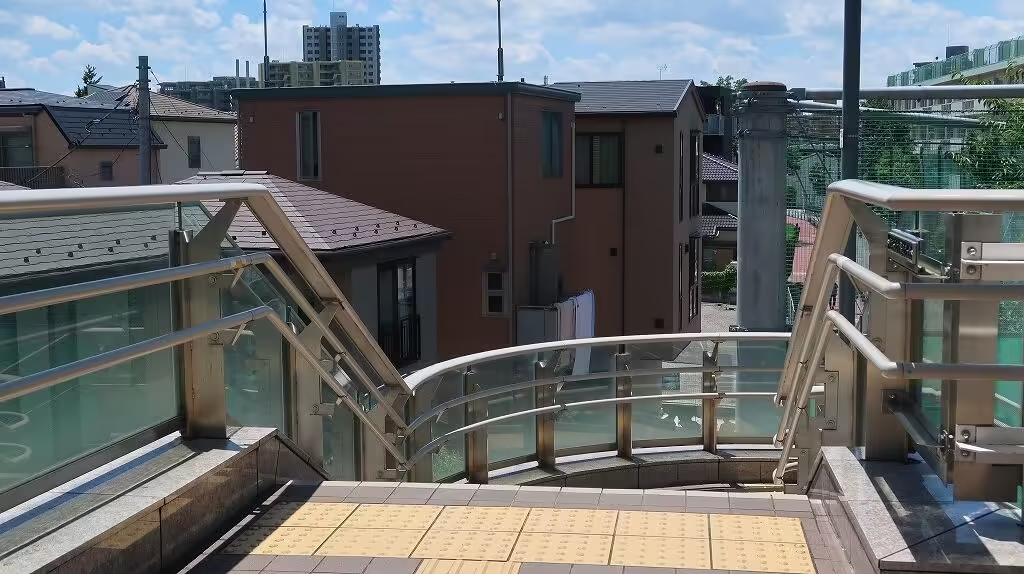
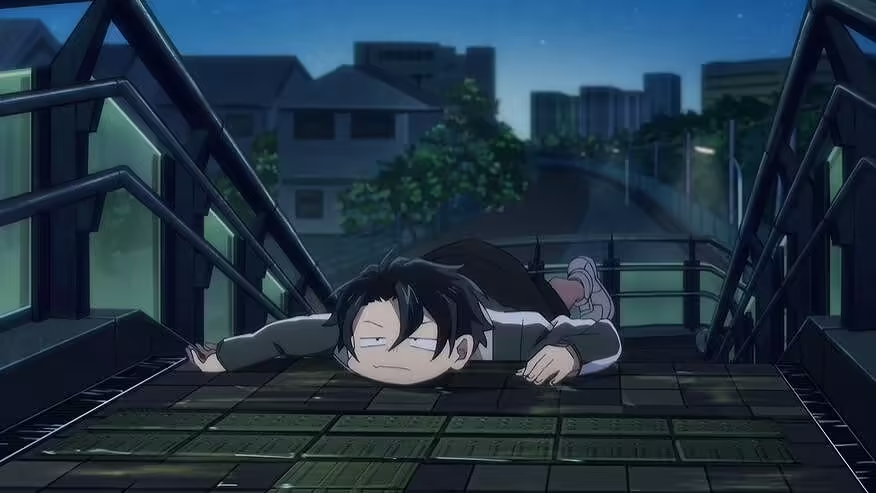
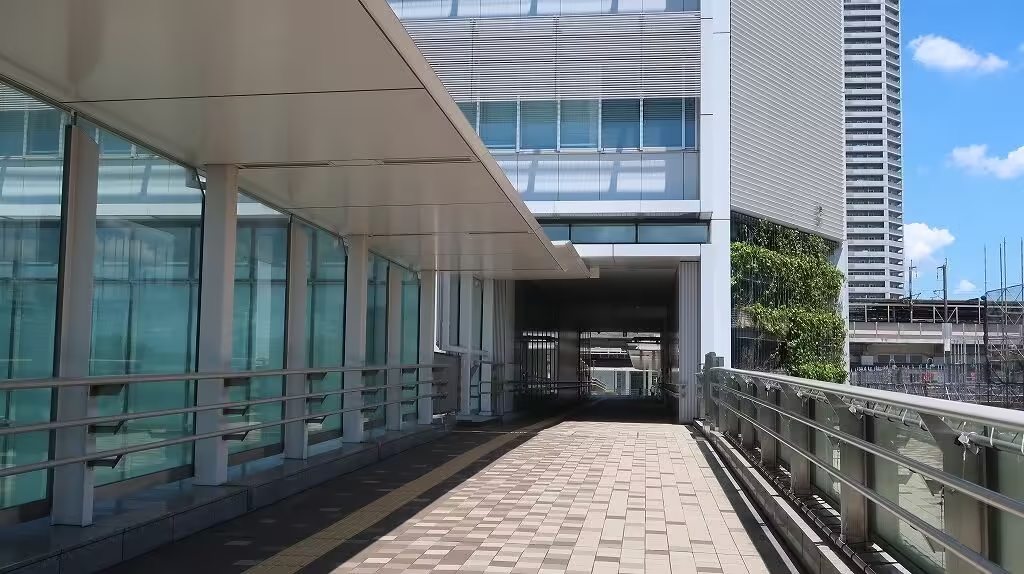
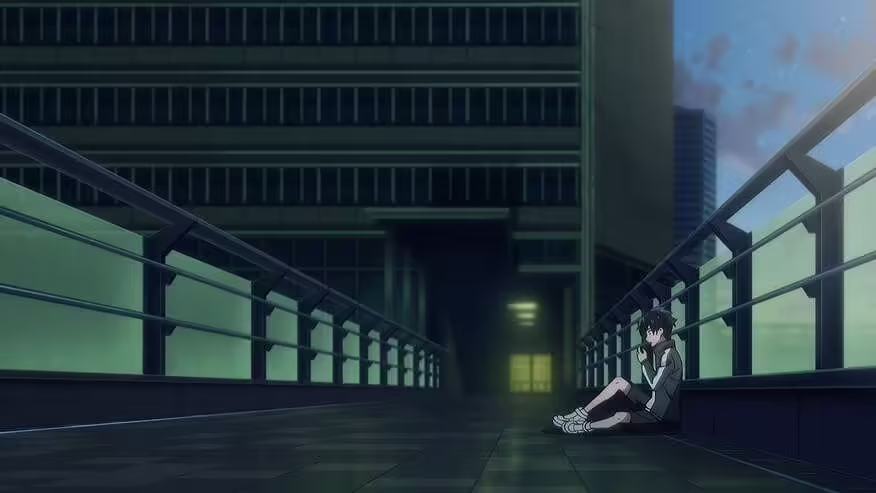
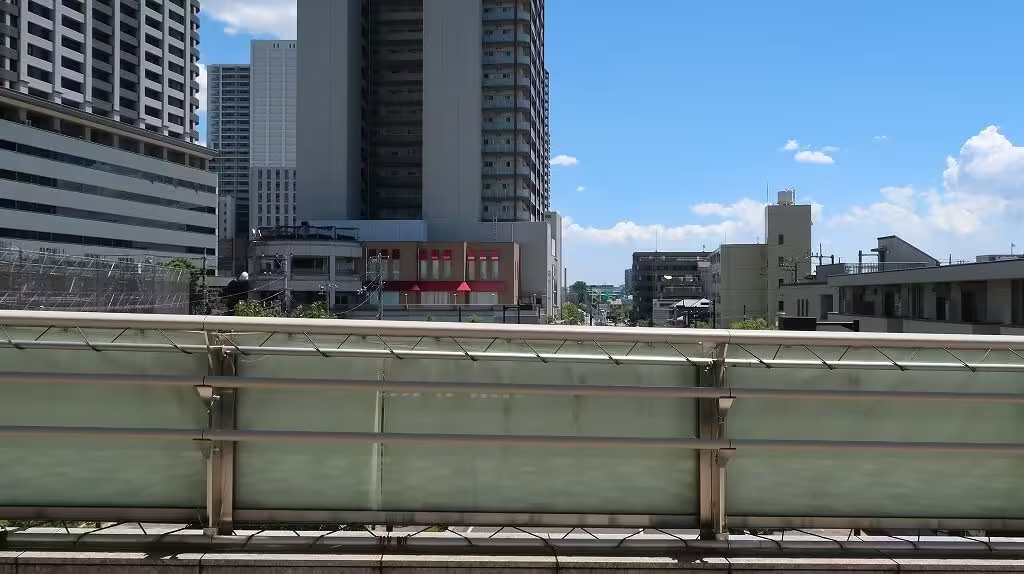
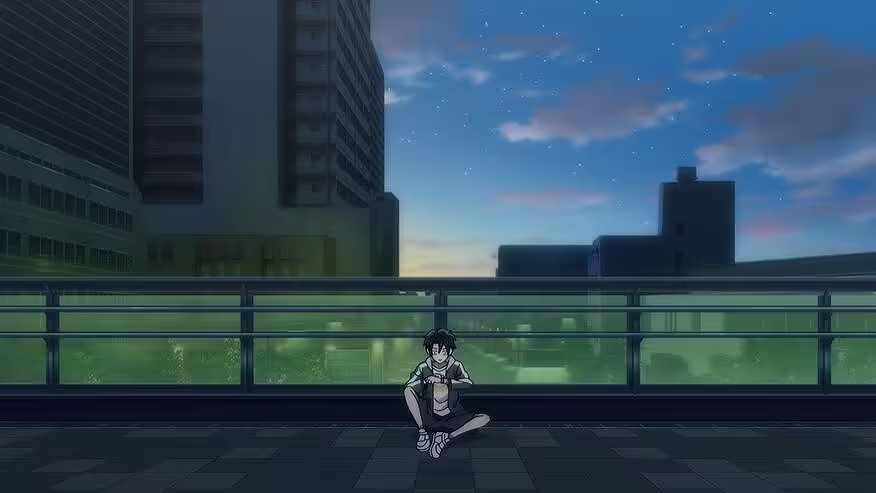
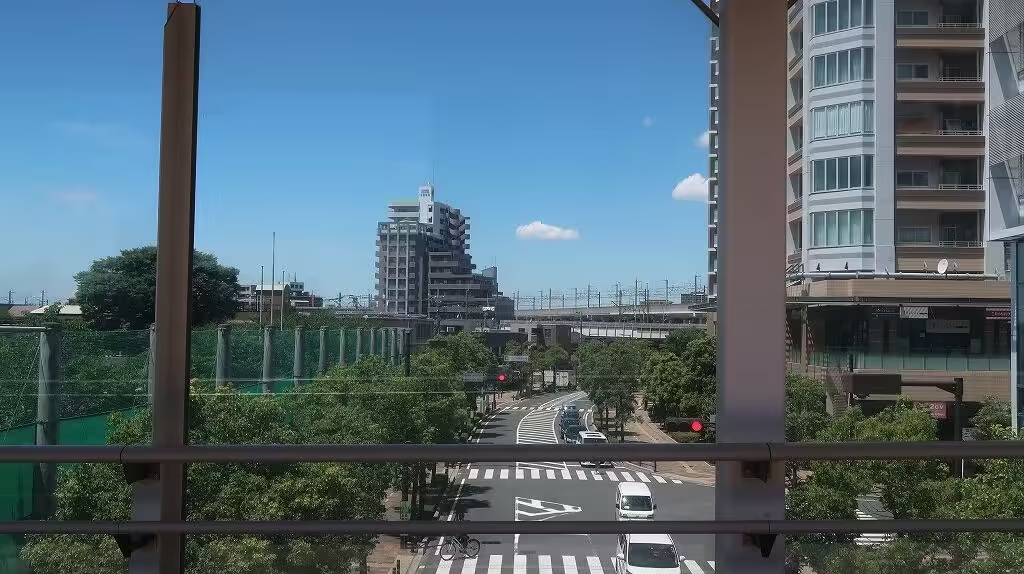
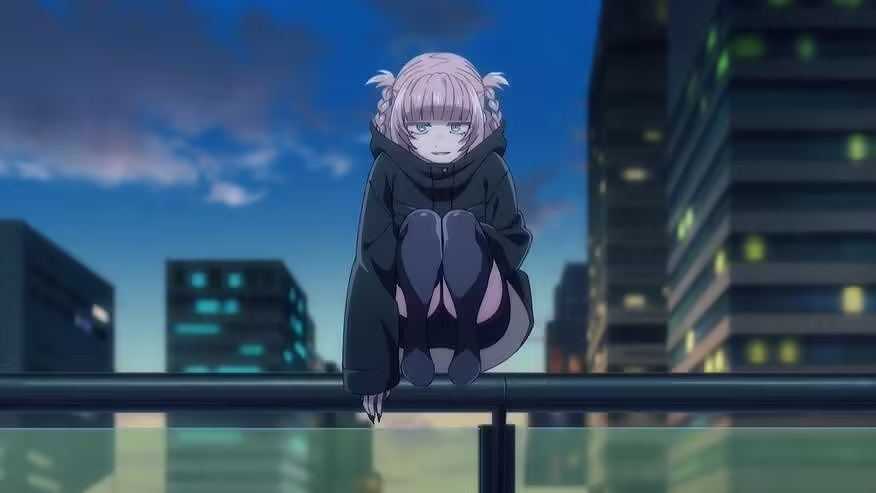
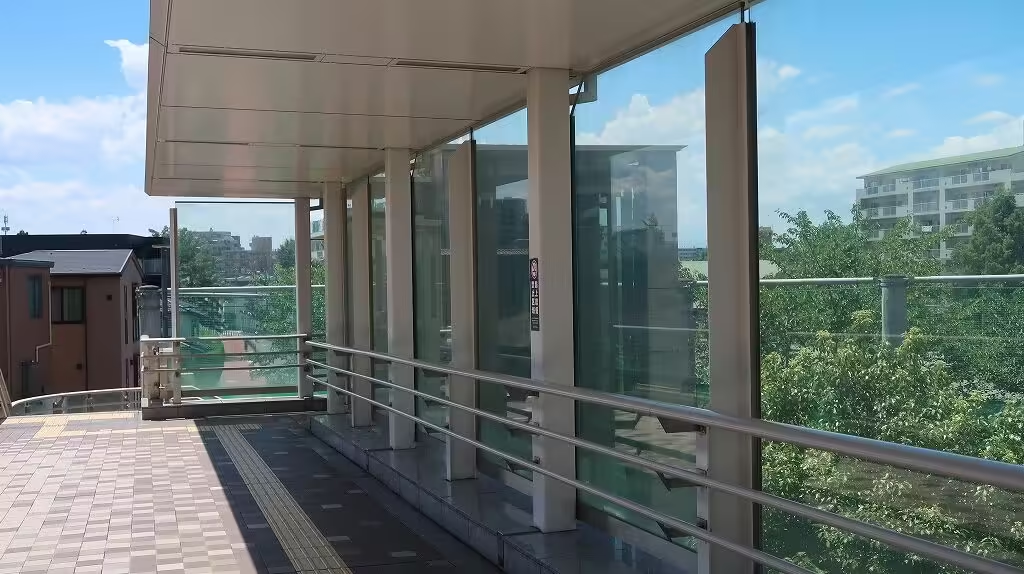
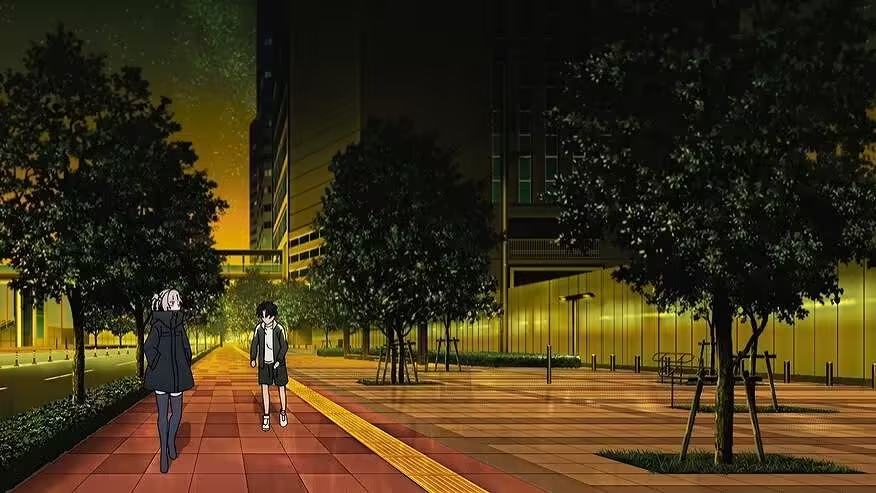
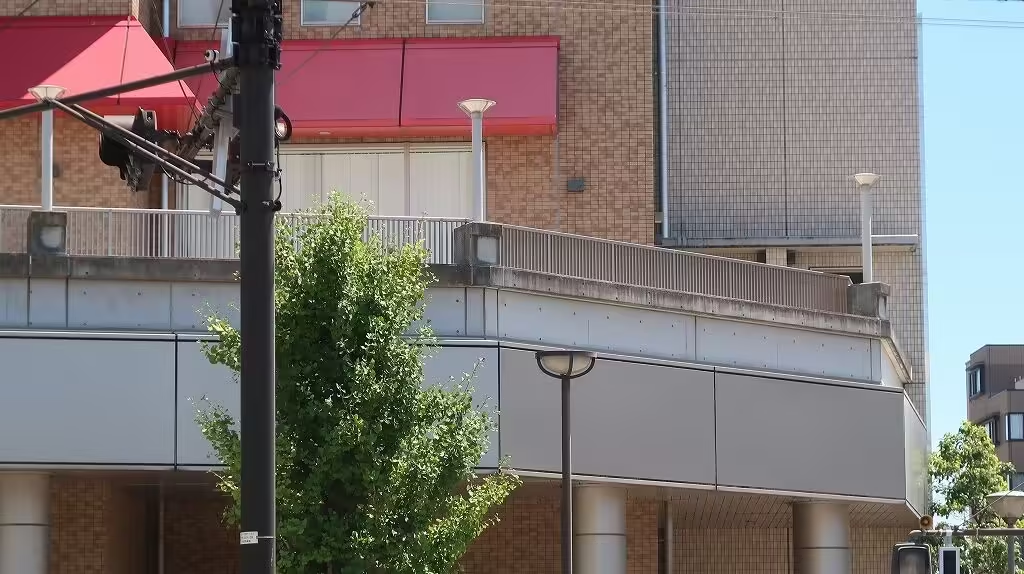
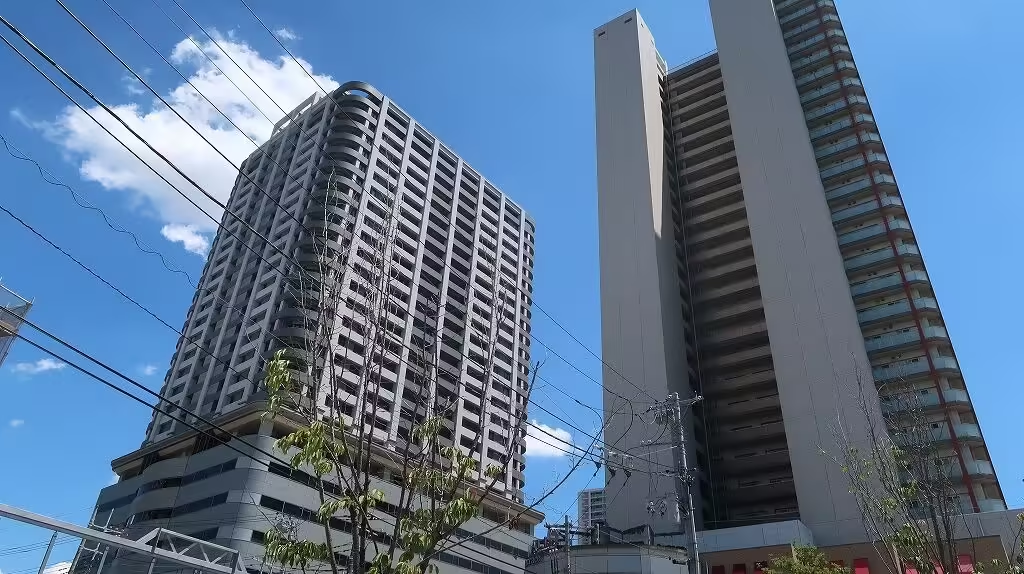
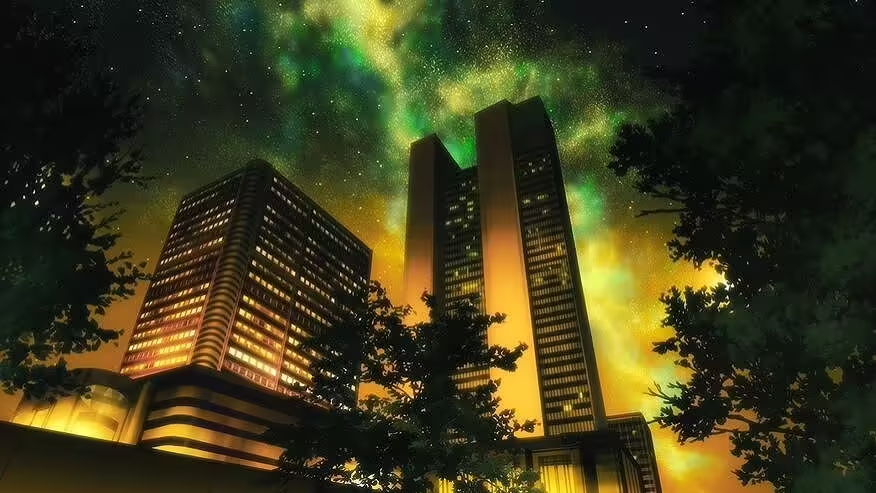
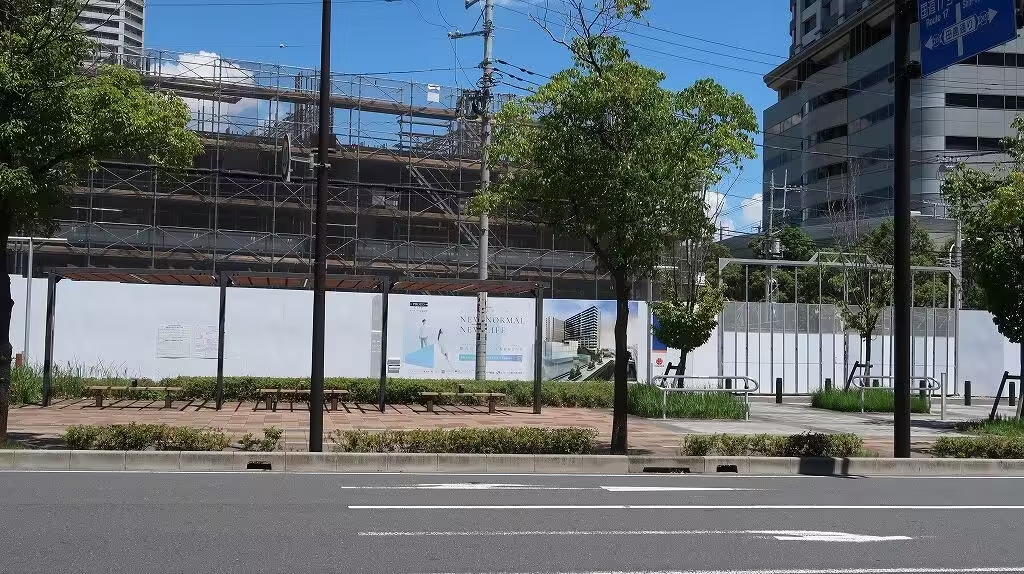
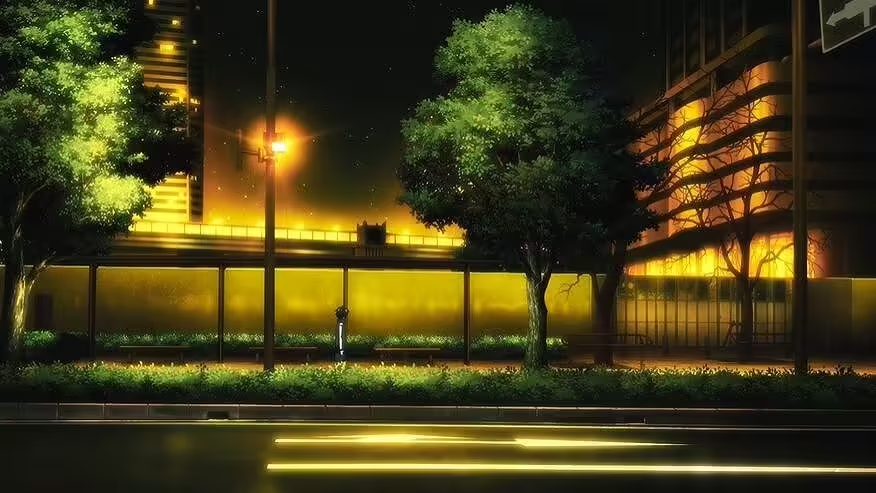
The area around the Minami Ward Office is made up of wide sidewalks, public buildings, and quiet streets after office hours. At night, it reflects the kind of calm administrative zones often used in anime as transitional spaces during late walks.
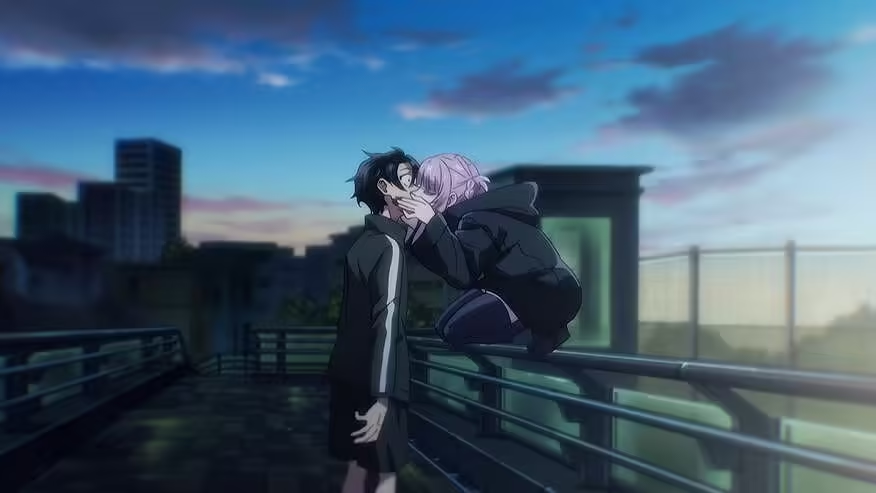
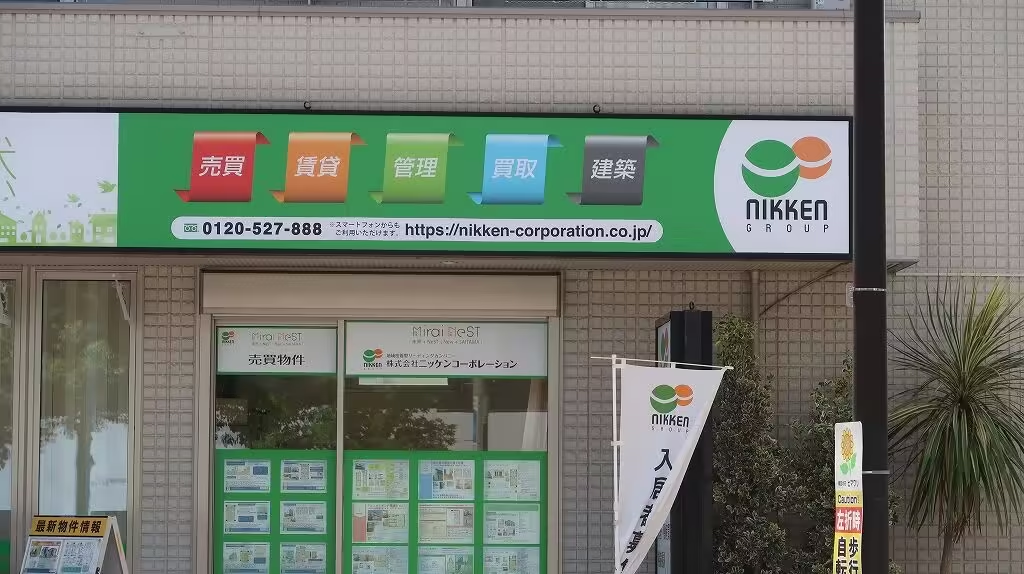
Nikken Corporation
Nikken Corporation’s office surroundings reflect a typical Japanese business district that becomes subdued once the workday ends. These quiet commercial streets match the understated urban settings frequently shown during nighttime scenes.
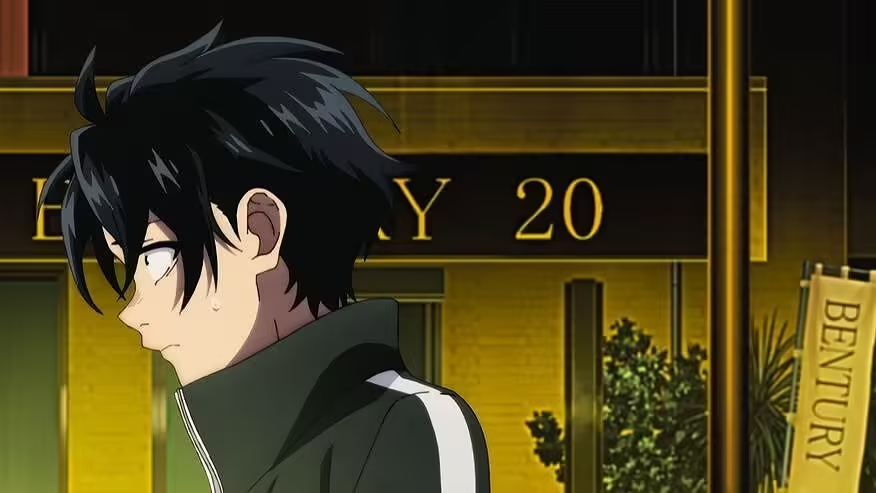
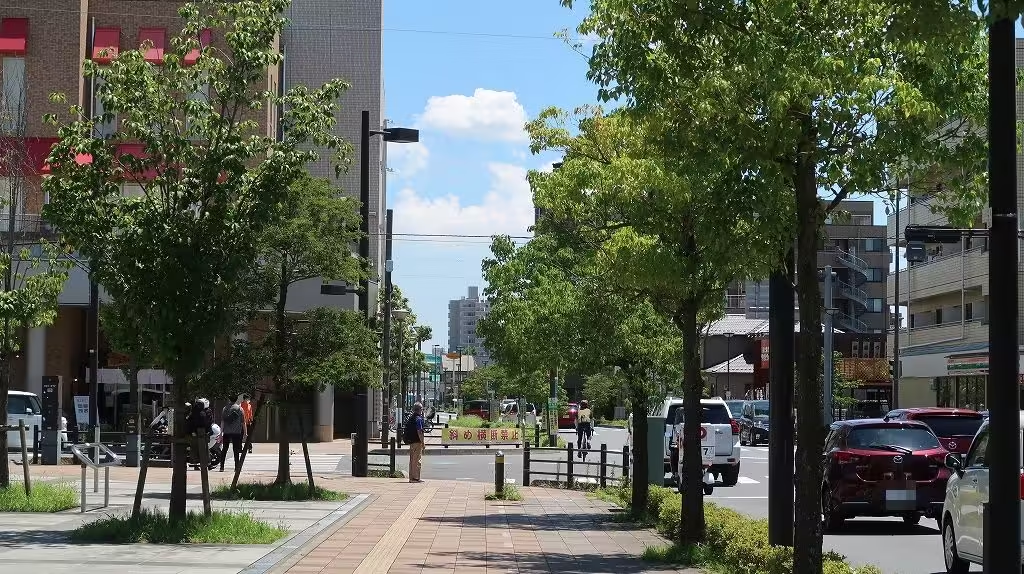
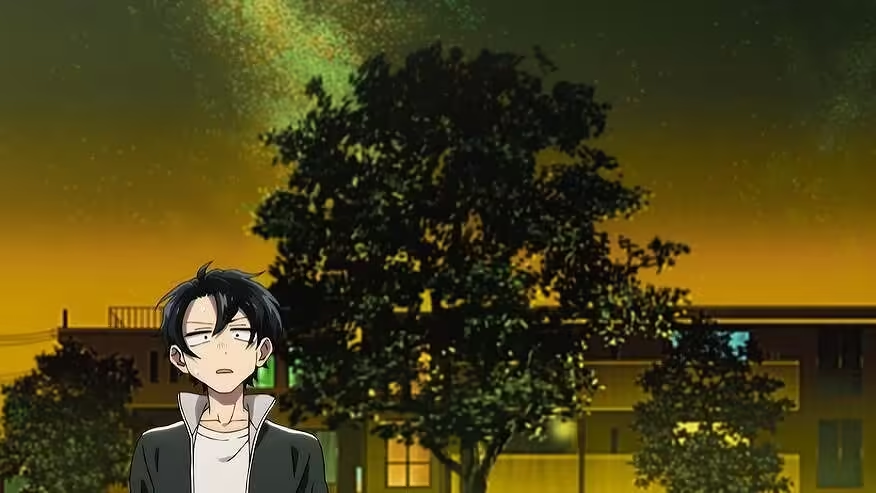
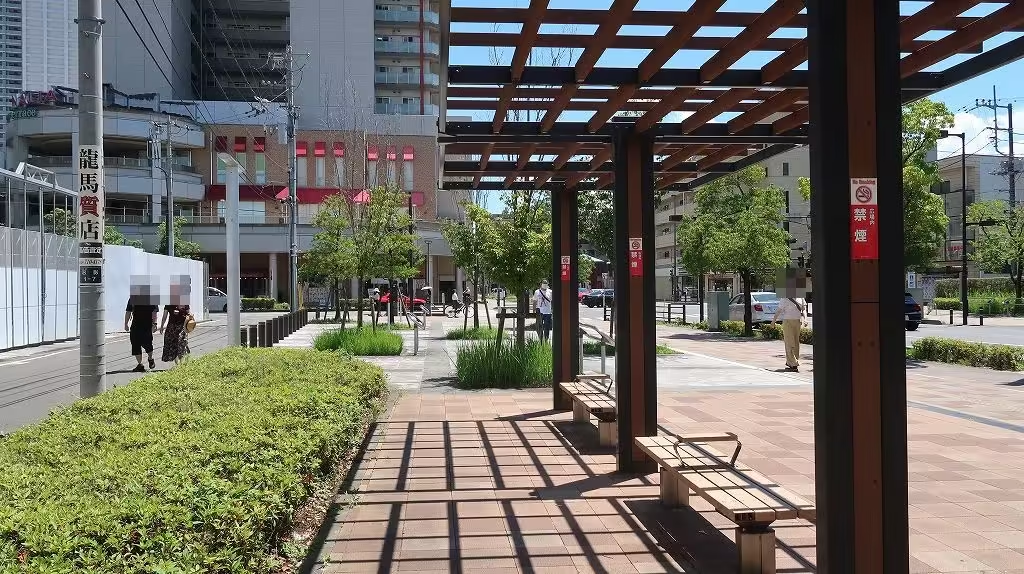
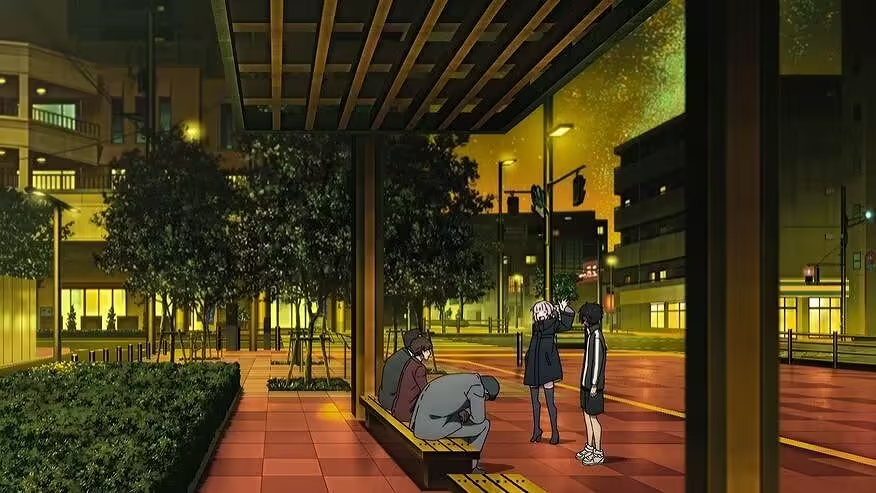
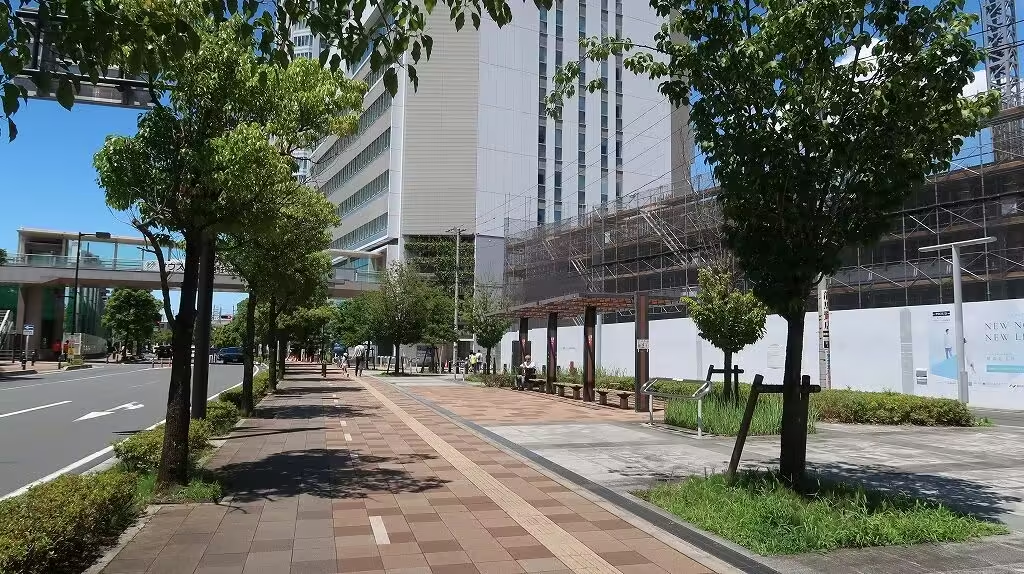
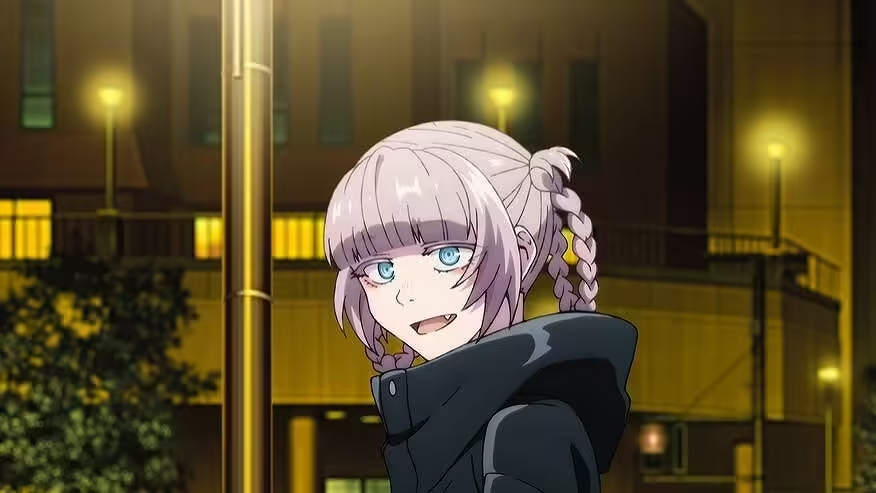
Near the west exit plaza of Musashi-Urawa Station
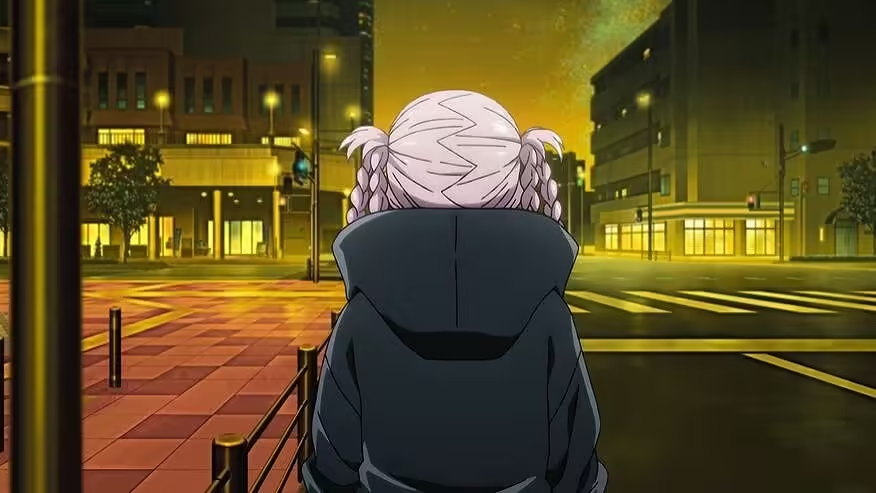
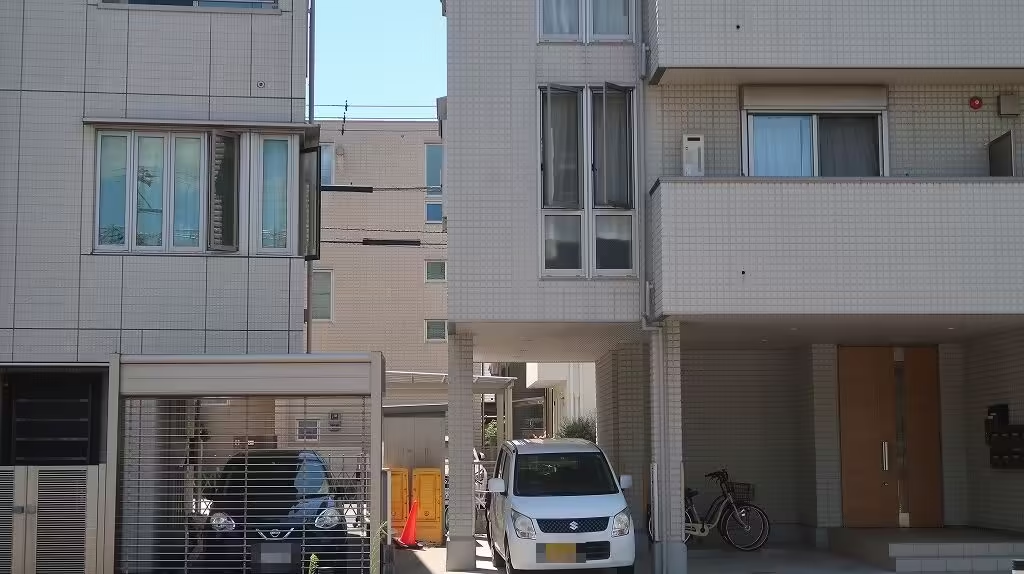
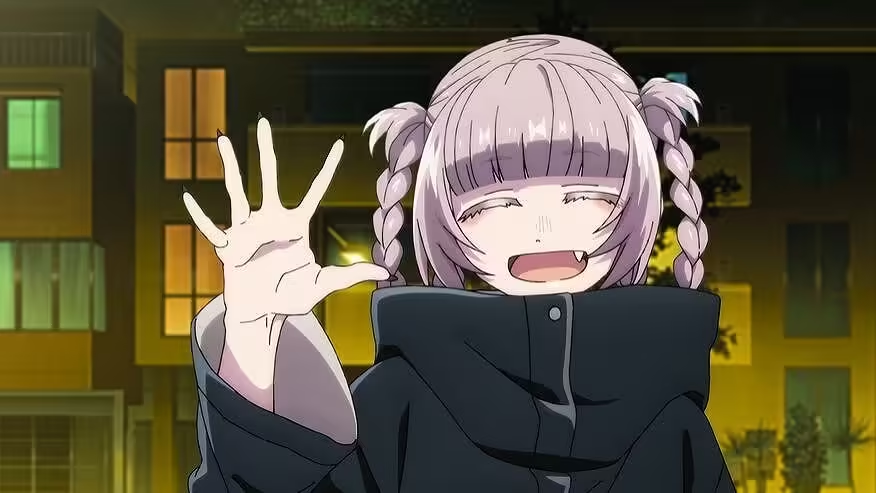
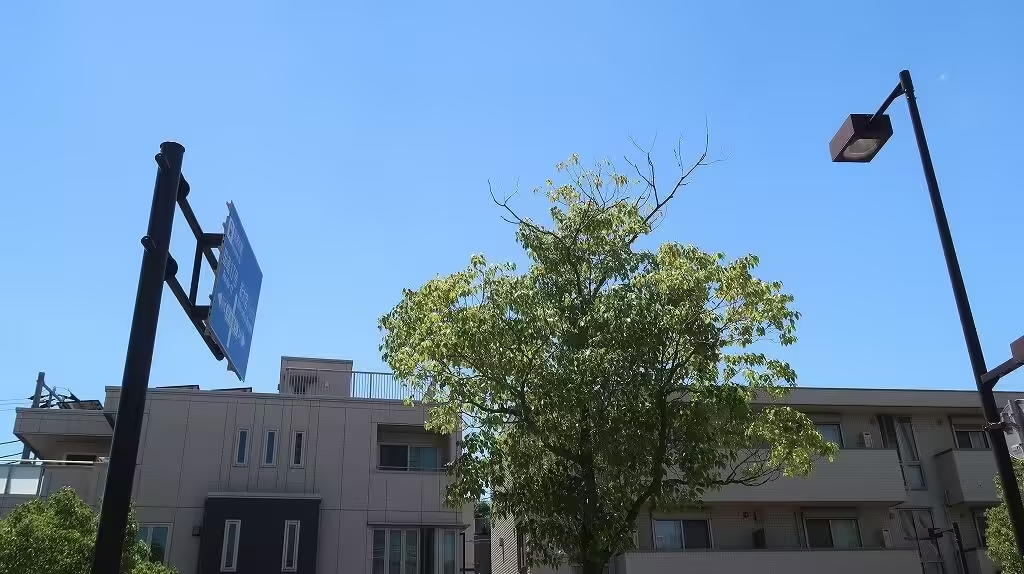
Oosato Elementary School
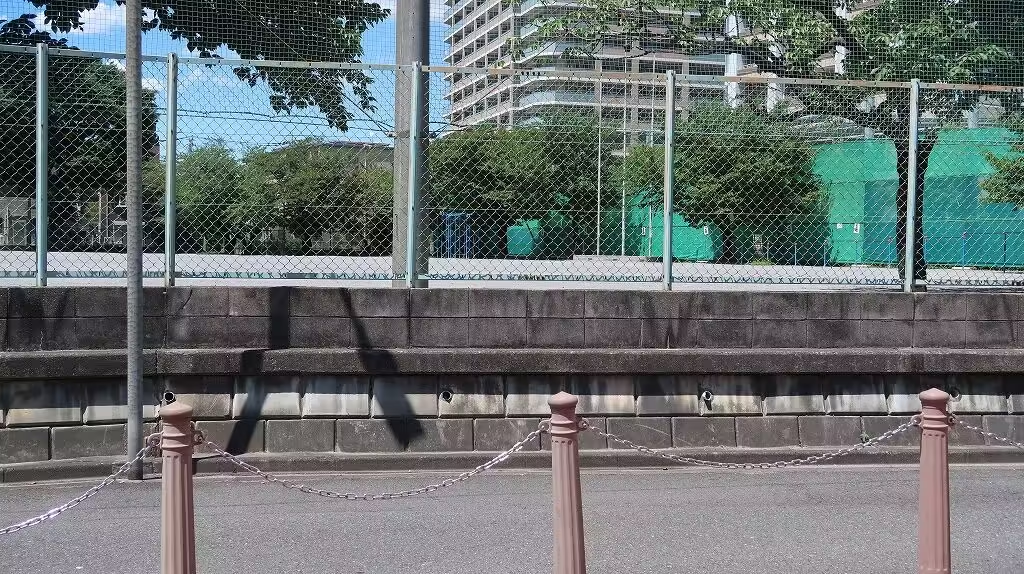
Oosato Elementary School represents the familiar sight of closed school grounds at night, with gates shut and lights off. Schools like this often appear in anime to emphasize stillness and the contrast between daytime activity and nighttime silence.
South side road of Saitama City, Urawa Oosato Elementary School
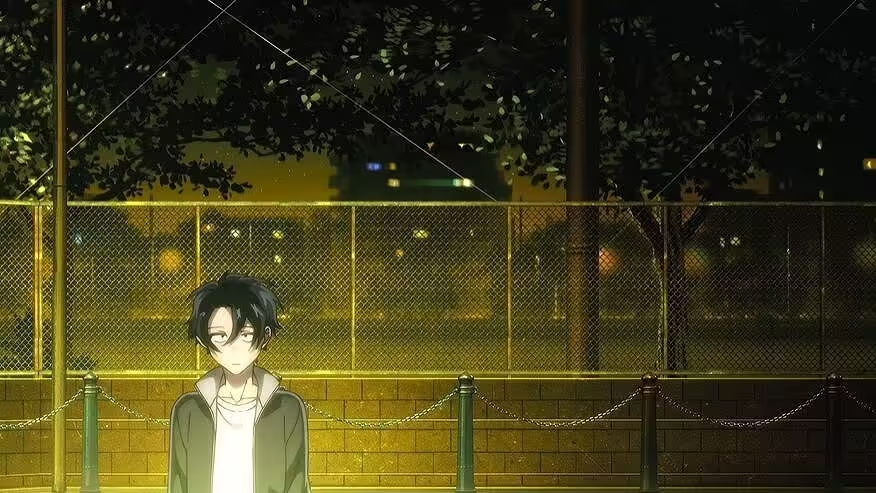
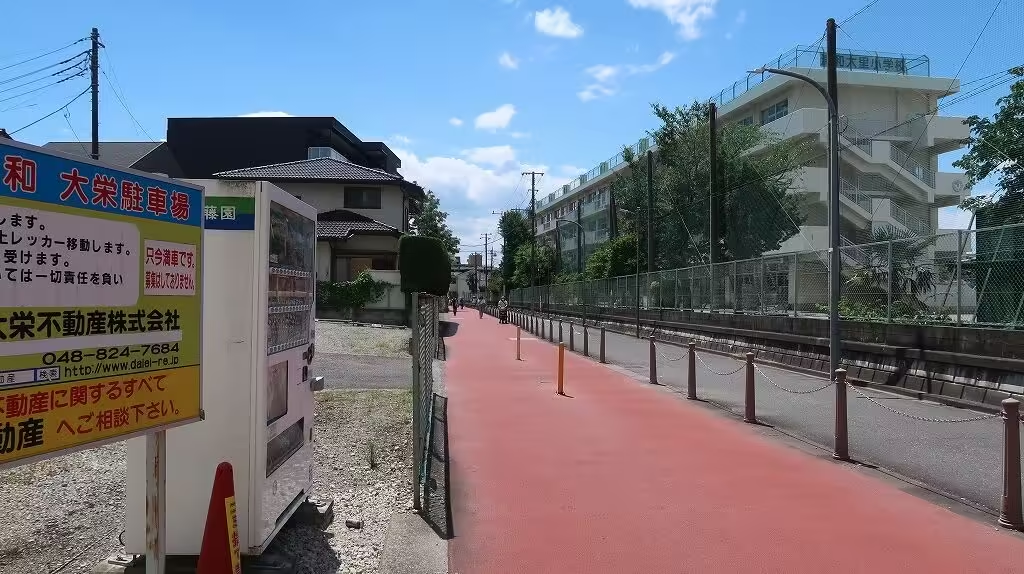
Musashiura Daiei Parking Lot
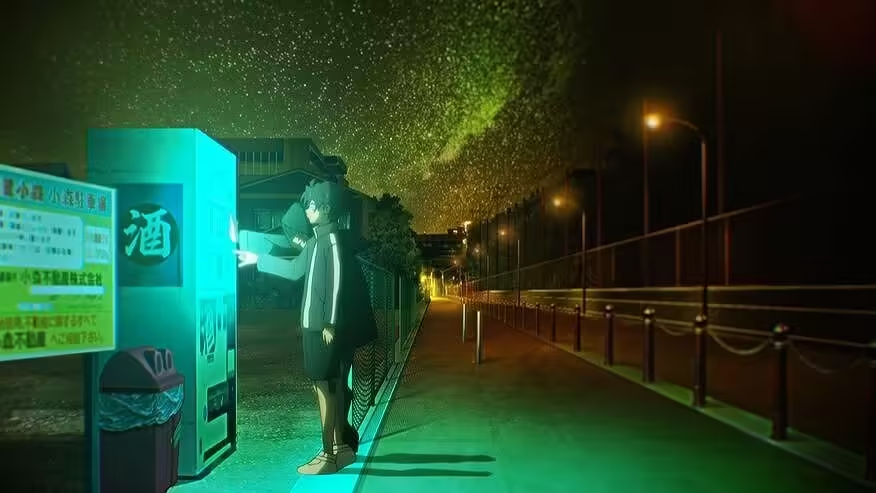
Numakagejichi Hall
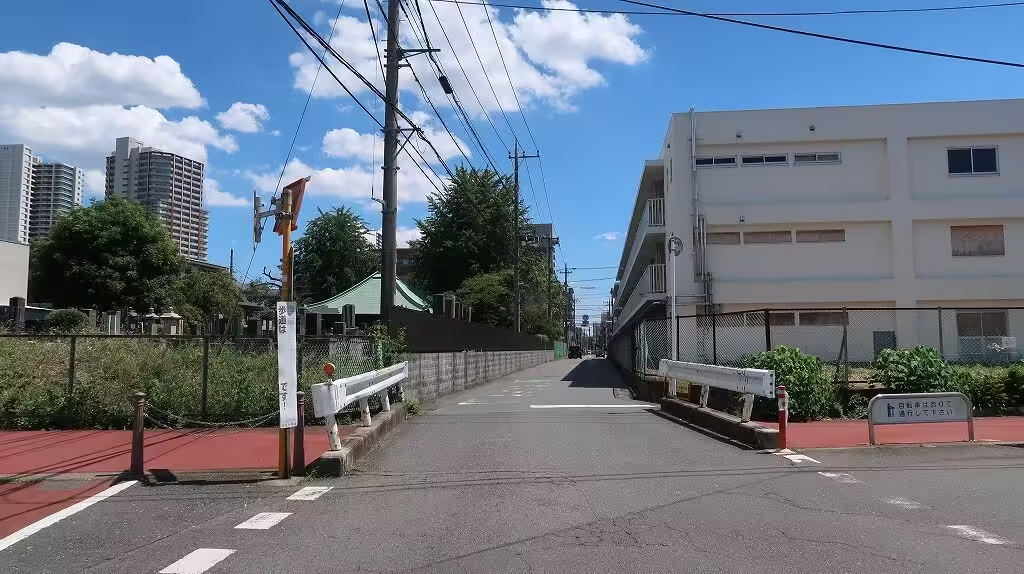
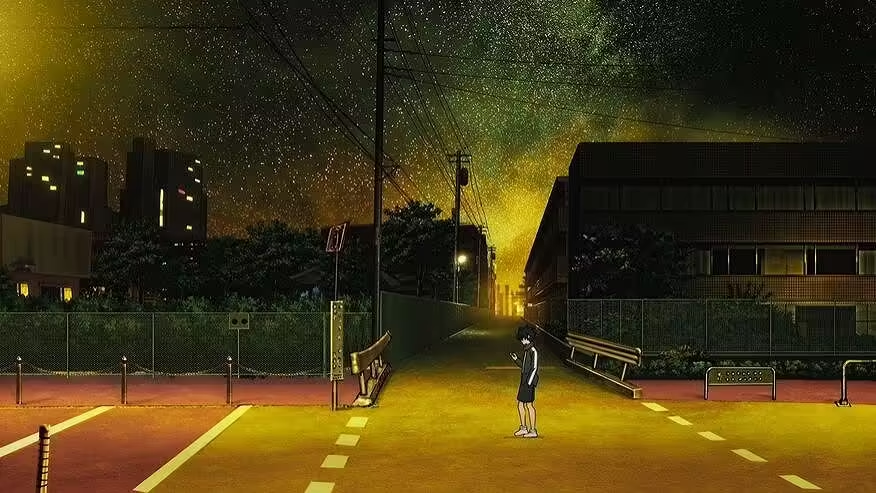
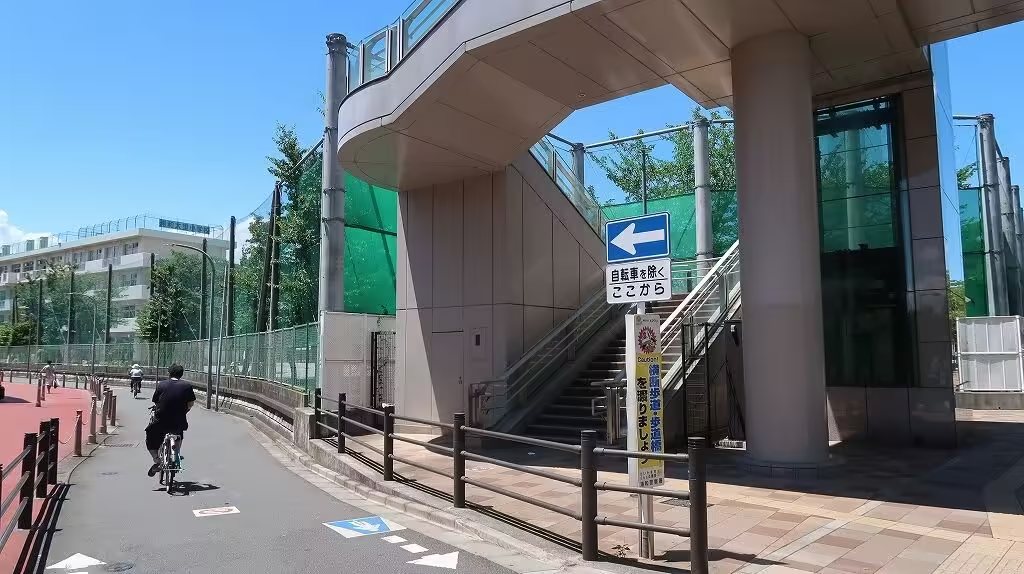
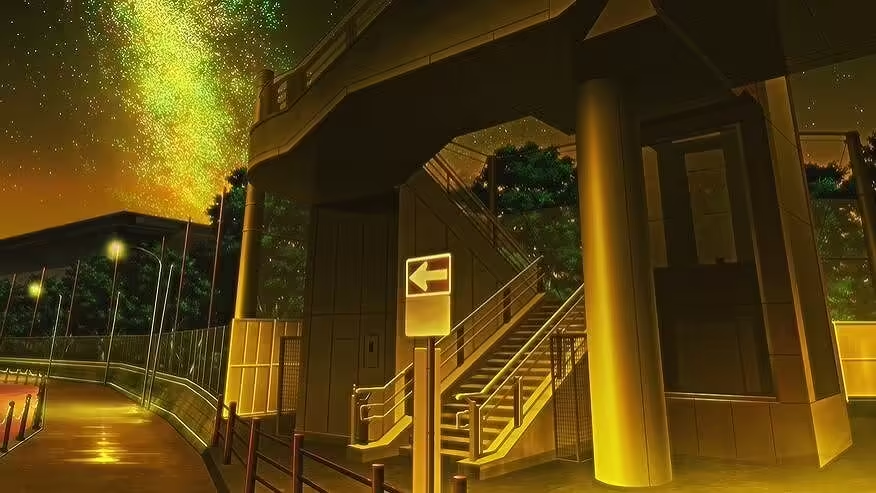
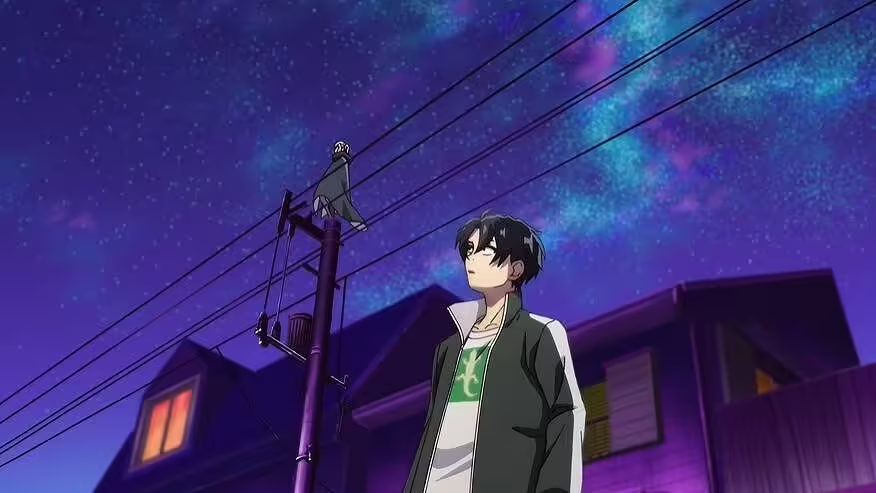
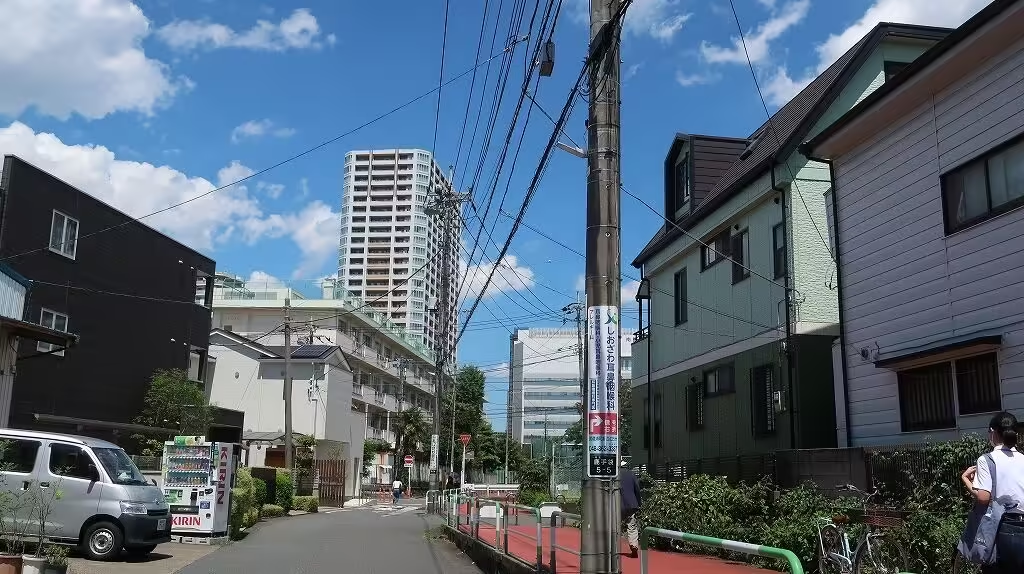
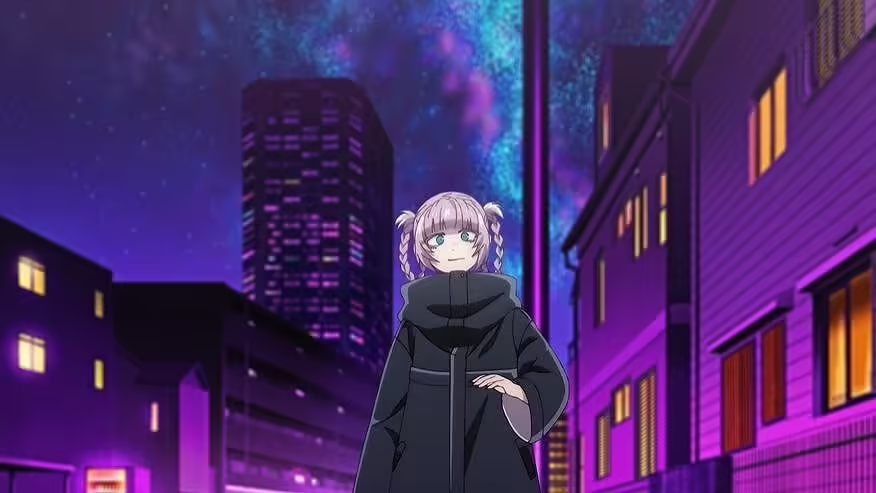
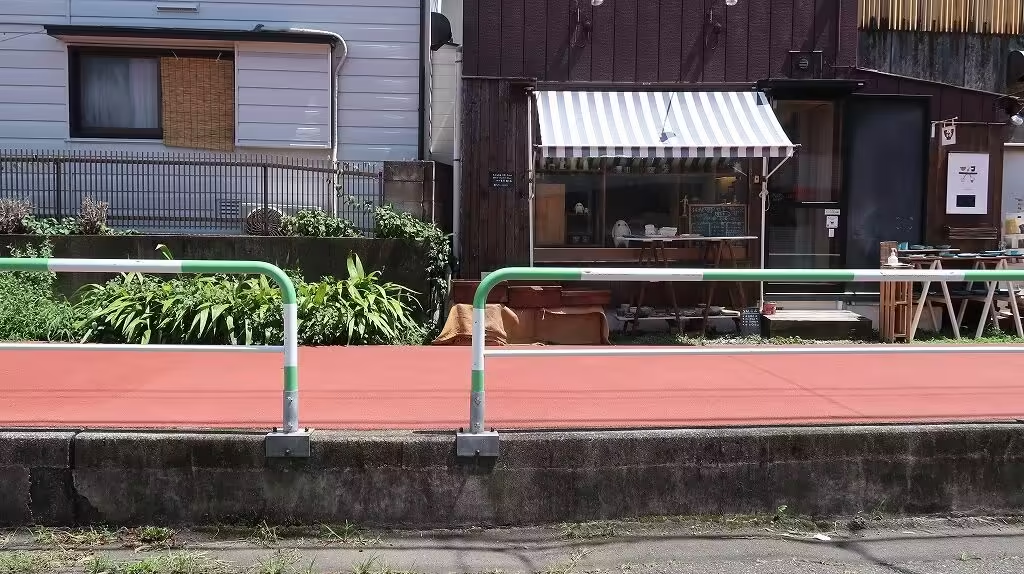
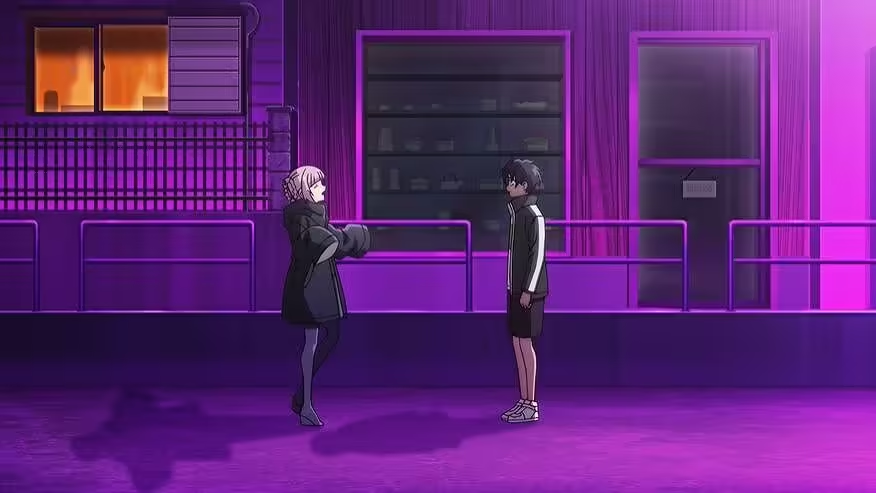
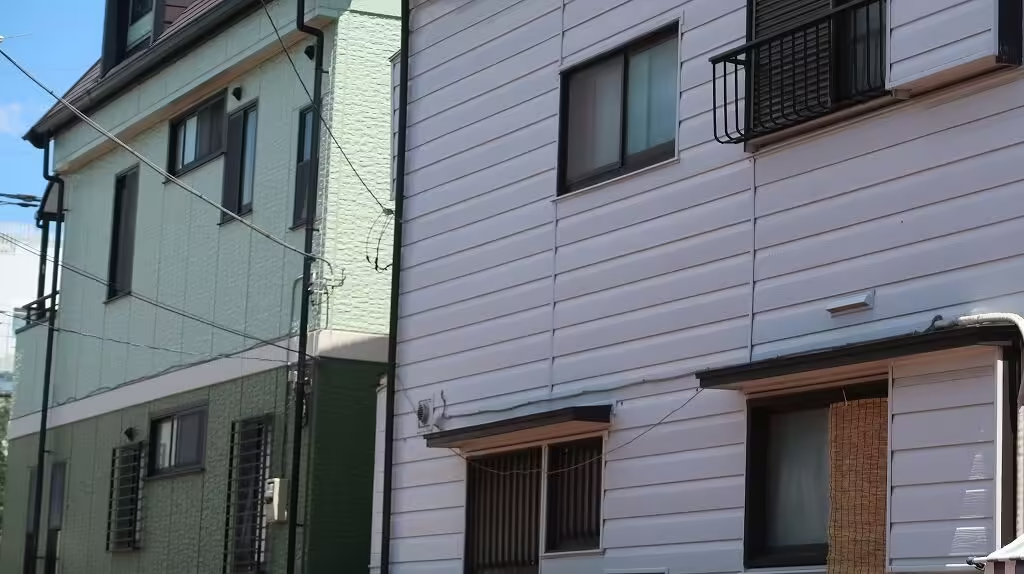
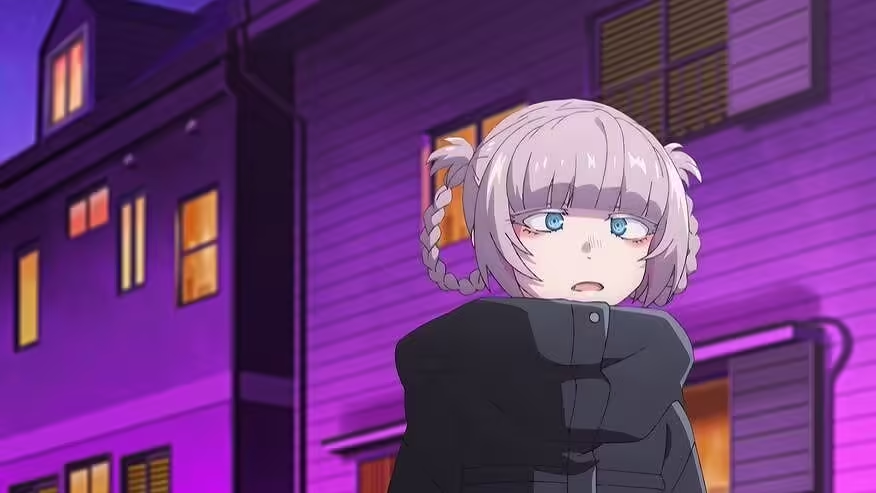
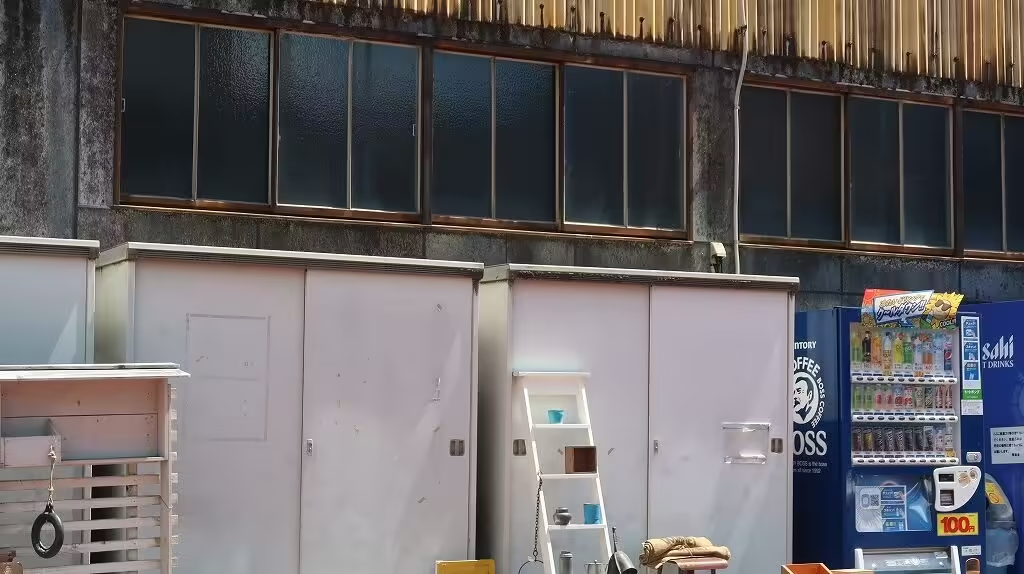
Hasegawa Pottery Gallery
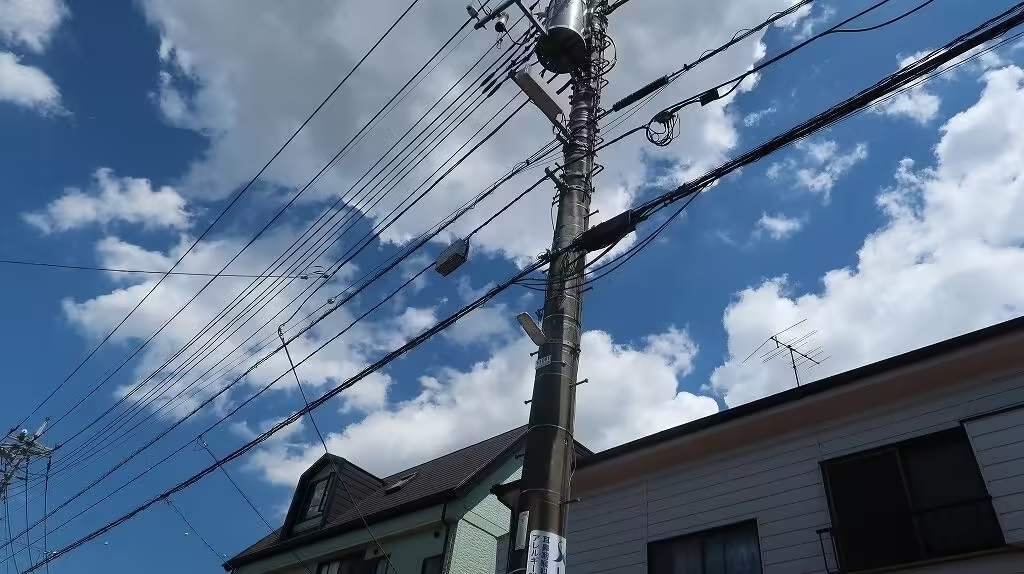
This small gallery reflects the quieter cultural side of Japanese neighborhoods. After closing hours, its surroundings fit naturally into anime night scenes focused on everyday streets rather than tourist-heavy locations.
In front of the Hasegawa Pottery Gallery
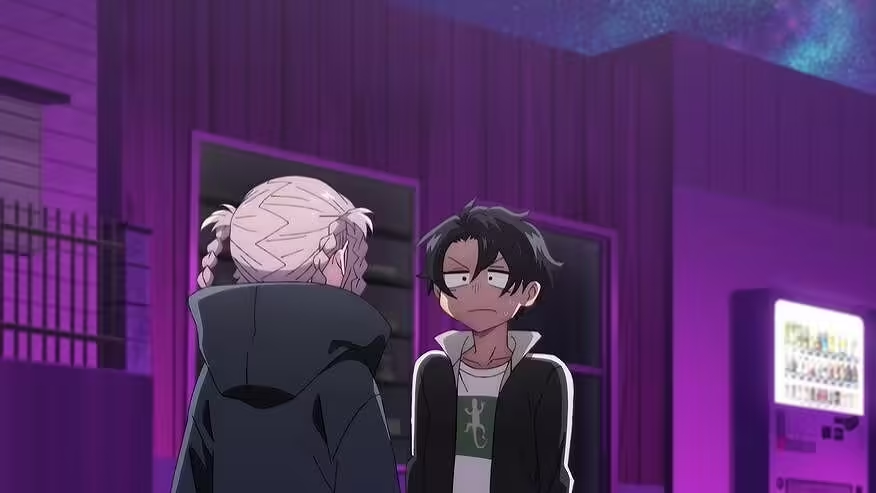
Kannon Children’s Park
Kannon Children’s Park Address
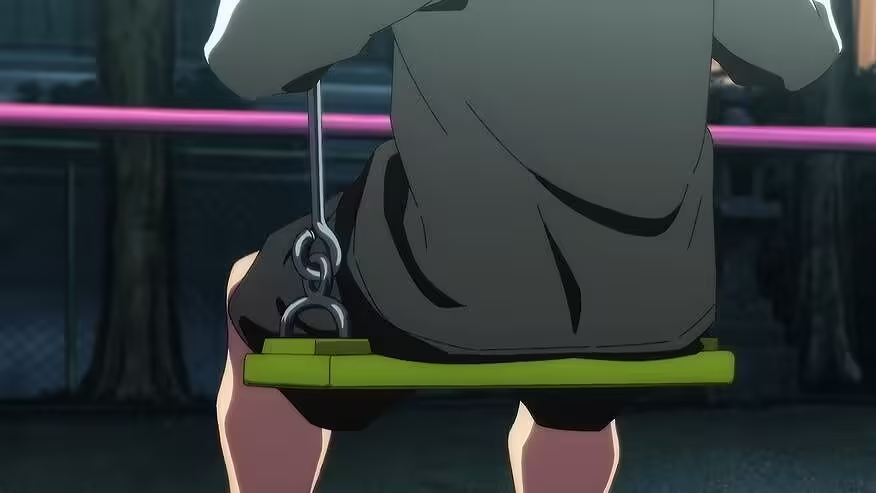
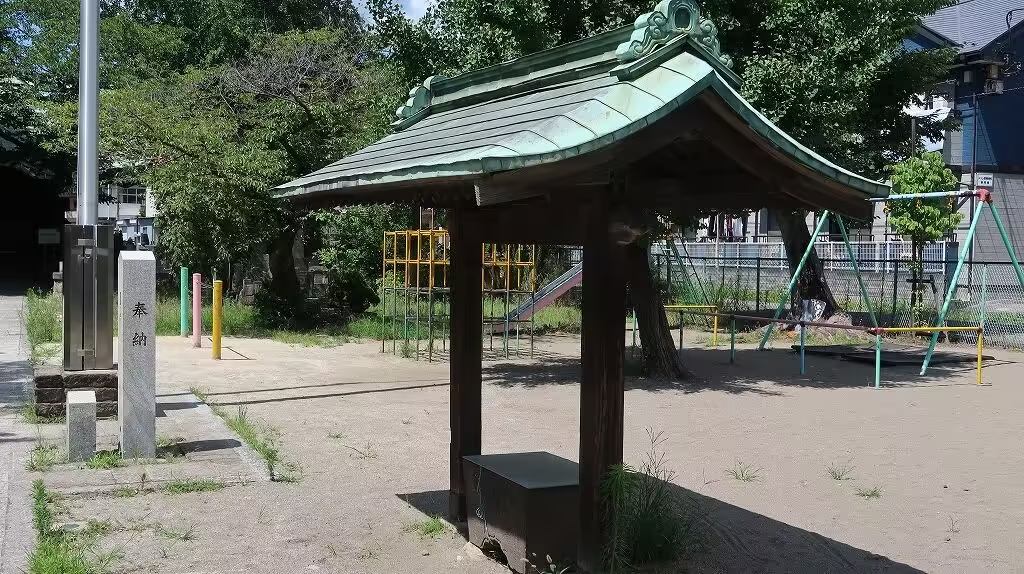
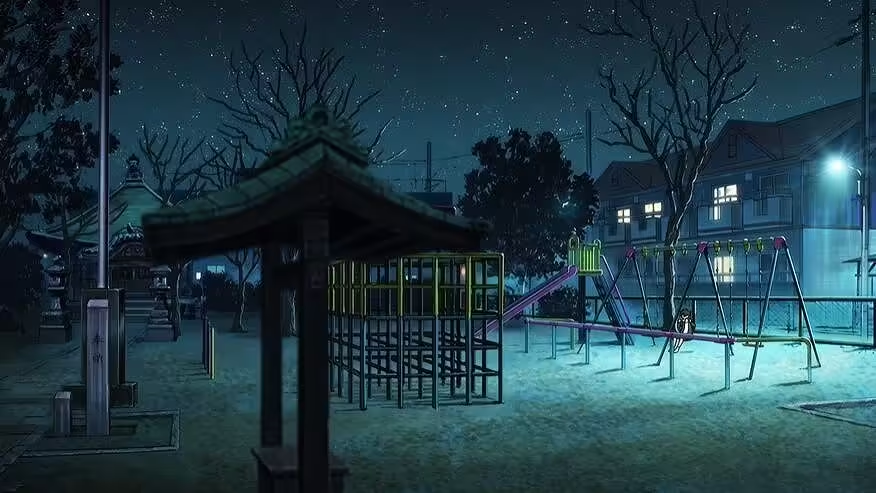
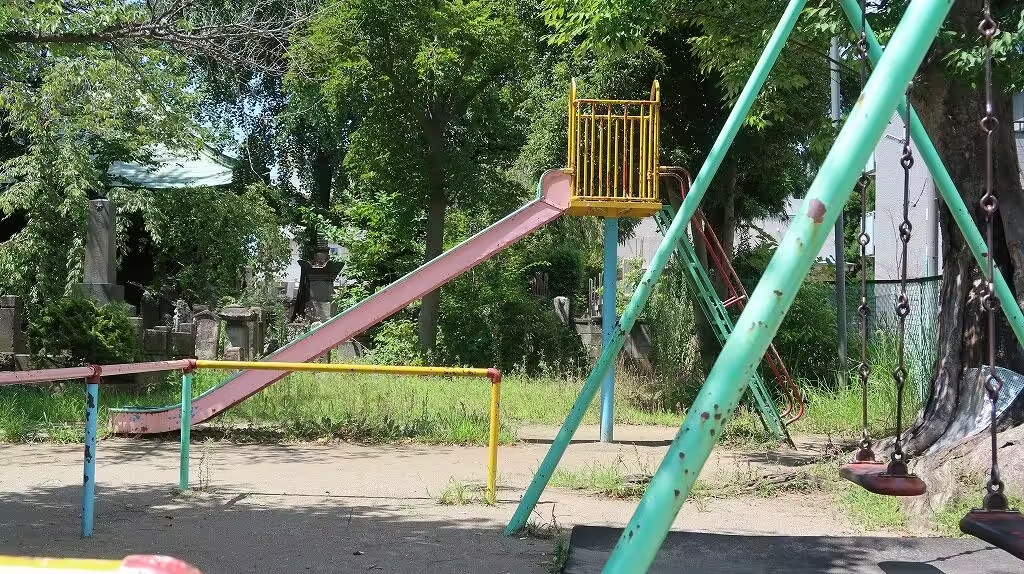
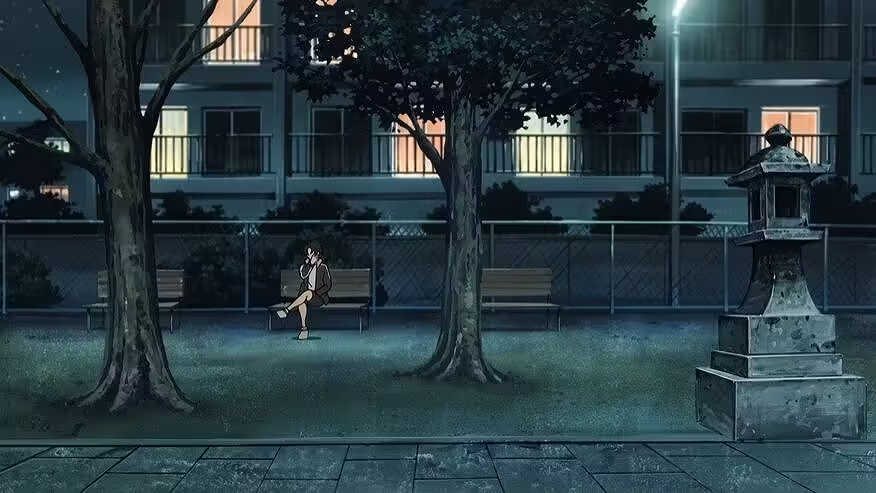
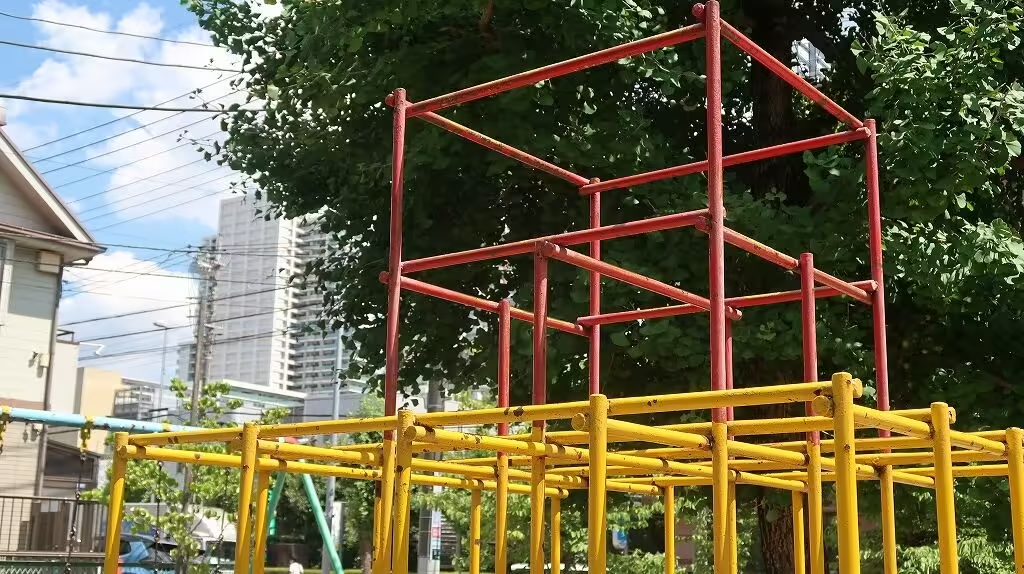
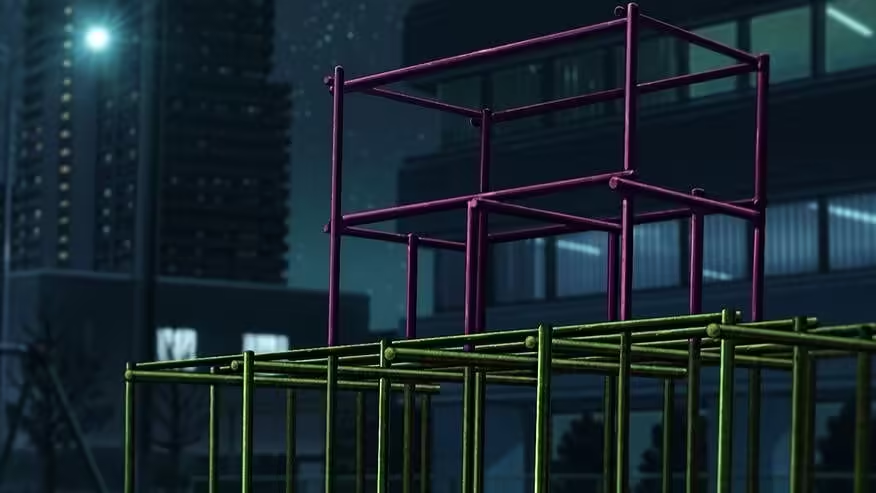
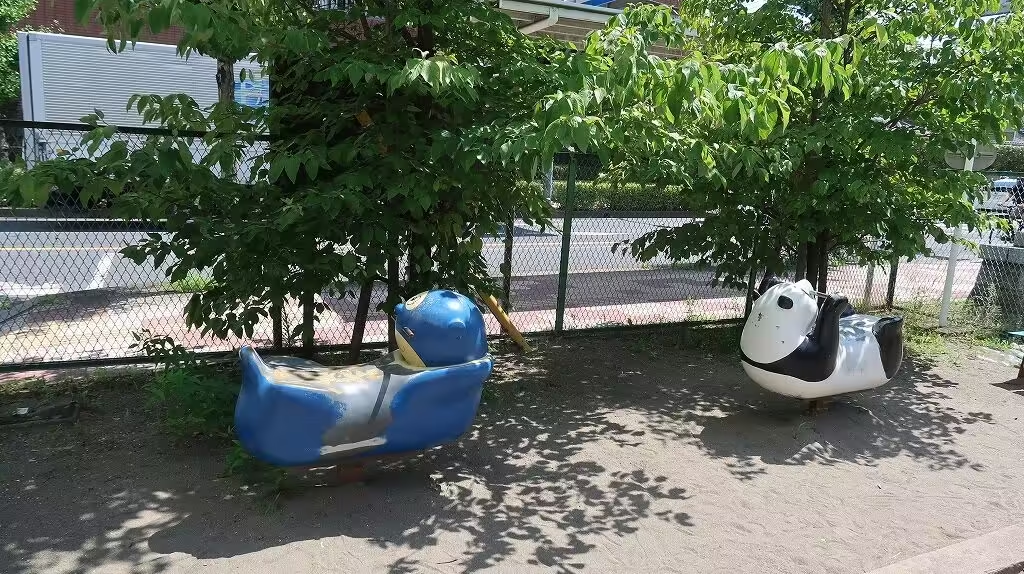
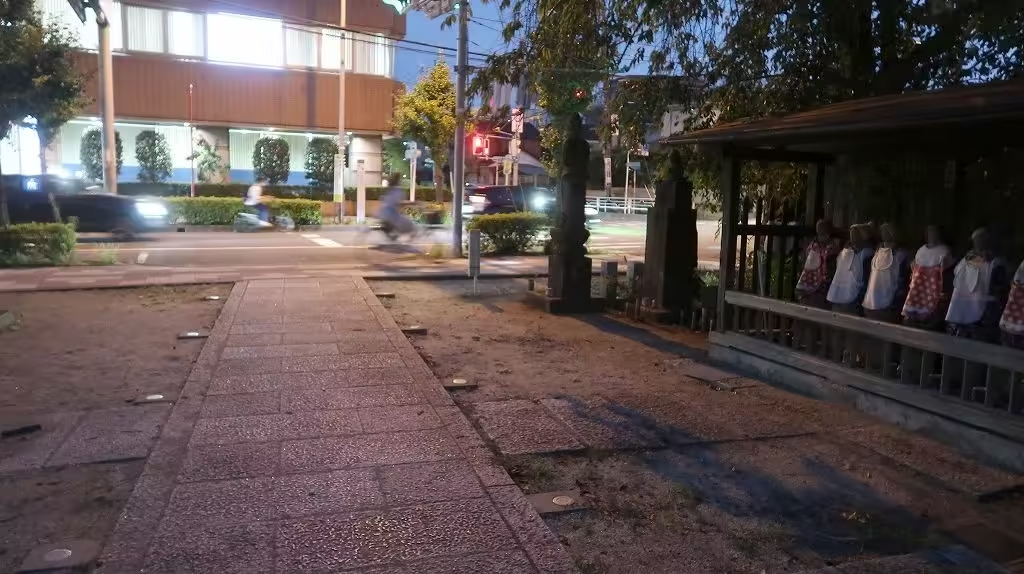
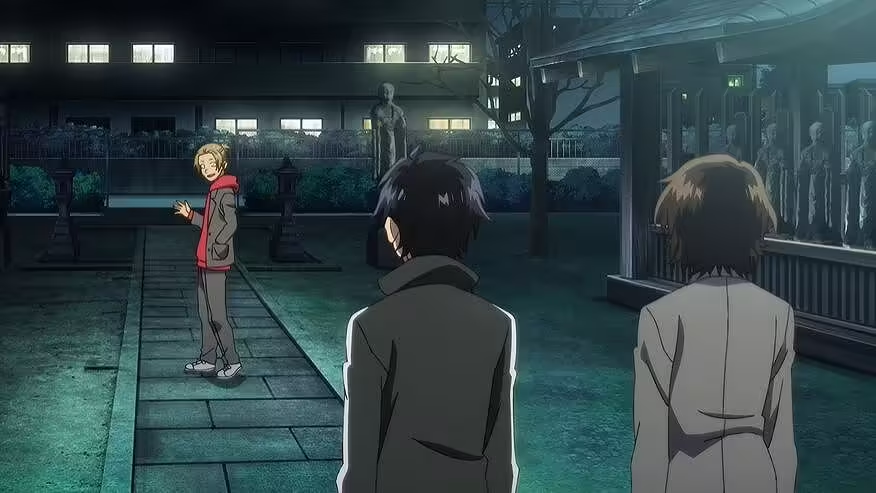
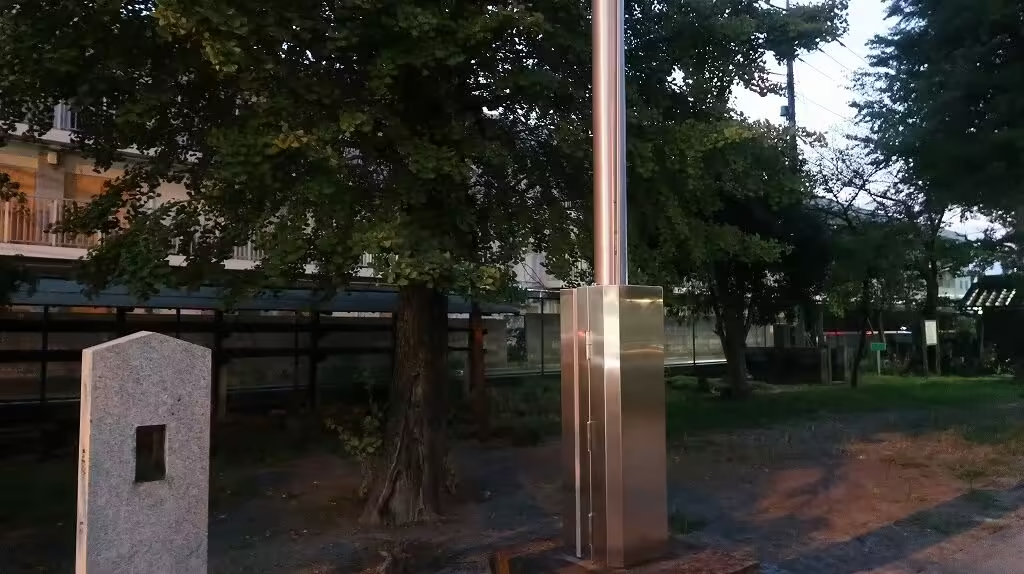
Park Kannon Children is a compact neighborhood park, active during the day but calm and nearly empty at night. Its scale and simplicity align with how small parks are typically portrayed in nighttime anime settings.
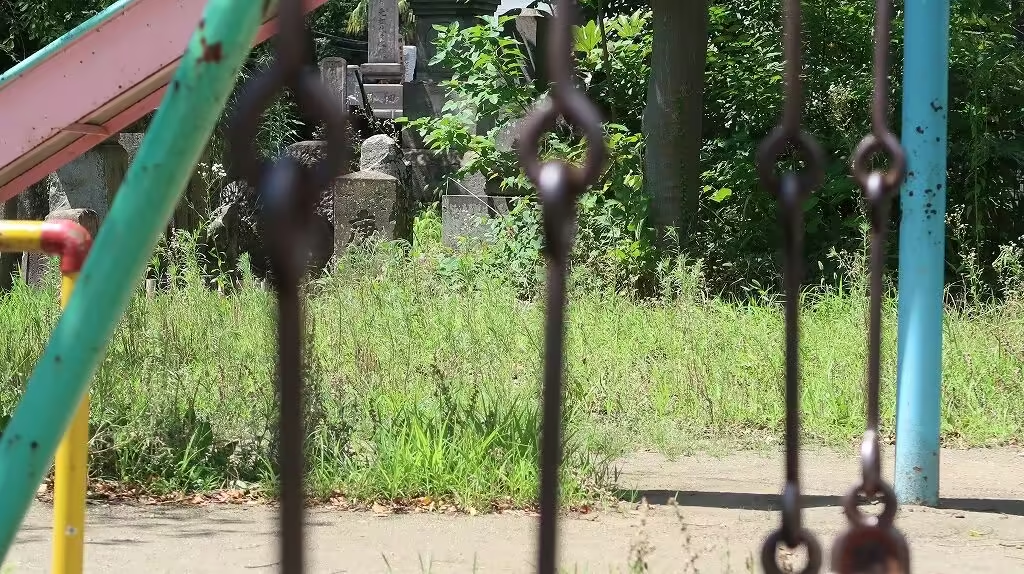
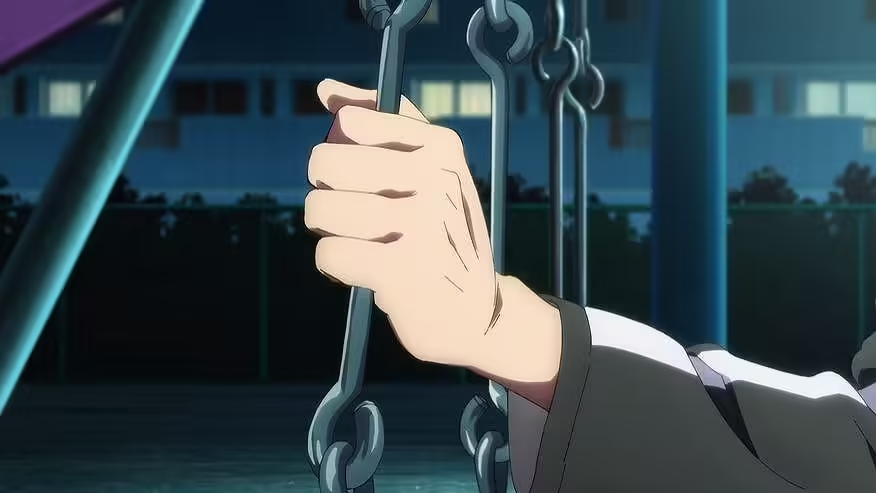
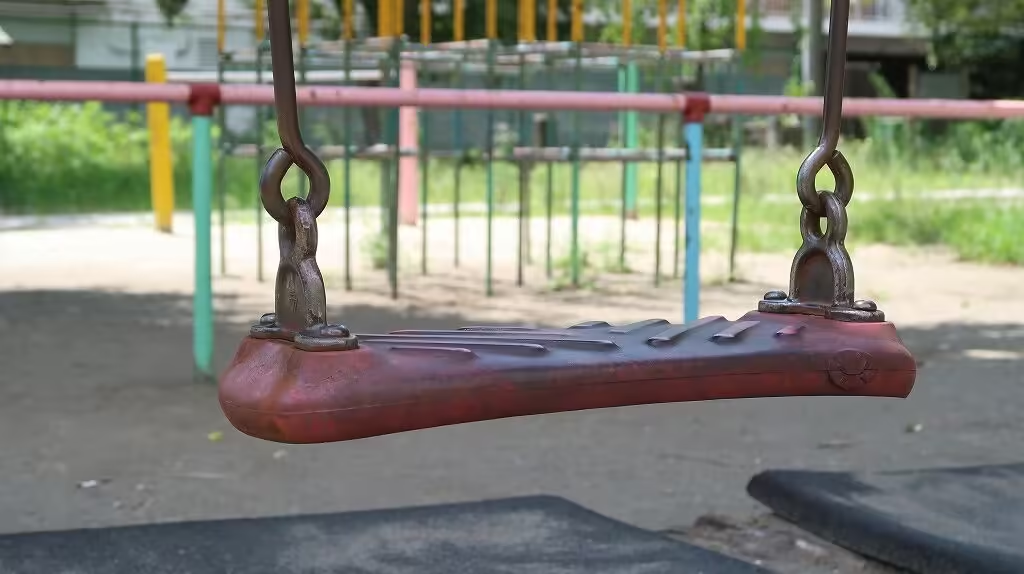
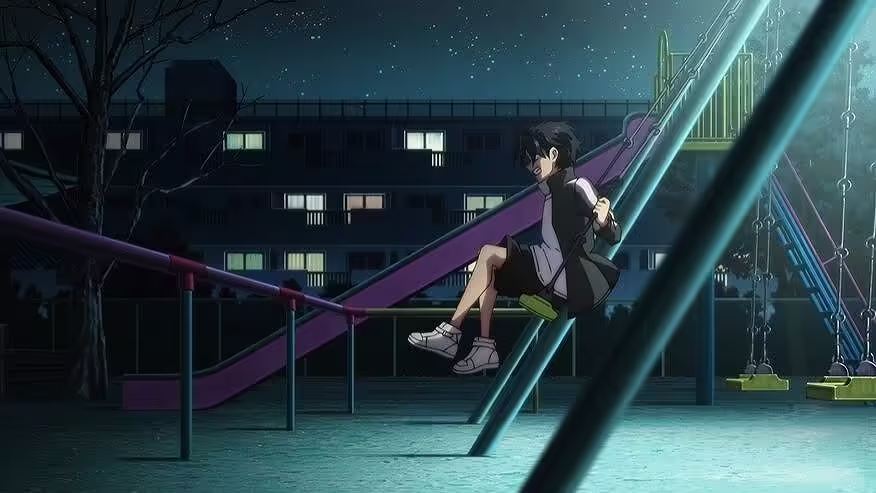
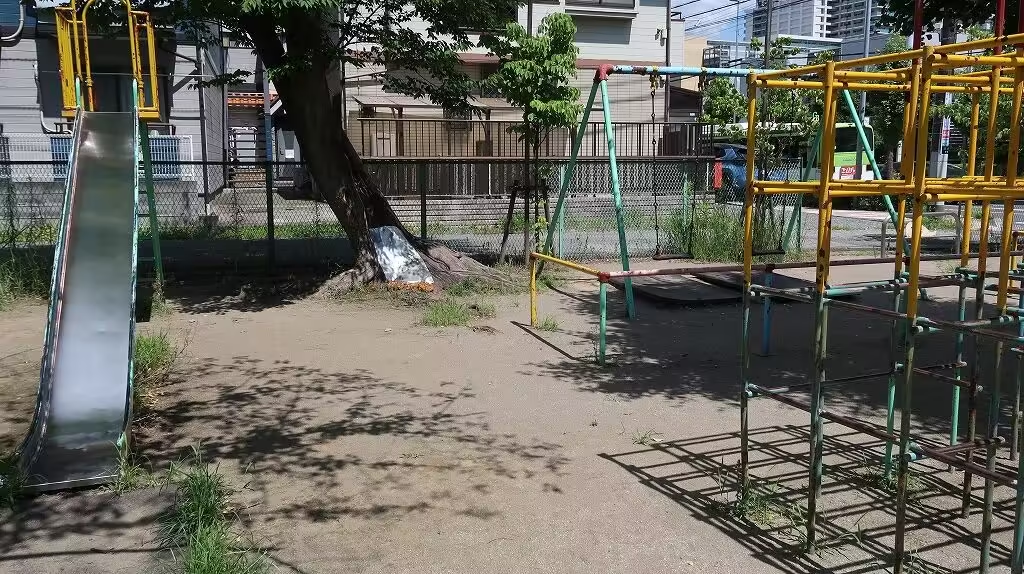
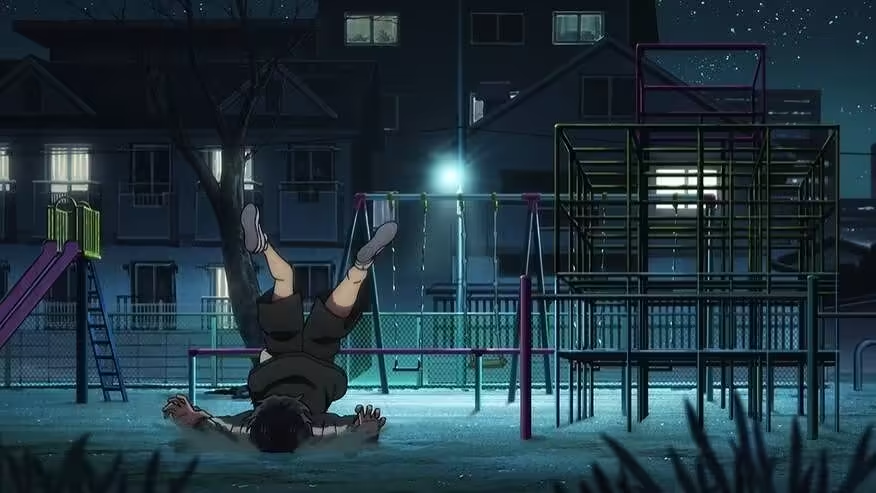
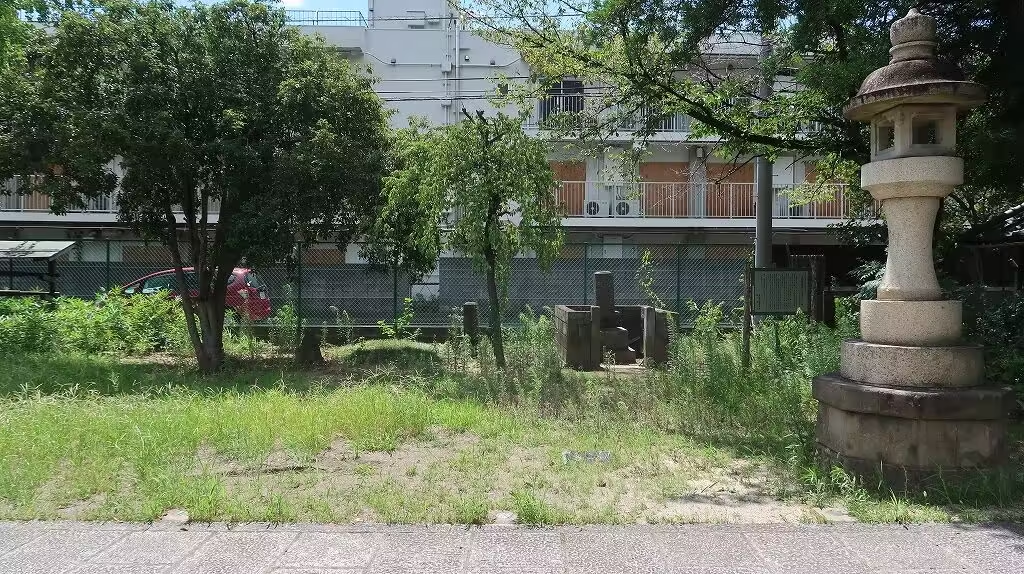
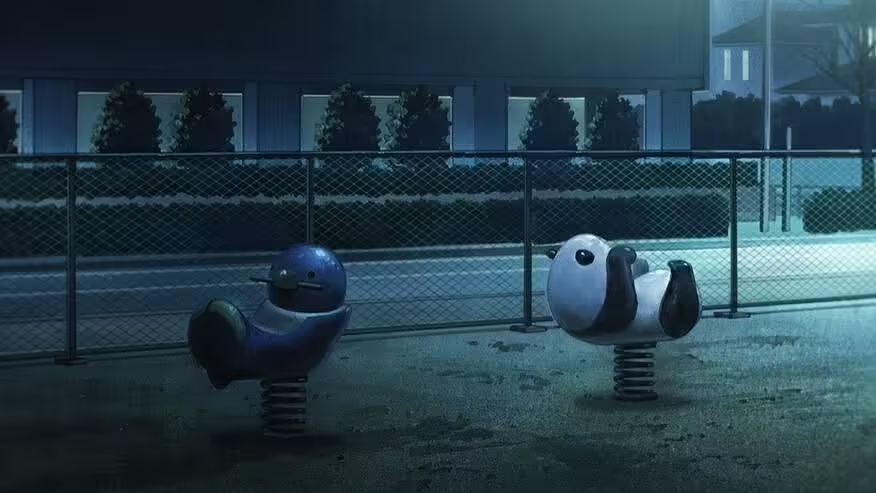
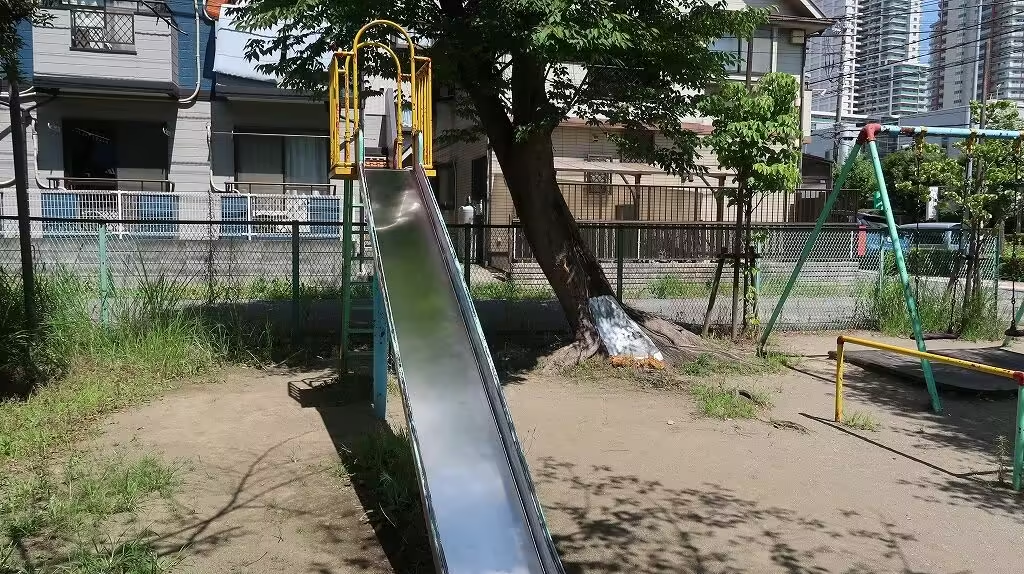
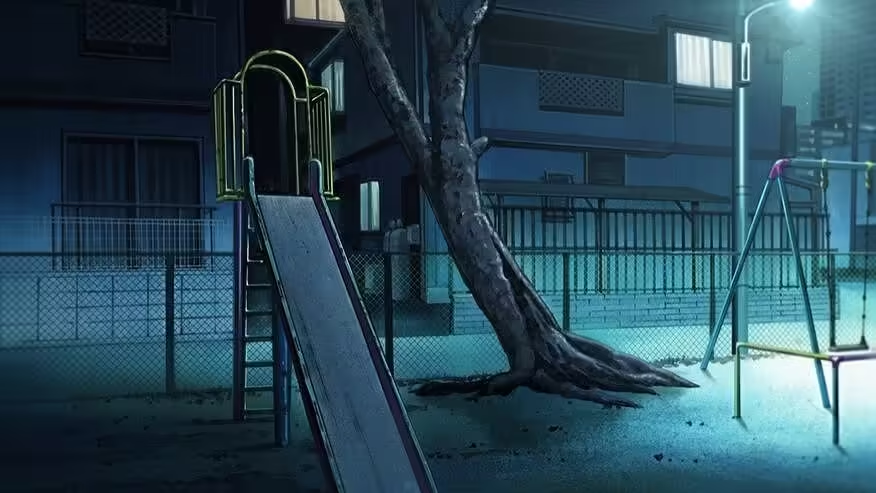
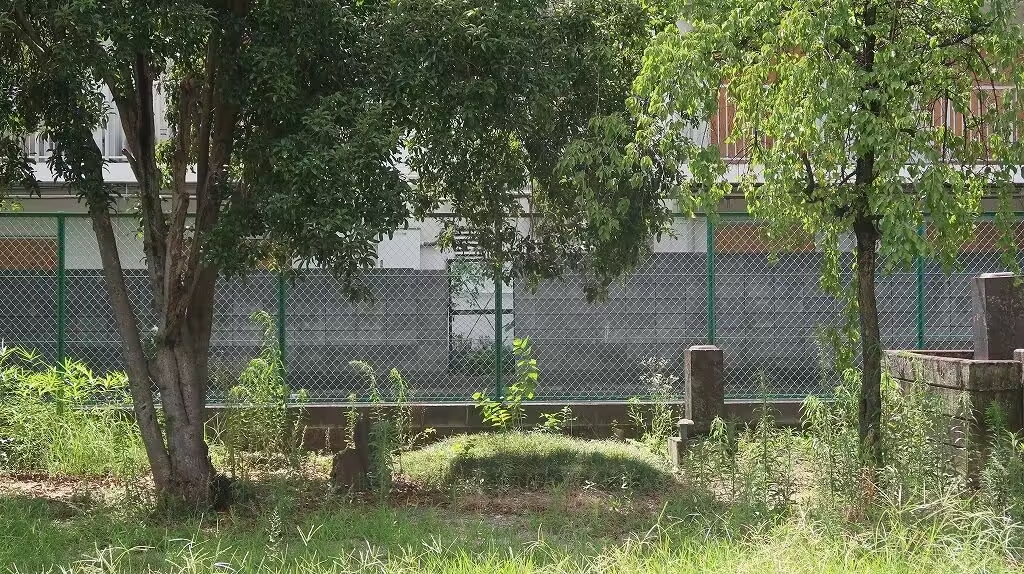
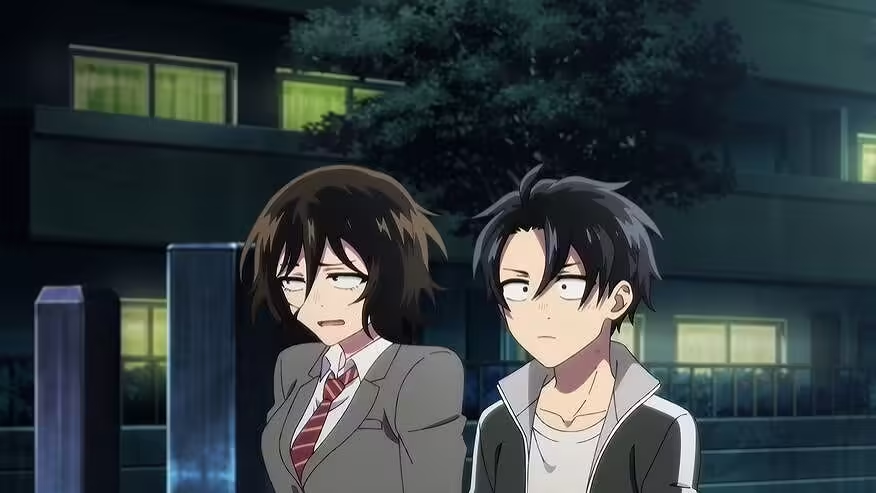
Mahora Park
Mahora Park offers more open space than most neighborhood parks, but still becomes quiet after sunset. Its nighttime atmosphere suits scenes that focus on reflection and slow pacing rather than movement or crowds.
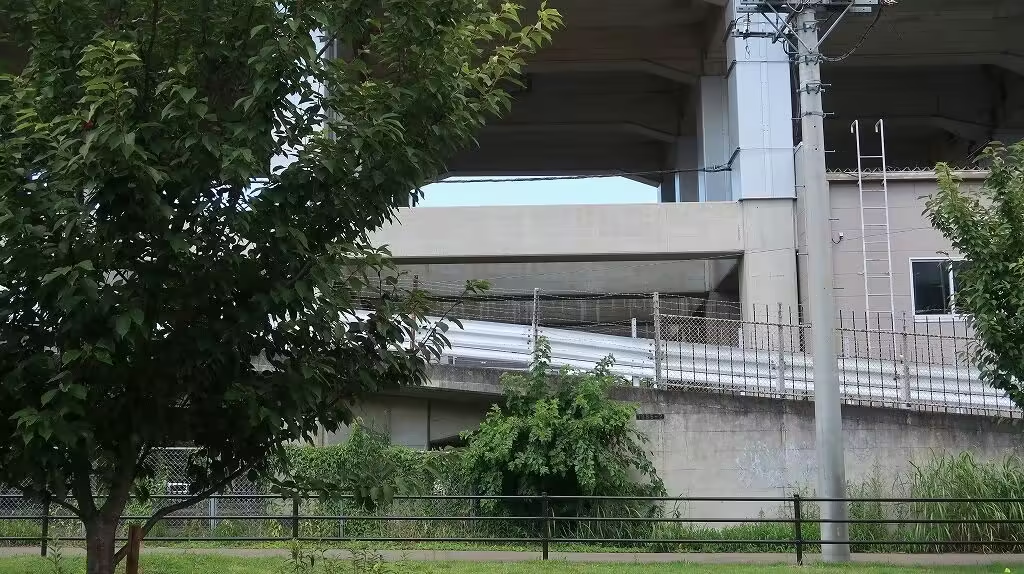
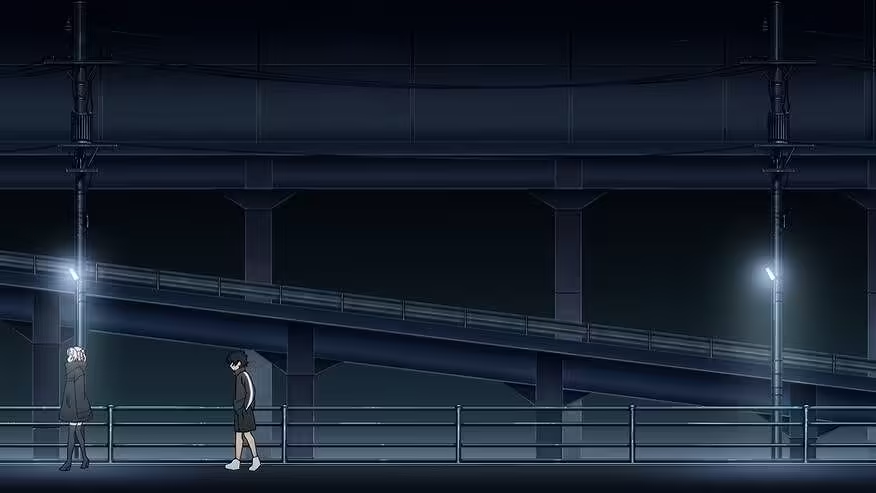
Next to Hidakaya Mare Musashi-Urawa store
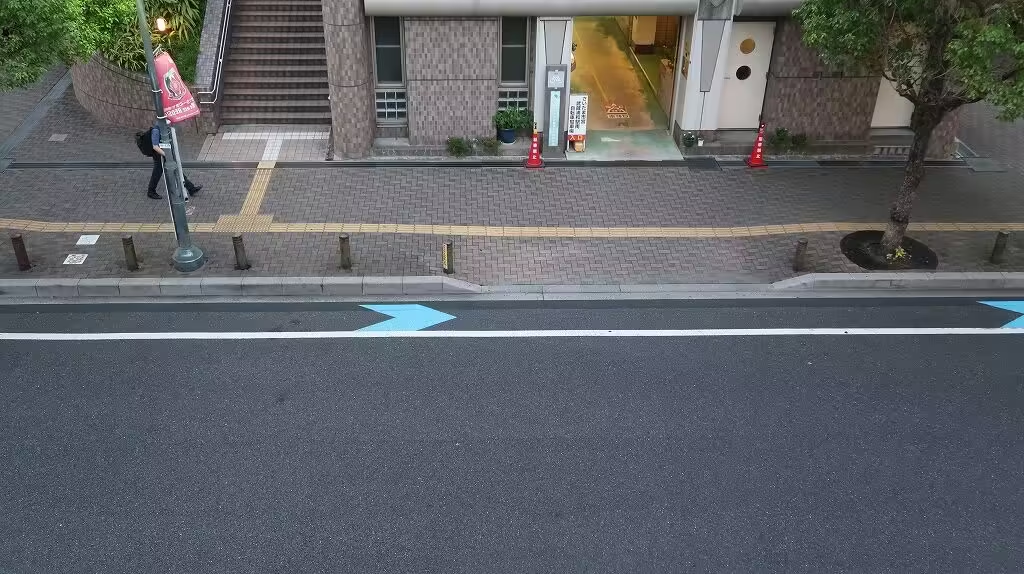
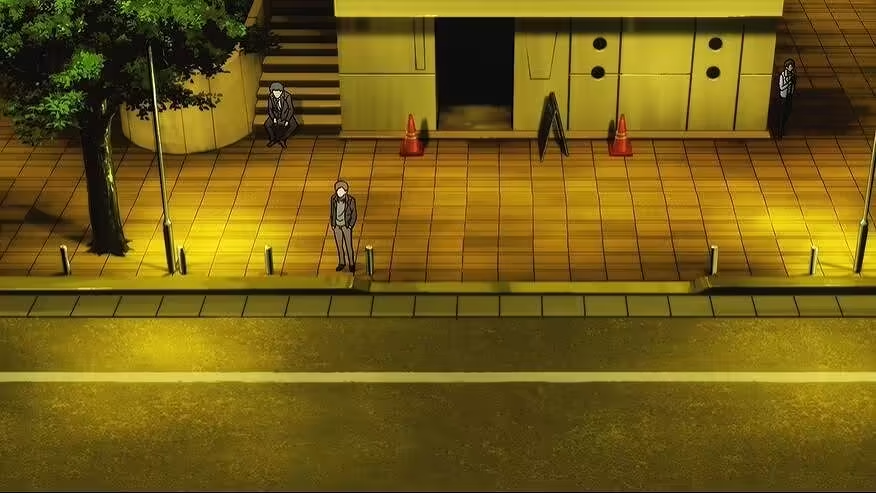
Musashi-Uwara SHY&GARDEN
Musashi-Uwara SHY&GARDEN address
This mixed-use area combines greenery, pedestrian paths, and nearby residences. At night, the space feels restrained and orderly, fitting the kind of modern urban environments often shown during calm evening sequences.
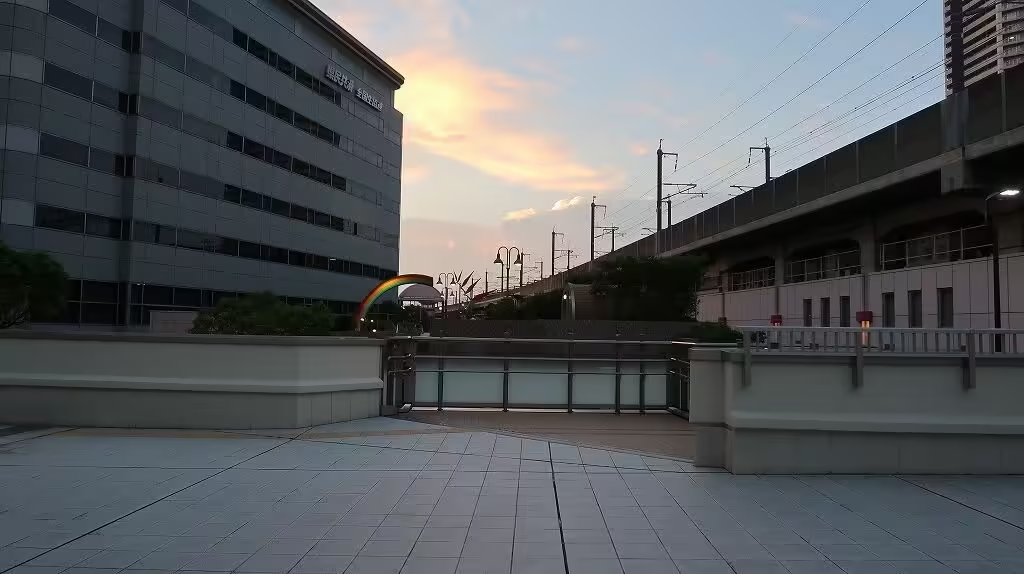
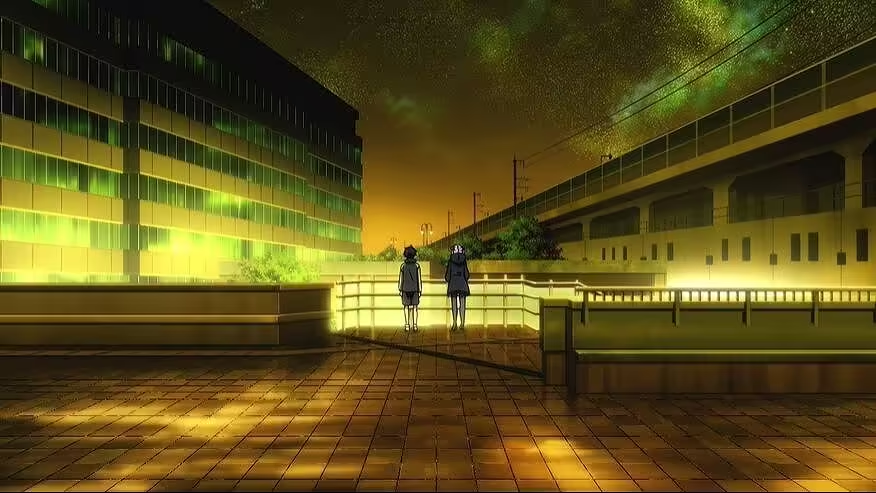
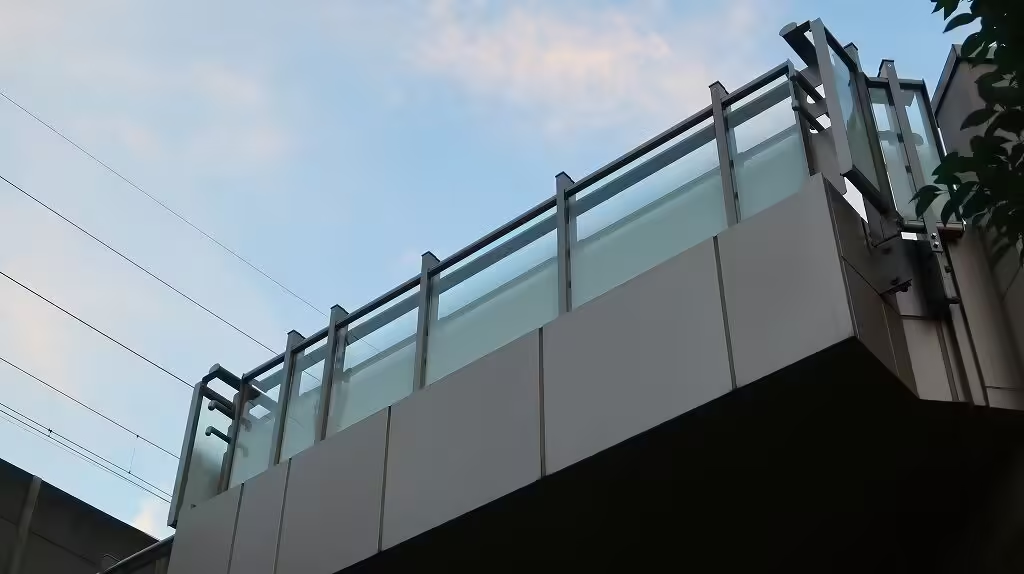
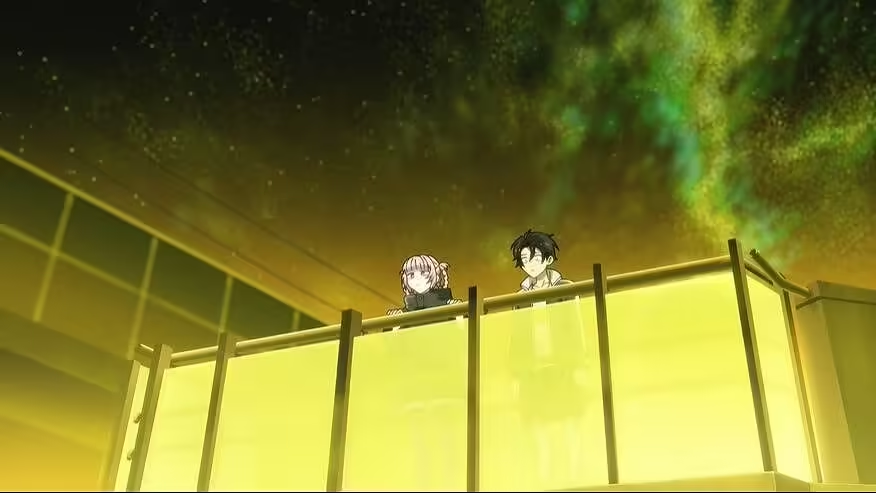
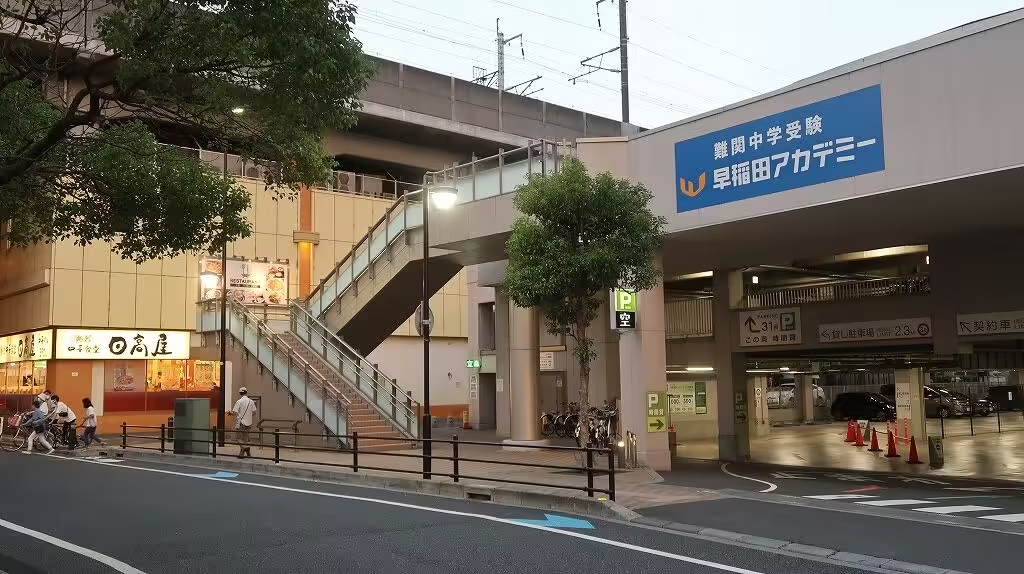
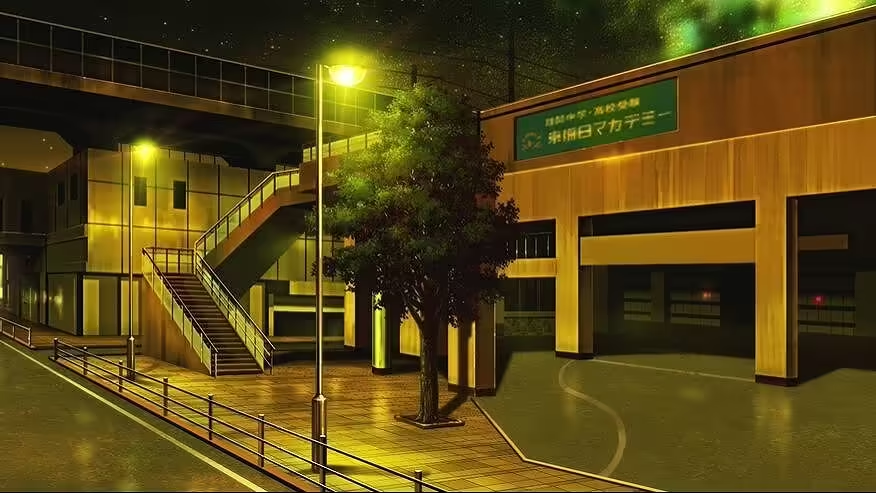
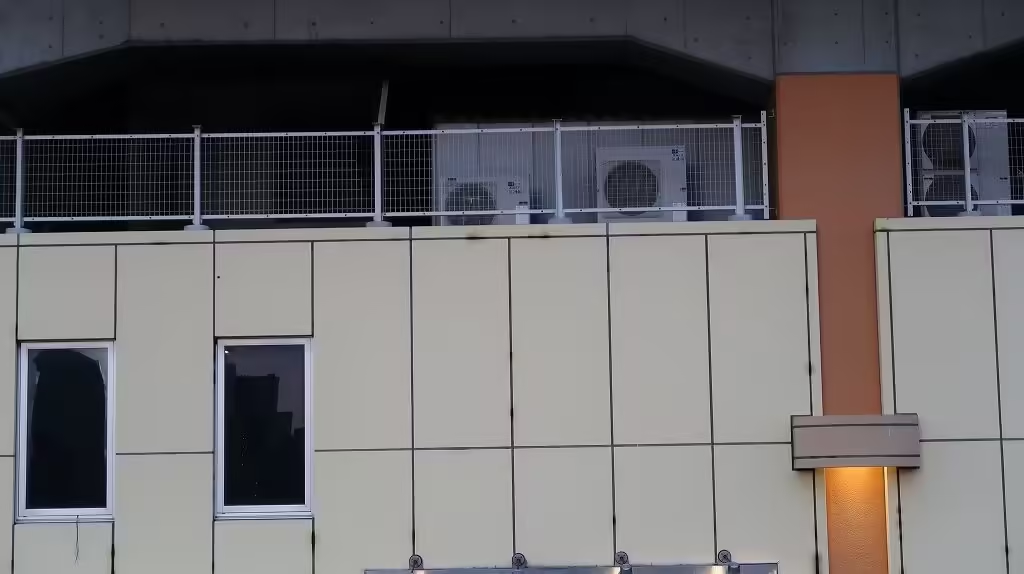
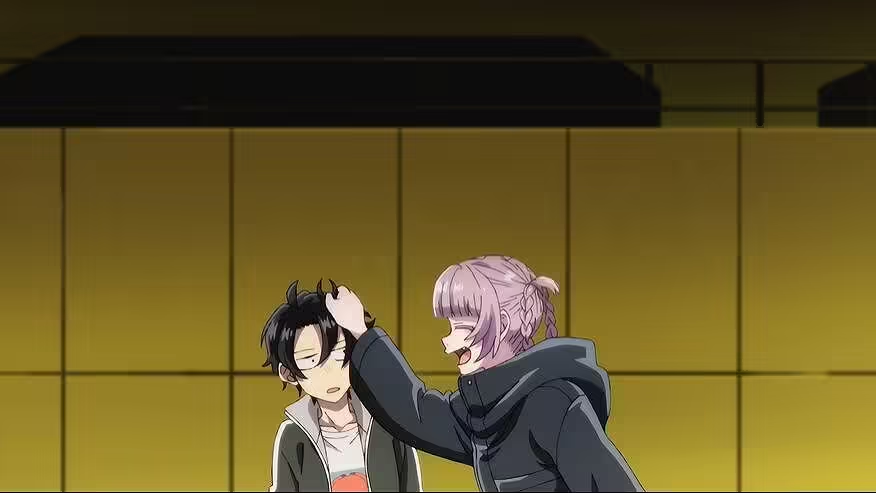
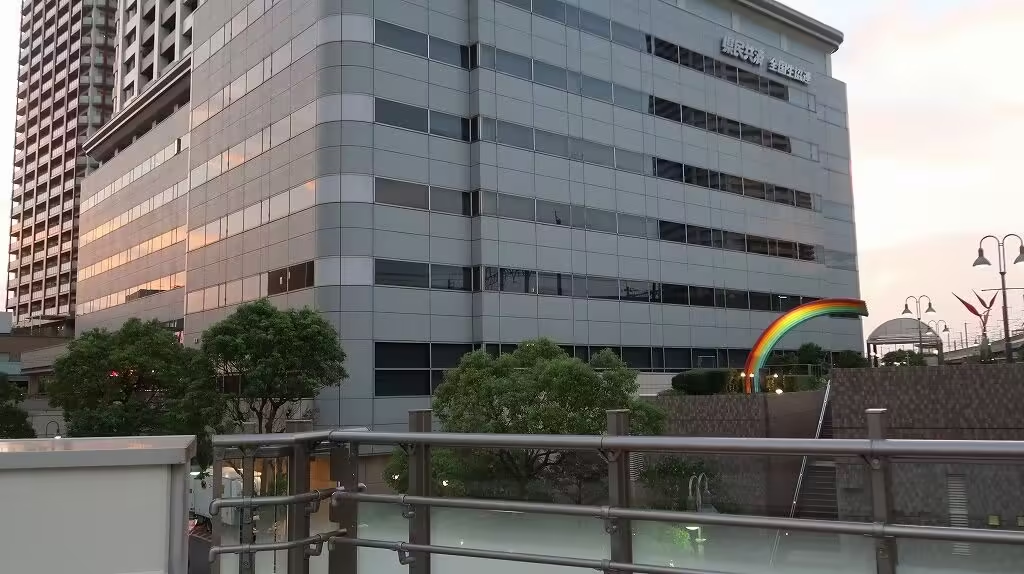
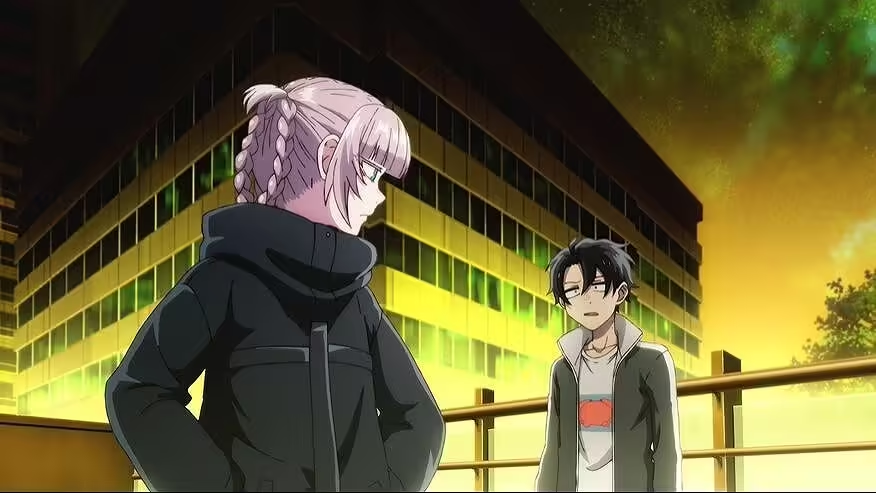
Coerver Football Park, near Musashi-Urawa
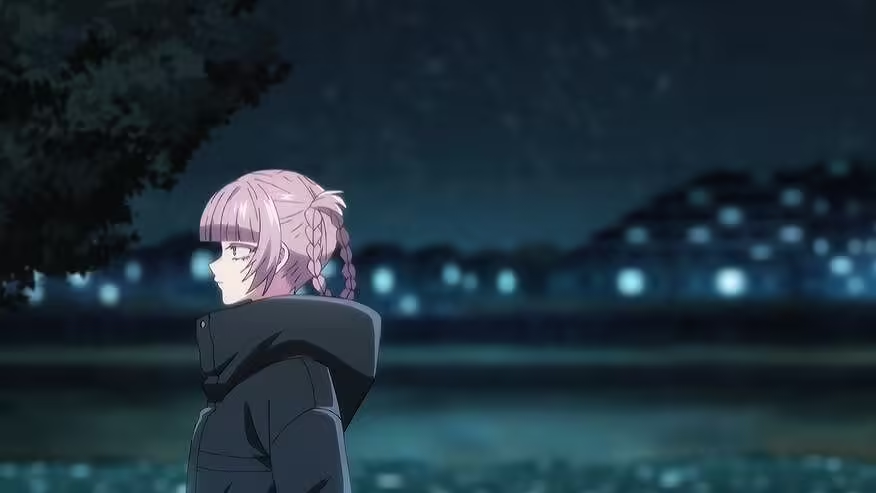
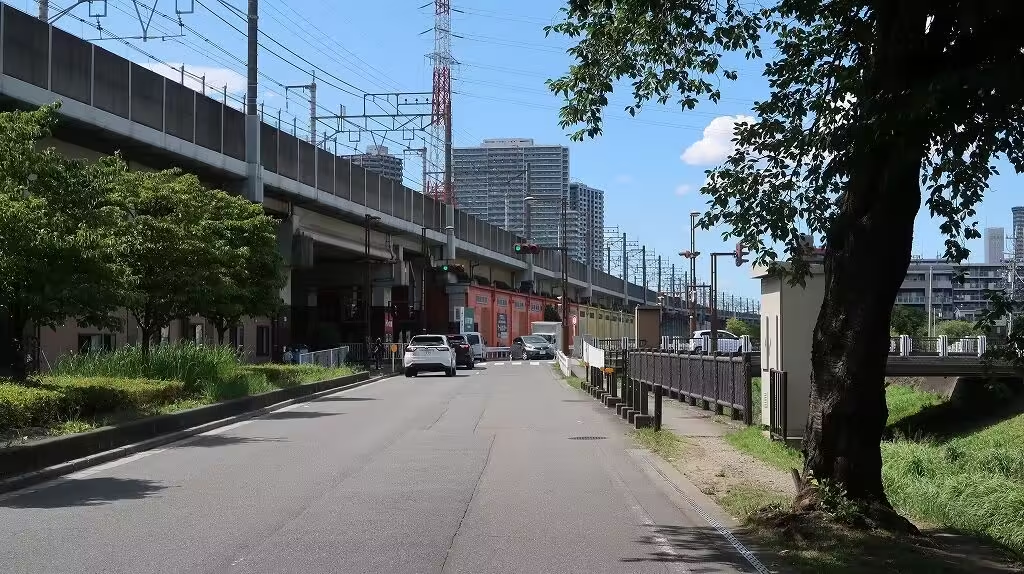
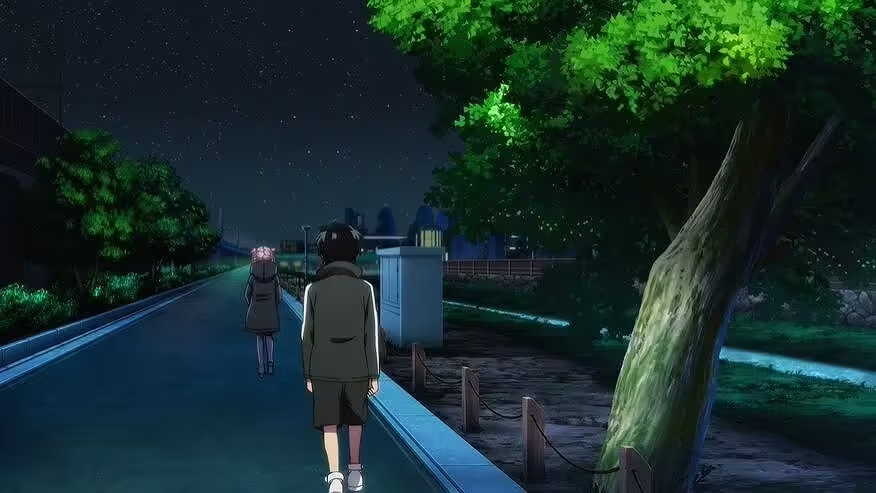
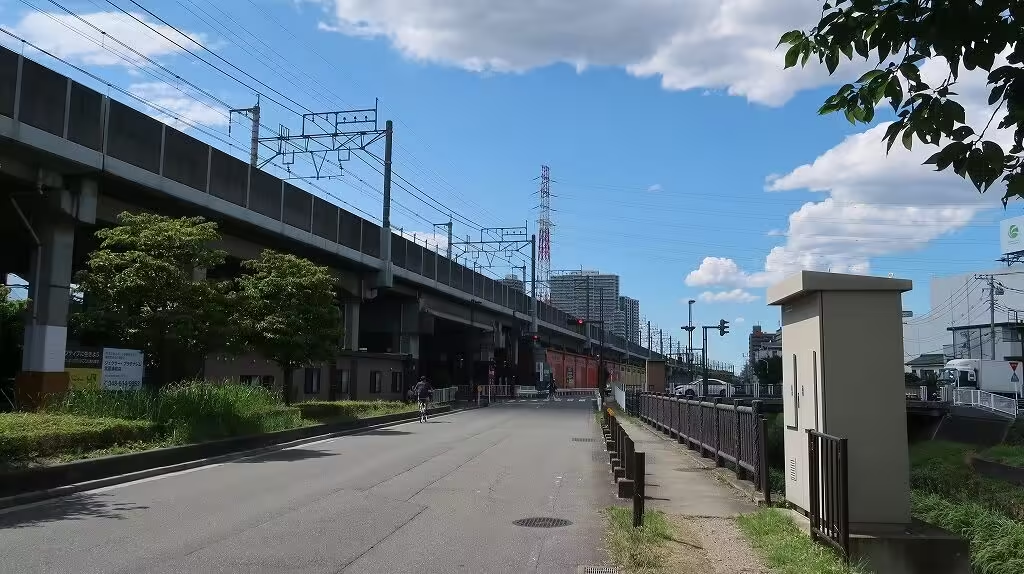
Sports facilities like Coerver Football Park are usually empty at night, with only minimal lighting. This emptiness mirrors how open recreational spaces are sometimes framed in anime to highlight isolation and quiet.
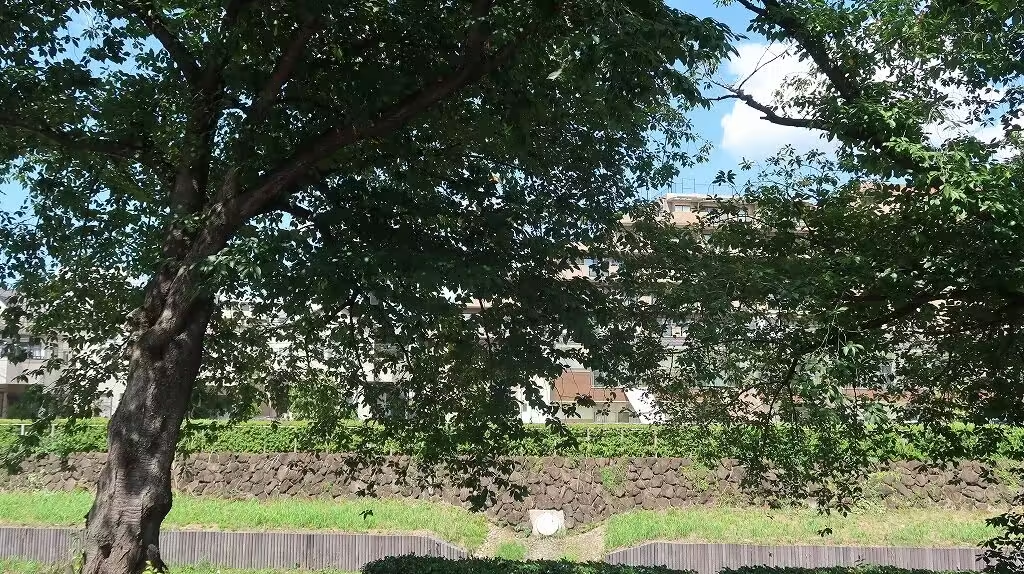
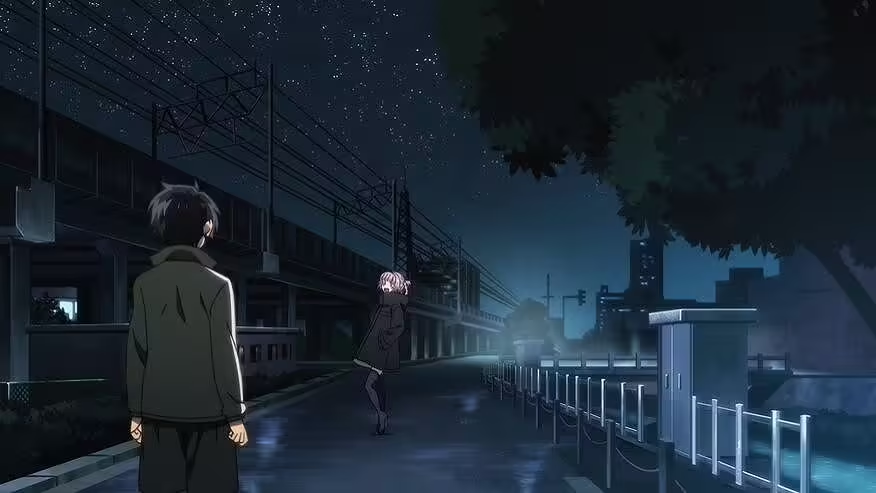
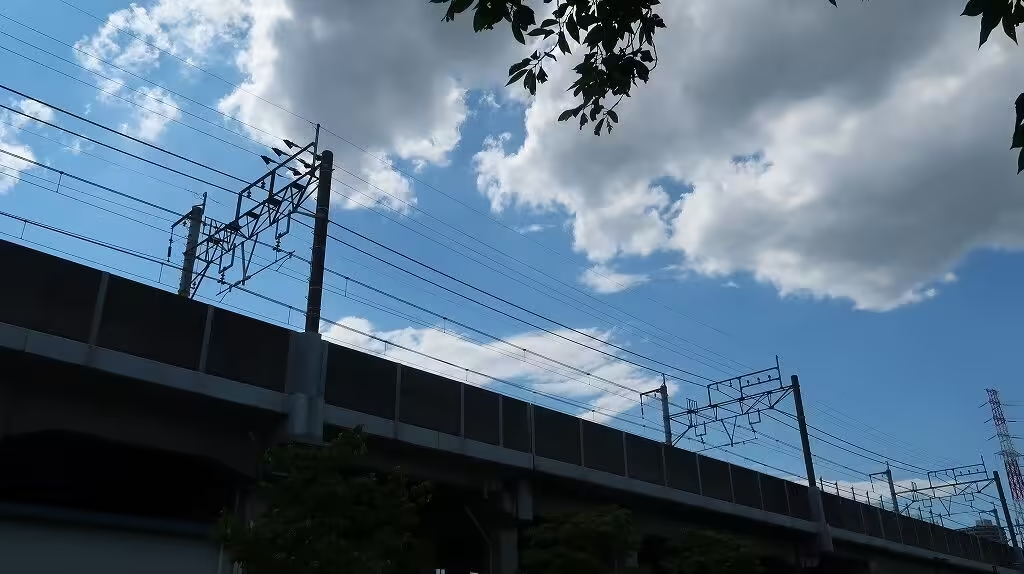
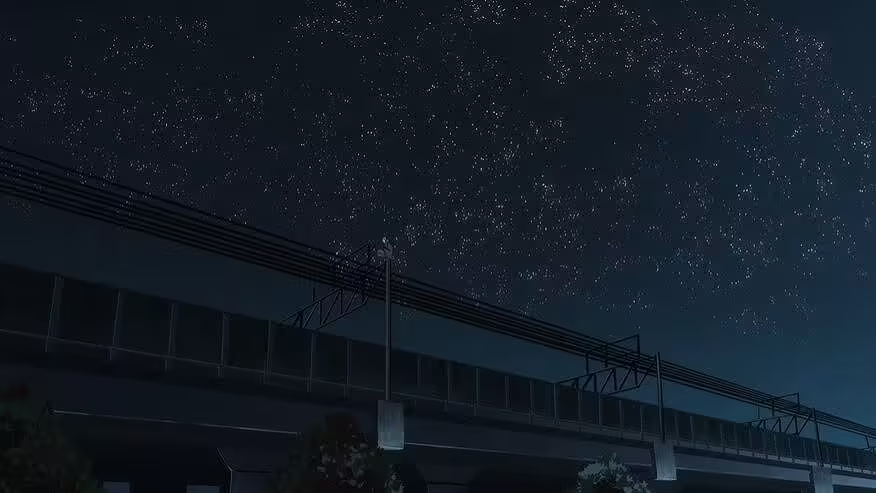
Saitama City Uchitani Junior High School
Uchitani Junior High School becomes a silent landmark after dark, with closed grounds and still surroundings. Such locations are commonly used in anime to reinforce the sense of time passing while the city rests.
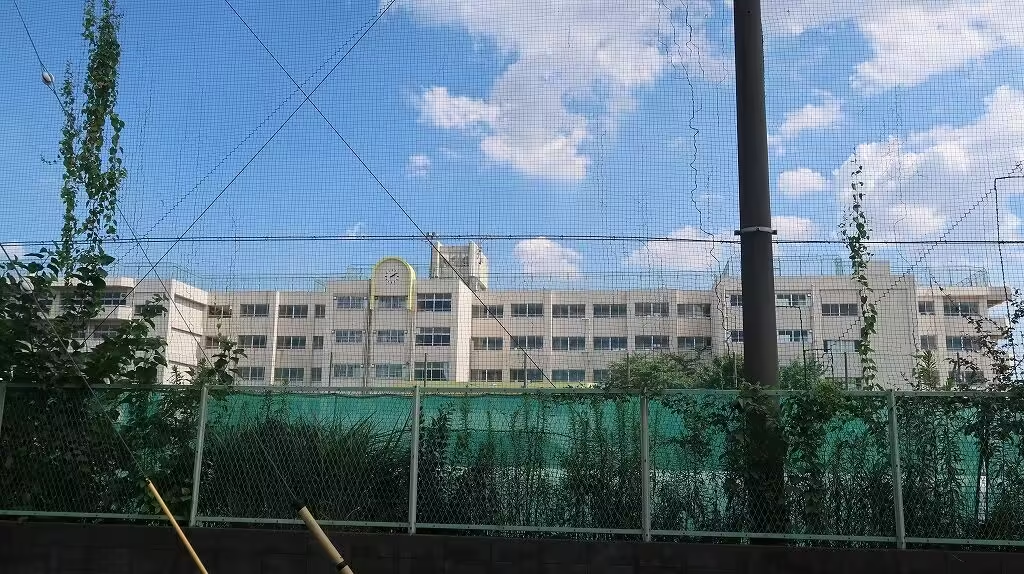
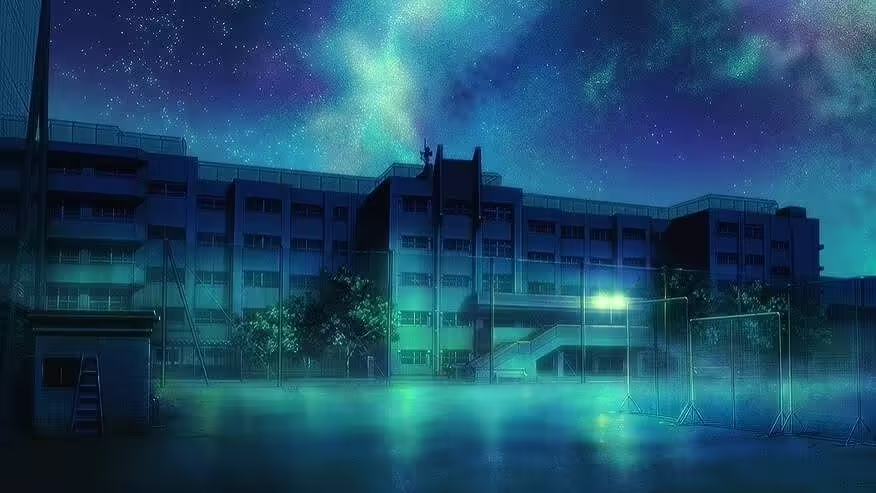
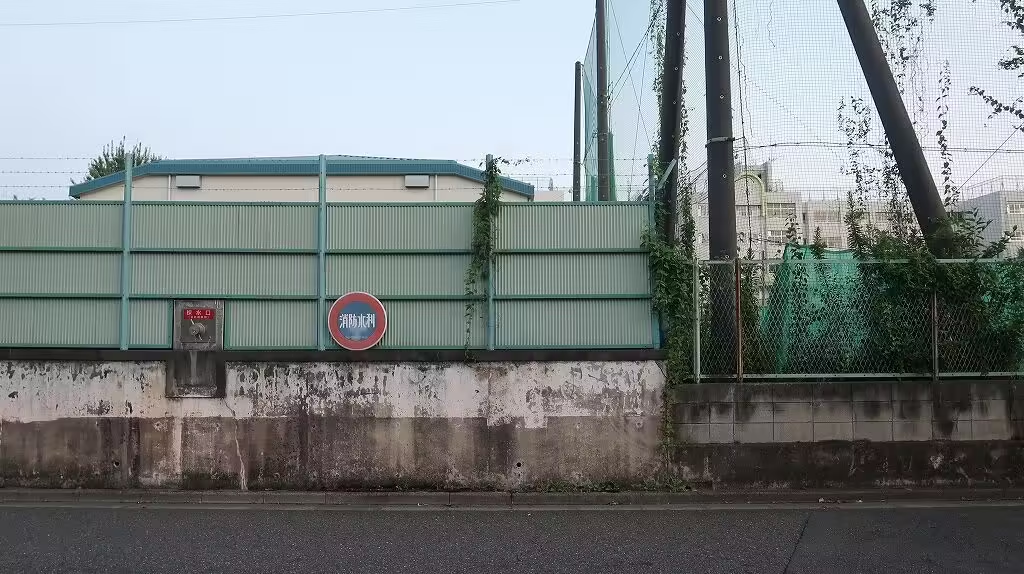
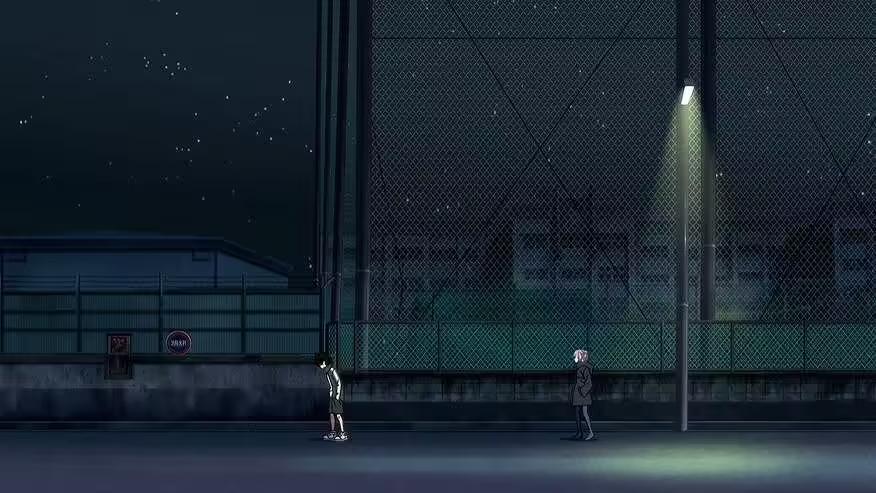
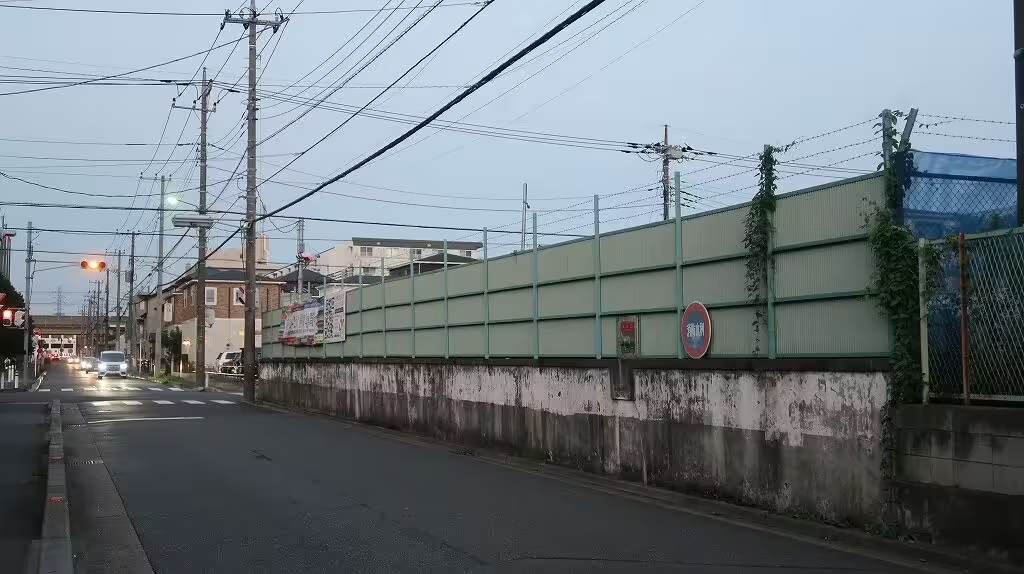
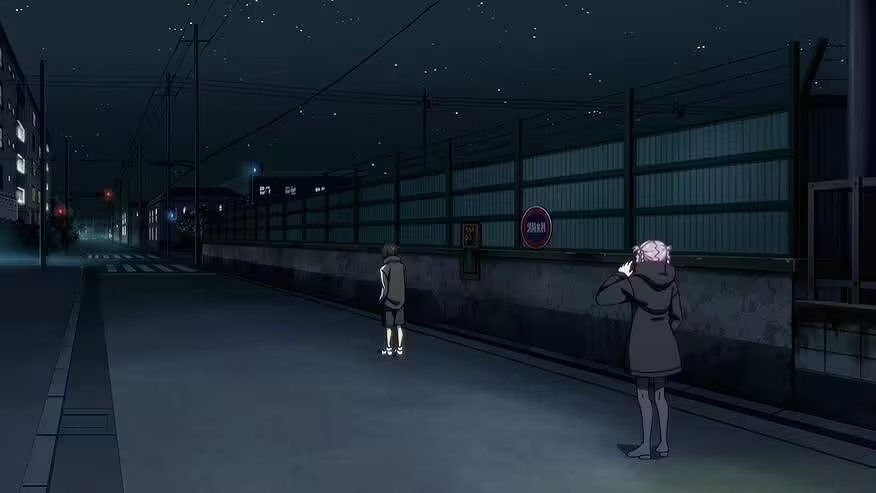
Lotte Urawa Factory
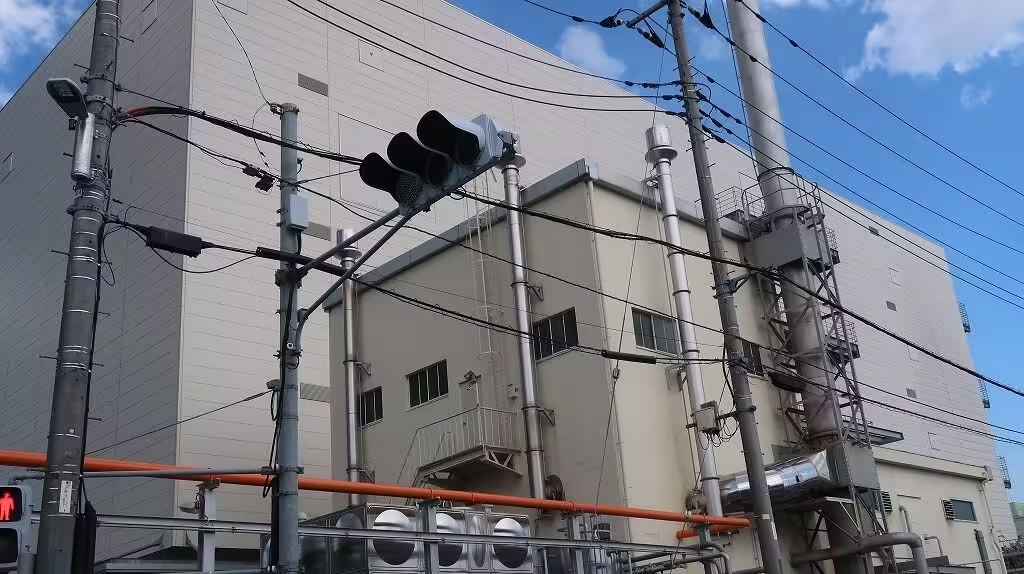
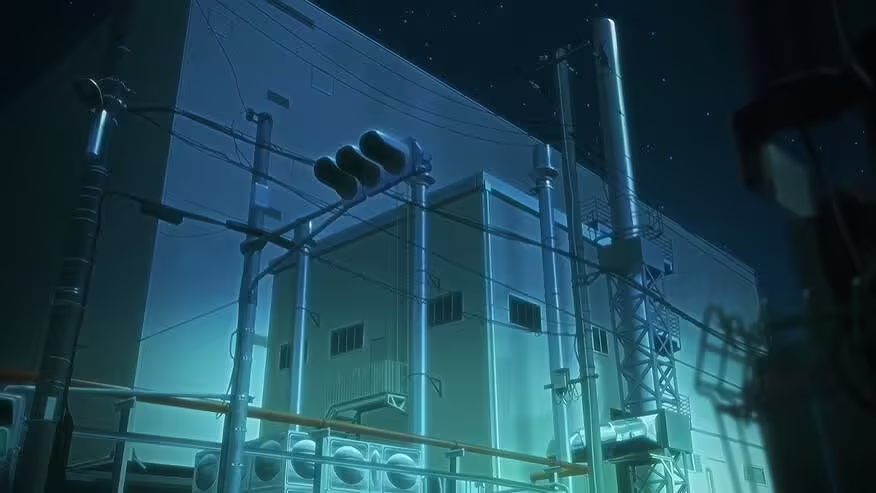
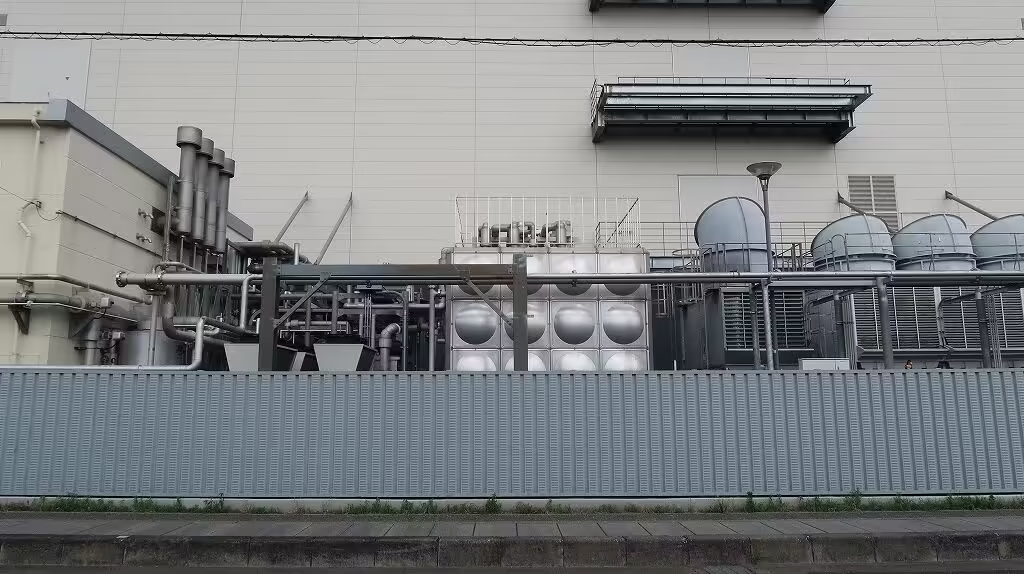
The Lotte Urawa Factory sits within an industrial zone that feels especially quiet at night. Factories like this often appear indirectly in anime backgrounds, contributing to the realism of suburban and edge-of-city environments.
Final Thoughts
Yofukashi no Uta is set in a contemporary Japanese urban environment that blends recognizable real-life locations with subtle fictionalization. Rather than creating named fictional cities, the series relies on realistic streets, parks, station areas, and residential neighborhoods that closely resemble places found across Tokyo, Saitama, Yokohama, and nearby regions.
Many of the locations associated with the anime can still be visited today. While the series does not officially label its settings, fans can walk through comparable real-world places that share the same layouts, lighting, and nighttime atmosphere seen in the anime. These locations offer a grounded way to experience the quiet, after-hours side of Japan that defines Yofukashi no Uta, without the need for exaggerated landmarks or staged pilgrimage routes.


Show Your Work
Whether you are a professional or an amateur, we will love to see your artwork. So don't hesitate to remove your cats from your box right away