Anime Pilgrimage, Anime Tourism, and Otaku Tourism Explained
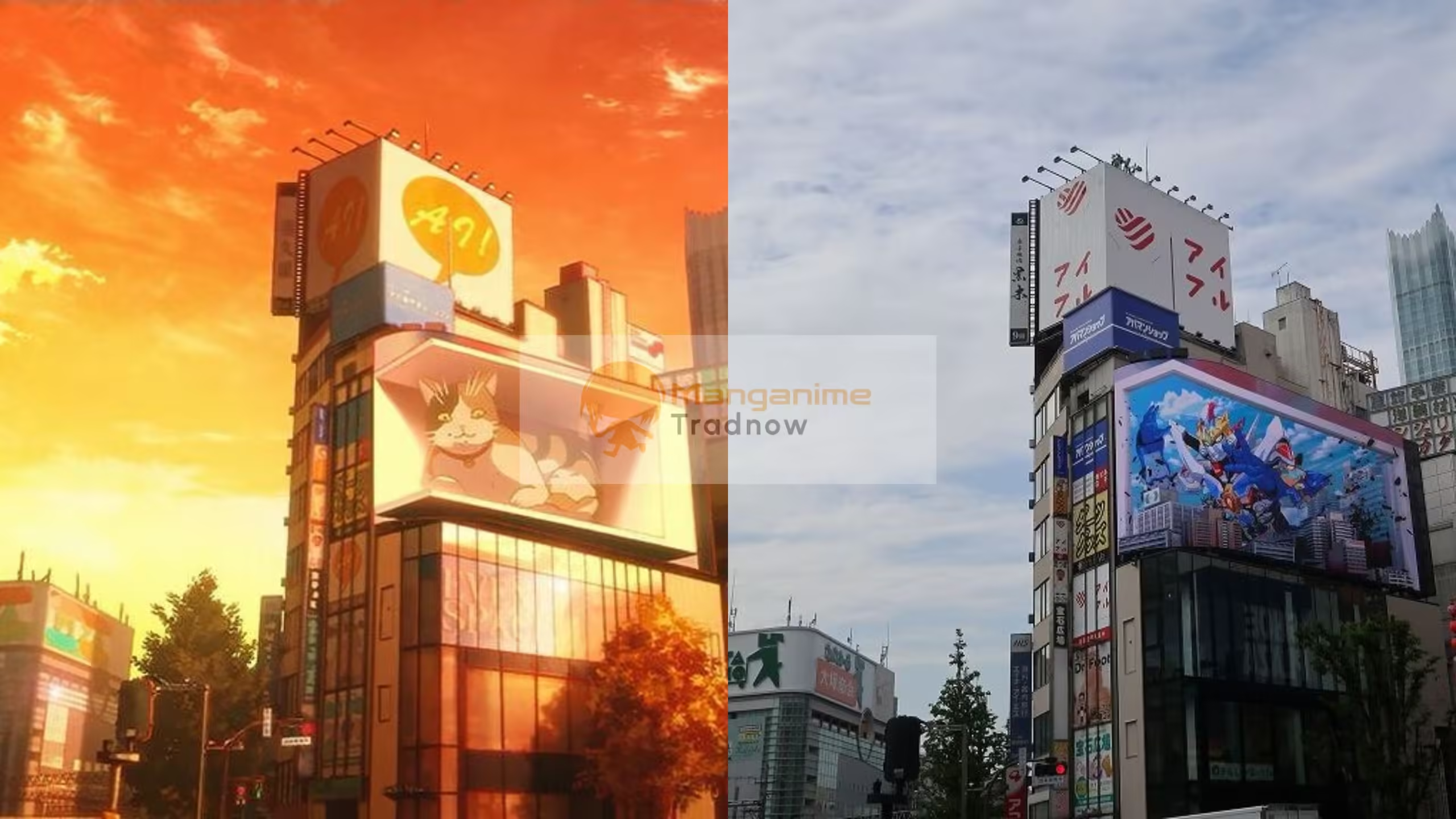
Anime pilgrimage has become one of the most talked-about ways fans connect fiction to the real world. You watch a scene, recognize a place, and suddenly a normal street feels like part of the story. The problem is that people often use three terms as if they mean the same thing: anime pilgrimage, anime tourism, and otaku tourism.
They are related, but they are not interchangeable. Anime pilgrimage is the most specific and easiest to picture, because it focuses on visiting real locations shown in anime or manga. Anime tourism is broader and includes many anime-related travel experiences. Otaku tourism sits even wider and describes travel motivated by fan culture overall.
In this guide, you’ll get clear definitions, real-world context, and a simple way to understand how the three concepts connect.
What Is Anime Pilgrimage?
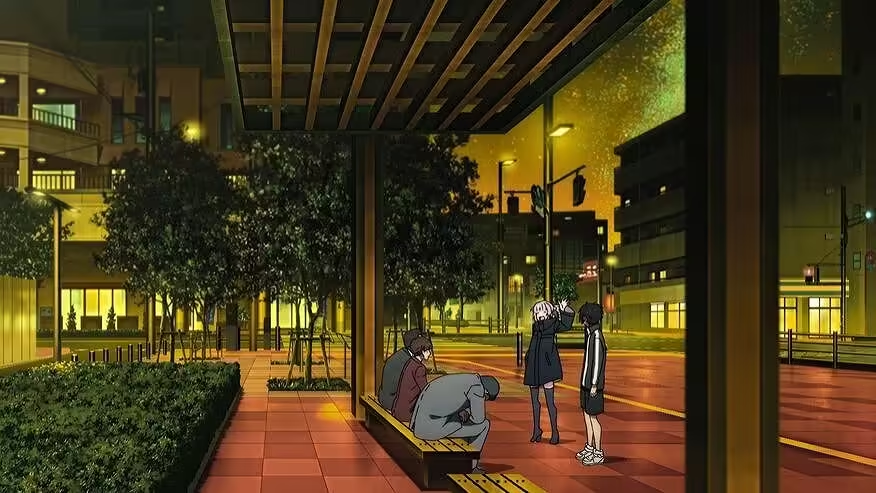
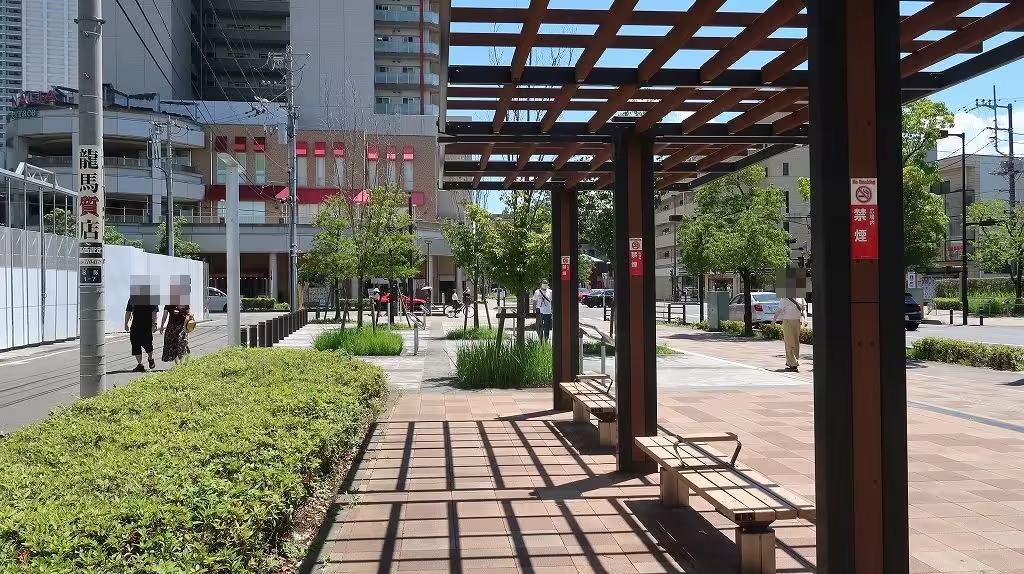
Anime pilgrimage, also known as seichi junrei (聖地巡礼), refers to the act of visiting real-life locations that appear in anime or manga.
These locations can be streets, stairways, shrines, schools, cafés, bridges, or train stations that were directly featured or clearly modeled in an animated work. What makes them meaningful is not their original purpose, but their connection to a specific story and its characters.
What does seichi junrei mean?
The Japanese term seichi junrei is made up of three parts:
anime (アニメ), seichi (聖地), meaning “sacred place,” and junrei (巡礼), meaning “pilgrimage.”
Although the word “pilgrimage” may sound religious, anime pilgrimage has no religious meaning. As explained by Takeshi Okamoto, the term is used symbolically to describe how fans value and visit these places, not to express spiritual belief.
Anime pilgrimage is about practice, not labels
An important distinction highlighted in research is the difference between the practice and the term itself.
Fans were already visiting anime-related locations as early as the 1990s, long before “anime pilgrimage” became a widely used expression. The label became more common later, especially after the late 2000s, when media coverage and online fan communities increased the visibility of the practice.
In other words, anime pilgrimage existed before it had a name.
A fan-driven way of traveling
Anime pilgrimage is largely driven by fans, not by official tourism campaigns.
Many pilgrimage sites are not marked, promoted, or even recognized as tourist attractions. Fans identify these locations by closely analyzing scenes, comparing backgrounds, and sharing information online. Over time, certain places become widely recognized within fan communities as important anime locations, even if they remain ordinary to local residents.
This is why anime pilgrimage differs from traditional sightseeing. It is less about attractions and more about experiencing a place through the lens of a story, connecting fiction with the real world, and participating in a shared fan culture.
Why this definition matters
Understanding anime pilgrimage in this way helps explain why it feels personal, repeatable, and meaningful to fans. It is not simply travel inspired by anime, but a practice shaped by recognition, movement, and shared interpretation.
This definition also sets the foundation for understanding how anime pilgrimage relates to anime tourism and otaku tourism, which will be explored in the following sections.
How Anime Pilgrimage Works in Practice
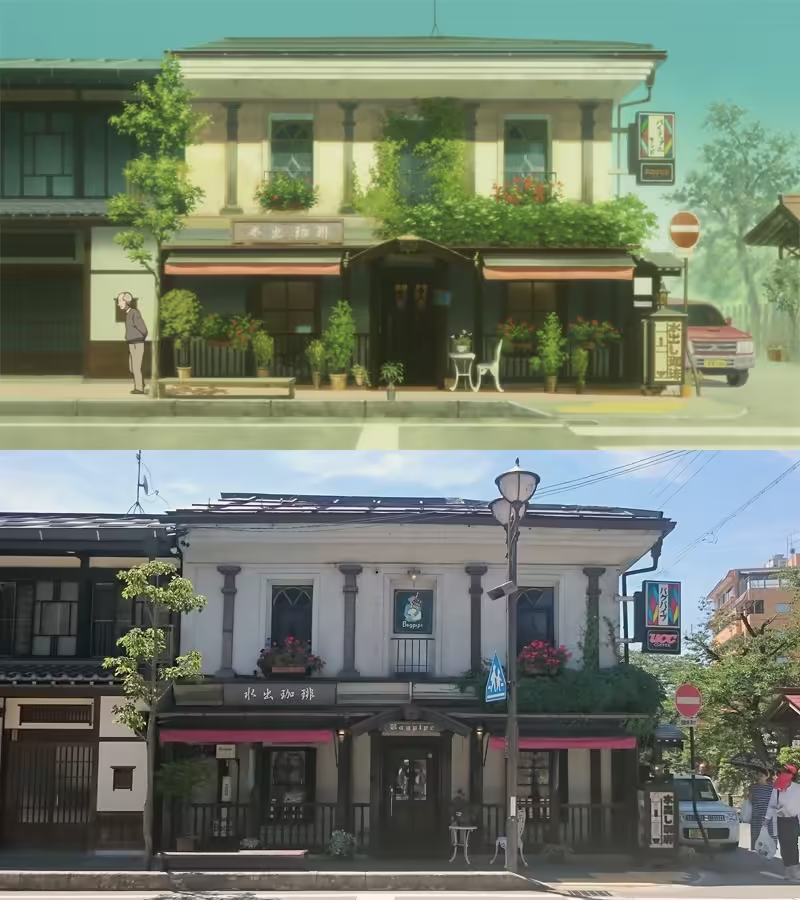
Anime pilgrimage is not a passive activity. It is a process that combines observation, research, and physical travel, guided by a strong connection to an anime story.
From watching an anime to recognizing real places
The process usually begins while watching an anime. Viewers notice that certain backgrounds feel realistic rather than generic. Streets, staircases, train stations, or neighborhoods may look detailed enough to exist in the real world, like in Oshi no Ko.
When this happens, fans often become curious about whether the location is real. Some rely on existing fan discussions or location guides, while others begin their own research. This early stage is where many well-known anime location articles and guides originate, as fans document their findings and share them with the community.
Identifying and confirming anime locations
Once curiosity is triggered, fans start comparing anime scenes with real-world references. Maps, photographs, and online street views are commonly used to confirm a match. Small details such as road signs, building layouts, or background landmarks often play a decisive role.
Some fans specialize in this discovery process and act as pioneers, identifying locations before they are widely known. Others follow paths already documented online. Both approaches coexist and help expand the overall body of knowledge around anime pilgrimage sites.
Visiting the location and recreating scenes
After a location is identified, fans plan a visit with a specific intention. The goal is not general sightseeing, but experiencing the exact place shown in the anime. Standing in the same spot as a character creates a strong sense of connection between fiction and reality.
A common practice during anime pilgrimage is scene recreation. Fans take photographs from the same angle used in the anime and compare the two images. This comparison is often shared online and becomes part of a growing archive of anime pilgrimage experiences, which future visitors may rely on.
Ordinary places and shared responsibility
Most anime pilgrimage sites are not designed as tourist attractions. They are often everyday locations such as residential streets, schools, or public spaces. In many cases, there are no signs indicating an anime connection.
Because of this, shared information within fan communities becomes essential. Guides, maps, and photo comparisons help visitors find locations while also encouraging respectful behavior. Researchers such as Takeshi Okamoto note that anime pilgrimage is typically quiet and mindful, with fans visiting alone or in small groups. For example, if you’ve watched Jujutsu Kaisen, you may recognize the scenes set around Shibuya Station during the Shibuya Incident arc
What ultimately defines anime pilgrimage is not the journey itself, but the moment of recognition. A familiar scene becomes a real place, and that connection gives meaning to the visit.
What Is Anime Tourism?

Anime tourism is a broad term used to describe travel activities connected to anime and manga culture. Unlike anime pilgrimage, which focuses on visiting real-life locations shown in anime, anime tourism includes a wider range of experiences that attract fans.
A broad form of anime-related travel
Anime tourism covers any situation where anime plays a central role in motivating a visit. This can include real-world locations featured in anime, but also extends to themed cafés, museums, exhibitions, events, statues, and amusement parks.
For example, visiting an anime café, attending a limited-time exhibition, or exploring a district known for anime culture all fall under anime tourism. These experiences do not always require a direct connection to a specific scene or location. What matters is the link to anime as a cultural product.
Because of this, anime tourism often feels more accessible than anime pilgrimage. Visitors do not need to research exact locations or recreate scenes. The experience is usually structured, clearly marked, and designed to welcome fans.
The role of institutions and local initiatives
Anime tourism is often supported by companies, local governments, and tourism organizations. Collaborations between anime studios and cities are common, especially when a series becomes popular.
These collaborations can include promotional posters, themed train stations, special merchandise, or walking maps. In some cases, towns actively promote their connection to an anime to attract visitors. This is very different from anime pilgrimage, which is usually discovered and driven by fans before any official recognition.
Many city-based anime guides and tourism campaigns emerge from this type of institutional involvement. These initiatives often act as entry points for fans who are new to anime-related travel.
How anime tourism connects to anime pilgrimage
Anime pilgrimage fits inside anime tourism as a more specific practice. When anime tourism is the umbrella, anime pilgrimage is one part of what it covers.
A visitor may first encounter anime tourism through an event, café, or official collaboration. Later, they may become interested in visiting real-life locations shown in an anime. In this way, anime tourism often leads fans toward anime pilgrimage, even if the two experiences feel very different.
This is why many guides and articles about anime travel naturally move from general anime tourism topics to detailed location-based content. Understanding anime tourism helps explain how anime pilgrimage becomes visible and accessible to a wider audience.
Anime tourism within contents tourism
Anime tourism is often discussed within the broader framework of contents tourism, a term used to describe travel motivated by popular media such as anime, films, television dramas, novels, and games.
Researchers like Philip Seaton and Takayoshi Yamamura use contents tourism to explain how fictional works influence real-world travel patterns. Within this framework, anime tourism represents one branch, focused specifically on anime and manga.
Understanding contents tourism helps explain why anime-related travel is not unique. Similar patterns exist around film locations, television series, and literary settings. What makes anime tourism distinctive is its strong fan participation and the close attention paid to real-world accuracy.
By placing anime tourism inside contents tourism, it becomes easier to see how anime pilgrimage fits into a wider cultural and tourism context rather than existing in isolation.
Anime tourism provides the broader context that helps situate anime pilgrimage. It explains how anime-related travel becomes organized, promoted, and recognized beyond fan communities.
Later, this foundation will make it easier to understand where otaku tourism fits, and why anime pilgrimage represents a more focused and personal form of anime-driven travel.
What Is Otaku Tourism?

Otaku tourism is a broader concept that helps explain why people travel because of anime, manga, and related fan cultures. Rather than focusing on a specific type of destination, otaku tourism is defined by motivation. It describes travel driven by a strong personal connection to fictional worlds, characters, and fan communities.
Travel motivated by otaku culture
In research, otaku tourism refers to trips inspired by interests commonly associated with otaku culture. This includes anime and manga, but also games, characters, creators, and fan activities. An otaku tourist may travel for many reasons, not all of them tied to a single place shown in a story.
For example, someone might travel to attend an anime event, visit a district known for fan culture, explore a museum, or take part in a collaboration campaign. These trips may involve locations featured in anime, but they do not have to. What connects them is the emotional attachment that motivates the journey.
Scholars such as Takeshi Okamoto use otaku tourism to describe this wider pattern of fan-driven movement, which existed before terms like anime pilgrimage became widely used.
Otaku tourism is about motivation, not location
One important feature of otaku tourism is that it is not limited to physical settings shown in anime. A place does not need to appear in a series to become meaningful. What matters is how fans relate to it.
This is why otaku tourism can include repeat visits, personal routes, or destinations that change meaning over time. A shop, a neighborhood, or an event space may gain importance because of shared fan experiences rather than narrative accuracy.
Many readers first encounter otaku tourism indirectly, often through anime tourism activities or location-based guides. Understanding otaku tourism helps clarify why fans are willing to travel long distances for experiences that may seem ordinary to outsiders.
How otaku tourism relates to anime pilgrimage and anime tourism
Anime pilgrimage and anime tourism are both commonly understood as expressions of otaku tourism. Anime tourism refers to organized or visible anime-related travel activities, while anime pilgrimage focuses on visiting real-life locations shown in anime.
Otaku tourism sits at a deeper level. It explains the cultural and emotional reasons behind both practices. Without otaku tourism, there would be little reason for anime pilgrimage or anime tourism to exist in the first place.
This relationship is important for readers who want to explore anime-related travel more deeply. Many detailed guides to anime tourism or real-life anime locations assume this motivation, even when they do not name it directly.
Why Anime Pilgrimage Information Is Still Fragmented
Information exists, but it is scattered
As anime pilgrimage and anime tourism grow, information has not grown in an organized way. Most detailed resources remain written in Japanese and are spread across blogs, forums, and social media posts. For many fans, especially outside Japan, finding accurate location details still requires long and fragmented research.
There is currently no single place that gathers anime pilgrimage locations, anime tourism spots, and related cultural context in a structured and accessible format.
The gap this creates for international fans
Because information is scattered, fans often rely on incomplete guides or outdated posts. This makes planning visits difficult and limits understanding of how locations, stories, and communities connect.
This gap is not accidental. It reflects the fact that anime pilgrimage grew from fan activity, not from centralized tourism systems.
Why MangaNime Tradnow was created
This gap is exactly what MangaNime Tradnow was created to address.
The platform aims to bring together real-life anime locations, anime tourism spots, and otaku-related places in one organized space. Rather than focusing on a single series or destination, it connects locations with cultural and narrative context.
By structuring information clearly and updating it regularly, MangaNime Tradnow makes anime pilgrimage and anime tourism easier to explore, especially for readers outside Japan. Future features, such as interactive maps, are designed to support this goal while building on existing fan research rather than replacing it.
How Anime Pilgrimage, Anime Tourism, and Otaku Tourism Relate
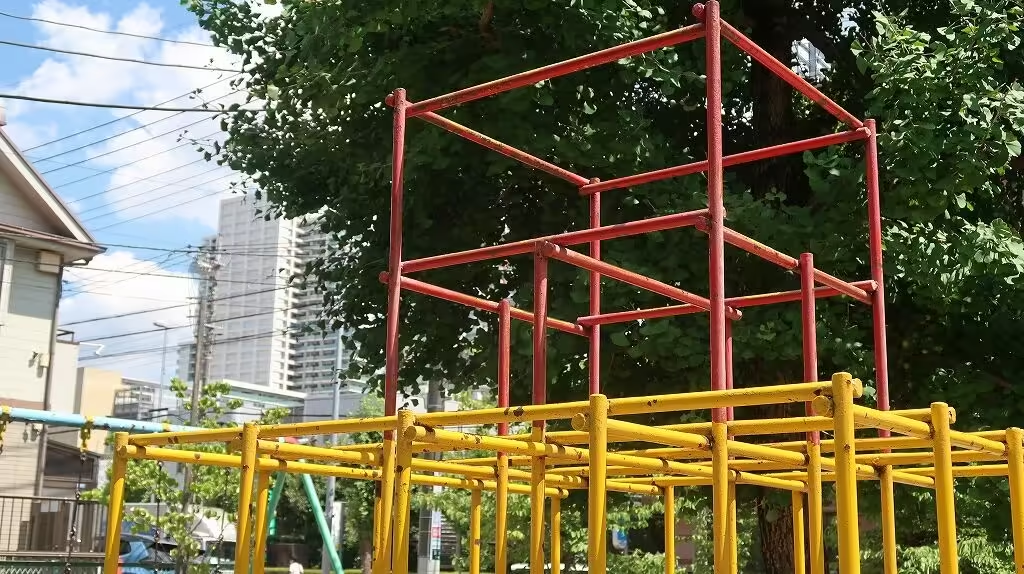



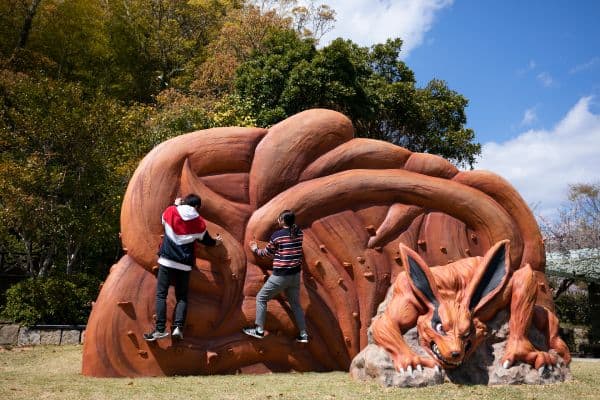
Anime pilgrimage, anime tourism, and otaku tourism are closely connected, but they do not describe the same thing. Understanding how they relate helps clarify why these terms are often confused.
Otaku tourism sits at the broadest level. It refers to travel motivated by personal interest in anime, manga, games, and fan culture. The focus here is on why people travel, not on specific destinations or activities.
Anime tourism operates at a more practical level. It includes all forms of travel linked to anime, such as events, exhibitions, themed cafés, collaborations, and visits to locations associated with a series. Anime tourism describes what people do when anime influences their travel choices.
Anime pilgrimage is the most specific of the three. It refers only to visiting real-life locations that appear in anime or manga. Unlike other forms of anime tourism, anime pilgrimage is usually fan-driven and often takes place in ordinary, unmarked locations.
In simple terms, otaku tourism explains the motivation, anime tourism describes the range of activities, and anime pilgrimage focuses on a particular practice. Seeing the concepts this way makes it easier to understand how they overlap without being interchangeable.
Anime Pilgrimage and Local Communities
Anime pilgrimage does not only affect fans. It also has a real impact on the local communities where these visits take place.
Many anime pilgrimage sites are located in ordinary towns or residential areas. These places were not originally designed to receive visitors, which means the arrival of fans can change daily routines. In some cases, local businesses such as cafés, small shops, or guesthouses benefit from increased foot traffic. Research by Takayoshi Yamamura shows that this type of visitor interest can support local economies, especially in lesser-known areas.
At the same time, anime pilgrimage can create challenges. Because locations are often unmarked, visitors may unintentionally disturb residents or enter private spaces. Some communities have expressed concern about noise, photography, or misunderstandings around fictional portrayals. Studies discussed by Takeshi Okamoto highlight that not all local responses are immediately positive.
The long-term success of anime pilgrimage depends largely on how visitors and residents interact. When fans behave respectfully and communicate clearly, relationships tend to improve over time. In several documented cases, local communities gradually embraced anime pilgrimage once they understood its cultural and economic value.
This interaction also influences whether fans return. Research shows that positive encounters with local residents increase the likelihood of repeat visits, transforming a one-time pilgrimage into an ongoing relationship with the place.
For this reason, anime pilgrimage works best when it remains mindful of its surroundings. Respect, communication, and shared understanding play a crucial role in making anime pilgrimage sustainable for both fans and local communities.
Is Anime Pilgrimage Limited to Japan?

Anime pilgrimage is most strongly associated with Japan, and for good reason. The majority of anime are created there, and many series are set in real Japanese towns, cities, or neighborhoods. As a result, Japan has the highest concentration of anime pilgrimage sites, along with the strongest fan infrastructure to support them.
However, anime pilgrimage is not limited to Japan.
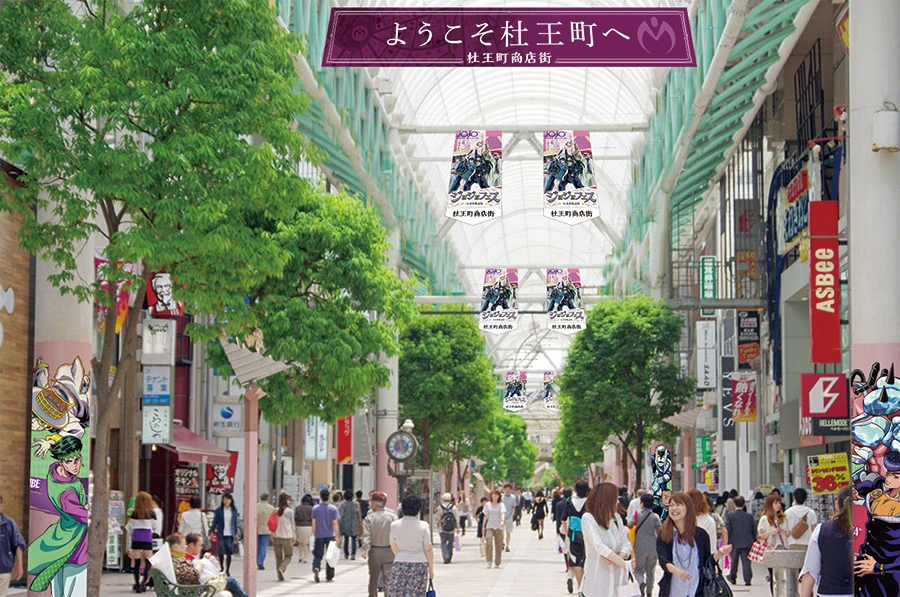
Some anime take place partially or entirely outside the country, like for instance Jojo Bizarre Adventure, which takes place in Japan, Italy, Egypt, the USA, and India. When this happens, fans may travel to overseas locations featured in the story, especially if the setting is clearly identifiable. These trips follow the same logic as anime pilgrimage in Japan, even if they are less common and less organized.
International participation also plays an important role. Many visitors who take part in anime pilgrimage in Japan come from abroad. Fan-made guides, maps, and photo comparisons are often shared in multiple languages, making pilgrimage knowledge accessible worldwide. This global circulation of information allows anime pilgrimage to extend beyond national borders, even when the locations themselves remain in Japan.
That said, the experience can differ depending on context. Outside Japan, anime-related locations are less likely to be recognized by local communities or tourism authorities. This often means fewer resources, less guidance, and a greater need for discretion and respect from visitors.
In short, anime pilgrimage is rooted in Japan but not confined to it. The practice follows anime stories wherever they are set, shaped by fan motivation rather than geography. Understanding this helps explain why anime pilgrimage continues to grow as anime reaches a global audience.
Why Anime Pilgrimage Is the Best Starting Point
Anime pilgrimage is the most concrete and accessible way to understand anime-related travel. It focuses on a clear action: visiting real-world locations that appear in anime. This makes it easier to observe, explain, and experience than broader concepts such as anime tourism or otaku tourism.
Starting with anime pilgrimage also helps avoid confusion. While anime tourism includes many different activities and otaku tourism describes a wide range of motivations, anime pilgrimage centers on a specific practice that fans can recognize immediately. Standing in a familiar location creates a direct link between fiction and reality, which makes the phenomenon easier to grasp.
From there, the wider picture becomes clearer. Anime tourism explains how anime-related travel is organized, promoted, and supported. Otaku tourism explains why fans are willing to travel at all, even when destinations seem ordinary. Both concepts build naturally on the foundation established by anime pilgrimage.
For readers who want to explore anime-related travel further, anime pilgrimage provides a practical entry point. It opens the door to deeper discussions about anime tourism and otaku tourism, which can be explored in dedicated guides without losing clarity.
By understanding anime pilgrimage first, the larger landscape of anime-driven travel becomes easier to navigate and appreciate.
10 FAQs people actually ask about anime pilgrimage, anime tourism, and otaku tourism
Build your itinerary around one area per day, then cluster nearby spots. Fans repeatedly mention route planning as the make-or-break factor, especially when spots are spread across different lines or prefectures. Start with your “must-see” scenes, then add optional locations only if they’re on the same transit corridor.
No, but it helps. Many travelers rely on fan maps, Google Maps, and community guides. The bigger issue is not language, it’s finding accurate locations and navigating respectfully in residential areas.
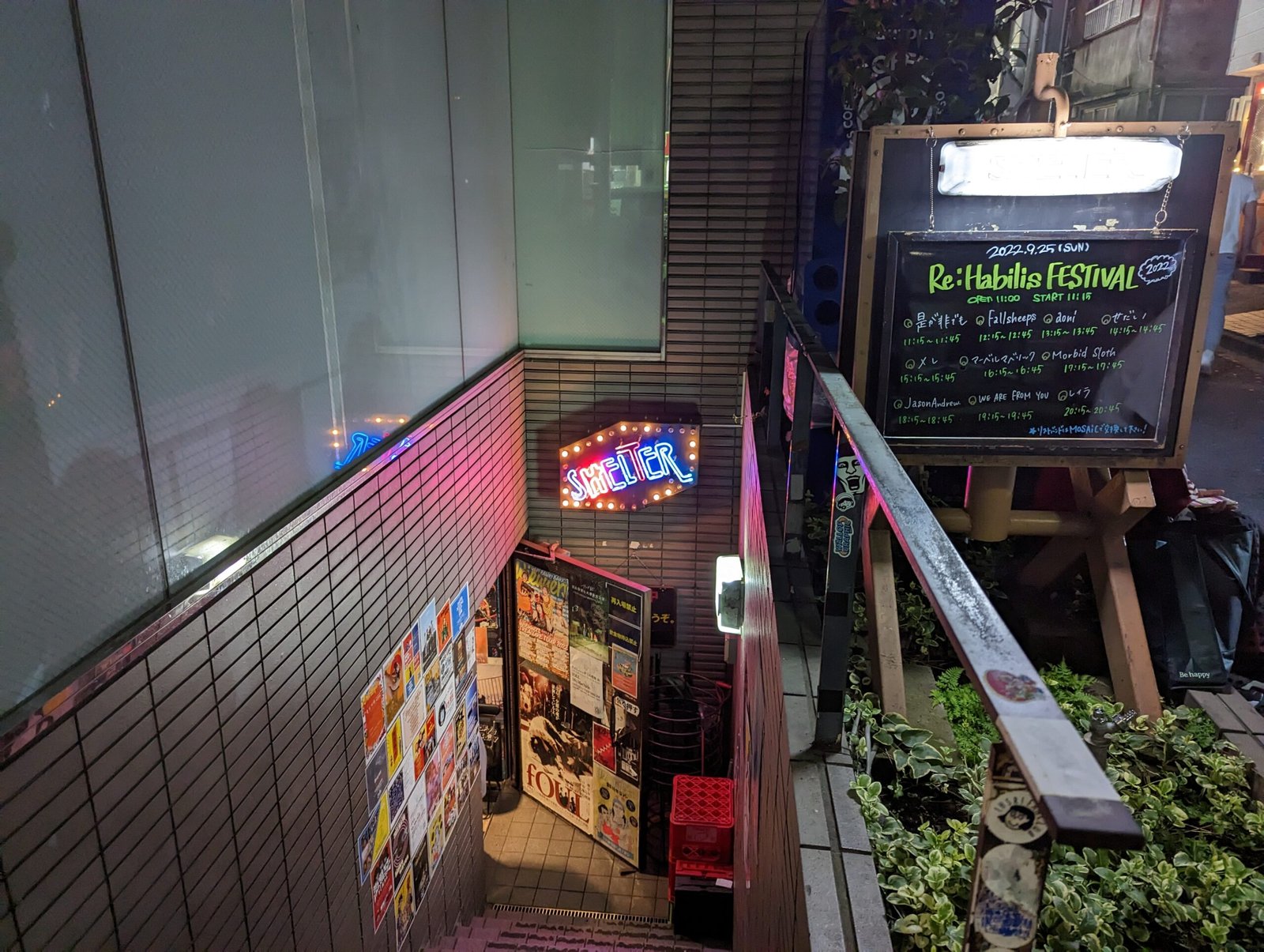
Go early to the Your Name stairs. Crowd management comes up constantly in travel threads. People mention arriving in the morning to get photos without blocking others, especially at high-traffic “iconic shot” spots.
Assume there are rules. Many pilgrimage sites are public spaces, but some are near homes, schools, or private businesses. Basic etiquette shows up often in forum advice: don’t trespass, don’t block sidewalks, and don’t photograph people or private property without consent.
This is one of the most repeated questions. The usual workflow is: compare frames, use landmarks, confirm with Street View, then validate on-site. Fans describe this like urban “hunting,” and many guides originate from that process.
No. Many threads show casual fans doing it as one part of a trip. Some people treat it like photography tourism, others like a calm “walk the story” experience. It scales from light to serious depending on your goals.
It depends on the anime. Travel threads often ask this when planning series-specific trips (like Lucky Star). If most locations are rural, staying only in Tokyo increases travel time and cost. A better approach is to base near the setting for 2–3 nights, then return to Tokyo.
Fans commonly rely on Google Maps, saved lists, and shared maps. Some guides also mention dedicated tools like Butai Meguri for location support and scene comparison features.
Forum questions often bundle budget with trip length and transport. Costs vary wildly, but the predictable drivers are: intercity trains, accommodation near rural settings, and paid attractions tied to anime tourism (cafés, exhibitions). If you’re chasing scattered locations, transport becomes the biggest expense.
Both. Many trips start as fan-driven location visits and later gain official support through tourism maps or collaborations. You can see this in community sharing of official PDFs and tourism tie-ins for specific series settings.
A route such as Tokyo Revengers anime pilgrimage in Tokyo shows how a fan trip can connect stations, shrines, parks, and ordinary streets into one travel day.
Sources
- Okamoto, T. (2015). Otaku tourism and the anime pilgrimage phenomenon in Japan. Japan Forum, 27(1), 12–36.
- Yamamura, T. (2014). Contents tourism and local community response: Lucky Star and collaborative anime-induced tourism in Washimiya. Japan Forum, 27(1), 59–81.
- Ono, S., Kawamura, Y., & Noguchi, H. (2019). Anime-induced tourism and its effects on destination loyalty. Tourism Management, 72, 45–57.
- Seaton, P., & Yamamura, T. (2015). Japanese Popular Culture and Contents Tourism. Routledge.



Show Your Work
Whether you are a professional or an amateur, we will love to see your artwork. So don't hesitate to remove your cats from your box right away