
Oshi no Ko is known for its sharp and often unsettling portrayal of Japan’s entertainment industry, but beyond its characters and storylines, the series is deeply rooted in real-world locations. Rather than inventing fantastical cities, Oshi no Ko draws heavily from real neighborhoods, streets, and landmarks across Tokyo, grounding its narrative in places that exist and can be visited today.
Set primarily in modern-day Japan, the story unfolds across districts associated with idols, actors, production studios, and everyday urban life. From major transport hubs and commercial streets to quieter residential areas, these real locations reflect the contrast between public image and private reality that lies at the heart of the series.
The creators of Oshi no Ko pay close attention to realism, using recognizable architecture, city layouts, and urban atmospheres to mirror how the entertainment world operates behind the scenes. This approach makes the story feel immediate and authentic, blurring the line between fiction and the real industry it critiques.
Unlike series that span multiple countries, Oshi no Ko remains largely centered in Tokyo, with scenes inspired by districts such as Shibuya, Shinjuku, Akihabara, Ebisu, Meguro, and Odaiba. These locations form the physical backdrop of the story, turning the city itself into a silent participant in the narrative.
Exploring Some Real-Life Locations in Oshi no Ko
In this article, we will explore several real-life locations that appear in, or directly inspire, the settings of Oshi no Ko.
Oshi no Ko is firmly grounded in contemporary Japan, particularly Tokyo, and draws heavily from real districts associated with the entertainment industry. Rather than creating fictional cities, the series places its characters in environments that closely resemble real neighborhoods, production areas, and public spaces that exist today.
The creators of Oshi no Ko have demonstrated a strong commitment to realism. The series reflects actual aspects of Japan’s idol culture, television production, stage acting, and celebrity management, using real-world urban spaces to reinforce its themes. Streets, stations, studios, and everyday locations are depicted in ways that mirror how these places function in real life.
Many of the most recognizable settings in Oshi no Ko are inspired by real locations across Tokyo, including areas such as Shibuya, Shinjuku, Akihabara, Ebisu, Meguro, and Odaiba. These districts are closely tied to media production, performance venues, and daily city life, making them a natural foundation for the story’s exploration of fame, pressure, and public image.
While Oshi no Ko remains primarily centered in modern Tokyo, it also reflects the broader structure of Japan’s entertainment industry, from large-scale performance venues to smaller theaters and residential neighborhoods. This grounding in real places helps blur the line between fiction and reality, allowing viewers and readers to recognize familiar environments behind the dramatic events of the story.
Shibuya Station
Shibuya Station is one of Tokyo’s busiest transport hubs, handling millions of passengers every day. Surrounded by commercial buildings, shopping complexes, and entertainment venues, it represents the constant movement and pressure of urban life. The station’s scale and energy make it a natural reference point for stories that explore visibility, crowds, and the feeling of being watched in a public space.


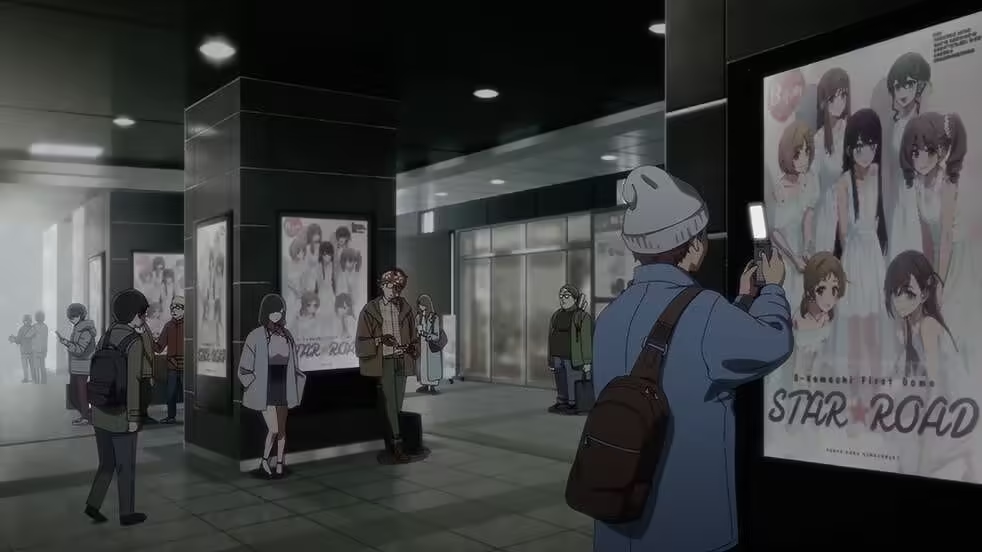
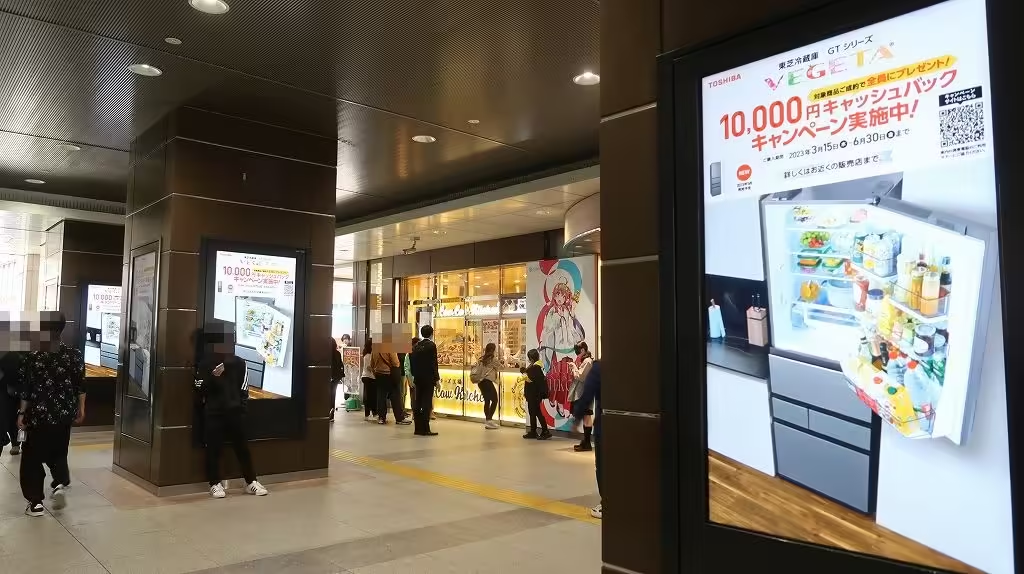
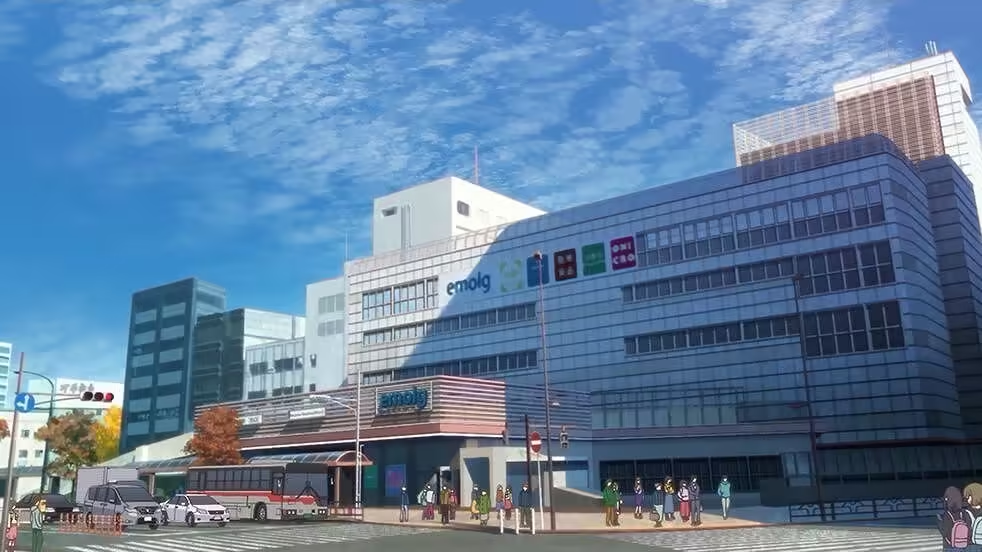
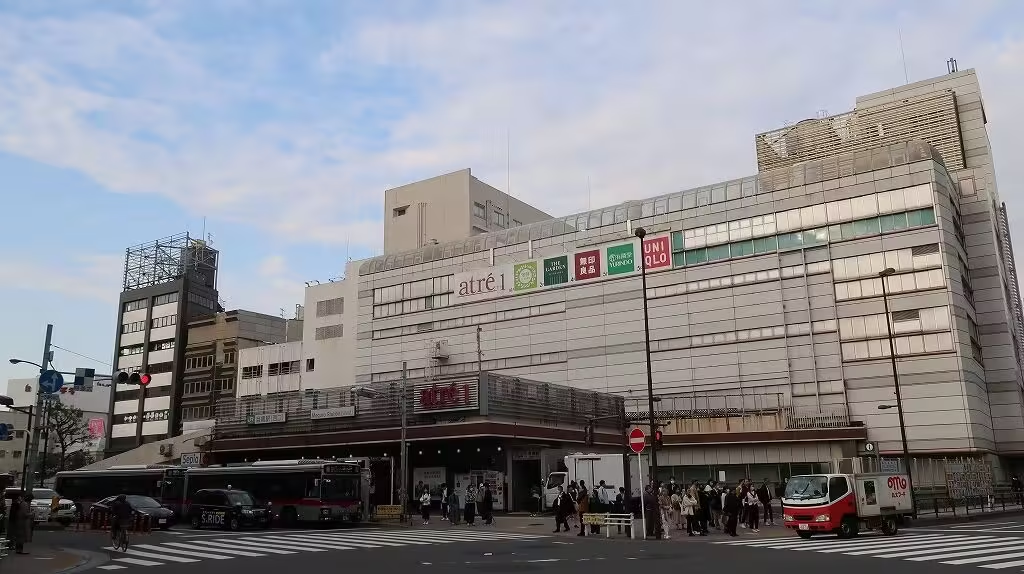
Atre Akihabara 1
Atre Akihabara 1 connects directly to Akihabara Station, blending retail, cafés, and everyday commuter traffic.


JR Akihabara Station Electric Town Exit
Stepping out toward the Electric Town Exit places you immediately in Akihabara’s electronics and pop-culture district, an area closely tied to media consumption, fandom, and the commercial side of entertainment culture in Tokyo.
Tokyo Dome
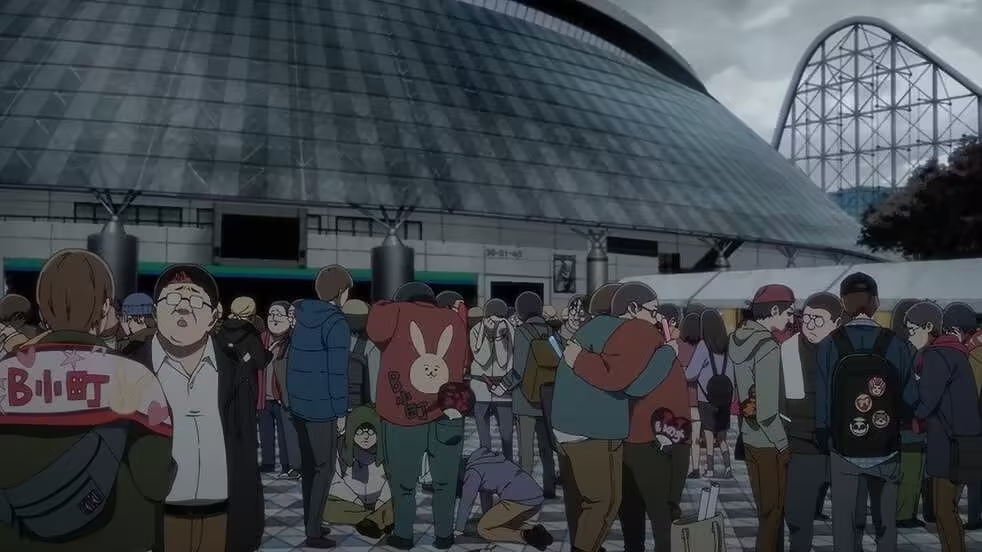
Tokyo Dome is a large multi-purpose stadium used for concerts, sporting events, and major public gatherings. Its presence symbolizes large-scale performances and the distance between performers and audiences, a recurring theme in stories about fame and public image.



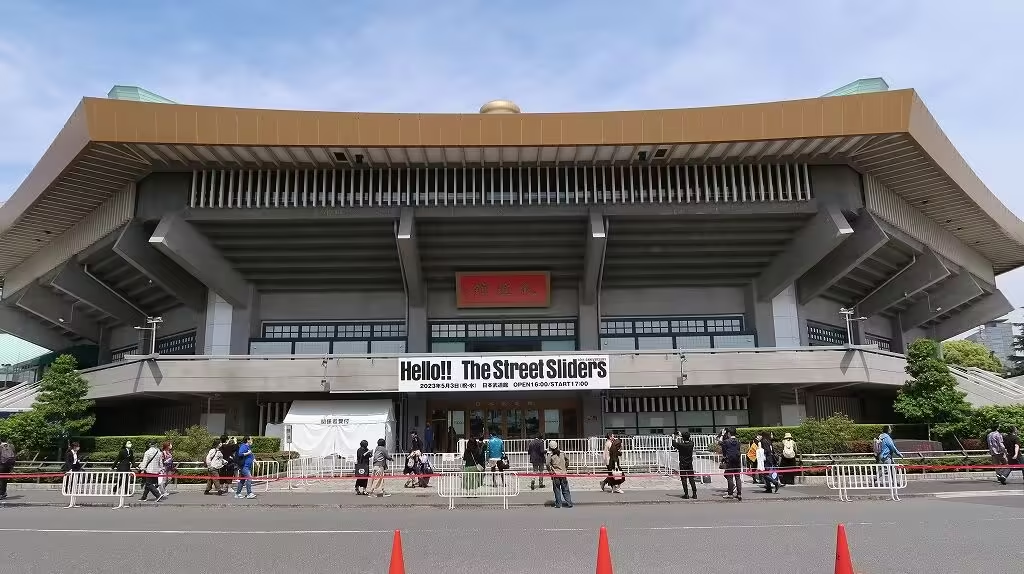
Nippon Budokan
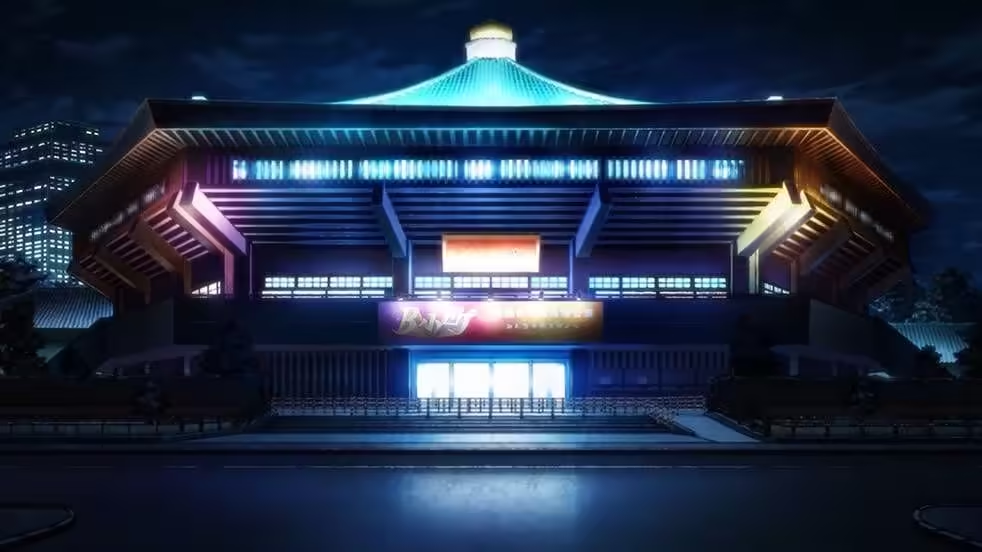
Located near the Imperial Palace, Nippon Budokan is one of Japan’s most iconic performance halls. It has hosted historic concerts and national events, making it strongly associated with artistic achievement, recognition, and career milestones within Japan’s entertainment industry.
Yebisu Garden Place
Yebisu Garden Place is a refined urban complex combining offices, restaurants, residential towers, and cultural spaces. Compared to busier districts, it feels calmer and more controlled, reflecting a more polished side of Tokyo’s professional world.

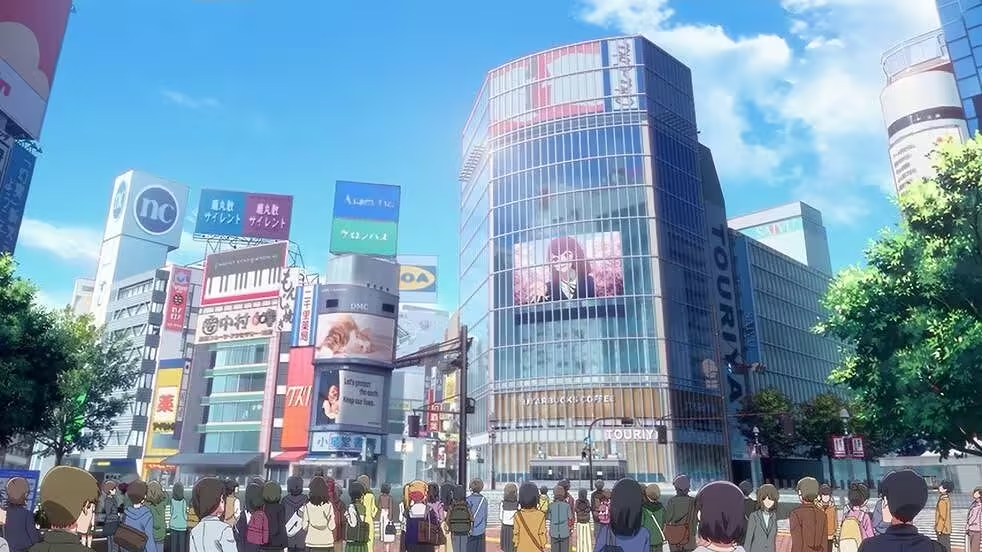
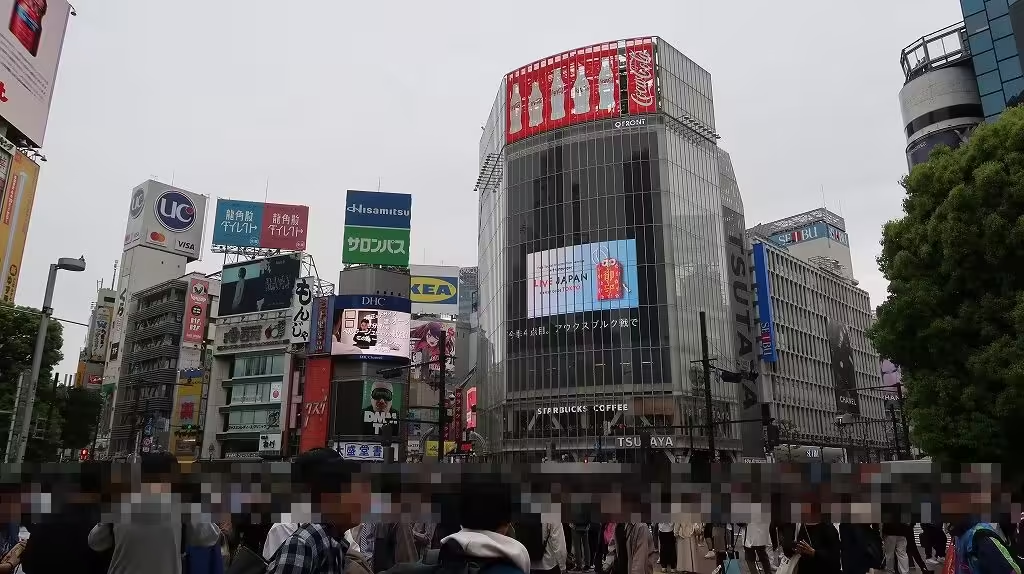
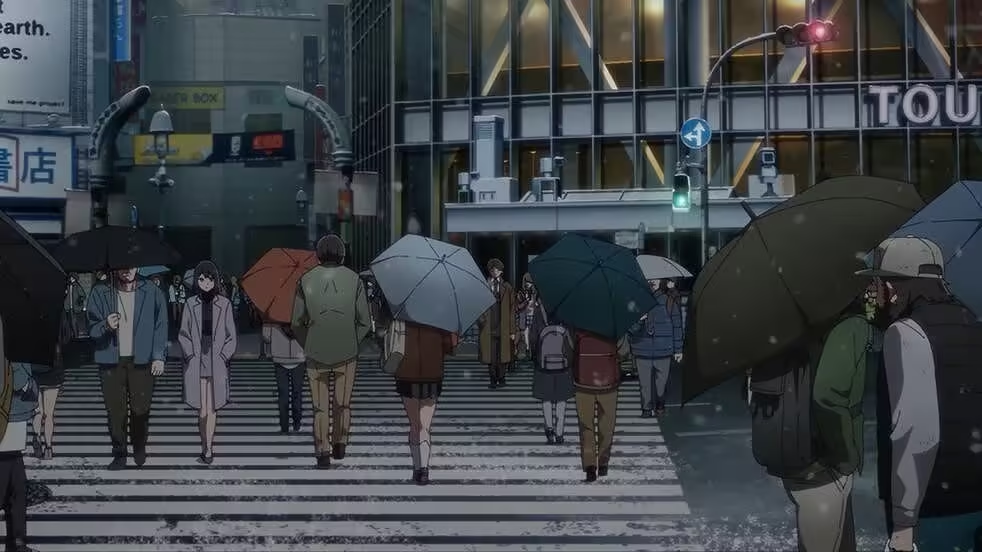
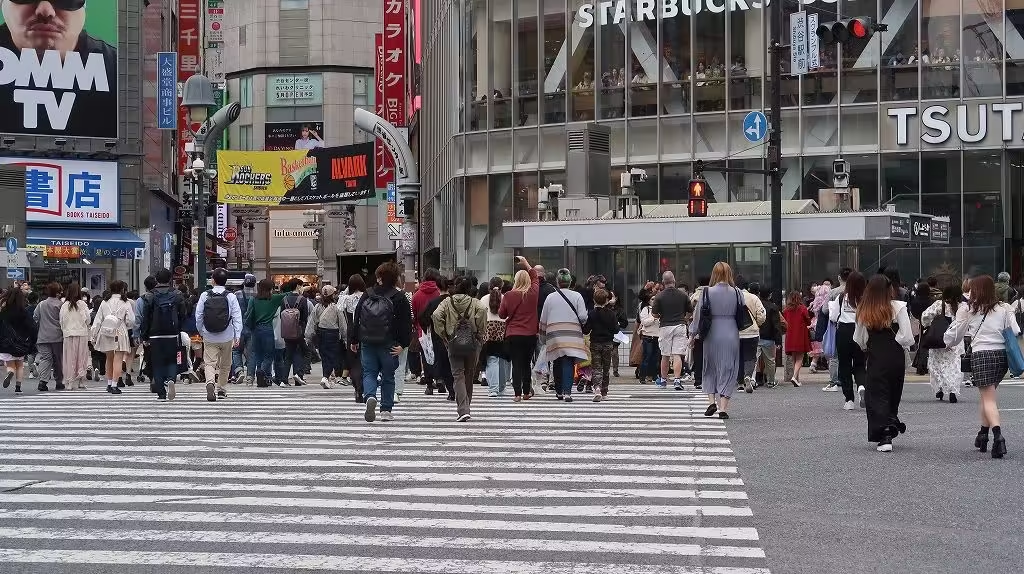
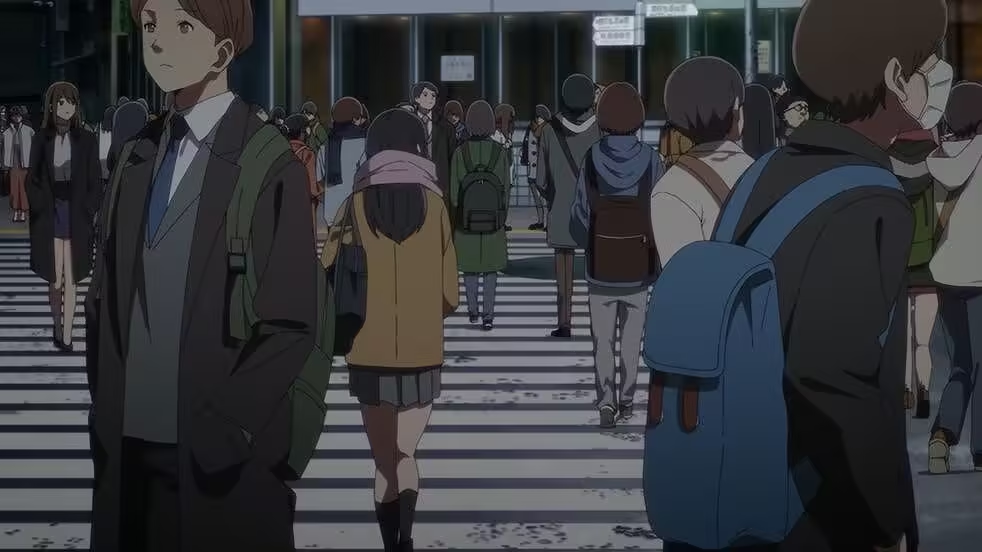
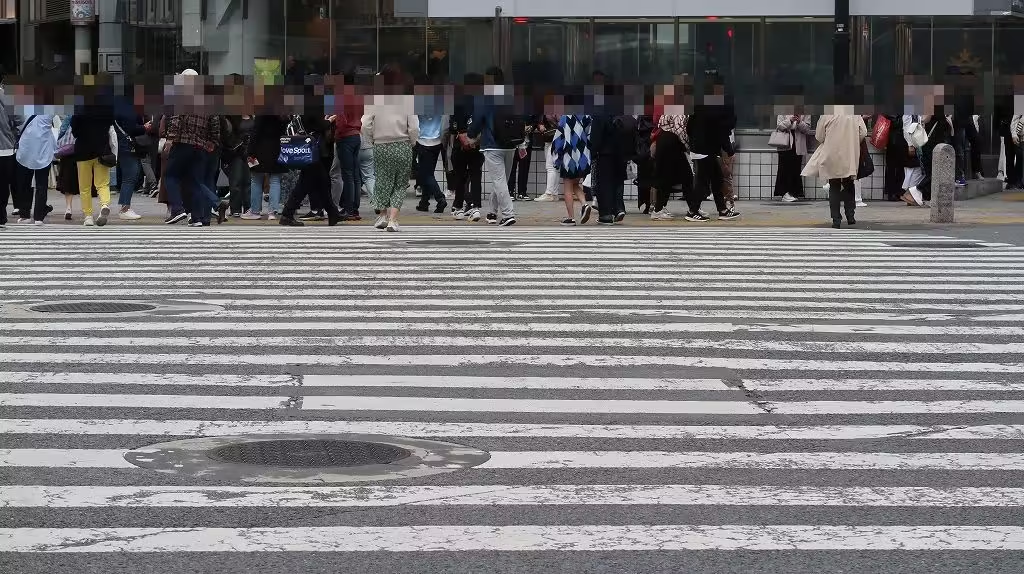
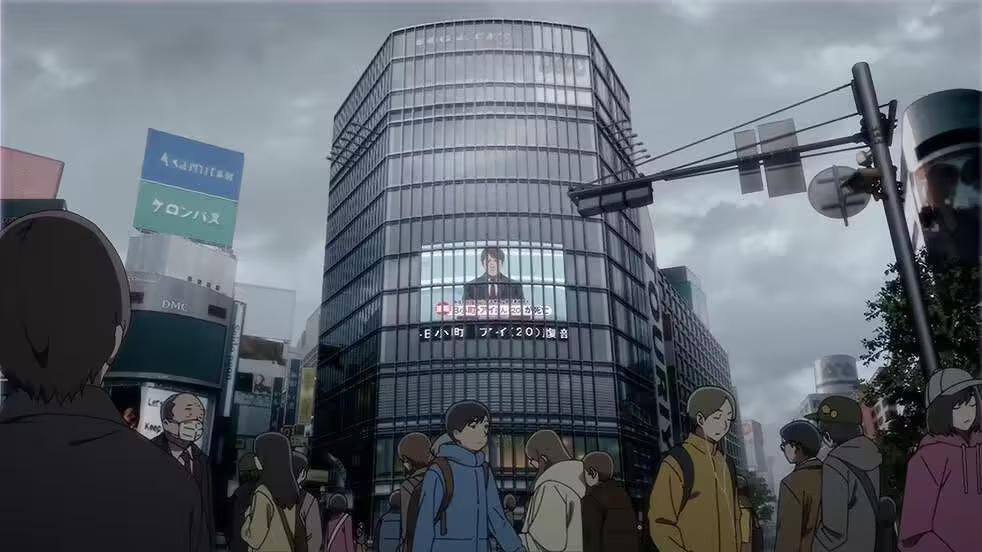

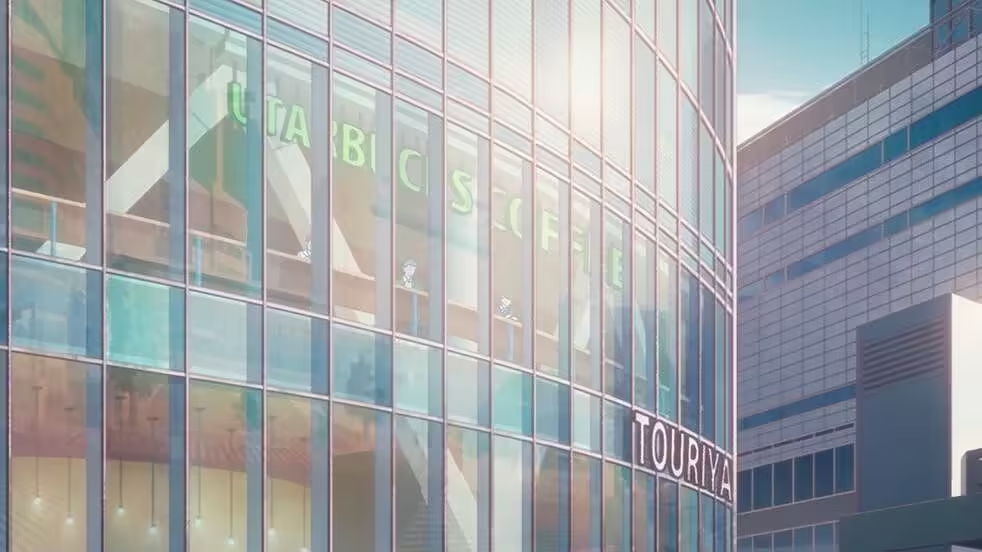

Dogenzakashita intersection
Dogenzakashita is a busy intersection at the base of Dogenzaka, linking Shibuya’s nightlife area with its commercial core. It marks a transition point between different social spaces, where crowds, advertisements, and city noise overlap.


In front of FamilyMart Shibuya Koen-dori store
This stretch of Koen-dori is lined with shops and pedestrian traffic throughout the day. Convenience stores like FamilyMart function as everyday landmarks in Tokyo, grounding dramatic narratives in familiar, ordinary settings.
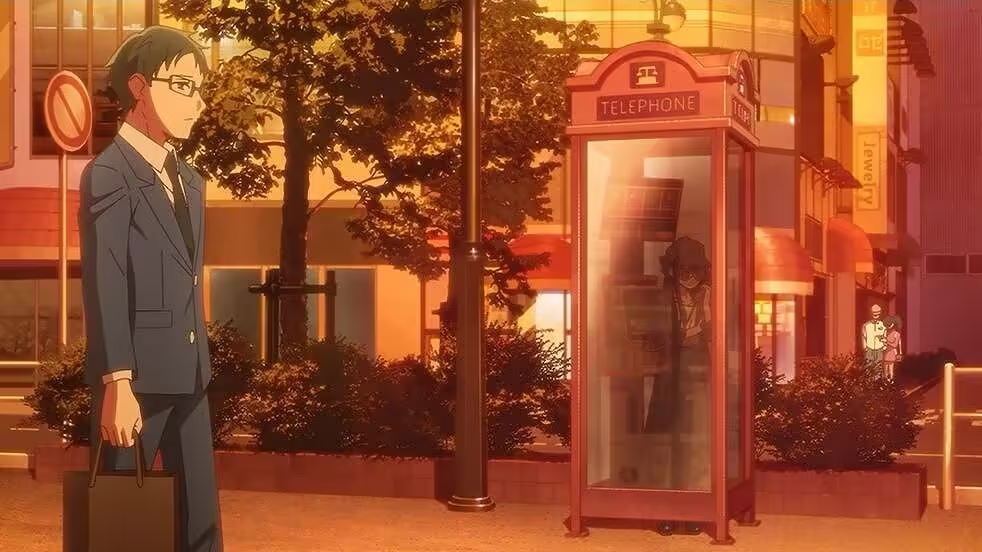
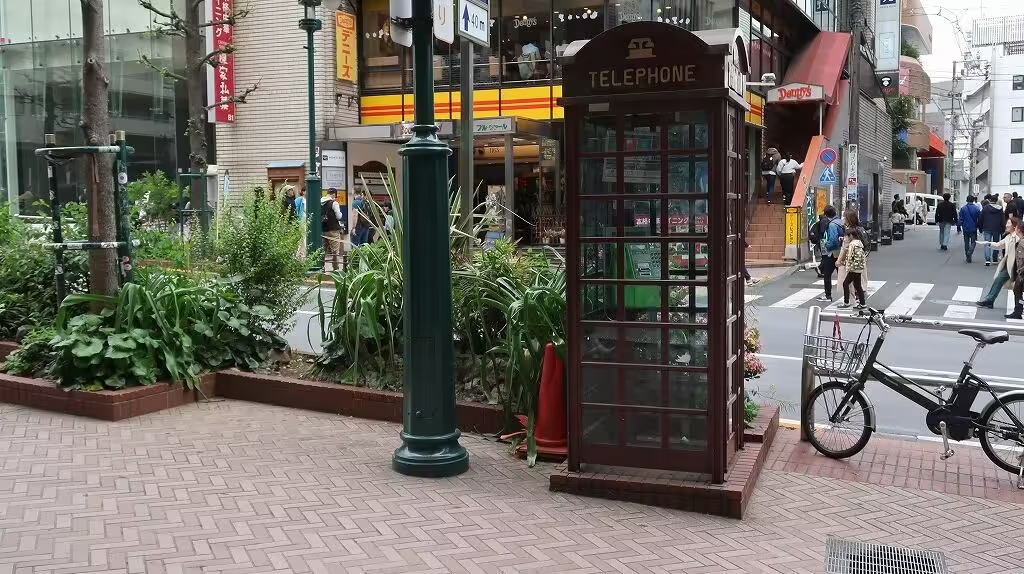
Cross Shinjuku Vision
Cross Shinjuku Vision is a massive digital screen known for its high-resolution 3D advertisements. Located near Shinjuku Station, it visually represents modern media saturation, where images dominate public space and attention is constantly contested.
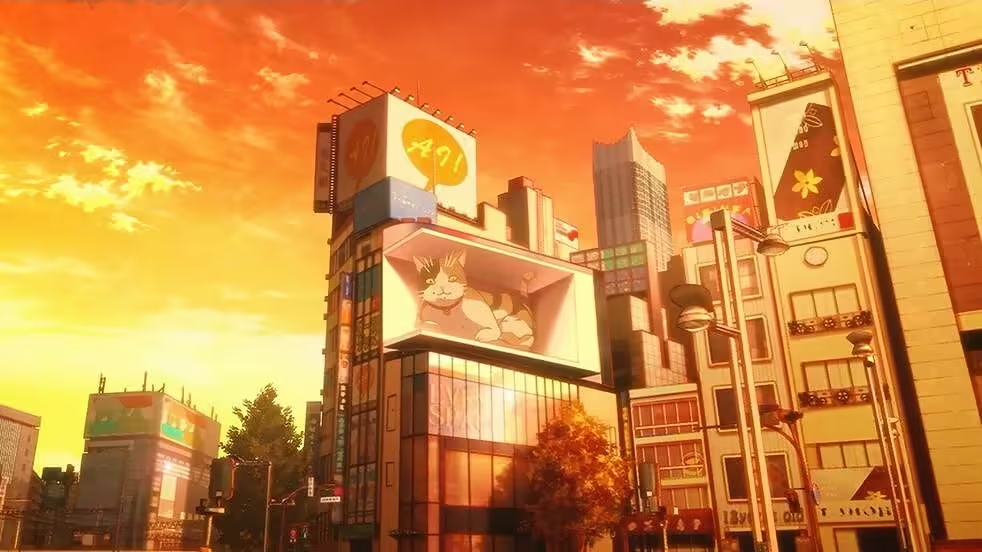

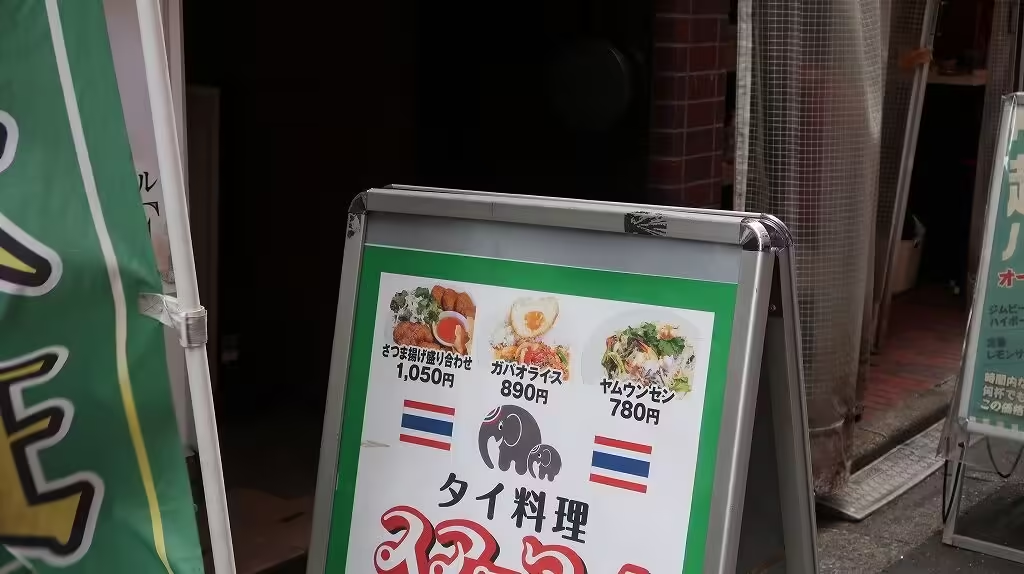
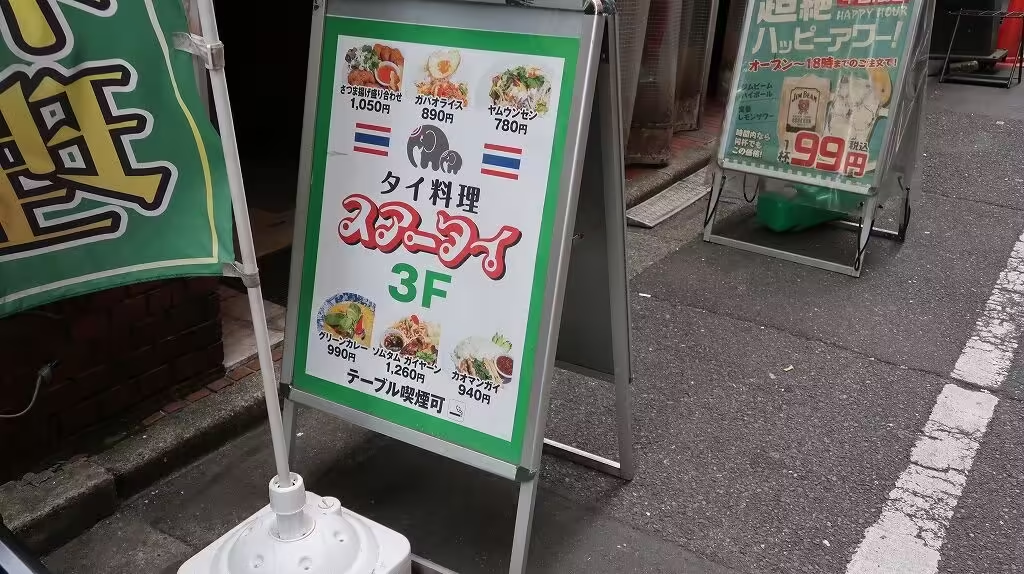
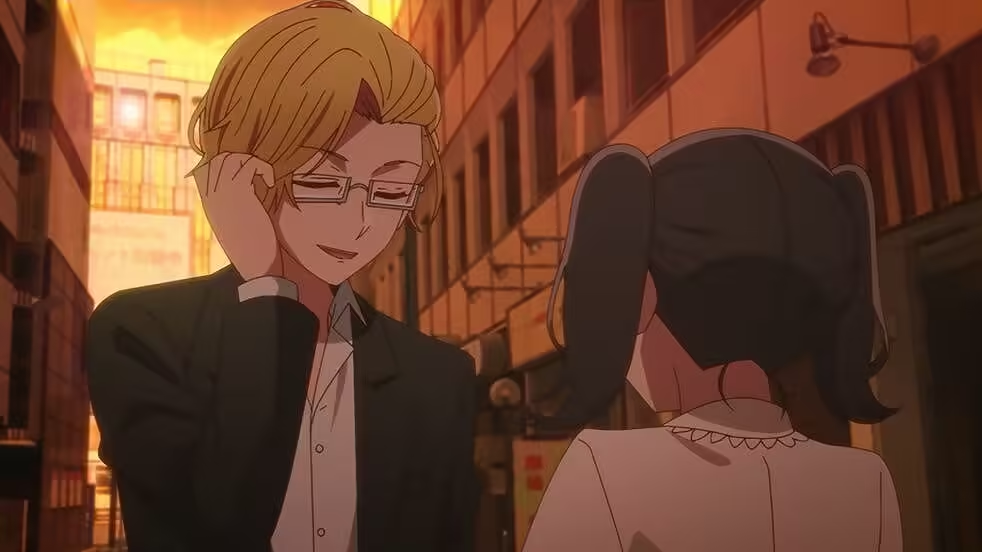
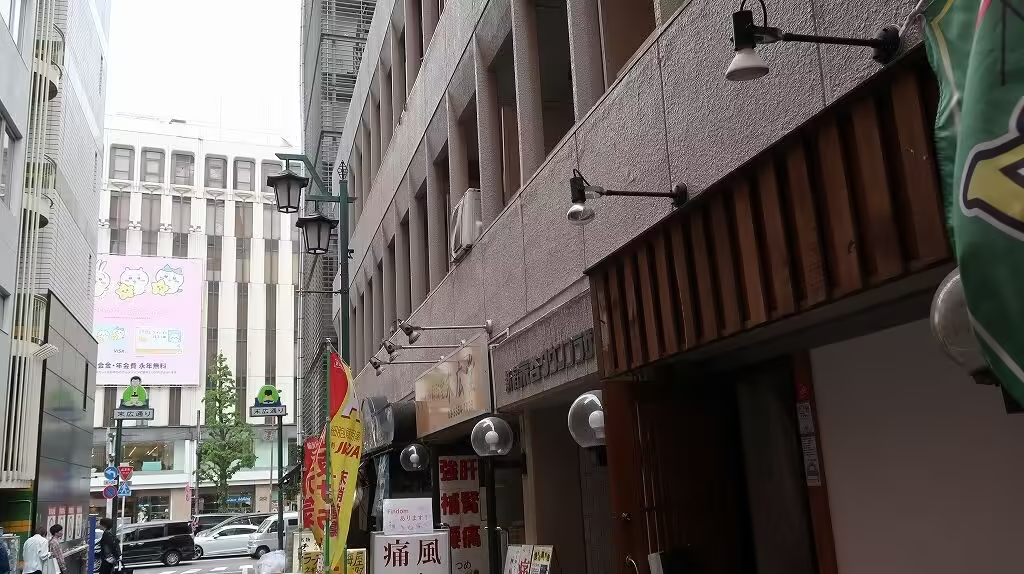
In front of Kushikatsu Tanaka Shinjuku 3-chome branch
Shinjuku 3-chome is a dense area filled with restaurants and bars. The streets here feel active even outside peak hours, reflecting Tokyo’s social culture where work, leisure, and nightlife blend seamlessly.
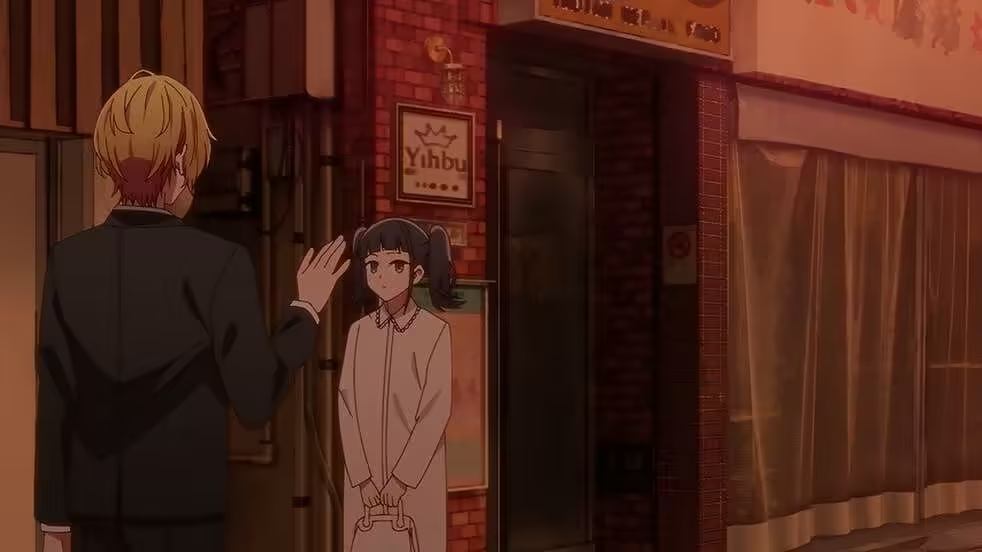
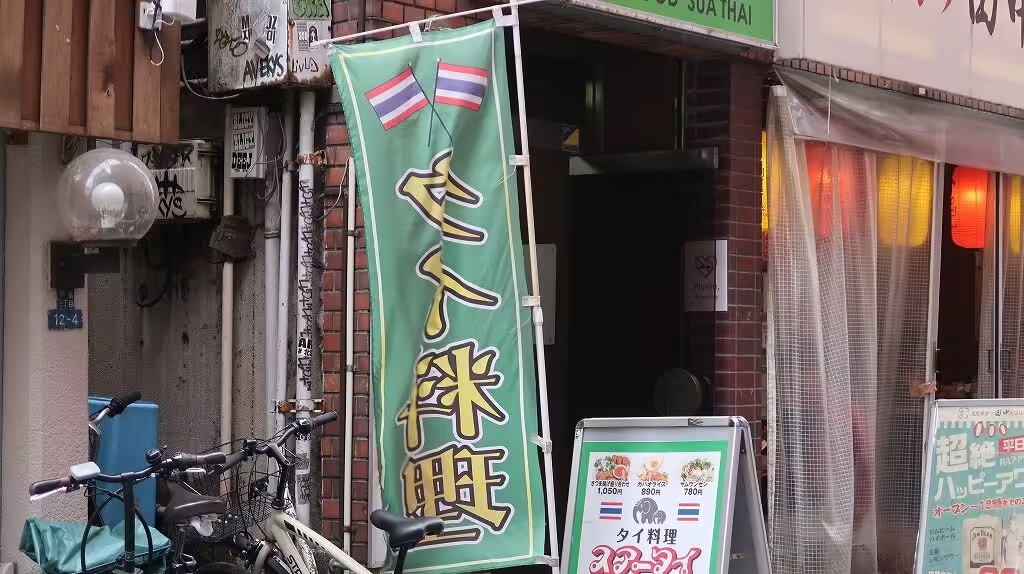
the scene where Aqua fake scouts an underground idol.

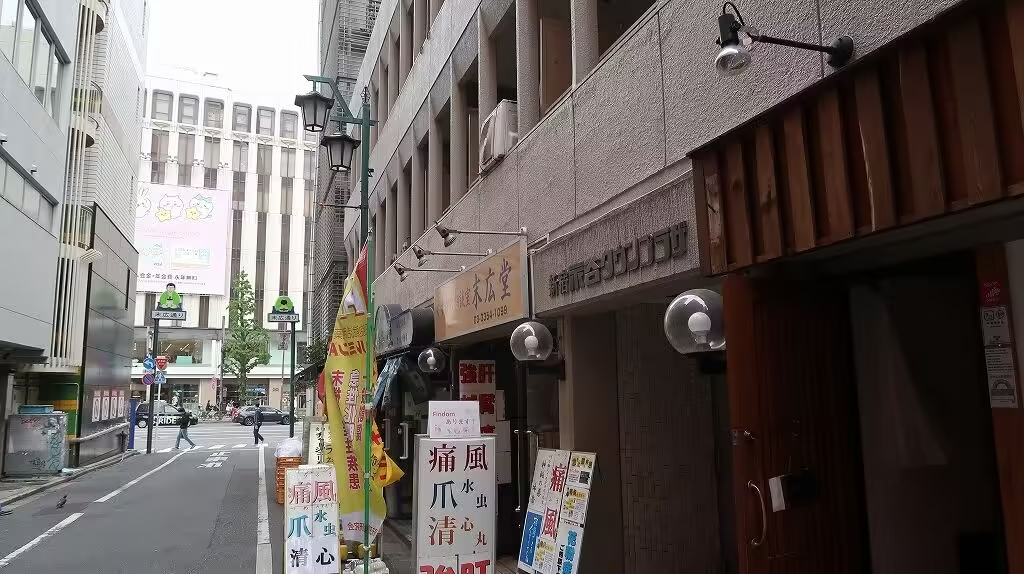


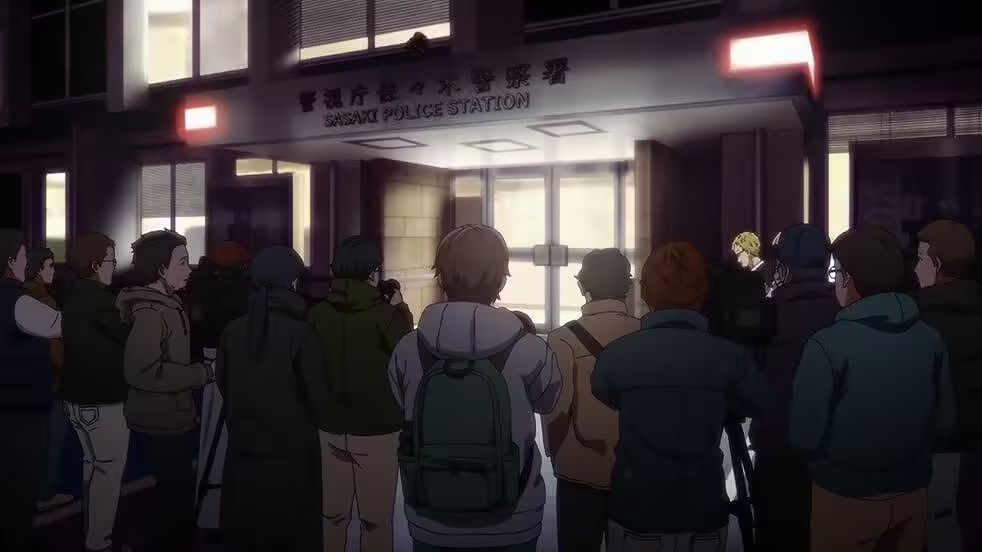
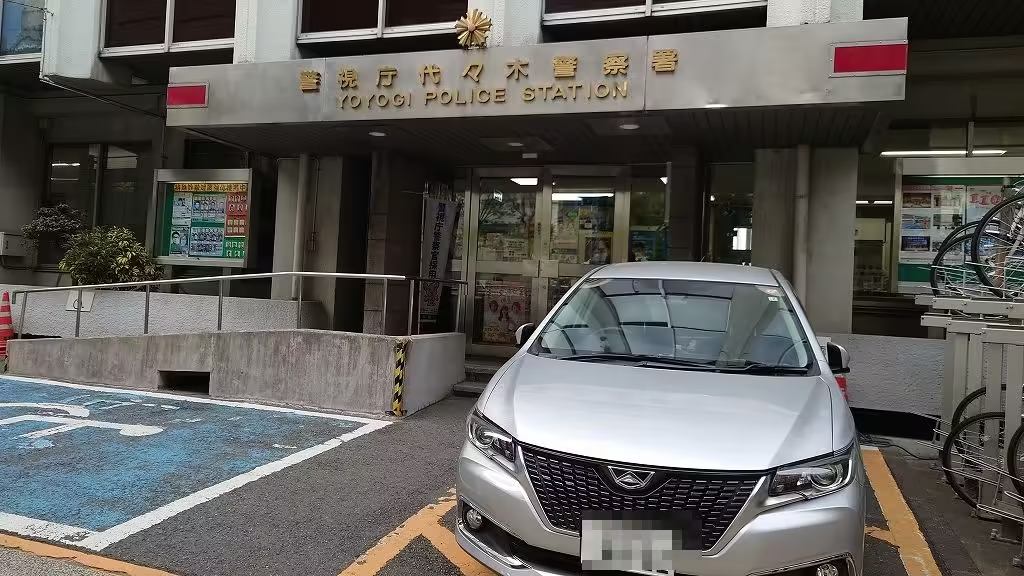
Yoyogi Police Station
Yoyogi Police Station sits near major pedestrian routes and public facilities. Its presence introduces a sense of authority and order, contrasting with the surrounding entertainment and commercial zones.
Near Sumitomo Mitsui Banking Corporation Meguro Branch
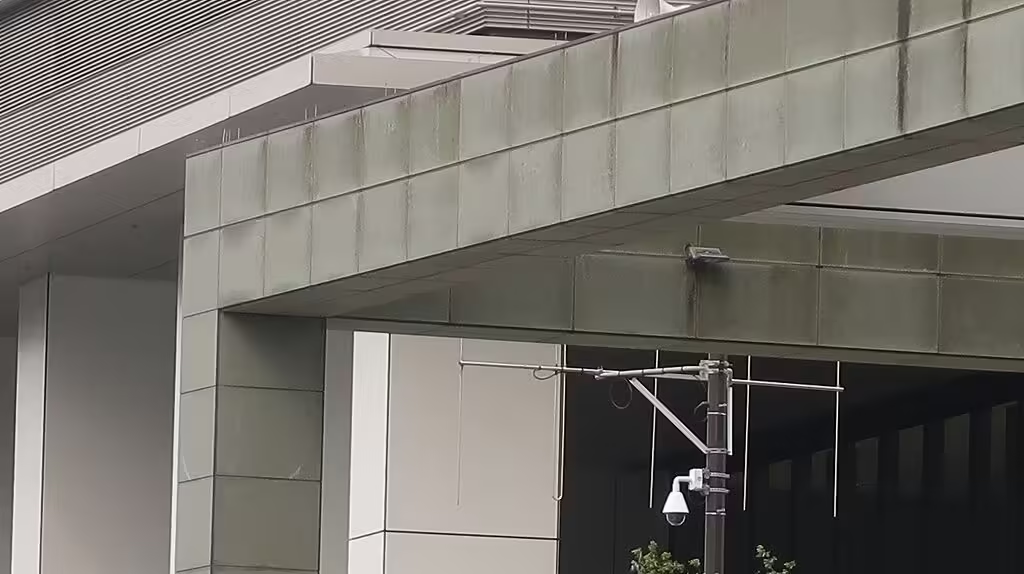
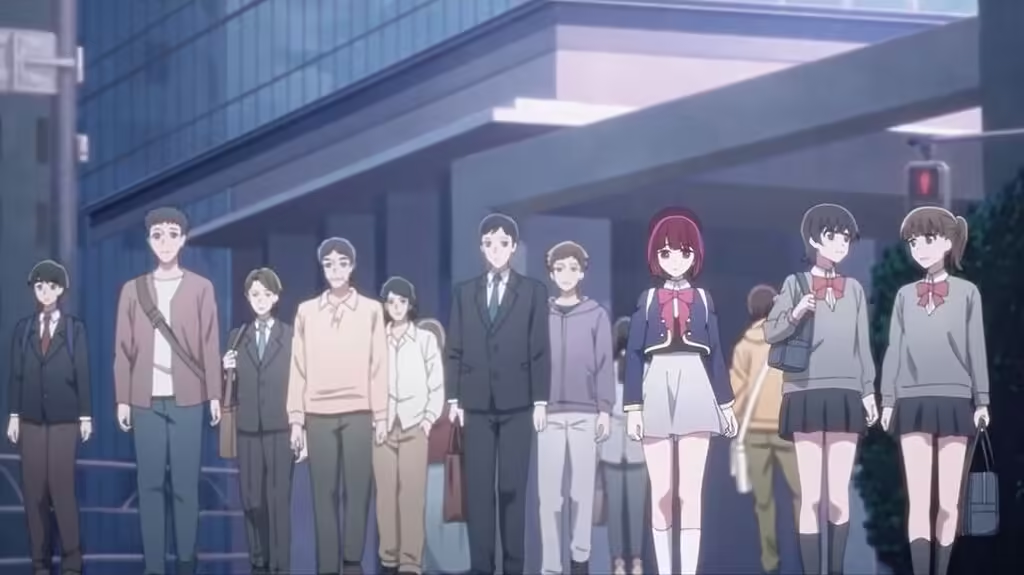
This part of Meguro is quieter and more business-oriented. Banks and office buildings dominate the streetscape, reflecting routine adult life and financial responsibility rather than spectacle.

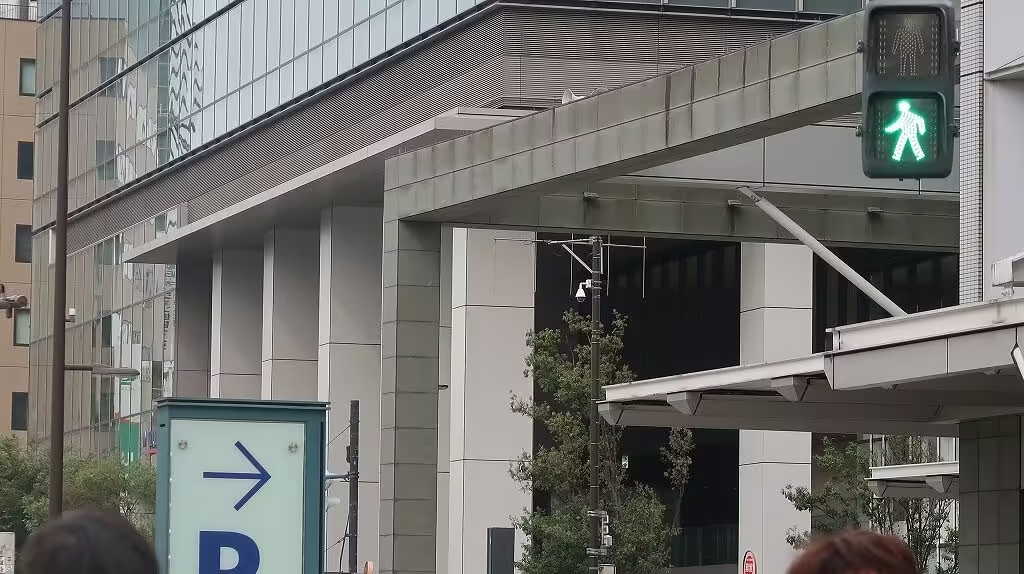
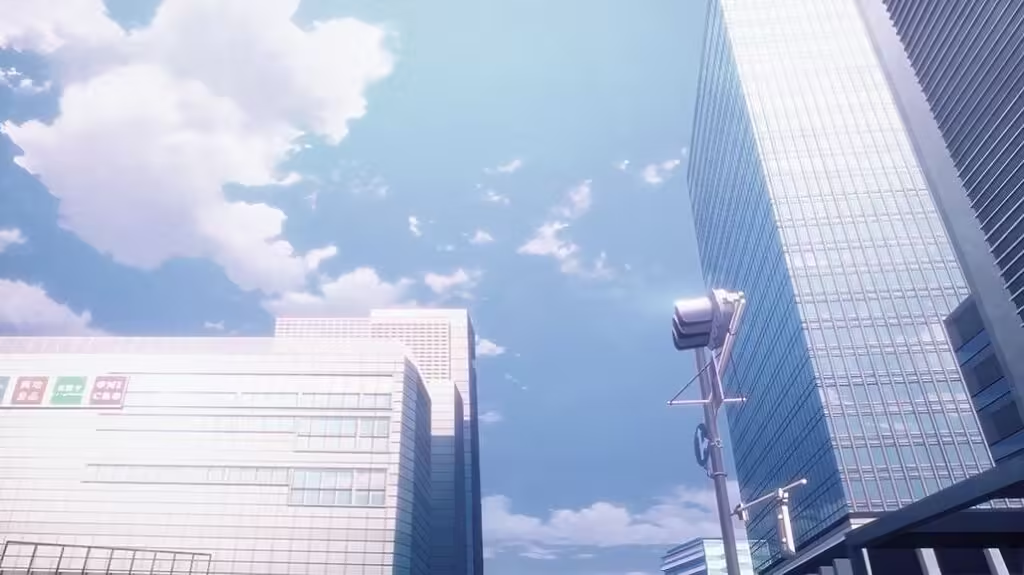
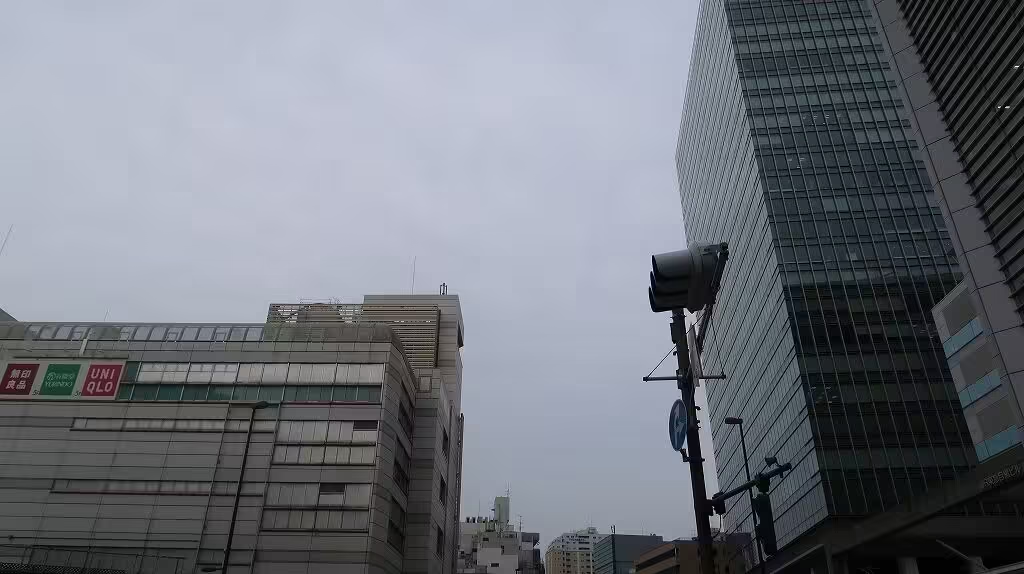



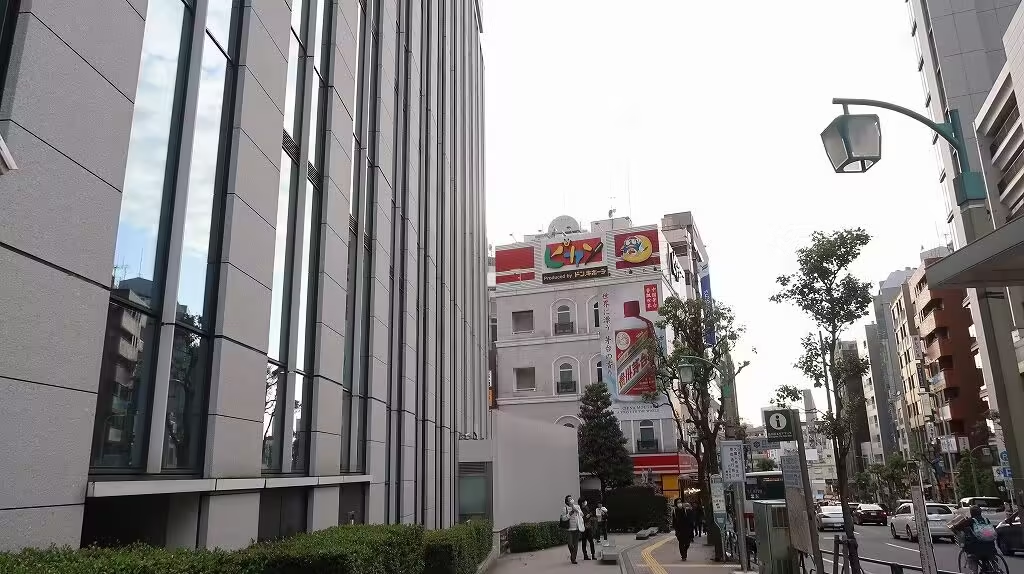
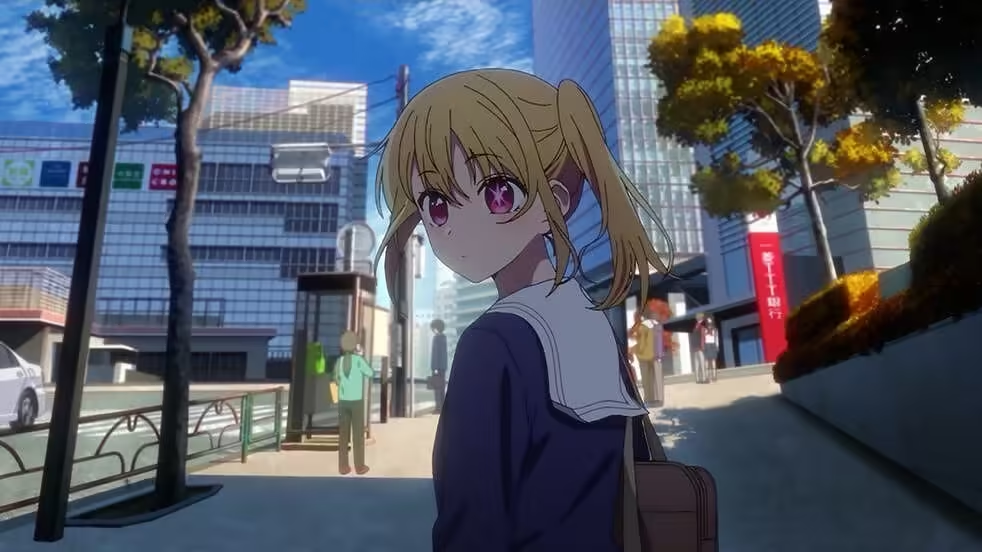
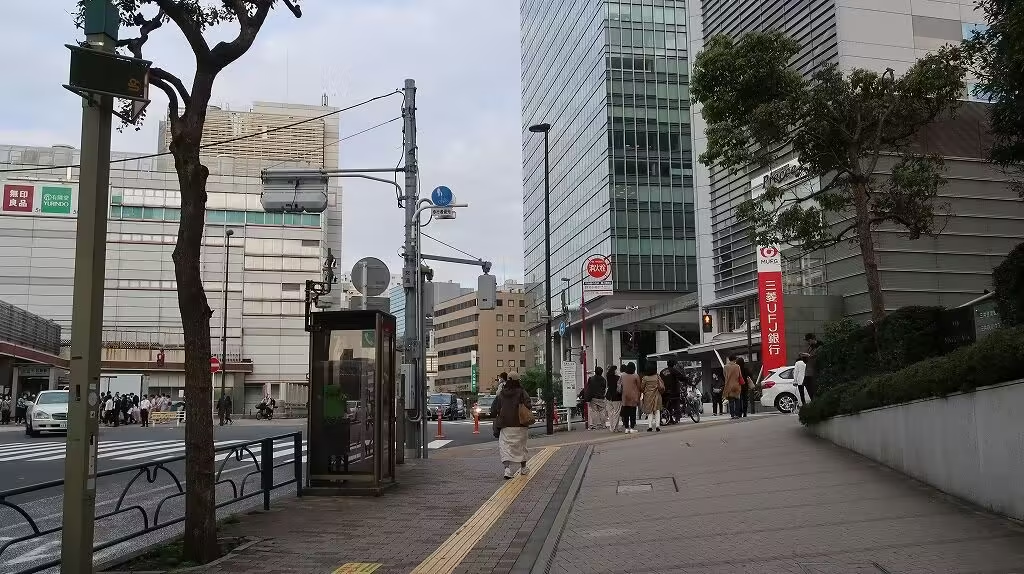
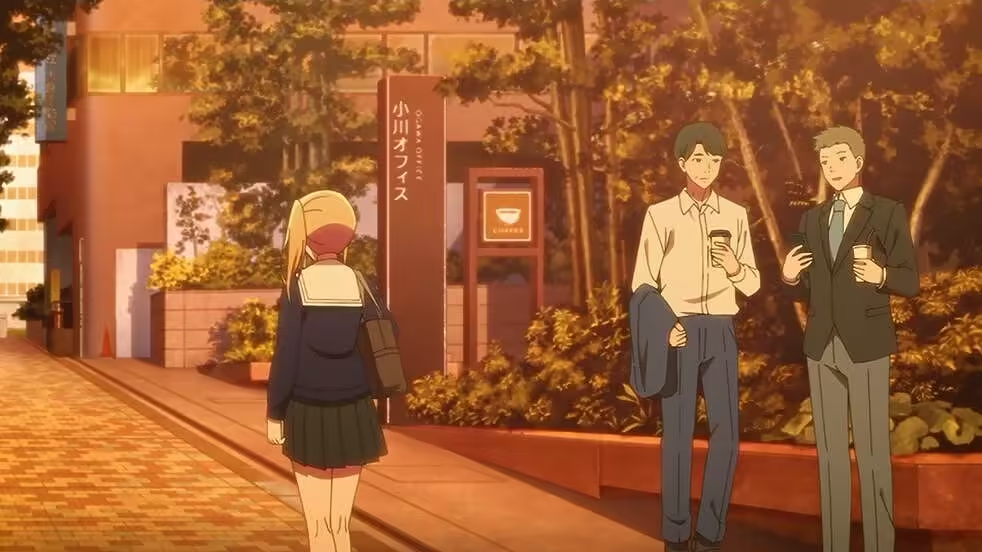
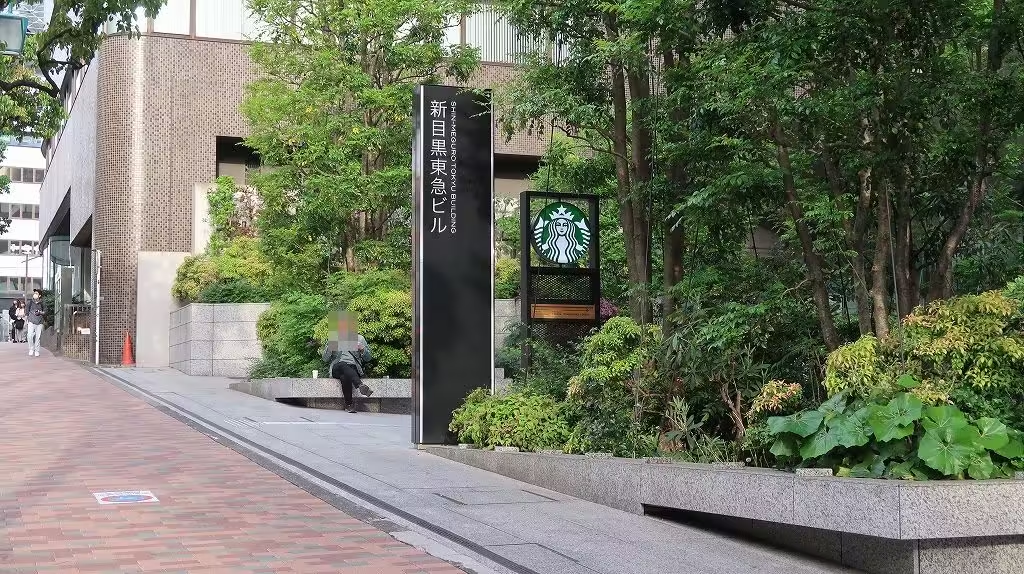
In front of Shin-Meguro Tokyu Building
The Shin-Meguro Tokyu Building stands among modern commercial structures near Meguro Station. The area feels transitional, sitting between residential neighborhoods and corporate activity.
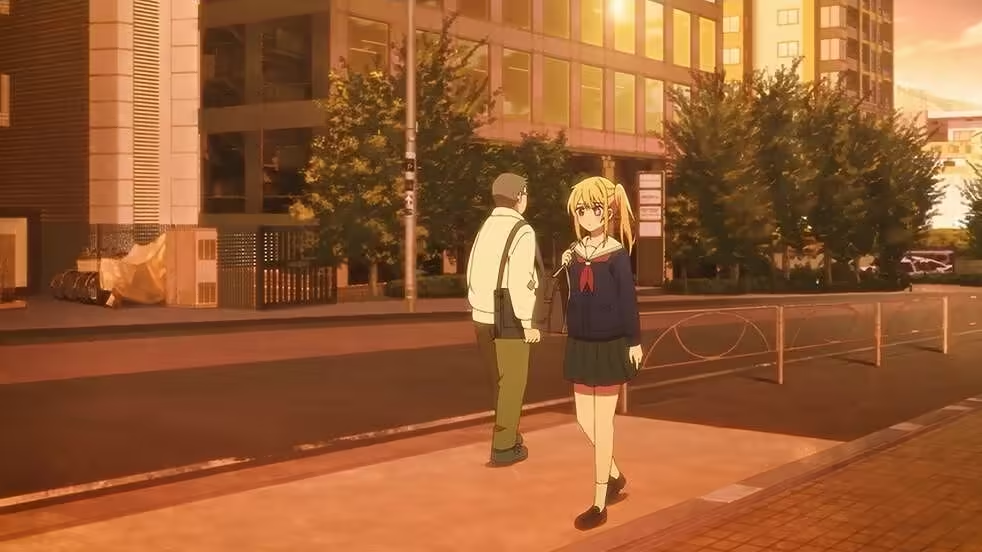
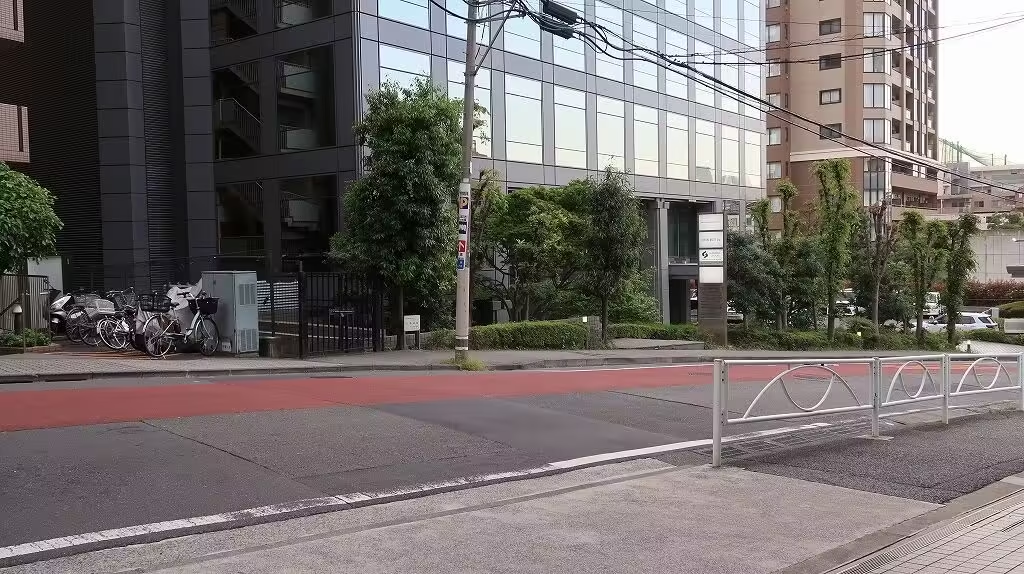
In front of Tokushinkai Meguro Dental Clinic
This location highlights everyday urban Tokyo. Medical clinics, offices, and small shops line the streets, grounding the city’s narrative in ordinary, lived-in spaces rather than iconic landmarks.
Karaokekan Jiyugaoka branch
Karaokekan in Jiyugaoka reflects Tokyo’s casual social culture. Karaoke venues are common gathering spaces, associated with friendship, stress relief, and personal expression outside formal settings.


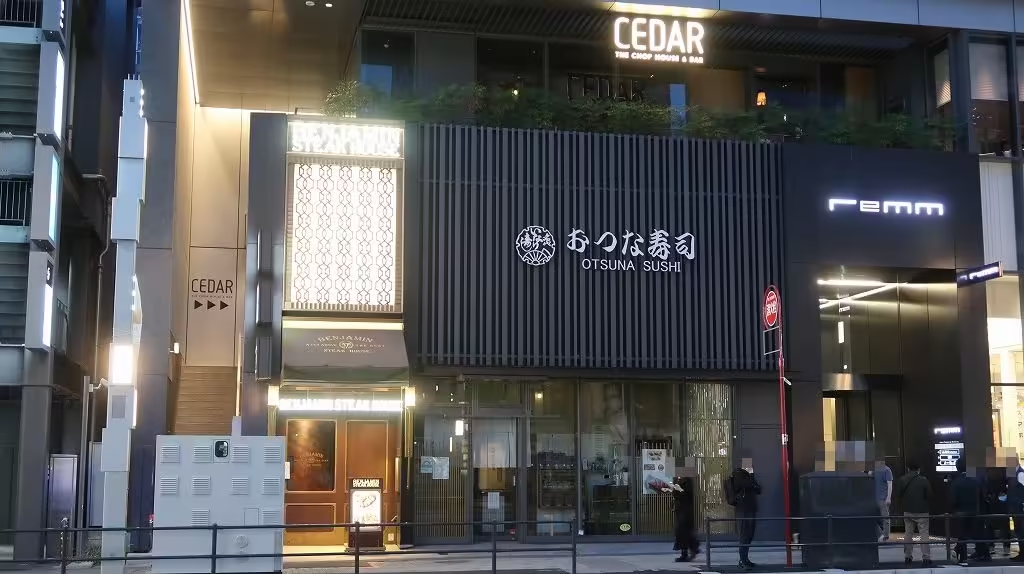
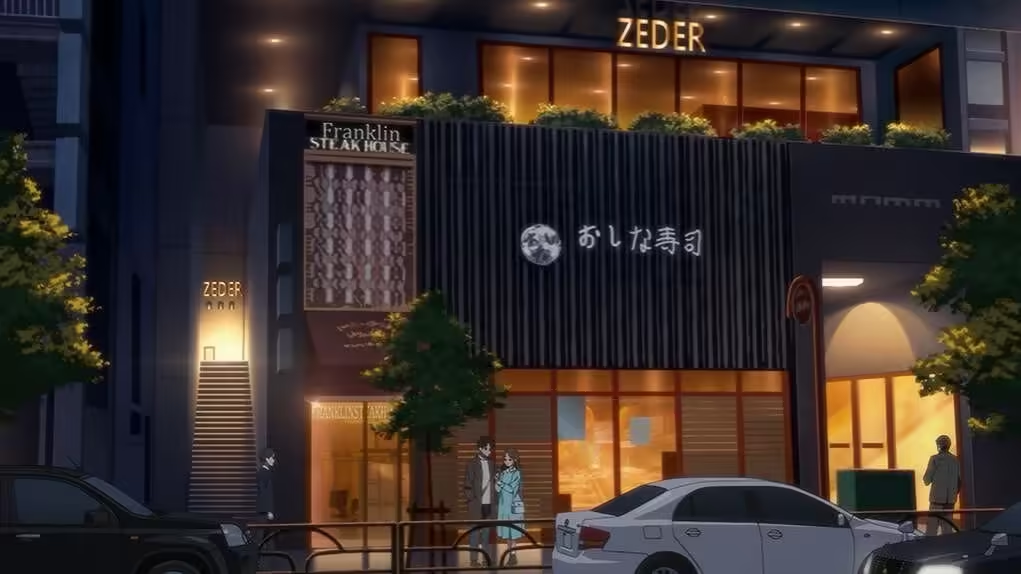
CEDAR THE CHOP HOUSE & BAR
Located in a more upscale environment, this restaurant represents Tokyo’s polished dining culture. It contrasts with fast-paced districts, offering a slower, more controlled atmosphere.
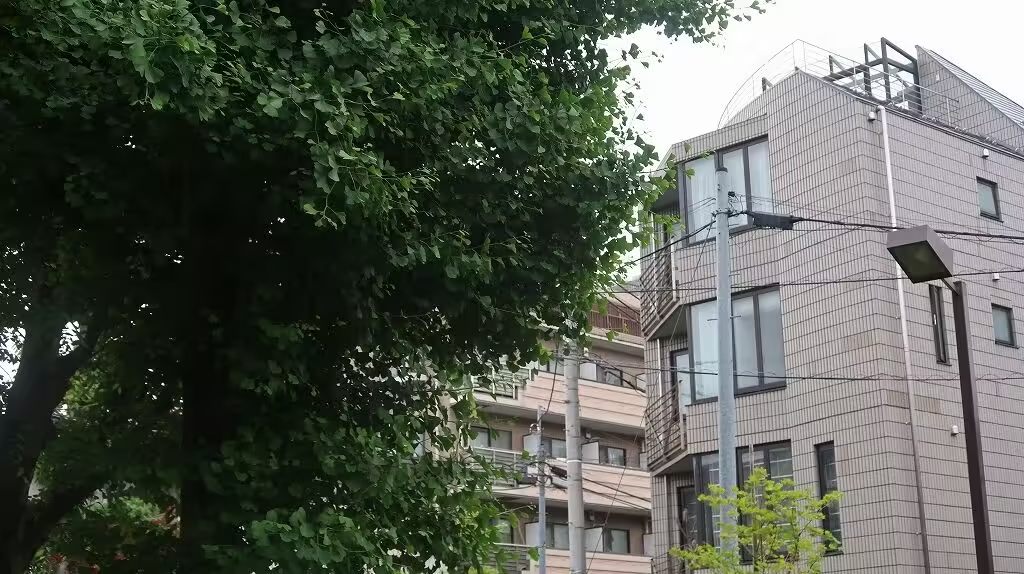
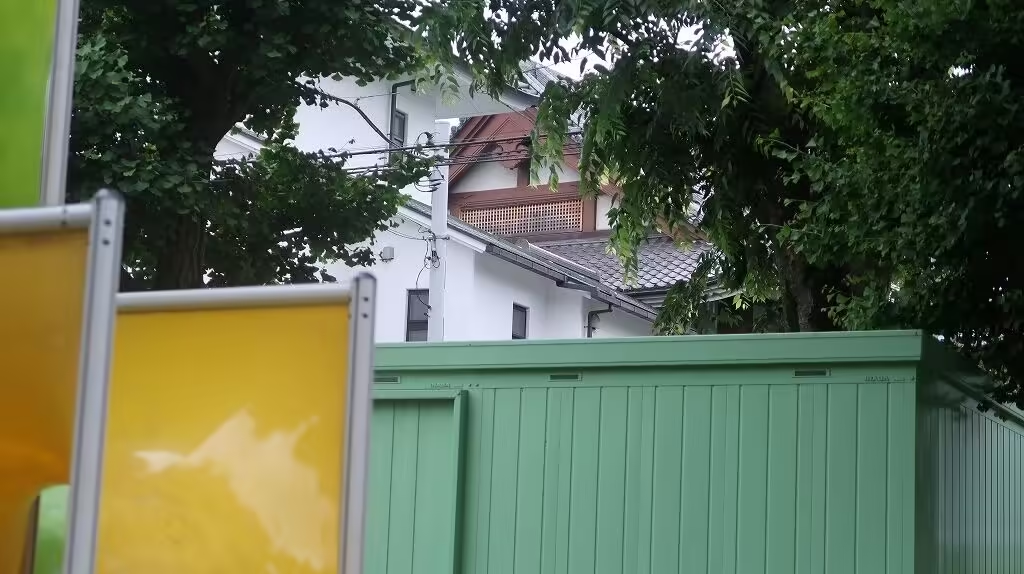
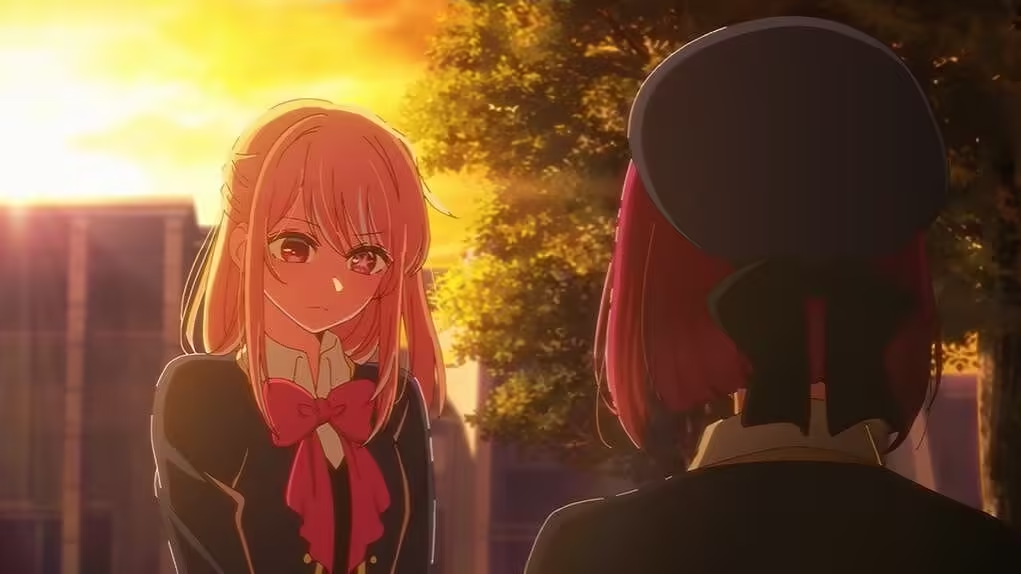
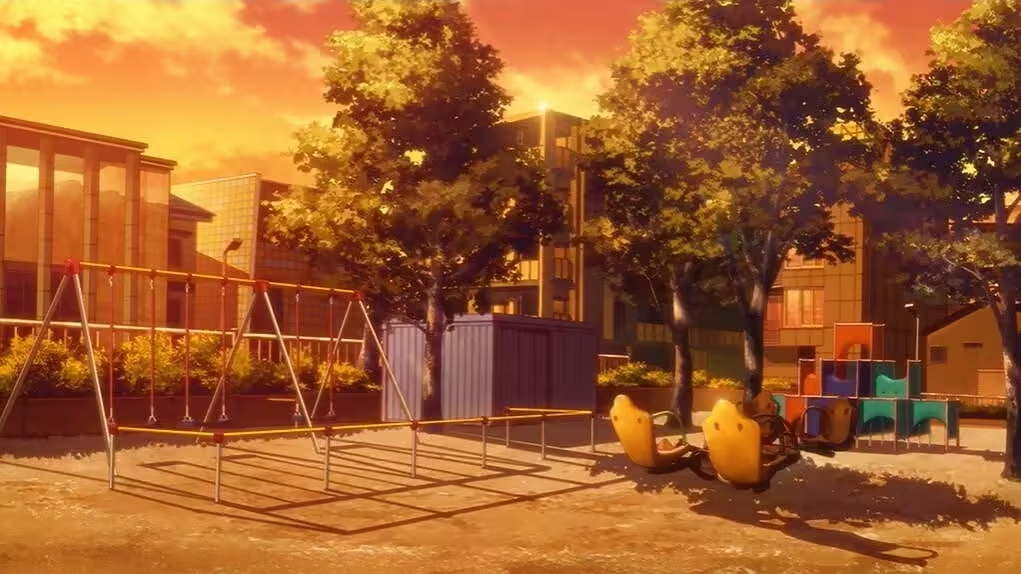
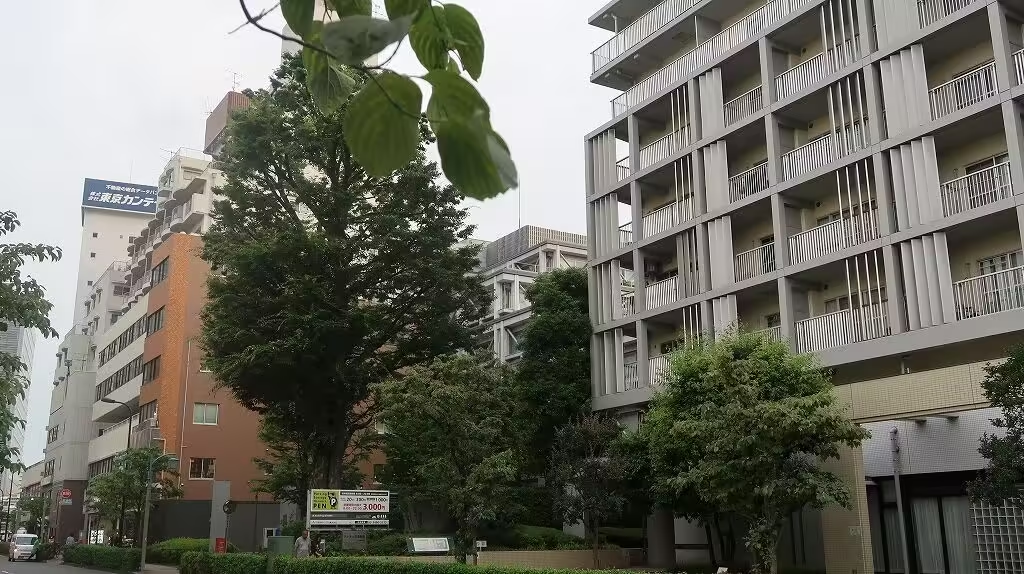
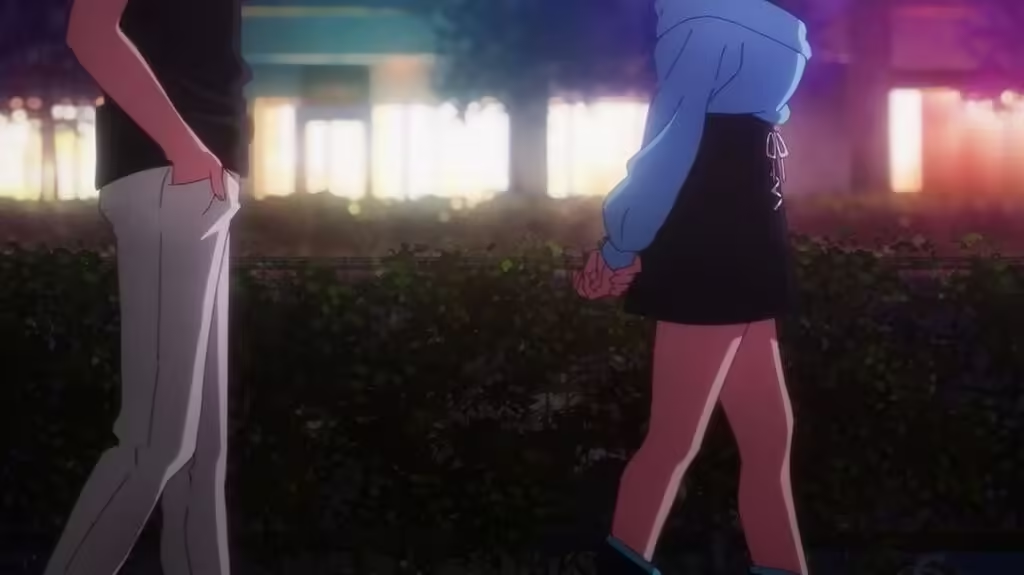
Ebisu Minamini Park
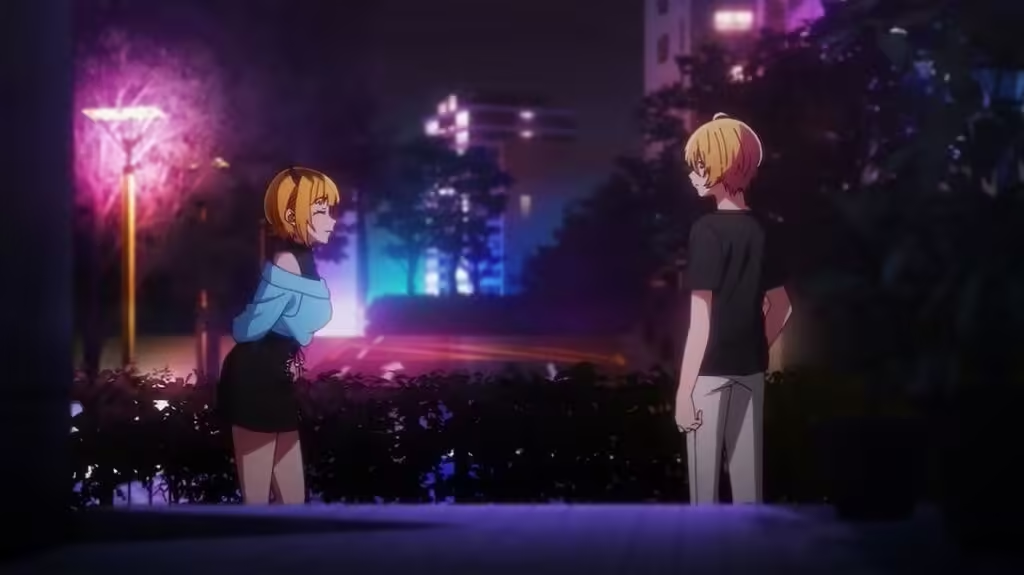
Ebisu Minamini Park is a small neighborhood park used by locals rather than tourists. These quiet green spaces often appear in reflective moments, offering pause within the city’s density.
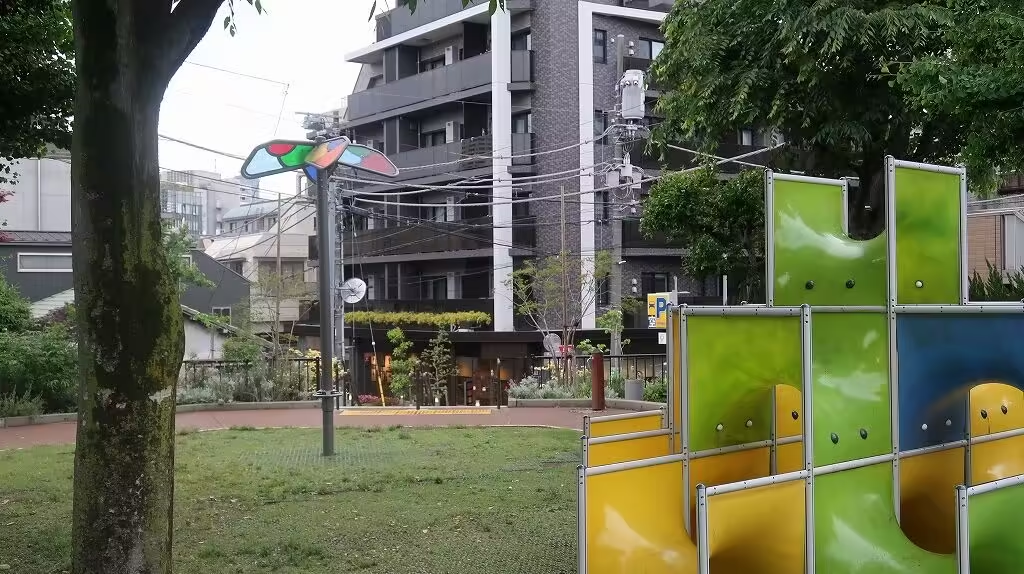

The scene from episode 5n the park where Aqua called Kana.







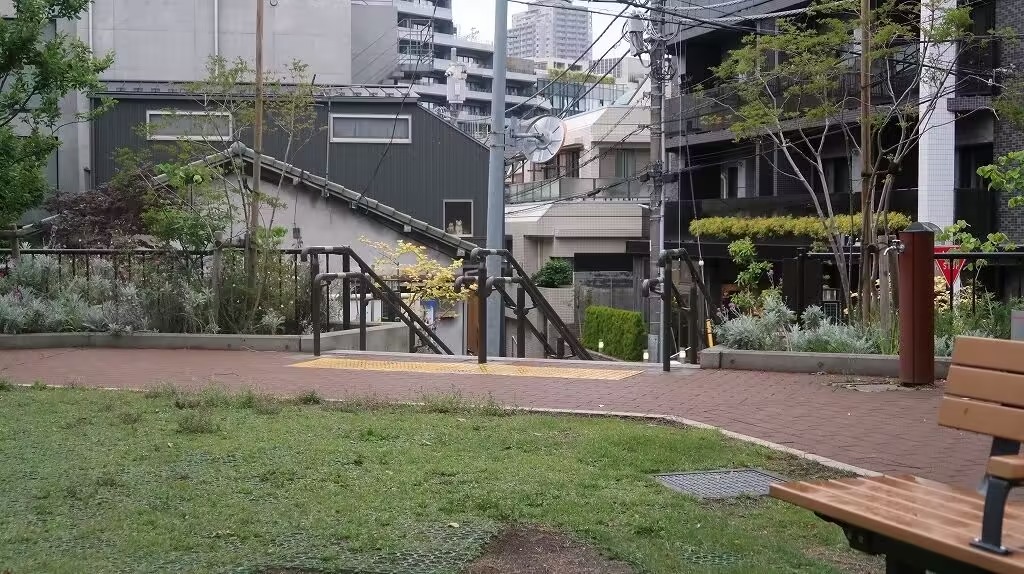











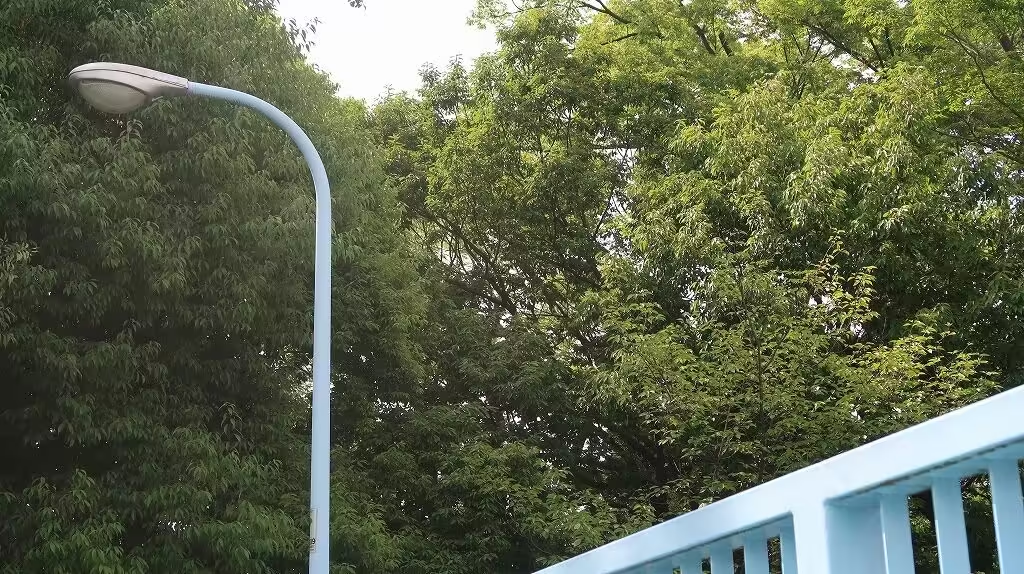
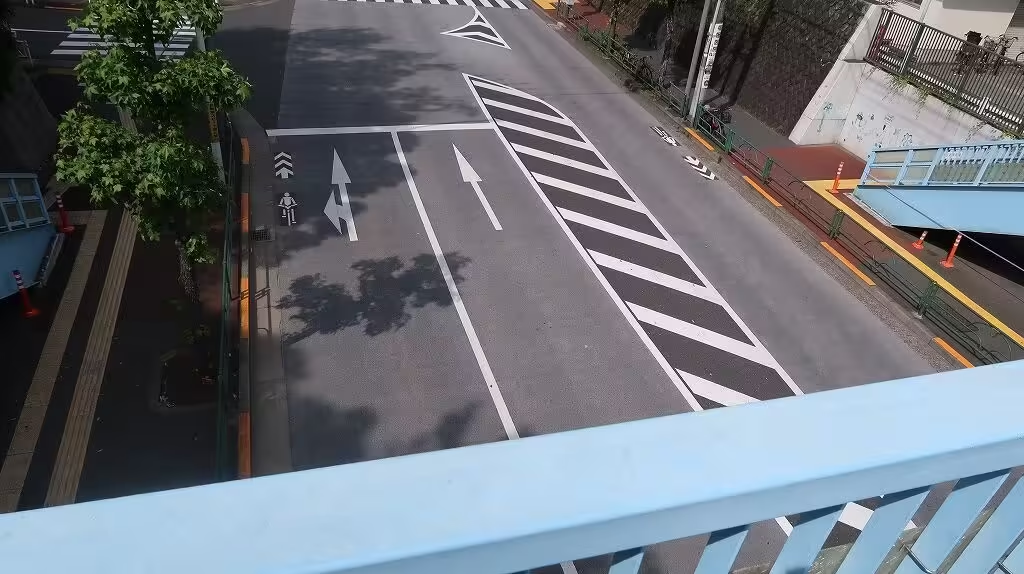
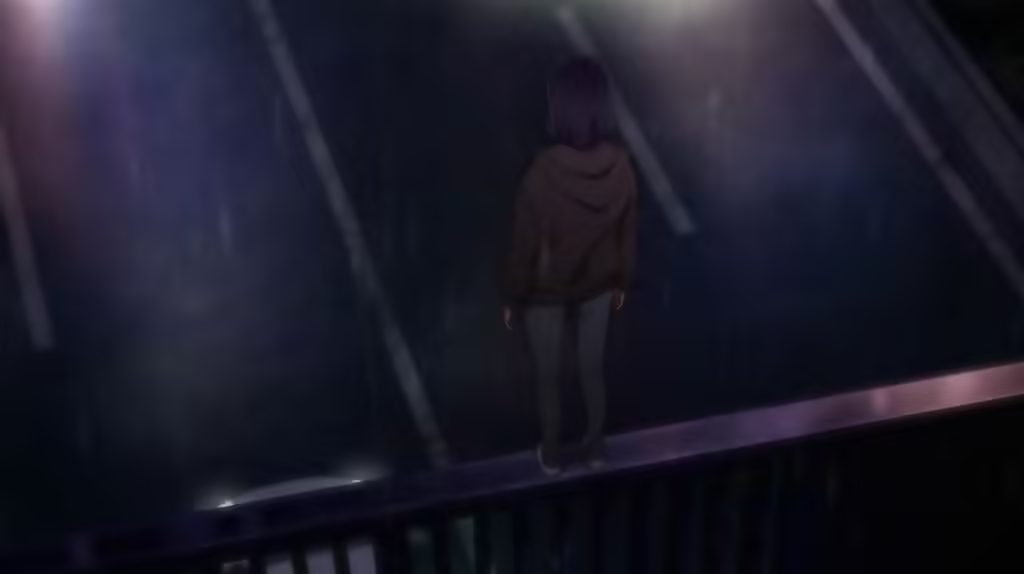
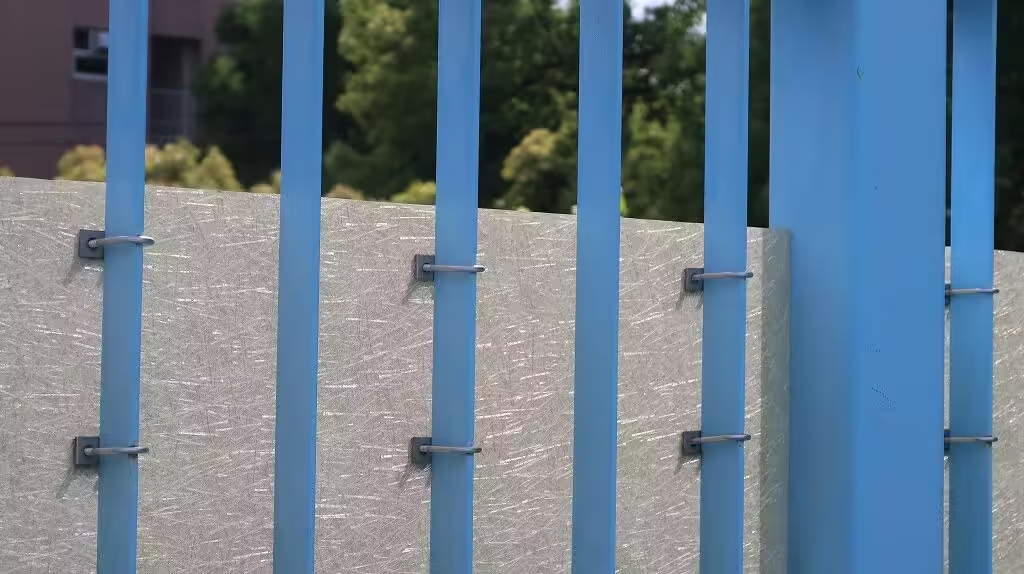
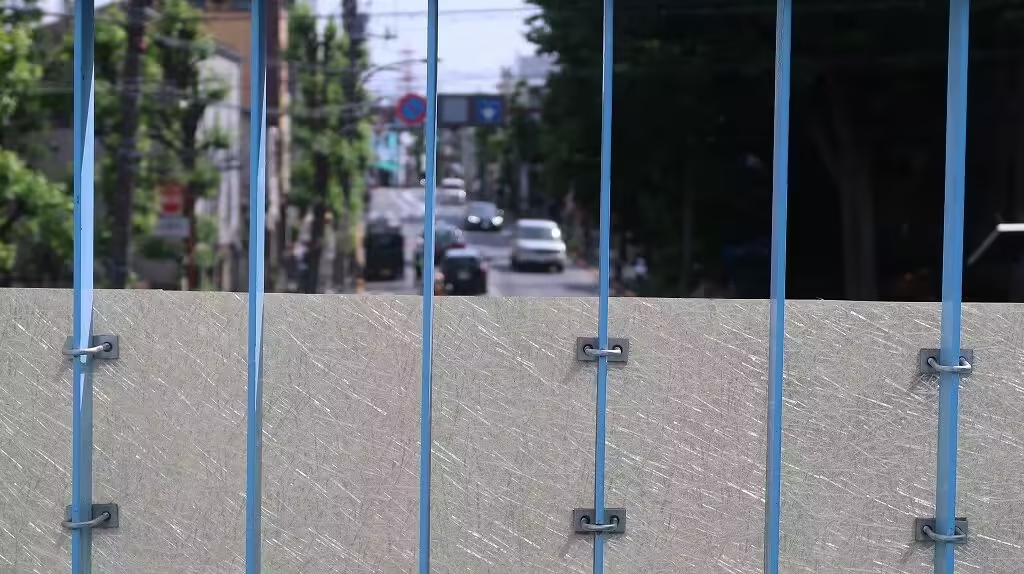
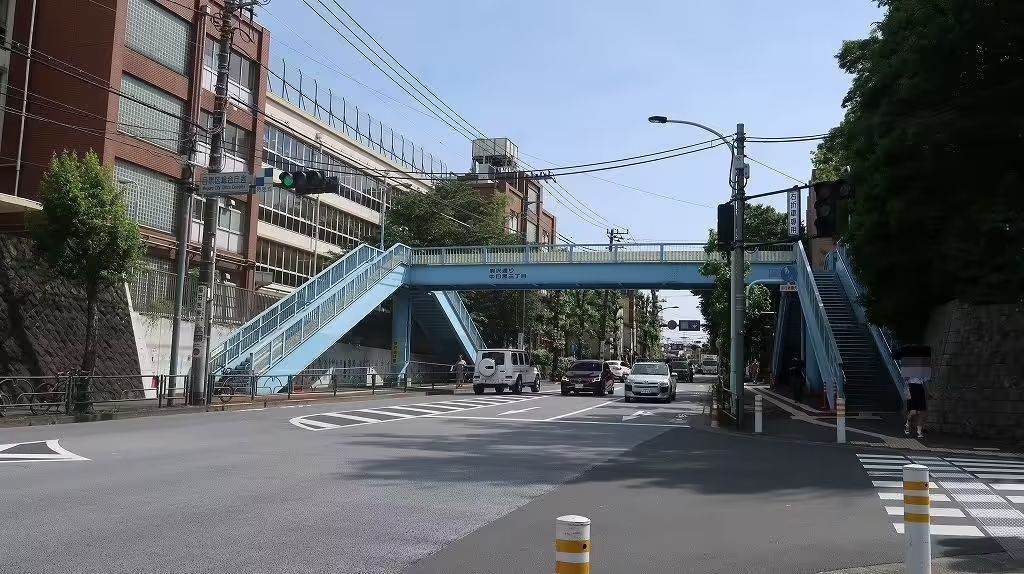
Pedestrian bridge near the Meguro Ward General Office intersection
This pedestrian bridge provides a clear view of traffic flow and daily routines. It visually emphasizes movement, transitions, and the structured rhythm of city life.








National Diet Library
Japan’s National Diet Library is the country’s primary research library. Its formal architecture and purpose connect to themes of documentation, truth, and institutional memory.


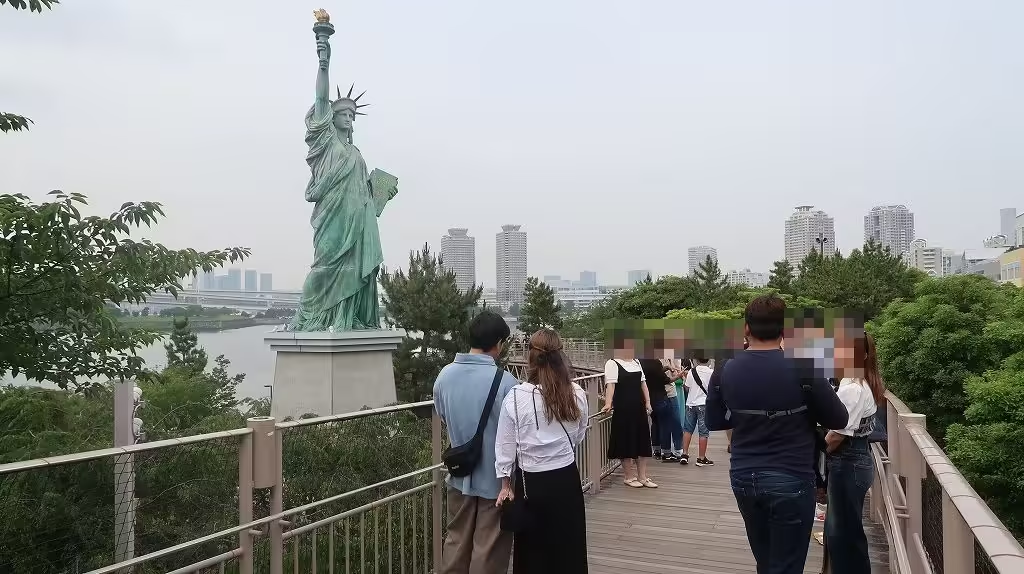
Statue of Liberty
The Statue of Liberty replica in Odaiba stands along Tokyo Bay as a symbolic landmark. It reflects Japan’s engagement with global culture and is often used in media as a visual shorthand for the Odaiba waterfront.
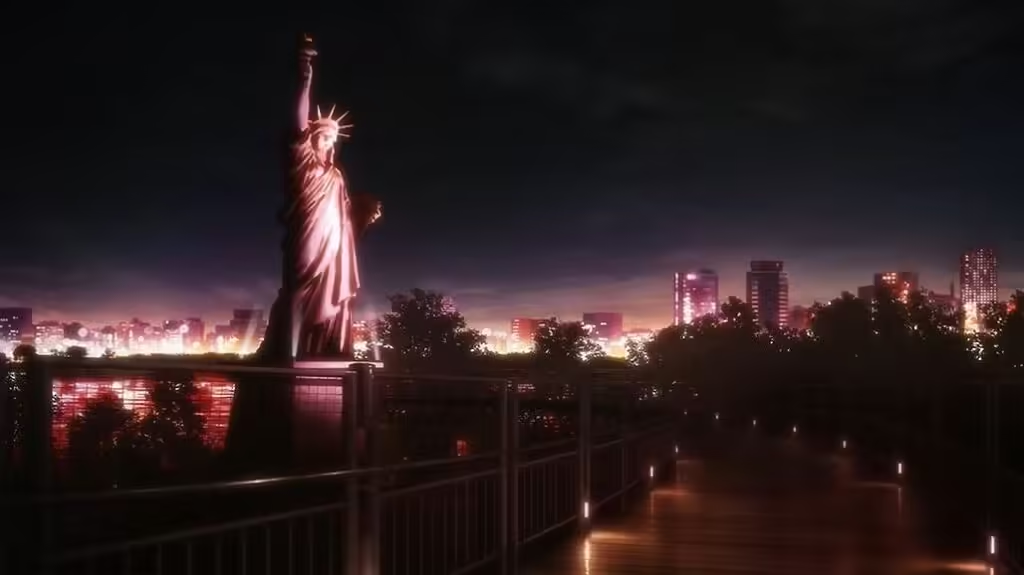
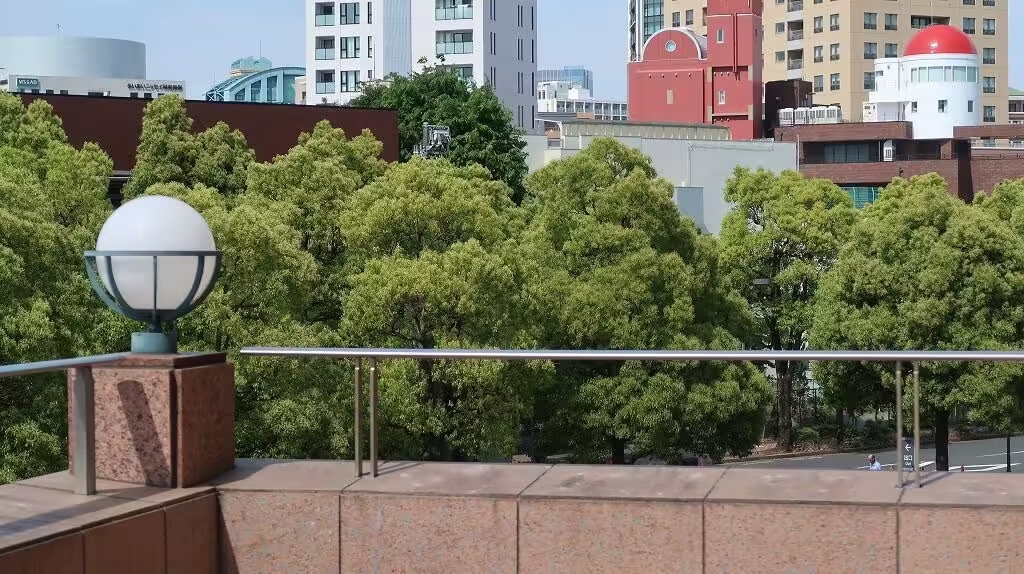
Odaiba Seaside Park
Odaiba Seaside Park offers open views of the bay and Rainbow Bridge. The wide space and waterfront setting contrast sharply with inner-city streets, creating a sense of distance from daily pressure.
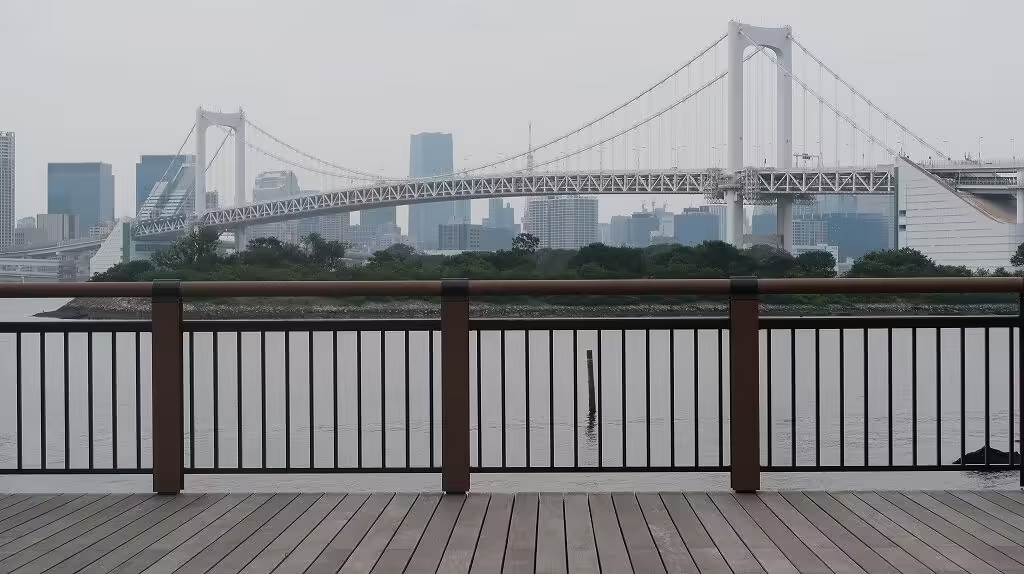

The scene from episode 8, under the observation deck. This is the location of the confession scene.
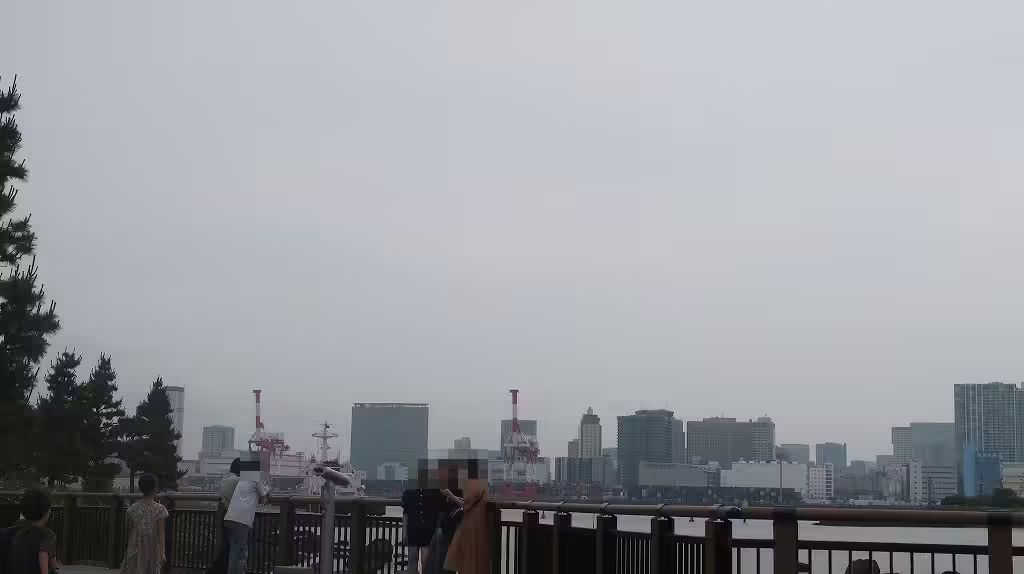



The scene where Aqua kisses Akane

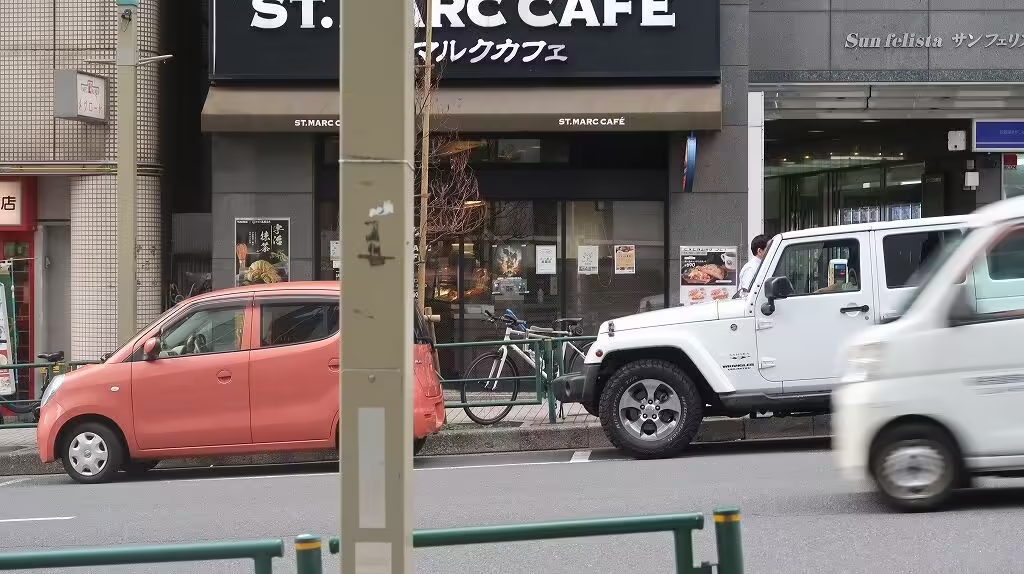
In front of Saint Marc Cafe Meguro West Exit
Cafés near Meguro Station serve as informal meeting points. These spaces are associated with quiet conversations and brief pauses between obligations.

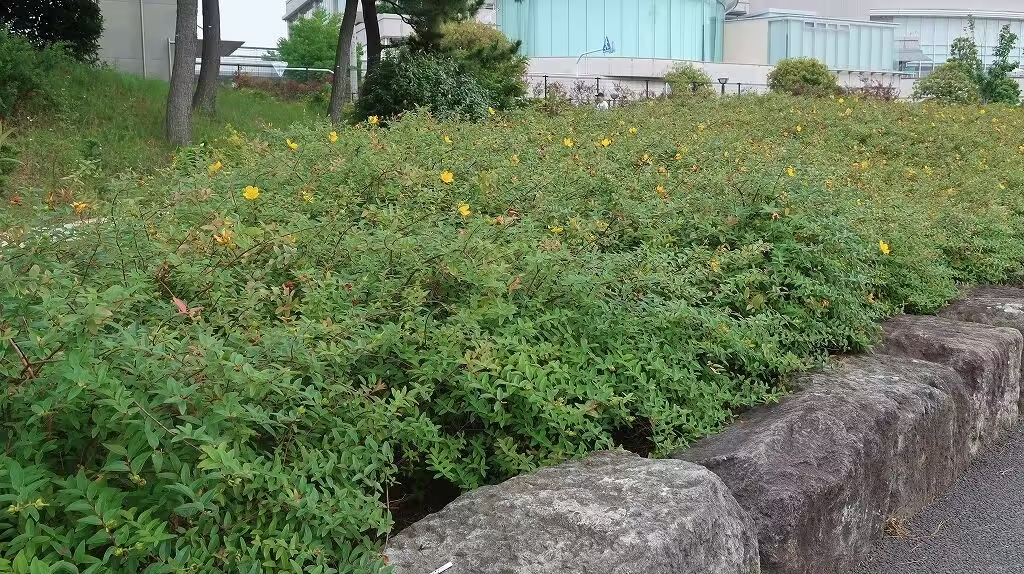
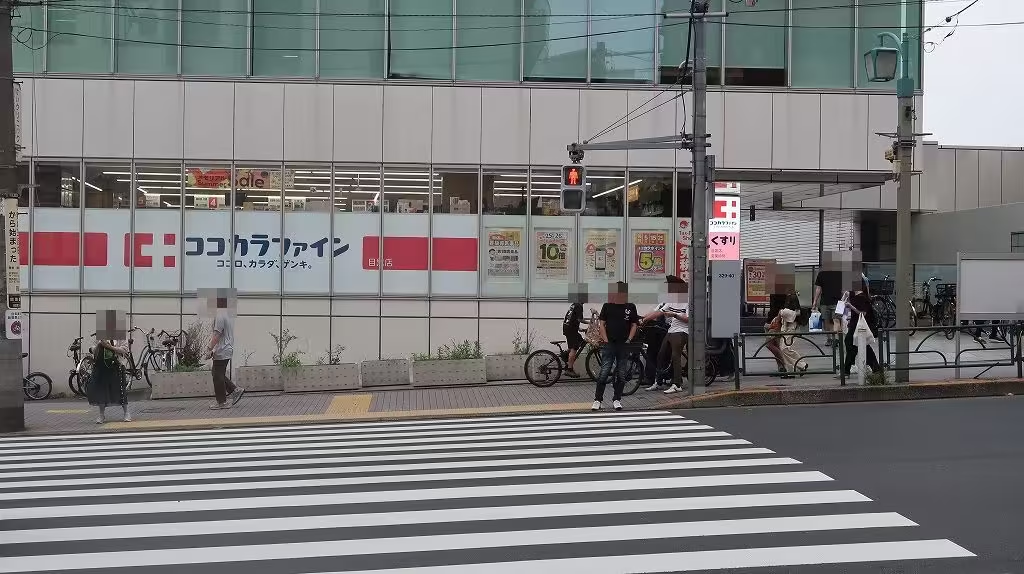
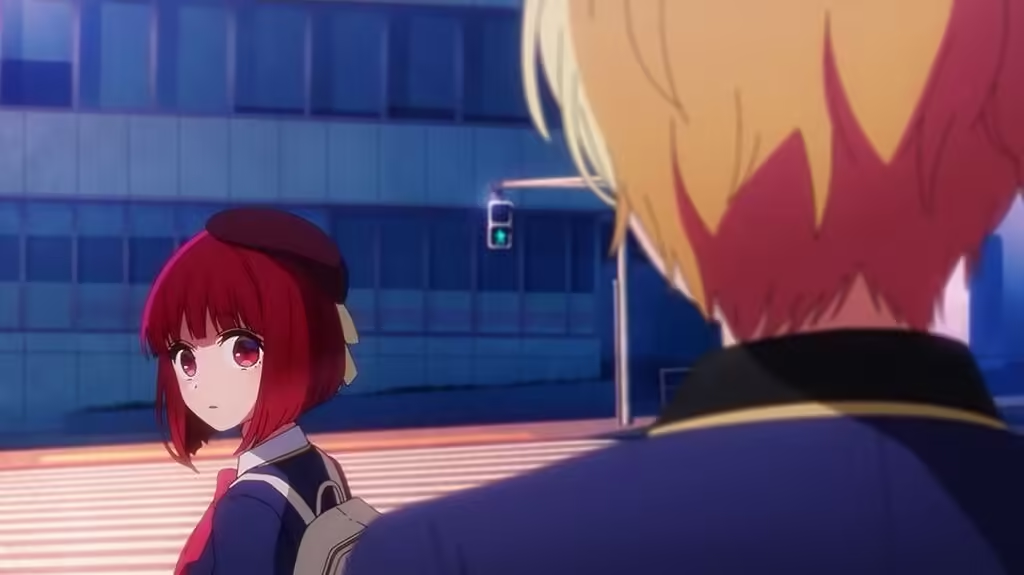
Cocokara Fine Meguro store
Drugstores like Cocokara Fine are deeply embedded in daily life. Their presence reinforces realism and routine within the urban landscape.


Next to MFPR Meguro Tower
MFPR Meguro Tower stands among modern high-rise buildings, reflecting Tokyo’s vertical expansion and professional density.


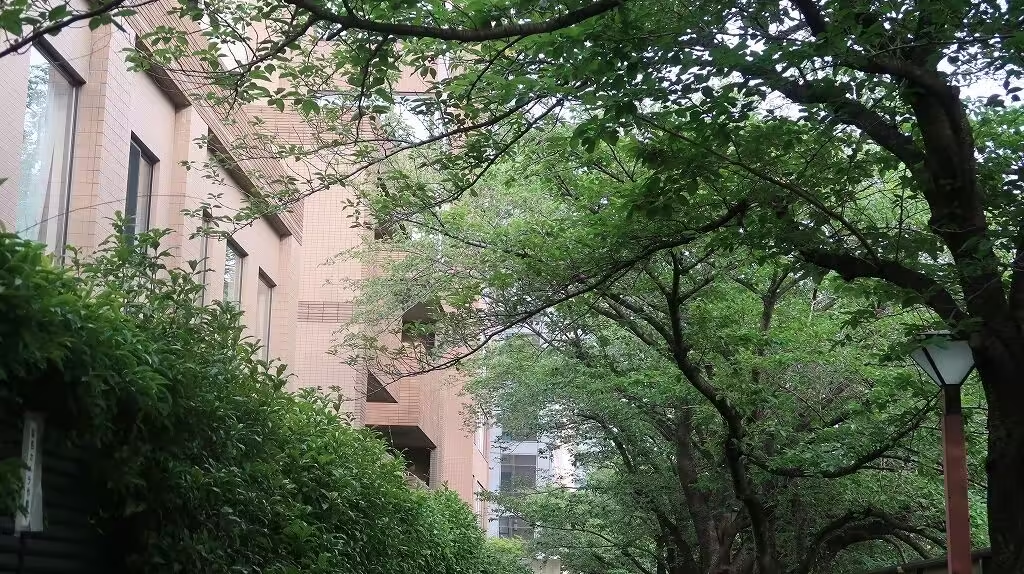
A road along the Meguro River



Tendo Square Park
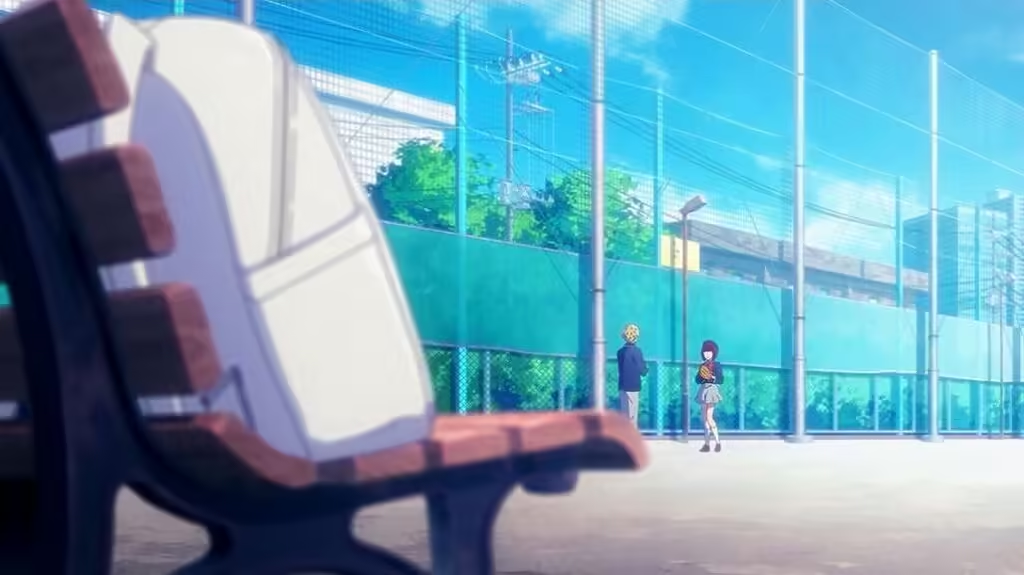
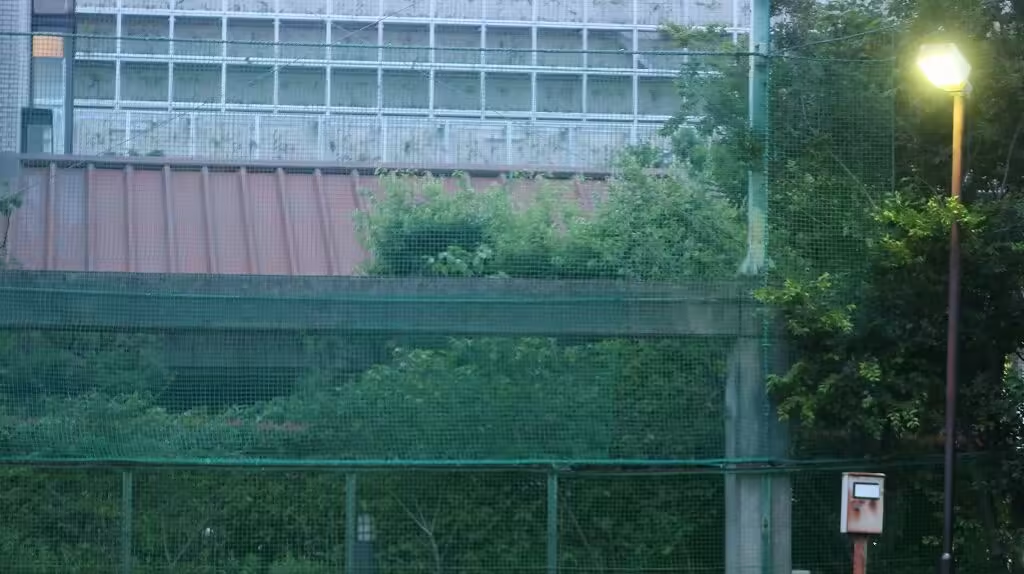
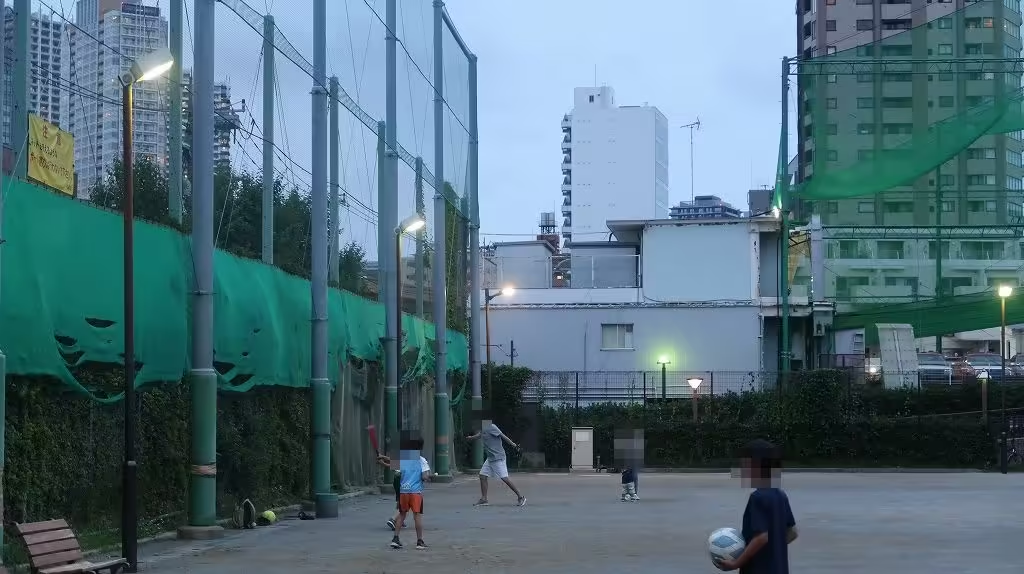
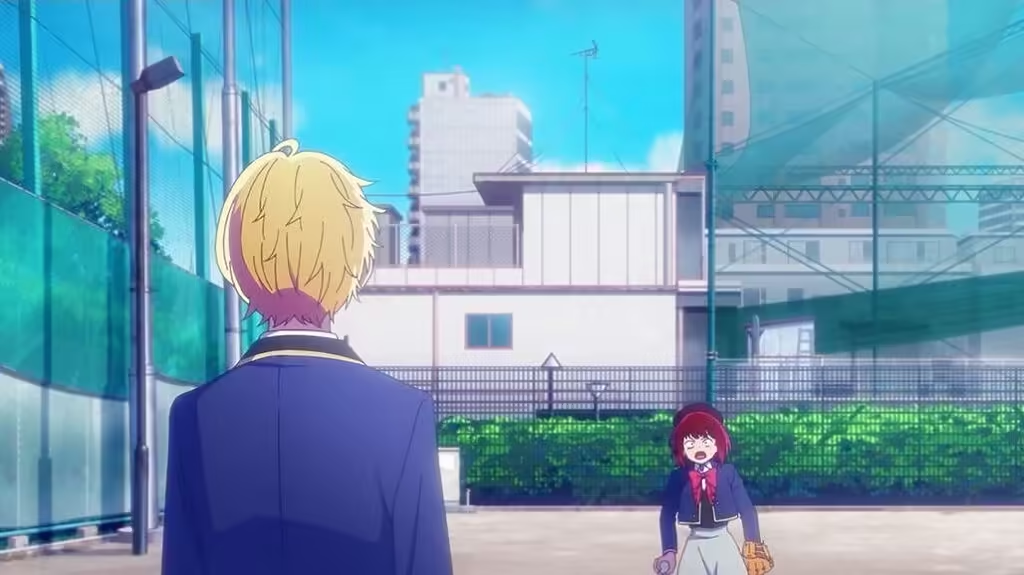
Tendo Square Park is another small local park, used primarily by residents. Such spaces provide contrast to performance-driven environments, emphasizing normalcy and quiet.
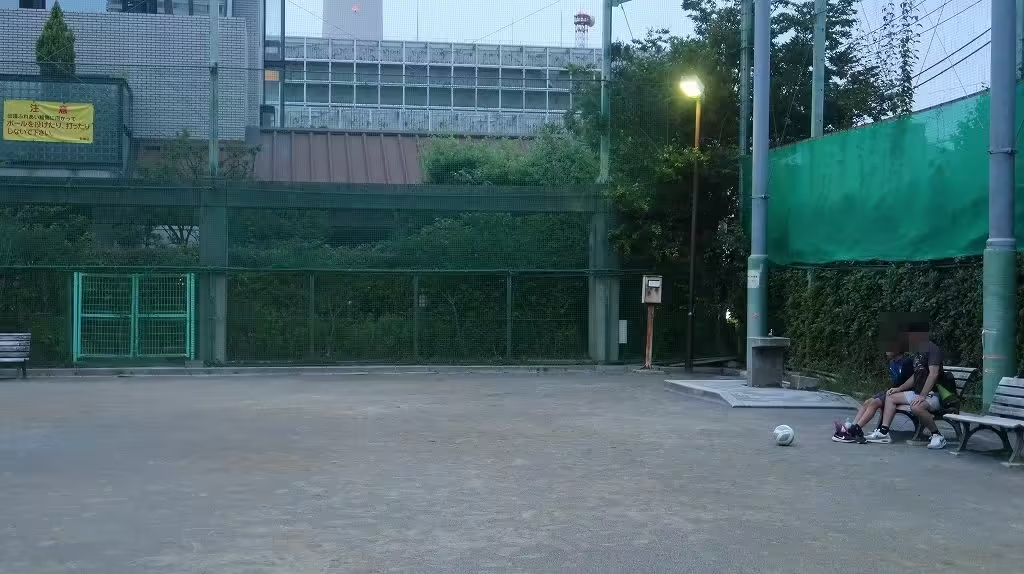

The place where Aqua and Kana were playing catch.




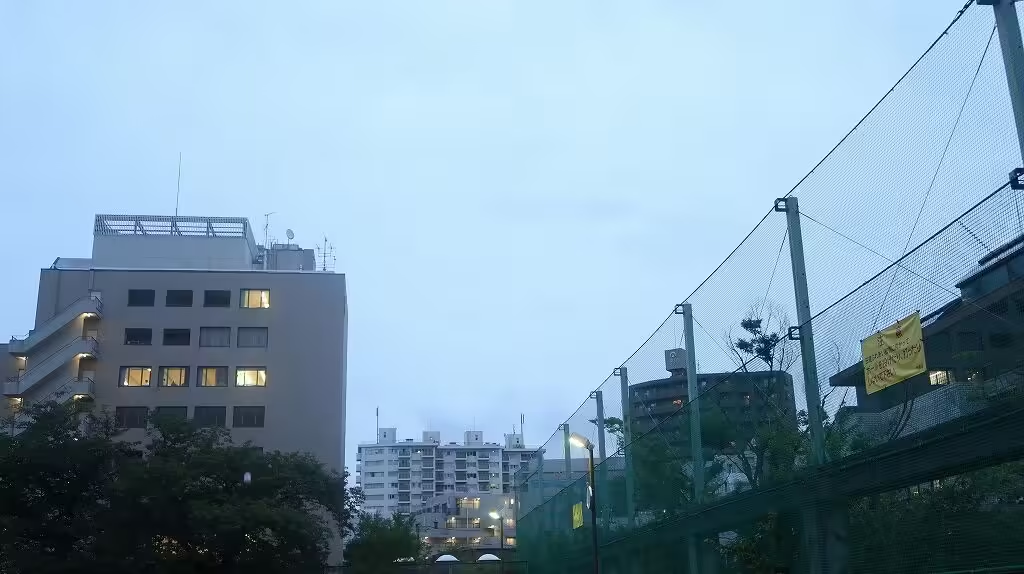
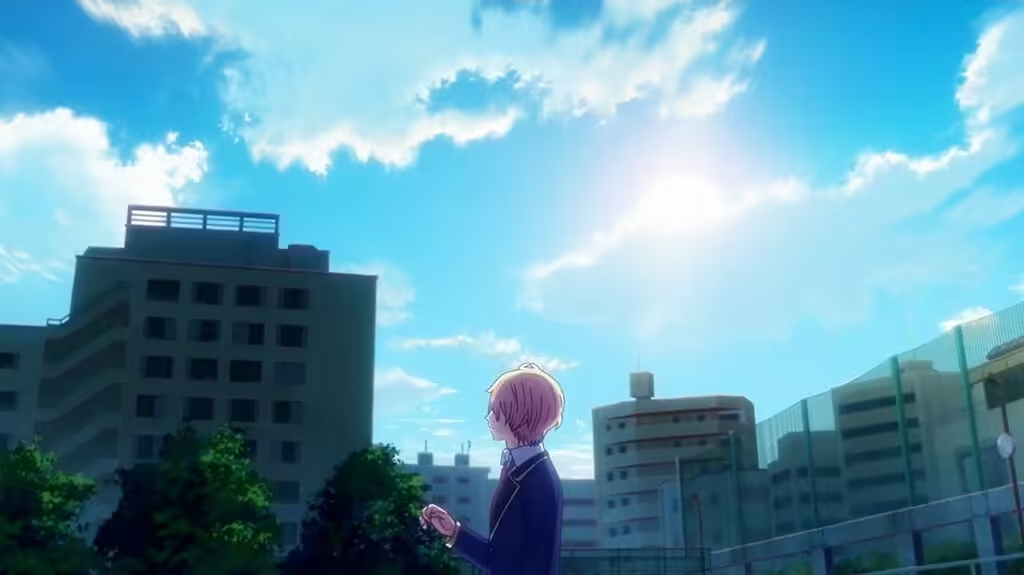
Near the Meguro Station bus stop
The area around Meguro Station’s bus stops represents transition and movement. It is a place people pass through daily, reinforcing themes of routine, continuity, and urban flow.

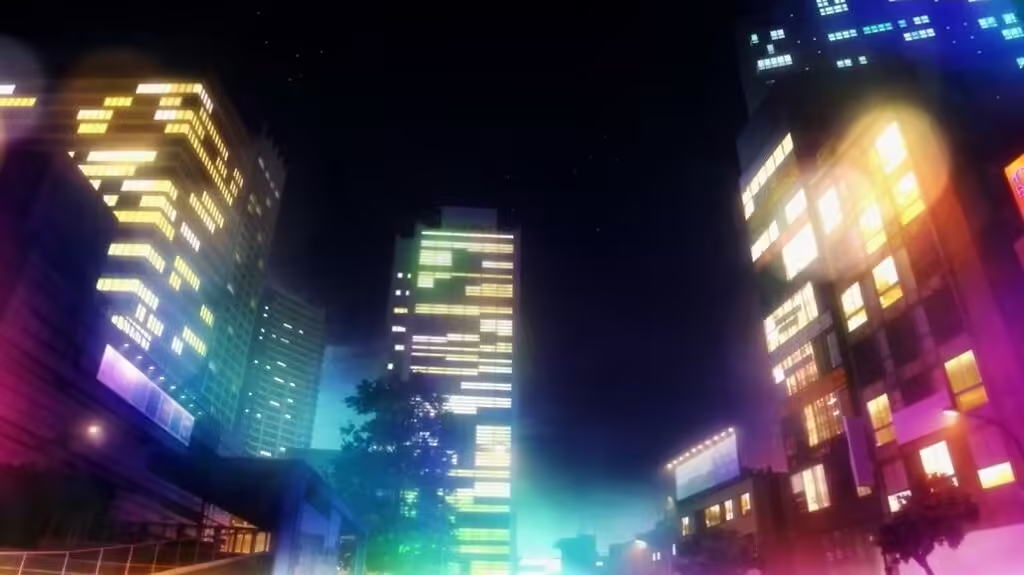

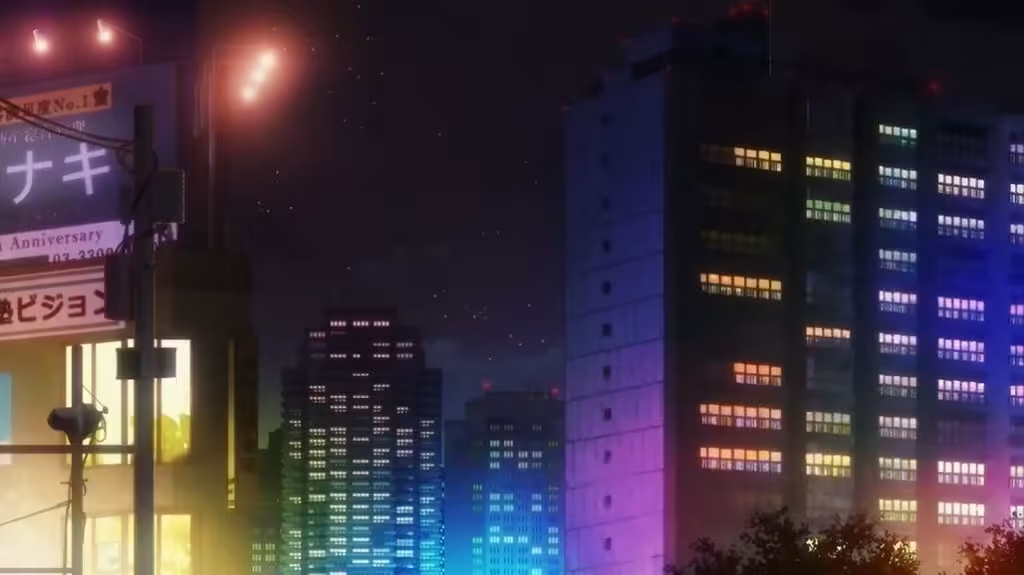
The scenes after the launch party.
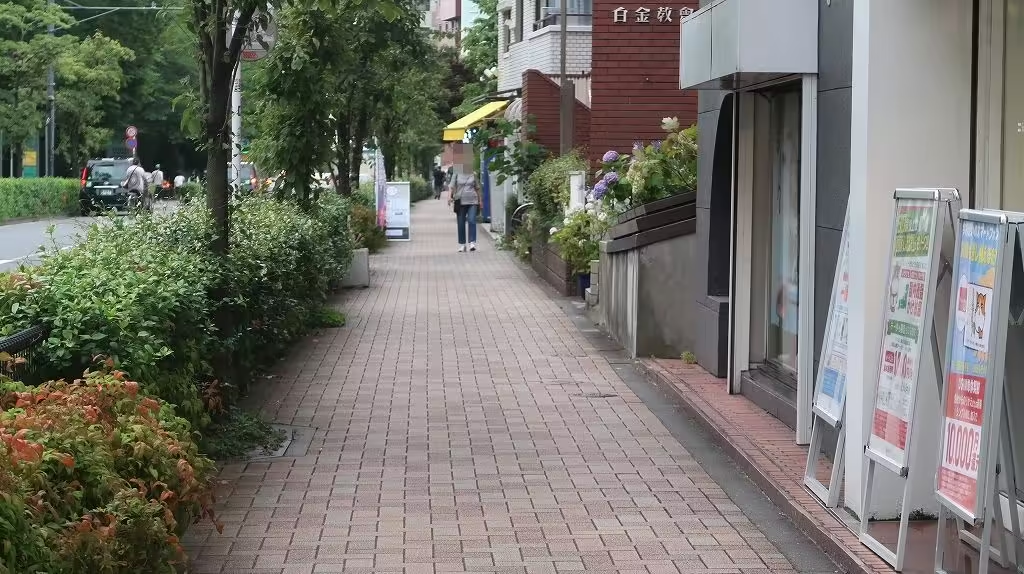

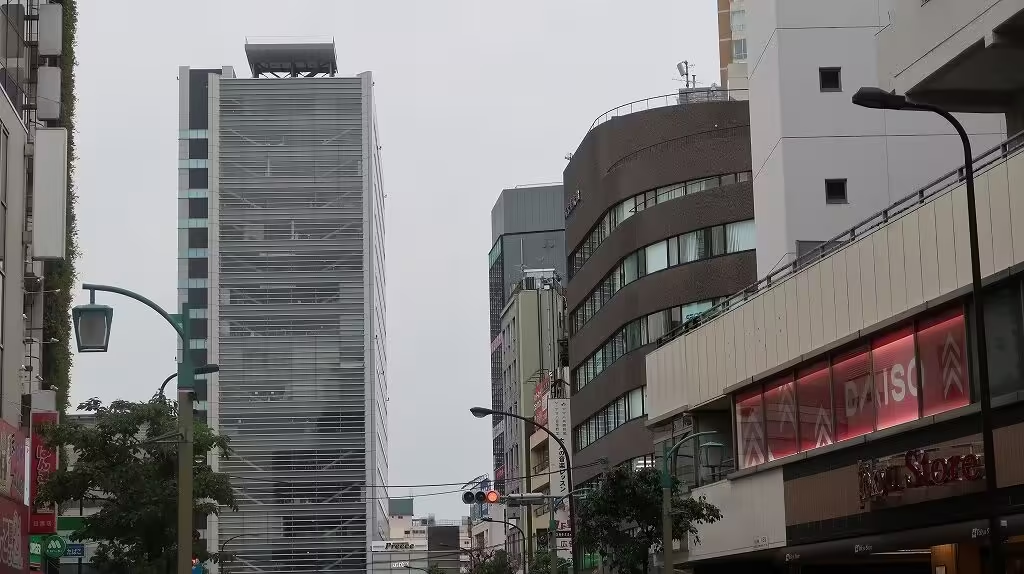
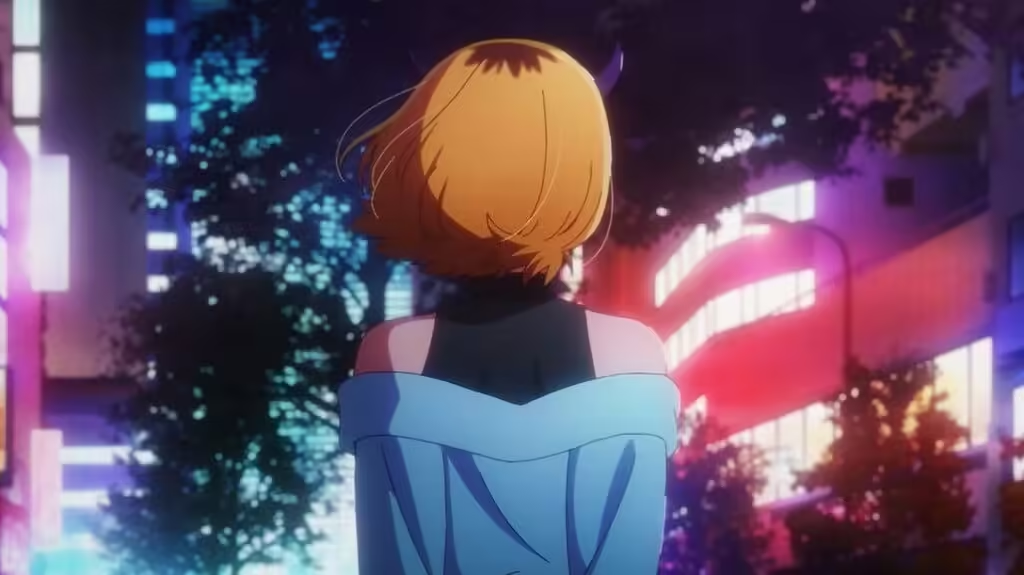


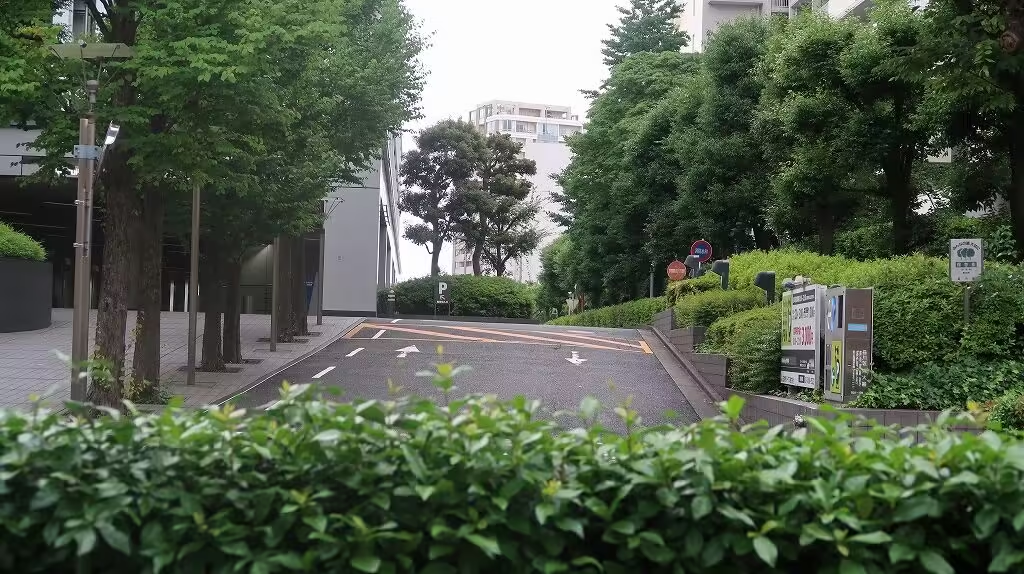


The copyright of the images in the work belongs to © Akasaka Aka x Yokoyari Mengo/Shueisha, [Oshi no Ko] Production Committee
Final Thoughts
Unlike series that rely heavily on fictional cities, Oshi no Ko is largely set in real, recognizable locations inspired by contemporary Tokyo. Rather than inventing places, the story uses existing districts, streets, and landmarks to ground its portrayal of the entertainment industry in reality.
Fans of the series can visit many real-life locations that reflect scenes and atmospheres seen throughout the anime and manga. From major transport hubs and commercial districts to quieter residential neighborhoods and waterfront areas, these locations offer insight into how closely the series mirrors everyday urban Japan.
Exploring these real-world settings adds another layer of appreciation to Oshi no Ko, revealing how the city itself shapes the characters’ experiences and reinforces the series’ themes of fame, visibility, and the contrast between public image and private life.
Get more from Manganime Tradnow:
- The real-life locations behind Erased
- The best casino-themed anime
- How Bonus Sans Dépôt Really Work
- The Elegance of Online Roulette
- How To Choose A Safe Online Casino In 2026
- The Best Online Gambling Sites In 2026
- Manga Similar To 4 Cut Hero
- Anime Like Something About Us
- The Best Alternatives To KissAnime
- The Ultitmate real life Locations of Jojo Bizarre Adventure



Show Your Work
Whether you are a professional or an amateur, we will love to see your artwork. So don't hesitate to remove your cats from your box right away