
What makes Hyouka feel unusually grounded is not its mysteries or its dialogue, but its setting — a setting rooted in hyouka real life locations that still exist today in Japan.
Streets repeat. Bridges reappear from new angles. Characters walk the same routes day after day. This sense of spatial continuity is one of Hyouka’s quiet strengths, and it comes from a real place. Much of the anime’s environment is inspired by towns in Japan’s Gifu Prefecture, particularly Takayama and the surrounding Hida region.
What makes Hyouka special is that these locations are not exaggerated landmarks. They are ordinary places: river crossings, school routes, side streets, cafés, and shrines. You can still walk through them today, almost exactly as they appear in the anime.
This guide follows those places as a walking experience, the same way the anime presents them.
Real life Locations of Hyouka: Walking Through the Town That Inspired the Anime
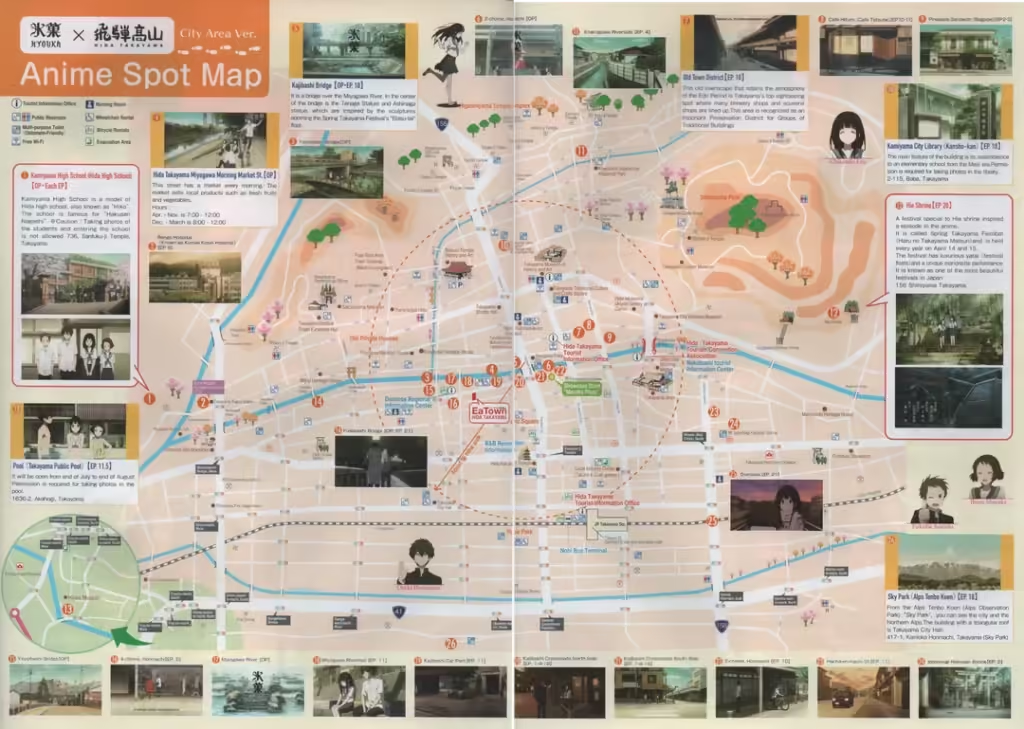
Most of Hyouka’s real-life locations are close enough to explore on foot. The anime repeatedly uses the same areas, showing them from different perspectives across episodes. Walking through Takayama today, it becomes easy to understand how these spaces were reused to build a coherent fictional town.
Miyagawa River Crossing (Episode 11)
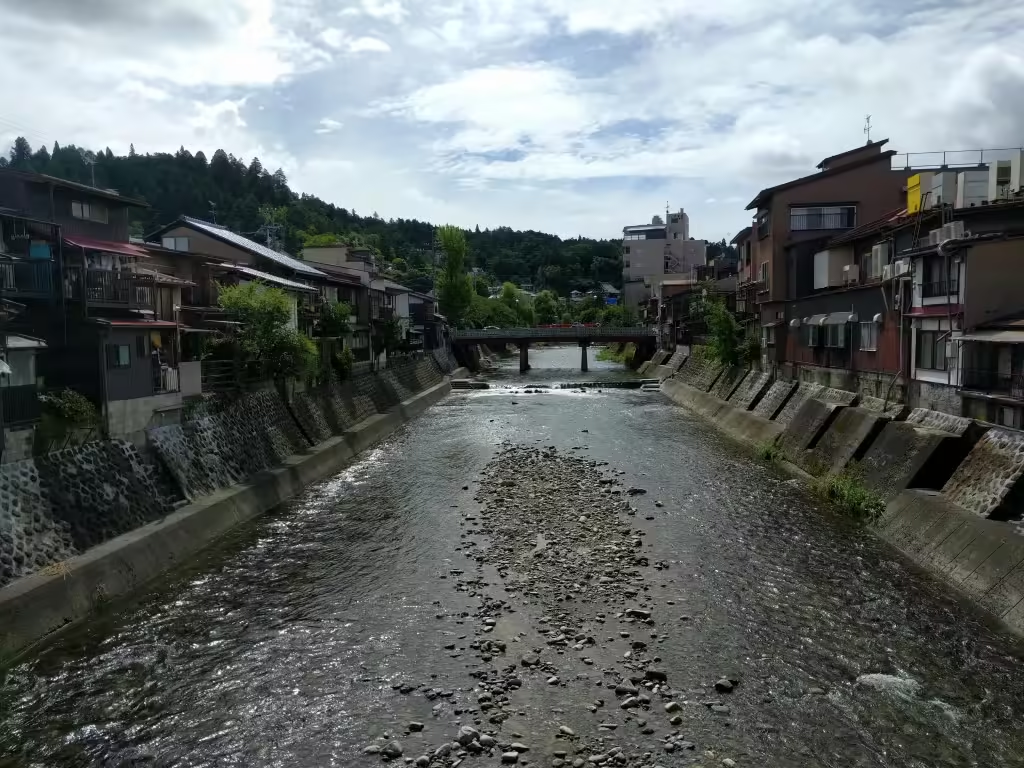
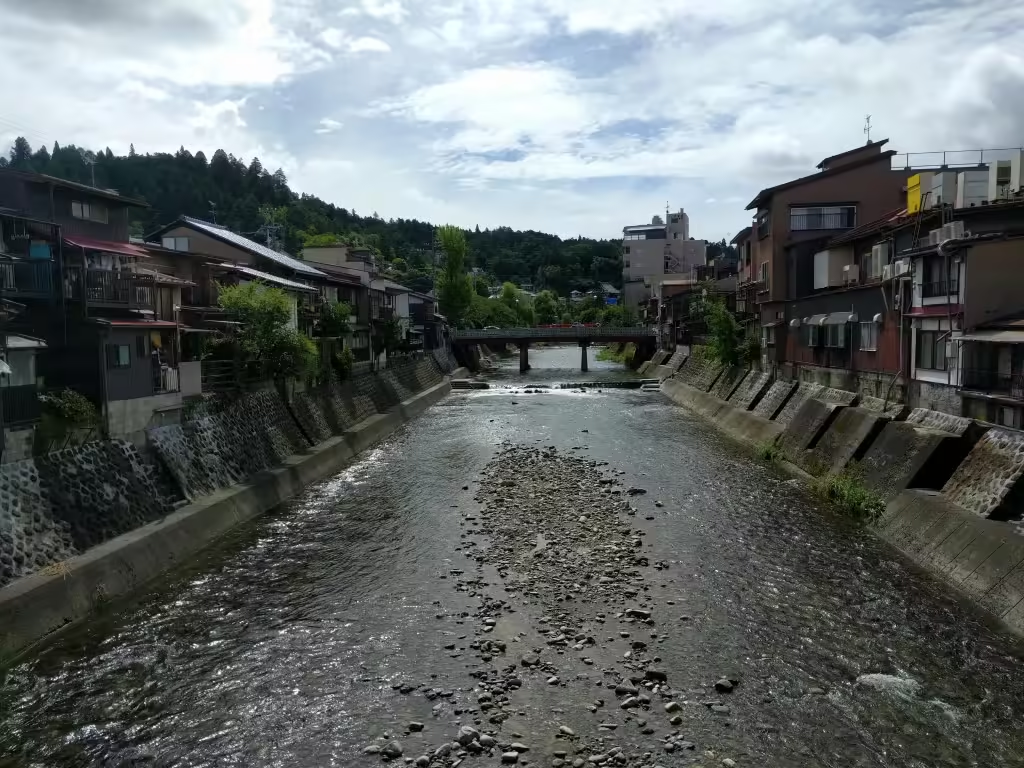
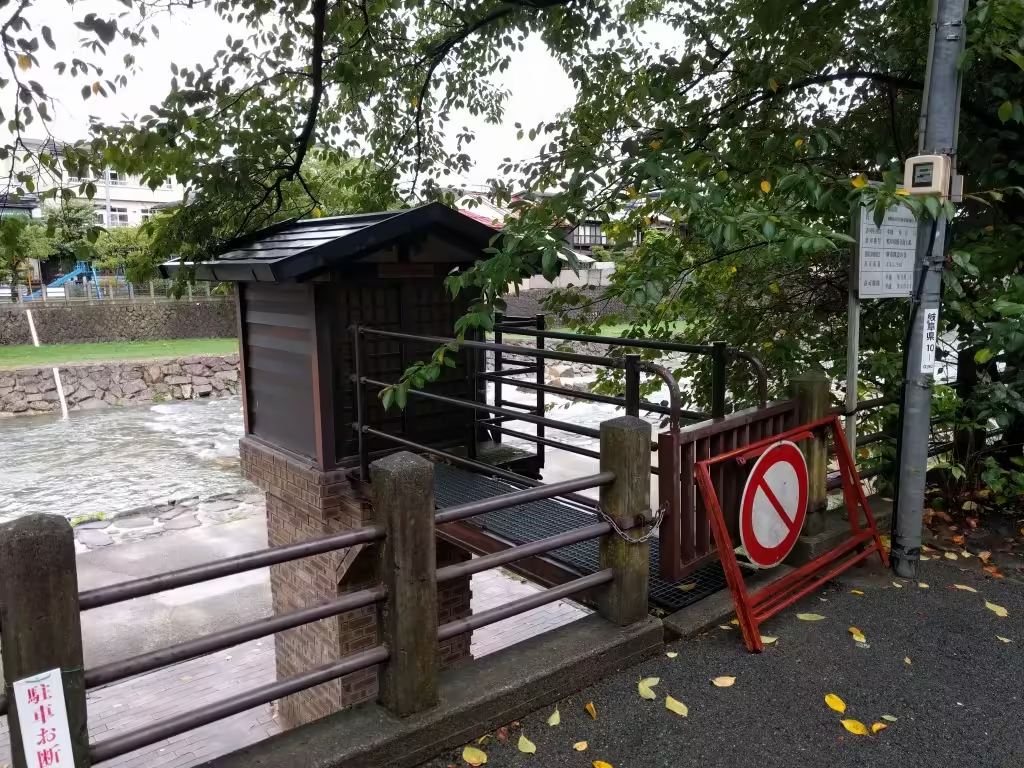
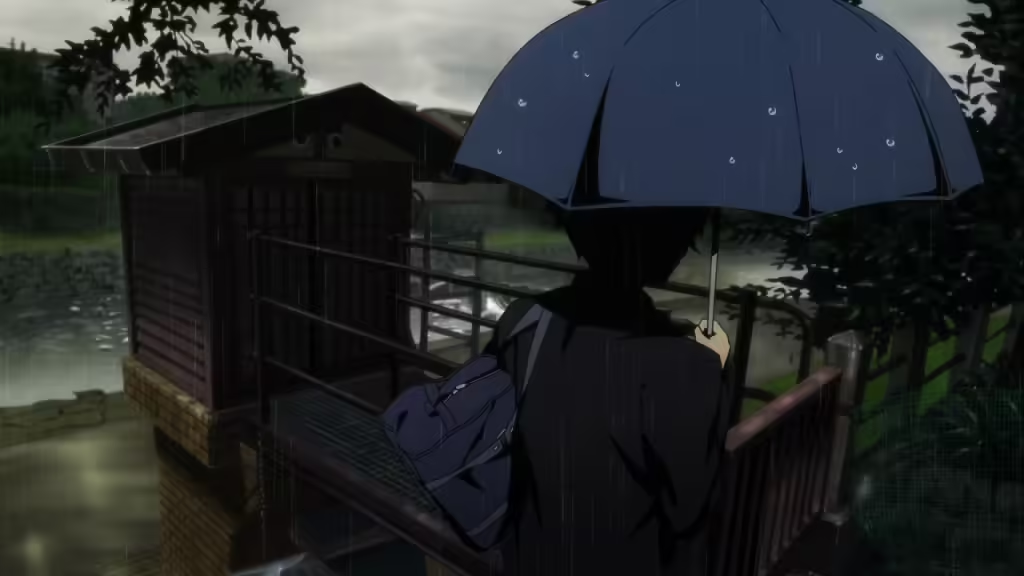
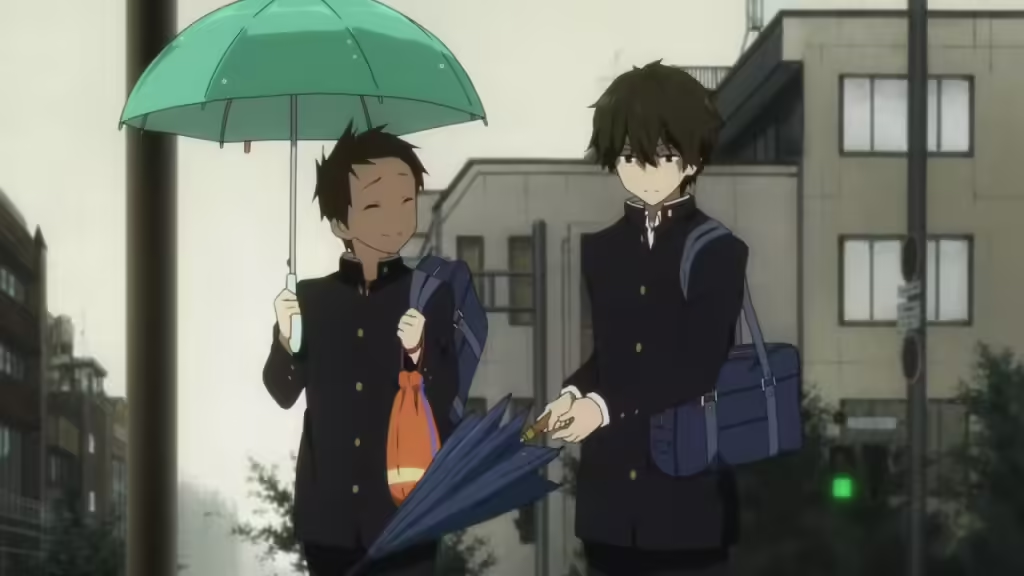
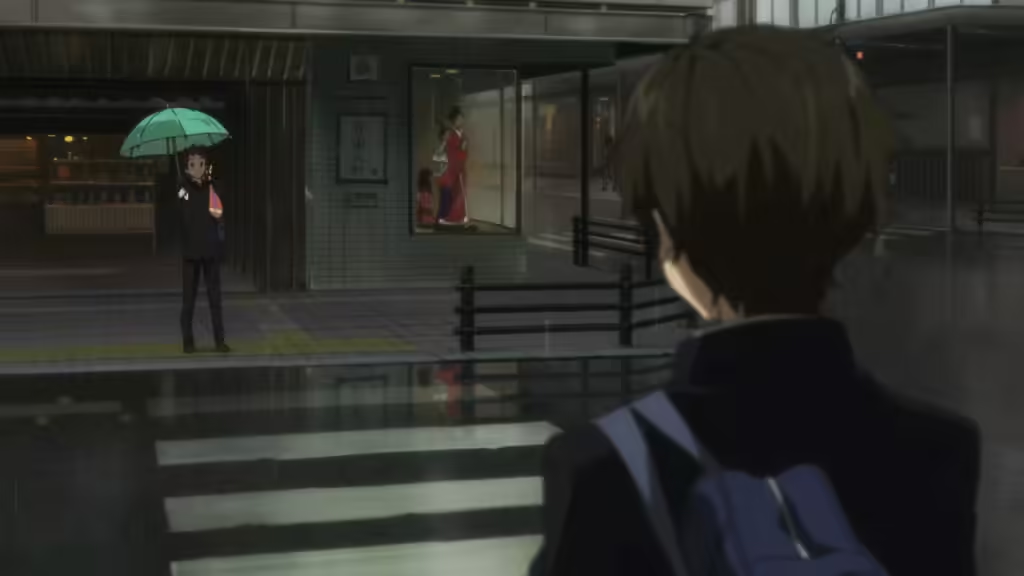
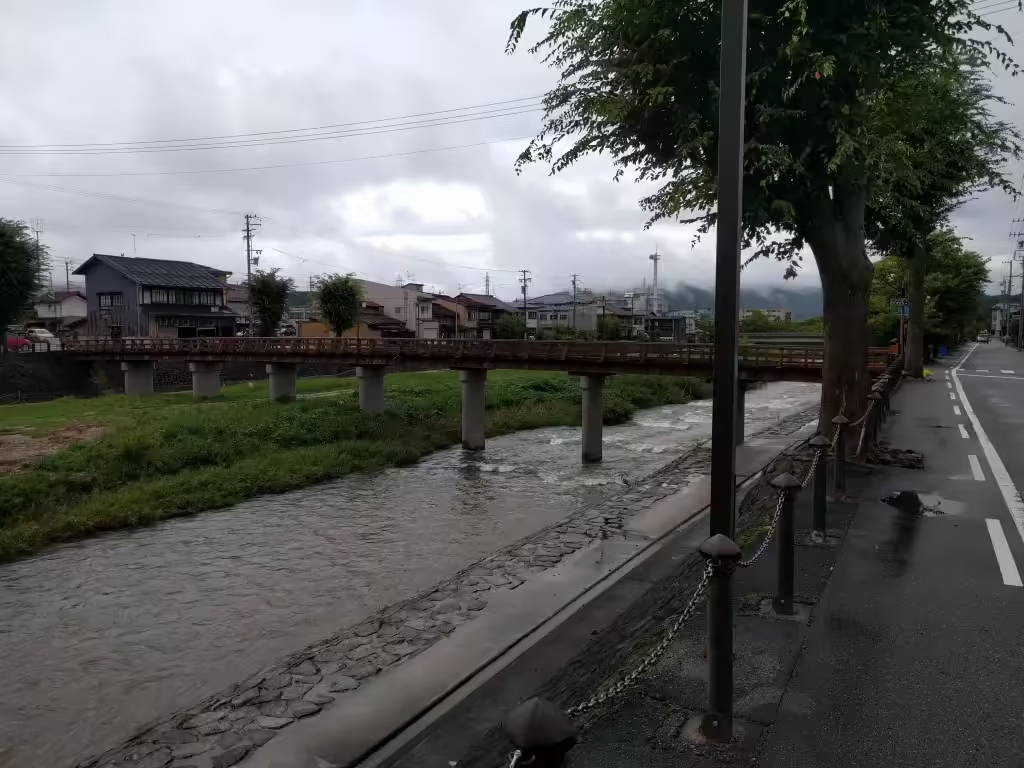
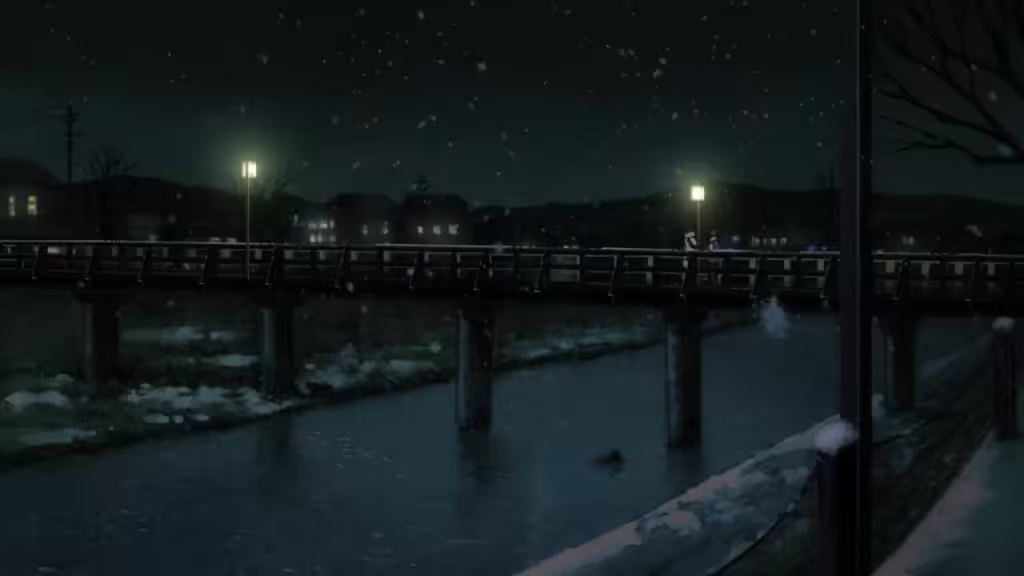
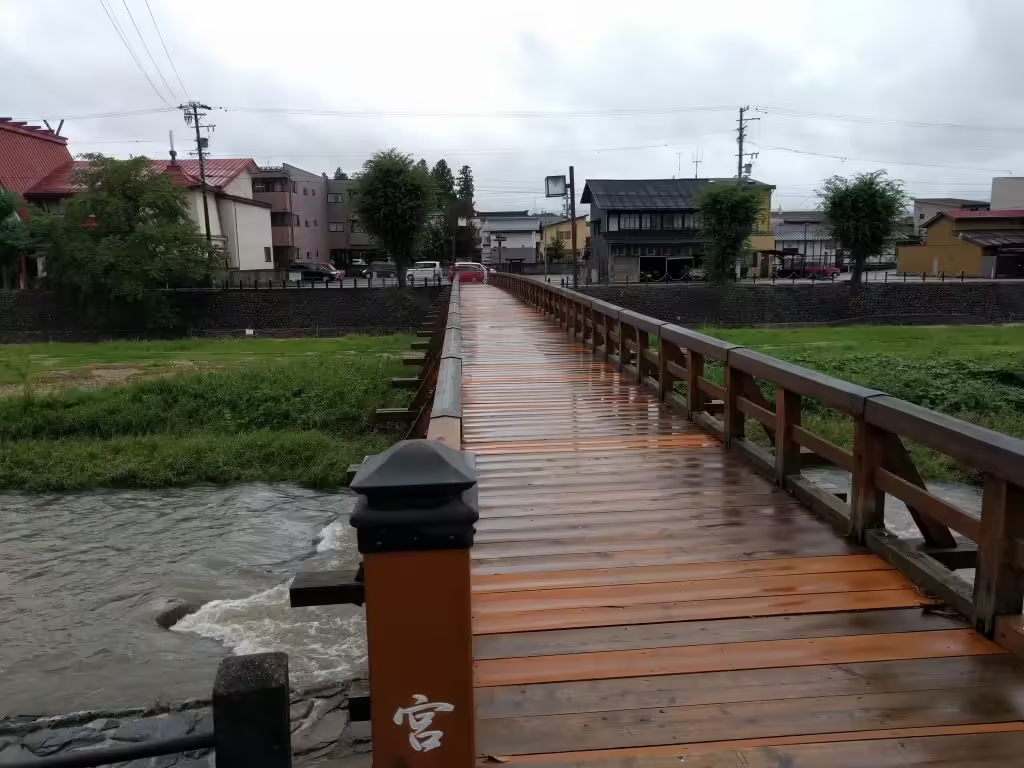
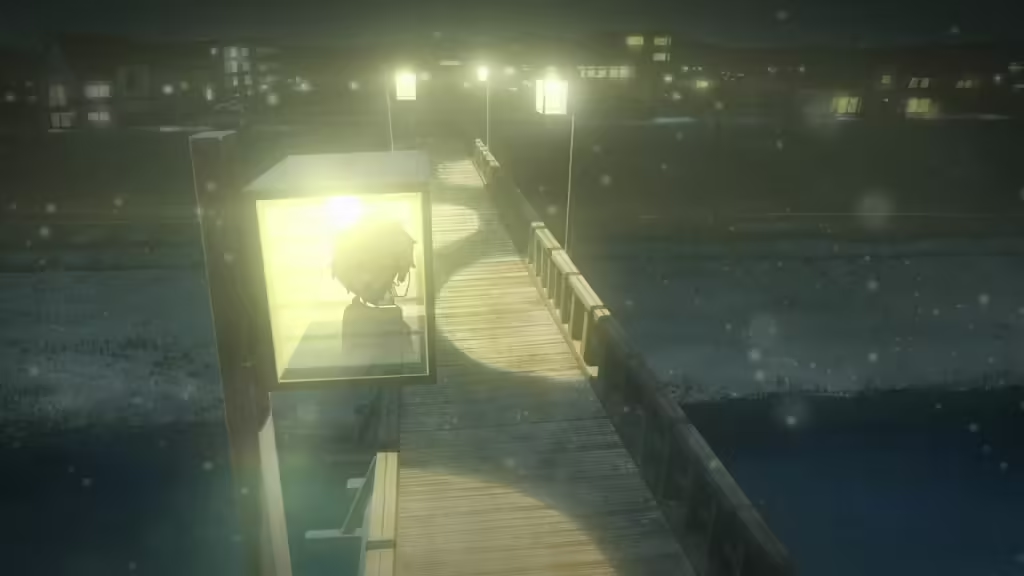
At dusk, Oreki and Chitanda cross this bridge over the Miya River.
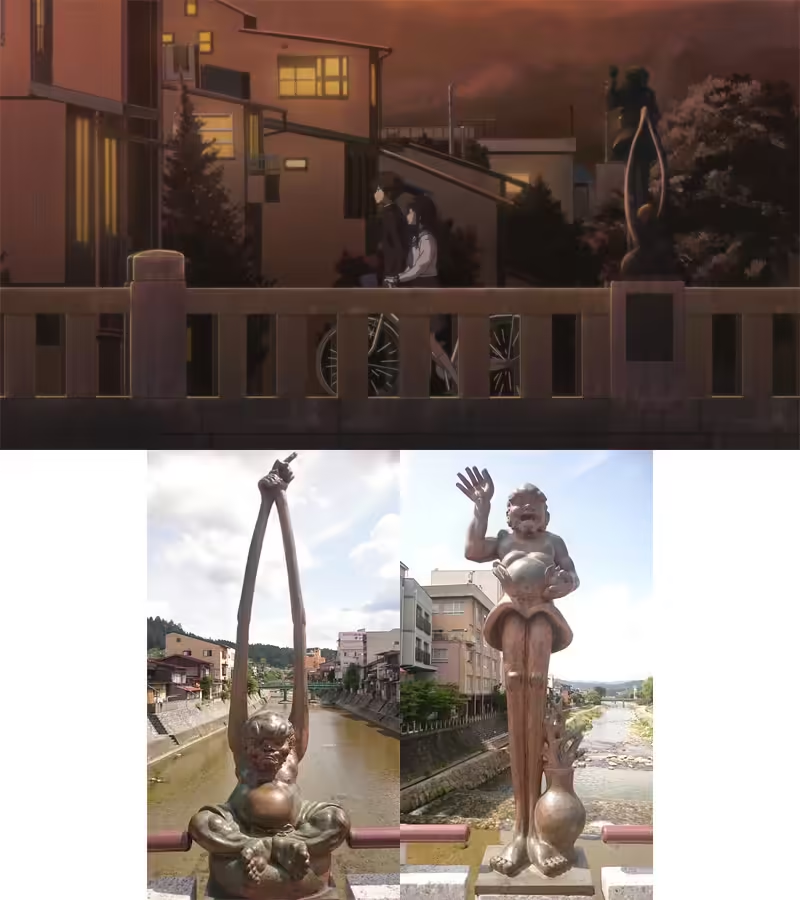
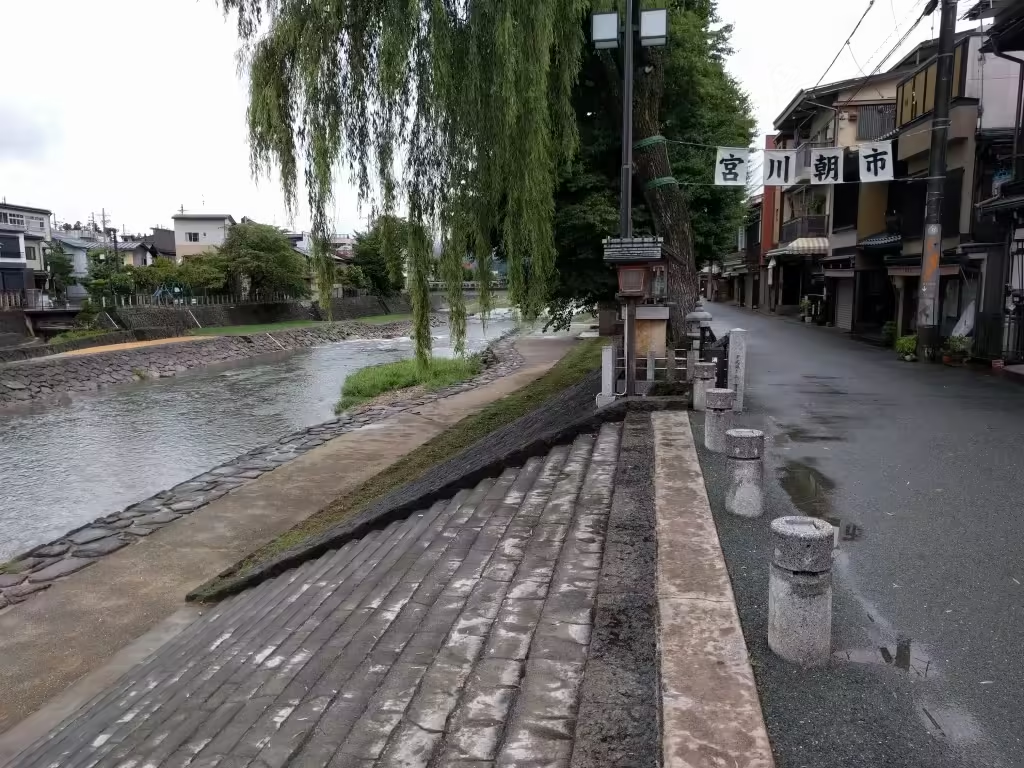
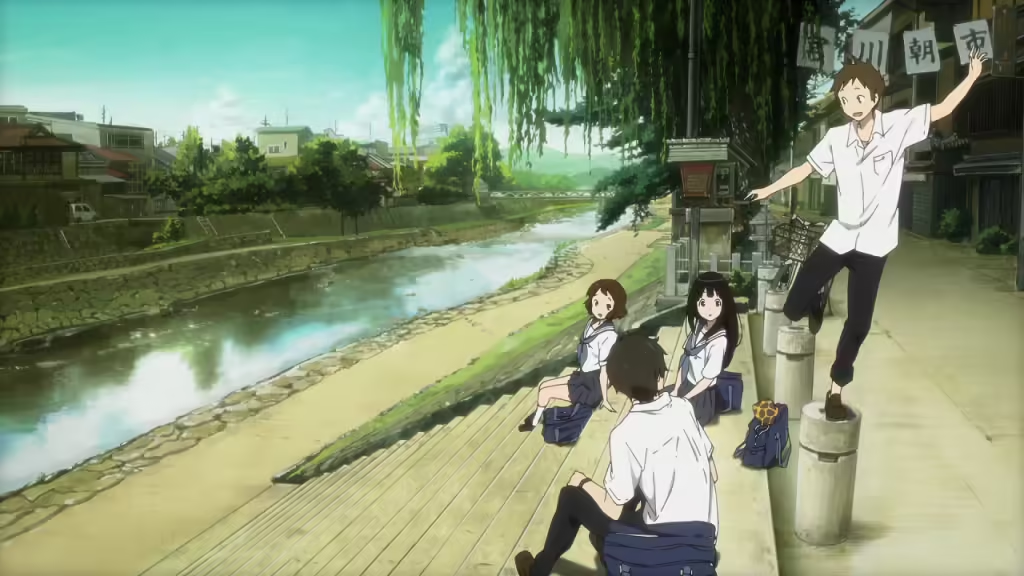
The walk begins near the Miyagawa River, which appears in Episode 11 during quieter, reflective scenes. Standing near the river crossing, the wide open view and gentle flow immediately feel familiar. Stone steps descend from the street to the riverbanks, a small detail that Kyoto Animation preserved with surprising accuracy.
This area sets the tone for the entire route. The river is not treated as a landmark in Hyouka, but as part of everyday life, something characters pass by without ceremony.
Miyagawa morning market
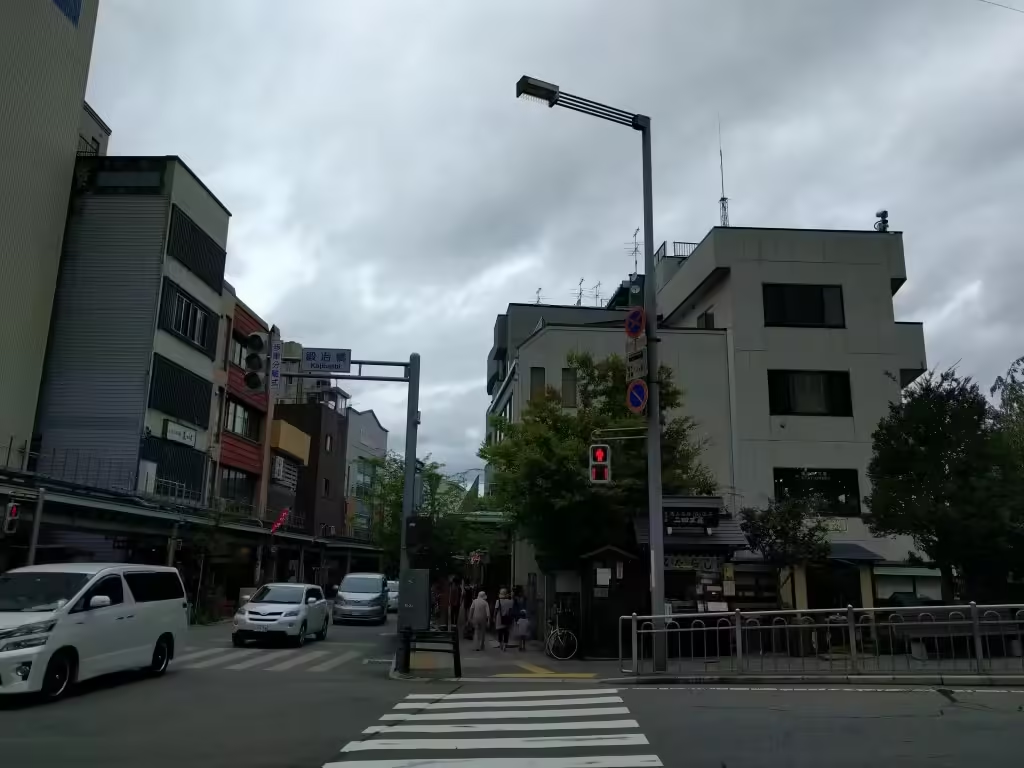
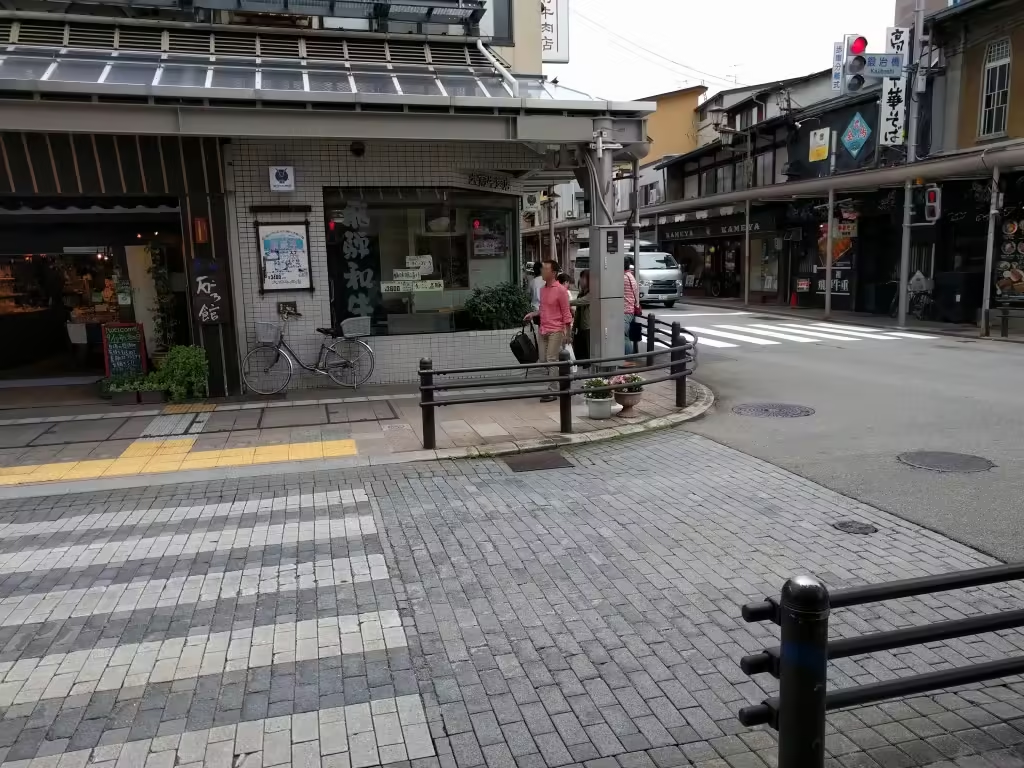
Kajibashi Bridge (鍛冶橋)
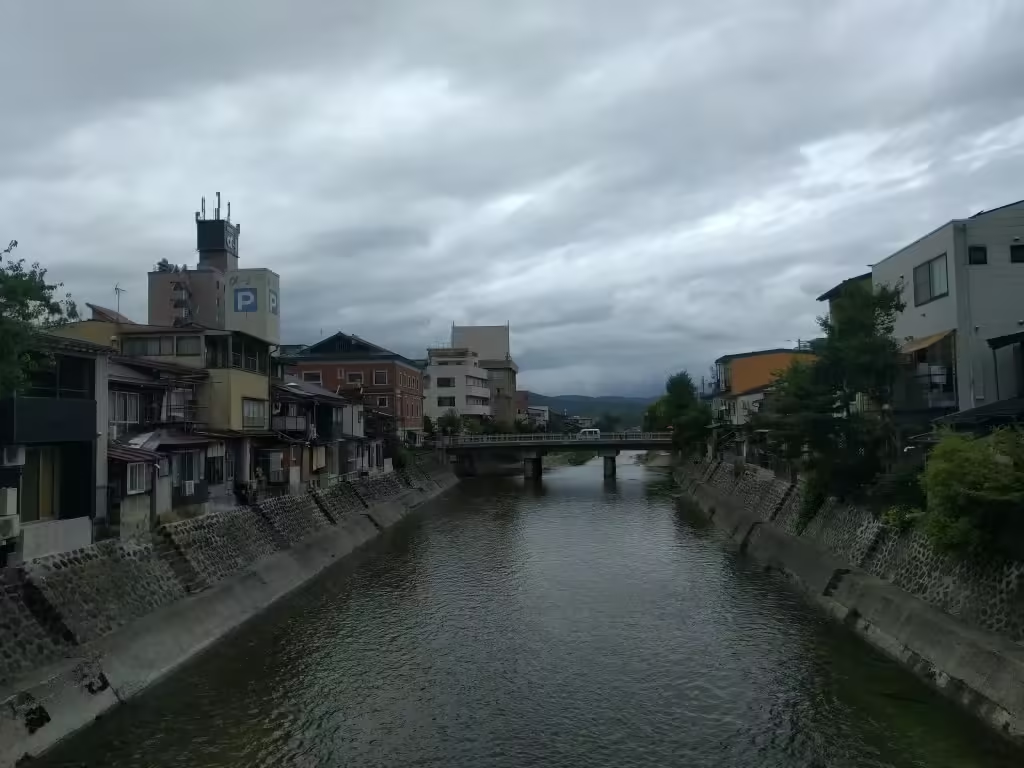
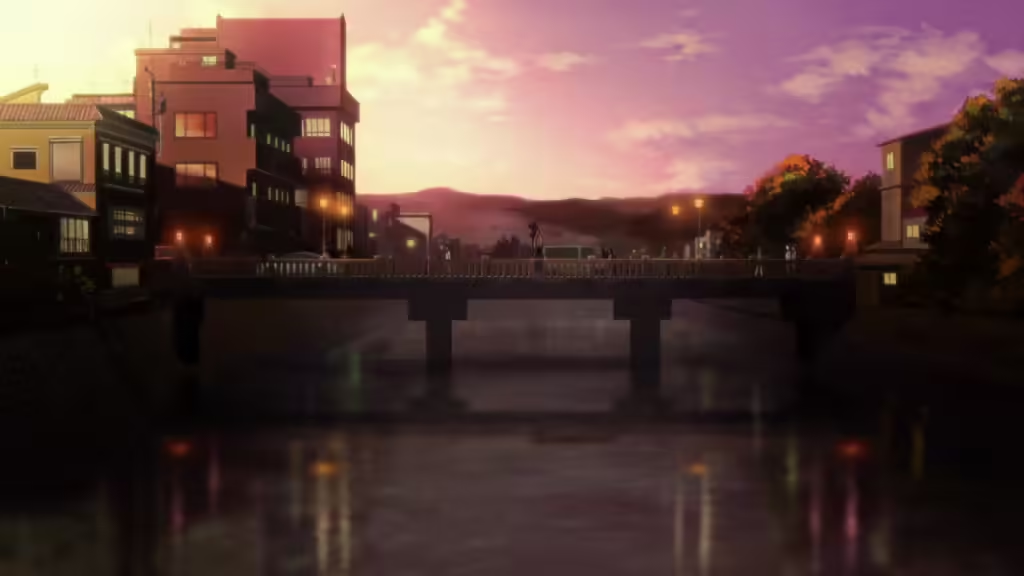
The Kajibashi crossing
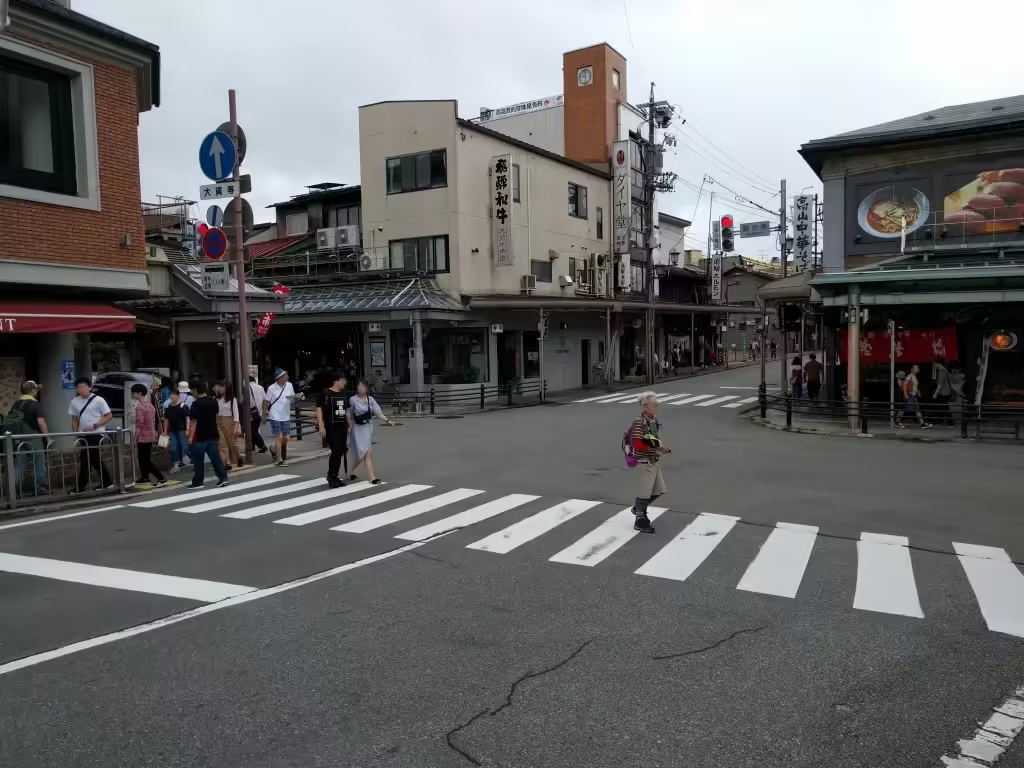
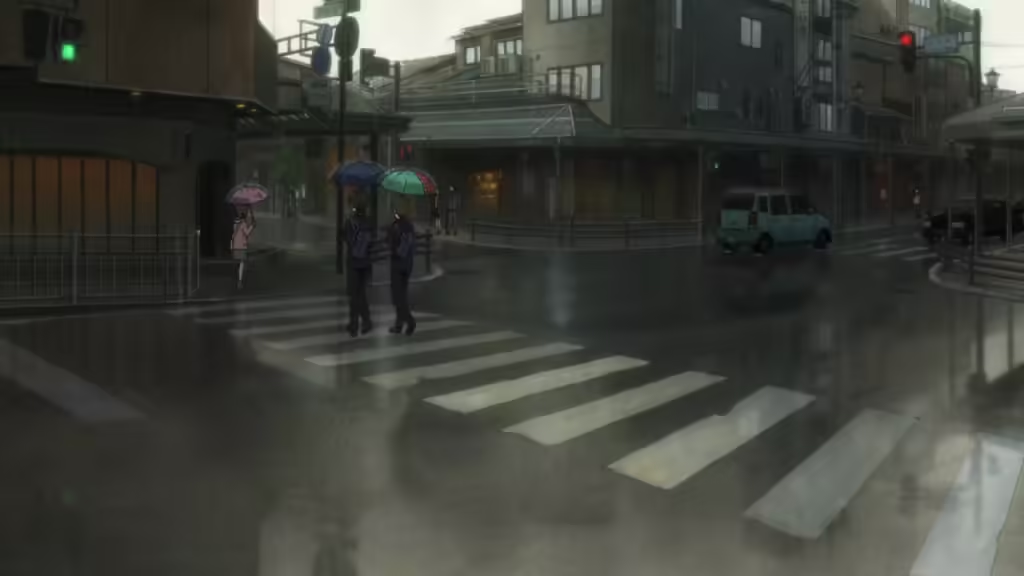
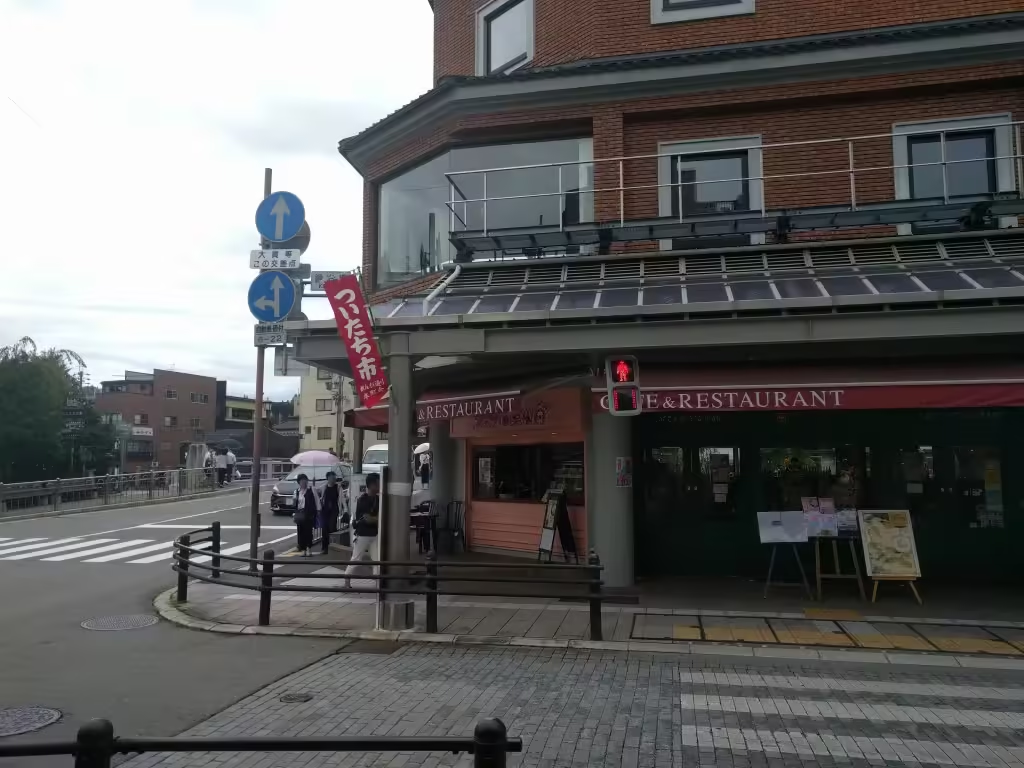
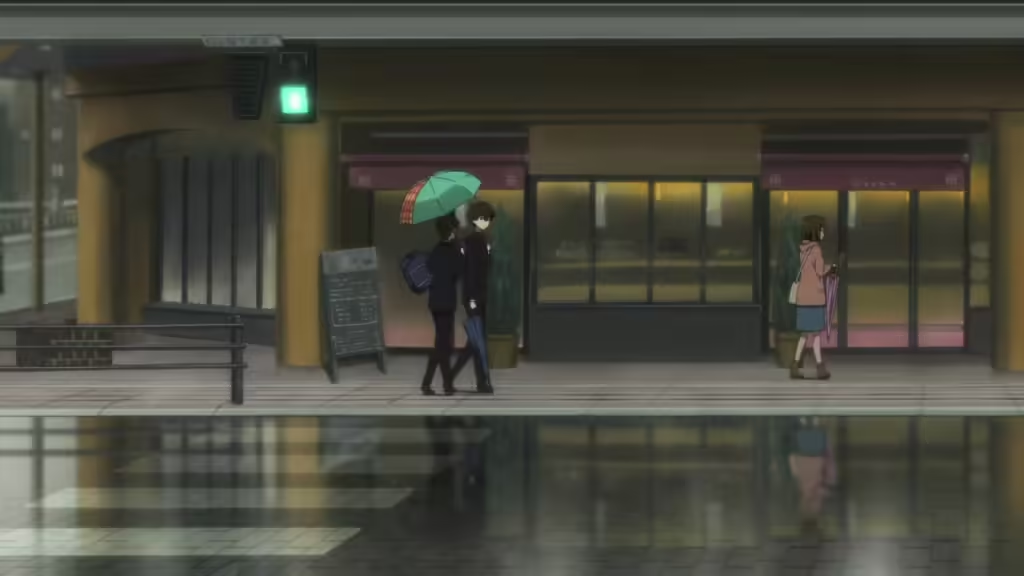
The restaurant’s exterior was closer to its anime depiction in earlier years
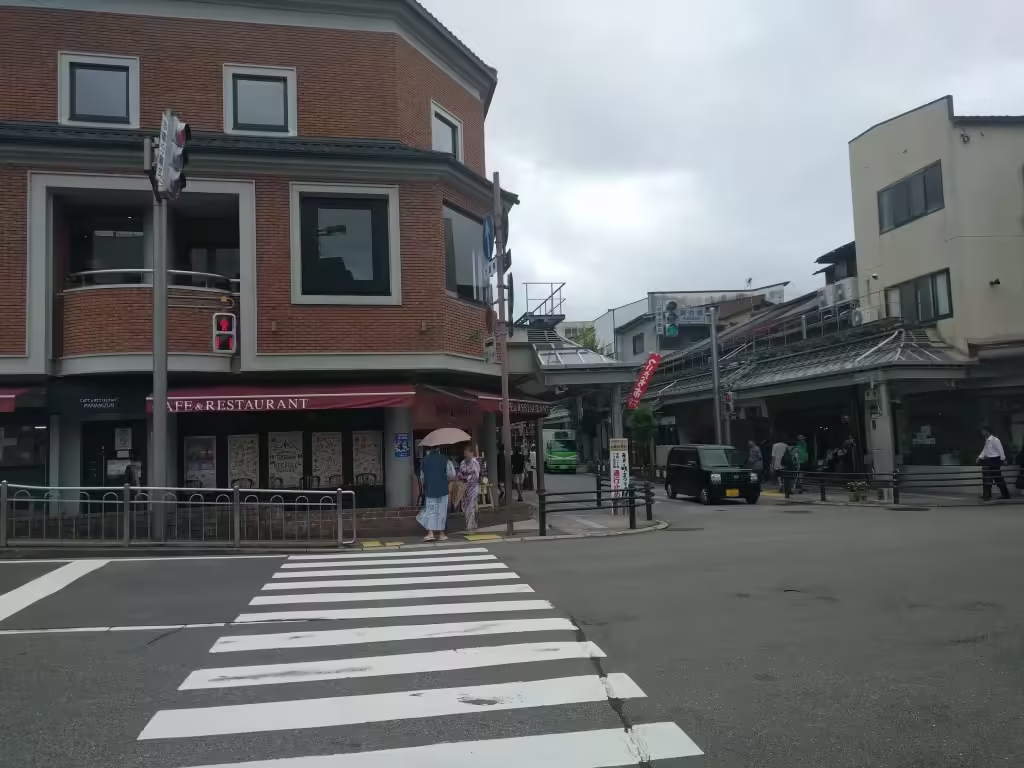
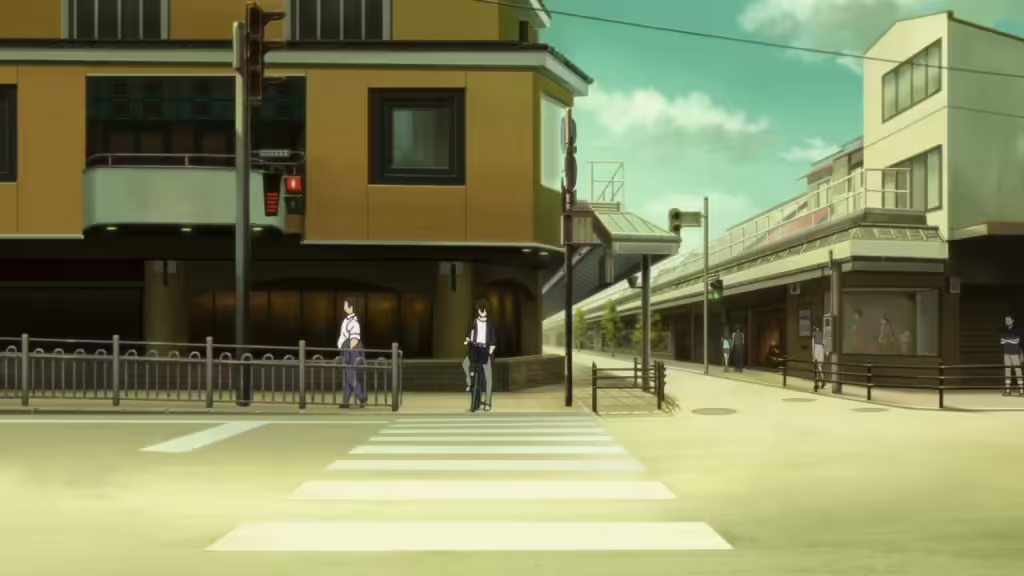
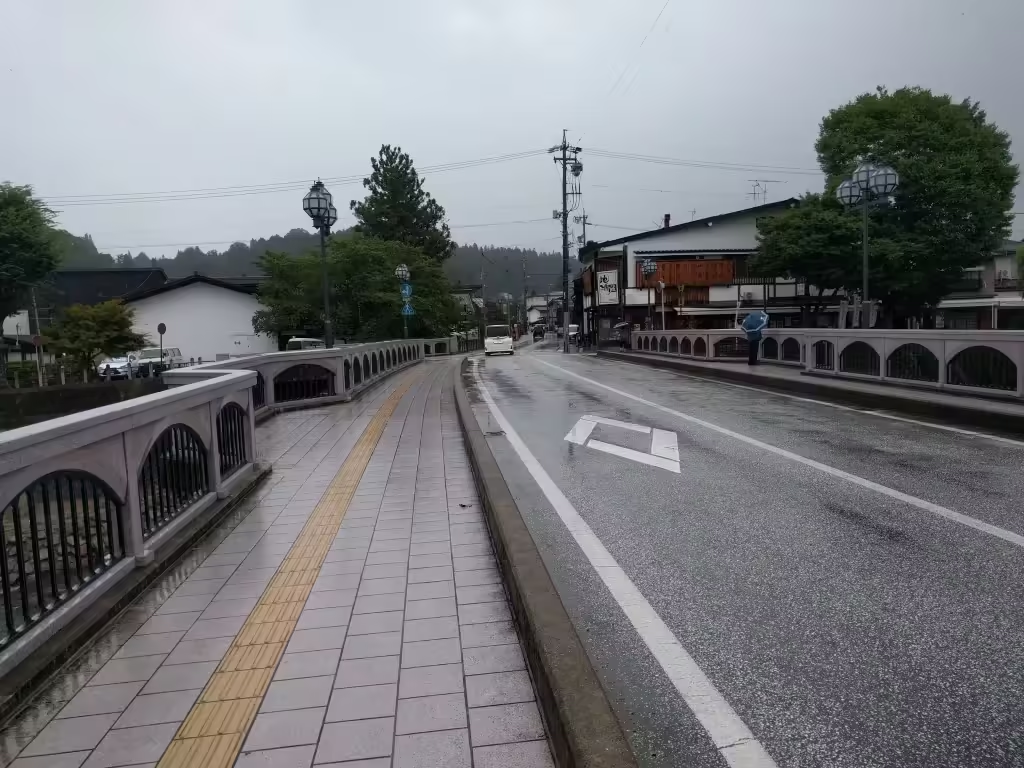
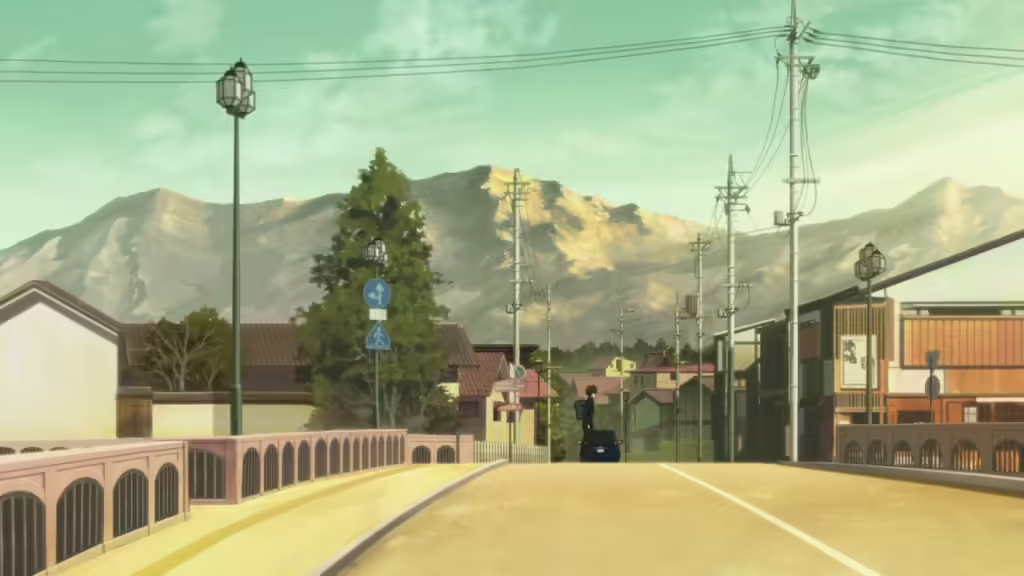
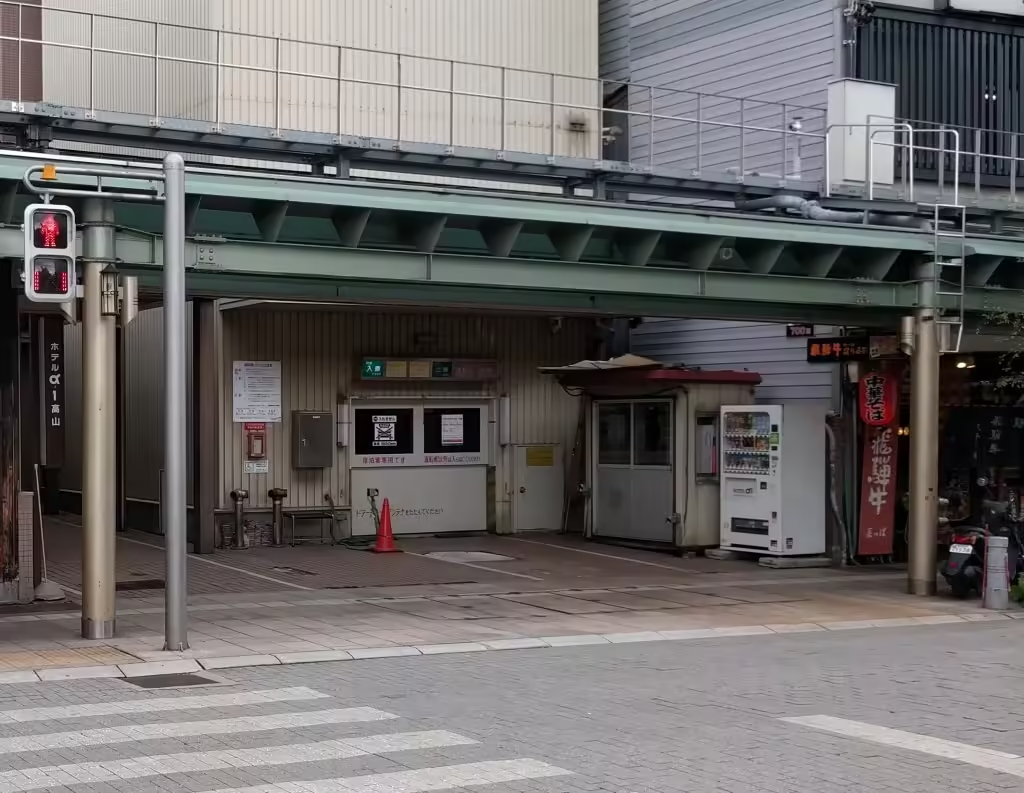
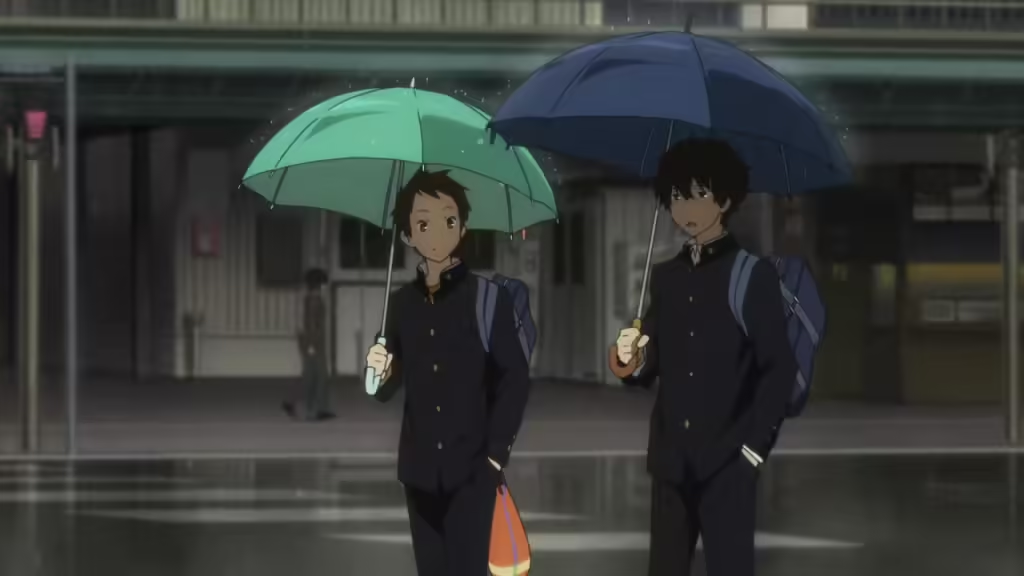
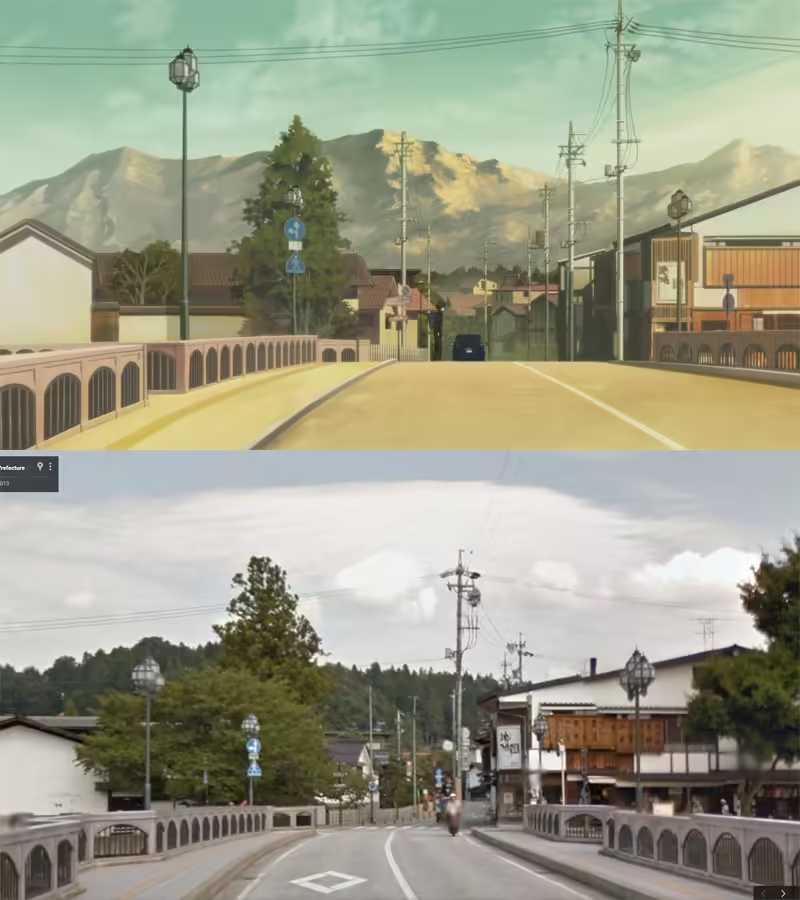
Following the river, you naturally reach Kajibashi Bridge, one of the most recognizable locations in the anime. It appears in the opening sequence and again in Episode 18. In both the anime and real life, Kajibashi functions as a transition point rather than a destination.
Crossing the bridge gives a clear sense of how Kyoto Animation reused real geography. The proportions, railings, and surrounding streets match closely, even if minor background details were simplified.
Yayoi Bridge (弥生橋) and Fudō Bridge (不動橋)
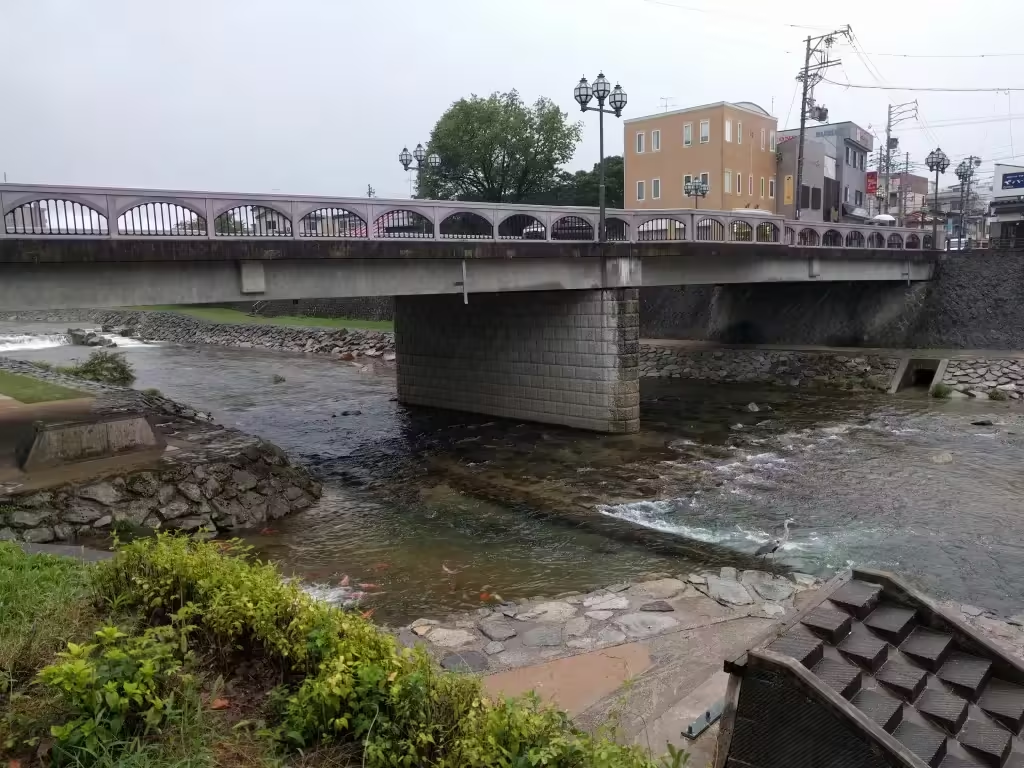
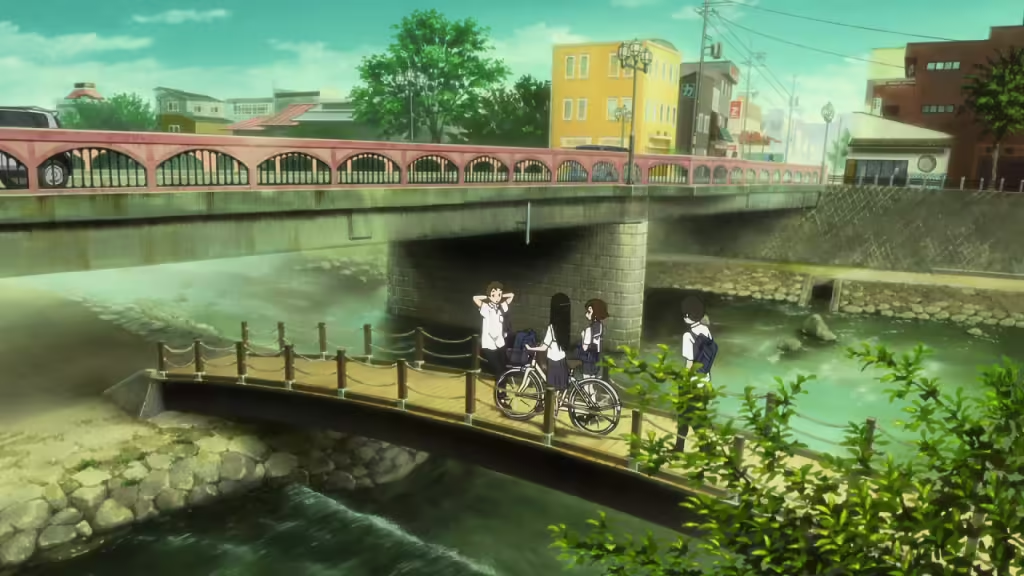
Continuing along the Miyagawa brings you toward Yayoi Bridge, which appears in the opening and in Episodes 11 and 18. From here, it becomes easy to spot how the anime reuses the same stretch of river from multiple angles.
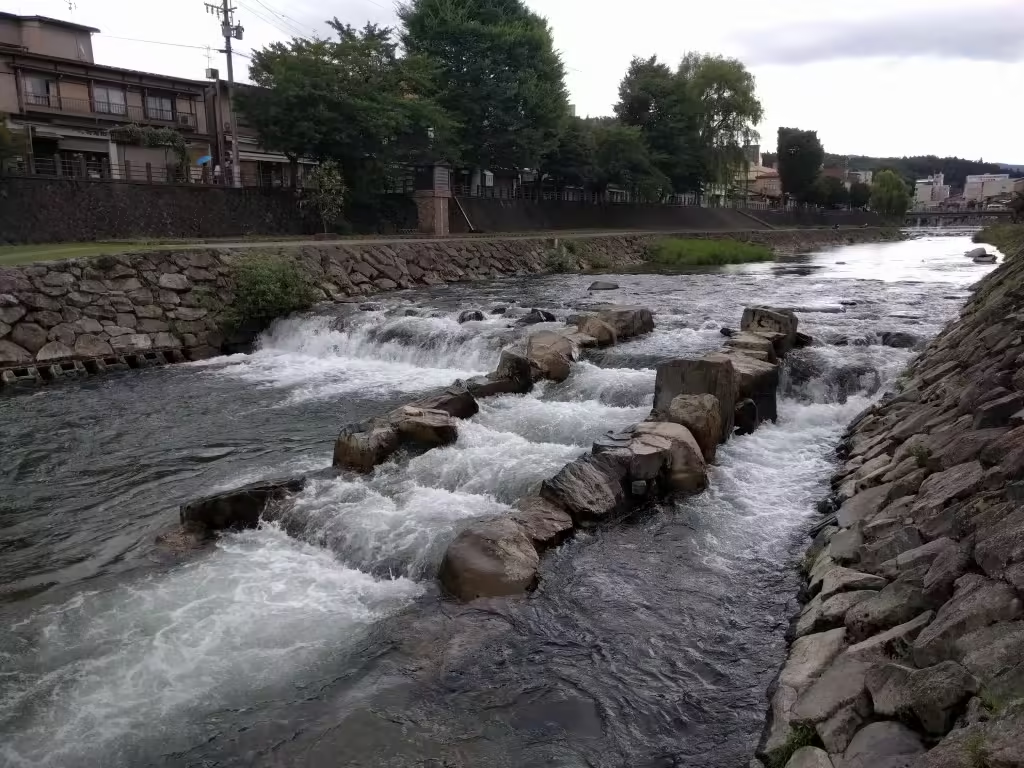
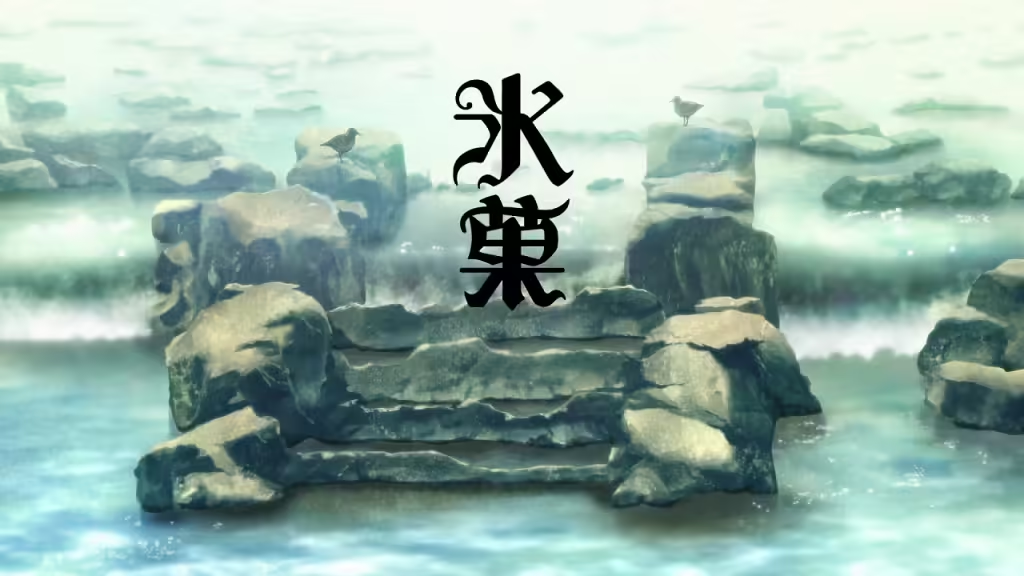
Just nearby is the pedestrian-only Fudō Bridge, which appears in later episodes and the second opening. Seeing these bridges in close proximity helps explain how Hyouka maintains spatial consistency while still making scenes feel varied.
Sanmachi (三町) Traditional Architecture Preservation District
Leaving the river behind, the route naturally flows into Sanmachi, Takayama’s preserved historic district. Wooden merchant houses line the streets, closely matching the traditional atmosphere shown throughout Hyouka.
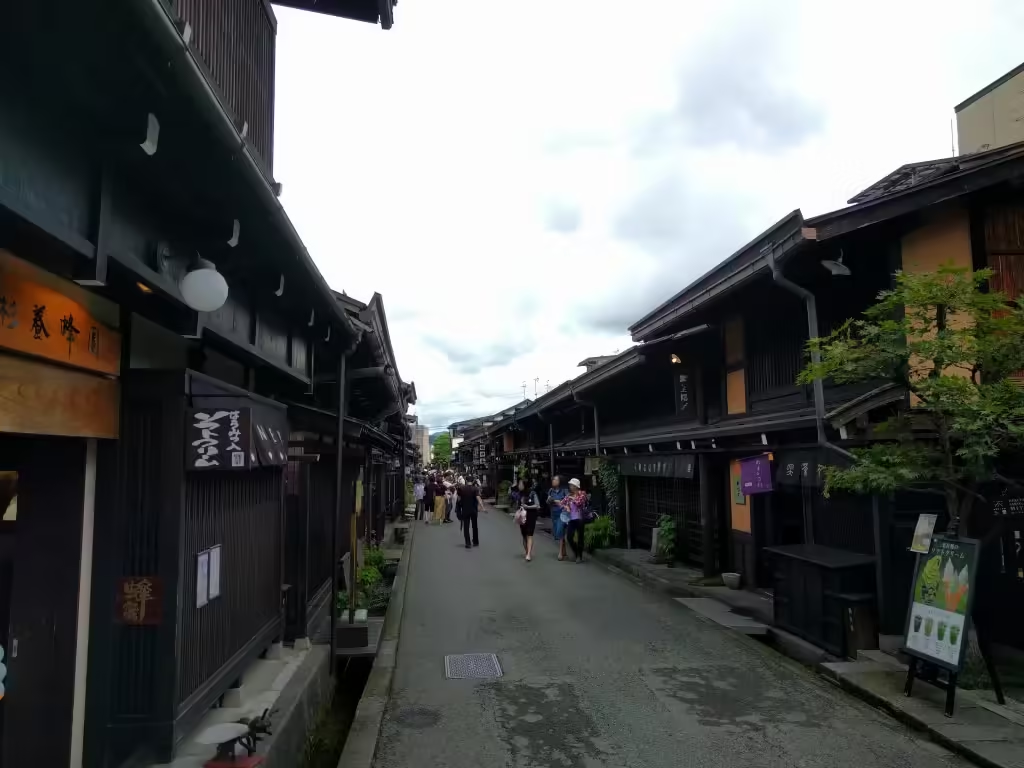
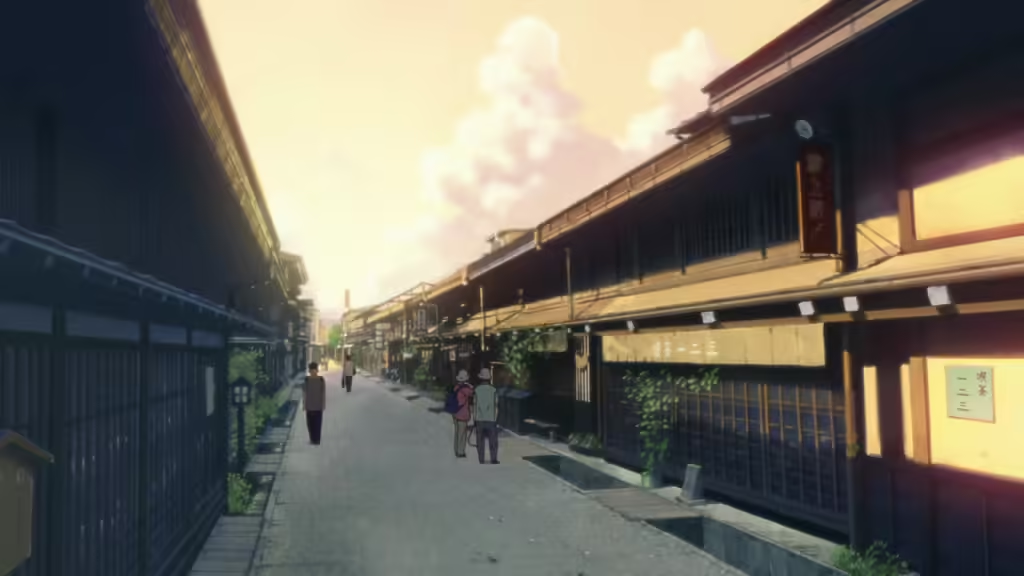
Rather than focusing on a single building, the anime draws from the district as a whole. Walking here feels familiar because Hyouka repeatedly uses similar streets to represent everyday movement through Kamiyama.
Honmachi-dōri and the Sidewalk Scenes
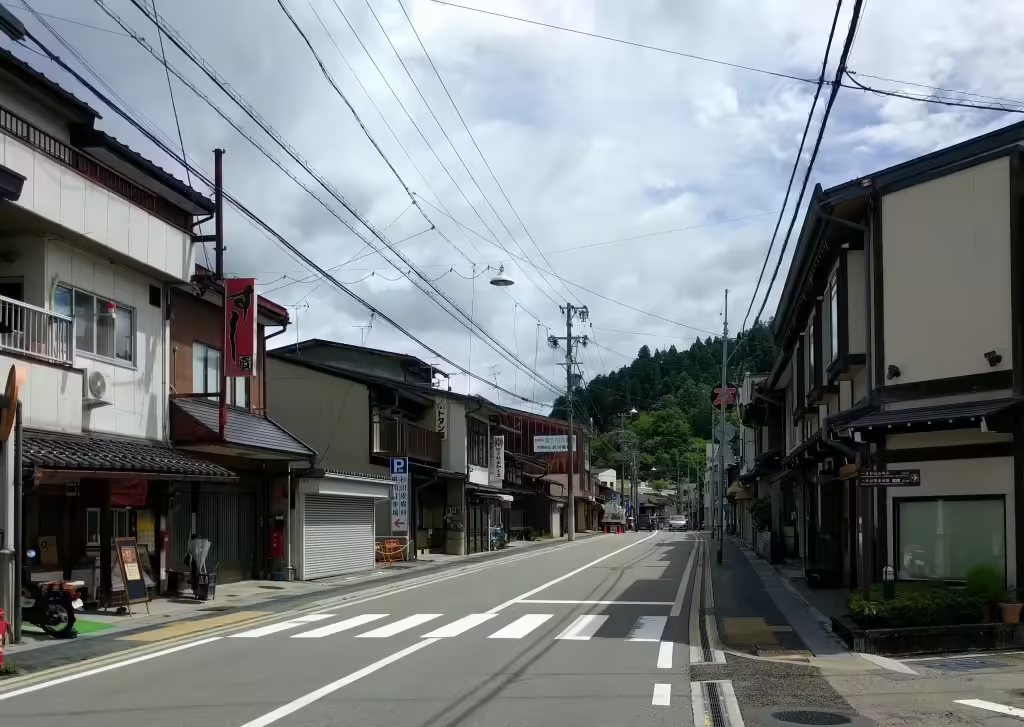
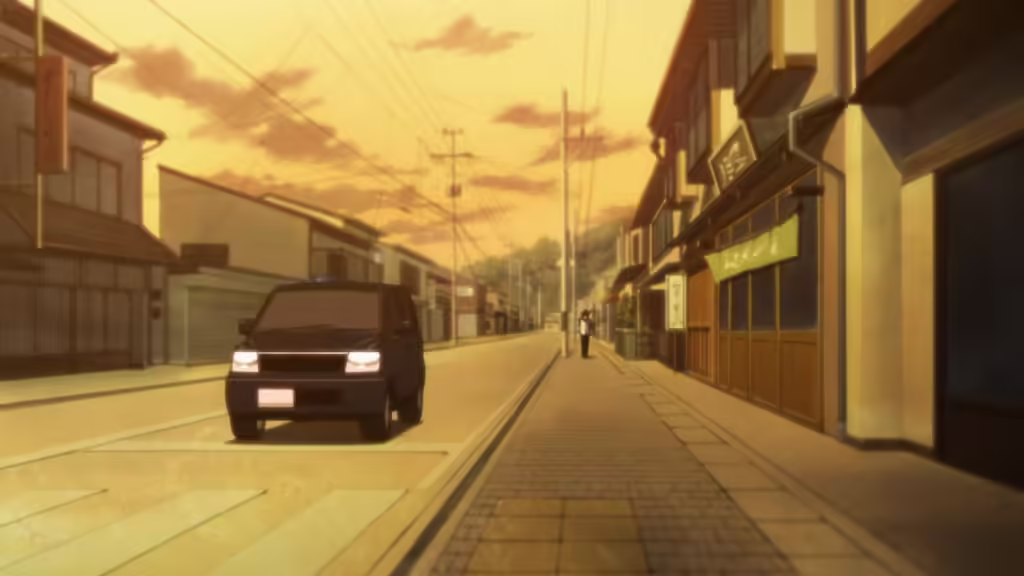
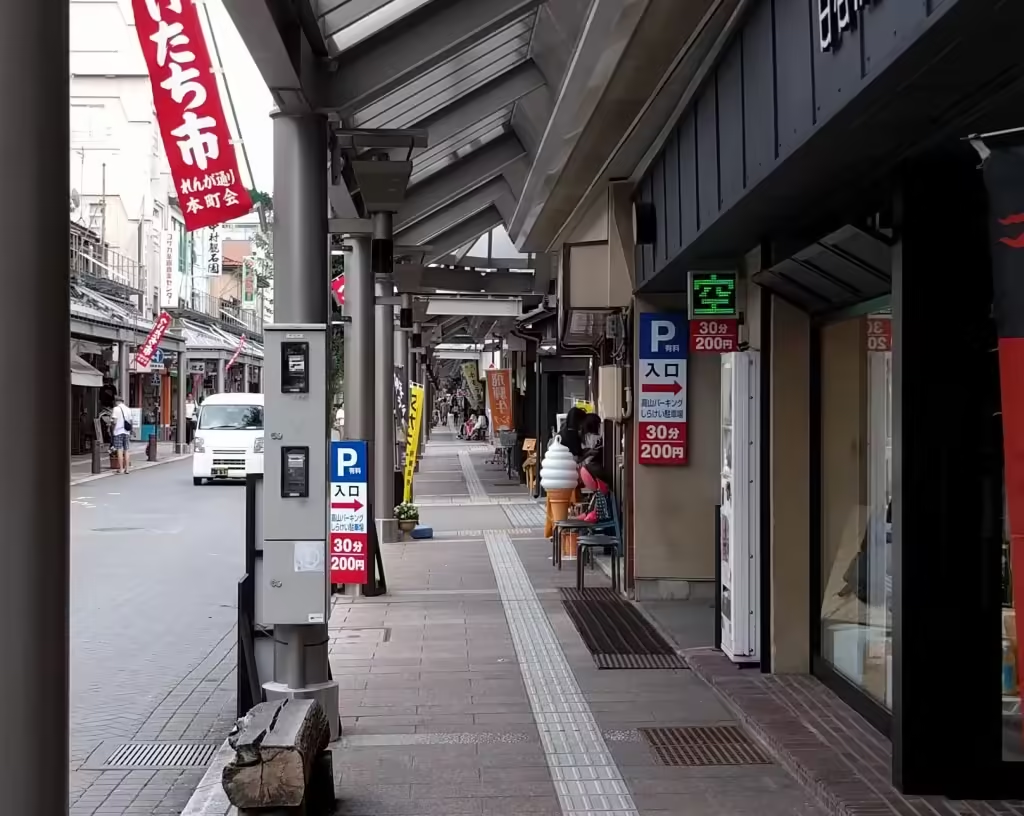
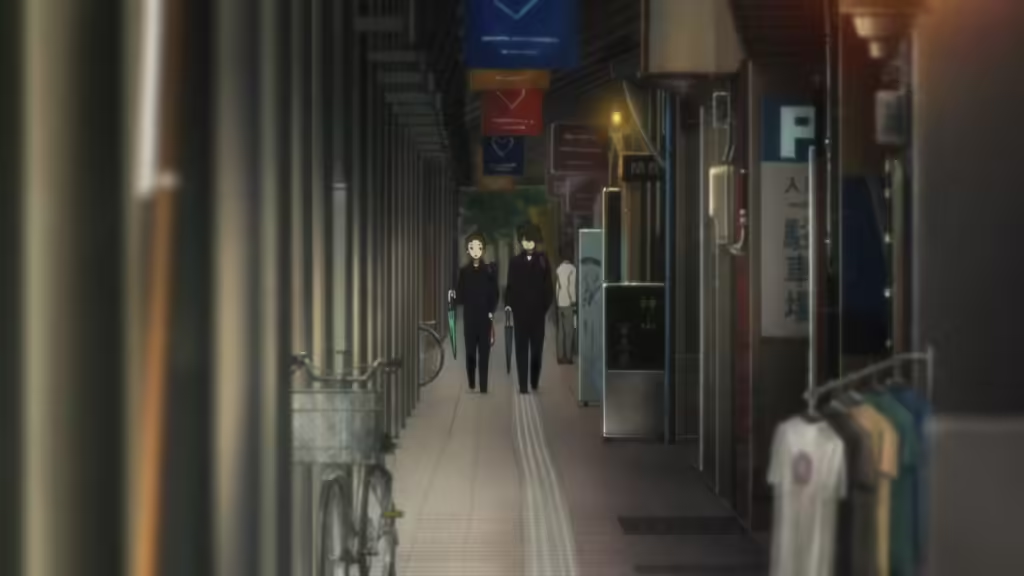
From Sanmachi, Honmachi-dōri continues almost seamlessly. Several walking scenes take place along this street, including the sidewalk where Oreki and Satoshi are shown talking side by side.
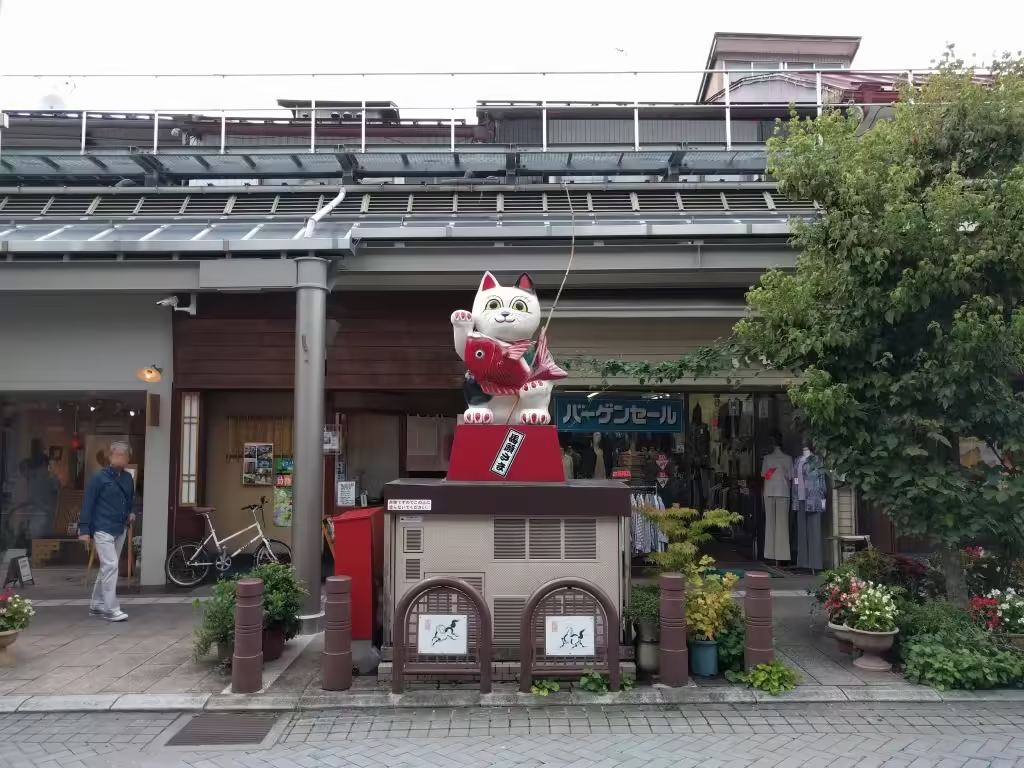
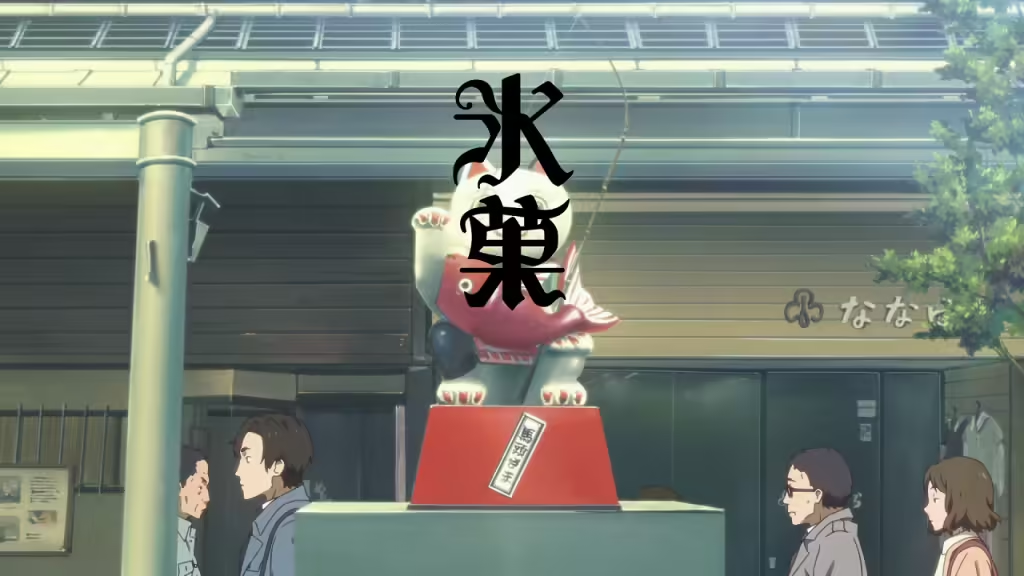
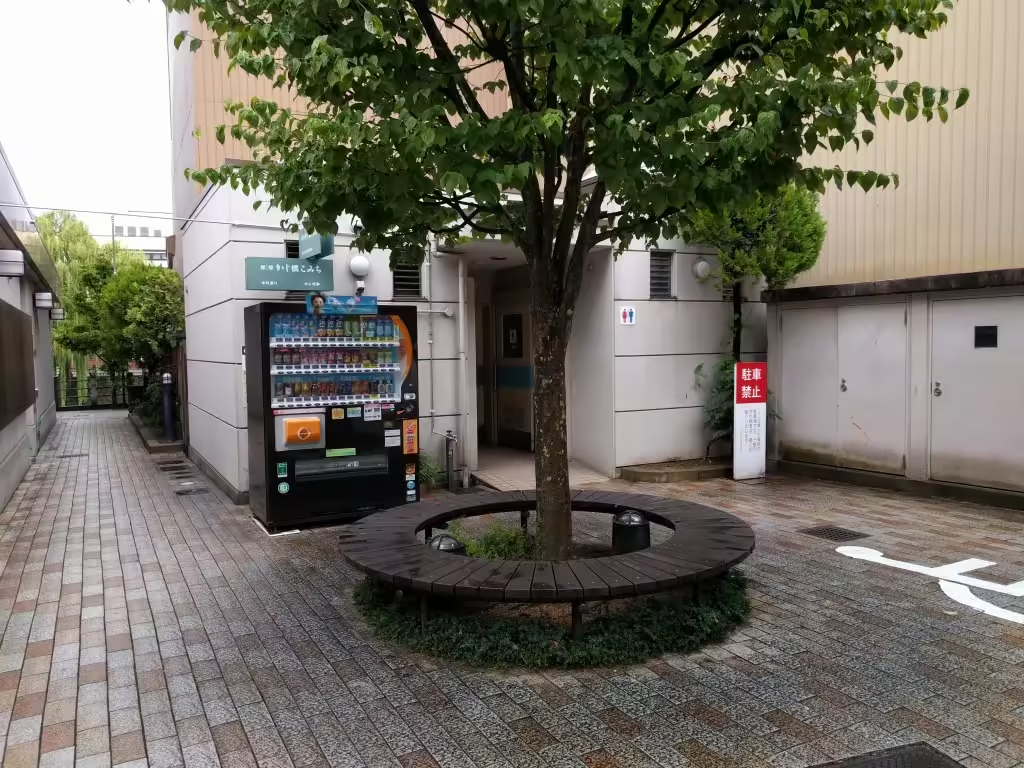
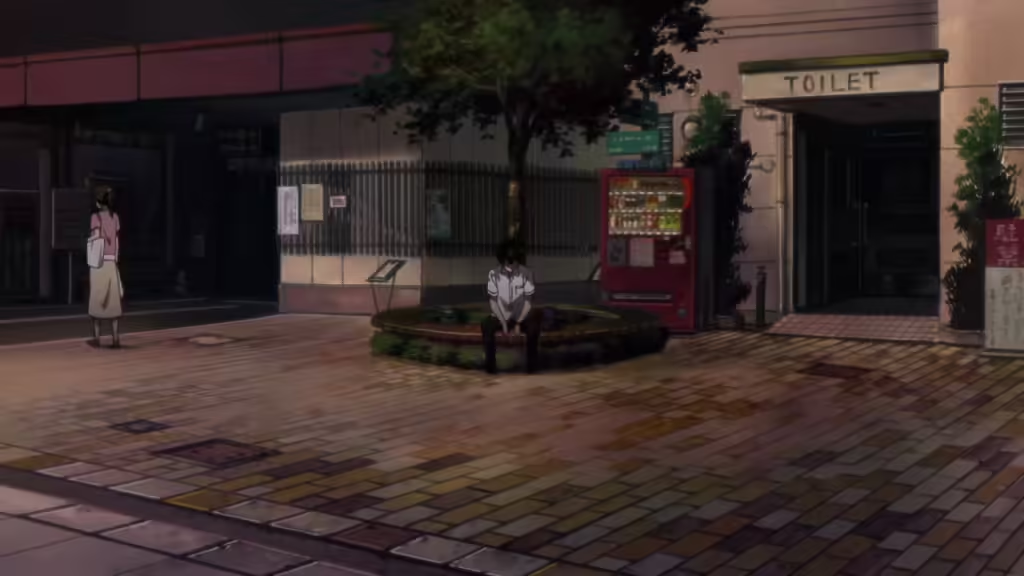
What stands out is how ordinary the setting is. The anime does not mark this street as special, which is precisely why it feels authentic. Standing there, it becomes clear how Kyoto Animation built its world through repetition rather than spectacle.
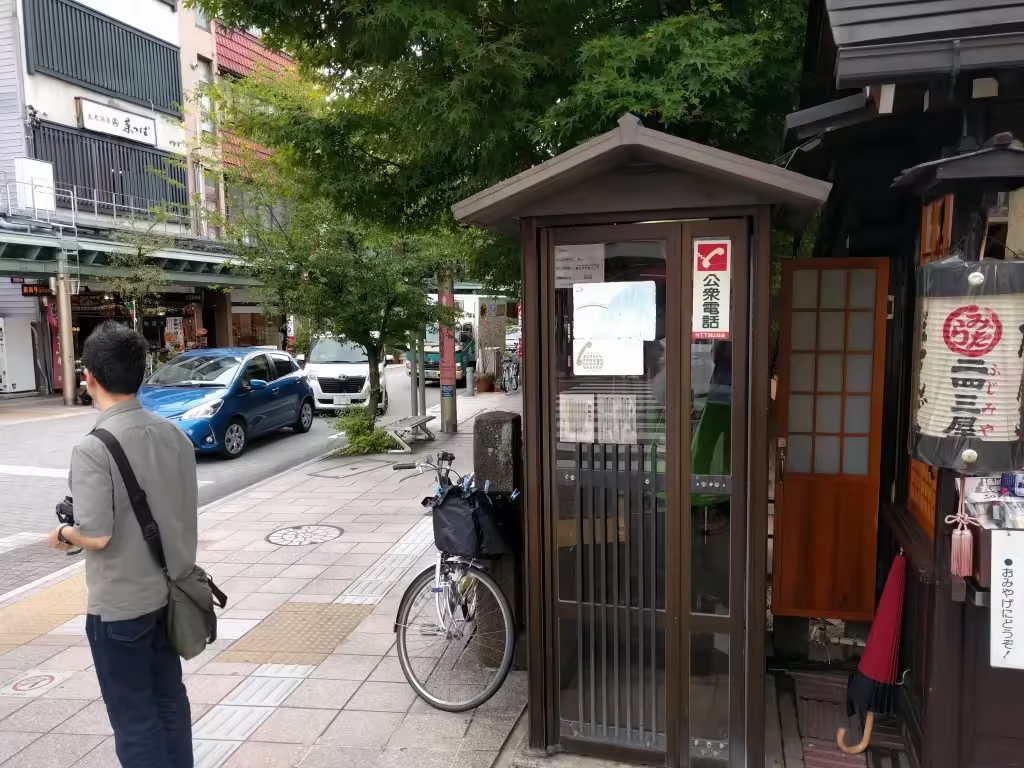
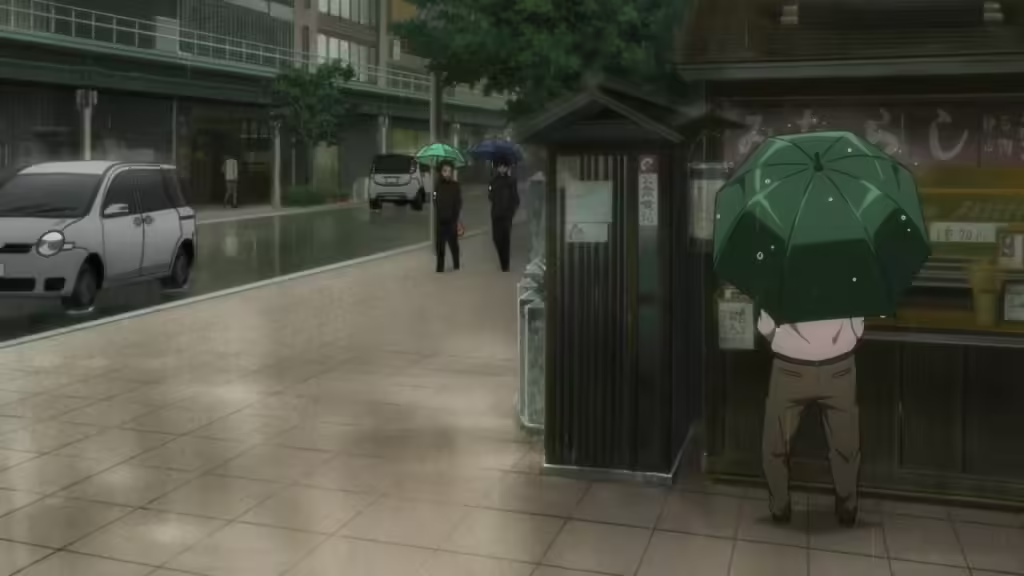
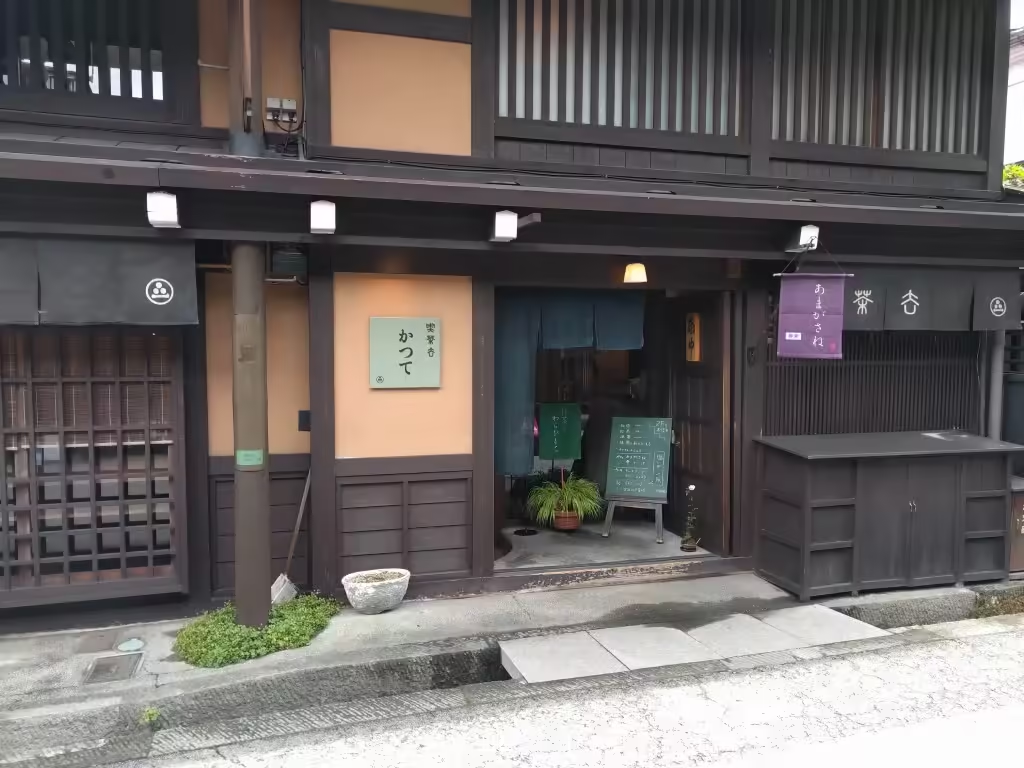
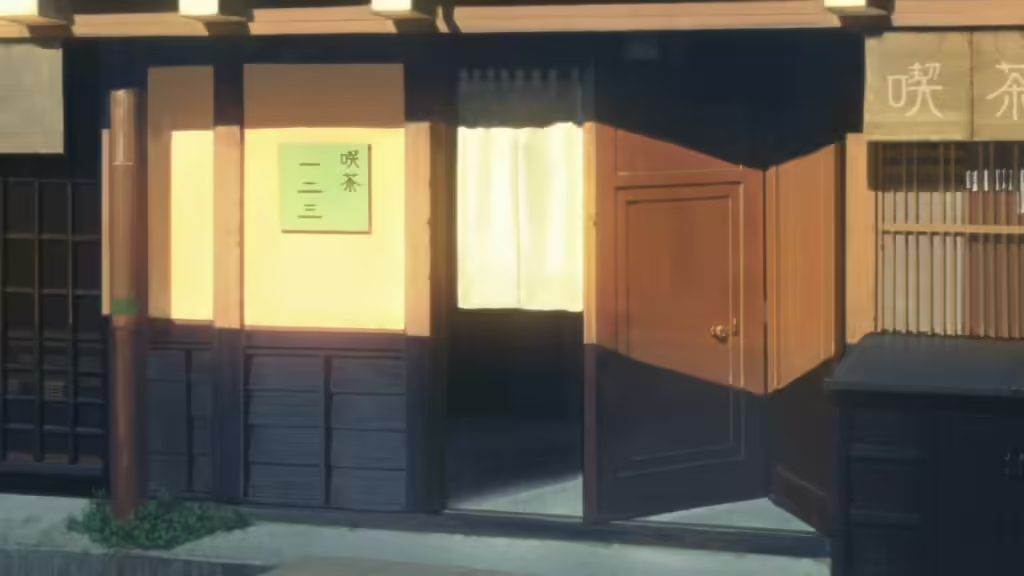
Café Hifumi(Katsute) and Bagpipe (バグパイプ)
A short walk from Honmachi-dōri brings you to Café Hifumi, a real-life spot associated with meeting scenes in the series.
Just nearby is Bagpipe, a British-style café frequently referenced in pilgrimage accounts.
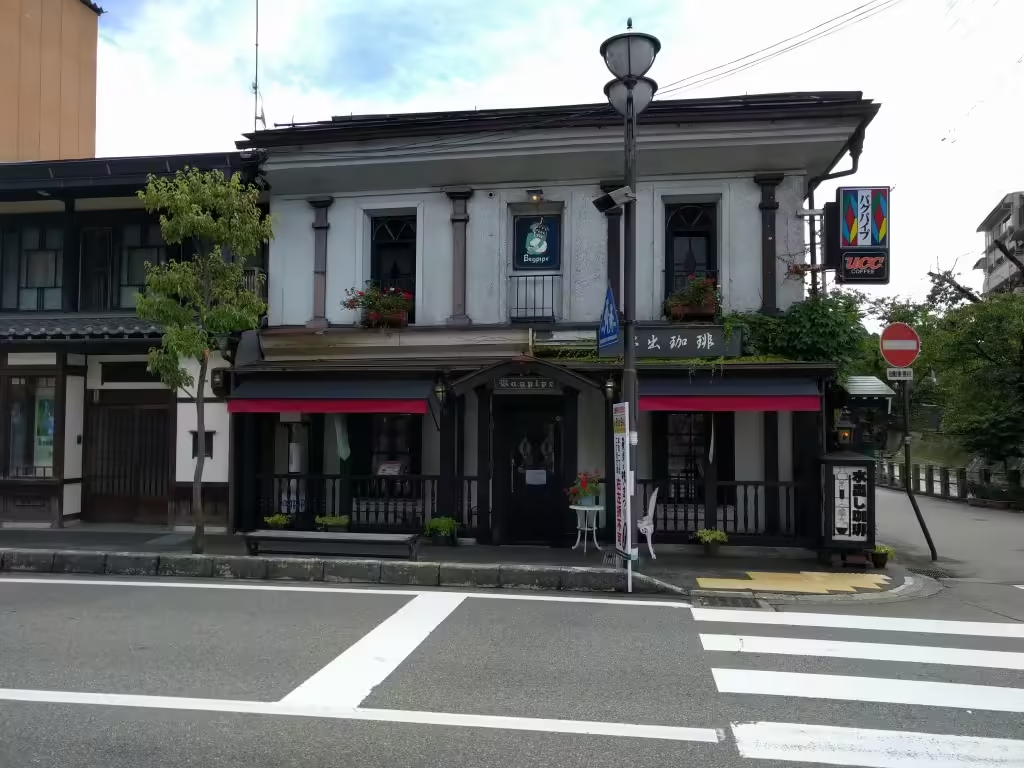
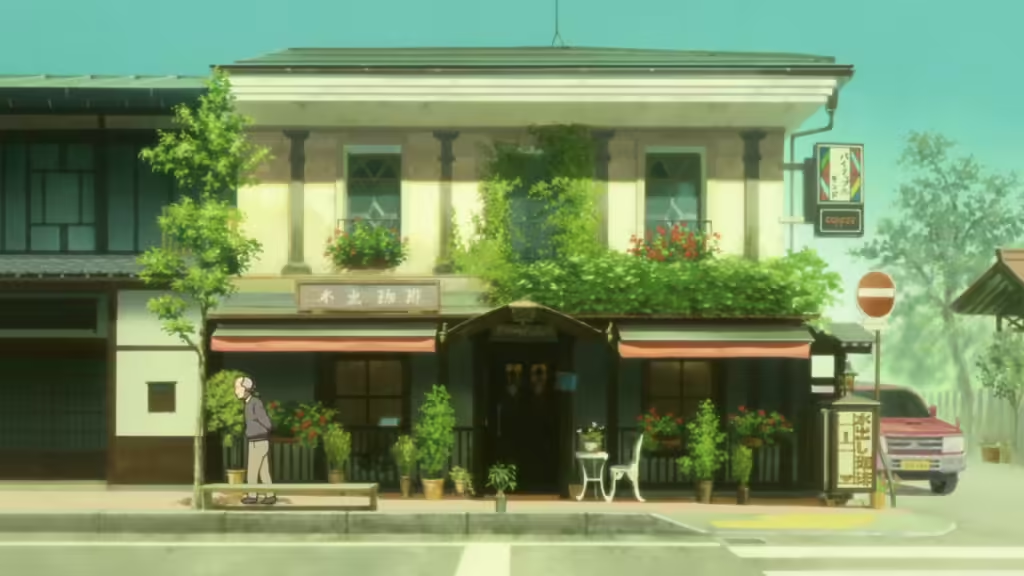
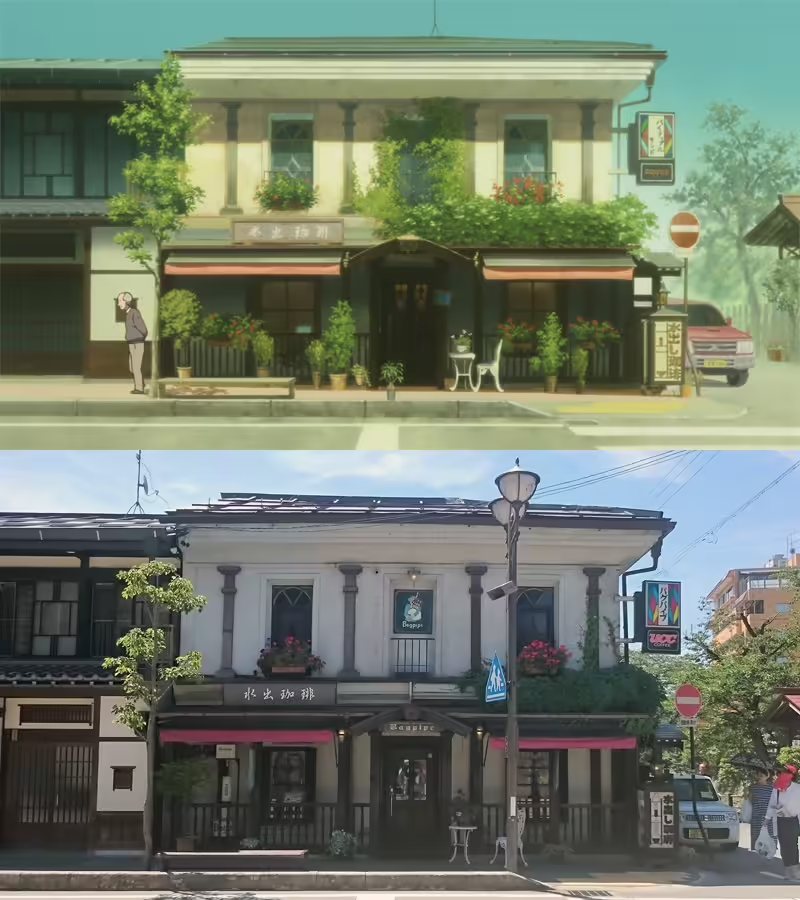
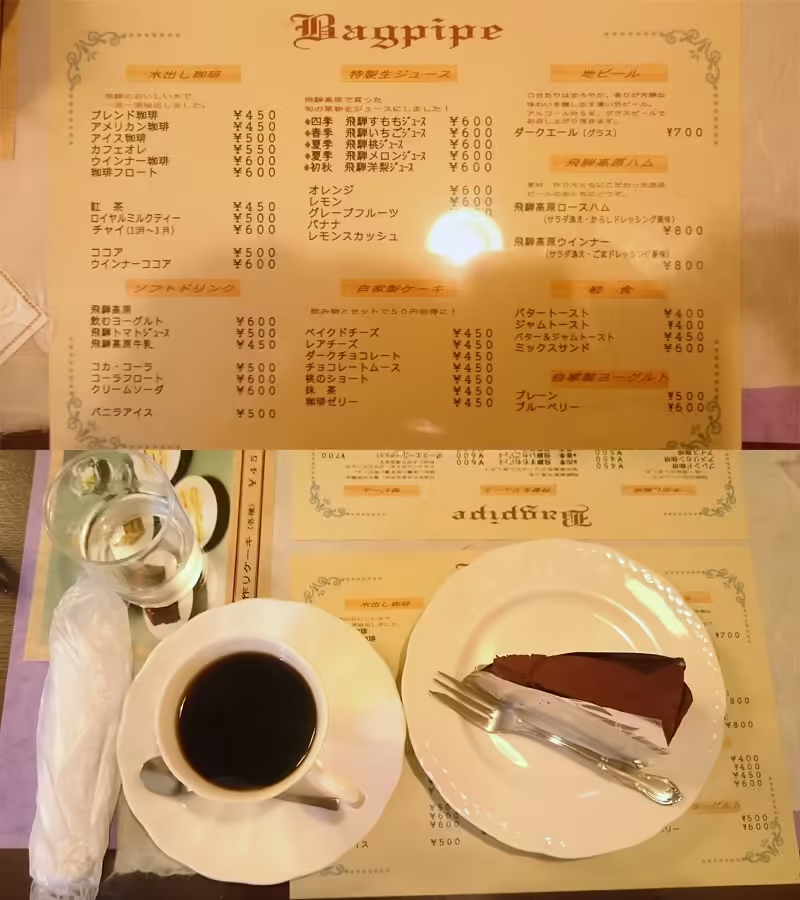
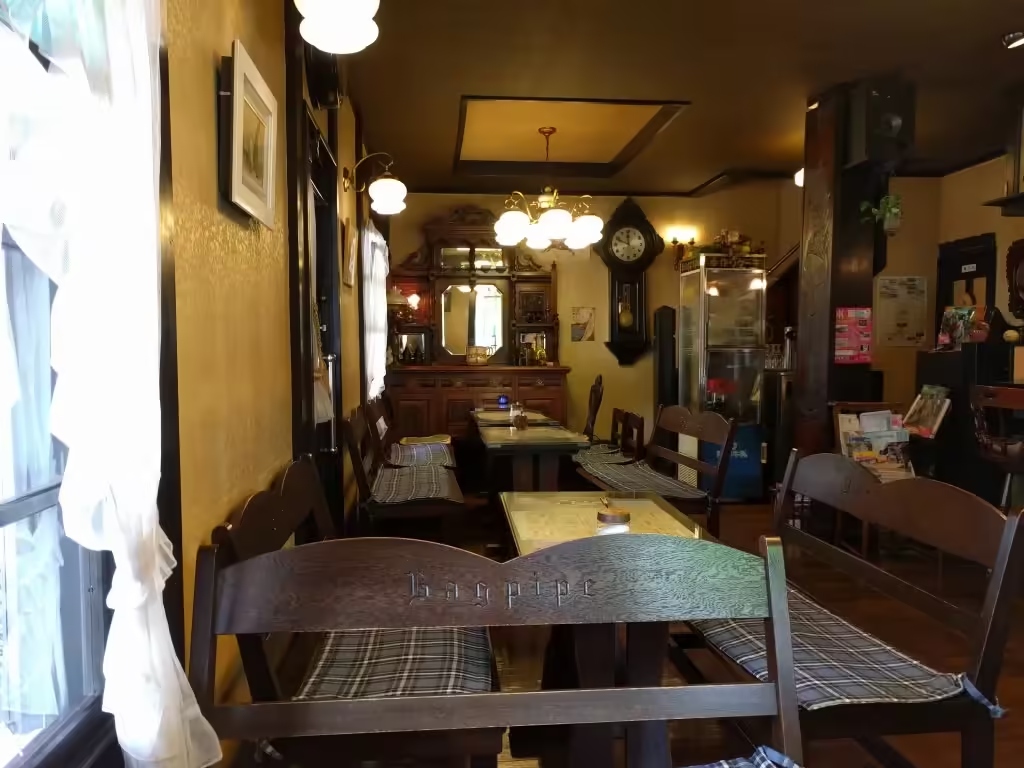
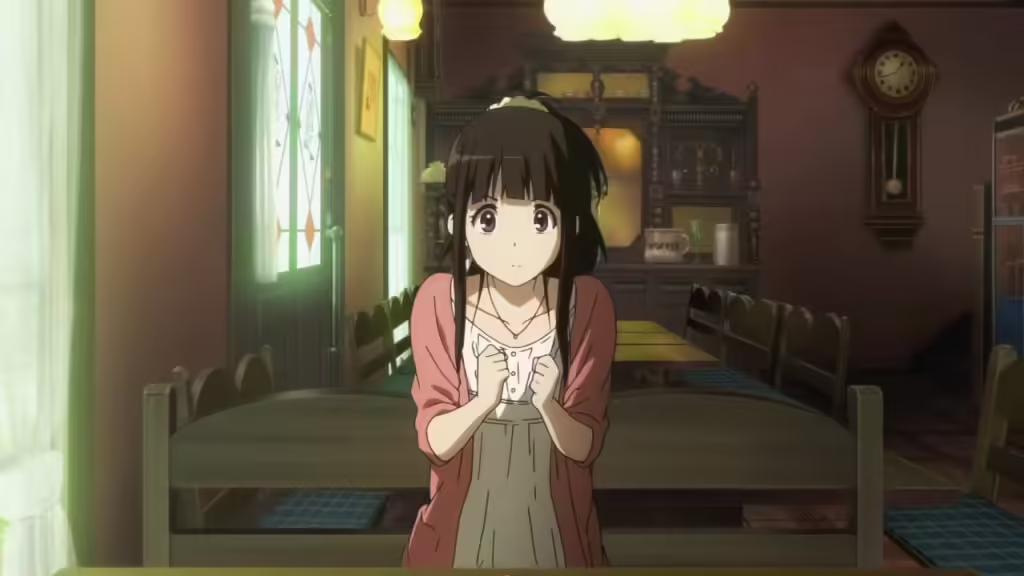
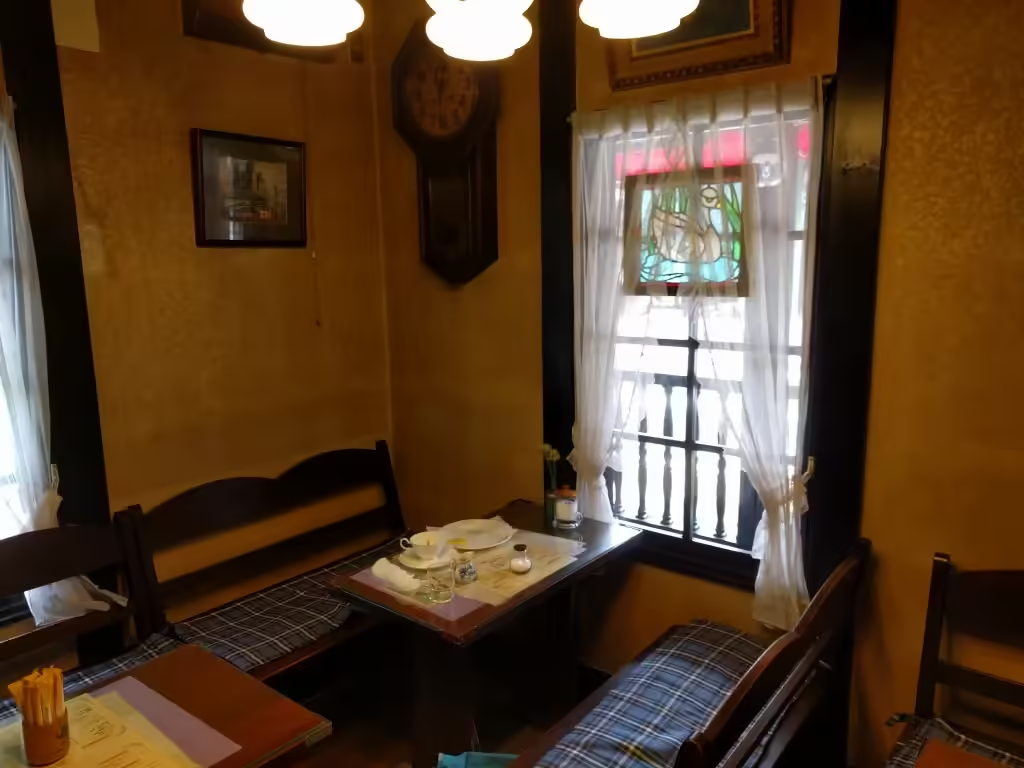
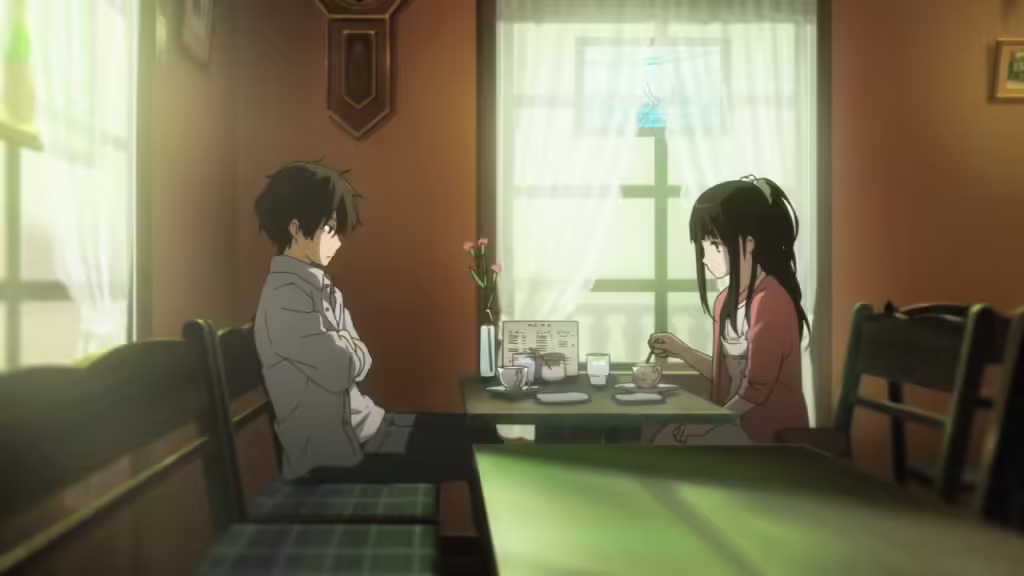
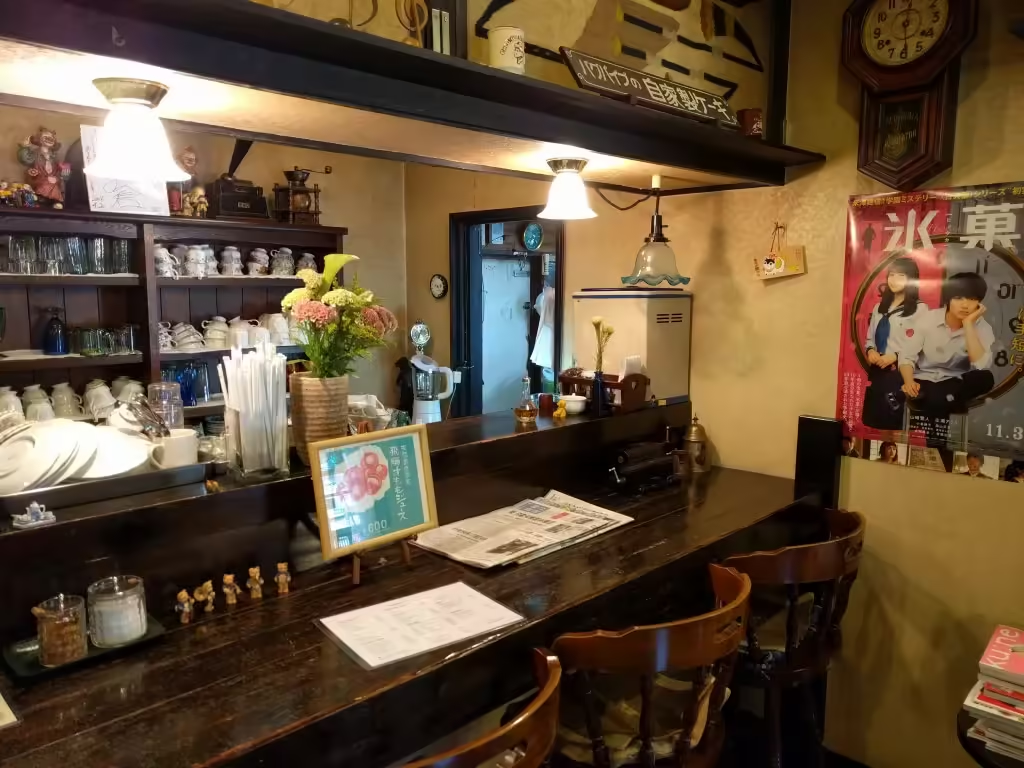
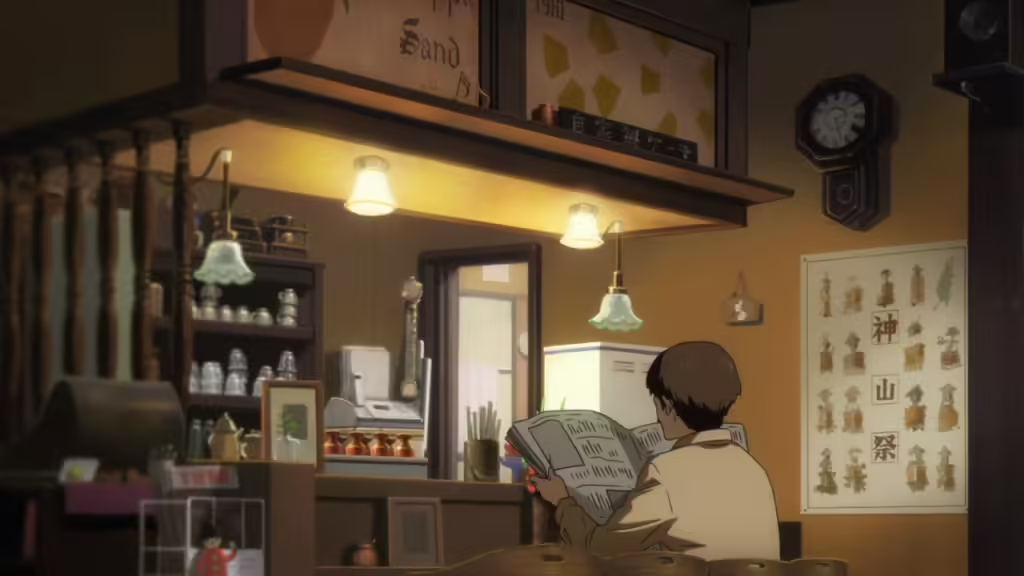
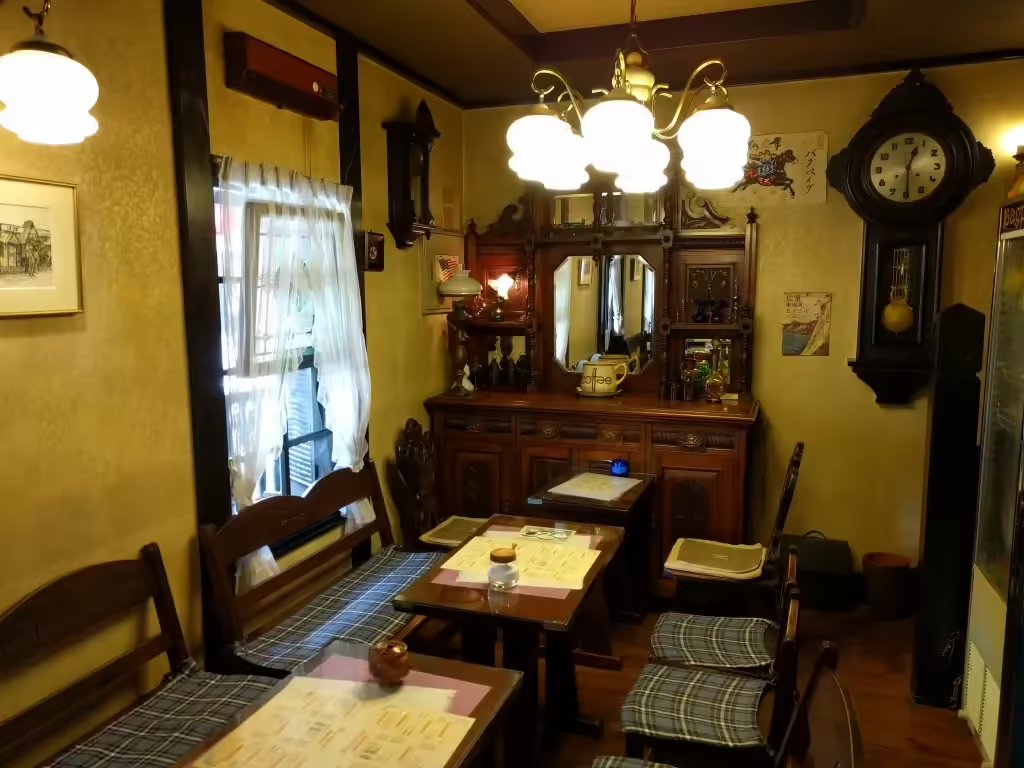
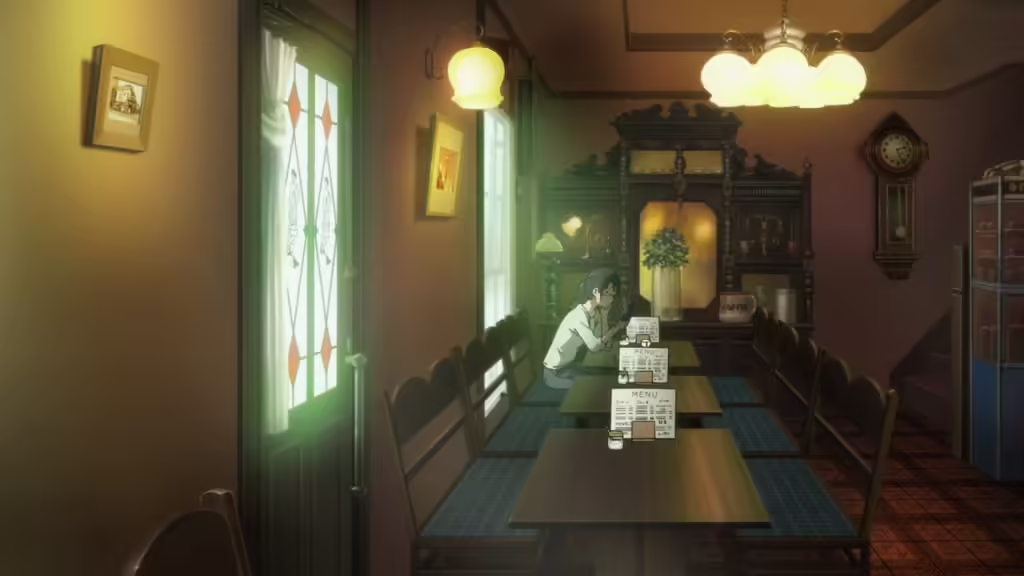
- Address: 75 Kataharamachi, Takayama, Gifu 506-0847
- Access: 10 minute walk from JR Takayama Station
- Hours: 9:00AM to 6:00PM
While interiors may change over time, the surrounding streets and exterior positions remain recognizable. These cafés fit naturally into the walking route, reinforcing how social spaces in Hyouka are woven into everyday paths rather than set apart.
Hie Shrine (日枝神社) and Ipponsugi-Hakusan Shrine
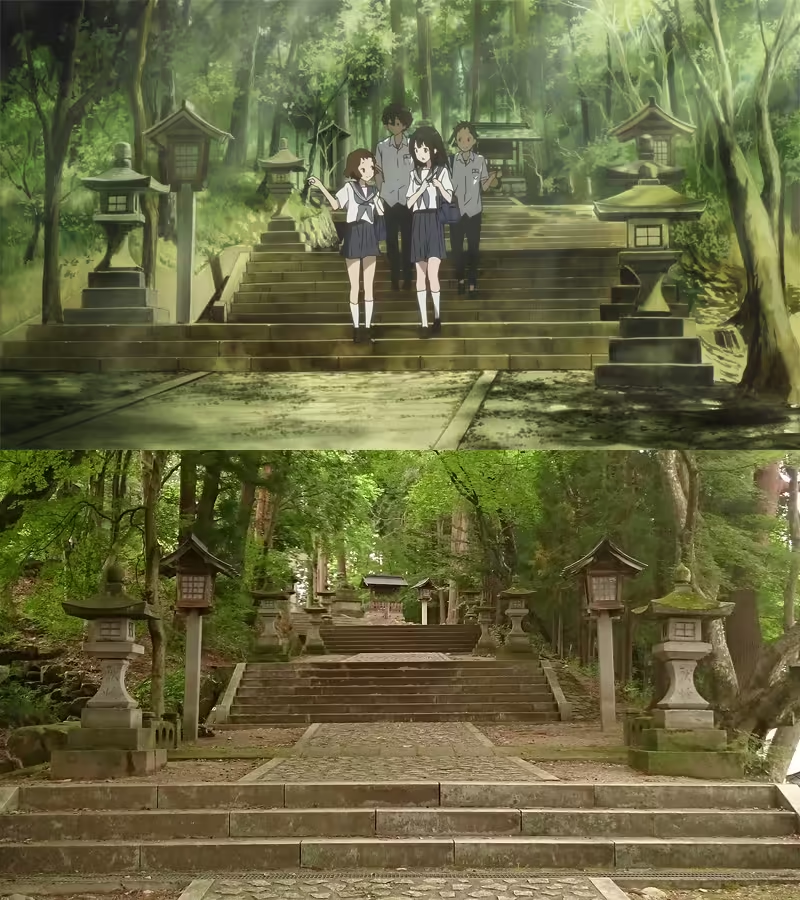
Continuing uphill, the route leads toward Hie Shrine, known as Arekusu Shrine in the anime. The stone steps and elevated position appear in Episode 20 and mark a subtle shift in mood from routine to reflection.
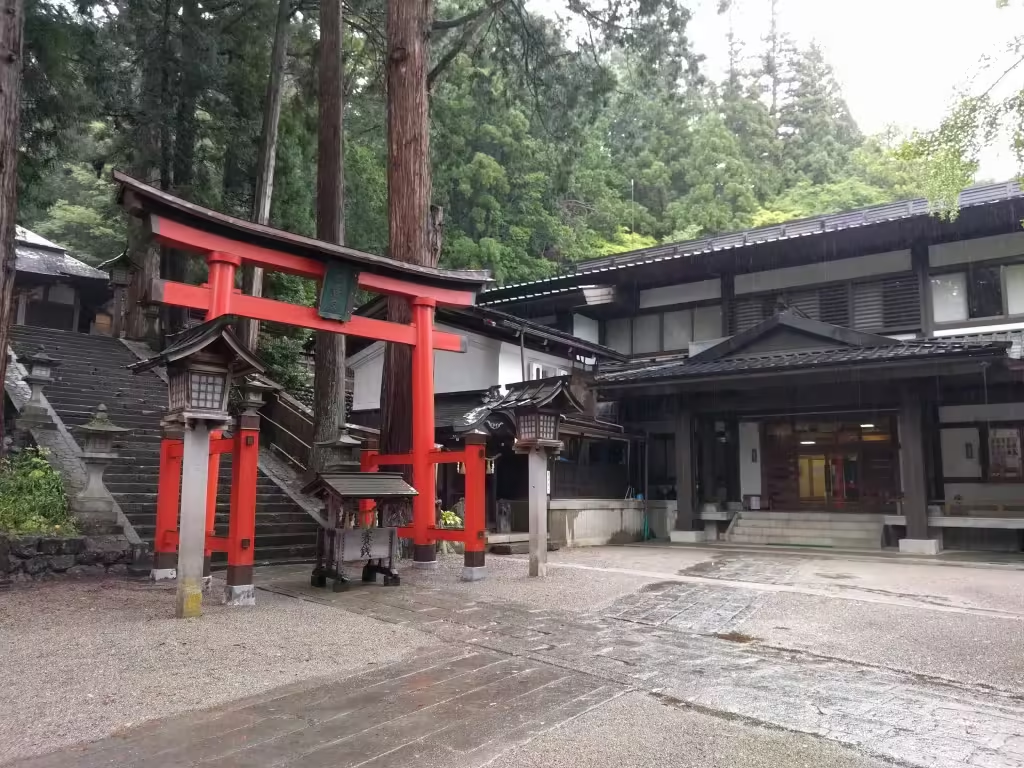
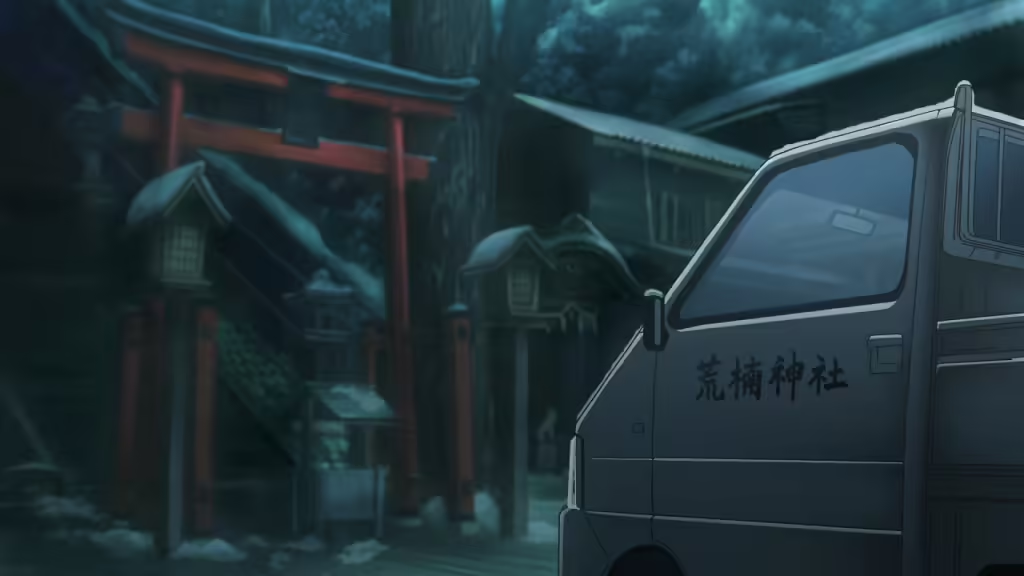
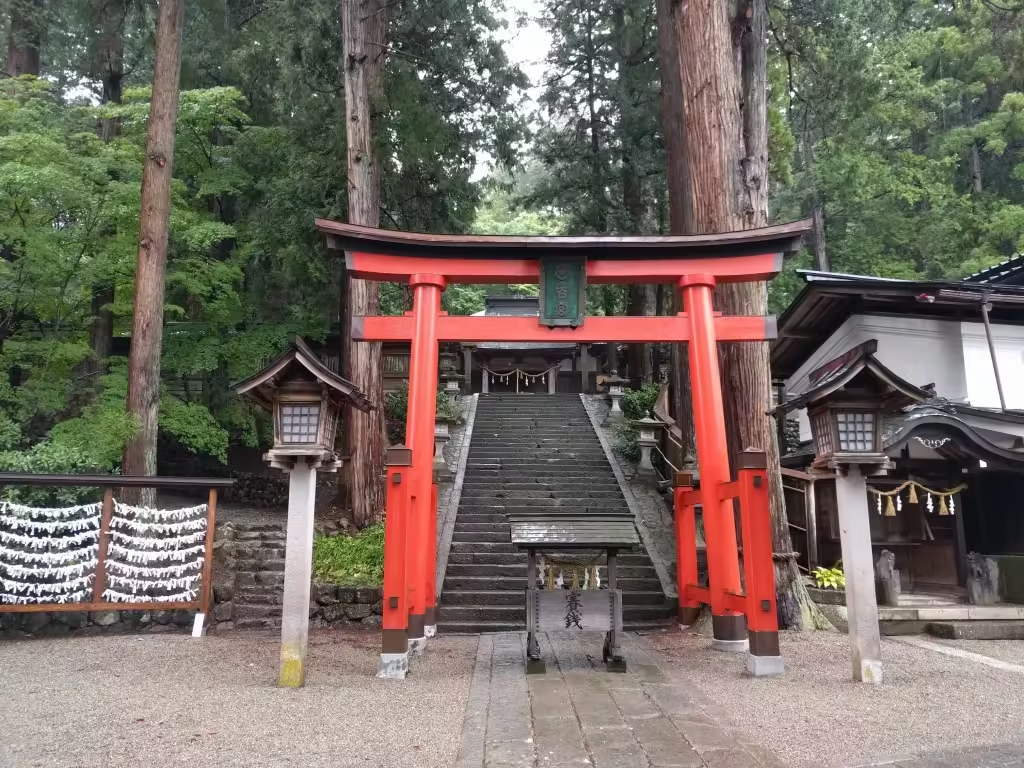
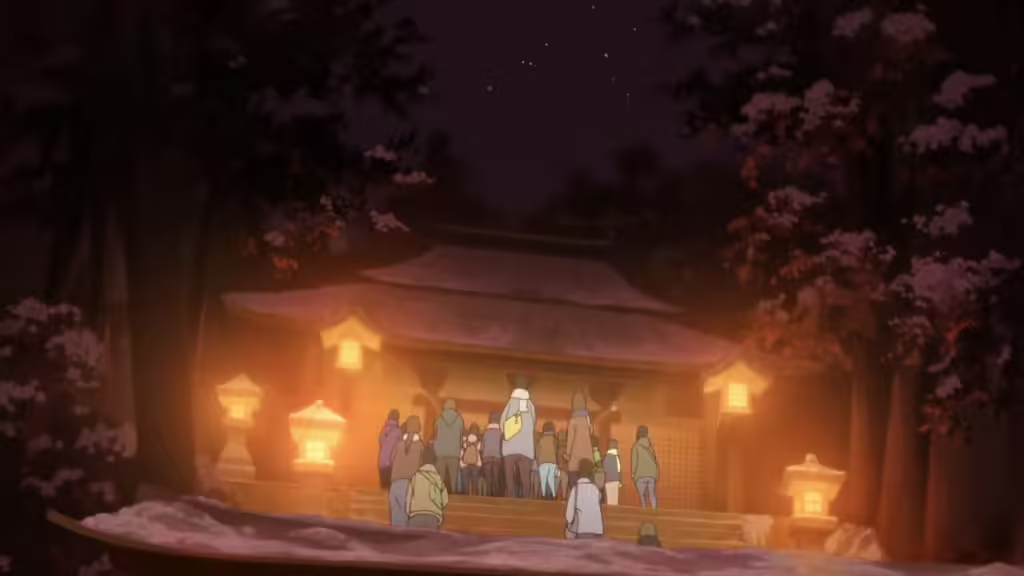
- Address: 156 Shiroyama, Takayama, Gifu 506-0822
- Access: 24 minute walk from JR Takayama Station
- Hours: 8:30AM to 4:30PM
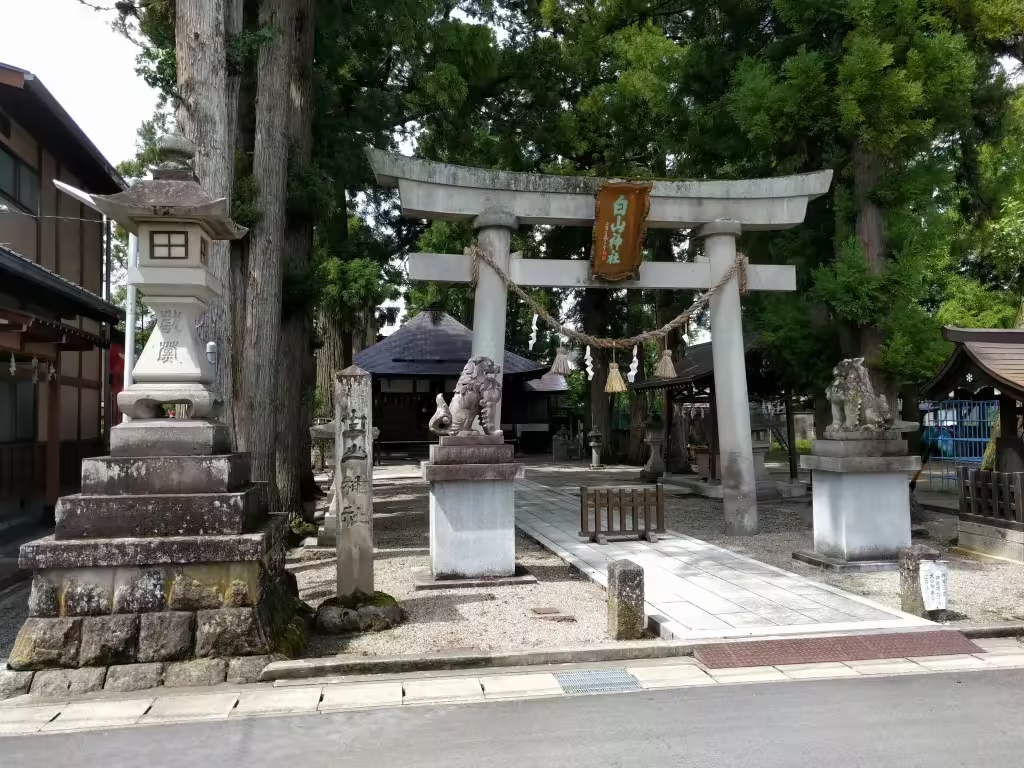
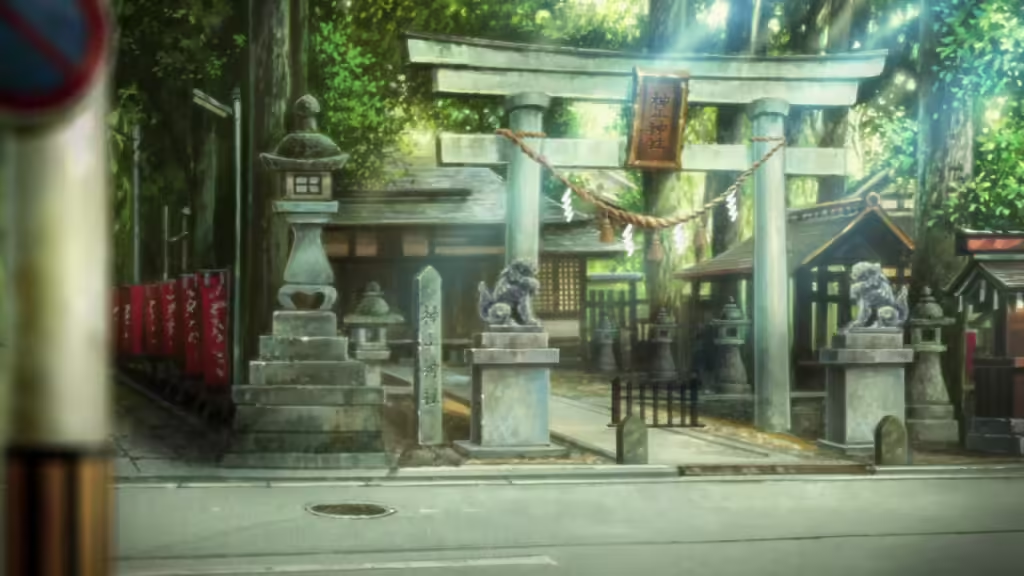
Not far away is the quieter Ipponsugi-Hakusan Shrine, which appears along walking routes in Episode 11. Visiting both shrines highlights how Hyouka uses changes in elevation and scenery to signal introspection without dramatic cues.
Kamiyama High School (Gifu Prefectural Hida High School)
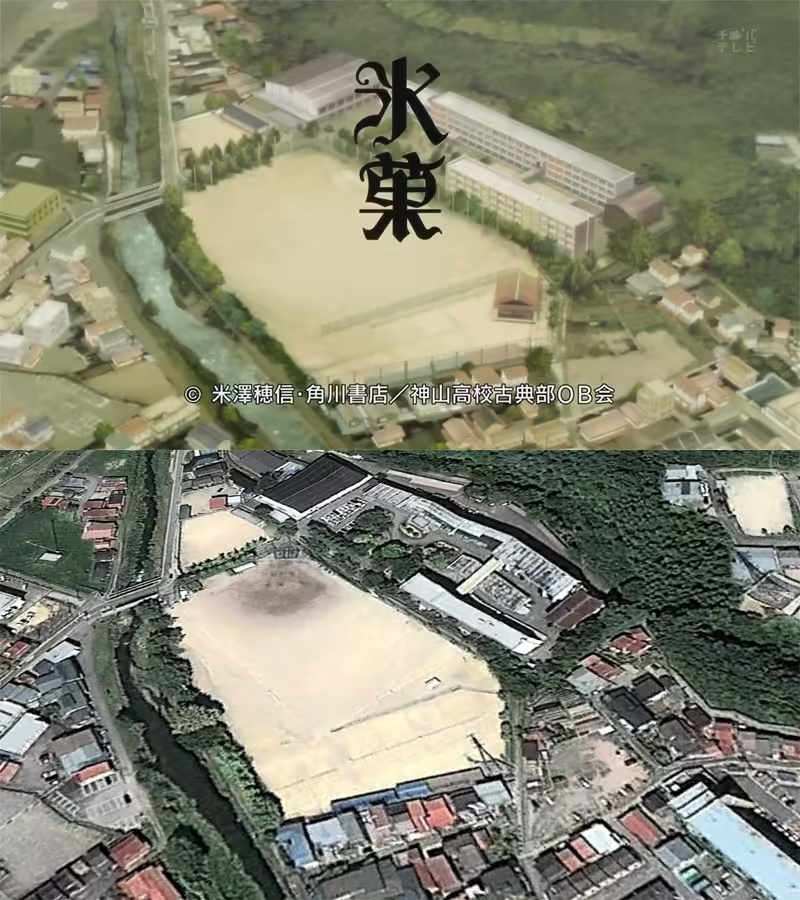
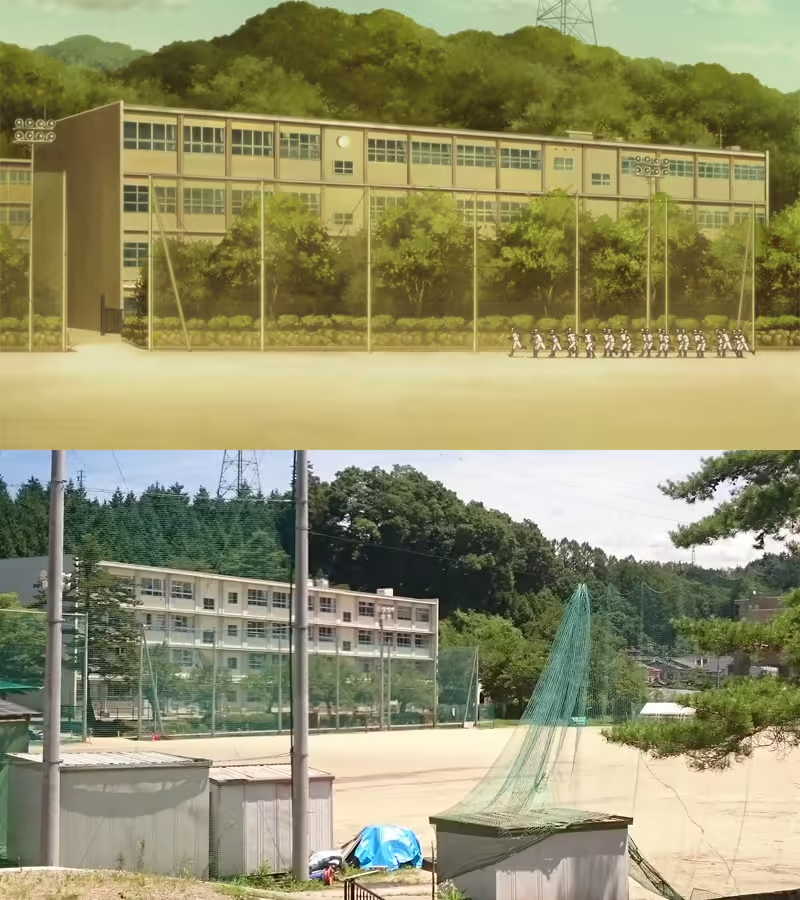
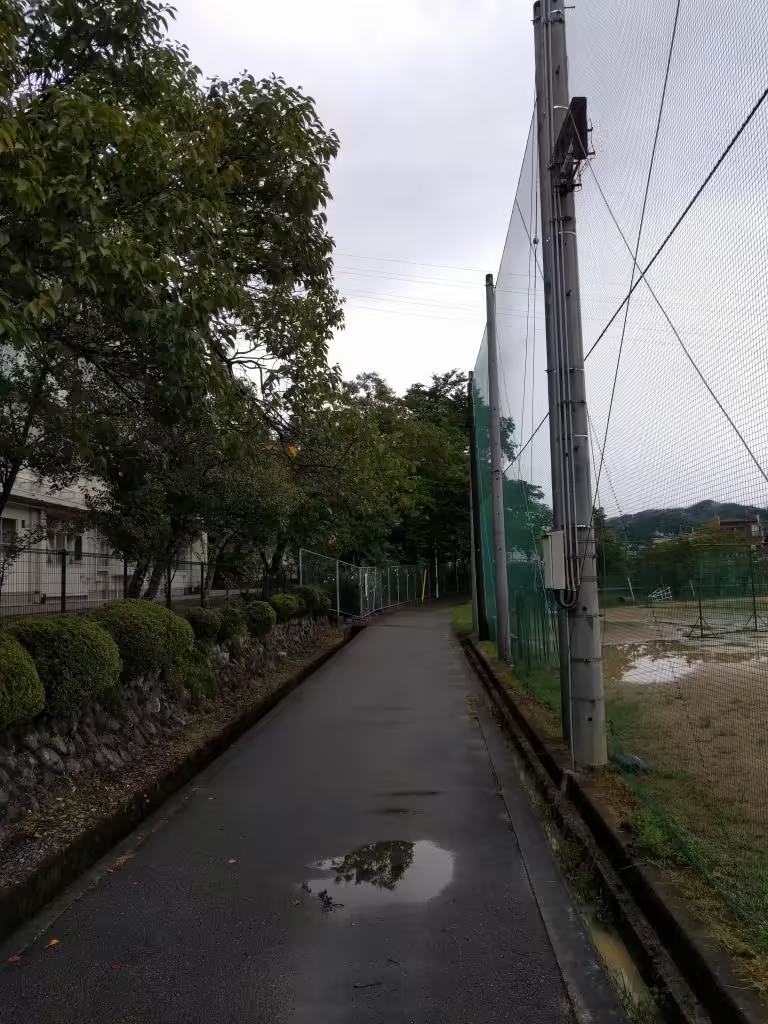
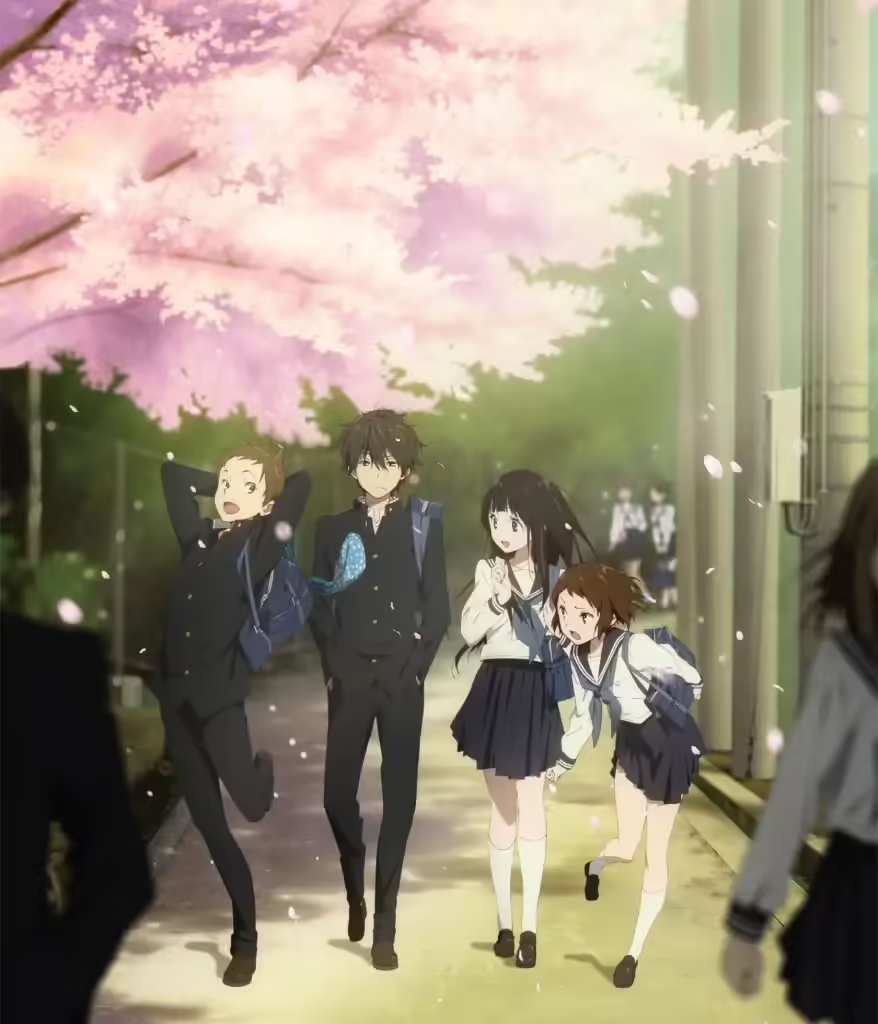
From the shrine area, the walk moves toward Kamiyama High School, inspired by Gifu Prefectural Hida High School. The surrounding streets are just as important as the building itself, as the anime emphasizes daily routes rather than formal entrances.

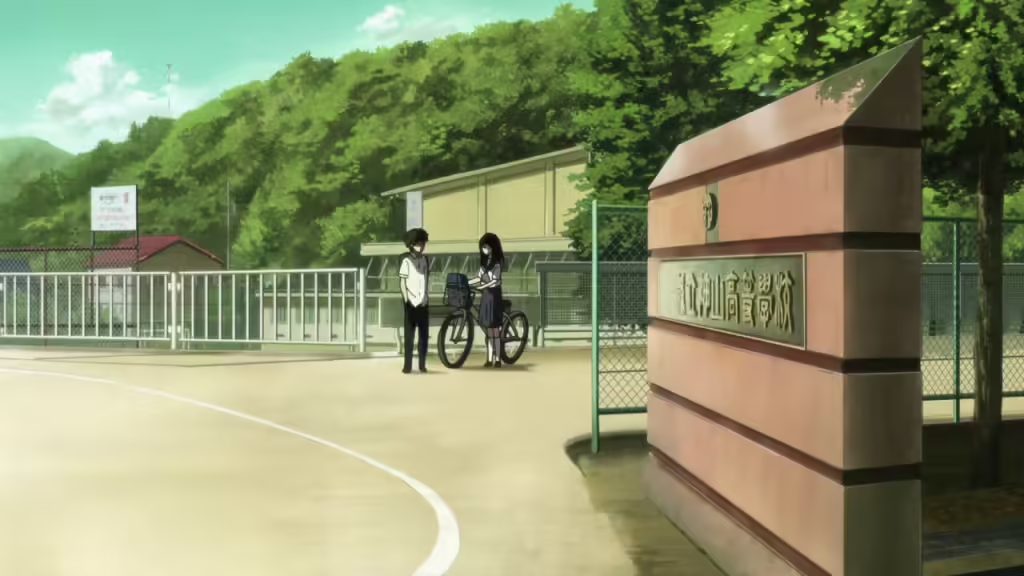
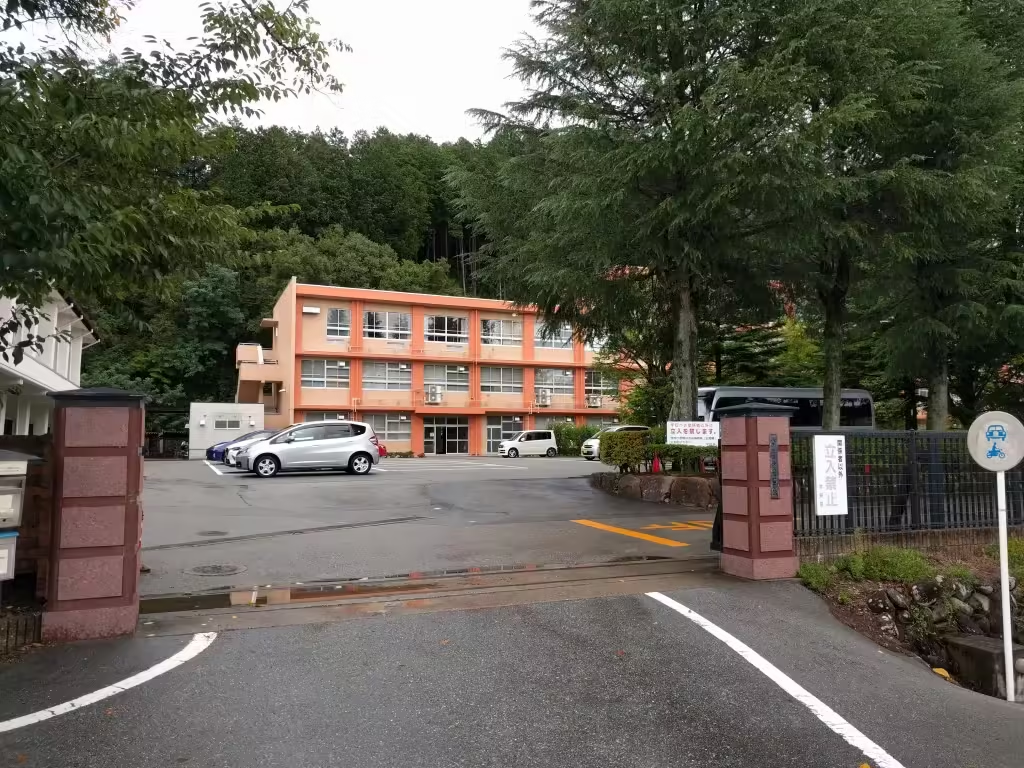
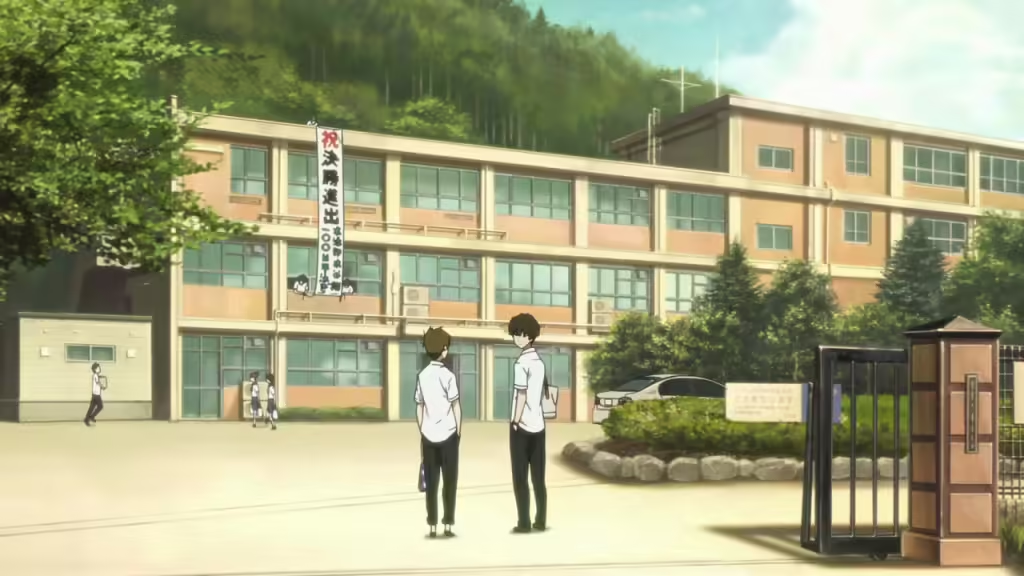
Plaque at the entrance of the Hida high school entrance
Seeing how close the school is to residential and shrine areas makes the fictional town of Kamiyama feel spatially coherent.
Street besides the school
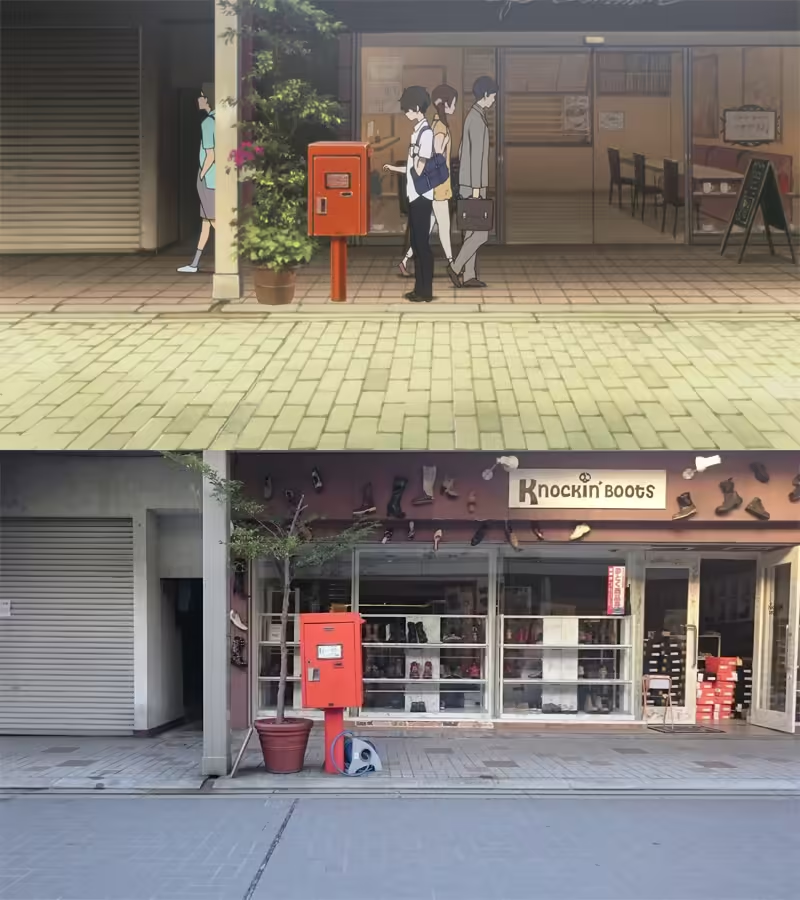
Postbox where Oreki airmails a letter to his older sister
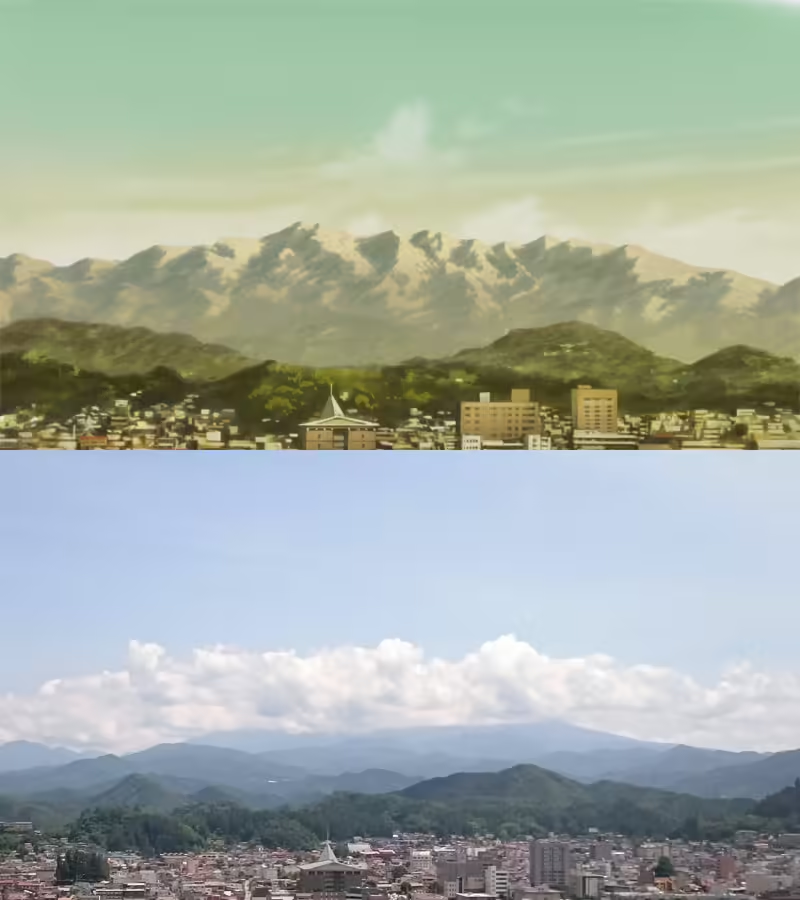
The northern alps which appear when Oreki is remembering his sister’s teachings
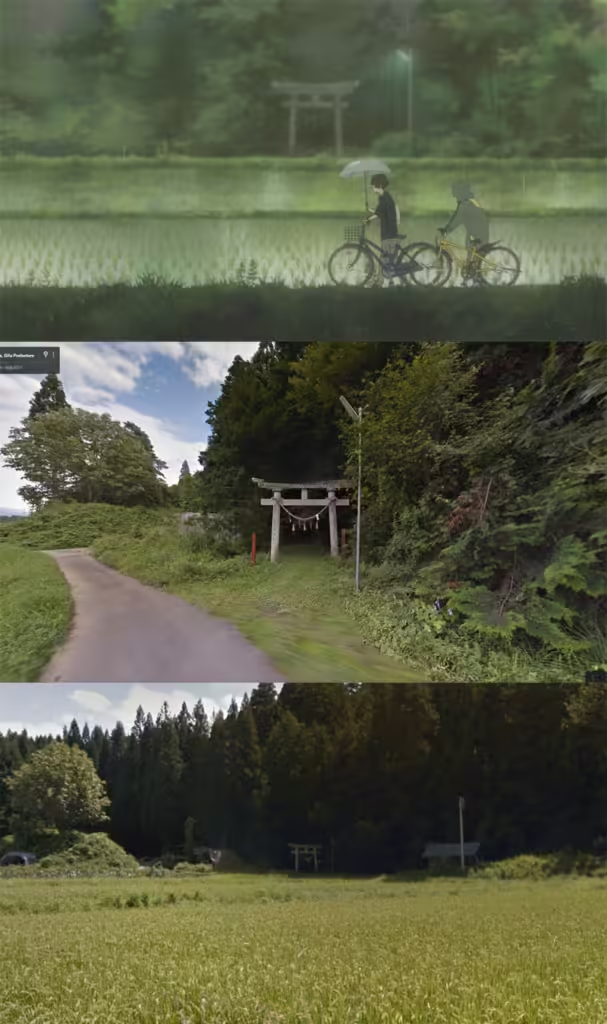
Tori Gate of the Suwa Shrine
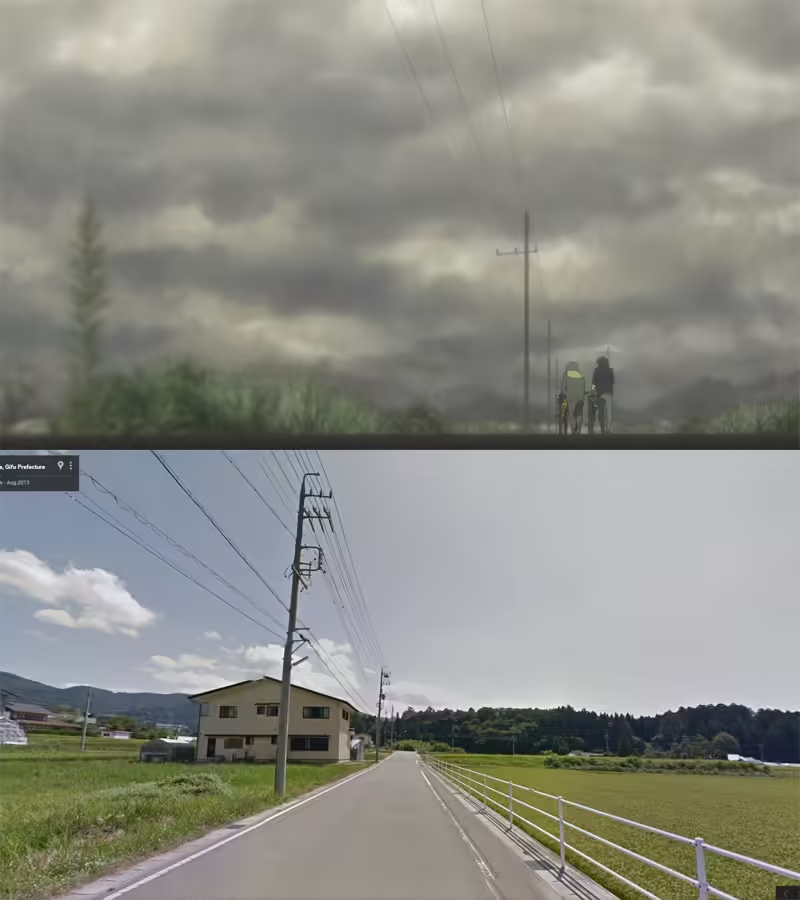
Takayama City Main Library and Marutto-plaza
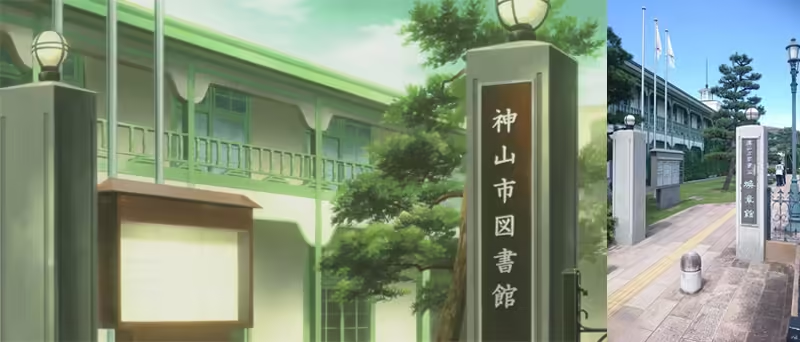
Nearby, Takayama City Main Library served as the inspiration for the Kamiyama City Library seen in Episode 18. The building’s understated design matches the anime’s portrayal of a place dedicated to quiet discovery.
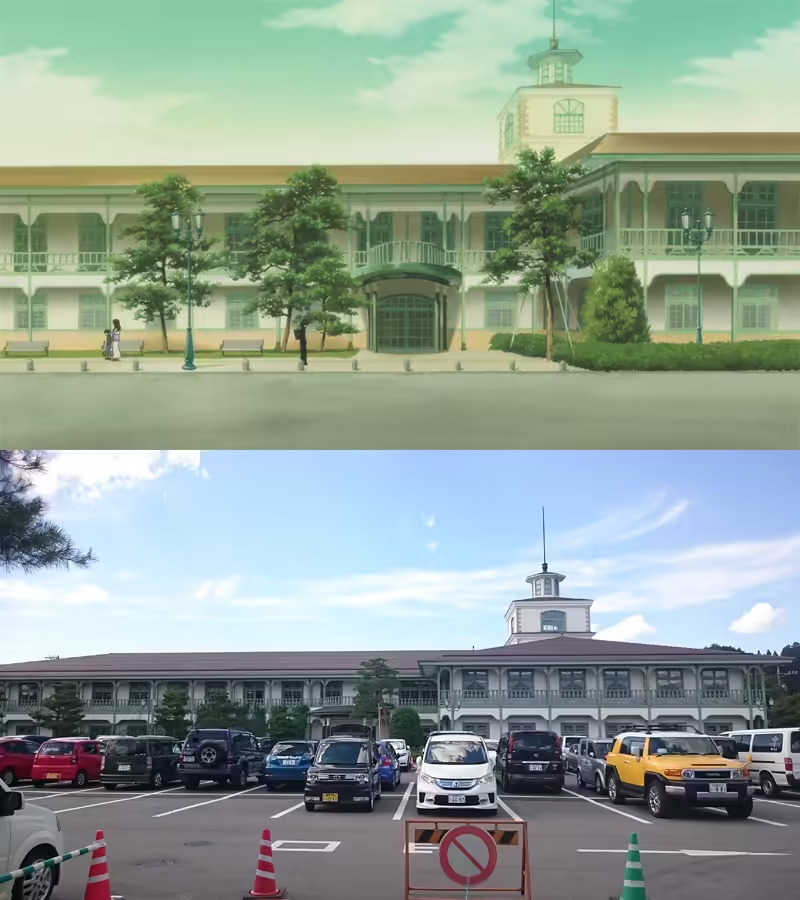
- Address: 2-chōme-115 Babamachi Takayama, Gifu 506-0838
- Access: 18 minute walk from JR Takayama Station
- Hours: 9:30AM to 9:30PM
Close to the library, Marutto-plaza reinforces the civic side of the town. These locations add structure to the walking route, showing how Hyouka balances personal moments with public spaces.
- Address: 2-60 Honmachi Takayama, Gifu 506-0011
- Access: 8 minute walk from JR Takayama Station
- Hours: 10:00AM to 6:30PM
Hanasato Overpass (花里跨線橋)
As the route approaches Takayama Station, the Hanasato Overpass crosses above the train tracks. This location appears briefly in the anime and acts as a visual divider between different parts of town.
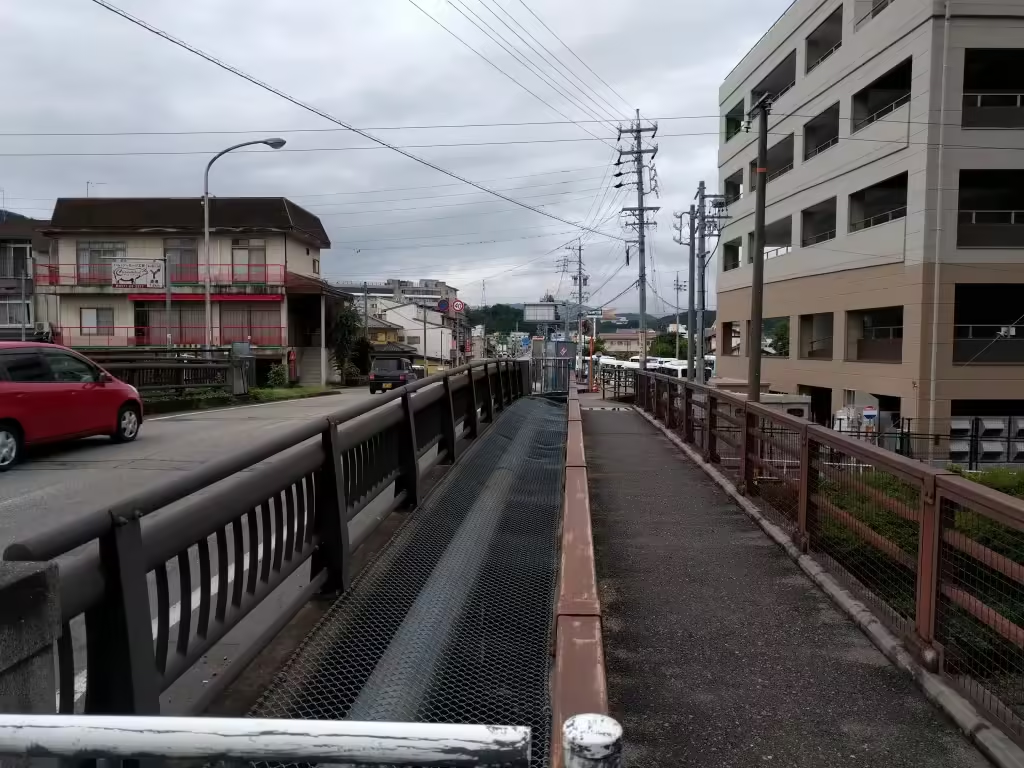
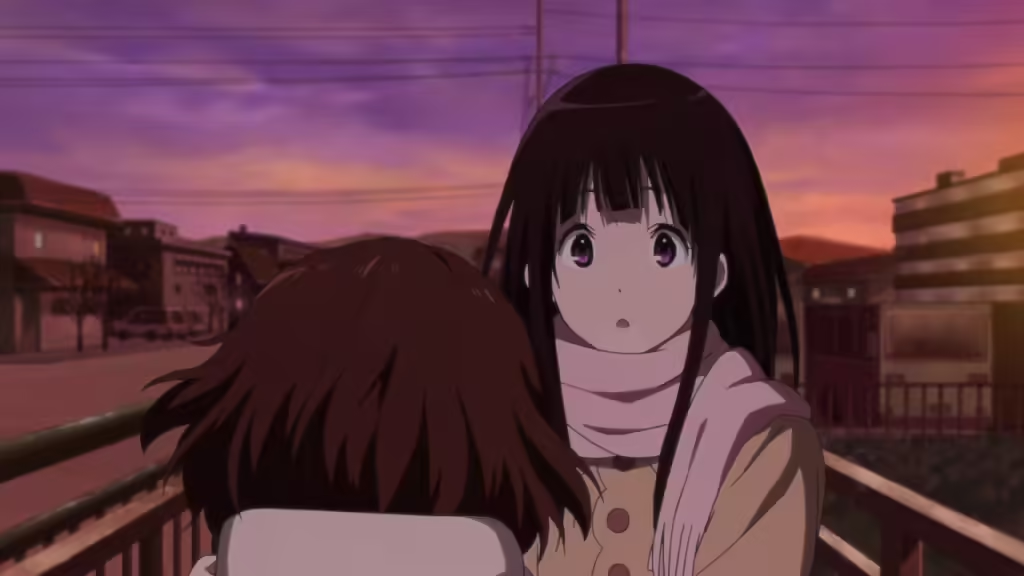
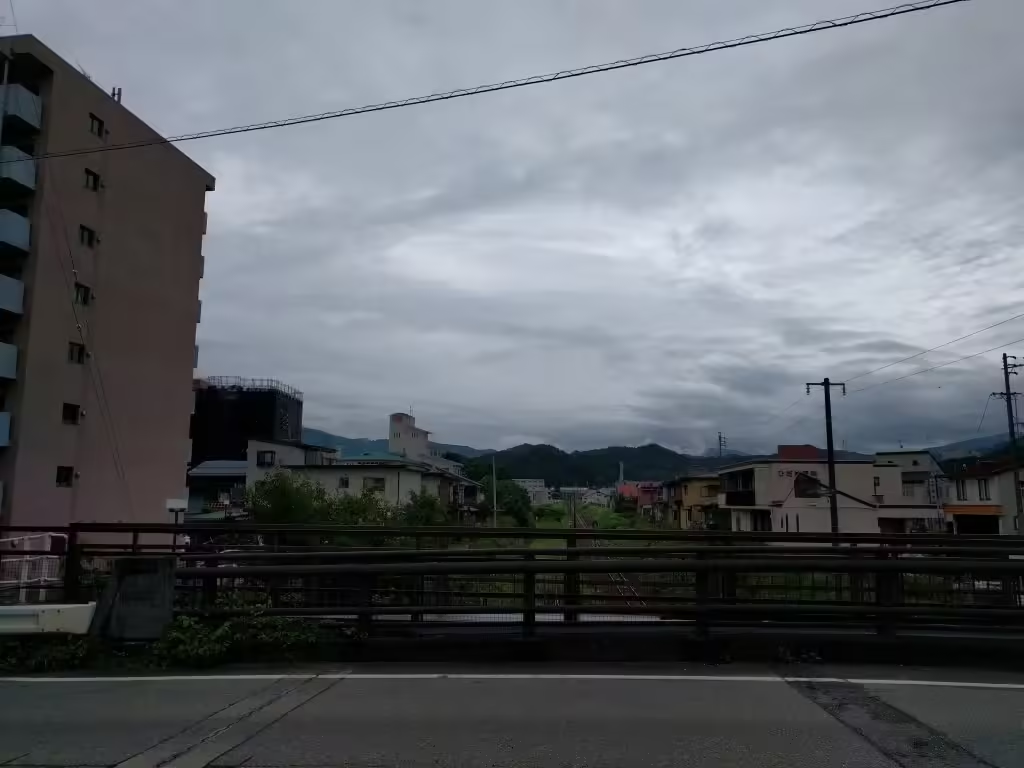
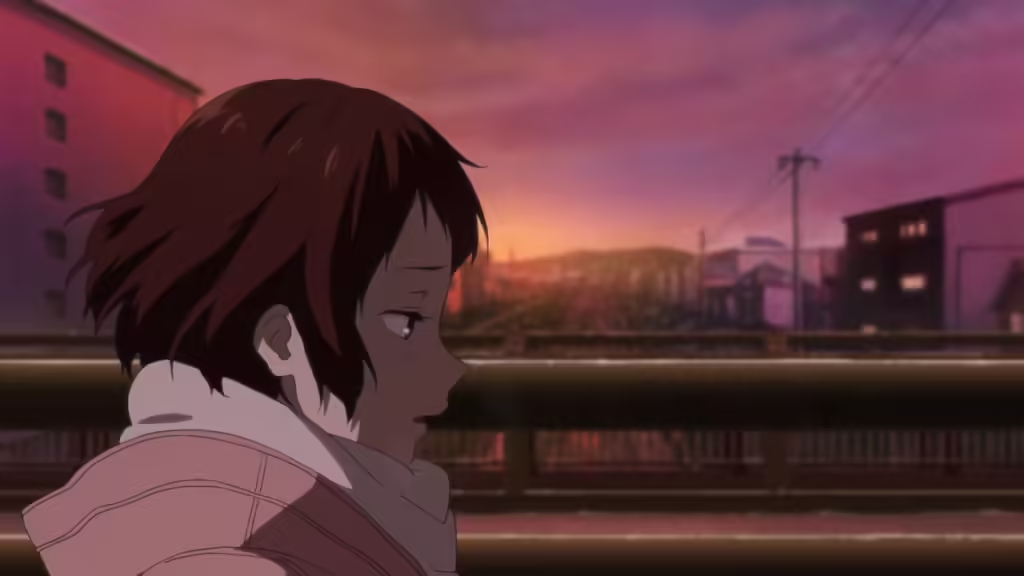
Ending the walk here makes sense thematically. Like many scenes in Hyouka, it represents transition rather than resolution.
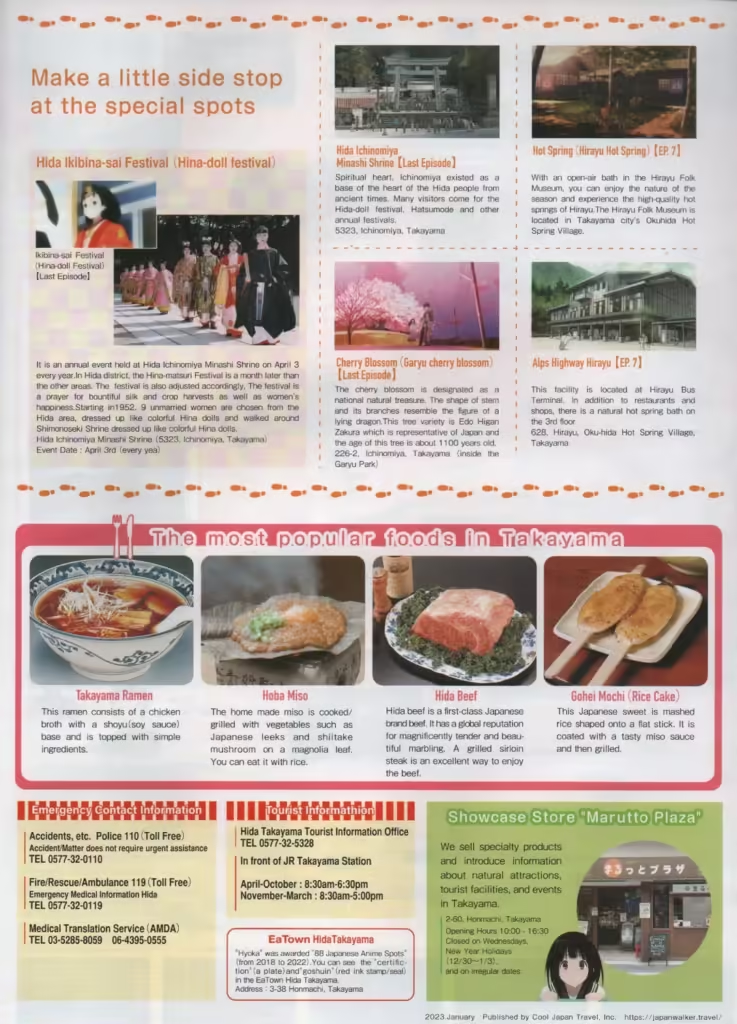
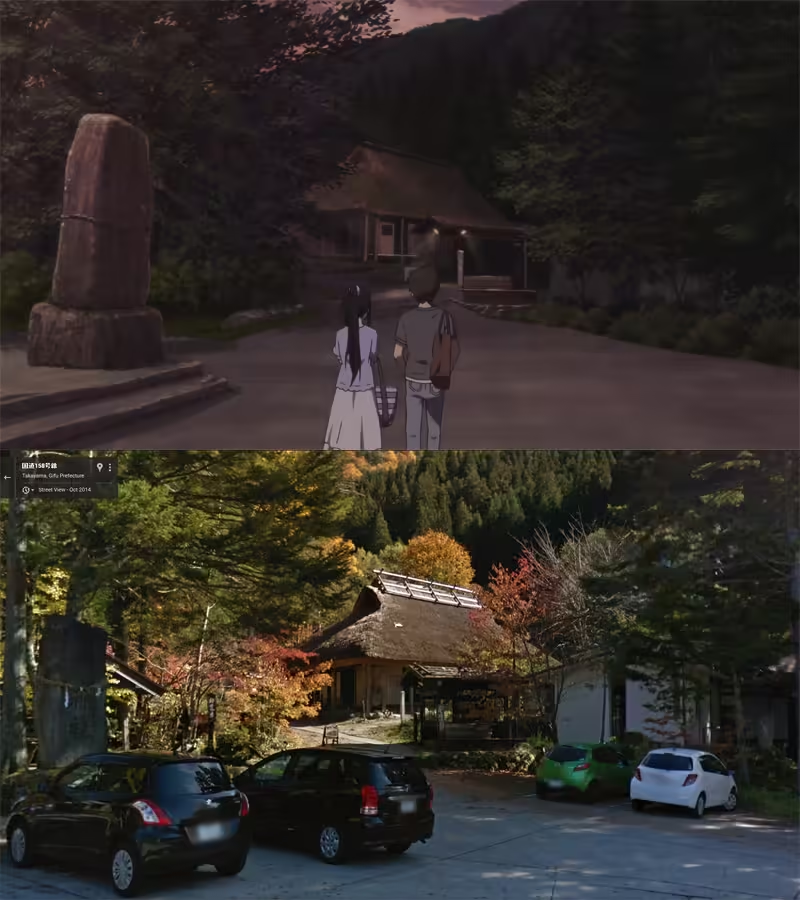
Hida Ichinomiya Minashi Shrine
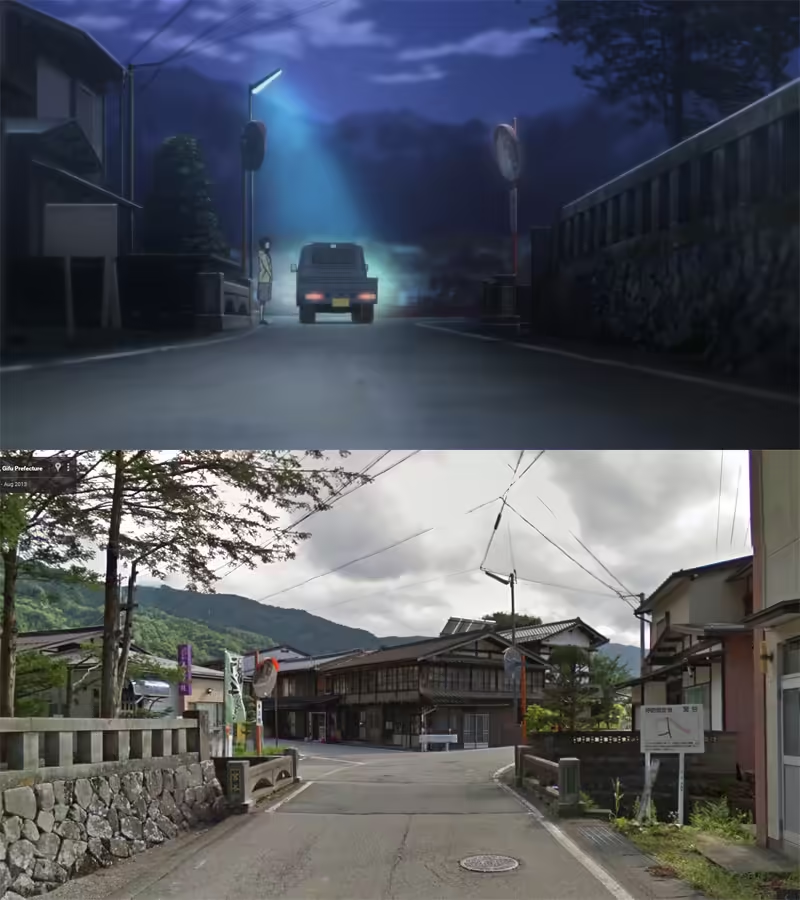
Located outside central Takayama, Hida Ichinomiya Minashi Shrine appears in Episode 12 of Hyouka.
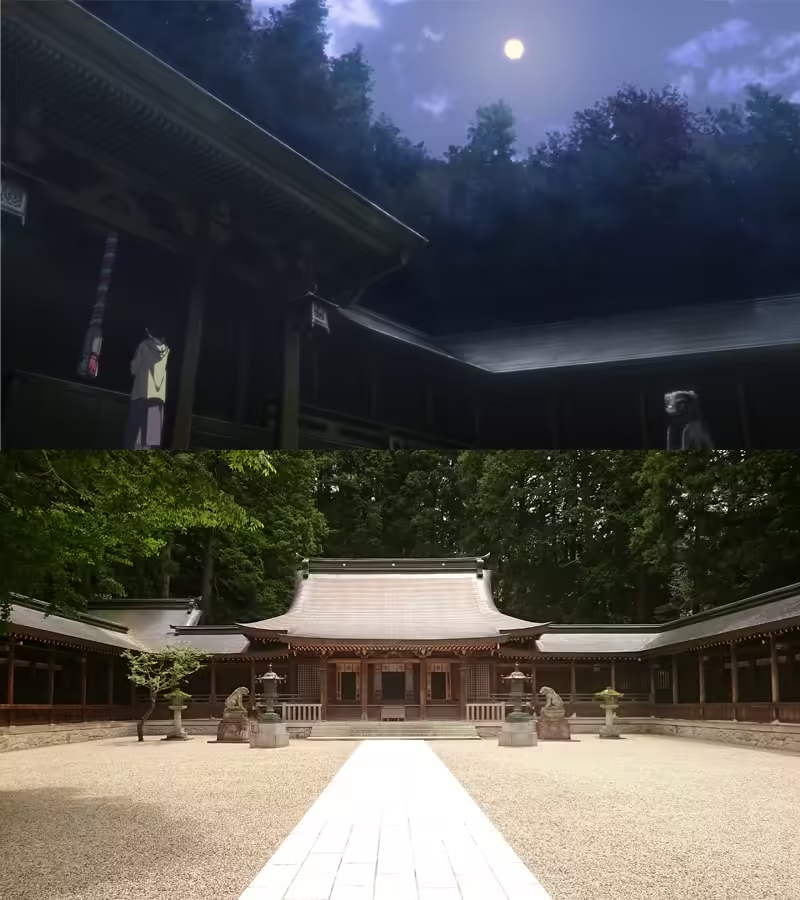
The real shrine sits in Ichinomiya, south of Takayama, and is traditionally associated with regional rituals and seasonal events. In the anime, it serves as a narrative shift, moving the story away from routine paths and into a more ceremonial setting.
Because of its location, visiting Minashi Shrine requires a short train ride or local transport rather than a walk. This separation mirrors its role in Hyouka, where the episode feels distinct from the series’ usual rhythm.
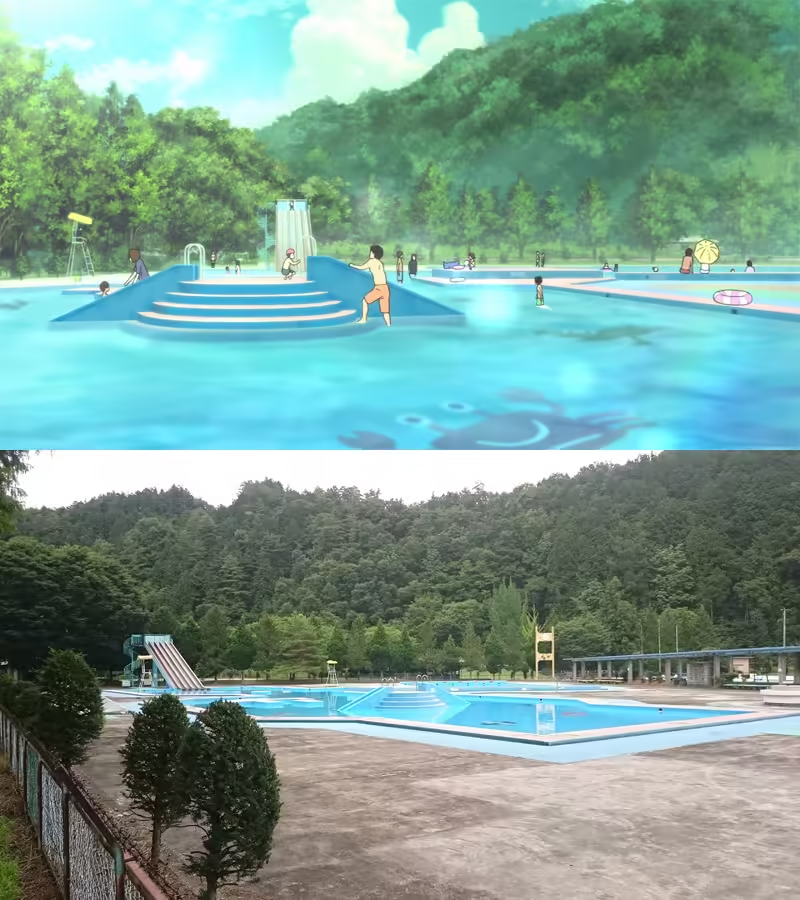
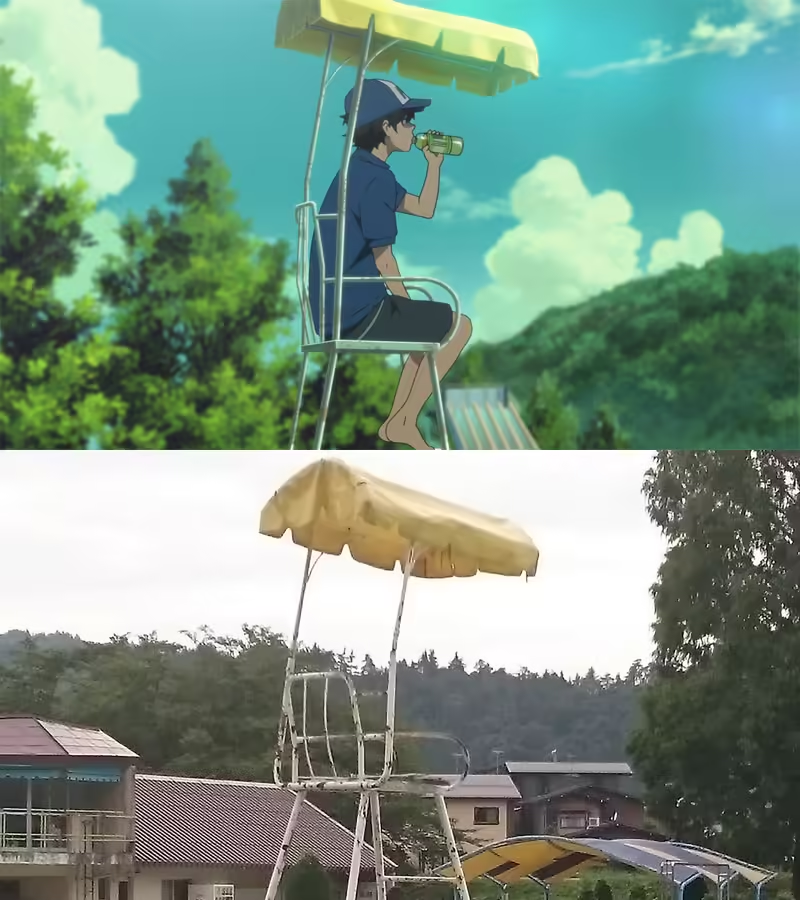
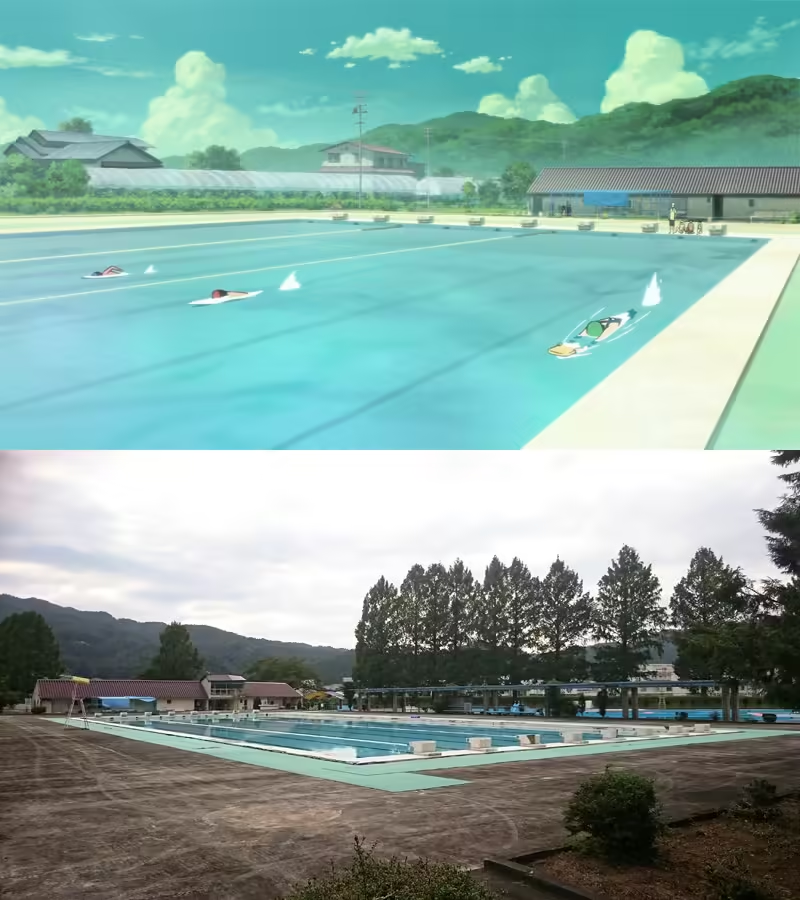
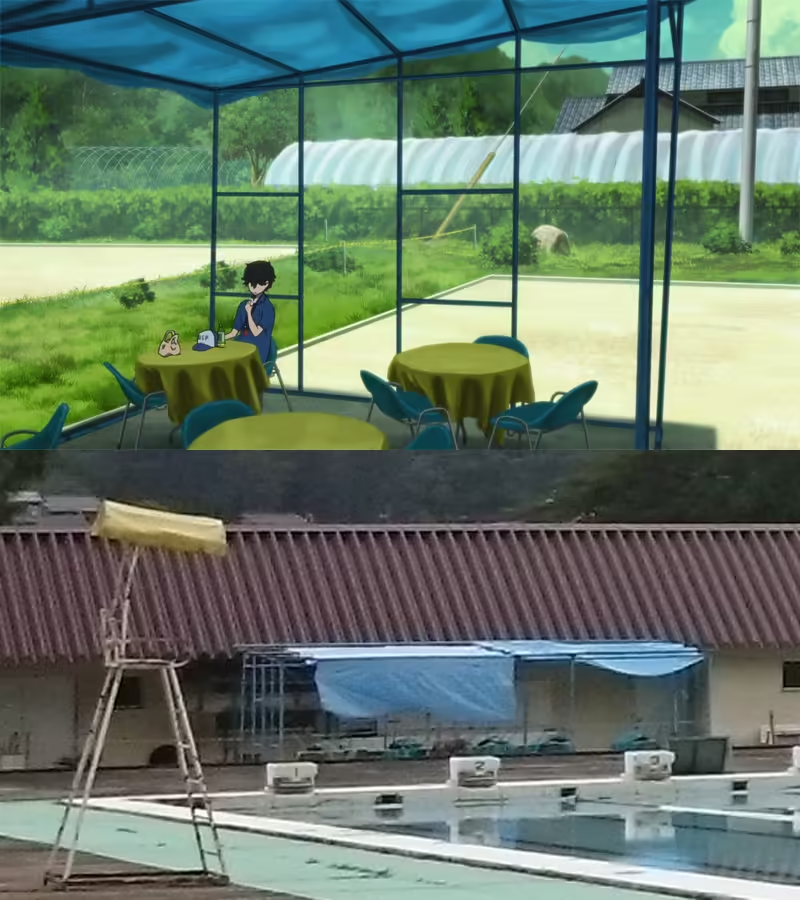
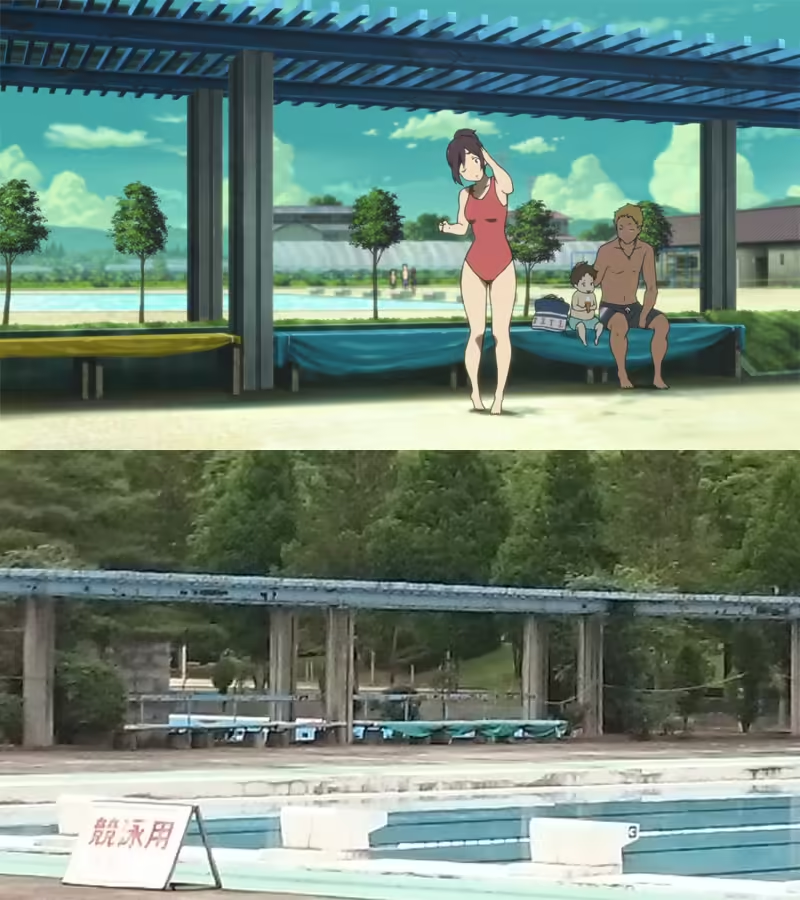
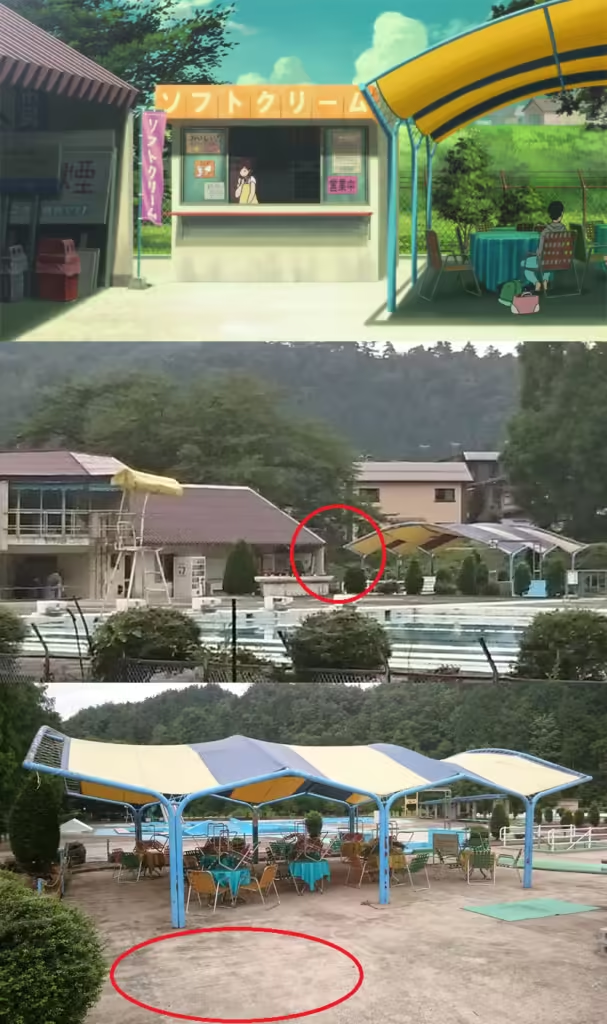
Takayama Public Swimming Pool.
Located in a quiet residential part of the city, the Takayama Public Swimming Pool is one of the more unexpected yet authentic hyouka real life locations. Unlike shrines or historic streets, this spot represents the everyday side of Takayama that Hyouka captures so well.
In the anime, places like this reinforce the idea that Kamiyama is a living town, not a postcard setting. Public facilities, shared by students and locals alike, help ground the story in routine and familiarity. Visiting the area today, the surroundings feel modest and functional, matching the understated tone seen in the series.
While the pool itself is not a tourist attraction in the traditional sense, its inclusion highlights Kyoto Animation’s attention to ordinary community spaces. For fans, it offers a glimpse into the kind of real-life environment that shaped Hyouka’s calm, realistic atmosphere.
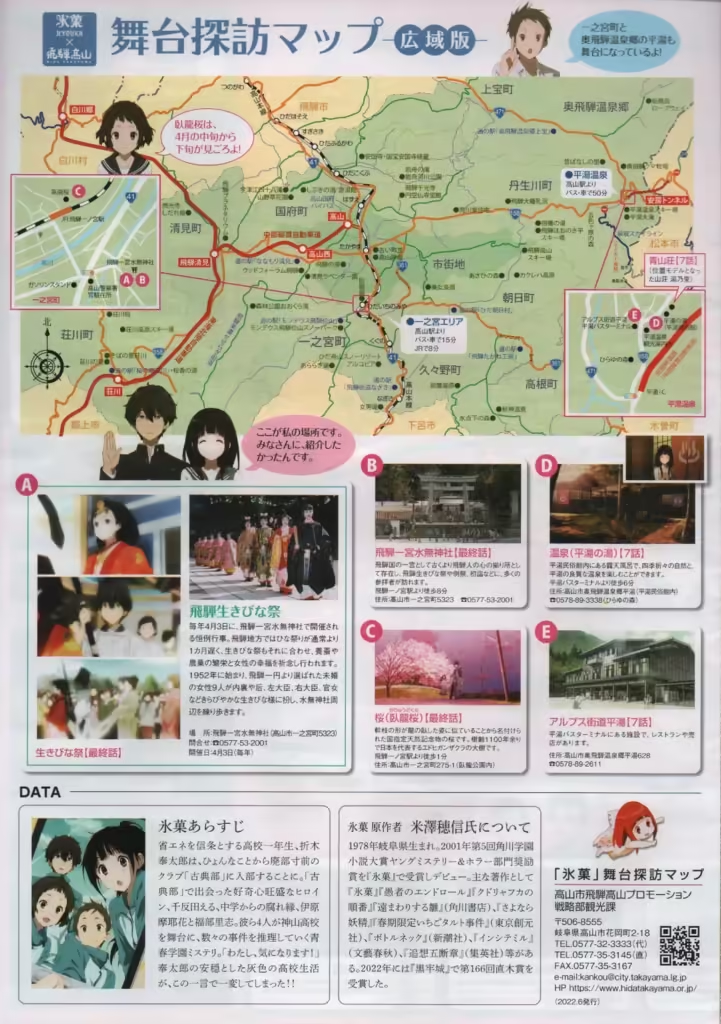
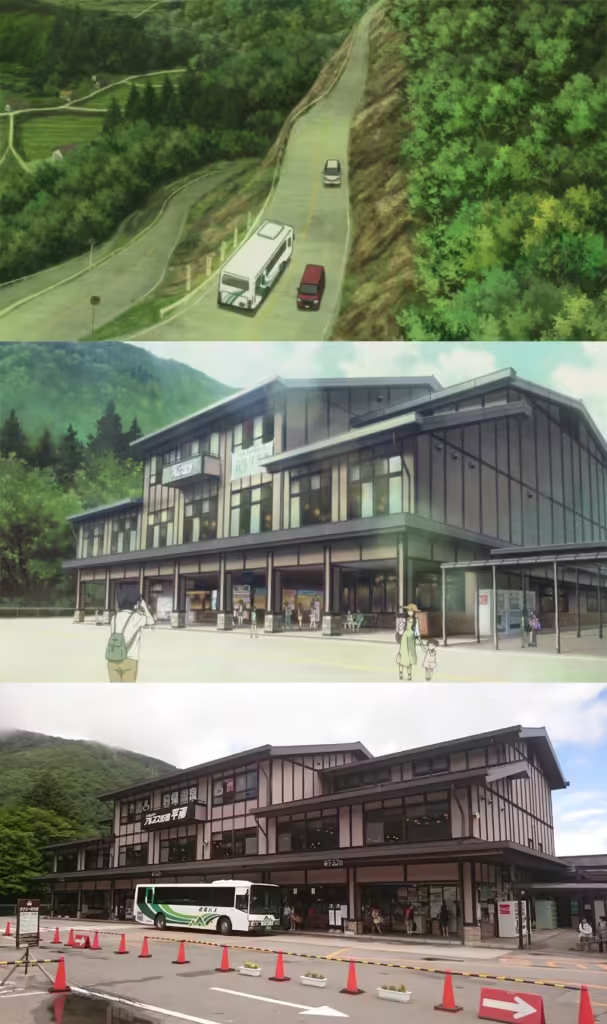
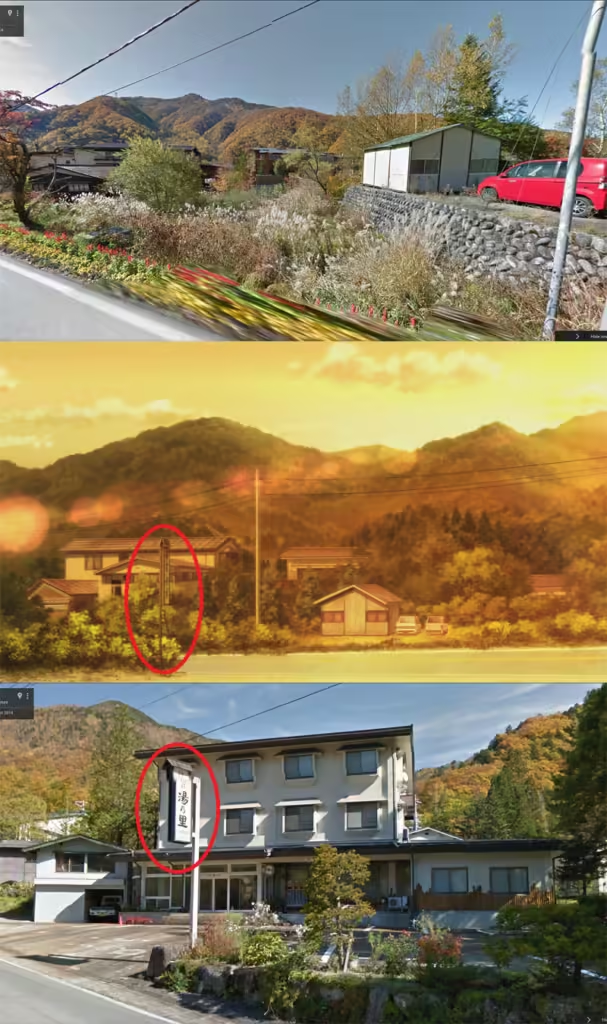
Hirayu Hot Springs
Featured during the school trip arc in Episode 7, Hirayu Onsen stands out among hyouka real life locations for its contrast with the series’ usual urban routine. Located in the mountainous Hida region, Hirayu Onsen is known for its natural hot springs, quiet streets, and seasonal scenery.
In Hyouka, this location marks a shift away from familiar daily paths toward a more reflective, temporary setting. The anime captures the slower pace and secluded feel of the onsen town without exaggeration, closely mirroring real life. Snow in winter and lush greenery in warmer months make the area feel especially atmospheric.
Today, Hirayu Onsen remains a popular destination for travelers seeking relaxation rather than spectacle. Visiting it provides insight into how Hyouka uses travel and distance to subtly change mood, while still staying grounded in real, accessible places.
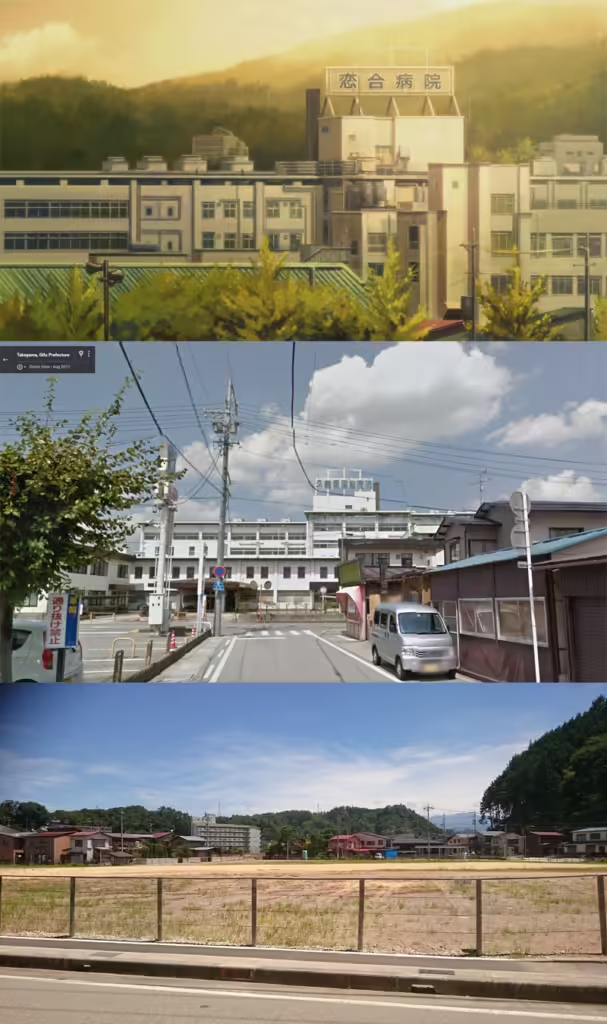
The hospital that Irisu’s family runs outside the school grounds
Can You Visit These Hyouka Real-Life Locations Today?
Yes, most hyouka real life locations can still be visited today, and that’s one of the reasons the anime continues to attract fans years after it aired. That said, visiting them requires the right expectations. These places are not designed as attractions. They are real parts of everyday life in and around Takayama.
What’s easy to visit on foot
The majority of locations featured in Hyouka are located in central Takayama and form a compact, walkable area. Streets around the Miyagawa River, Sanmachi, Honmachi-dōri, nearby bridges, cafés, shrines, the school area, and civic buildings can all be explored comfortably on foot.
A slow, unhurried walk is actually the best way to experience them. Many scenes in the anime are about movement rather than destinations, and that feeling carries over naturally when you visit in person.
Places that require short trips
Not all locations are in the city center. Some appear in specific episodes that take the characters outside their usual routines.
- Hirayu Hot Springs (Episode 7) is located in the mountains and requires a bus or car from Takayama.
- Hida Ichinomiya Minashi Shrine (Episode 22) is south of the city and is typically reached by train or local transport rather than on foot.
These places are still accessible, but they should be treated as separate stops, not part of the main walking loop.
What you should know before going
A few important points that make the experience smoother and more respectful:
- Schools are active institutions. The real-life model for Kamiyama High School is a functioning school. Exterior viewing from public streets is fine, but entering the grounds without permission is not appropriate.
- Shrines are places of worship. Locations like Hie Shrine and Ipponsugi-Hakusan Shrine are open to visitors, but quiet behavior and basic etiquette are expected.
- Cafés and shops change over time. Some interiors may no longer match the anime exactly, and business names can change. What usually remains recognizable is the surrounding street and exterior positioning.
- Residential streets are not exhibits. Many scenes take place in ordinary neighborhoods. Treat them as you would your own.
Best time to visit
Early morning or late afternoon works best. These times reflect the lighting and calm atmosphere often seen in Hyouka, and they’re also when the streets are least crowded. Seasonal changes matter too. Spring and autumn tend to feel closest to the anime’s visual tone, but the locations themselves remain recognizable year-round.
An honest expectation
If you’re looking for signs, plaques, or officially marked anime spots, you may be disappointed. If you’re looking to walk through a town that quietly inspired a story, you’ll likely find the experience more rewarding than expected.
That balance of accessibility without commercialization is exactly why Hyouka still feels real.
How Kyoto Animation Turned Real Places into Kamiyama
One reason people keep searching for hyouka real life locations is that the anime never feels staged. That realism is not accidental. Kyoto Animation did not simply trace real places and drop characters into them. Instead, the studio observed how towns like Takayama actually function and rebuilt that experience into the fictional setting of Kamiyama.
Rather than focusing on famous landmarks, Hyouka is built from ordinary spaces. Streets repeat across episodes. Bridges reappear from different angles. Characters take the same routes day after day. This approach makes the town feel lived in, not designed for the viewer’s attention.
Real layouts, simplified details
Many Hyouka anime locations in Japan are immediately recognizable because their proportions are preserved. Road width, distance between buildings, elevation changes, and river placement all closely match their real-world counterparts. What changes are the details that would distract from storytelling.
Signage is simplified. Modern clutter is reduced. Background elements are rearranged when needed. These adjustments allow scenes to remain visually calm while still being grounded in real geography. When you visit these places in person, the sense of familiarity comes from structure rather than decoration.
Repetition instead of spectacle
Unlike anime that rely on dramatic settings, Hyouka builds realism through repetition. The same sidewalk, the same bridge, or the same corner appears multiple times across the series. This mirrors how people experience real towns, where meaning comes from passing through the same spaces again and again.
This is why Hyouka real locations feel authentic even when they are not exact replicas. Kyoto Animation prioritized continuity over accuracy, allowing the fictional Kamiyama to function like a real place rather than a collection of scenes.
Everyday life as worldbuilding
Another reason Hyouka stands out is its focus on spaces that usually go unnoticed. Public facilities, school routes, neighborhood streets, and quiet cafés all appear without explanation. These choices ground the story in routine and make the mysteries feel smaller and more personal.
For viewers, this creates a subtle connection. For visitors, it explains why walking through Takayama feels familiar even without matching specific frames. The anime does not teach you what to look for. It lets recognition happen naturally.
Why this matters for visitors
Understanding how Kyoto Animation adapted real places helps set the right expectations when exploring where Hyouka is set in real life. The goal is not to recreate screenshots. It’s to notice how real environments shaped the pacing, tone, and emotional weight of the story.
That restraint is why Hyouka continues to age well. The real-life inspiration hasn’t been frozen in time, and neither has the anime’s setting.
Why Hyouka’s Setting Feels Timeless
One reason people continue searching for hyouka real life locations long after the anime aired is that the setting never feels tied to a specific moment in time. While technology, fashion, and trends change, the places that inspired Kamiyama remain largely the same. That stability is not accidental, and it plays a major role in why Hyouka continues to resonate.
Ordinary places age better than landmarks
Hyouka avoids iconic cityscapes or modern attractions. Instead, it focuses on everyday environments: quiet streets, river crossings, school routes, neighborhood cafés, and local shrines. These are spaces designed for use, not spectacle.
Because of that, many Hyouka real locations have not visually “expired.” A sidewalk where characters walk and talk does not become outdated the way a flashy building might. The same applies to bridges, residential streets, and public facilities. When viewers return to the anime years later, the setting still feels believable.
A slow pace that mirrors real life
Another reason the setting feels timeless is pacing. Hyouka moves at the speed of daily life. Characters walk instead of rushing. Conversations unfold during transitions rather than climactic moments. This rhythm reflects how people actually experience towns like Takayama.
When visiting Hyouka anime locations in Japan, this pacing becomes tangible. Walking between places takes time, and that time matters. The experience isn’t about checking locations off a list. It’s about moving through space the same way the characters do.
Familiarity through repetition
Rather than constantly introducing new environments, Hyouka returns to the same locations again and again. This repetition builds familiarity, much like real life. A bridge becomes meaningful not because something dramatic happens there, but because it is crossed often.
This is why many fans describe a sense of recognition rather than excitement when visiting where Hyouka is set in real life. The feeling comes from knowing the place, not discovering it.
A setting that doesn’t demand nostalgia
Unlike stories that rely heavily on a specific era, Hyouka doesn’t ask viewers to look back longingly. Its setting is grounded in routines that still exist. Schools still operate. Shrines are still visited. Streets are still walked.
That continuity allows new viewers to connect with the anime just as easily as longtime fans. The real-life inspiration hasn’t been frozen in the past, and neither has the story.
Why this matters for visitors and readers
For travelers, this means expectations stay realistic. Visiting hyouka real life locations is not about reliving a moment that’s gone. It’s about stepping into places that continue to function as they always have.
For readers, it explains why Hyouka remains relevant. The setting supports the story quietly, without calling attention to itself. That restraint is what allows both the anime and its real-world inspiration to endure.
Walking Through a Living Anime Town
What makes hyouka real life locations so compelling is not how closely they match individual frames, but how naturally they still exist. Streets are still walked. Bridges are still crossed. Schools, shrines, cafés, and public spaces continue to serve the same quiet roles they always have.
That continuity is exactly what Hyouka captured. Instead of building its world around spectacle, the anime observed how a real town functions and let meaning emerge from routine. Visiting where Hyouka is set in real life does not feel like stepping into a preserved scene. It feels like entering a place that never needed to perform in the first place.
For some readers, this guide may become a travel reference. For others, it may simply change how they see the anime on a rewatch. Both are valid. The strength of Hyouka lies in how easily it connects fiction and reality without forcing either one.
As more people search for Hyouka anime locations in Japan, articles that respect geography, daily life, and honest expectations will continue to matter. These places don’t need promotion to stay relevant. They only need to be walked, noticed, and understood.
If you’re interested in discovering how other anime quietly borrow from real towns and everyday spaces, this is just the beginning.
- The Ultimate Guide to the Real life Locations of Jojo Bizarre Adventure
- The Ultimate Guide to the Real life locations of Oshi no Ko
- The Ultimate Guide to the Real life locations of Boku dake ga Inai Machi
Some image credit goes to Hyoukaorigination, Kyoto animation, and Oveldas



Show Your Work
Whether you are a professional or an amateur, we will love to see your artwork. So don't hesitate to remove your cats from your box right away