A Silent Voice Anime Pilgrimage: Real-Life Locations Inspired by Koe no Katachi
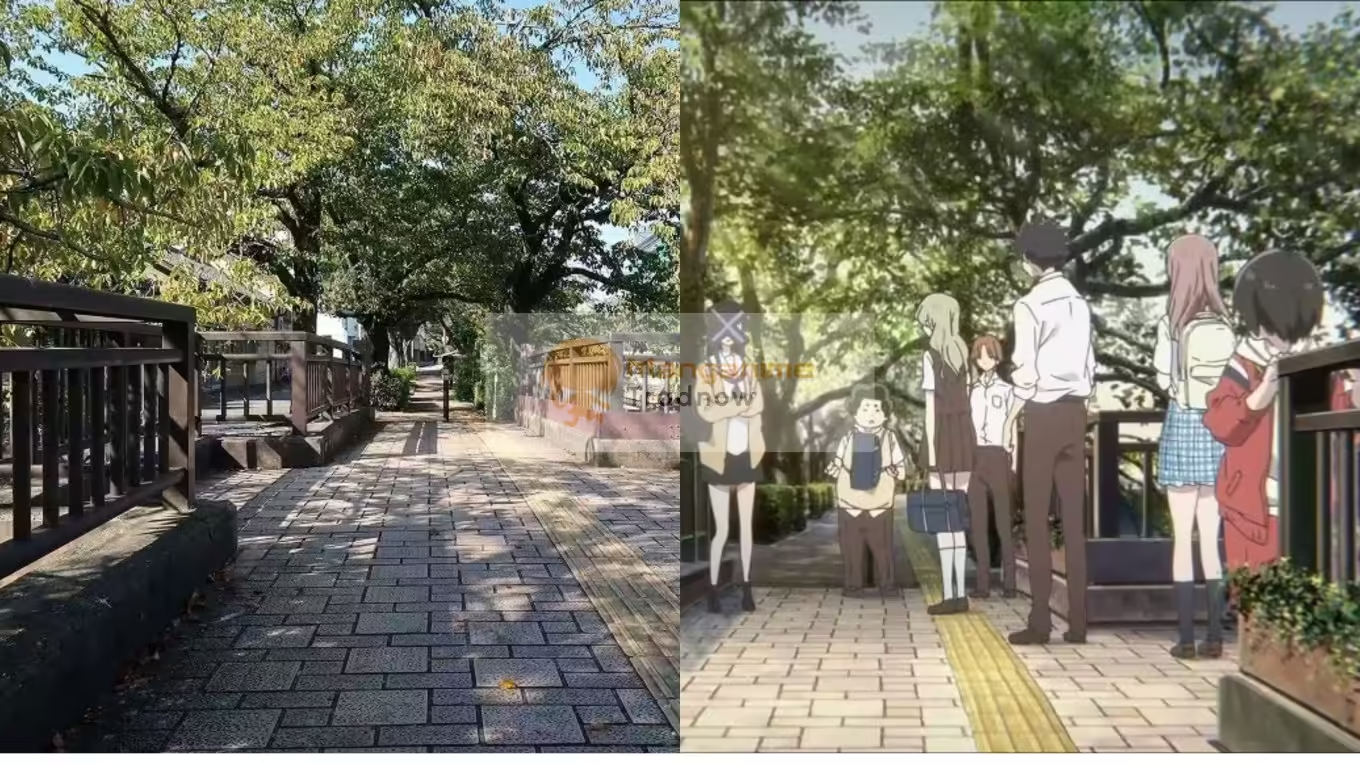
About the Film: A Silent Voice(Koe no Katachi)
If you’re here, chances are A Silent Voice stayed with you longer than most anime films. Released in 2016 and animated by Kyoto Animation, Koe no Katachi is adapted from the manga by Yoshitoki Ōima. Instead of relying on spectacle, it focuses on everyday moments and uncomfortable emotions, bullying, isolation, guilt, and the slow process of learning how to live with them.
What makes the film stand out is how grounded it feels. The story unfolds in familiar spaces: school corridors, river paths, residential streets. These places are never treated as scenery. They quietly reflect what the characters are going through, which is why the setting feels so closely tied to the story itself. That connection is also what makes the idea of visiting its real-life inspirations feel meaningful, even when those places are ordinary at first glance.
Summary of Koe no Katachi (Spoiler-Light)
At its core, Koe no Katachi follows a simple but heavy question: what happens after harm has already been done? You meet Shoya first as a child who bullies a deaf classmate, Shoko. Years later, you see him again, this time carrying the weight of that past and struggling to face the world he once hurt.
As the story moves forward, the film shifts away from blame and toward consequence. You watch characters cross paths again, not through dramatic twists, but through everyday encounters. Because of this, bridges, sidewalks, and classrooms matter. They become places where silence lingers, where apologies hesitate, and where small decisions slowly change direction.
Most importantly, the film does not rush resolution. Instead, it lets growth happen unevenly, sometimes painfully. That slow pace is exactly why the setting feels so real. The story unfolds in spaces you could walk through yourself, which is why looking for its real-life inspirations feels natural rather than forced.
Where Is Koe no Katachi(A Silent Voice) Set in Real Life?
When you start looking into the real-life setting of Koe no Katachi, one thing becomes clear quickly: the film does not rely on a single, officially labeled location. Instead, it draws its atmosphere from Ōgaki and its surrounding areas in Gifu Prefecture.
Rather than recreating exact streets or buildings scene by scene, the film blends real environments into a believable whole. You can see this in how the town feels. Residential neighborhoods stay quiet and modest. River paths stretch calmly through the city. Public spaces look functional, not cinematic. Because of that, the setting never distracts you. It supports the story without asking for attention.
At the same time, this approach explains why many locations feel familiar even if you cannot pinpoint them on a map. The film uses real places as references, then adapts them to fit emotional beats rather than geographic precision. As a result, your anime pilgrimage here becomes less about standing on a marked spot and more about recognizing the mood of a place.
So if you’re expecting a checklist of exact filming locations, this pilgrimage may surprise you. However, if you’re interested in walking through the kinds of spaces that shaped the film’s tone, Ōgaki offers a clear and meaningful starting point.
Main Real-Life Locations from Koe no Katachi
The real-life locations shown in Koe no Katachi are easy to miss if you’re not looking for them. They aren’t landmarks, and most of them don’t stand out on their own. Instead, they are ordinary streets, bridges, public buildings, and transit spaces drawn directly from real towns in Gifu Prefecture. What makes these places meaningful is not how closely they match a single frame, but how they carry the film’s quieter moments.
Locations within Ogaki
JR Ōgaki Station: Where the Walk Begins
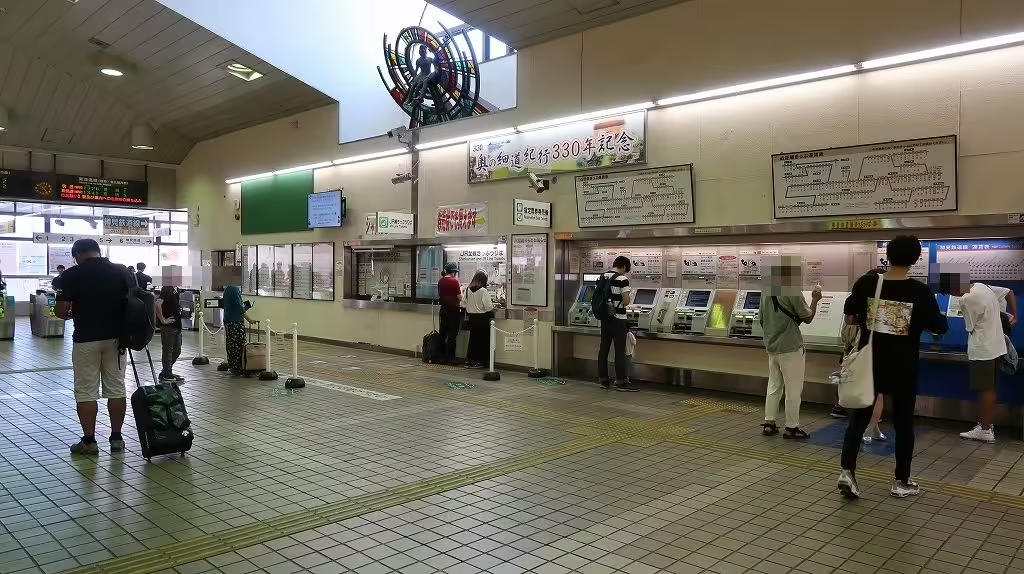
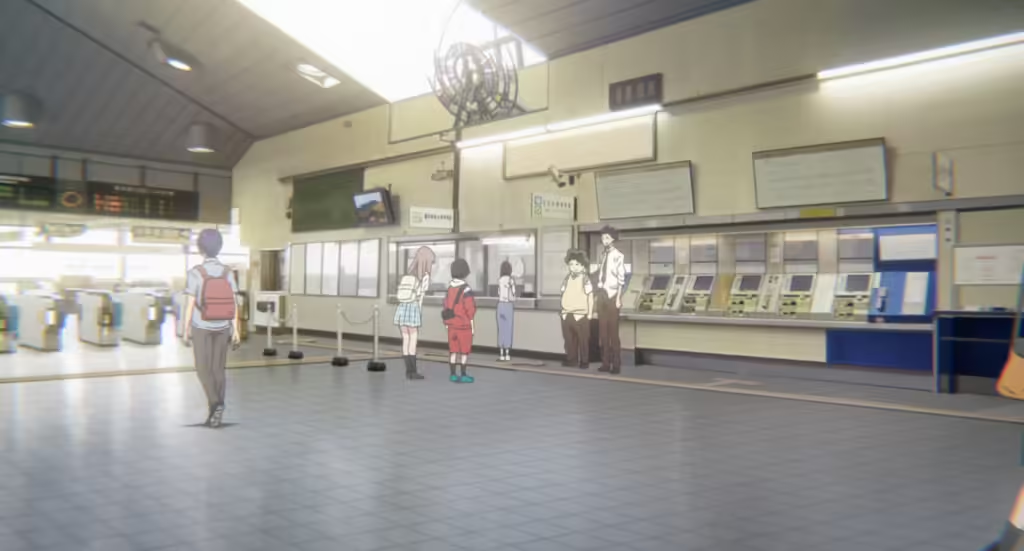
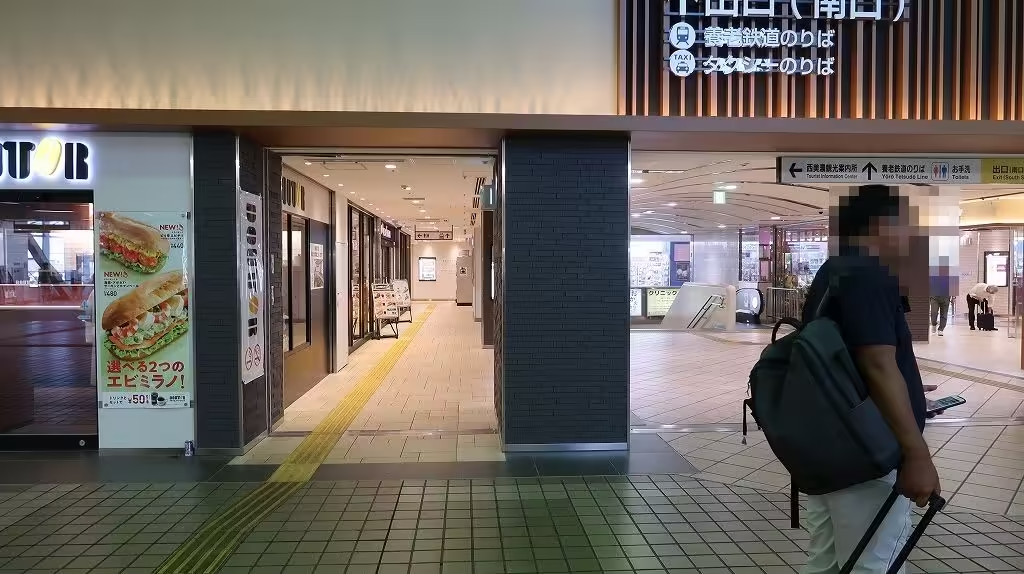
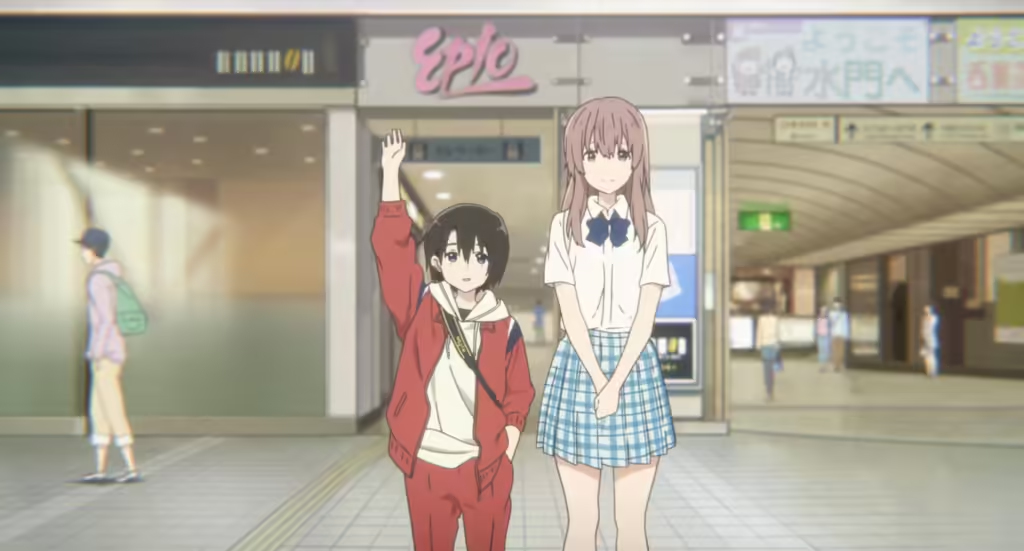
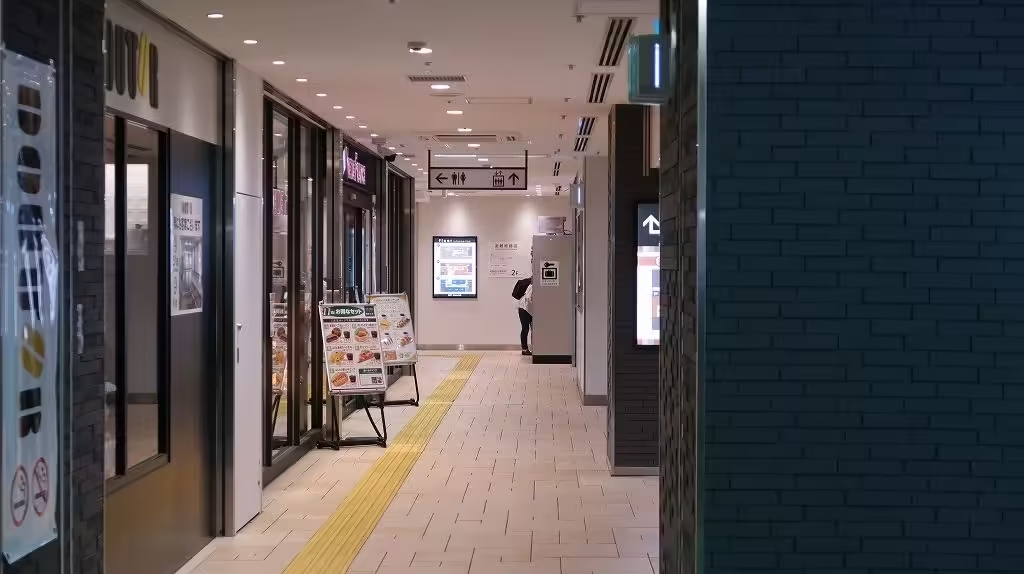



If you’re planning a Koe no Katachi anime pilgrimage inspired, JR Ōgaki Station is where the journey naturally begins. It’s the main gateway into the city and the first real anchor for many of the film’s real-life locations.
In A Silent Voice, places like this appear quietly. Characters pass through, hesitate, or walk on without speaking. The station never demands attention, yet it frames moments of movement and distance, which fits the story’s tone.
In real life, the station feels ordinary and busy. Trains arrive, people rush past, and daily routines continue uninterrupted. That contrast matters. The film often places emotionally heavy moments inside normal spaces, reminding you that personal struggles unfold in public, unnoticed.
Once you step outside, the town opens up almost immediately. From here, the Koe no Katachi anime pilgrimage doesn’t feel planned or staged. It simply starts, pulling you onto the streets the film quietly borrowed from real life.
Address: 1-130-2 Takaya-chō, Ōgaki, Gifu
Ōgaki Station Road(OKB Street)
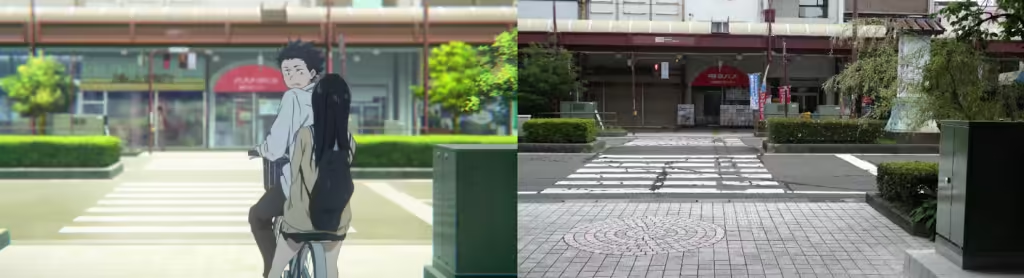
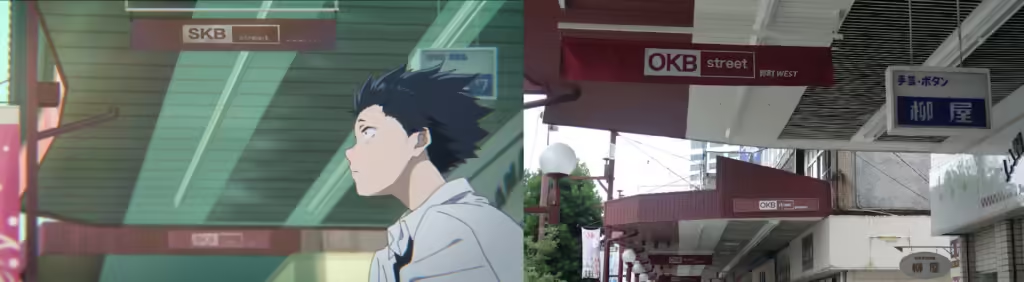
Shoko buys the small, puzzling gift for Shoya at this flower shop, which later turns out to be a set of cute decorative garden stakes.
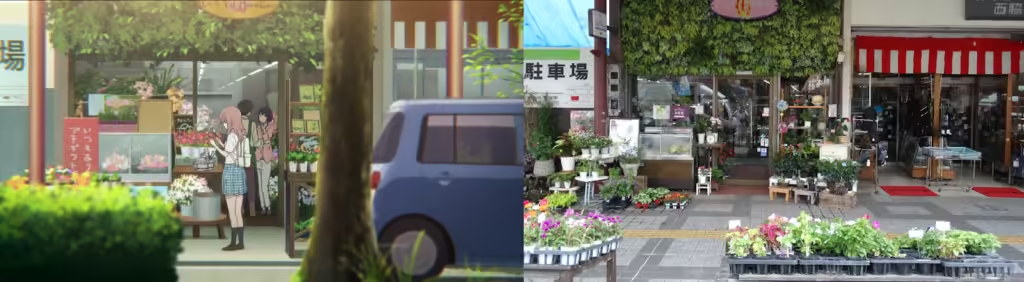
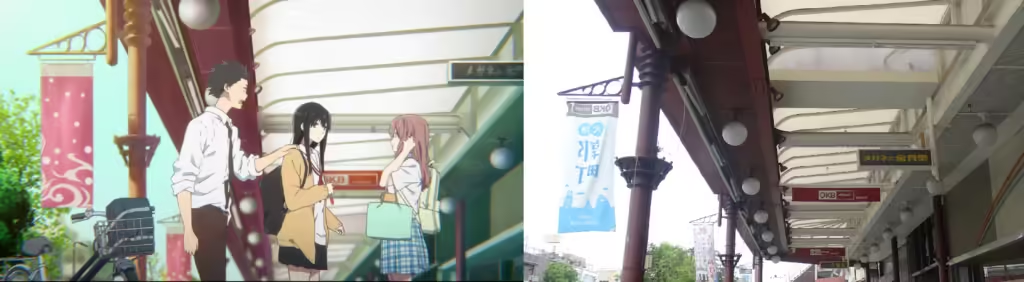
As soon as you leave JR Ōgaki Station, you’re pulled onto Ōgaki Station Road, a long, straightforward street that quietly anchors several moments in A Silent Voice. If you’re following the Koe no Katachi scenes, this stretch feels familiar almost immediately.
In the film, scenes set along streets like this focus on walking rather than talking. Characters move forward without much direction, often framed from behind, letting distance and silence do the work. The anime slightly renames the street, but the layout and atmosphere remain close to real life.
Today, the road feels subdued. Some shops are closed, others barely open, and foot traffic stays light. That stillness explains why it worked so well as a real-life location of Koe no Katachi. It’s a place where time seems to slow just enough for thoughts to catch up.
As you continue south, the street gradually opens toward water. The shift is subtle, but noticeable. Before long, the sound of traffic fades, and the river begins to take over.
Address: 1-34 Kuwaramachi, Ōgaki
Midori Bridge
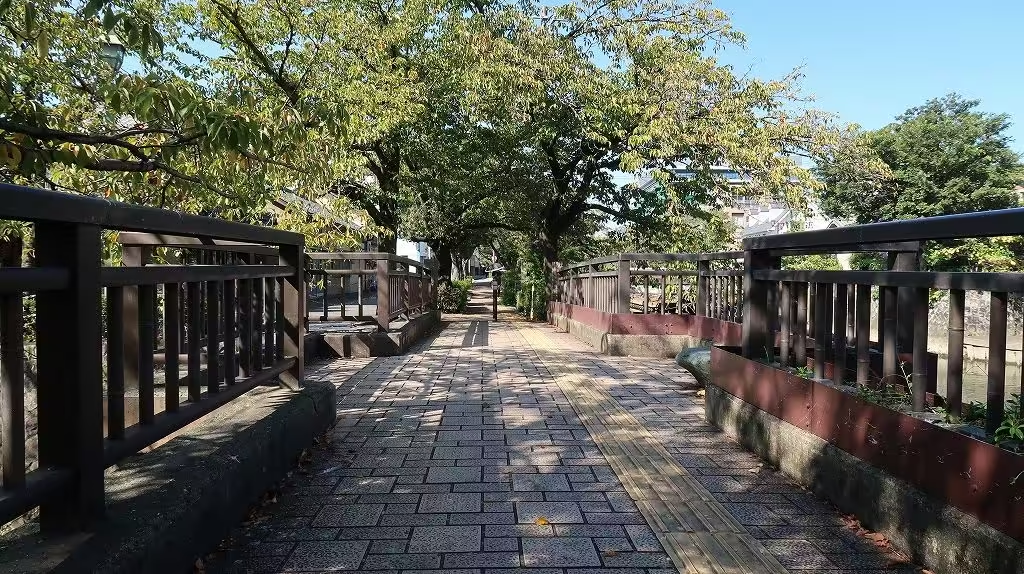
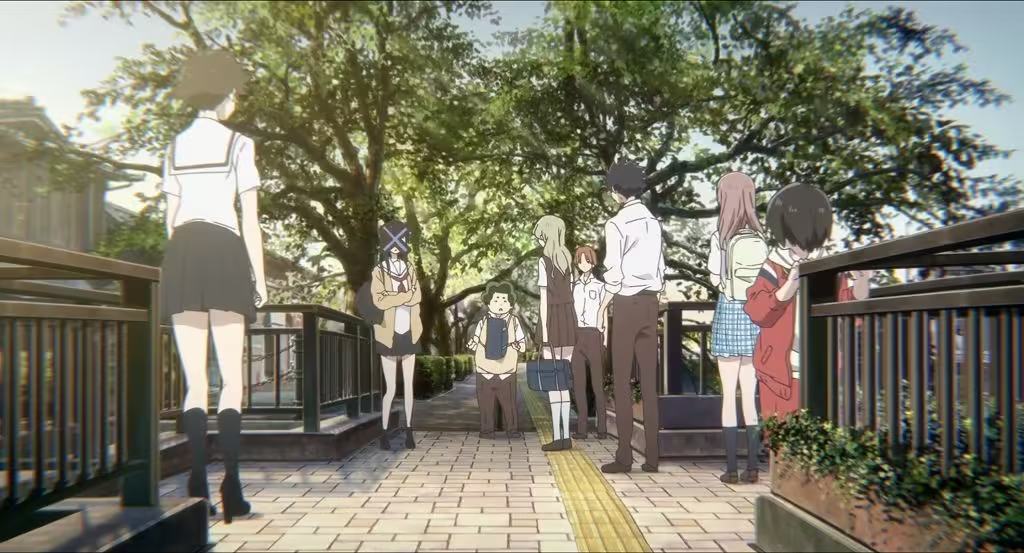
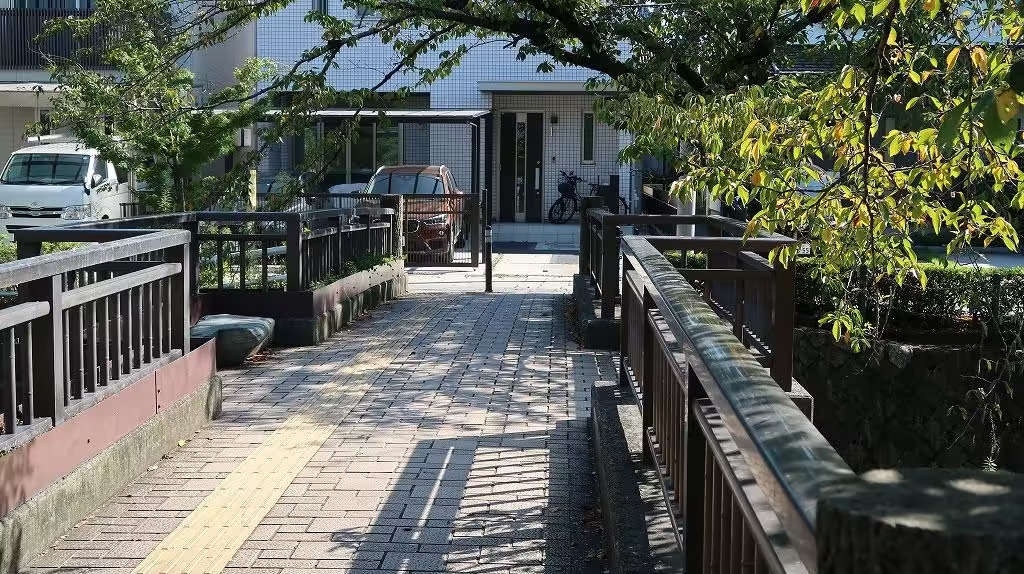
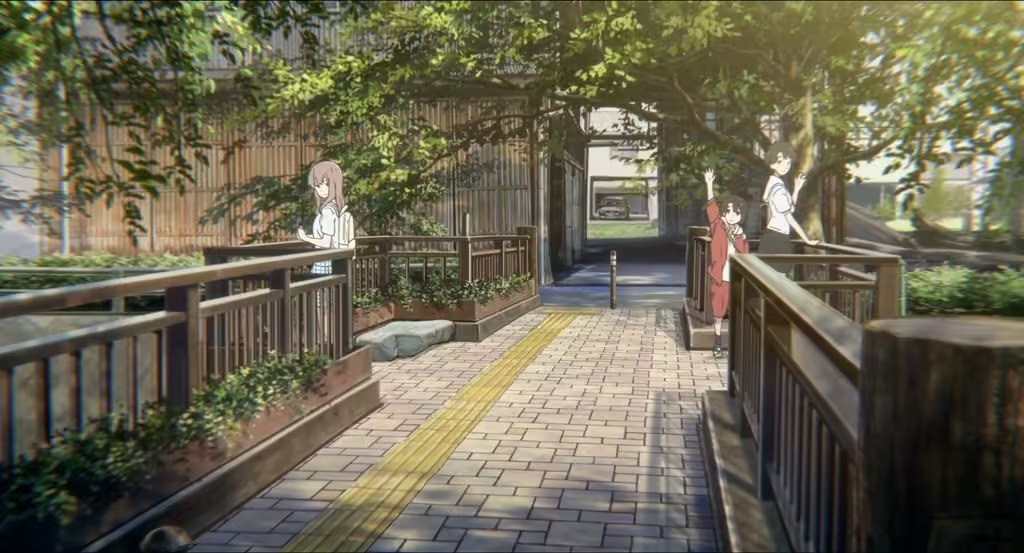
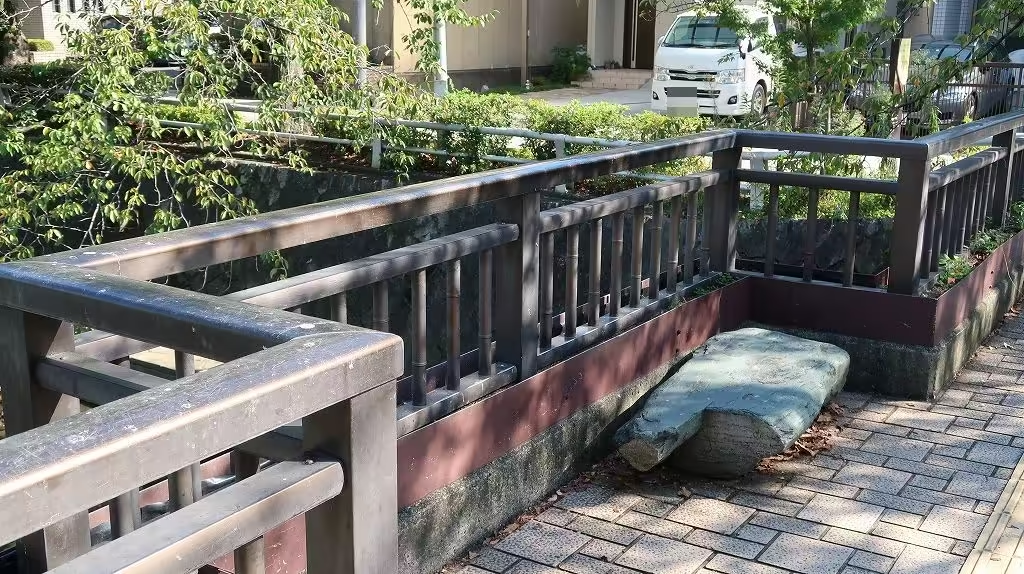
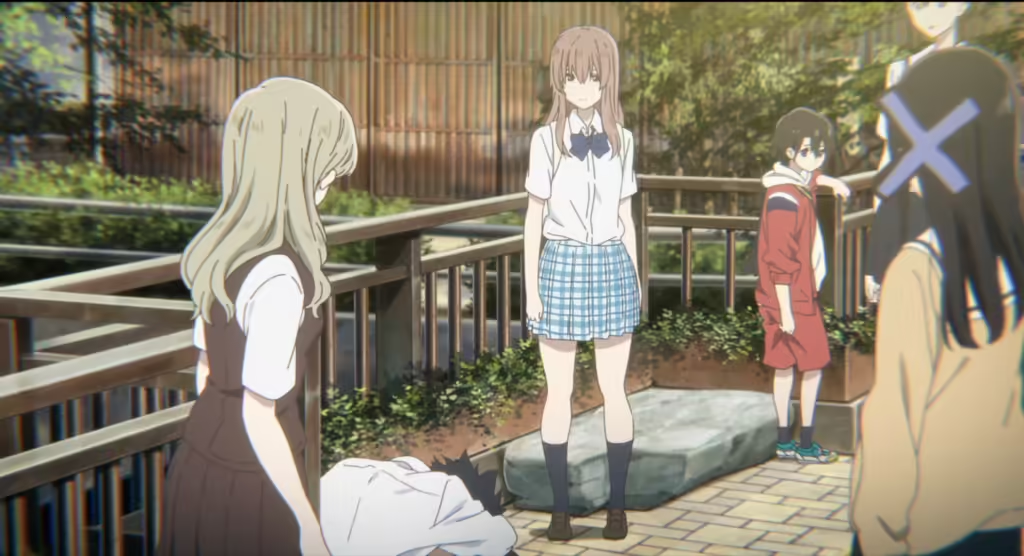
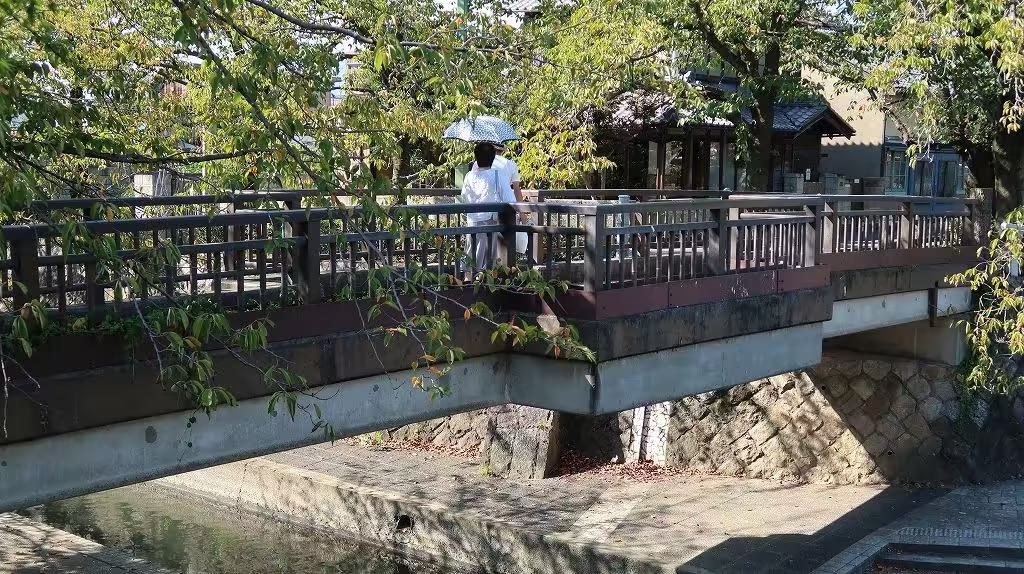
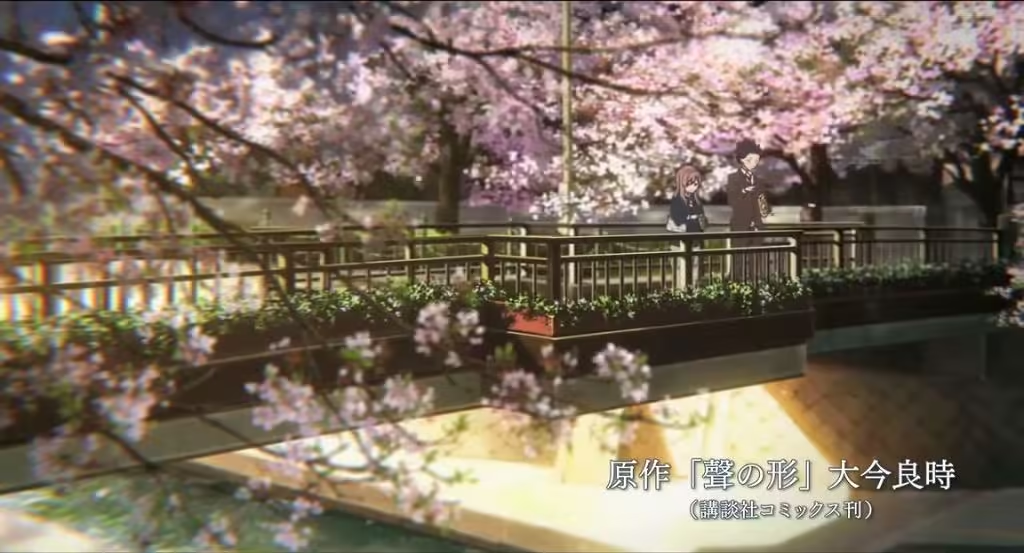
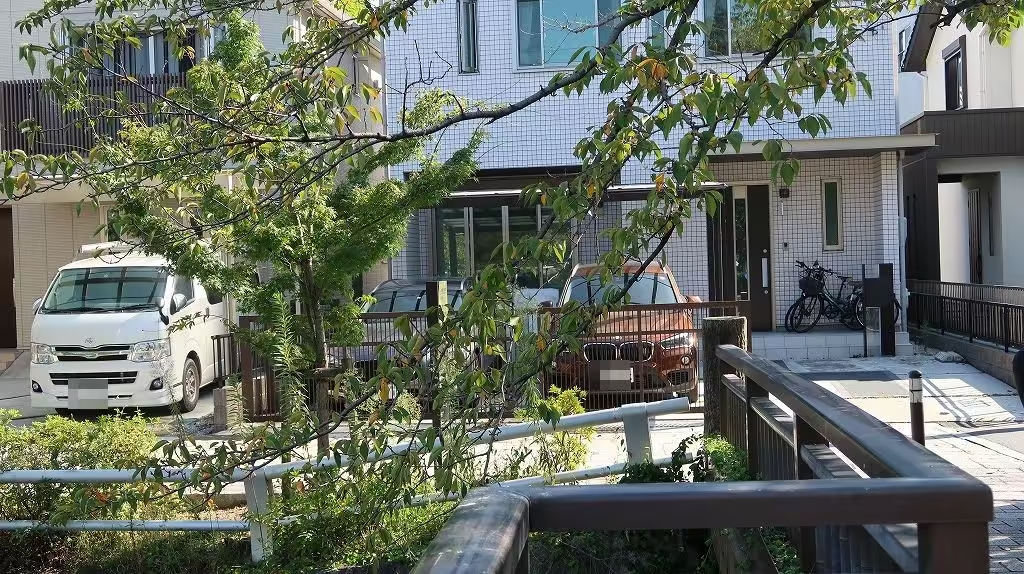

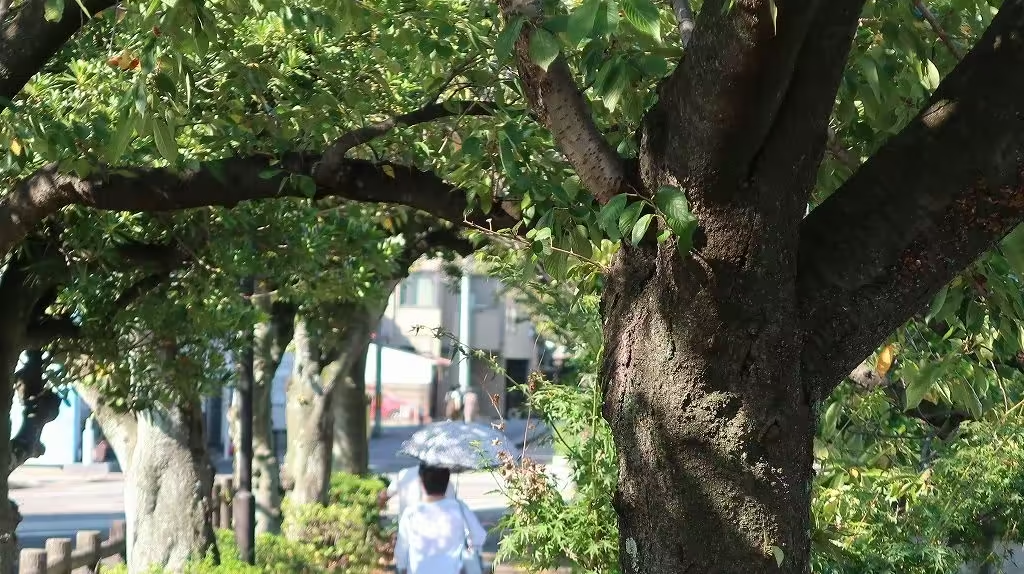

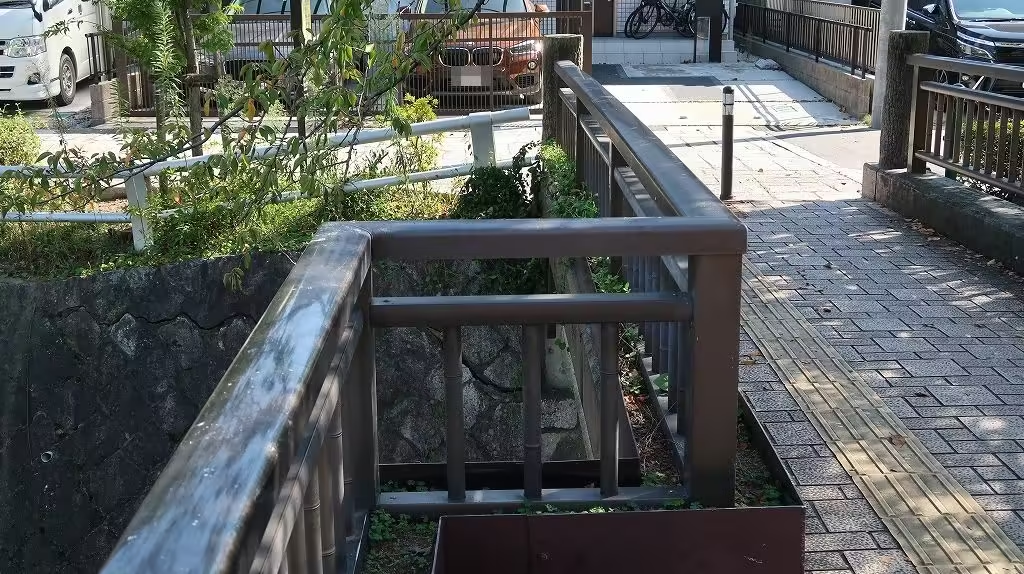

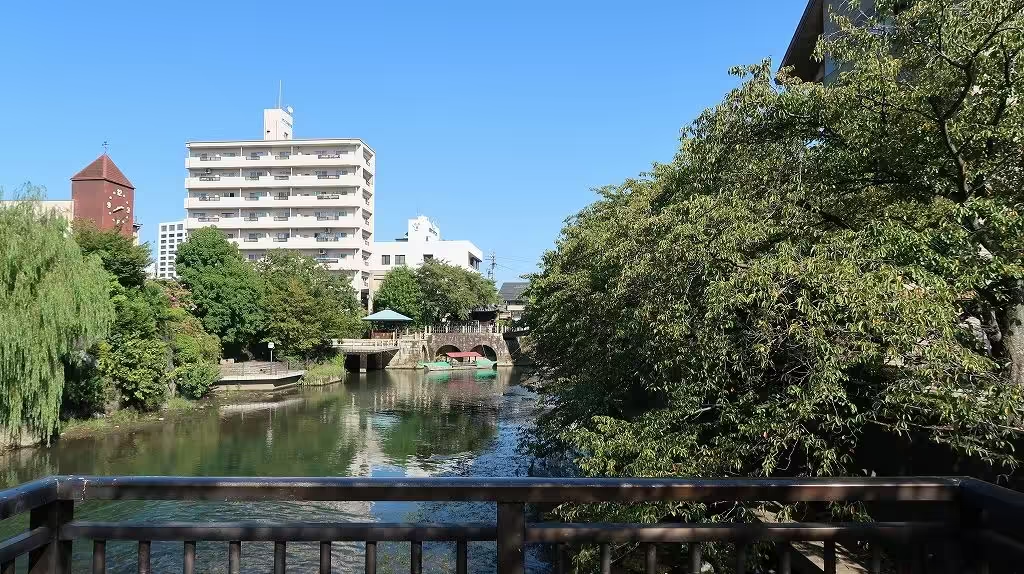

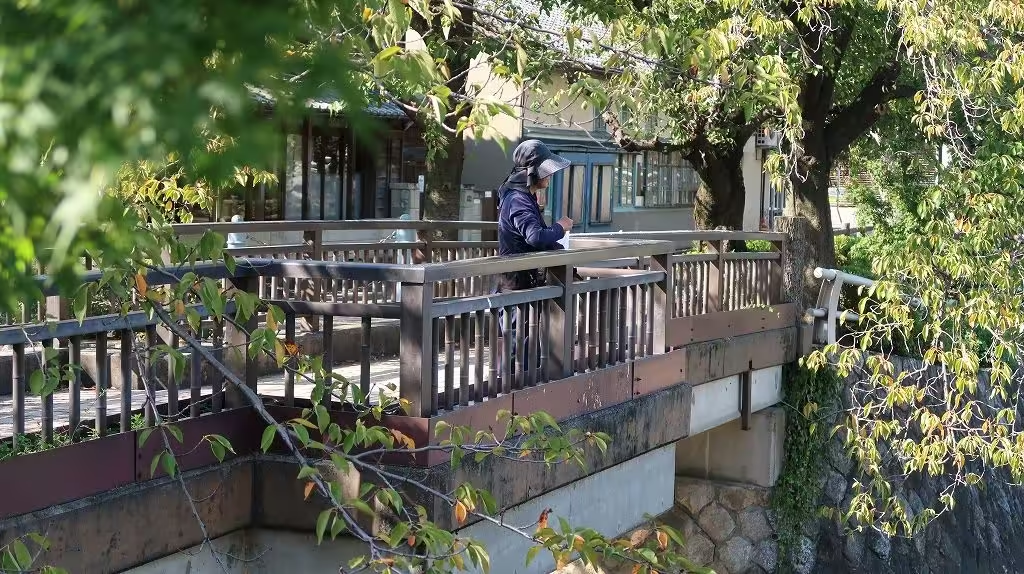
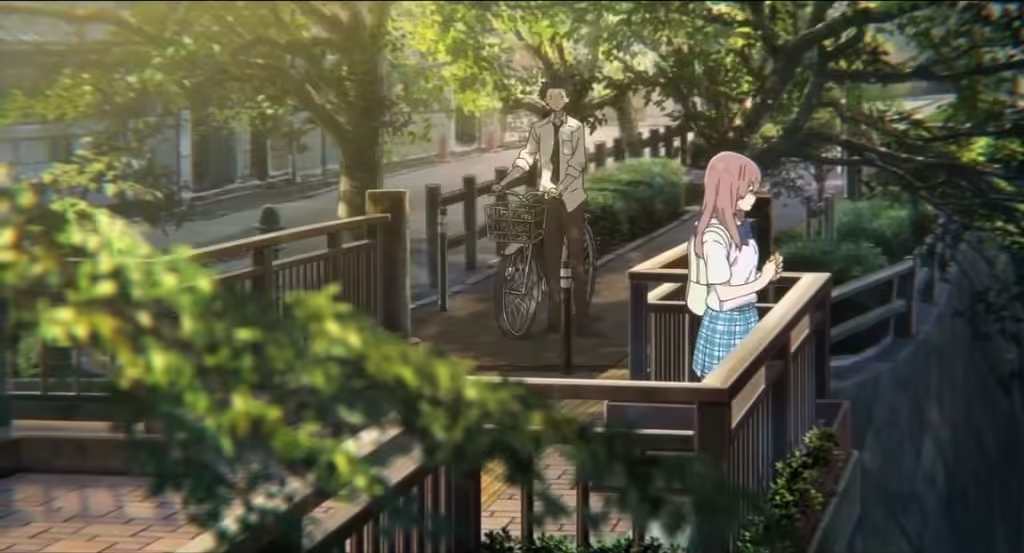
NB: In my opinion, this is the most iconic real-life locations of A Silent Voice you ought to visit.
If you’re planning an anime pilgrimage to A Silent Voice, Midori Bridge is one of those places you’re almost guaranteed to recognize. It appears repeatedly in Koe no Katachi, quietly anchoring some of the film’s most important moments.
In real life, the bridge is modest. It crosses a narrow stretch of water, with low railings and trees lining both sides. Nothing about it stands out at first glance, which makes its role in the film even more striking.
That ordinariness is exactly the point. A Silent Voice turns this everyday crossing into an emotional landmark, showing how much weight simple places can carry. Standing here, the connection between the anime and its real-life locations feels immediate, without needing explanation.
From the bridge, you don’t have to look far to continue. Just a few steps away, the river opens up, and the walk naturally slows down.
Address: 159 Baba-chō, Ōgaki
Four Seasons Plaza
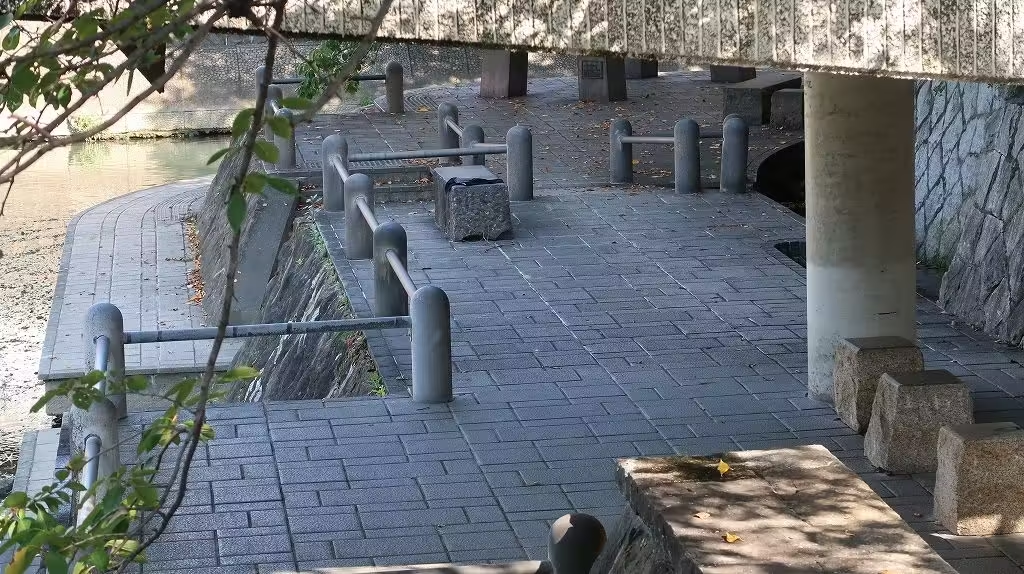
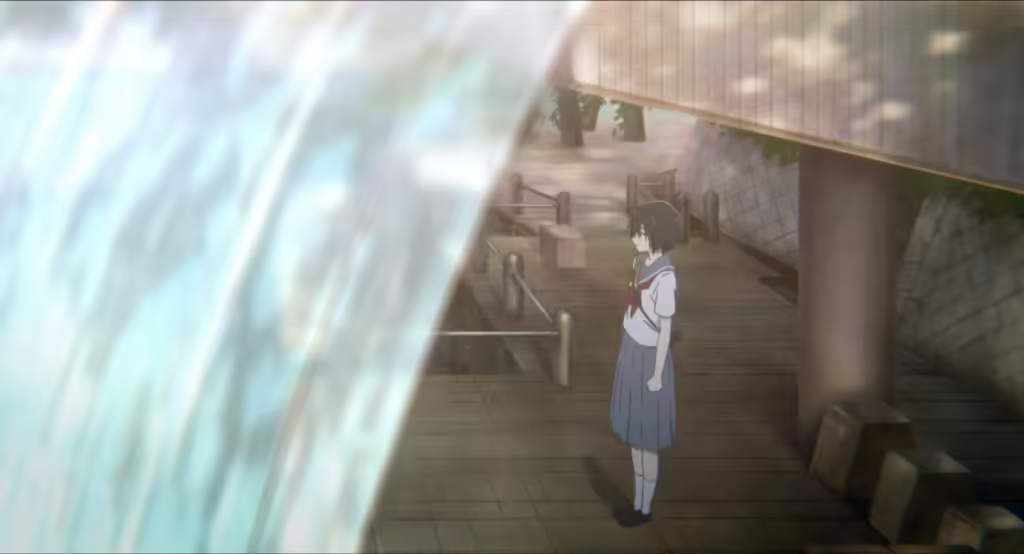
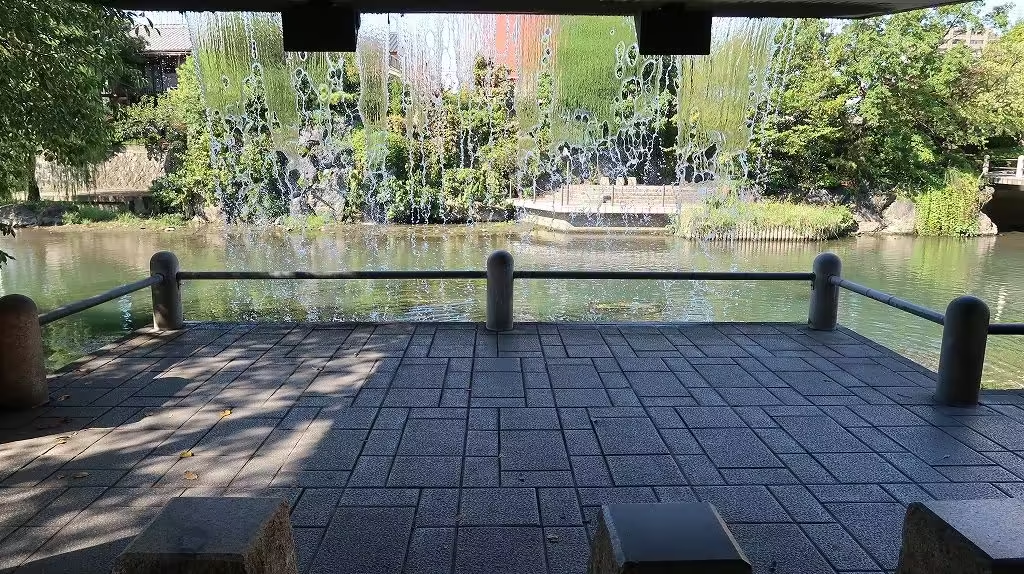
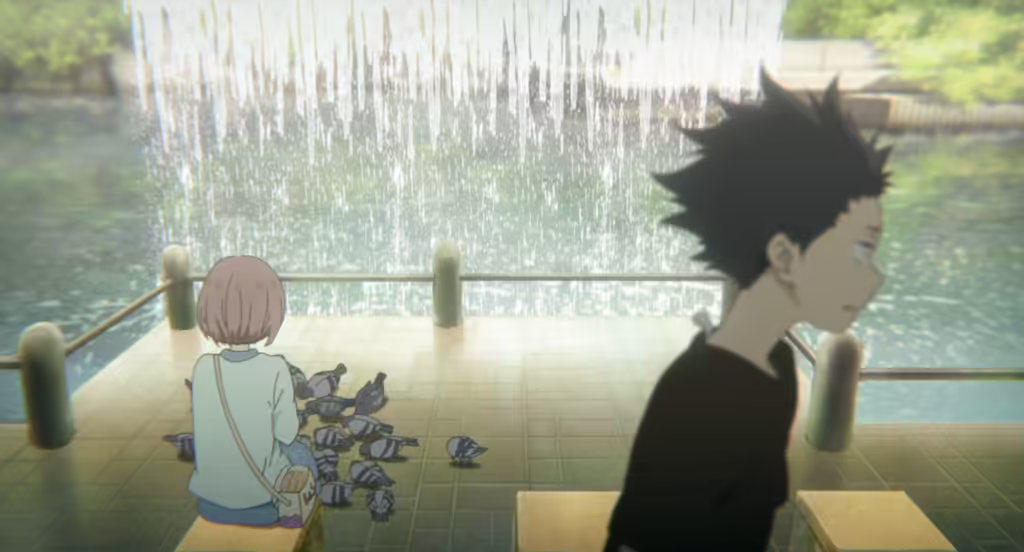
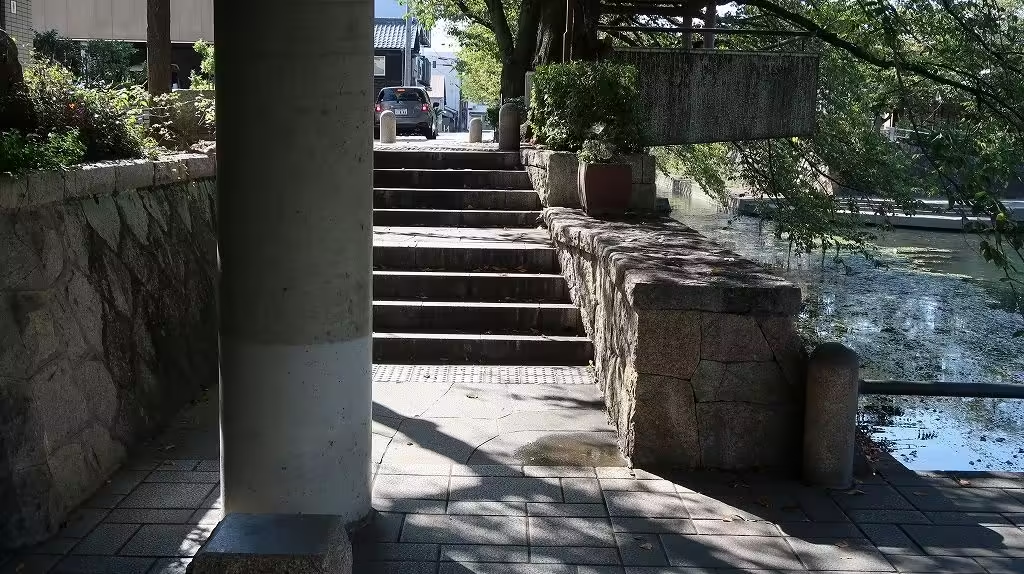
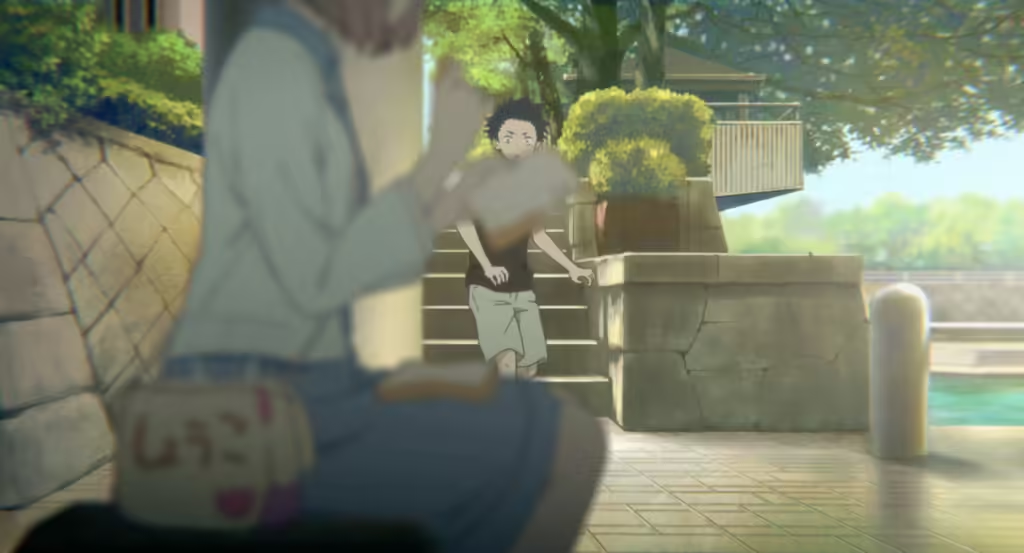
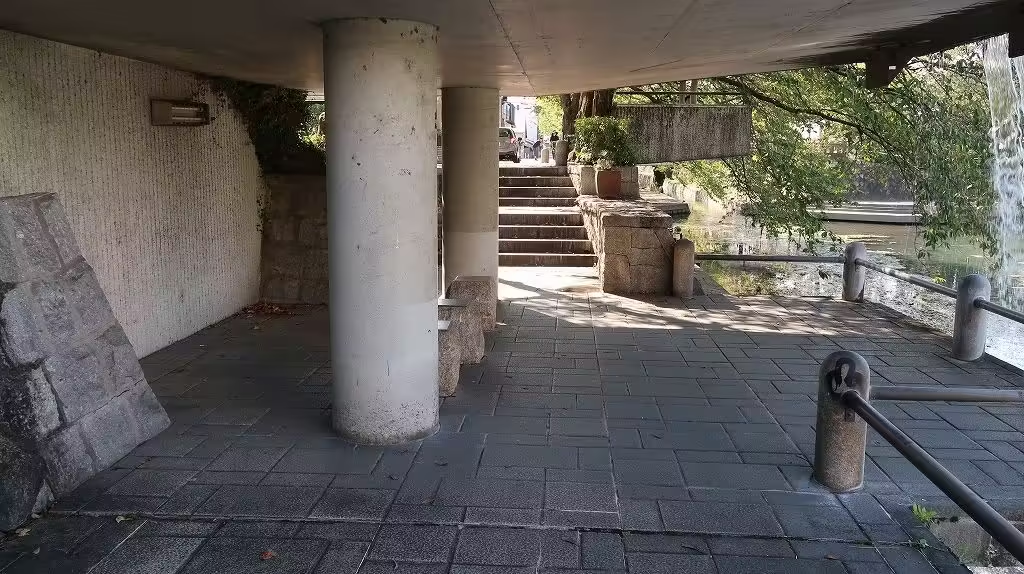
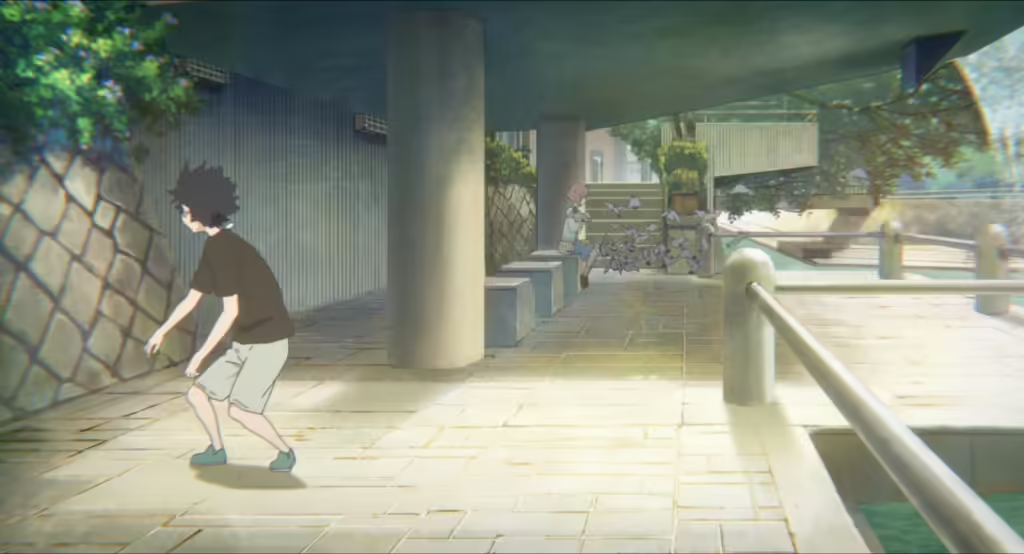
Just beyond Midori Bridge, the walk opens onto Suimon River Four Seasons Plaza. If you’re following the real-life locations from the anime, this is one of the stops that feels familiar without trying.
Several scenes in A Silent Voice unfold along the river. Characters walk beside the water, pause briefly, or stand in silence, letting the setting carry the moment instead of dialogue.
In person, the plaza feels calm and open. The river moves slowly, paths stretch along the bank, and the city quiets down without disappearing. It’s easy to slow your pace here.
Ōgaki often calls itself the “City of Water,” and standing by the river, that description makes sense. The film draws heavily on this rhythm, using peaceful spaces like this to frame some of its most emotionally difficult scenes.
Address: 159 Baba-chō, Ōgaki
Ōgaki General Welfare Hall
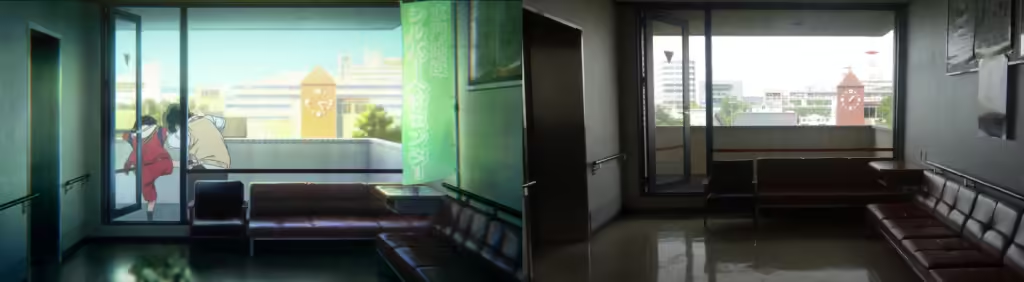
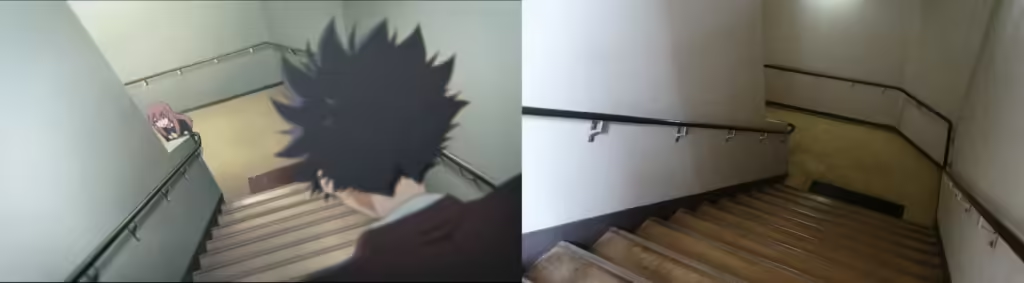

From the river, it’s only a short walk to Ōgaki General Welfare Hall, one of the most emotionally significant real-life locations from Koe no Katachi. This is where Shoya and Shoko meet again for the first time after their elementary school years.
In A Silent Voice, the scene feels tense and restrained. The building is public, neutral, almost uncomfortable in how ordinary it looks. That choice carries over to real life. The hall hosts classes, meetings, and local events, with nothing marking it as a special place.
That normalcy sharpens the moment. A deeply personal encounter unfolds in a space meant for everyday community use, which mirrors how the film often places emotional turning points in plain sight.
You can go inside if the building is open, but it’s important to be respectful. People use the space daily, and that quiet coexistence between real life and memory is part of what makes this stop meaningful on this Silent Voice anime pilgrimage.
Address: 124 Baba-chō, Ōgaki
Ōgaki Park
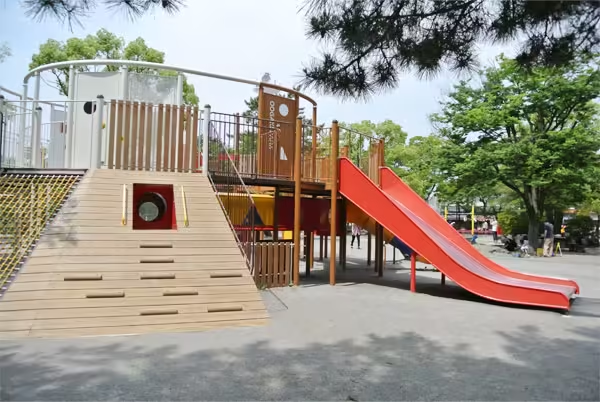
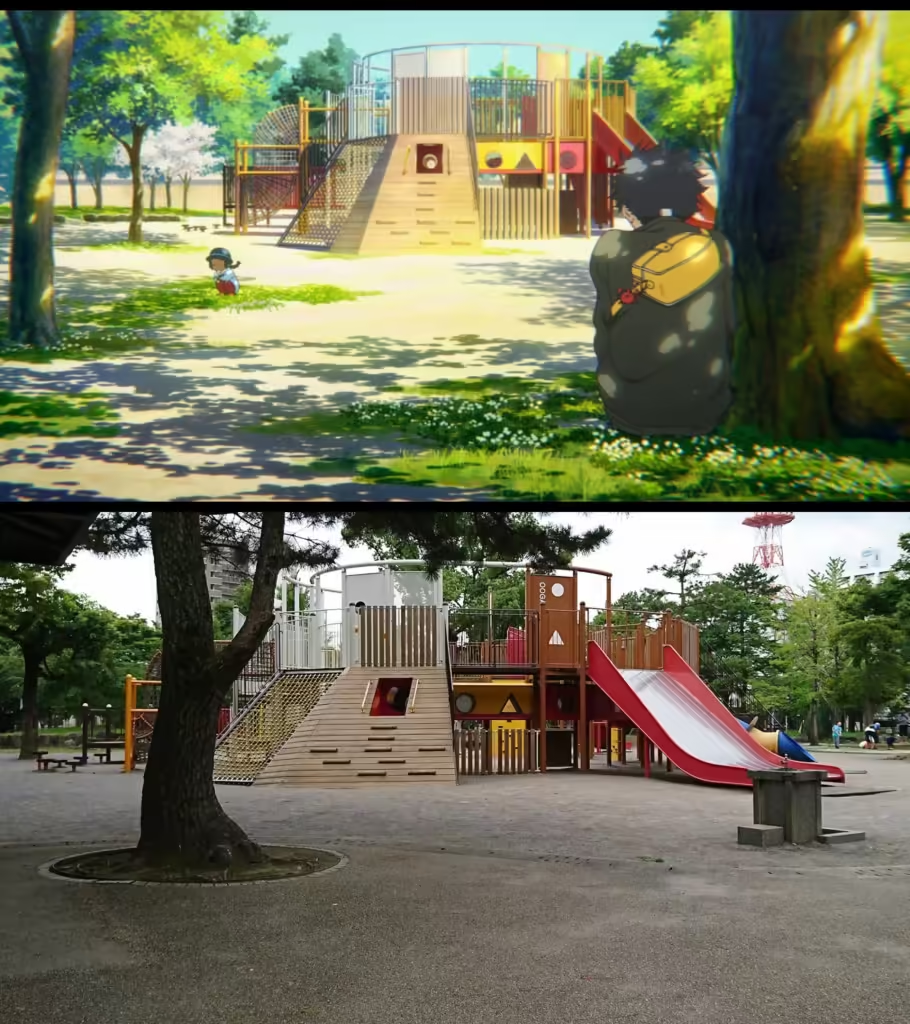
A few minutes from the welfare hall, the route opens into Ōgaki Park. As part of an anime pilgrimage of A Silent Voice, this stop feels lighter at first, but it still carries weight if you remember the scenes tied to it.
In Koe no Katachi, moments around the park mark small but important shifts. Chance encounters happen here. Conversations begin without ceremony. The setting gives characters room to exist without pressure, even if the emotions underneath remain complicated.
In real life, the park feels active but relaxed. Families pass through, children play, and the paths loop gently around open space. Ōgaki Castle stands nearby, even though it never appears in the film, grounding the area firmly in everyday city life.
That contrast works quietly. The film borrows the park’s openness without turning it into a symbol. It stays a normal place, which is exactly why it fits among the real-life locations inspired for A Silent Voice film.
When you leave the park, the walk tightens again. Streets return, and with them, the sense that ordinary life continues just a few steps away.
Address: 2-53 Kuruwamachi, Ōgaki, Gifu
Shin-Ōhashi Bridge
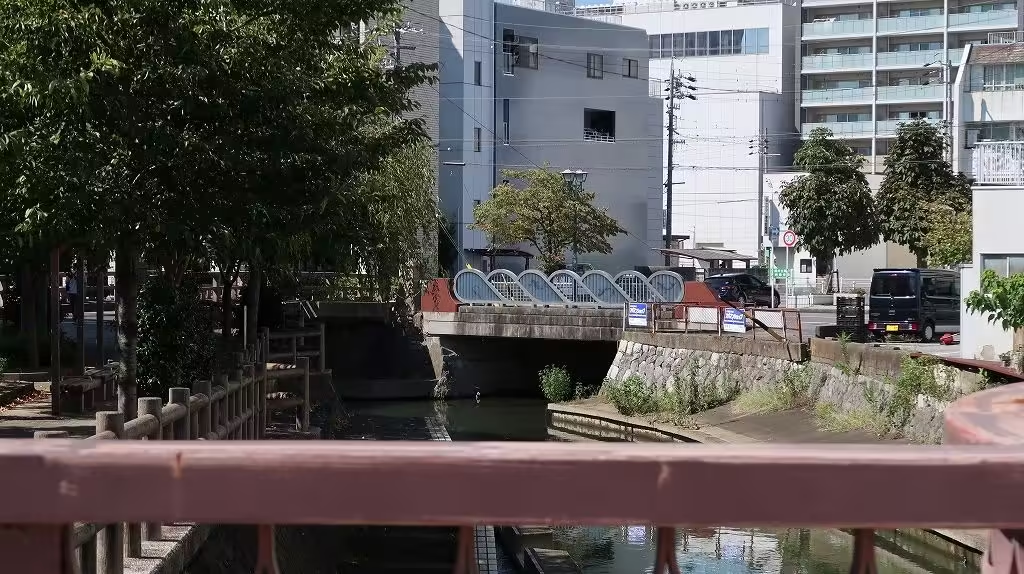
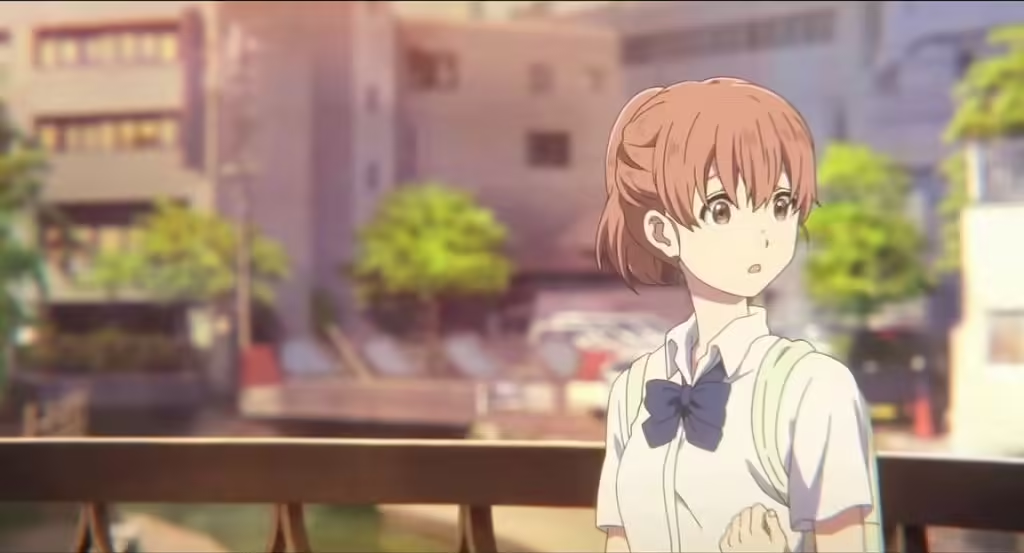
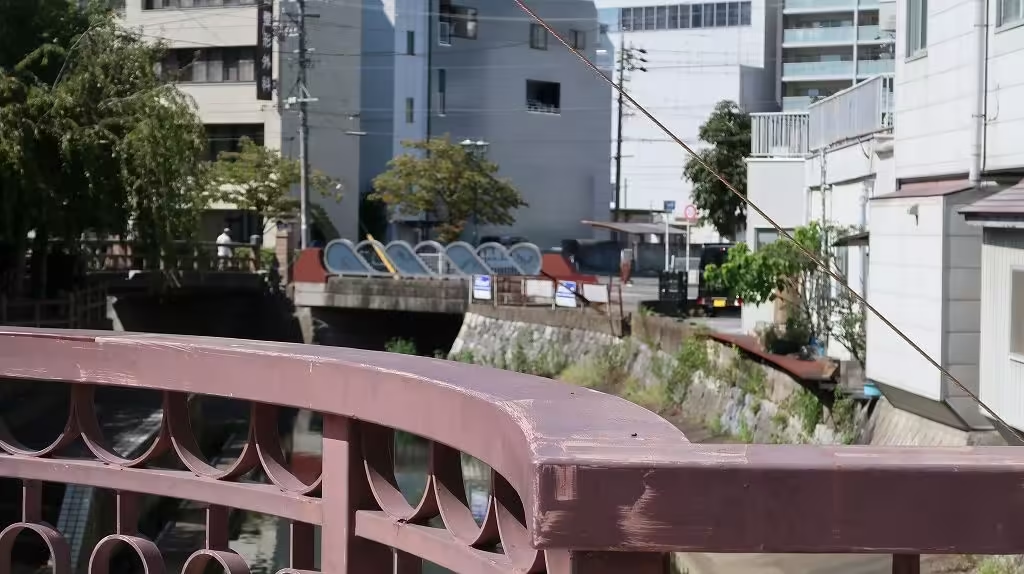

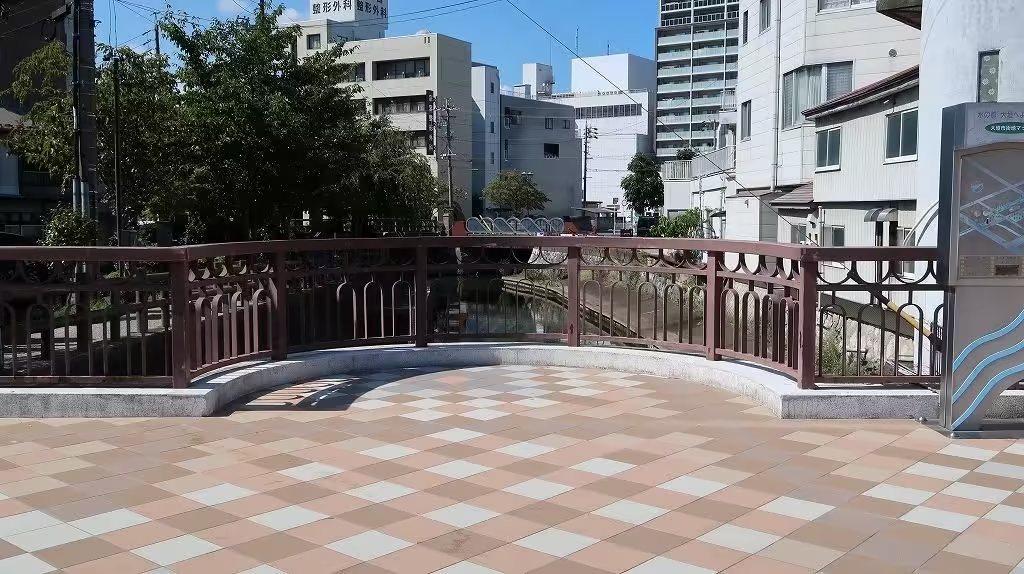
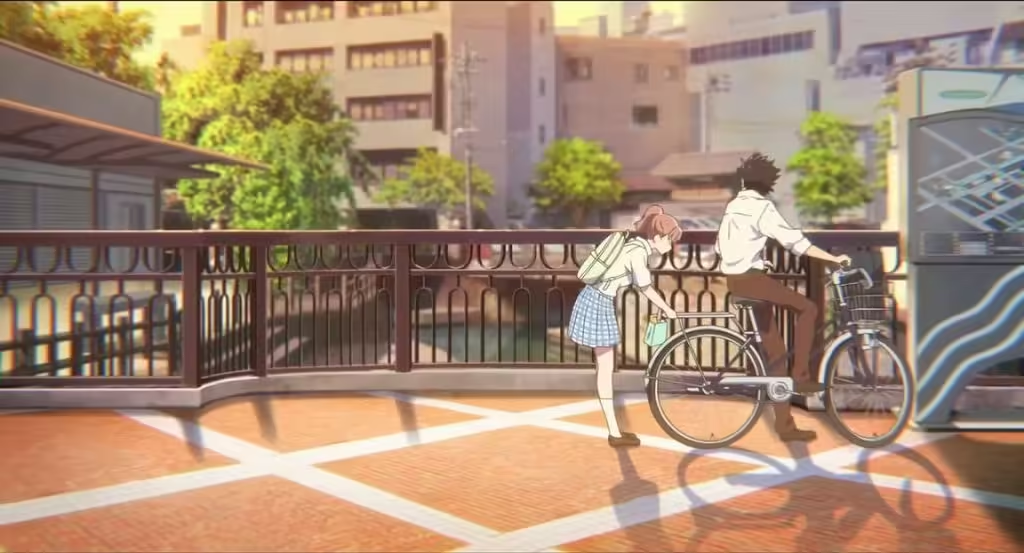
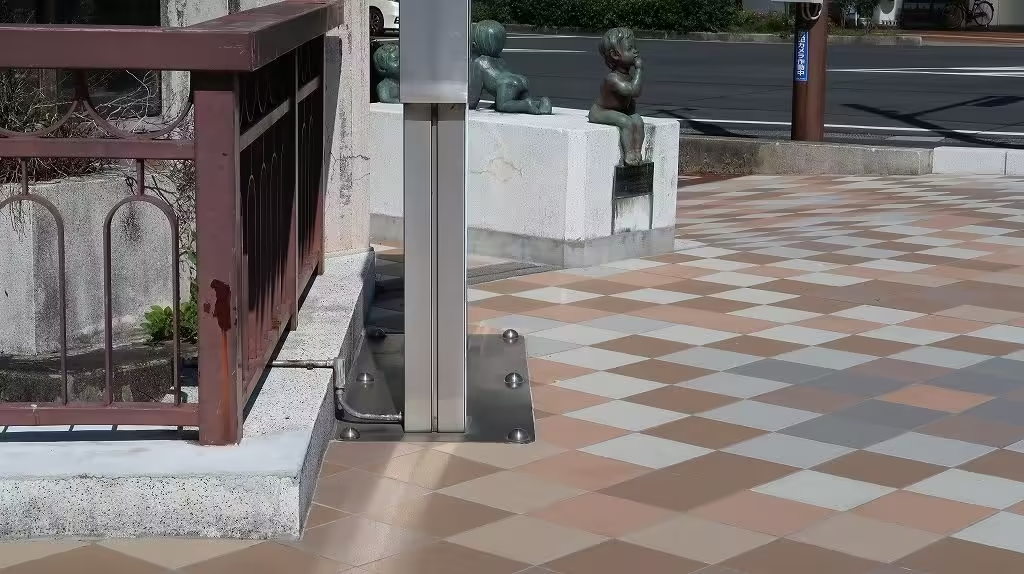

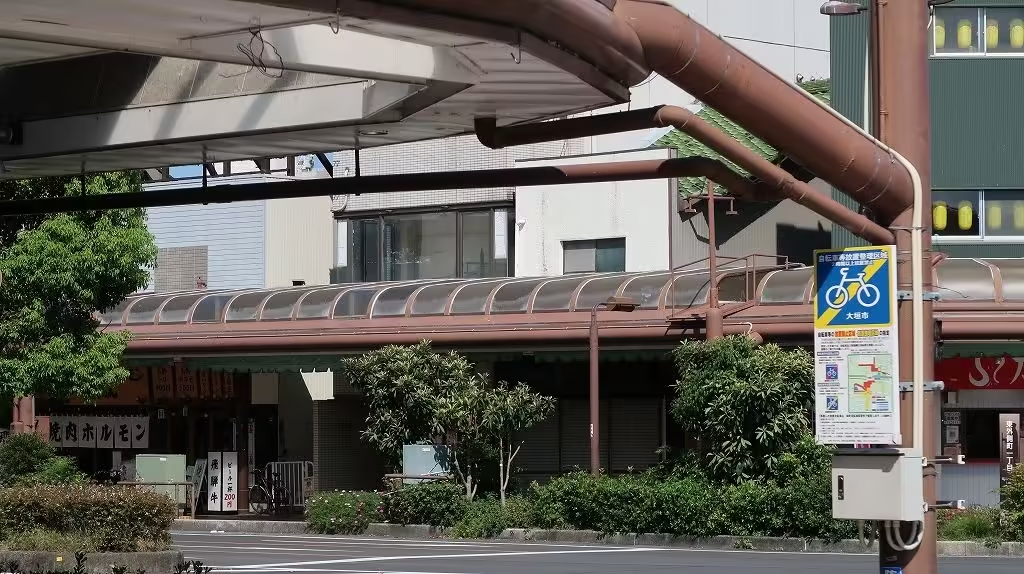

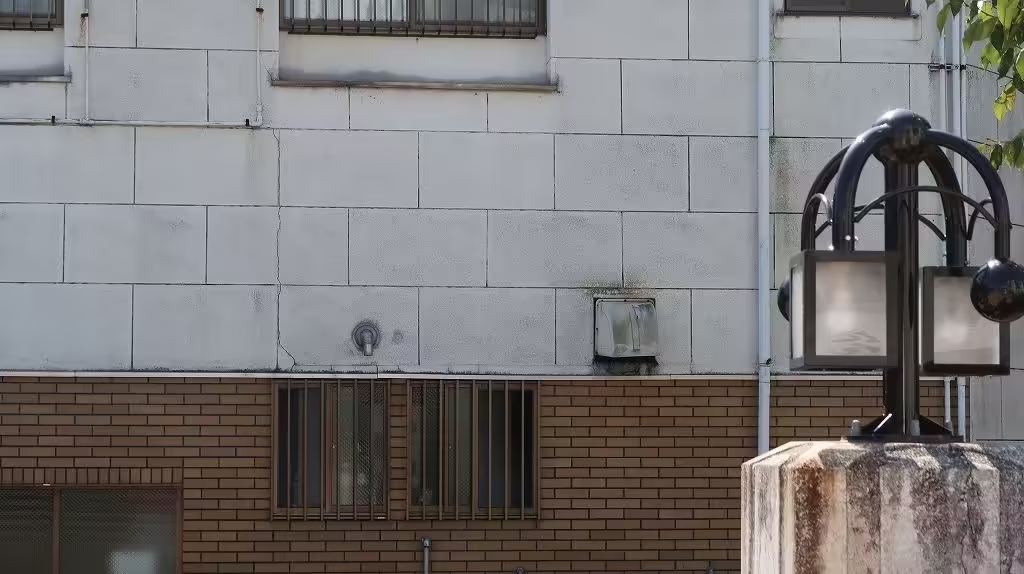
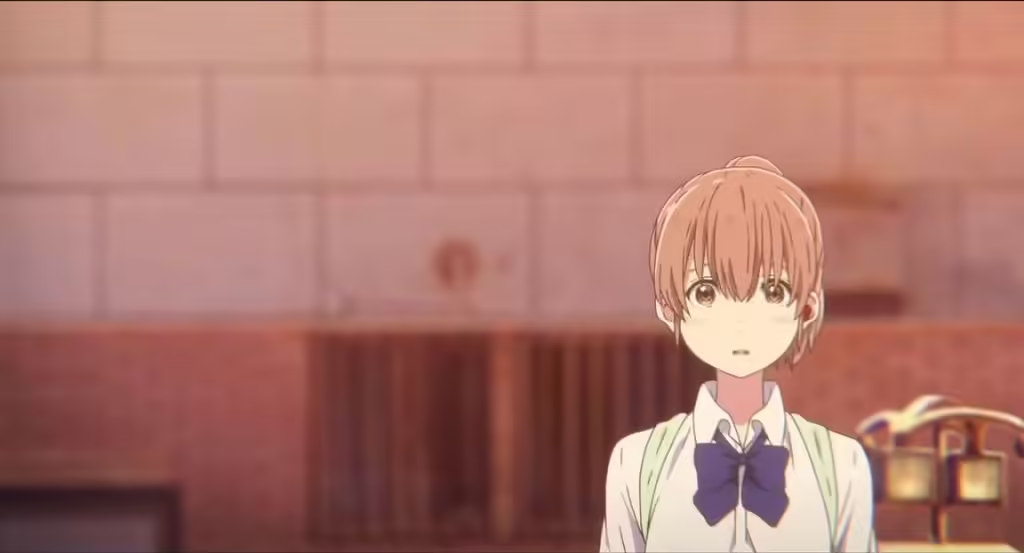
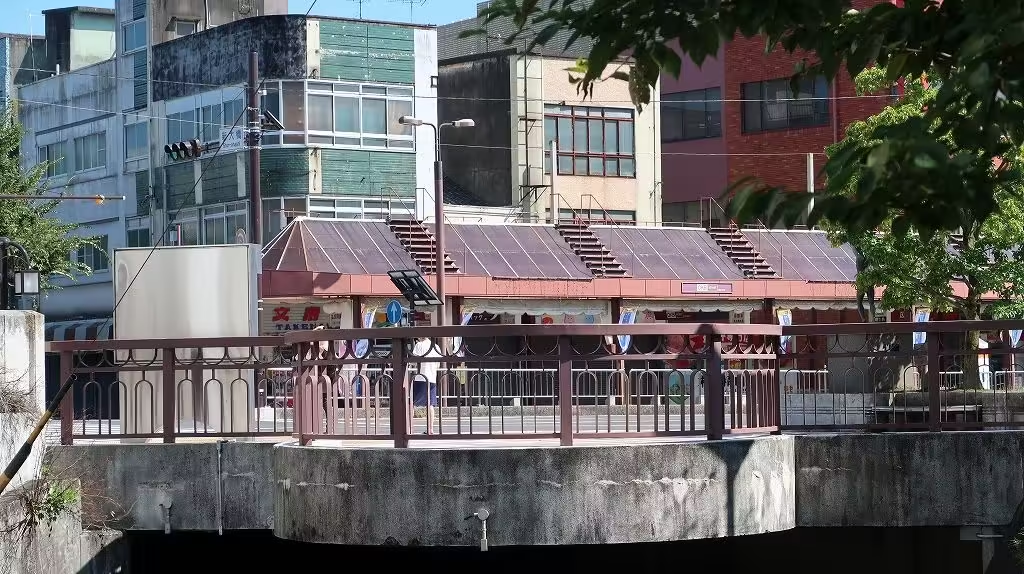
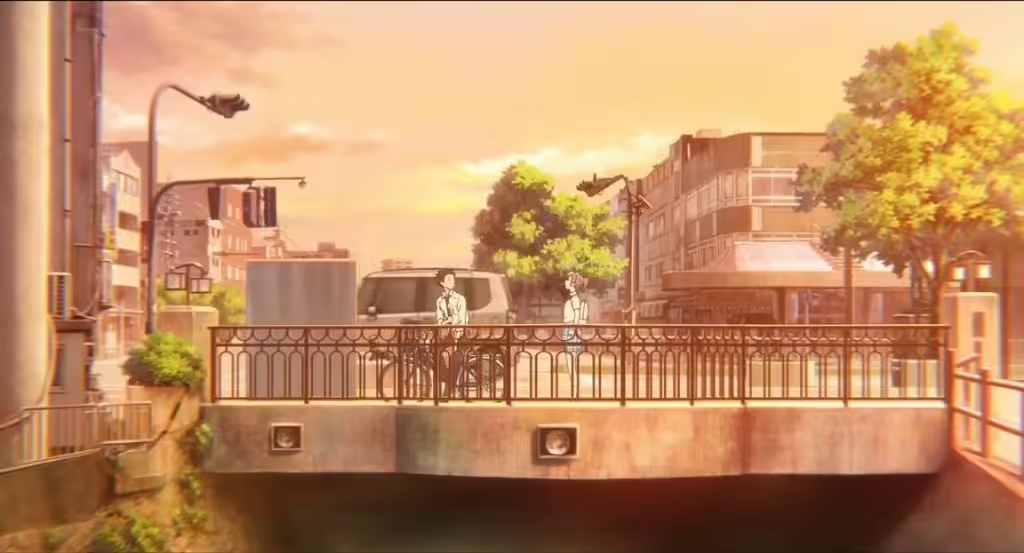
From Ōgaki Park, the walk brings you to Shin-Ōhashi Bridge, a place many viewers remember for one reason in particular. In A Silent Voice, an important conversation unfolds here, shaped as much by misunderstanding as by what is actually said.
In the anime, the bridge feels modest, almost easy to miss. In real life, it’s wider and busier than it appears on screen, with traffic moving steadily across it. That difference matters. The film simplifies the space, keeping your focus on the moment rather than the surroundings.
Standing here, the scene plays differently. Noise intrudes. Cars pass. The setting feels less intimate. That contrast highlights how the film isolates emotional moments from the world around them, even when they happen in public places.
As part of the Koe no Katachi anime pilgrimage, this stop works as a reminder. What feels quiet and personal in the story often exists inside spaces that are anything but.
Address: 1-39 Takasago-cho; Ogaki, Gifu
Intersection at Kanda-chō
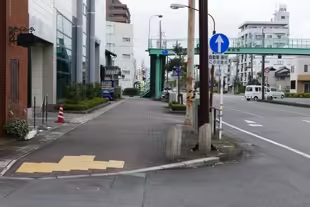
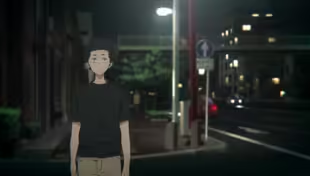
A short walk from Shin-Ōhashi Bridge brings you to the intersection at Kanda-chō, one of the quieter real-life locations inspired by Koe no Katachi. It’s an easy place to overlook, which is exactly why it fits the film so well.
In A Silent Voice, moments tied to intersections like this emphasize hesitation and choice. Characters pause, cross, or turn away, often without speaking. The setting does not draw attention to itself, but it frames those small decisions clearly.
In real life, the intersection feels ordinary. Traffic lights change, people pass through, and nothing suggests significance. That ordinariness reinforces a recurring idea in the film: important moments don’t announce themselves. They happen while everything else keeps moving.
From here, the route continues naturally along the streets that pull you back toward the station area, closing this part of the walk without ceremony.
Address: 1 Kanda-chō
Aoyanagi Bridge(Moguri Brdge)
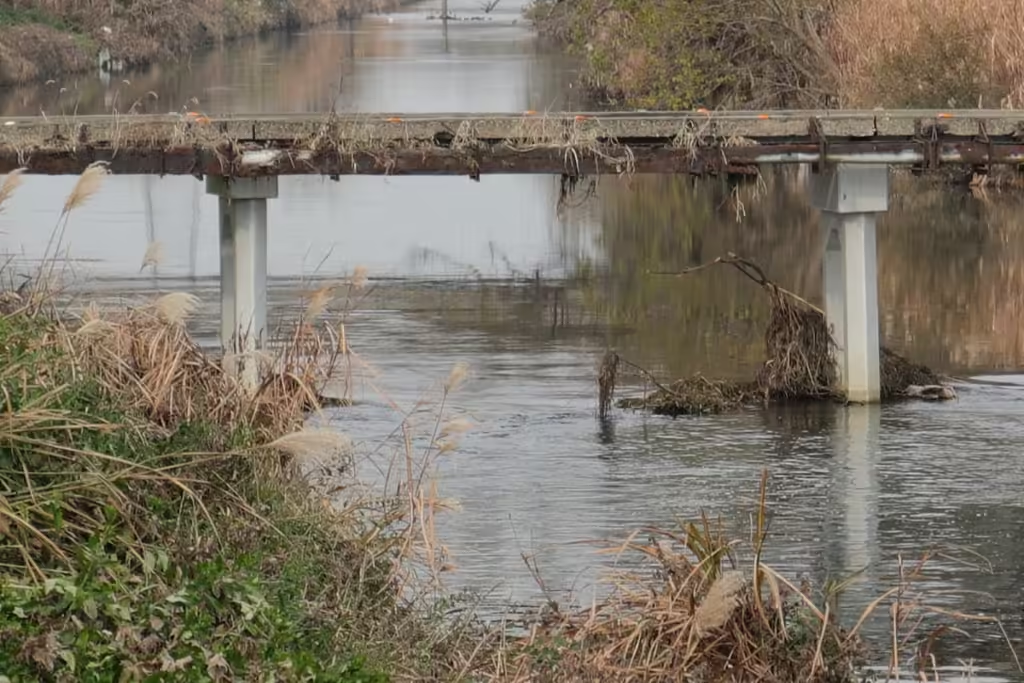
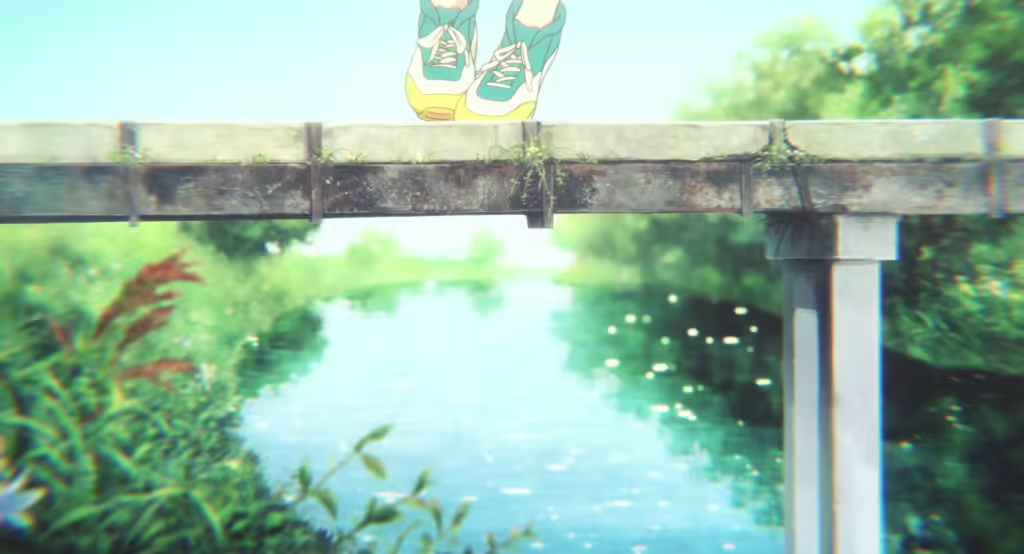

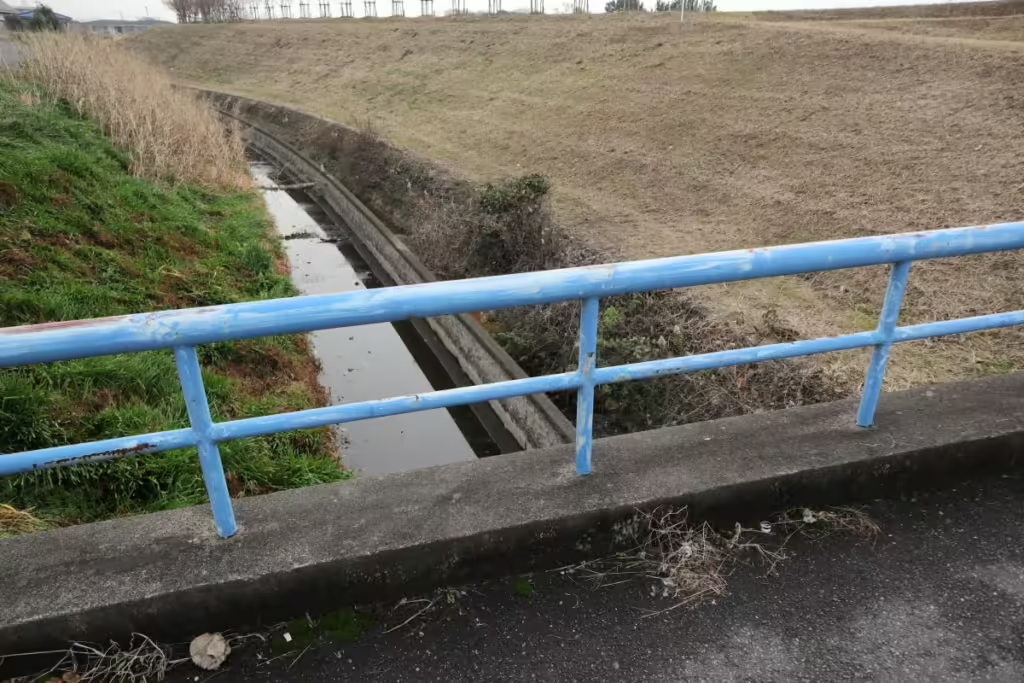
Continuing away from the station area, the route brings you to Aoyanagi Bridge, often referred to by fans as Moguri Bridge. This is one of the quieter real-life locations of A Silent Voice, and it’s easy to miss if you’re not looking for it.
In A Silent Voice, scenes associated with bridges like this emphasize transition rather than confrontation. Characters cross, hesitate, or move past one another without resolution. The bridge itself never becomes the focus. It simply frames the moment.
In real life, Aoyanagi Bridge feels functional and unremarkable. Traffic passes through, pedestrians cross without stopping, and the surroundings stay plain. That ordinariness explains why the film uses it the way it does. Emotional weight sits on top of a space that refuses to acknowledge it.
As part of an anime pilgrimage, this stop reinforces a recurring idea. The film doesn’t search for dramatic scenery. It places important moments where life keeps going, regardless of what the characters are feeling.
Address: 1-38 Aoyanagi-chō, Ōgaki, Gifu
Ibi River
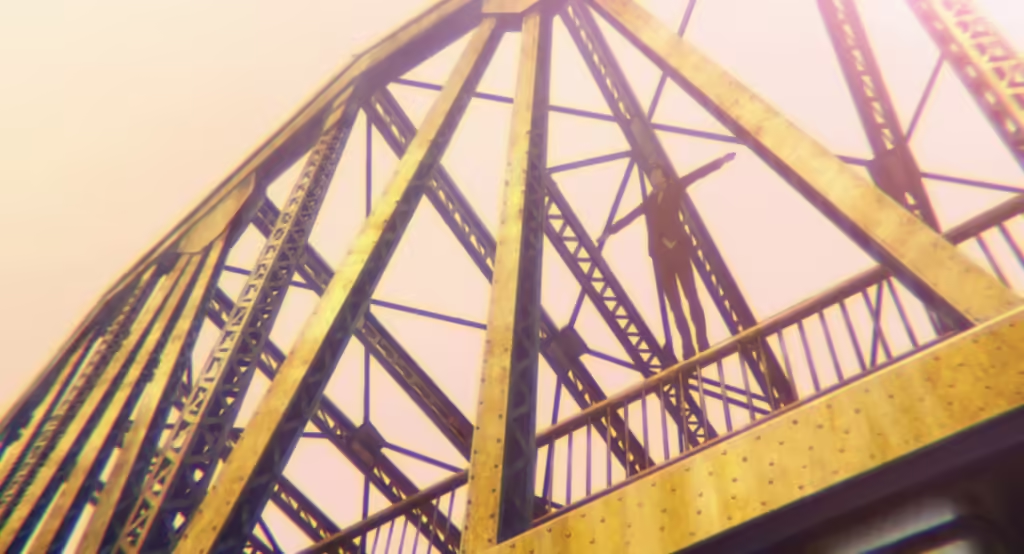
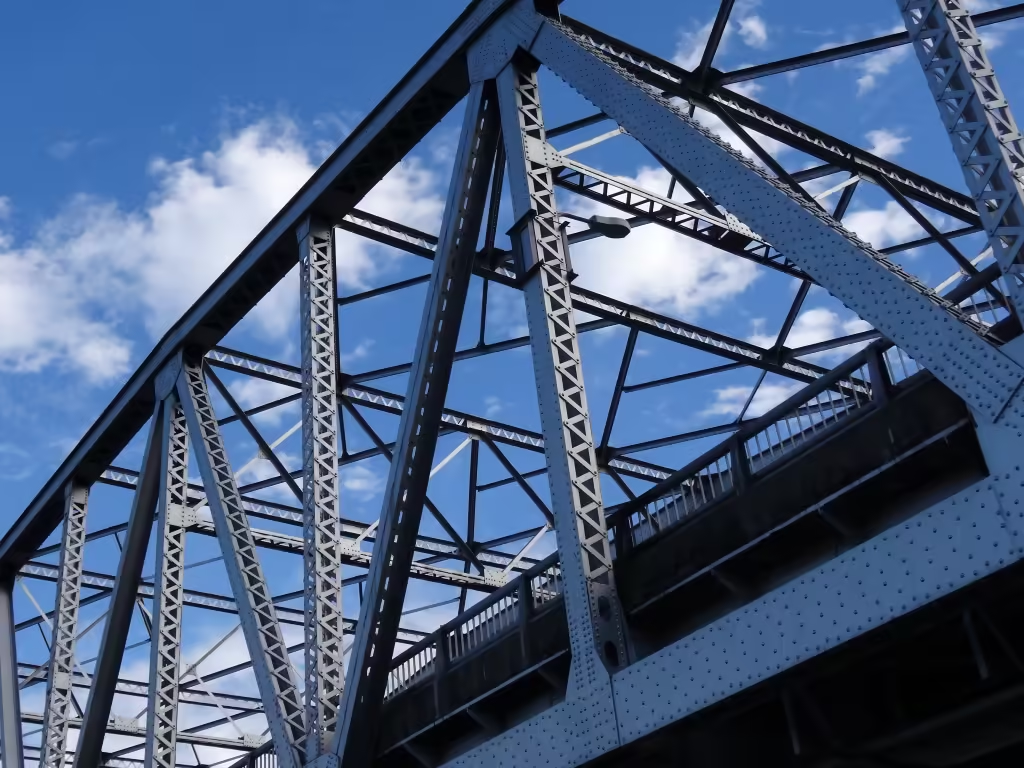

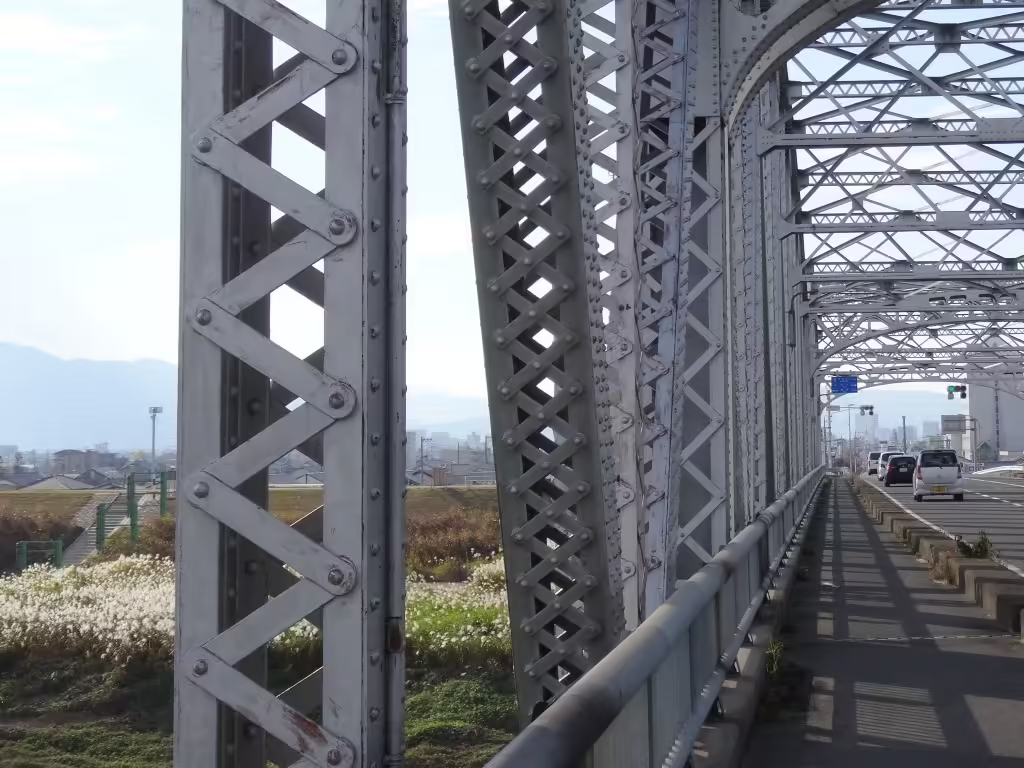

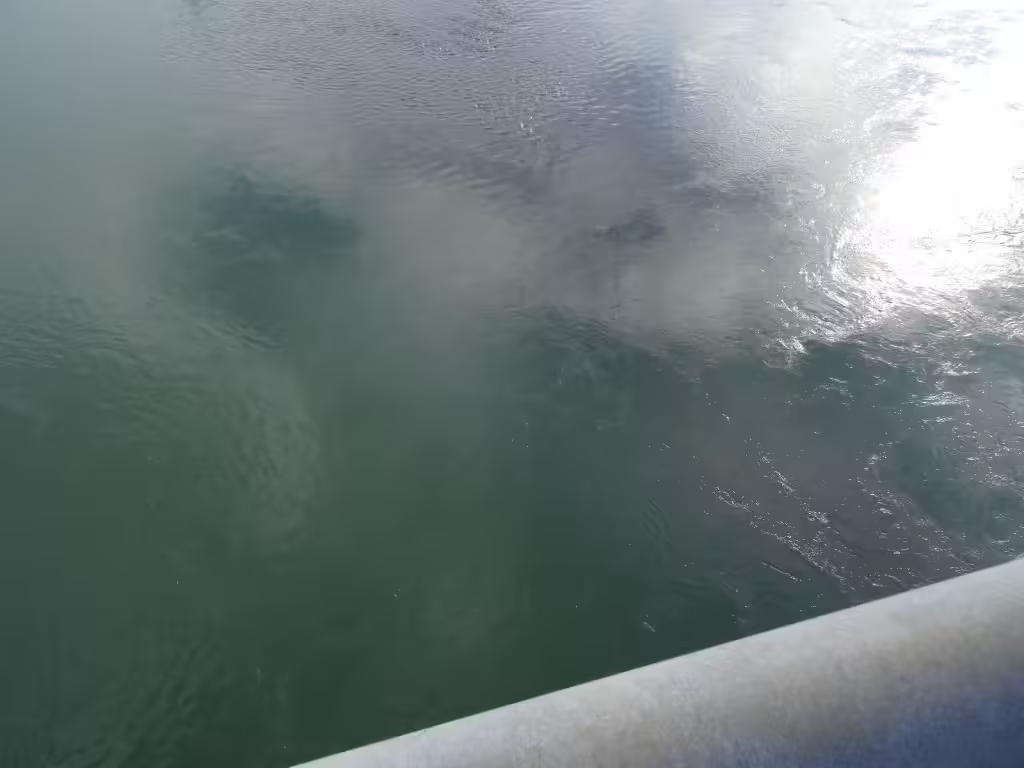
The Ibi River area sits slightly outside central Ōgaki and appears briefly in Koe no Katachi. It is not tied to a single, iconic scene, but rather used as a broader background for walking and transitional moments.
In real life, the river is wide and open, with long embankments and large bridges. Compared to the smaller canals and plazas closer to the station, this area feels less intimate and more expansive.
Address: Mangoku-chō, Ōgaki
Locations Outside Ogaki
Yōrō is still in Gifu Prefecture, and it’s not far from Ōgaki. In fact, you reach it easily by train, which is exactly how the visit is presented in Koe no Katachi.
In the story, Yōrō appears as a simple day trip rather than a major change of setting. The town is quieter, more rural, and surrounded by nature, which creates a clear contrast with the streets and rivers of Ōgaki.
In real life, Yōrō is best known for Yōrō Park, its art installations, and its waterfall. These locations are all real, open to visitors, and shown in the film with minimal alteration. As part of an anime pilgrimage, Yōrō stands out not because it is dramatic, but because it feels like a pause, both geographically and narratively.
Yōrō Railway
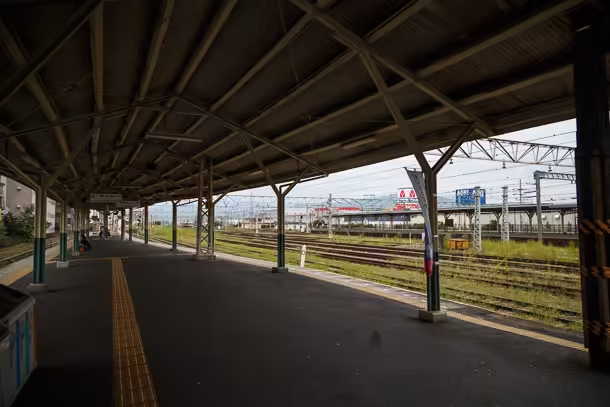
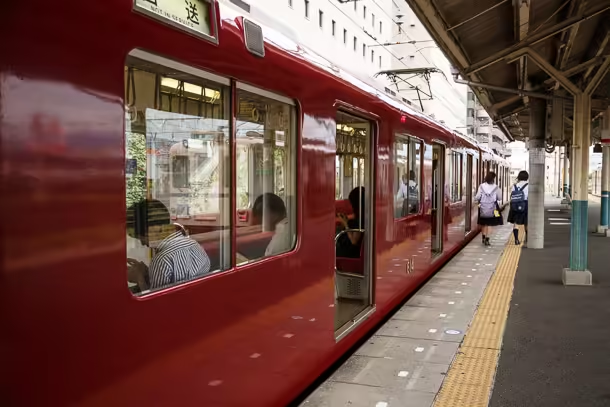

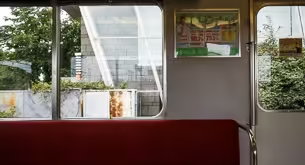
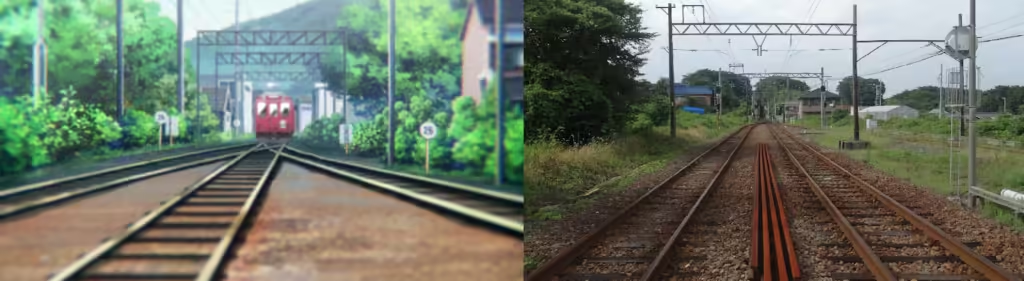
The trip to Yōrō in Koe no Katachi is shown using the Yōrō Railway, a real local rail line connecting Ōgaki, Yōrō, and Gifu.
In the film, the train ride is brief and understated. It doesn’t focus on stations or technical details, but it clearly signals a shift away from the city. That matches real life. The Yōrō Railway is a slower, regional line, and riding it immediately feels different from the busier JR routes.
For anyone following the real-life locations from A Silent Voice, this train ride matters because it mirrors the film’s pacing. It’s not about distance, but about stepping out of routine.
Yōrō Station
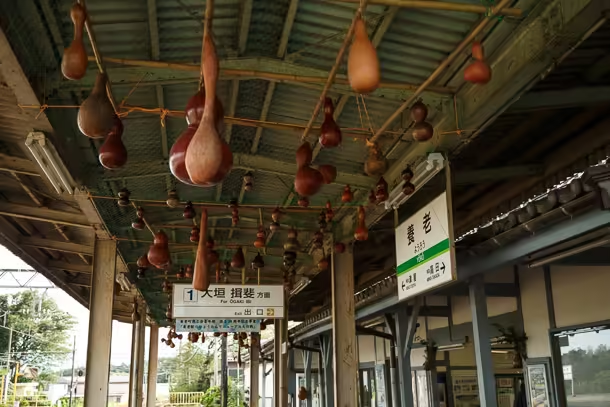

The visit begins at Yōrō Station. The station appears briefly in the film and matches its real-life counterpart closely. Decorative gourd motifs are visible around the station area, which are also shown in the anime.
The station functions as a simple arrival point. There are no major scenes here, but it establishes the shift away from the urban feel of Ōgaki.
Yōrō Park Art Site
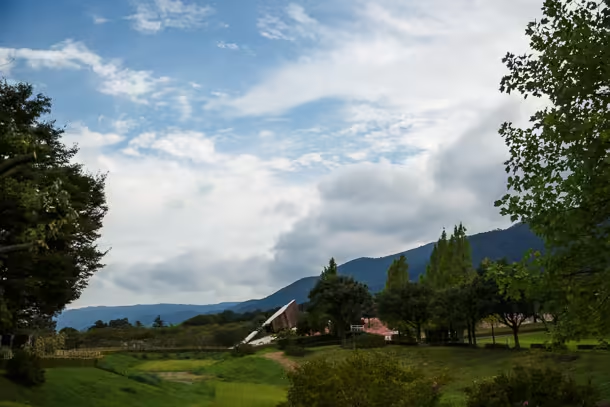
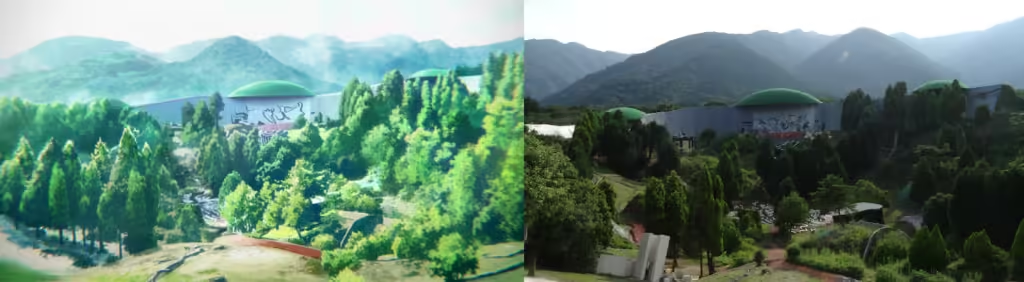
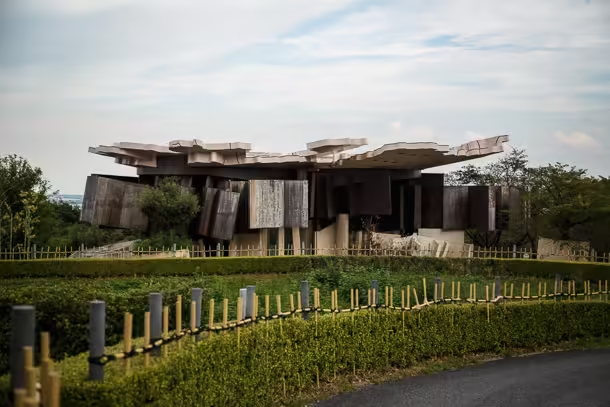
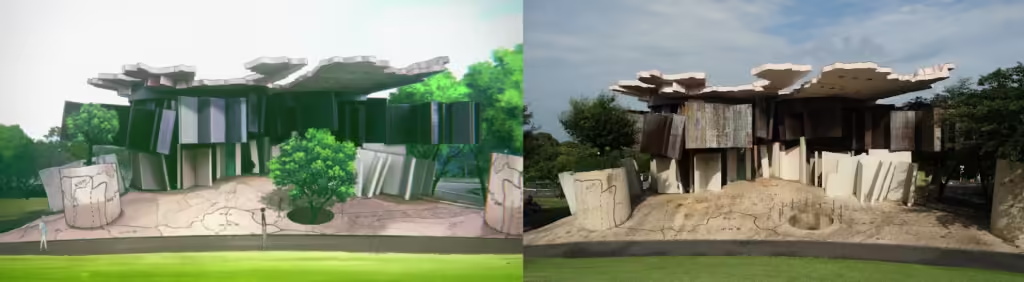
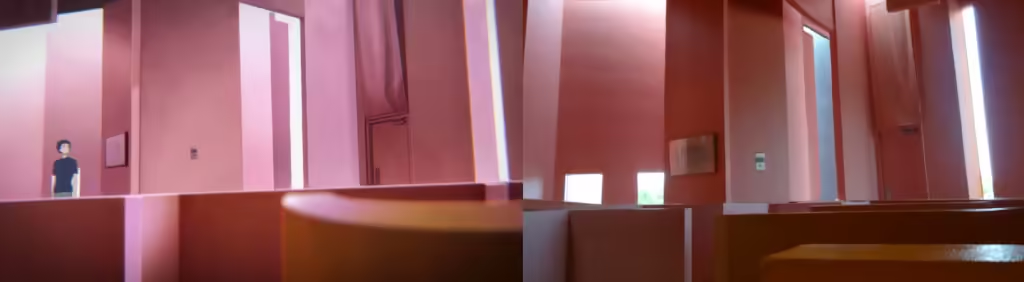
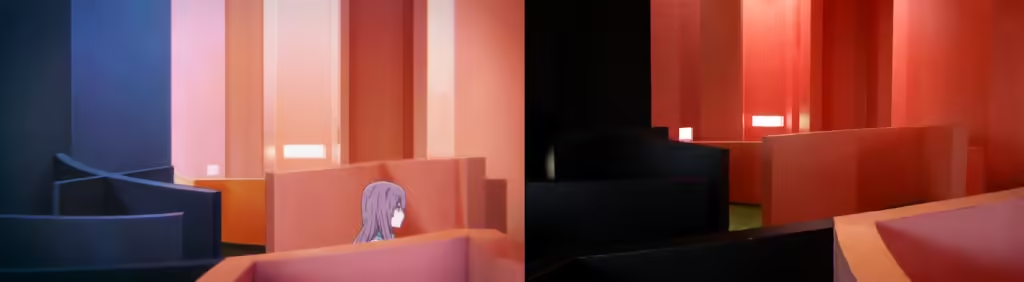
The main destination in Yōrō is the Site of Reversible Destiny, a real outdoor art installation located inside Yōrō Park. In A Silent Voice, Shoya and Shoko visit this site during their summer break.
The anime closely follows the real layout. The colorful structures, uneven surfaces, sloped fields, and maze-like interiors all exist in real life. The film does not explain the site’s concept, but the location itself is accurately depicted.
Address:1298-2 Takabayashi, Yoro, Yoro District, Gifu
Visitors can walk through the installation, including the interior spaces and open areas shown in the movie. This is one of the most visually distinctive “A Silent Voice” real-life locations, and its appearance in the film matches the real site without major alteration.
Yōrō Falls
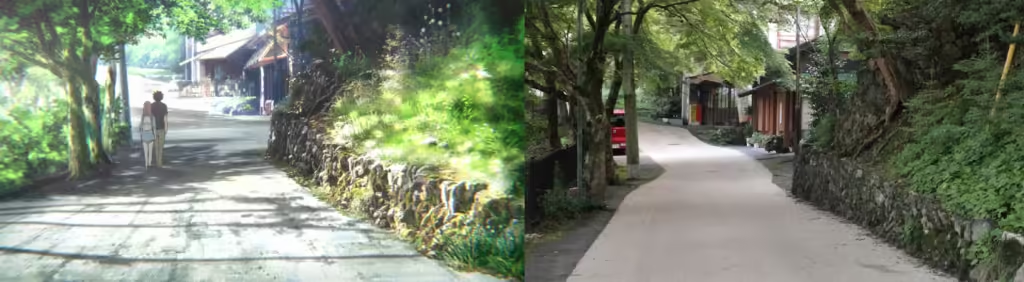
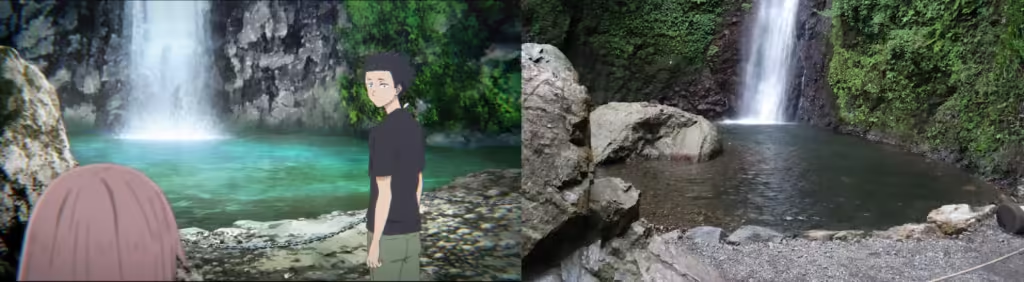
Located deeper within Yōrō Park are Yōrō Falls. The falls appear toward the end of the Yōrō sequence in the film and serve as the final stop of the day trip.
In real life, reaching the falls requires a walk through forested paths. The waterfall’s appearance in the anime reflects the real location, though the approach is simplified for storytelling. This scene marks the end of the Yōrō visit in Koe no Katachi.
Address: Shiraishidō, Washinosu, Yōrō-chō, Yōrō-gun, Gifu
JR Gifu Station
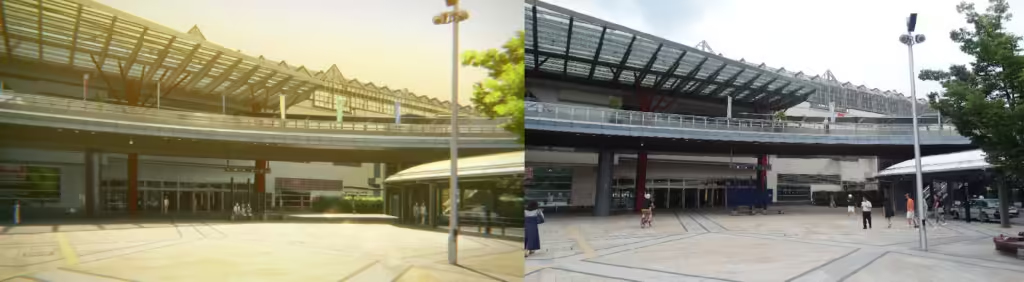
JR Gifu Station appears briefly in Koe no Katachi and sits just one short train ride away from Ōgaki. The station itself is shown as a busy transit space rather than a destination.
In the film, Shoya and Shoko reconnect with Miyoko here. The scene is simple and functional, matching the real station’s role as a place people pass through rather than linger in.
In real life, JR Gifu Station is larger and busier than Ōgaki’s, which makes the scene’s tone stand out. Personal conversations happen in the middle of constant movement, a pattern the film repeats throughout its urban settings.
Address: 1-10 Hashimoto-chō, Gifu City, Gifu
Intersection at 8 Koganemachi
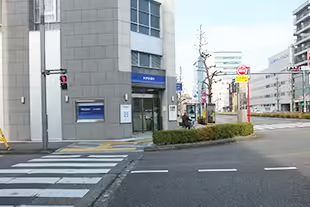

Just outside JR Gifu Station is the intersection at 8 Koganemachi, another small but identifiable real-life location inspired by Koe no Katachi.
This is where Naoko hands out promotional flyers for the café she works at. The anime closely matches the real intersection, showing it as a typical street corner with steady foot traffic and no visual emphasis.
Standing here in real life, the scene makes sense. It’s an ordinary intersection, the kind of place where people stop briefly before moving on. The film uses that ordinariness deliberately, placing character moments in spaces that don’t slow down for them.
Address: 8 Koganemachi, Gifu City, Gifu
Final Thoughts
Following the real-life locations of Koe no Katachi doesn’t feel like visiting a set of famous spots. It feels more like moving through ordinary places that quietly shaped the film’s mood. Streets, bridges, stations, and public spaces appear exactly as they are, unchanged, still doing what they were built to do.
That honesty is what makes this anime pilgrimage work. The film never asks its locations to impress. Instead, it lets everyday environments carry moments of hesitation, distance, and reconnection. Walking through Ōgaki and Yōrō, you don’t recreate scenes so much as recognize them.
If you choose to visit these places, the experience works best when you move slowly and respectfully. These are living spaces, not attractions. And that’s precisely why they remain so closely tied to A Silent Voice, long after the film ends.


Show Your Work
Whether you are a professional or an amateur, we will love to see your artwork. So don't hesitate to remove your cats from your box right away