What is Anime Tourism: Understanding the Culture, the Terms, and the Global Movement
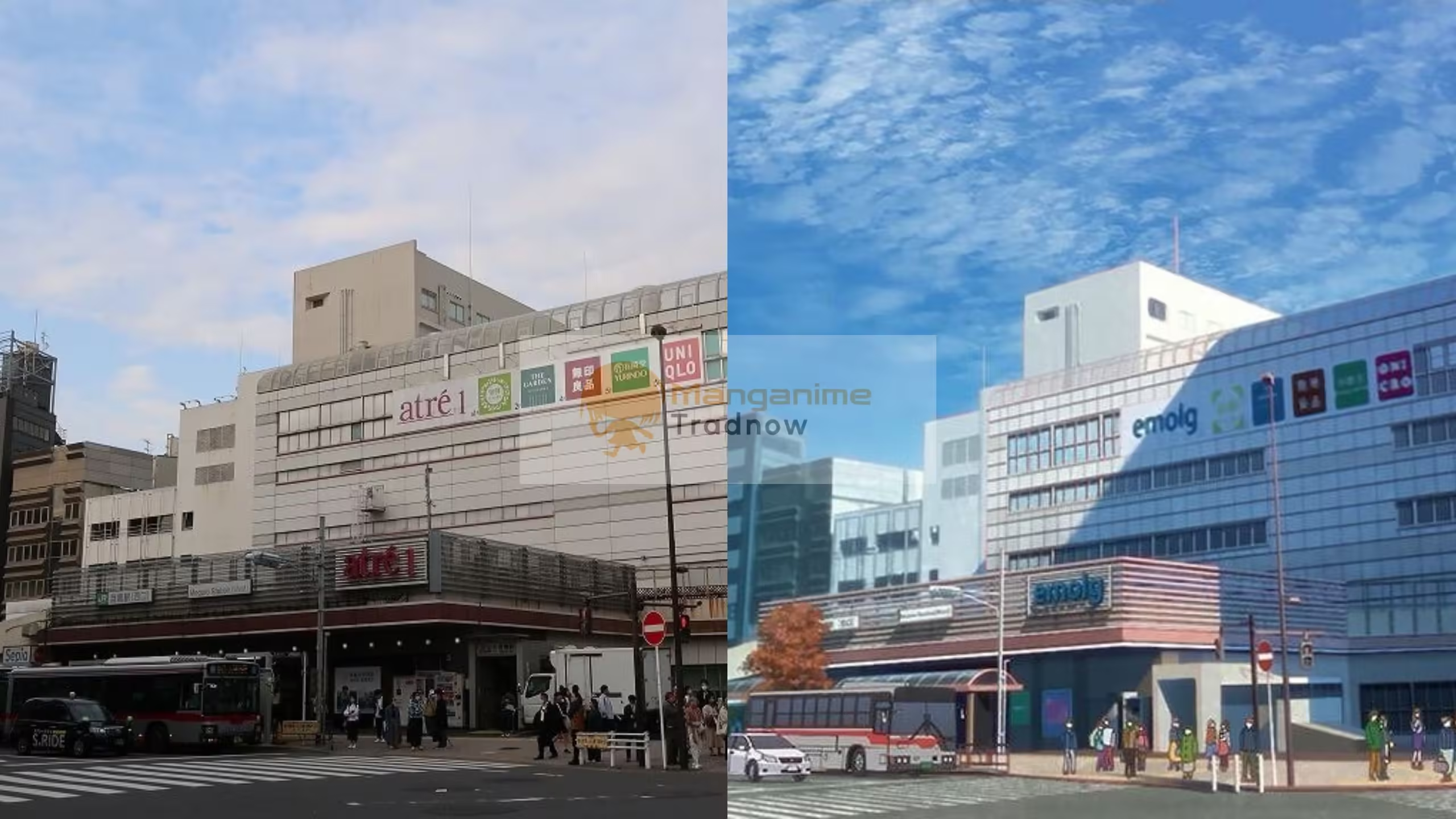
Anime tourism goes beyond visiting places you’ve seen on screen. It sits at the intersection of storytelling, fandom, and real geography. For many fans, standing in a familiar street or in front of a recognisable building is a way to reconnect emotionally with a story that mattered to them.
Over time, this behaviour has grown into a recognizable form of tourism, with its own vocabulary, practices, and even local economic impact.
What Is Anime Tourism?
Anime tourism refers to traveling to real-world locations that are connected to anime, manga, or light novels. These connections can be direct, such as a clearly identifiable shrine or street, or indirect, where the atmosphere, layout, or daily life of a place inspired the setting of a story.
Unlike traditional sightseeing, anime tourism is usually driven by personal attachment, not famous landmarks.
Common Terms You’ll See in Anime Tourism
Understanding the vocabulary helps clarify how fans approach these trips.
Anime Tourist
An anime tourist is a fan who casually visits anime-related locations, often as part of a broader trip. The goal is usually curiosity, photos, or social media sharing rather than deep research or scene-by-scene comparison.
This is the most accessible and common form of anime tourism.
Anime Pilgrimage (Seichi Junrei)
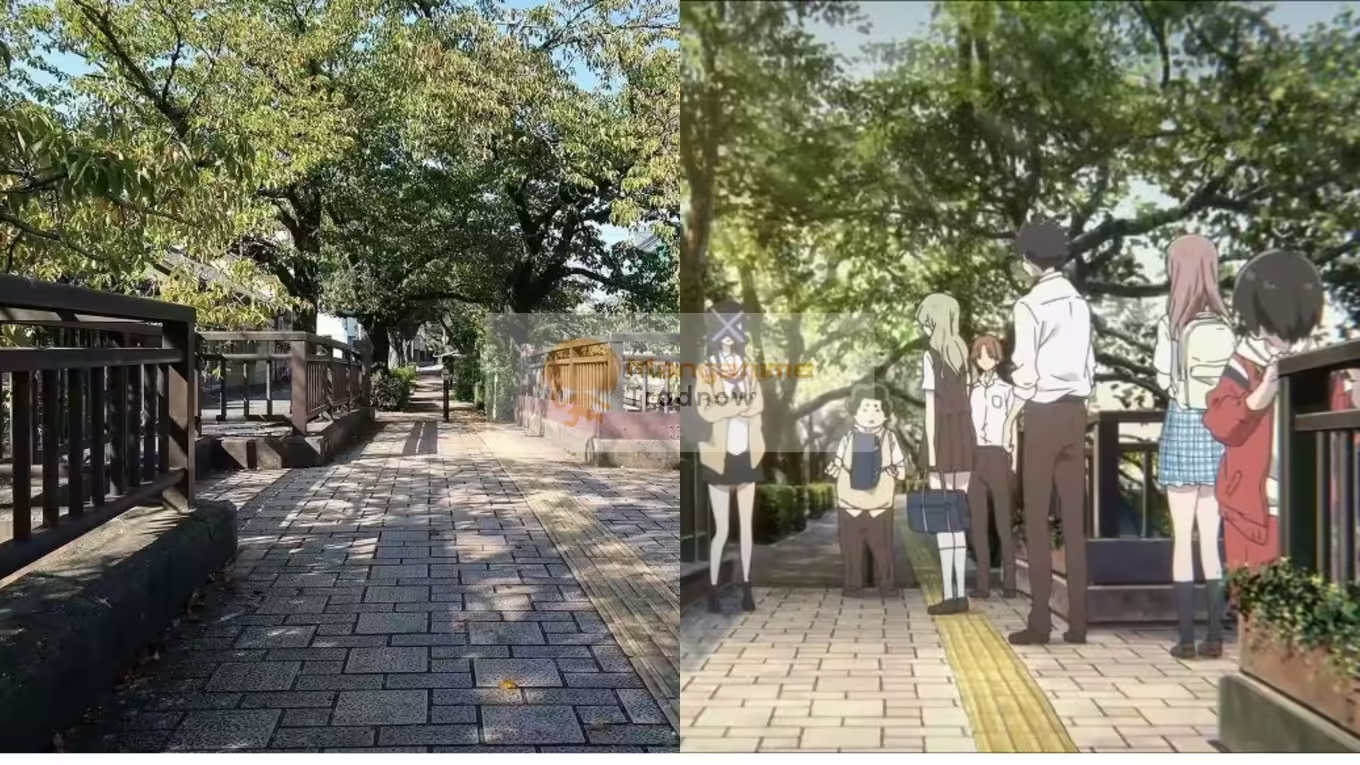
Anime pilgrimage is a more intentional practice. Fans actively seek out locations featured in a series and compare them closely to specific scenes. Many recreate shots, follow character routes, or visit multiple locations tied to one story.
In Japan, this practice is often called seichi junrei and is widely recognized by local communities. Anime tourism is broad and flexible; anime pilgrimage is focused and deliberate.
Otaku Tourism
Otaku tourism is wider than anime tourism alone. It includes travel motivated by anime, manga, games, idols, conventions, and pop culture in general.
Examples include:
- Visiting anime districts
- Attending conventions or events
- Shopping for limited goods
- Experiencing themed cafés or exhibitions
Anime tourism fits inside otaku tourism, but otaku tourism is not limited to real-life locations.
Anime Tourism vs Anime Pilgrimage vs Otaku Tourism
The terms often overlap, but their intent differs.
- Anime tourism: visiting places inspired by anime, casually or intentionally
- Anime pilgrimage: retracing specific locations with strong narrative attachment
- Otaku tourism: pop-culture-driven travel beyond locations alone
Understanding this distinction helps explain why different fans experience the same place in very different ways.
Japan and Anime Tourism
Japan remains the central reference point for anime tourism, largely because many anime settings are based on real Japanese cities, towns, and neighborhoods.
Local governments, tourism boards, and communities have gradually acknowledged this form of travel. In some areas, maps, signage, or collaborations with anime studios exist, while in others the connection remains unofficial and low-key.
Anime tourism in Japan often blends quietly into daily life rather than being staged for visitors.
Japan plays a key role, but it is not the only stage for this phenomenon.
Famous Anime With Real-Life Locations in Japan
Anime tourism became visible largely because certain series made their real-world inspirations unmistakable. In some cases, the connection is exact and verifiable. In others, the link is more atmospheric, where a place captures the mood of a story rather than reproducing it scene by scene.
What these anime share is a strong sense of place. The locations feel lived-in, recognizable, and grounded, which naturally invites viewers to look for them in the real world.
Your Name(Kimi no na wa)

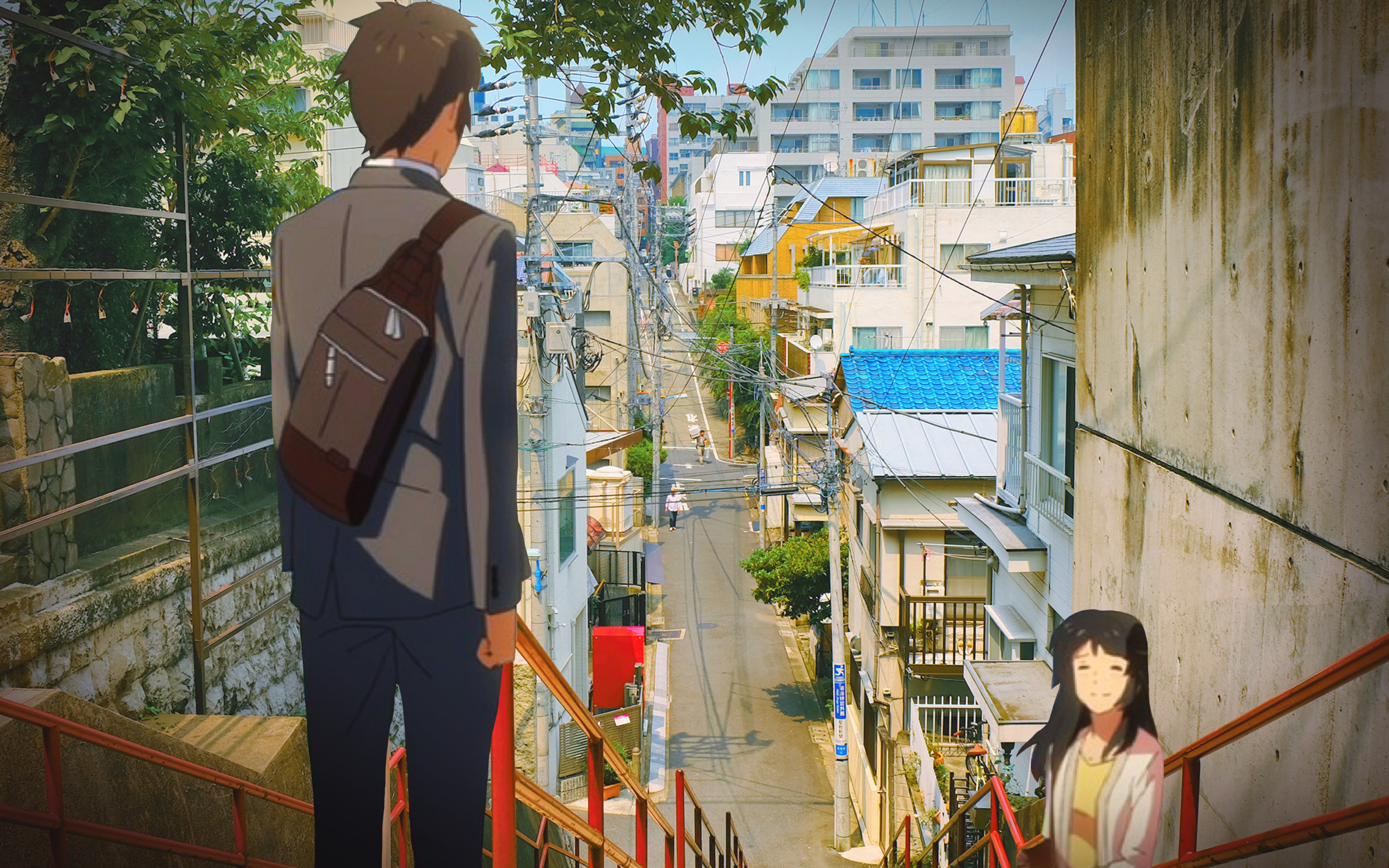
One of the most cited examples of anime tourism. The staircase near Suga Shrine in Tokyo became iconic after the film’s release. Fans visit not because it is a major landmark, but because it represents a key emotional moment. The surrounding neighborhood remains an ordinary residential area, which highlights how anime tourism often overlaps with everyday life.
Erased(Boku dake ga Inai Machi)
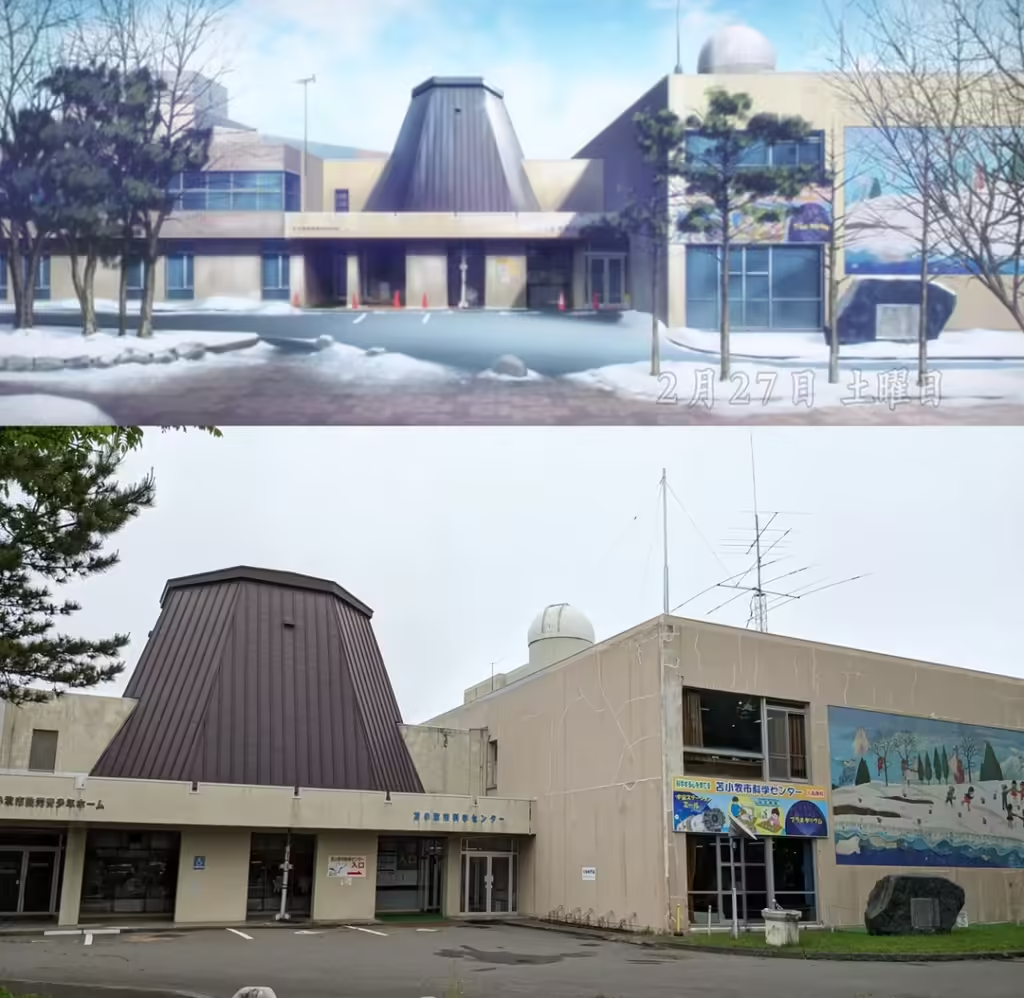
The snowy atmosphere and quiet streets of Erased are strongly associated with Tomakomai. While not every scene matches a single identifiable spot, the town’s layout and winter scenery closely resemble the series’ setting. This type of anime tourism relies more on environmental recognition than on exact coordinates.
Hyouka
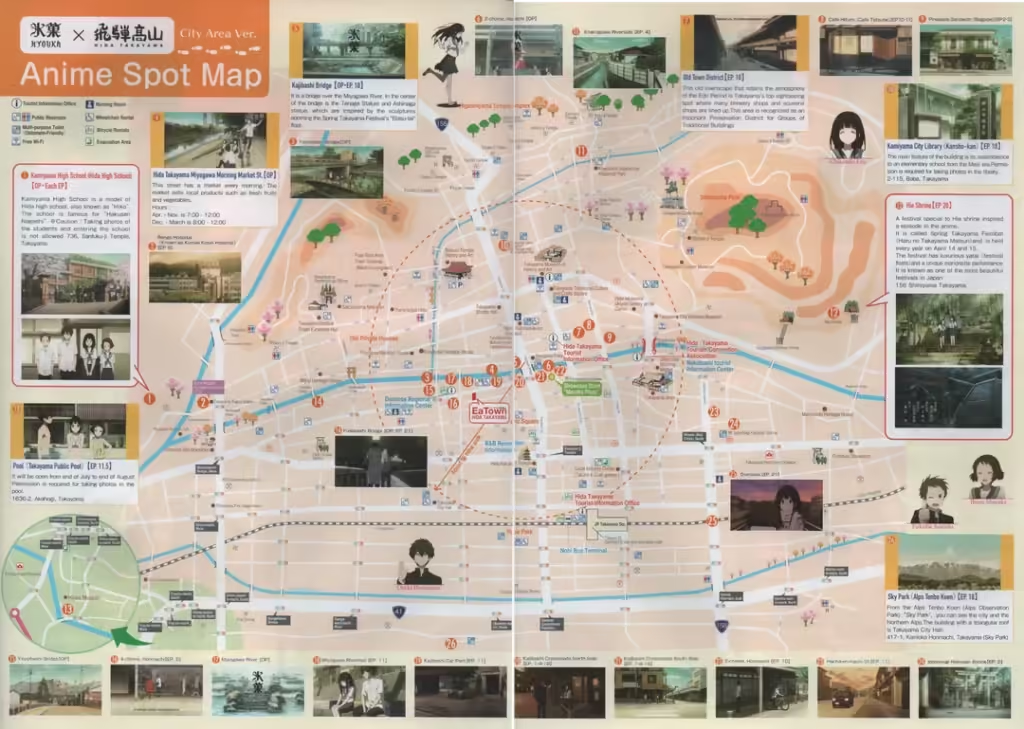
Hyouka is often cited for its faithful depiction of Takayama. Streets, bridges, cafés, and public spaces appear with minimal alteration. This accuracy makes it particularly popular among fans who enjoy comparing still frames with real locations, a practice closely tied to anime pilgrimage culture.
Oshi no Ko
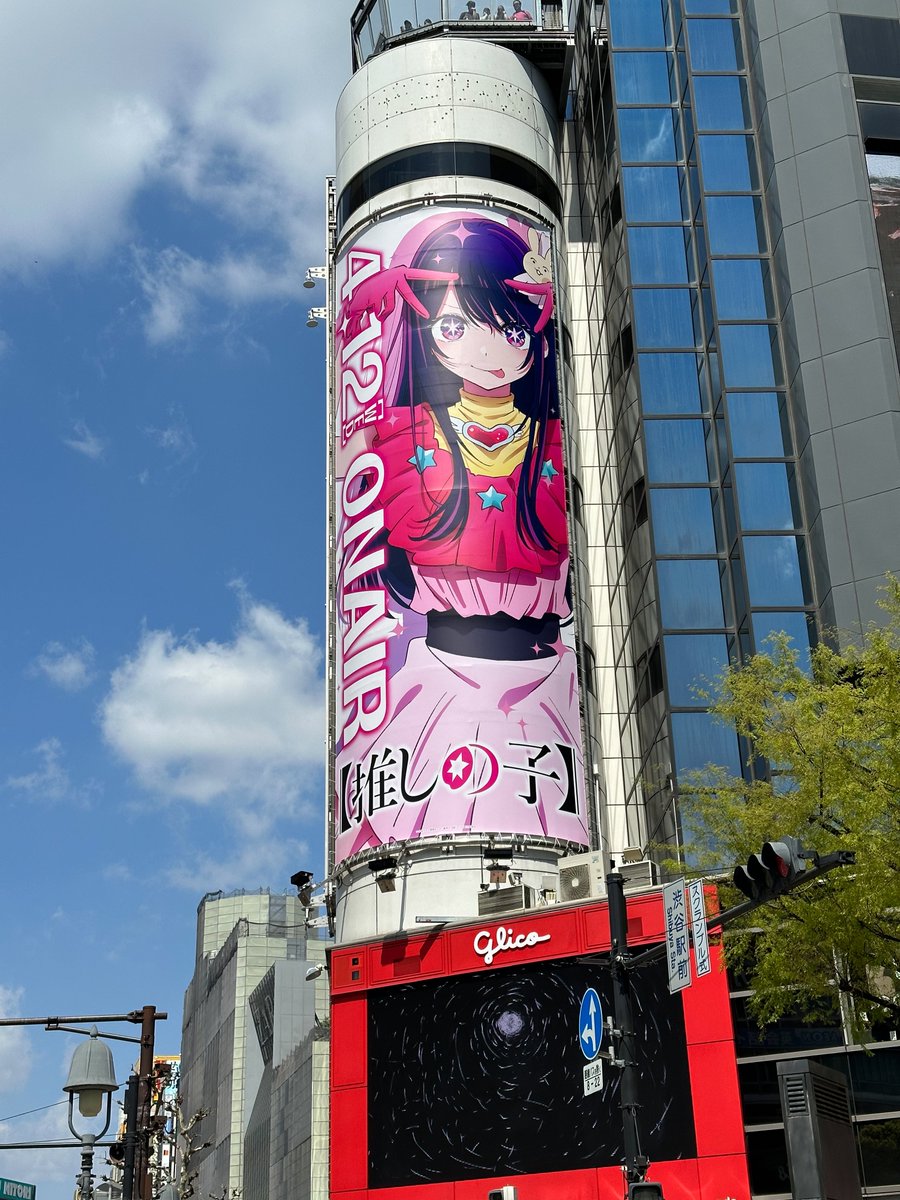
Set in contemporary Tokyo, Oshi no Ko draws heavily from real entertainment districts such as Shibuya. In this case, anime tourism blends into modern urban exploration. Fans often visit these areas as part of a normal city itinerary rather than a dedicated pilgrimage.
Call of the Night(Yofukashi no Uta)
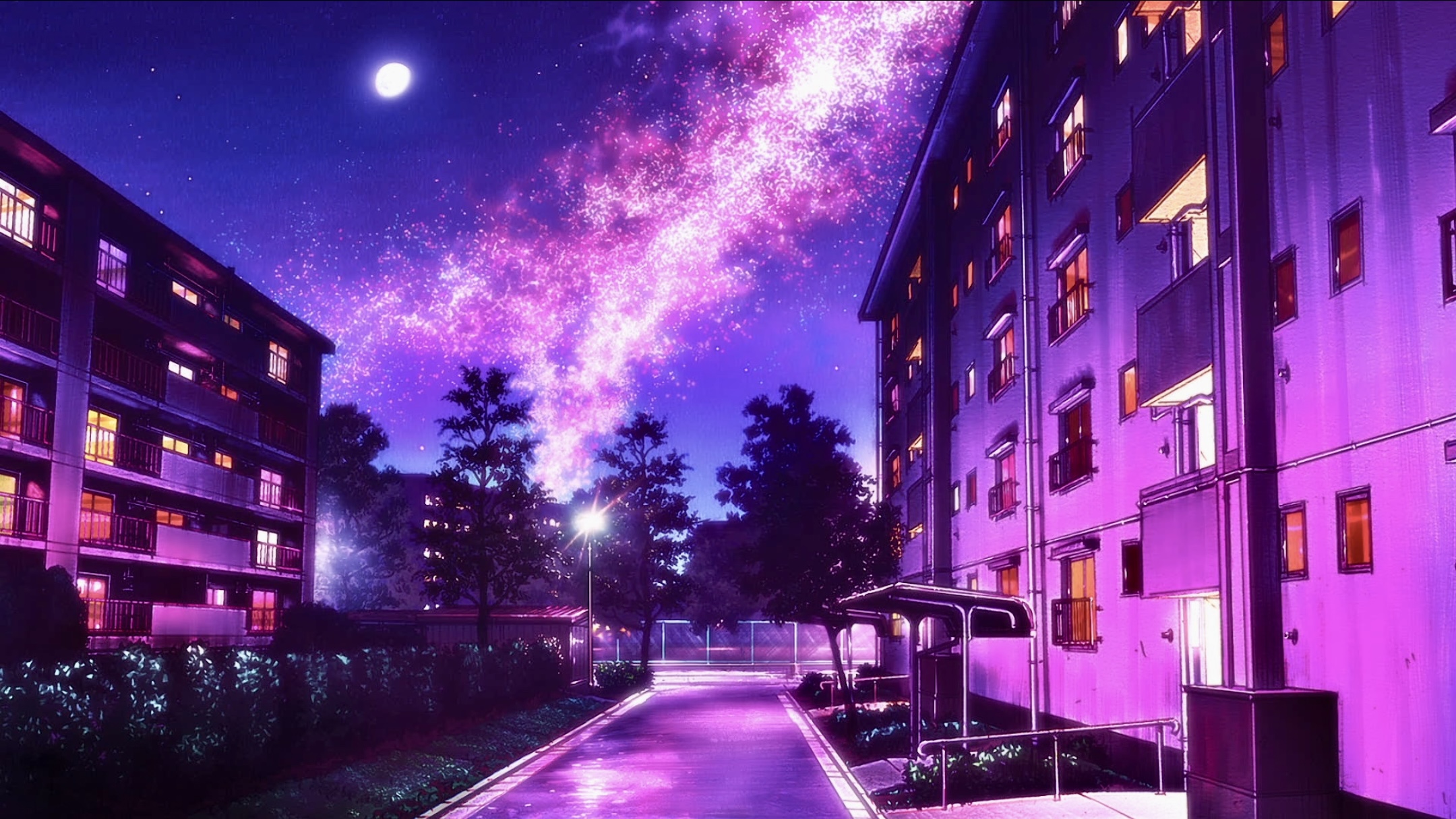
Rather than highlighting specific landmarks, Call of the Night inspires mood-based tourism. Night walks through quiet streets, neon-lit avenues, and empty parks recreate the feeling of the series without relying on exact locations. This shows how anime tourism can be experiential rather than location-precise.
Anime Tourism Beyond Japan
While Japan is central, anime tourism is not limited to it.
Some anime draw inspiration from:
- European cities
- Coastal towns
- Rural landscapes outside Japan
- Fictional places based on real global environments
In these cases, fans may visit locations without official recognition, guided only by visual similarities, interviews, or community research. This expands anime tourism into a global, interpretive experience, not a fixed itinerary.
Famous Anime With Real-Life Locations Beyond Japan
Although Japan remains central to anime tourism, many anime draw inspiration from real places outside the country. In these cases, the connection is often architectural, cultural, or atmospheric rather than officially stated. This creates a different form of anime tourism, one driven by visual analysis and fan research rather than clearly identified landmarks.
These locations are rarely promoted as anime destinations, yet they continue to attract fans who recognize familiar settings on screen.
Attack on Titan(Shingeki no Kyojin)
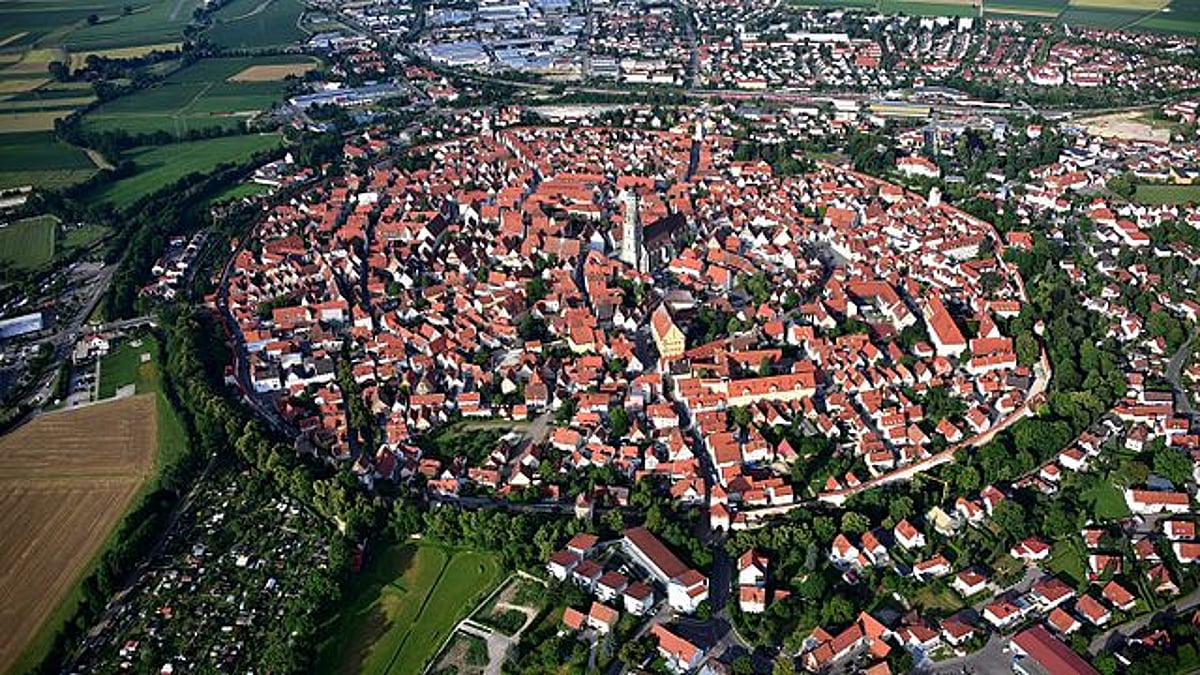
The walled cities of Attack on Titan are frequently compared to Nördlingen, a medieval town surrounded by intact stone walls. While the series is set in a fictional world, the circular layout and fortifications resemble real European defensive cities. Fans often visit Nördlingen to observe these similarities rather than to match specific scenes.
Howl’s Moving Castle(Hauru no Ugoku Shiro)

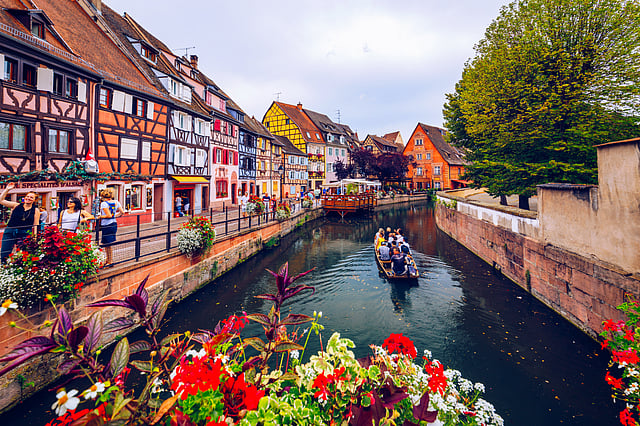
The film’s blend of European architecture and fantasy has been associated with towns such as Colmar. Colorful half-timbered houses, canals, and narrow streets reflect the aesthetic seen throughout the movie. These associations are interpretive, but they illustrate how anime can be inspired by broader regional styles rather than exact replicas.
JoJo’s Bizarre Adventure
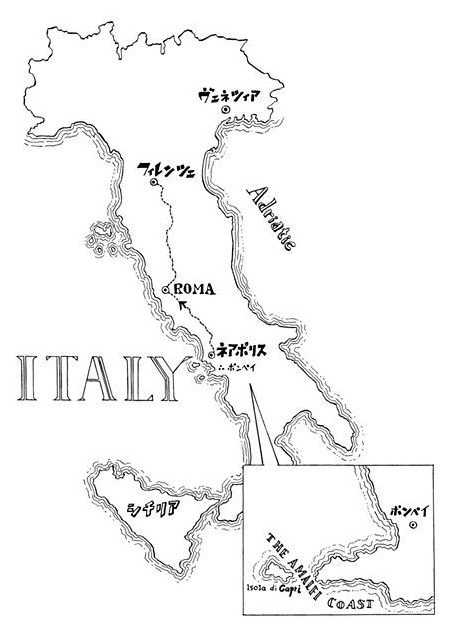

Several parts of JoJo’s Bizarre Adventure take place in Japan and real European locations, including Italy. Cities such as Venice and Rome appear directly within the narrative. Unlike many anime, these locations are explicitly named, which allows fans to visit known landmarks while following the story’s geographic progression.
The Big O

The Big O features a city inspired by American Art Deco architecture, drawing visual parallels with mid-20th-century cities such as New York and Chicago. While no single location is confirmed, the influence is strong enough that fans recognize familiar urban patterns in the setting.
Violet Evergarden
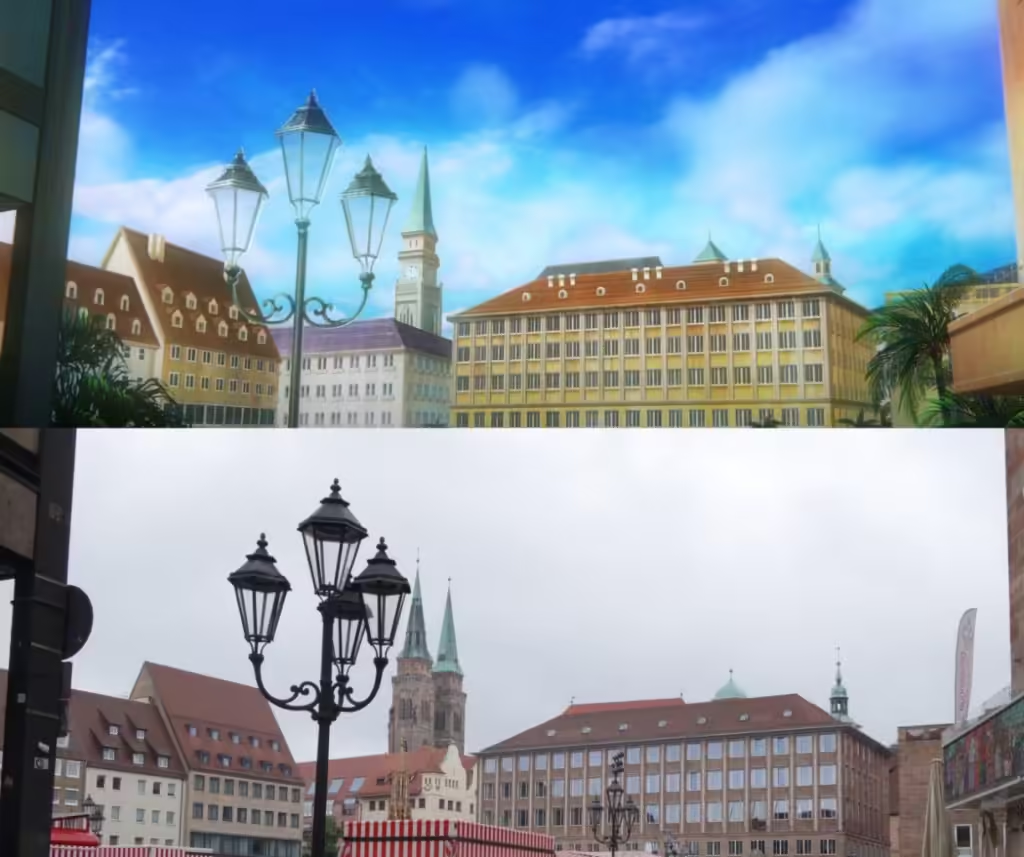
Violet Evergarden blends multiple European influences, including elements from Germany, Switzerland, and France. Rather than pointing to one specific city, the series creates a composite environment. This encourages fans to approach anime tourism as a broader exploration of landscapes and architecture rather than a search for exact locations.
Why Anime Tourism Matters
Anime tourism is not about chasing trends. It reflects how deeply stories can shape the way people see real places.
For fans, it creates:
- Emotional continuity between fiction and reality
- A slower, more personal form of travel
- A reason to explore lesser-known locations
For cities and towns, it can bring attention without mass tourism when handled respectfully.
A Living Form of Travel
Anime tourism keeps evolving. Some fans prefer quiet observation, others document every detail. Some follow exact scenes, others simply want to feel the mood of a place.
There is no single “correct” way to experience it. What matters is the connection between the story and the space, and how that moment resonates personally.
Can You Actually Visit These Places?
In most cases, yes, but with important nuances.
Many anime locations are:
- Public streets
- Residential neighborhoods
- Shrines or temples
- Train stations or bridges
Because these places are not theme parks, visitors are expected to respect local rules and social norms. Some locations may restrict photography, especially at religious sites or private properties. Others remain open but are not officially marked as anime-related.
Anime tourism works best when approached quietly. Visiting during off-peak hours, avoiding blocking walkways, and respecting signage helps maintain goodwill between fans and local residents.
Not every location is officially endorsed or promoted, and some connections remain unofficial interpretations by fans. Transparency about this distinction builds trust and avoids misinformation.
Planning an Anime Pilgrimage
For fans who want to go beyond casual visits, planning becomes essential.
A thoughtful anime pilgrimage often involves:
- Grouping locations by city or region
- Understanding seasonal differences shown in the anime
- Comparing real environments with key scenes
- Allowing time for walking and observation, not just photos
Rather than treating each location as a checklist item, experienced anime tourists focus on flow and atmosphere. This approach reduces fatigue and leads to a more meaningful experience.
Many fans also rely on detailed guides, maps, and comparisons to avoid guesswork. Having access to curated location lists makes it easier to choose which places are realistically visitable and which are better appreciated from afar.
Final Thoughts
Anime tourism is not a single activity with fixed rules. It exists on a spectrum, from casual curiosity to carefully planned pilgrimages. What connects all these approaches is the desire to step into a space that once existed only on screen.
Whether the location is clearly identifiable or loosely inspired, the experience often changes how fans perceive both the story and the real world. In that sense, anime tourism is less about travel itself and more about recognition, memory, and personal connection.
As anime continues to draw from real environments around the world, this form of tourism will likely keep expanding, shaped as much by fans as by the stories that inspire them.


Show Your Work
Whether you are a professional or an amateur, we will love to see your artwork. So don't hesitate to remove your cats from your box right away