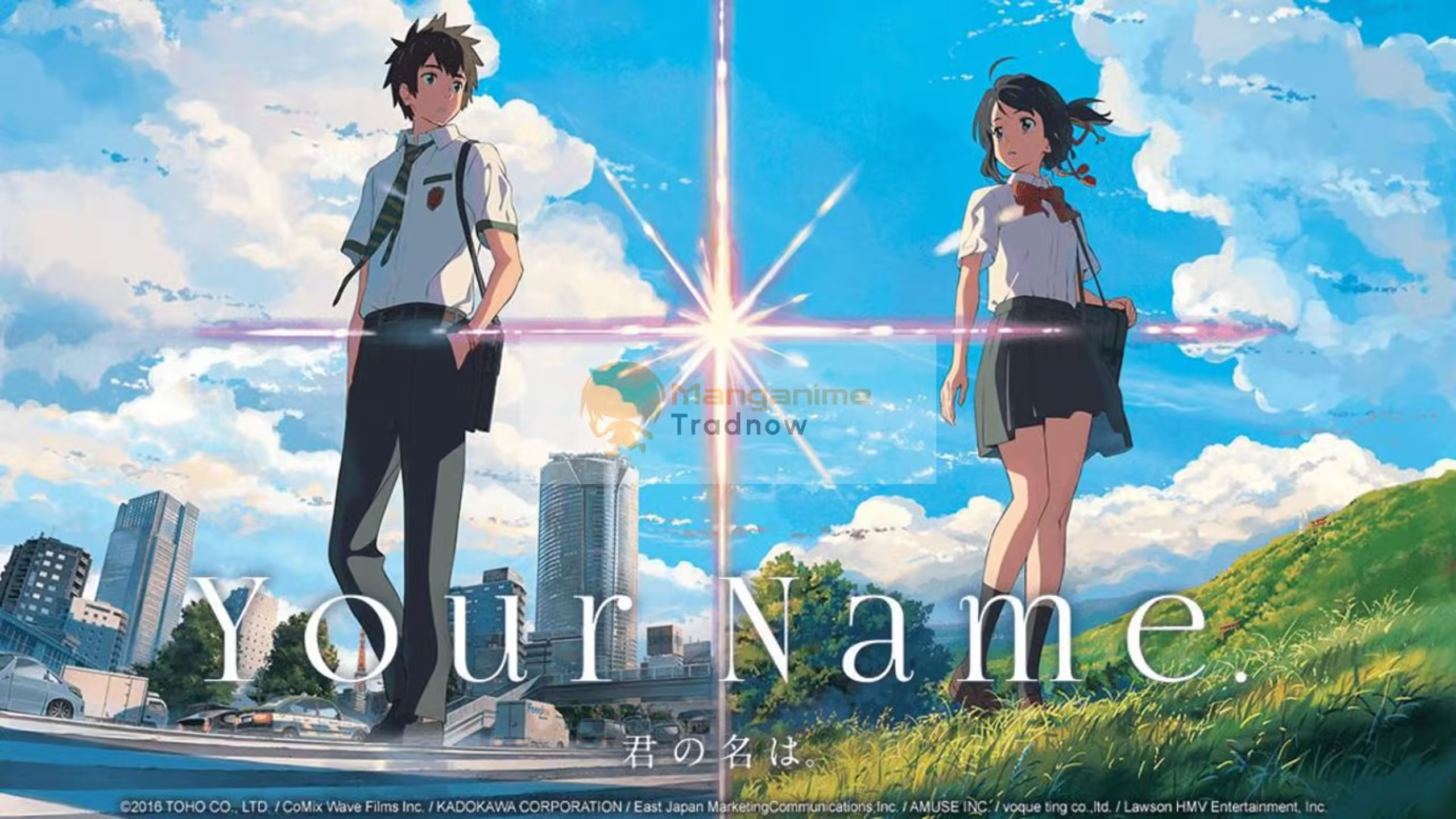
If you finished Your Name and thought: “So… did they actually remember each other or not?” You’re not alone. The ending feels emotional, mysterious, and slightly unfinished, on purpose. Before diving deep, here’s the short answer:
Yes: Taki and Mitsuha meet again.
They forget because the timeline rewrites itself, not because their bond disappears.
Now let’s walk through what really happened, scene by scene, and why the ending stays with people long after the credits.
What You Need to Know First
Short version:
- Mitsuha = small-town girl
- Taki = Tokyo student
- They suddenly swap bodies
- They leave notes and messages to survive the chaos
- They slowly fall in love
- Taki discovers Mitsuha’s town was destroyed by a comet three years earlier.
Meaning:
He has been talking to someone who already died in his timeline. He climbs the mountain, drinks her sacred sake, crosses time, and forces fate to change. The town survives. And the universe quietly removes the “impossible” parts from their memories. Not their emotions, though, only the logic.
Why They Forget Each Other
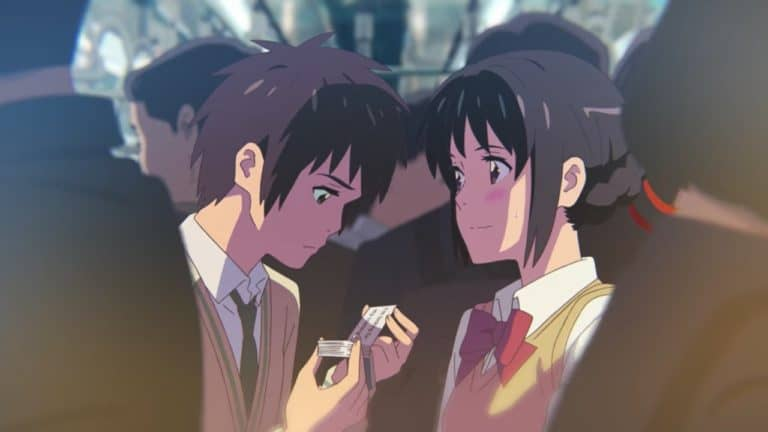
Their connection depended on a broken timeline. Once the timeline fixes itself, the brain deletes contradictions. But biology isn’t perfect. Feelings are stored differently from facts.
The mind erases details.
The heart keeps unfinished business.
That’s why they feel:
- nostalgia
- sadness
- the urge to search crowds
- unexplained loneliness
They’re reacting to something their brain can’t fully retrieve anymore. It’s realistic. Not magic.
We all forget names… but remember how certain people made us feel.
The Comet Isn’t Just Disaster: It’s a Reset Switch
The comet represents:
- fate
- interruption
- the cost of change
Saving Mitsuha requires rewriting destiny. And rewriting destiny always asks for sacrifice. Here, the price was memory.
Not life.
Not love.
Just clarity.
And that makes the ending hurt in a quieter way.
The Twilight Scene: Why “We Won’t Forget” Still FailsOn the mountaintop, time pauses.
They finally see each other, they talk and they write names on each other’s hands.
Then… the spell ends.
“Who are you?”
It feels cruel, but the meaning is clear: the universe allowed them one honest moment
so the choice to save each other felt real……then removed the evidence.
That’s why the name fades, but the feeling doesn’t.
What Musubi Means (Grandmother’s Explanation)
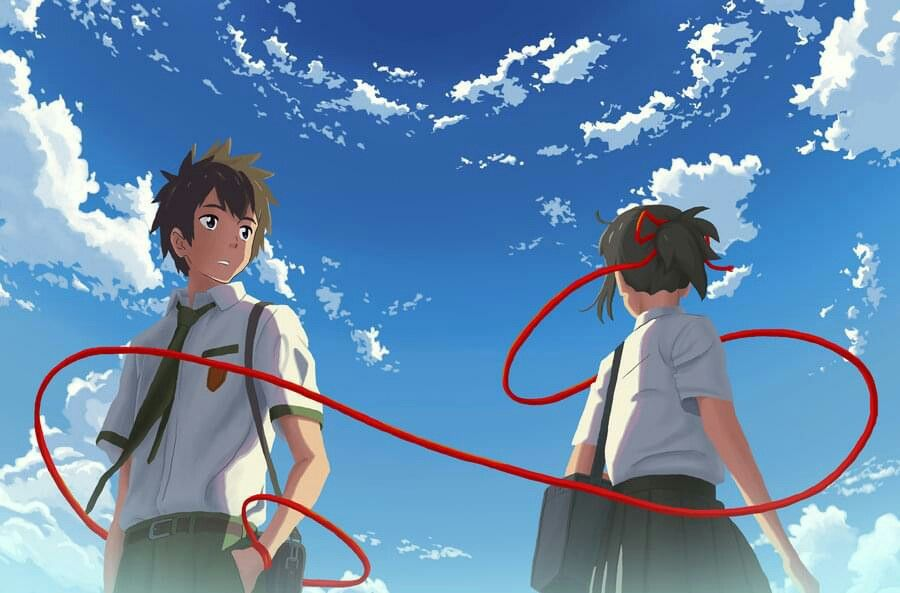
Mitsuha’s grandmother describes musubi:
“Tying threads. Bringing things together. Time twisting and returning.”
Threads = relationships + time.
Your Name uses the idea that:
- threads stretch
- twist
- knot together
- reconnect later
Musubi explains why they eventually meet again:
Not destiny forcing it.
But life tying loose ends.
How the Sake Ritual Let Taki Cross Time
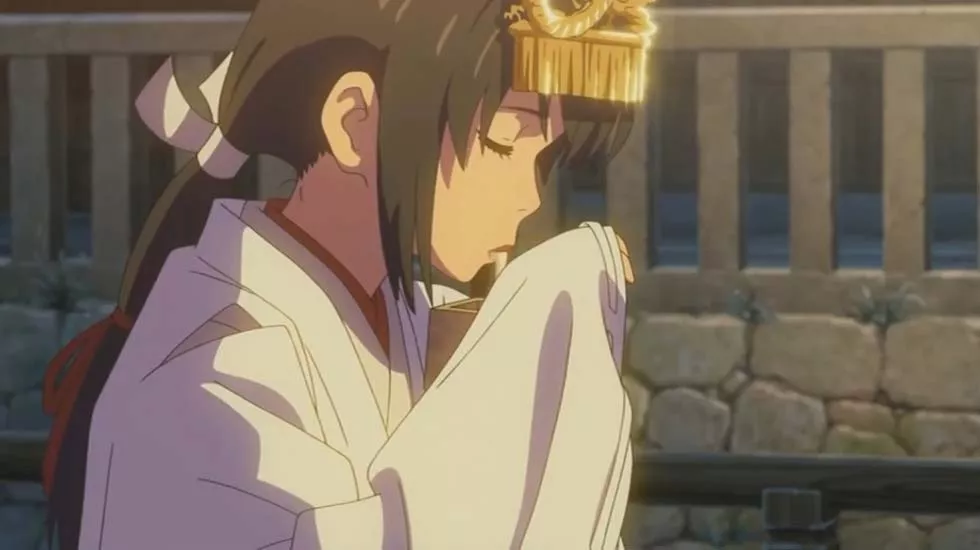
The ritual sake represents Mitsuha’s life and identity.
When Taki drinks it:
- he symbolically becomes tied to her past
- the barrier between timelines weakens
- he temporarily enters a “twilight” state
Not magic, mythology.
It’s deeply symbolic storytelling tied to Japanese tradition.
The Final Train Scene: Exact Meaning Explained
Now the question everyone asks.
What we literally see:
- They pass each other, they hesitate, they both feel something, they turn around, then they speak.
What it means:
They don’t remember the body-swaps nor the comet disaster. They do remember the emotional echo of someone important who hasn’t existed in their life yet.
And when they finally say:
“Have we met?” the story resets to where it always wanted to be:
same world, same time, same starting line.
They don’t pick up the past.
They begin anew.
Do They Ever Get Their Memories Back?
No, not fully.
Shinkai intentionally avoids the fantasy shortcut. They don’t need memory to recognize the connection. They build new memories instead. That’s the realism that makes the ending powerful.
Why This Ending Feels So Personal
This movie reflects something most people quietly know:
- friendships that faded
- someone you nearly dated
- someone who mattered but slipped away
- the sense that you were supposed to meet someone
Watching the final scene feels like reopening that memory file, except you don’t remember what was inside. It hits because it’s relatable, not mystical.
Where to Watch Your Name (Best Legal Options)
Rewatching legally often means:
- better subtitles
- HD video
- no malware risk
- supporting the creators
Tip: premium anime streaming services sometimes rotate availability, but many offer free trials. If you watch while traveling, a secure VPN for streaming can help maintain access to your account safely.
Before choosing, compare streaming platforms below availability changes.
Where Is Your Name Streaming? (Quick Comparison)
| Platform | Availability | Trial | Why Consider It |
|---|---|---|---|
| Netflix | Sometimes available | Yes | Great subtitles + easy app |
| Crunchyroll | Region-based | Yes | Built for anime lovers |
| Prime Video | Often rentable | Yes | Extra perks beyond anime |
| Google Play / Apple TV | Rent/Buy | No | Best long-term quality |
(Check your region, catalogs change frequently.)
If You Loved Your Name, Watch These Next
Because once you feel this kind of storytelling, you’ll crave more:
- Weathering With You: sacrifice vs. personal happiness
- A Silent Voice: guilt, disability, redemption
- I Want to Eat Your Pancreas: quiet, emotional devastation
These aren’t just sad movies.
They’re reminders of what it means to feel deeply.
Anime Tourism: Visit the Real Locations from Your Name
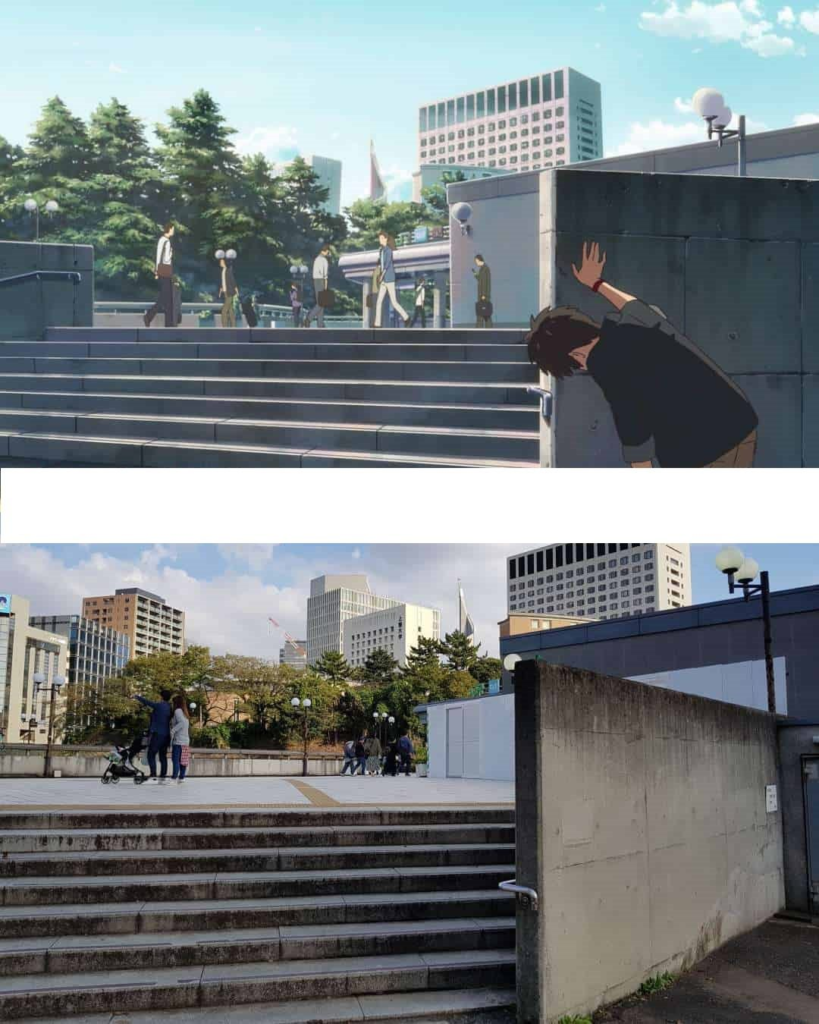
One of the reasons Your Name feels so real is that many scenes are inspired by actual places in Japan. Fans visit them every year, a trend often called anime tourism.
And honestly, standing there changes how the ending feels. You realize these characters walked streets that exist outside animation.
Here are a few iconic spots:
1. The Suga Shrine Staircase (Tokyo)
The final scene where Taki and Mitsuha finally turn and speak is based on the staircase leading to Suga Shrine in Yotsuya. Fans still recreate the scene there today.
2. Shinjuku & Surrounding Streets
Many background scenes (crossings, train platforms, cafés) come directly from busy Shinjuku areas. Makoto Shinkai wanted the world to feel lived-in, not fantasy.
3. Itomori Inspirations
While Itomori is fictional, it combines visual elements from Hida-Furukawa and the rural Gifu region. Lakes, mountains, quiet town streets, all echo Mitsuha’s world.
Anime tourism lets fans experience the story physically. It isn’t about copying scenes, it’s about recognizing familiar emotions in real-world places.
If you want a full guide with maps, photos, and directions, read my detailed article here:
Your Name real-life locations guide
About Your Name(Kimi no Nawa)
Your Name is a romantic fantasy film about two teenagers, Taki in Tokyo and Mitsuha in a rural town, who mysteriously begin switching bodies. As they leave messages for each other and slowly grow closer, Taki discovers that Mitsuha lived in the past and that her town was destroyed by a comet, turning their story into a fight against time, fate, and forgotten memories.
The movie was written and directed by Makoto Shinkai, who also wrote a novel adaptation of the story. Shinkai is known for emotional, visually rich films about distance and destiny, and Your Name is widely seen as his breakout global hit.
Commercially, the film grossed over $350 million worldwide, making it one of the highest-earning anime films ever released. It collected multiple domestic and international awards, including major Japanese film prizes and animation honors from overseas critic circles, and it helped spark anime tourism to the real-life locations that inspired its backgrounds.
The soundtrack, composed by the Japanese band RADWIMPS, is a big part of why the film hits so hard emotionally. Songs like “Zenzenzense” and “Sparkle” are tightly woven into key scenes, reinforcing the film’s themes of longing, timing, and the feeling of searching for someone you can’t quite remember.
Your Name Ending Explained: What The Ending Actually Says
The ending isn’t:
“Love conquers time.”
It’s closer to:
“Some connections vanish briefly then return when life realigns.”
Your Name doesn’t promise miracles.
It reminds us that sometimes:
- people leave
- timing fails
- threads untie
And years later, on an ordinary staircase or train ride…
the knot returns.
FAQs: Your Name Ending Explained
They recognize the feeling, not the details. They rebuild from there.
The corrected timeline erased contradictions; memories attached to the “impossible” events faded.
Yes, in the original timeline, the comet destroys the town. The rewrite saves her.
Yes. The ending confirms their paths finally align normally.
No. The film implies they move forward instead of recovering the past.
Yes, the films exist in the same universe. Makoto Shinkai confirmed subtle links, and characters from Your Name briefly appear in Weathering With You. The themes also connect: fate, sacrifice, and how individual choices shape the world.
No, but it draws inspiration from real disasters in Japan, cultural beliefs about fate, and the concept of “musubi,” which represents threads that connect people and time.
Because it blends hope and loss: the characters forget each other to survive, yet still find their way back. It reflects real life sometimes people drift apart, only to reconnect when timing finally aligns.
The red thread represents connection, time, and destiny. It ties people together even when circumstances separate them, reminding us that some relationships stretch, fade, and return later.
No direct sequel exists, but Shinkai’s later films, especially Weathering With You and Suzume, explore similar themes and subtle universe connections.
Availability changes by region. It frequently rotates across platforms like Netflix, Prime Video, Crunchyroll, and digital rentals. Checking legal platforms first ensures better subtitles, quality, and creator support.
Show Your Work
Whether you are a professional or an amateur, we will love to see your artwork. So don't hesitate to remove your cats from your box right away