Real-Life Location of Suzume: The Complete Japan Travel Guide to the Anime’s Real Places
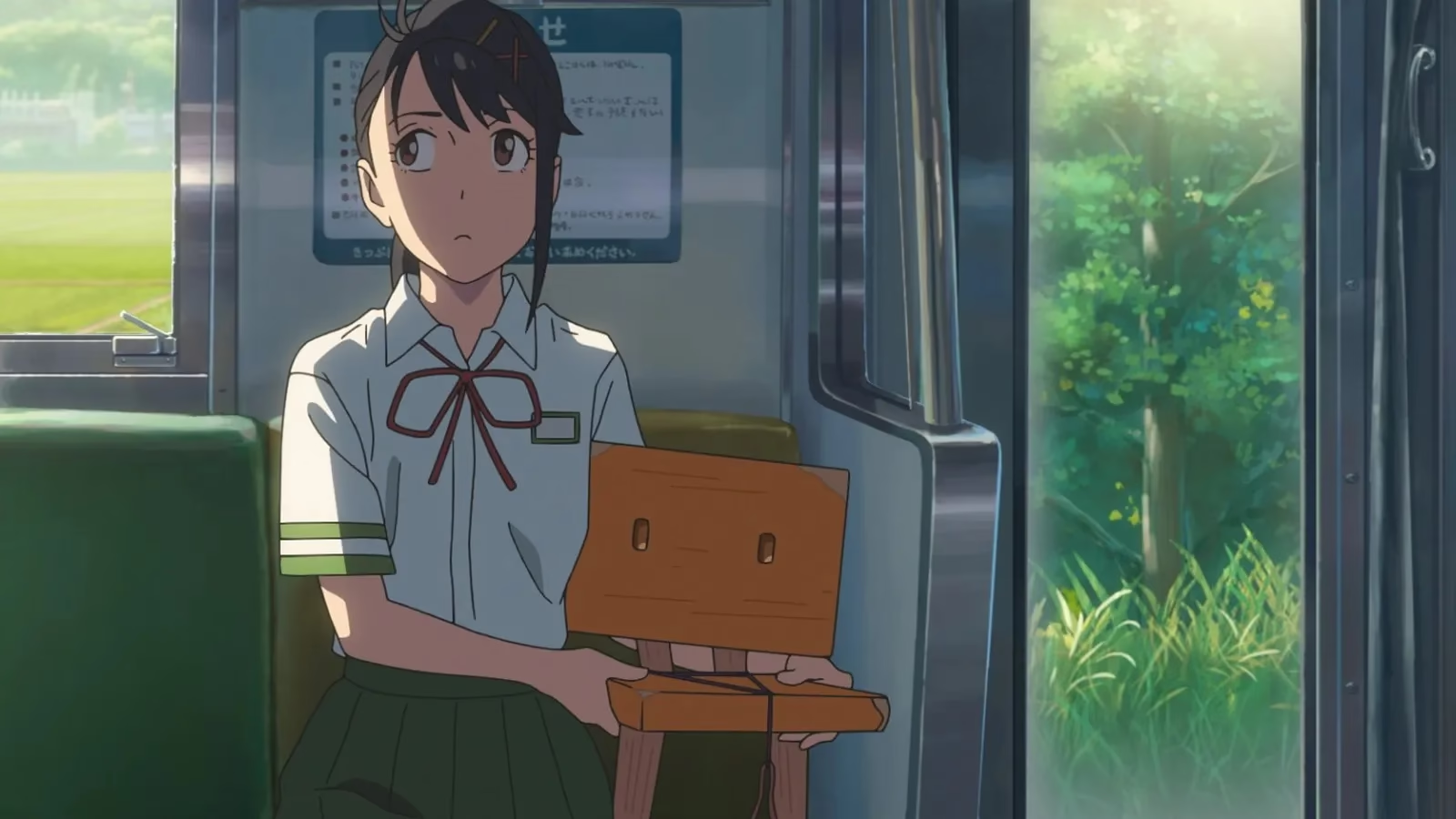
Makoto Shinkai has a gift for turning everyday landscapes into something quietly magical, something fans may recognize if they’ve explored the Your Name real-life locations in Japan. In Suzume no Tojimari, that magic unfolds across an entire country. What begins in the calm towns of Kyushu eventually stretches across Shikoku, Kobe, Tokyo, and finally the coast of northern Japan.
Many fans quickly realized that the film wasn’t just a fantasy story — it was also a journey through real places. As a result, travelers began visiting these locations as part of what anime fans call a pilgrimage, traveling to the places that inspired their favorite scenes.
This guide explores the real-life location of Suzume step by step, following the same route Suzume takes across Japan. Instead of simply listing places, we’ll trace the journey the way the story unfolds.
Kyushu — Where Suzume’s Journey Begins
The story begins in Kyushu, the southernmost of Japan’s main islands. The landscapes here are quiet and nostalgic: small railway towns, coastal ports, and aging infrastructure that feel slightly frozen in time.
These settings establish the tone of the film before Suzume’s life is suddenly pulled into a supernatural adventure.
For many viewers wondering where the Suzume anime was set, Kyushu provides the answer to the story’s earliest locations.
Bungo Mori Roundhouse (Ōita Prefecture)
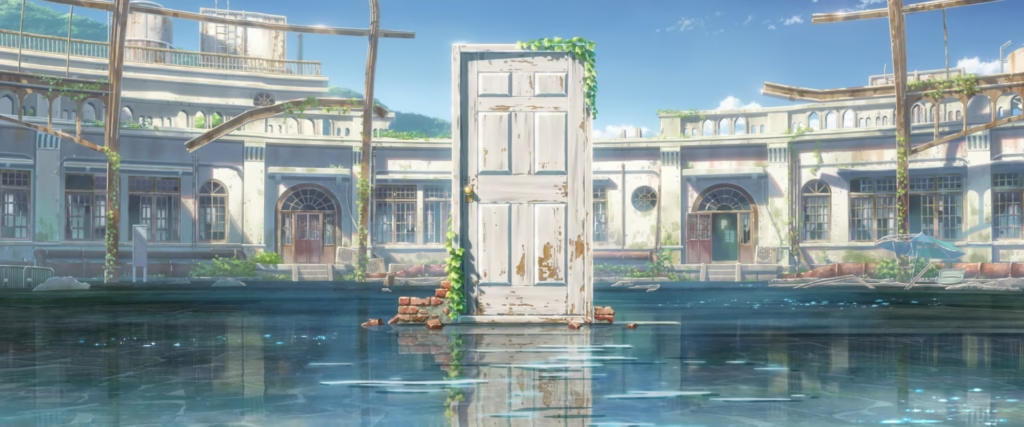
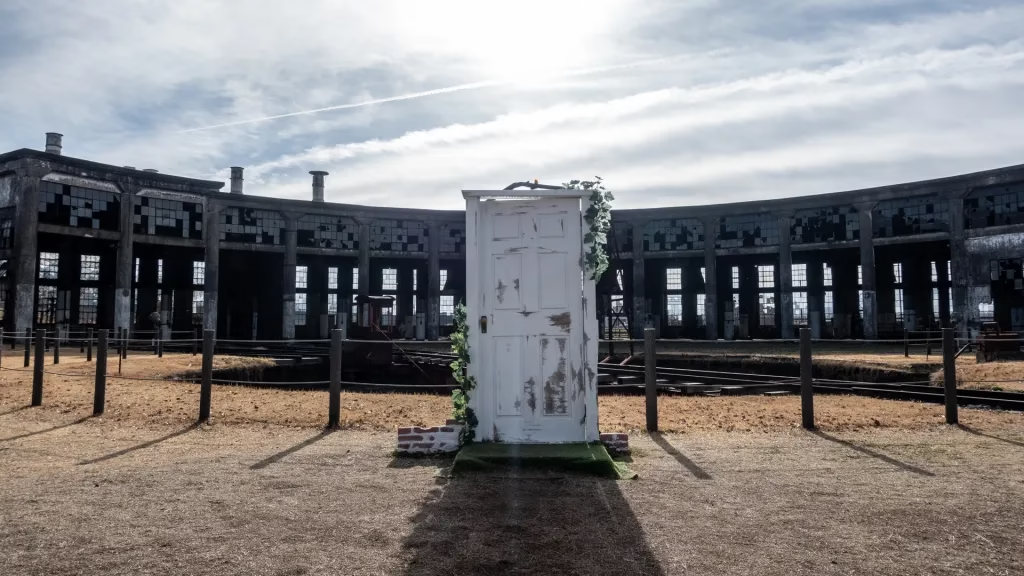
One of the most convincing Suzume anime locations is the Bungo Mori Roundhouse in Ōita Prefecture.
Built in the early 20th century, this railway roundhouse once housed locomotives used throughout the region. Today the structure still stands surrounded by rusted tracks and abandoned maintenance buildings.
The circular depot strongly resembles the mysterious ruin where Suzume and Souta encounter one of the film’s doors. Walking through the site feels almost identical to stepping into that scene.
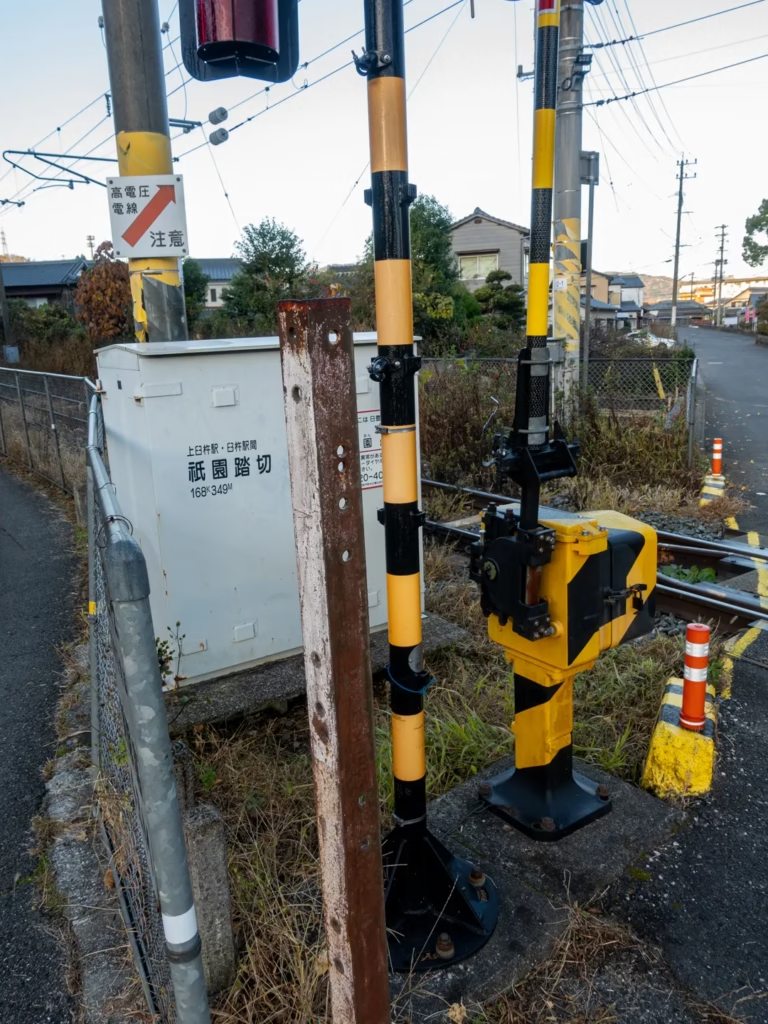
Usuki — The Railway Crossing Near Suzume’s School
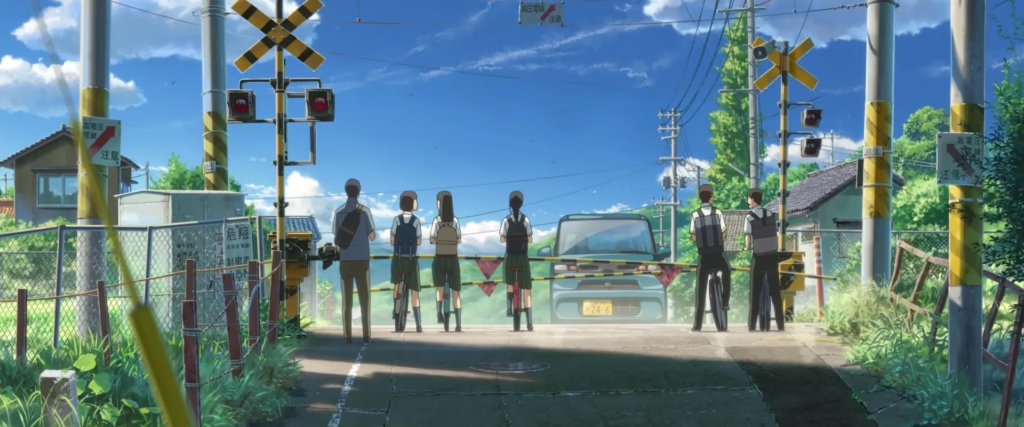
Several pilgrimage researchers link scenes from the early part of the film to the town of Usuki.
In particular, a railway crossing near Usuki High School resembles the everyday environment where Suzume’s life unfolds before she begins traveling across Japan.
Moments like these highlight something important about Makoto Shinkai Suzume locations: they are rarely famous landmarks. Instead, they are ordinary places — train crossings, residential streets, and small stations — that feel familiar to people who live there.
Yunohira Onsen — A Town That Feels Frozen in Time
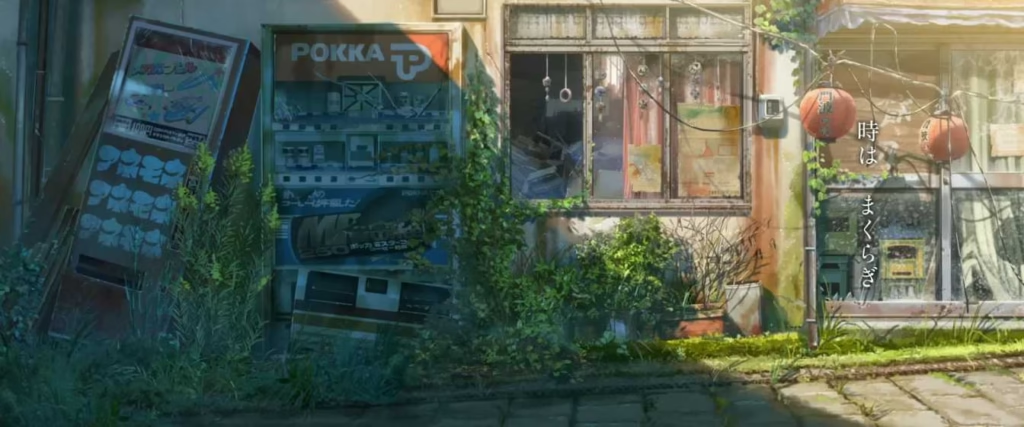
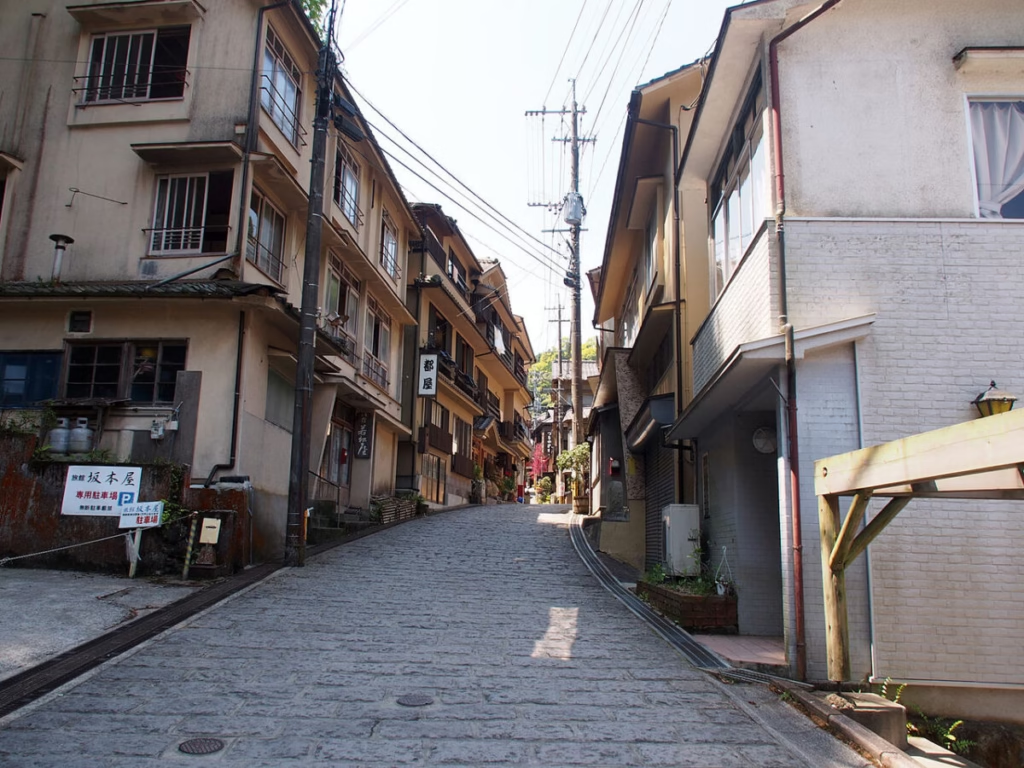
Another place often connected to the film’s atmosphere is Yunohira Onsen, a historic hot-spring village in Ōita.
The town’s narrow stone streets and wooden buildings give it a timeless quality. Although the anime doesn’t recreate the town exactly, the visual mood strongly resembles scenes from the opening arc.
These kinds of inspirations appear frequently among Suzume movie locations in Japan, where the film blends elements of several real places into a single setting.
Usuki Port — The Ferry Departure
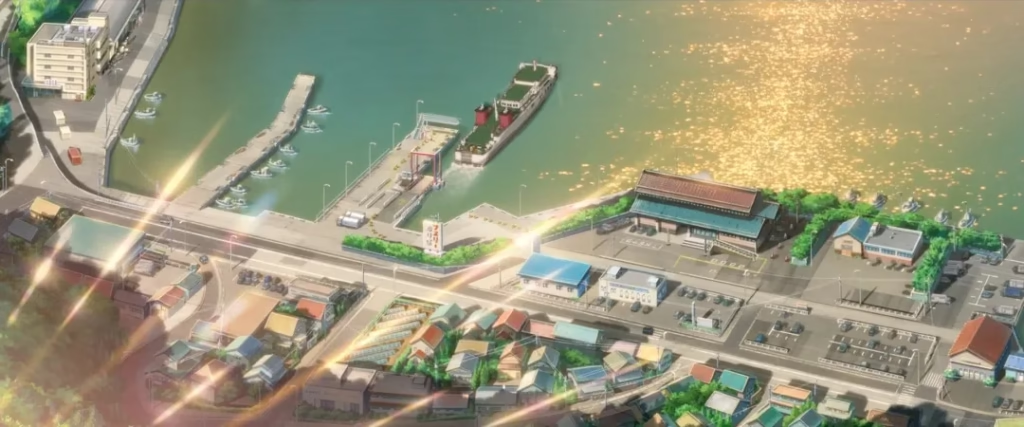
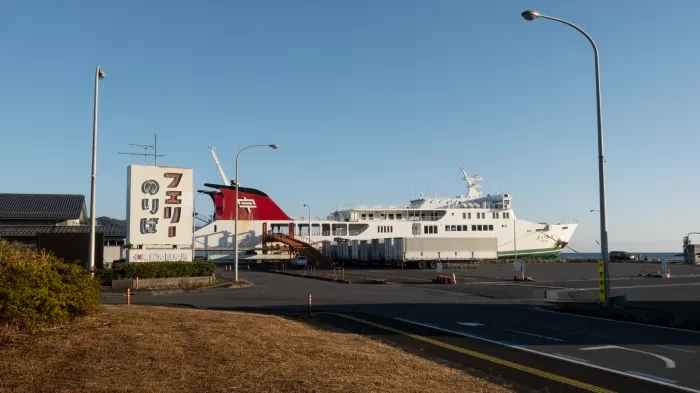
At one point Suzume leaves Kyushu by ferry. While the port in the film isn’t a perfect match to a single real harbor, research suggests the visuals combine elements from several ports in Ōita, including Usuki.
Ports like this connect Kyushu to the island of Shikoku across the Seto Inland Sea. In the story, this moment marks the true beginning of Suzume’s journey.
Shikoku — Traveling Through Ehime
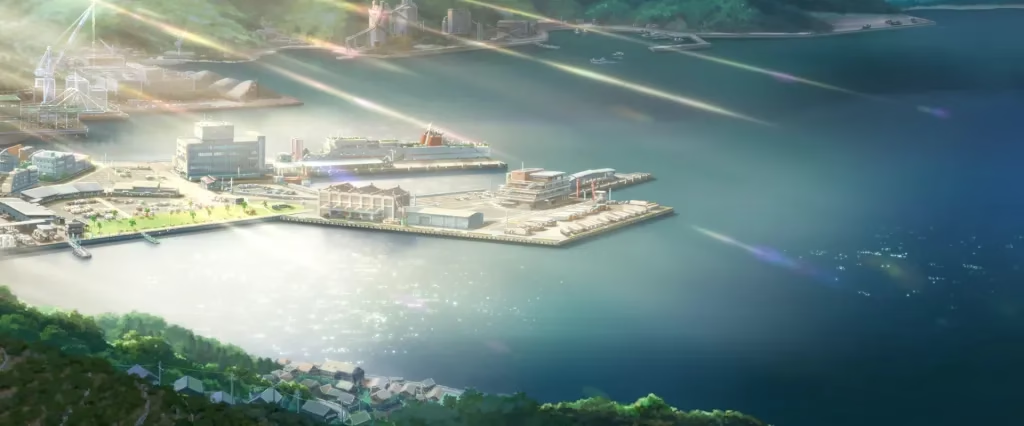
After crossing the sea, Suzume arrives in Ehime Prefecture on the island of Shikoku. The scenery changes dramatically here.
Instead of abandoned ruins, the landscapes become rural and open. Hills covered with orange orchards stretch across the countryside, and quiet train stations sit along the Yosan railway line.
This section of the journey contains some of the most recognizable real life locations from Suzume no Tojimari.
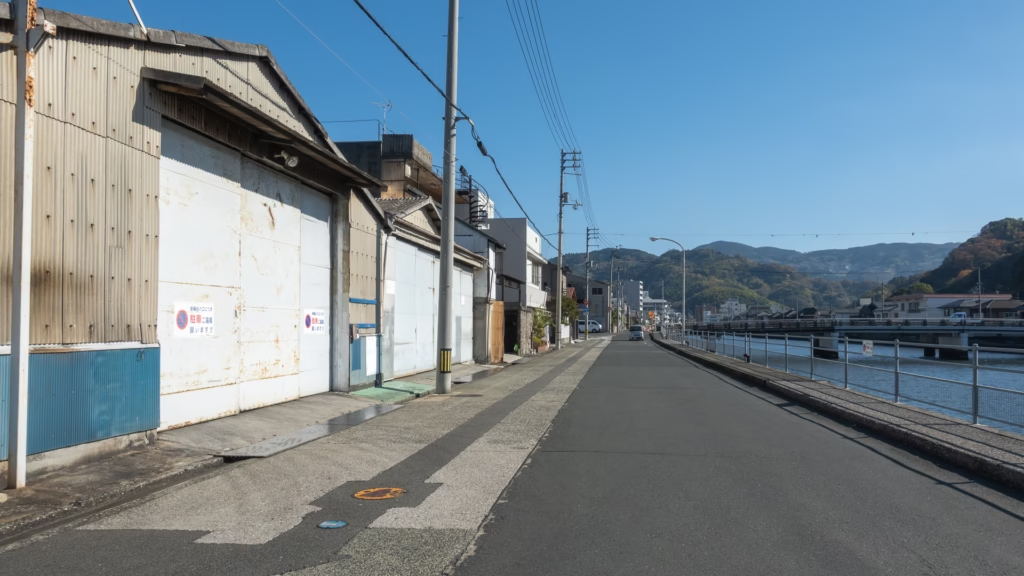
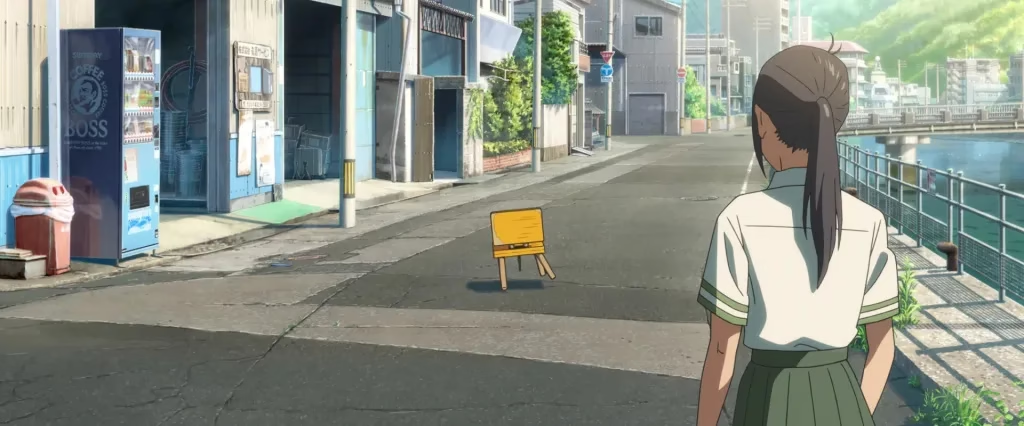
Yawatahama Port
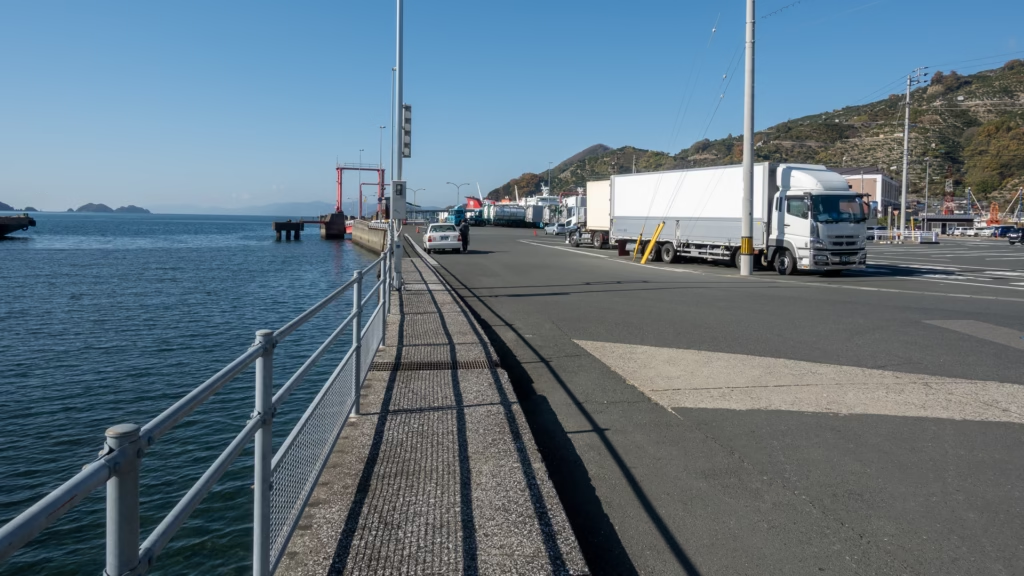
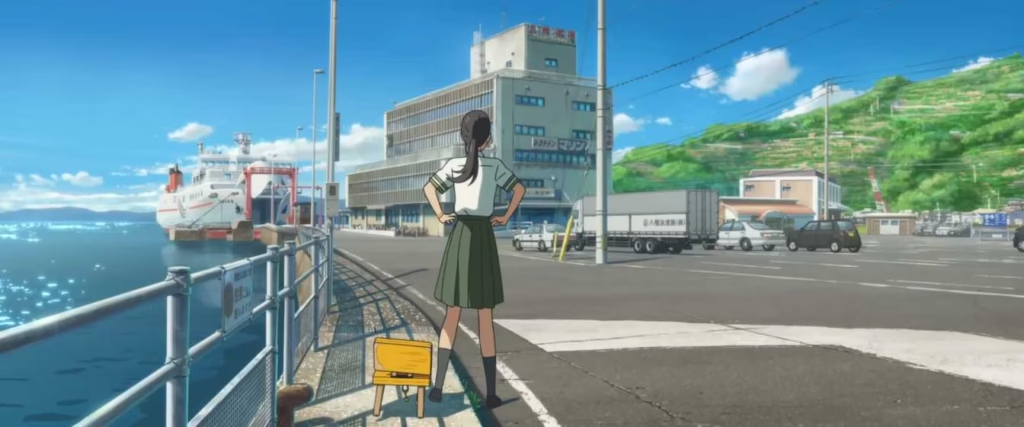
Yawatahama Port is one of the clearest Suzume real life locations Japan.
The harbor layout closely resembles the ferry arrival scene in the film. Interestingly, the old ferry terminal building visible in earlier street-view images was dismantled not long after the movie was released.
This means the anime preserves a version of the port that has already begun to change.
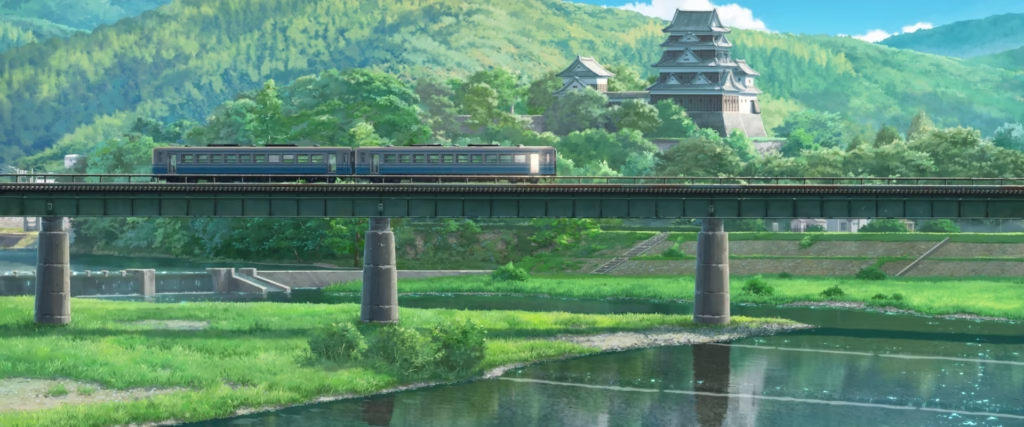
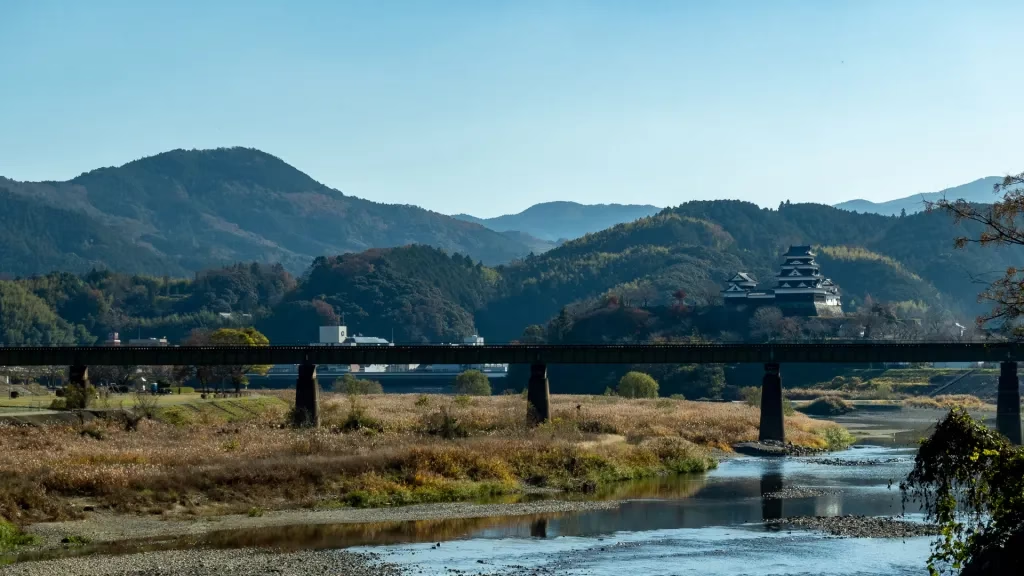
Yawatahama Station
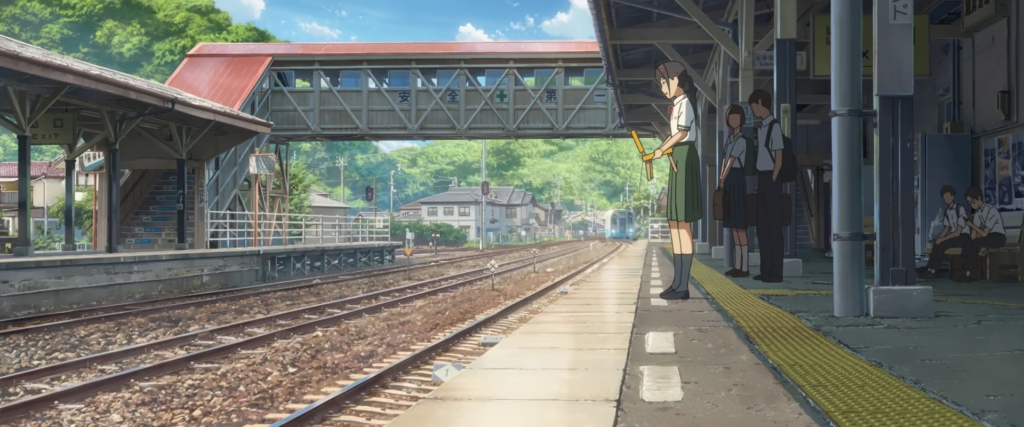
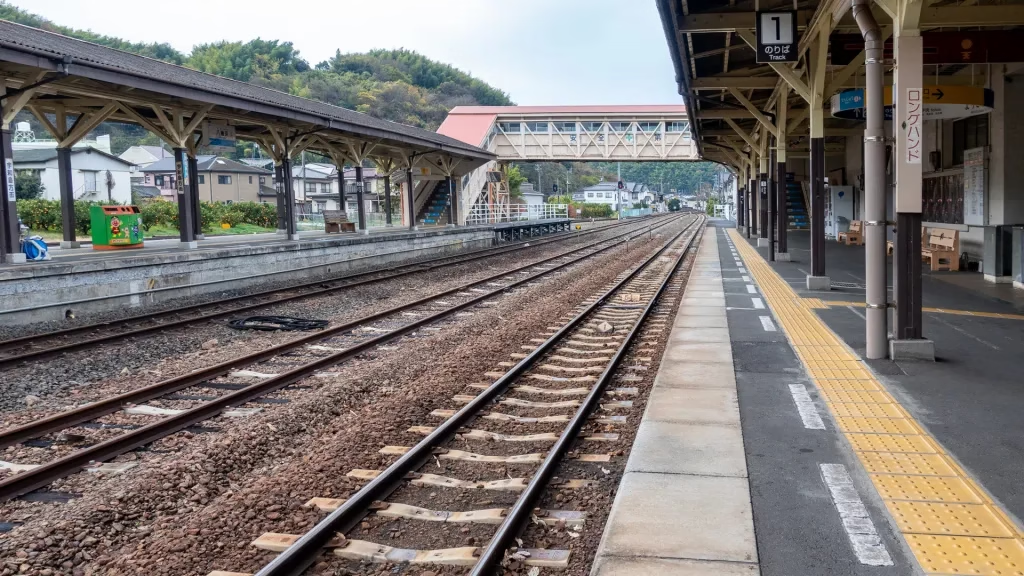
After arriving in Ehime, Suzume continues traveling by train. Yawatahama Station is widely considered the inspiration for several railway scenes during this part of the film.
Stations like this appear repeatedly throughout the movie, reinforcing the sense that Suzume’s journey unfolds through everyday communities rather than tourist attractions.
Otani Pond — The Meeting With Chika
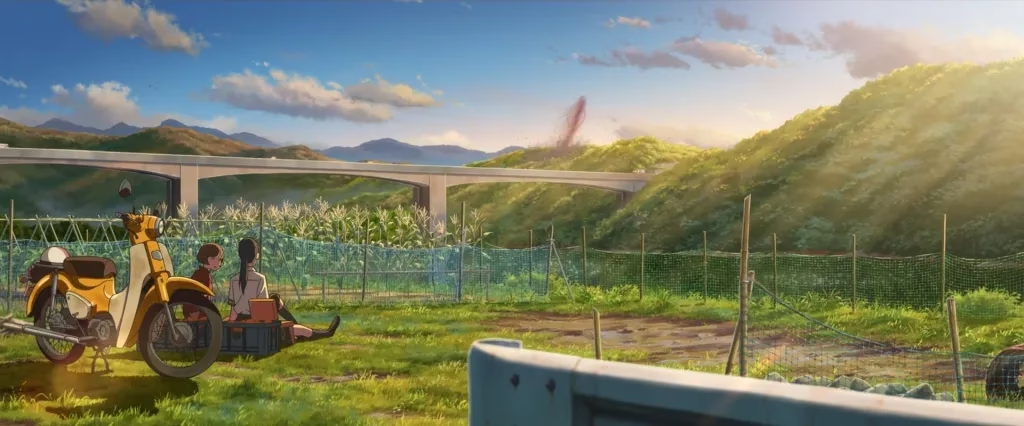
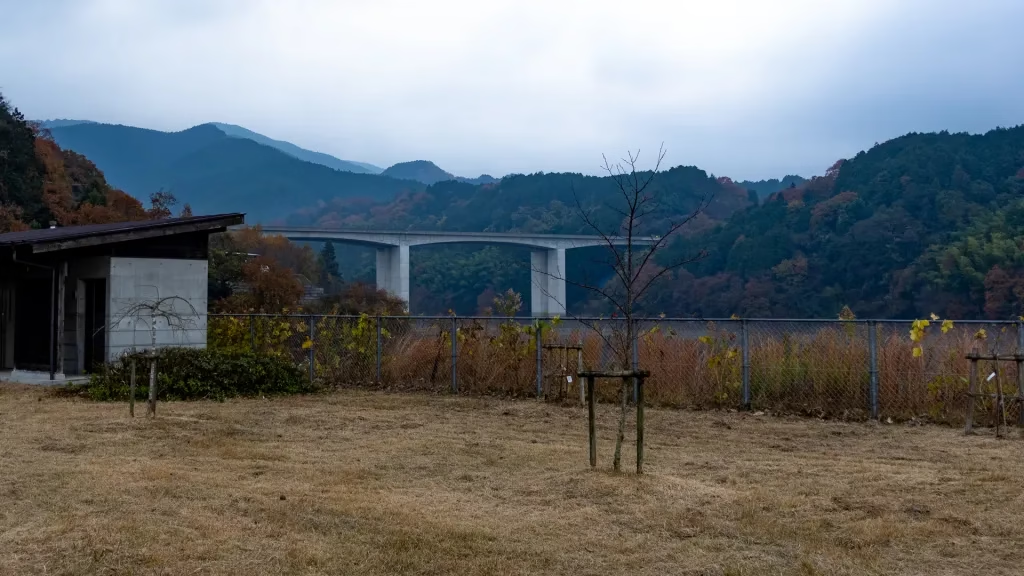
One of the most memorable scenes in the Shikoku arc is when Suzume meets Chika riding a scooter loaded with oranges.
Pilgrimage maps often connect this scene to the countryside near Otani Pond around Saijō. The area is surrounded by orchards and quiet roads, making it easy to imagine the encounter happening there.
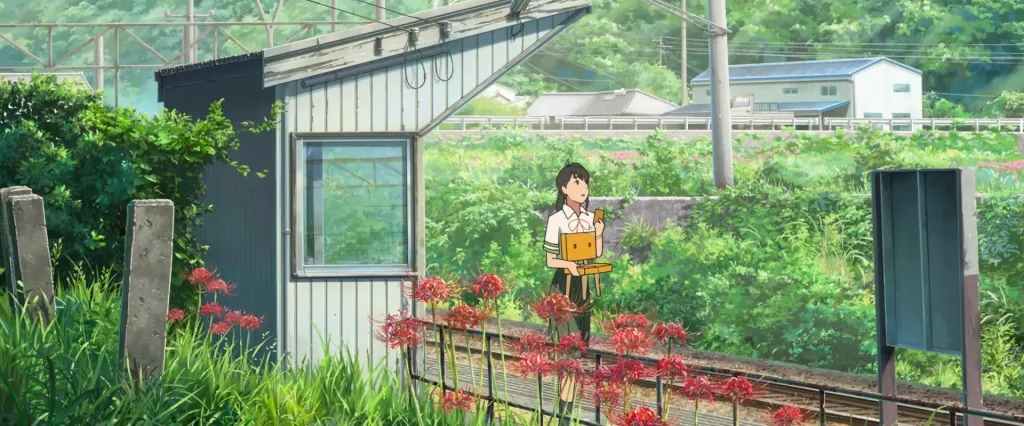
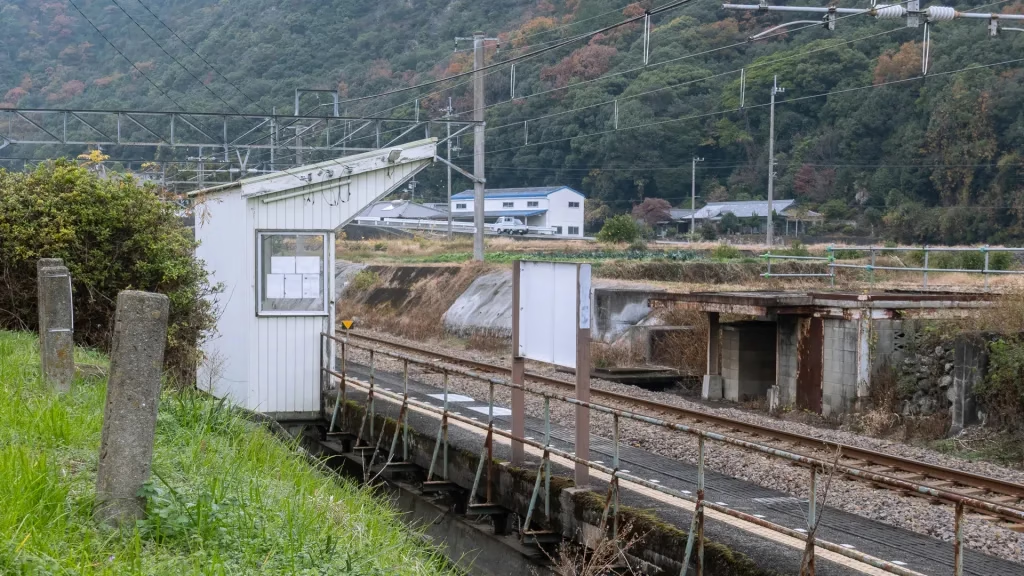
Sekigawa Station
Another stop associated with Suzume’s route is Sekigawa Station along the Yosan Line.
Like many rural stations in Ehime, it is small and quiet. These simple settings help explain why fans searching for where to find Suzume locations in Japan often travel far beyond the major cities.
Kobe — The Middle Arc of the Story
After leaving Shikoku, Suzume reaches Kobe in Hyogo Prefecture. The atmosphere changes again as rural scenery gives way to dense urban neighborhoods.
This part of the film contains several recognizable Suzume anime pilgrimage locations.
Takatori Station Area
Scenes in the Kobe arc are often linked to the area around Takatori Station on the JR Kobe Line.
The surrounding streets include small restaurants, residential buildings, and narrow alleyways typical of older Kobe neighborhoods.
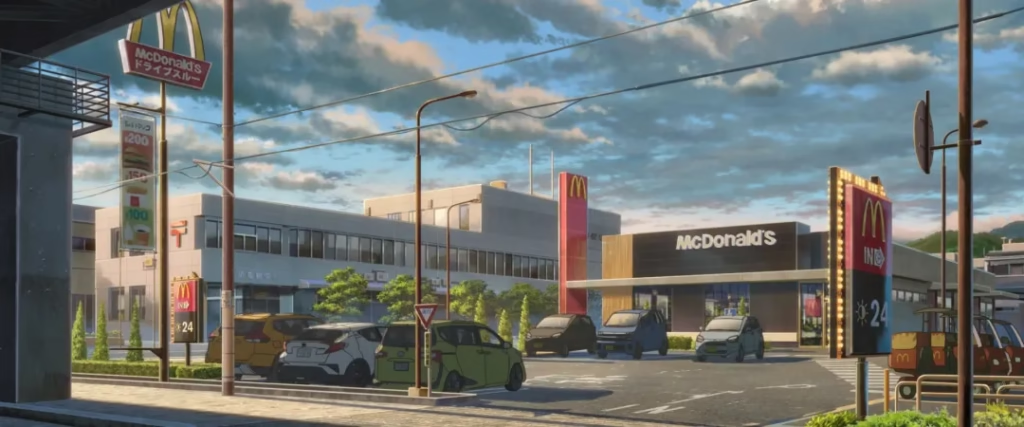
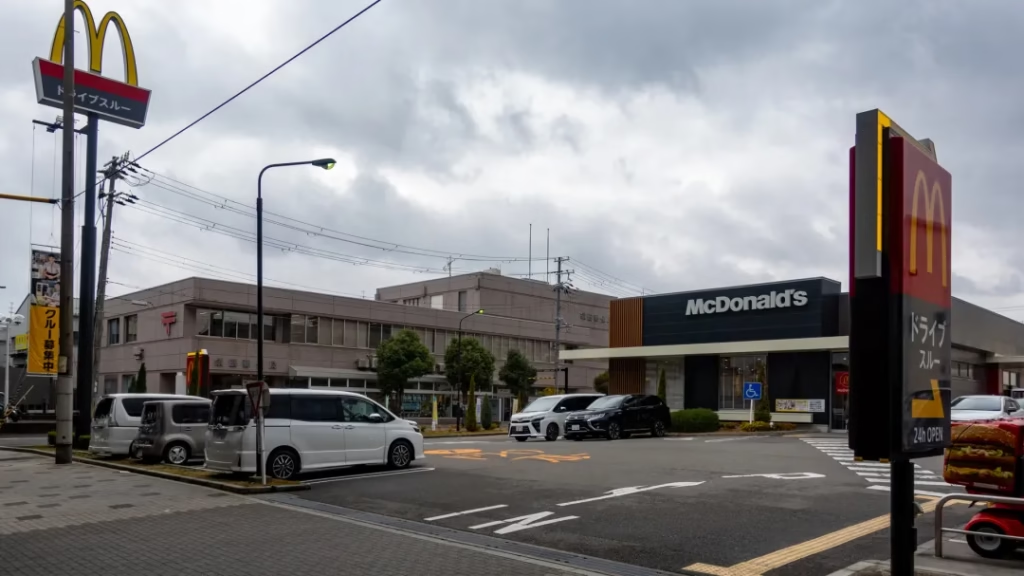
McDonald’s
Ninomiya-suji Shopping Street
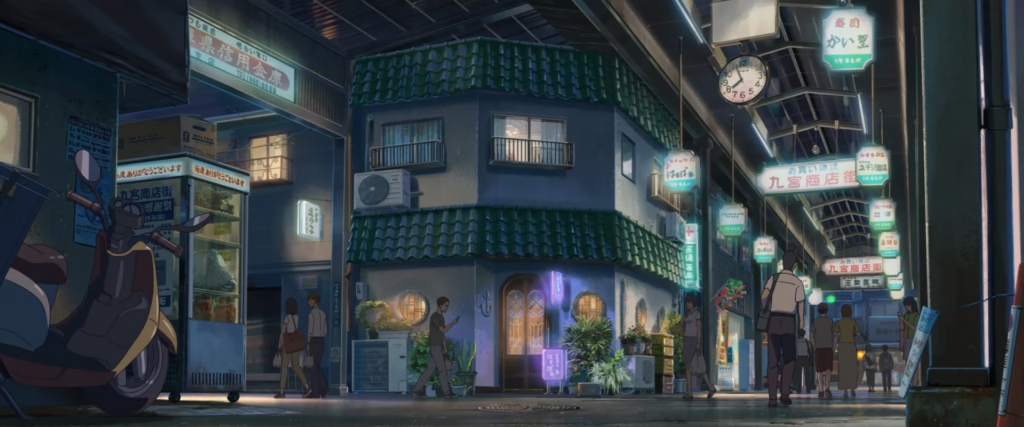
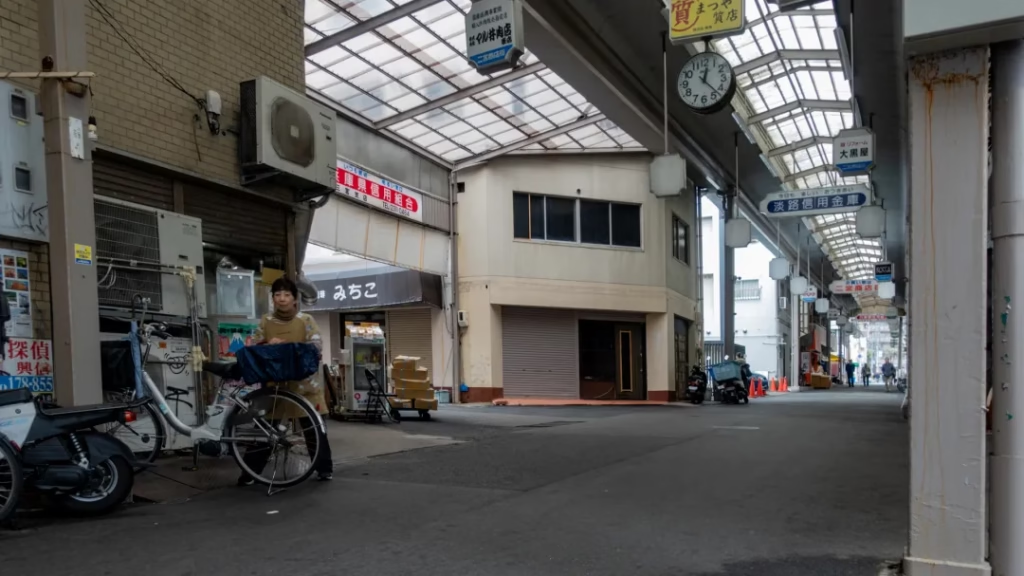
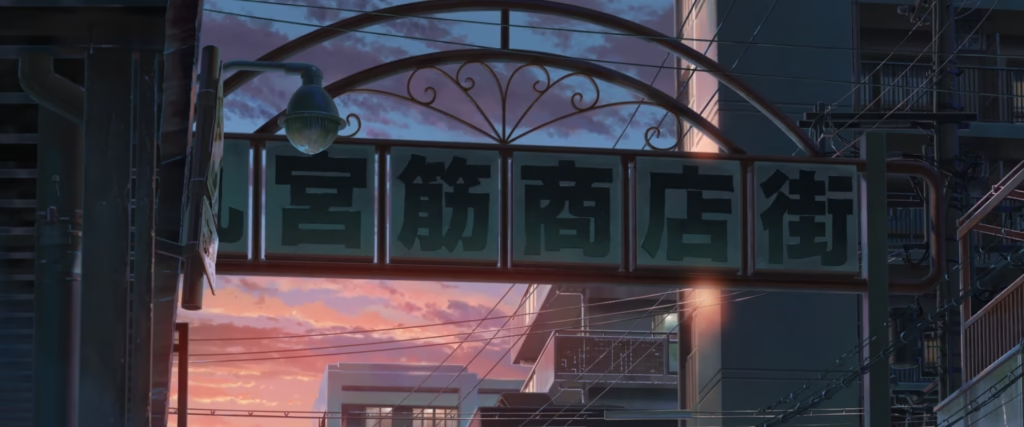
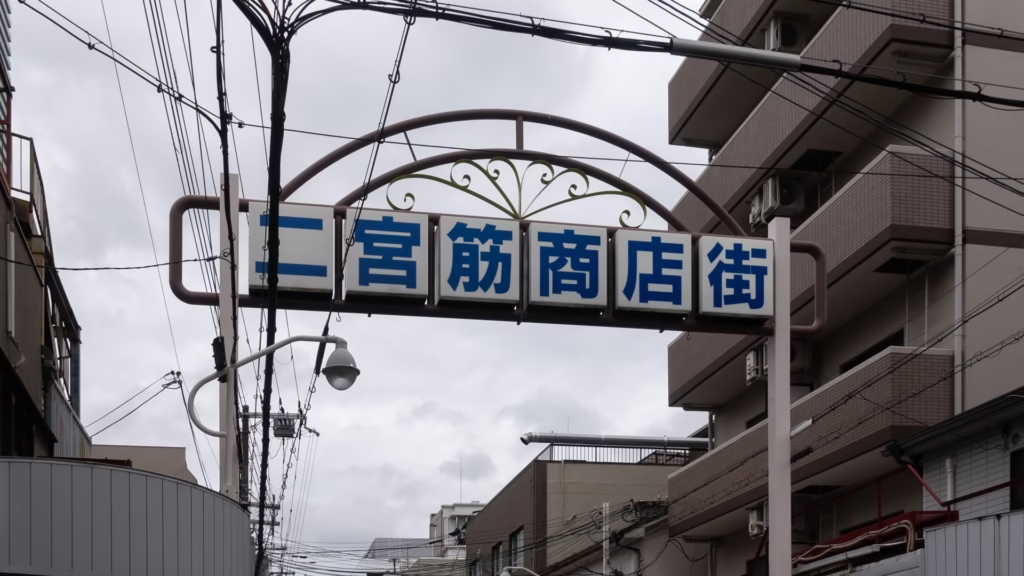
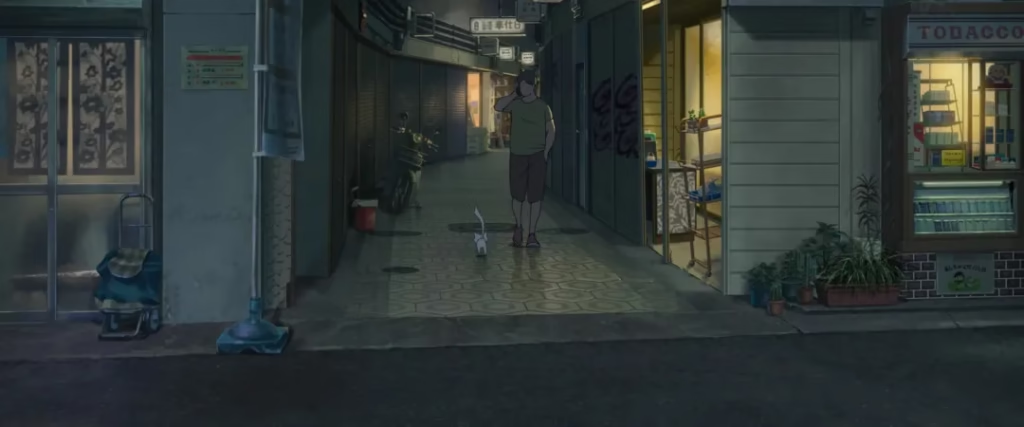
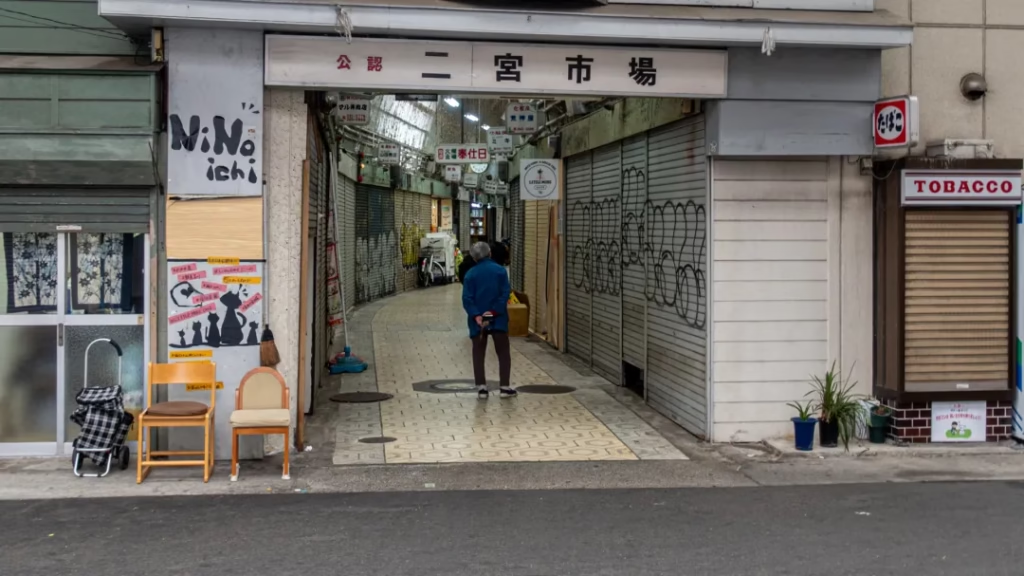
The entrance arch of Ninomiya-suji Shopping Street closely resembles the street where Rumi’s bar appears in the story.
Interestingly, the anime does not reproduce the location exactly. Instead, it blends details from several nearby shopping streets to create the final setting.
Higashiyama Shopping Arcade
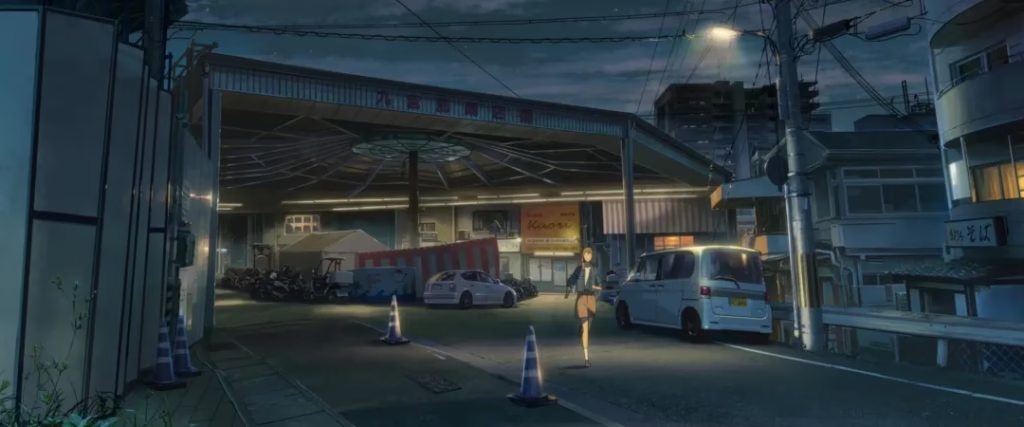
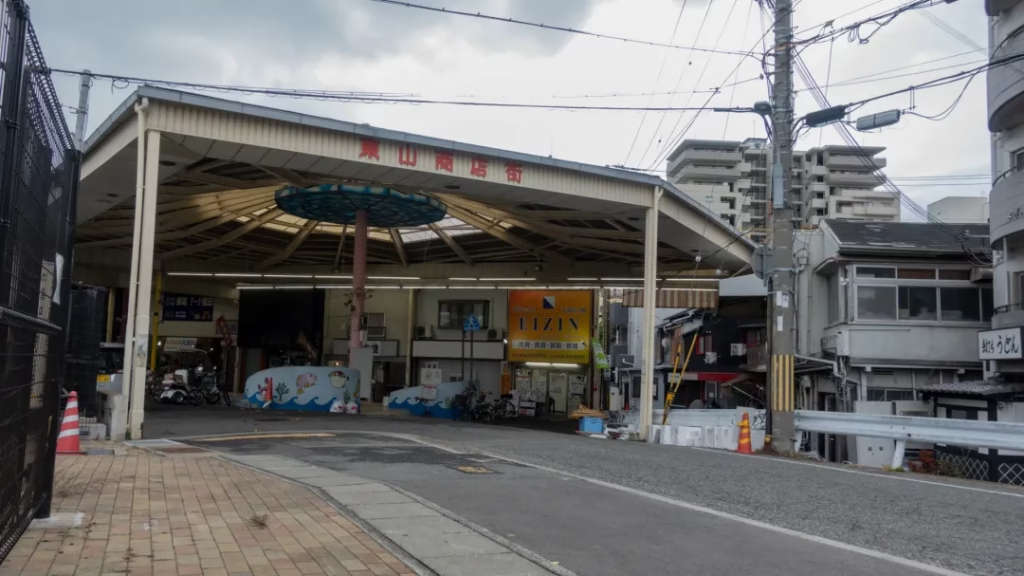
Some spatial details from the anime actually resemble Higashiyama Shopping Arcade more closely than Ninomiya-suji.
This demonstrates how Shinkai’s films often assemble environments from multiple inspirations rather than copying a single place directly.
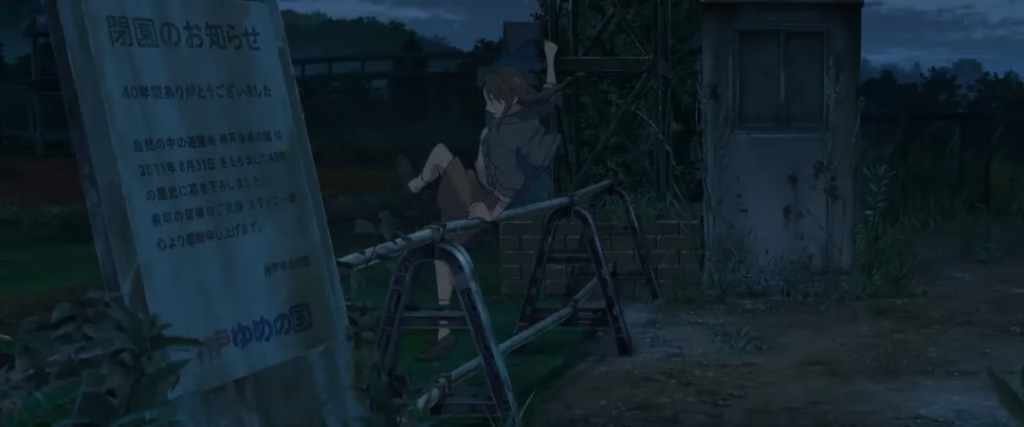
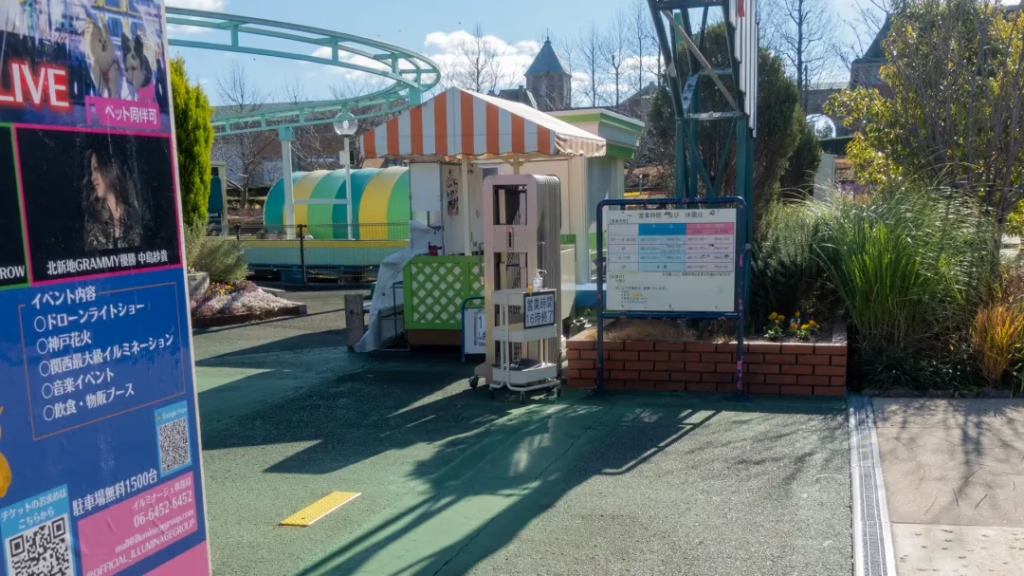
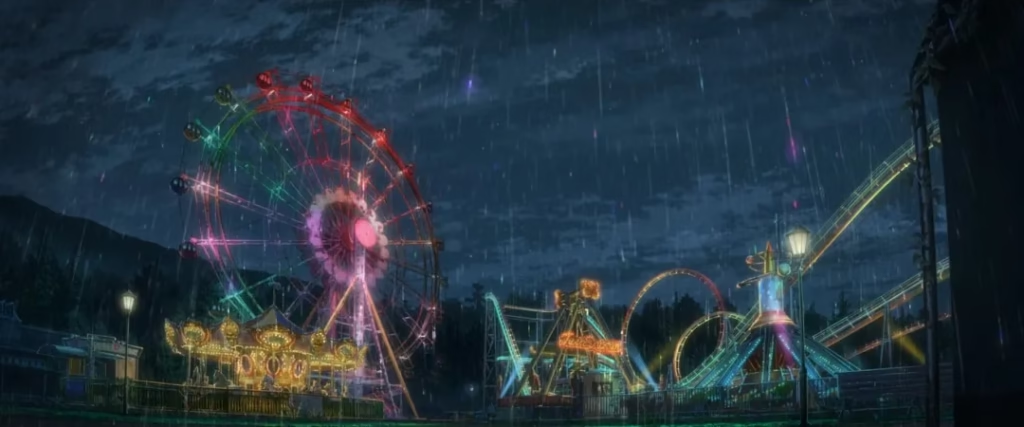
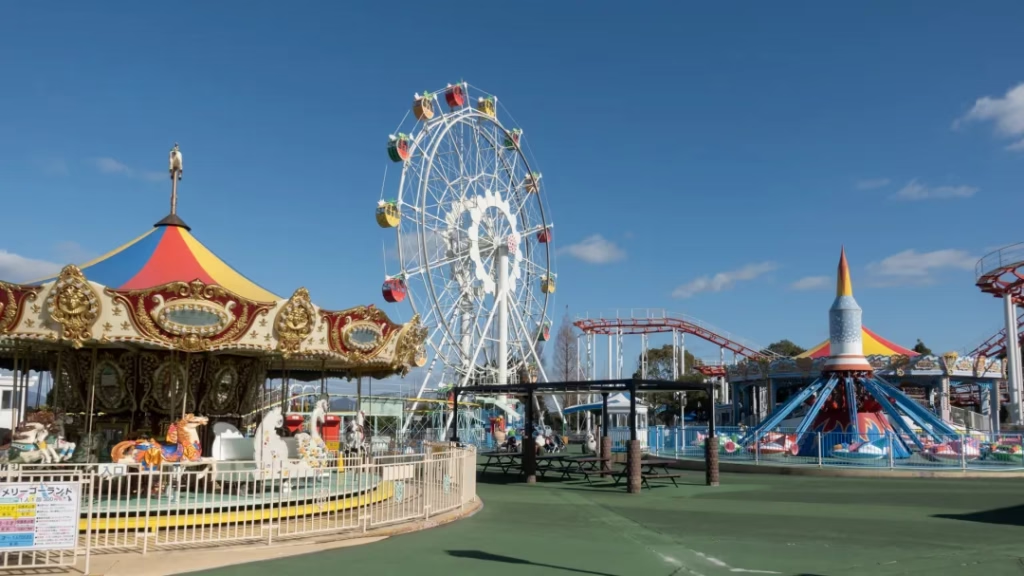
Kobe Fruit and Flower Park — The Abandoned Amusement Park
One of the most dramatic scenes in the film takes place at an abandoned amusement park.
Many fans believe the inspiration comes from Kobe Fruit and Flower Park. While the park itself is not truly abandoned, parts of it can feel quiet and empty depending on the season.
That atmosphere makes it easy to see how it influenced one of the film’s most eerie locations.
Shin-Kobe Station
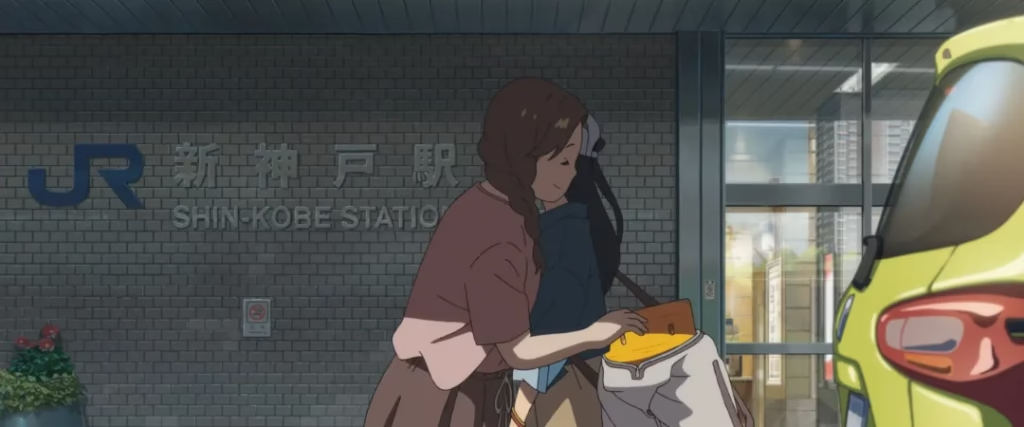
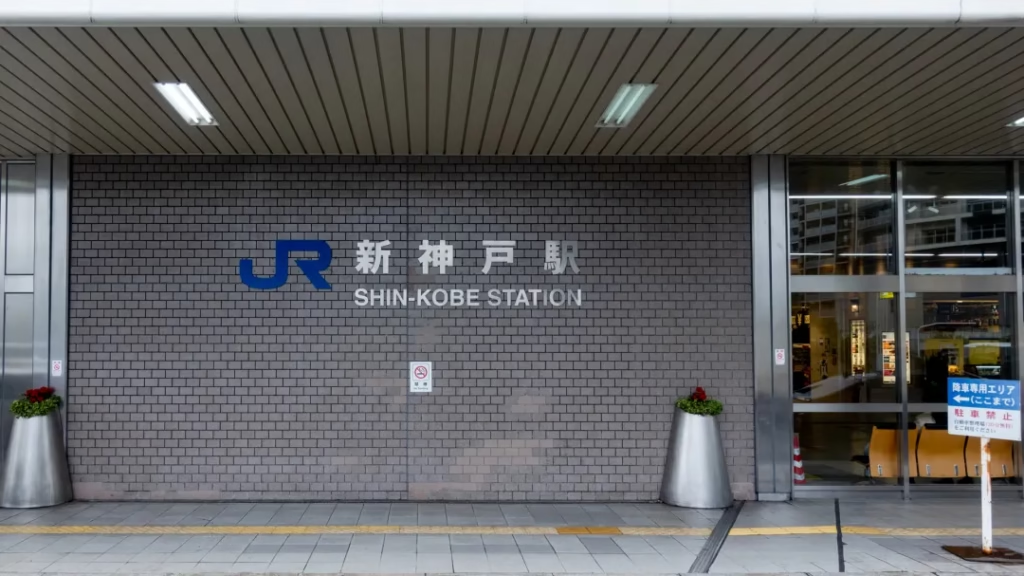
Before Suzume leaves the city, an emotional farewell scene occurs at Shin-Kobe Station. The station connects Kobe to Japan’s high-speed Shinkansen network.
Tokyo — One of the Most Famous Suzume Locations
okyo contains some of the most recognizable scenery in the entire film, and the city is already famous for many other anime locations in Tokyo visited by fans.
Makoto Shinkai is known for recreating Tokyo landscapes with remarkable accuracy, something you can also see in the Weathering With You Tokyo locations.
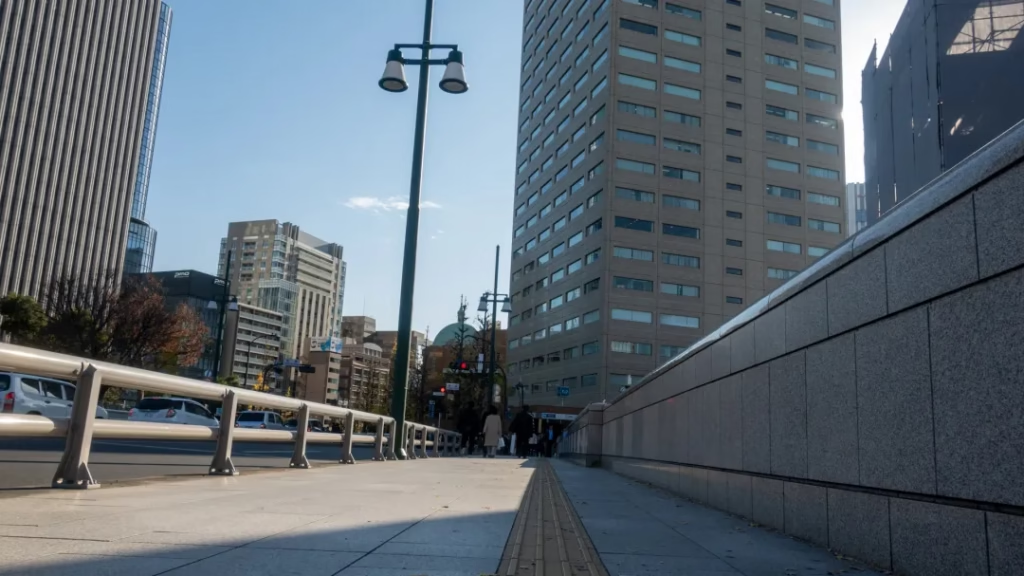
Hijiri-bashi Bridge (Ochanomizu)
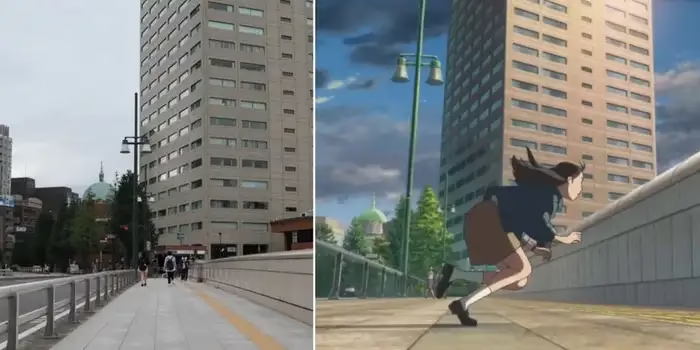
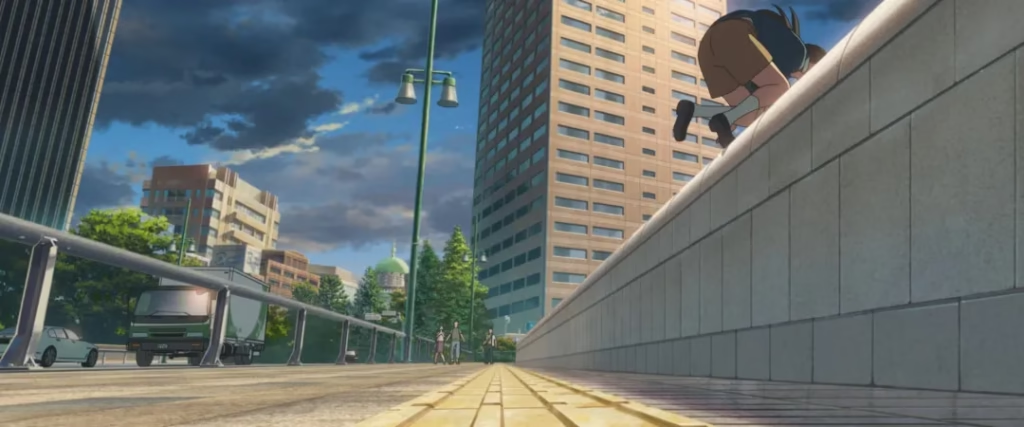
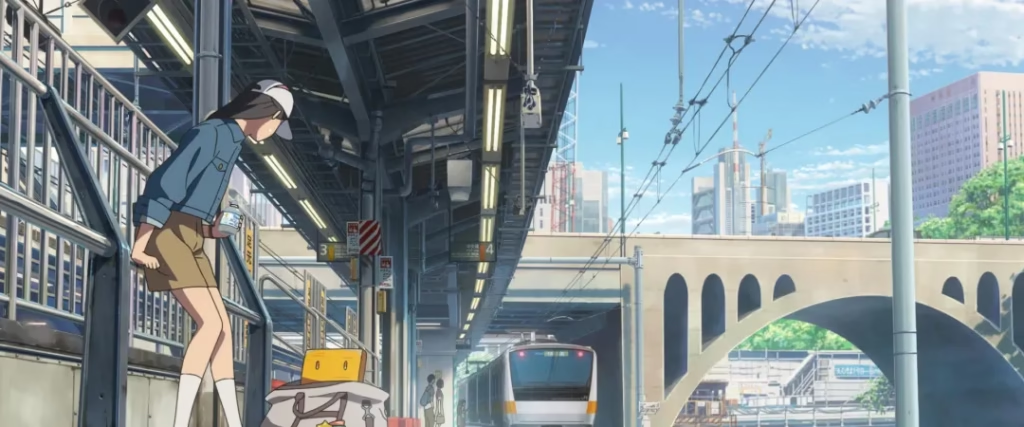
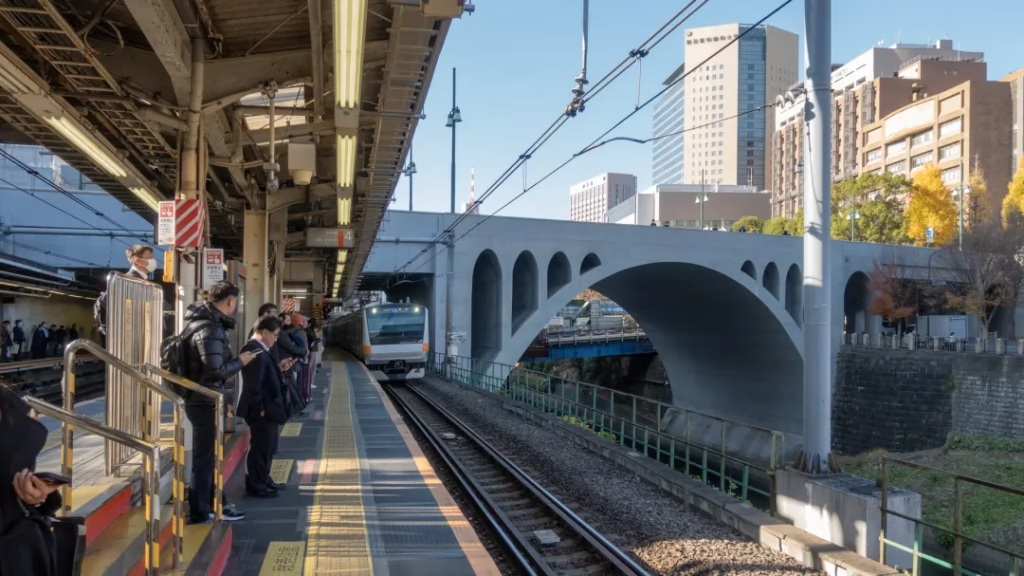
Perhaps the most famous real-life location of Suzume is Hijiri-bashi Bridge near Ochanomizu Station.
From the bridge you can watch several train lines crossing the Kanda River below — almost exactly the same view shown in the anime.
Ochanomizu Station
The surrounding district around Ochanomizu Station appears in multiple scenes. The area is known for its dense network of railways, bridges, and universities.
For travelers hoping to visit Suzume anime locations in Japan, this spot is one of the easiest to recognize immediately.
Tohoku — The Emotional Final Destination
The final chapter of Suzume’s story takes place in northeastern Japan.
Coastal towns in the Tohoku region carry deep emotional weight in the film, reflecting the impact of the 2011 earthquake and tsunami.
Areas near Miyako in Iwate Prefecture are often associated with the story’s final scenes.
The quiet ocean landscapes here bring Suzume’s journey to its emotional conclusion.
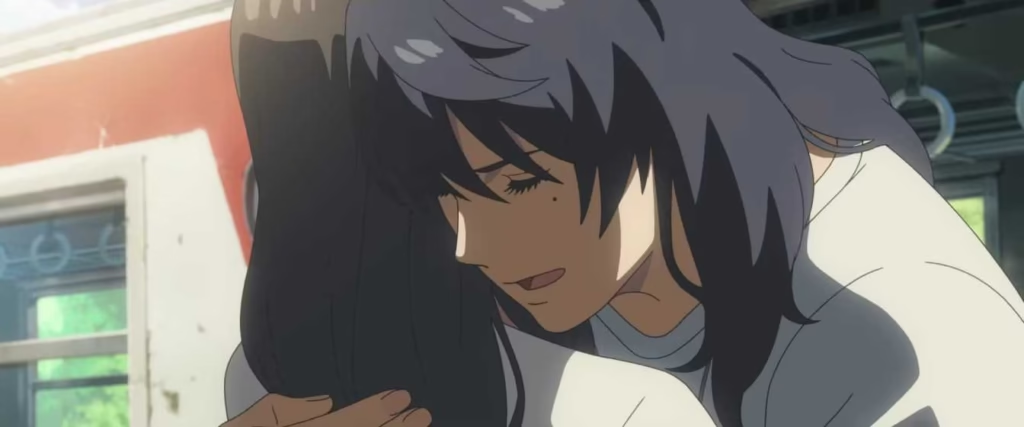
In the end, Souta and Suzume say farewell. This scene happened in the Orikasa station in Iwate Prefecture. In the movie, it shows the reconstructed station after the Tohoku earthquake.
Map of Suzume Real Life Locations
If you want to explore every site connected to the film, several pilgrimage maps track dozens of places across Japan.
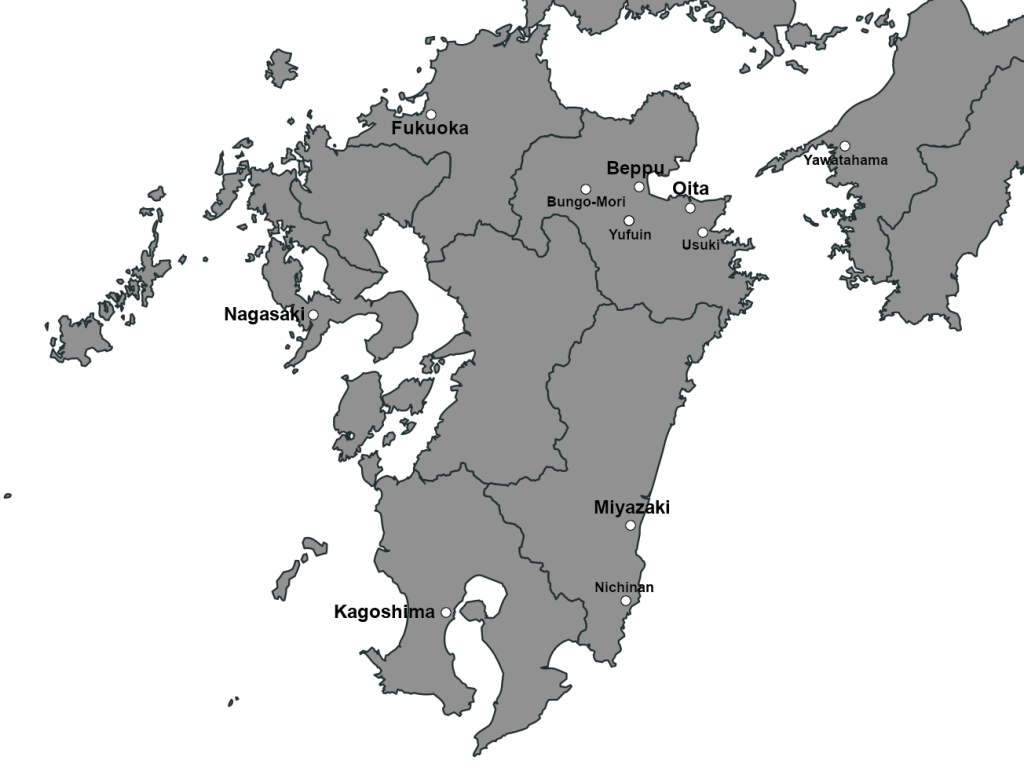
These maps help travelers visualize the entire Suzume real life locations map, showing how the journey moves from Kyushu to Shikoku, then Kobe, Tokyo, and finally the Tohoku coast.
FAQ
Where was Suzume anime set?
The story begins in Kyushu, then travels through Ehime in Shikoku, moves to Kobe in Hyogo Prefecture, continues to Tokyo, and ends in the Tohoku region.
Can you visit Suzume real life locations in Japan?
Yes. Many of the locations that inspired the film are real places that fans can visit, including Bungo Mori Roundhouse, Yawatahama Port, Kobe Fruit and Flower Park, and Hijiri-bashi Bridge.
What is the most famous Suzume location?
Hijiri-bashi Bridge in Tokyo is often considered the most recognizable location because the anime recreates the view almost exactly.
Conclusion
Following the real-life location of Suzume reveals how much of the film is rooted in real landscapes.
From abandoned railway depots in Kyushu to quiet orchards in Shikoku, bustling shopping streets in Kobe, and train bridges in Tokyo, the movie transforms ordinary places into something unforgettable.
For fans, visiting these Suzume real places in Japan becomes more than tourism. It becomes a way to experience the story again — this time in the real world.

Show Your Work
Whether you are a professional or an amateur, we will love to see your artwork. So don't hesitate to remove your cats from your box right away