What is an Otaku: Subculture, Identity, and a Hidden Driver of Modern Tourism
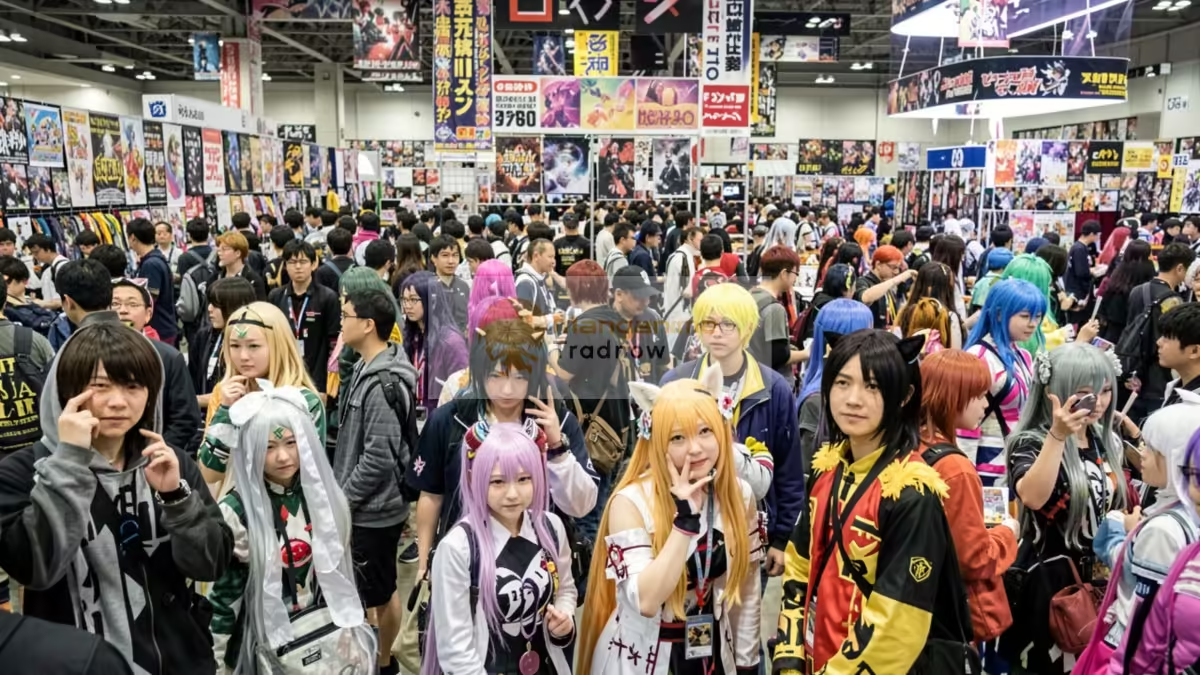
People often reduce the word otaku to a stereotype, imagining someone obsessed with anime, disconnected from reality, and living online. In reality, otaku culture is far more complex and visible. Today, otaku actively shape how cities brand themselves, how conventions structure travel calendars, and how tourism ecosystems grow around fan communities.
To understand modern anime tourism, otaku tourism, and even anime pilgrimage, it is essential to first understand who otaku are, how the identity formed, and why movement, gathering, and travel are central to this culture.
What Is an Otaku?
At its core, an otaku is someone who develops deep, sustained engagement with a specific interest, often to a level of expertise. While anime and manga dominate international attention, Japanese otaku have historically focused on many other fields, including trains, military hardware, idols, games, electronics, and related technical interests.
What distinguishes an otaku from a casual fan is not taste, but intensity and continuity. Otaku do not simply consume content; they research it, archive it, discuss it, collect around it, and participate in communities built around it.
This depth of engagement is what eventually leads otaku out of private consumption and into shared physical spaces.
What Is Not an Otaku?
Otaku vs. Hikikomori
One of the most persistent misconceptions is the confusion between otaku and hikikomori. They are not the same.
Hikikomori refers to a condition of prolonged social withdrawal, typically defined by months or years of extreme isolation and difficulty functioning socially. It is discussed in medical and social contexts, not cultural ones. I will invite you to Welcome to the NHK, which principally talks about Hikikomori and their Conspiracy theories
Otaku, by contrast, are often highly networked. They gather in shops, conventions, events, cafés, and online communities that frequently lead to offline interaction. Otaku tourism exists precisely because otaku are not socially absent.
Otaku vs. Casual Fans
Not everyone who watches anime or reads manga is an otaku. Otaku identity implies long-term commitment, specialization, and participation. Many people enjoy anime without organizing travel, collections, or social identity around it.
This distinction matters, because otaku tourism behaviors emerge from commitment, not casual interest.
Otaku in Japanese Writing: Hiragana, Katakana, and Kanji
The word otaku itself reflects the evolution of the identity.
- お宅 (kanji) originally meant “your home” and was used as a polite form of address.
- おたく (hiragana) softens the term and is sometimes used to reduce harshness.
- オタク (katakana) is the most common modern form, used in media, marketing, and self-identification.
This linguistic shift mirrors a cultural one: from something private and indirect to a publicly claimed identity, visible enough to shape spaces, businesses, and destinations.
The History of Otaku
Otaku culture did not emerge fully formed. Early fan communities in the 1970s and 1980s gathered around manga, science fiction, and early anime conventions. These groups were small, niche, and largely invisible to mainstream society.
In the late 1980s, otaku gained negative attention in Japan due to sensational media coverage that linked the label to criminal behavior. For years, this stigma pushed otaku identity into a socially uncomfortable space.
In Japan, the negative perception of otaku intensified in the late 1980s after media coverage linked the term to the 1988–1989 Tsutomu Miyazaki case. Japanese news outlets repeatedly emphasized the suspect’s interest in anime and manga, framing otaku culture as socially dangerous or abnormal. Critics later challenged this association as misleading, yet it still created a long-lasting stigma around the word otaku, especially in mainstream media and public discourse.
From the 2000s onward, the situation changed. Anime, manga, and games became major cultural exports. Fan consumption became economically valuable. Cities and companies began to recognize otaku not as a social problem, but as a dedicated audience.
This normalization is what allowed otaku spaces to become permanent and visible, setting the foundation for otaku tourism.
Otaku as a Subculture
Otaku function as a subculture because they share more than interests. They share codes, language, values, rituals, and spaces.
Otaku subculture includes:
- Specialized knowledge and terminology
- Shared consumption habits
- Community recognition and status
- Physical and digital gathering spaces
Subcultures naturally create destinations. Just as music scenes produce festivals and pilgrimage venues, otaku culture produces districts, events, and travel patterns.
Characteristics of Otaku Culture
Several characteristics of otaku culture directly explain why tourism emerges from it:
- Specialization: otaku often focus deeply on a narrow field
- Collecting: physical goods remain central, encouraging travel
- Community validation: recognition often happens in shared spaces
- Long-term loyalty: interests last years, not trends
These traits create repeat travel rather than one-time visits.
Otaku Passions and Hobbies as Travel Triggers
Otaku hobbies translate naturally into movement:
- Collectors travel to specialized shops and districts
- Cosplayers travel to conventions and photoshoot locations
- Creators travel to doujin events and exhibitions
- Fans travel to meet others who share their niche
Travel is not incidental; it is part of participation.
The Otaku Phenomenon and Information Technology
The internet transformed otaku culture by removing geographic limits. Online forums, databases, social media, and fan-created guides allow otaku to coordinate travel, map destinations, and share experiences.
Otaku tourism is often digitally planned and socially amplified. A location becomes relevant because fans document it, discuss it, and validate it collectively. This dynamic explains how certain districts or events gain international visibility.
Best Places for Otaku
Japan: Permanent Otaku Spaces
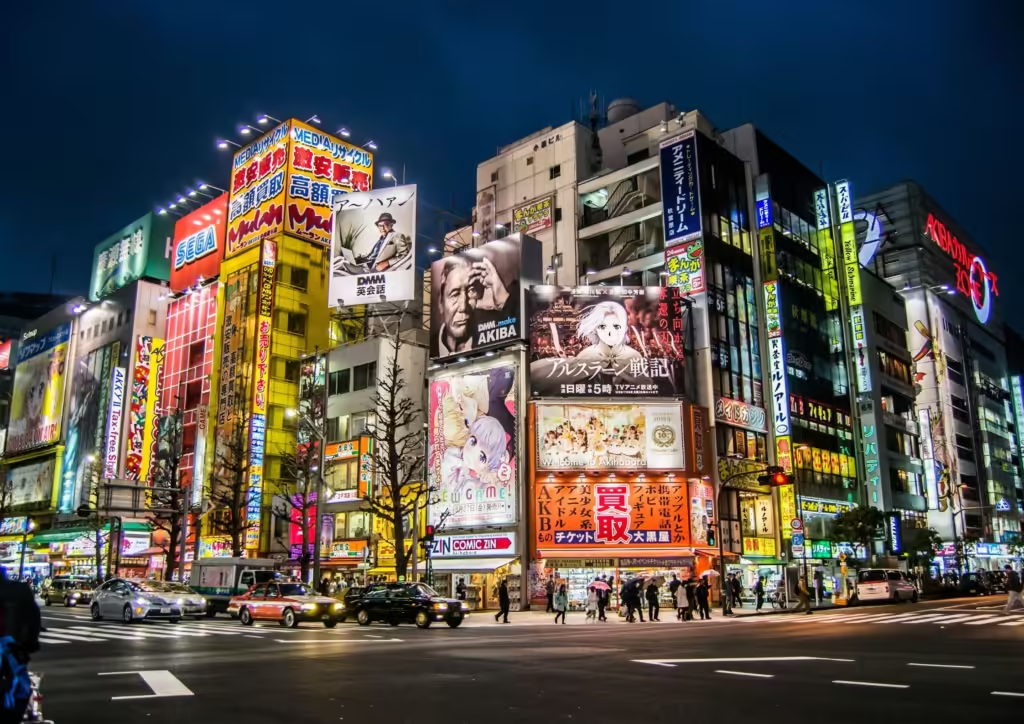
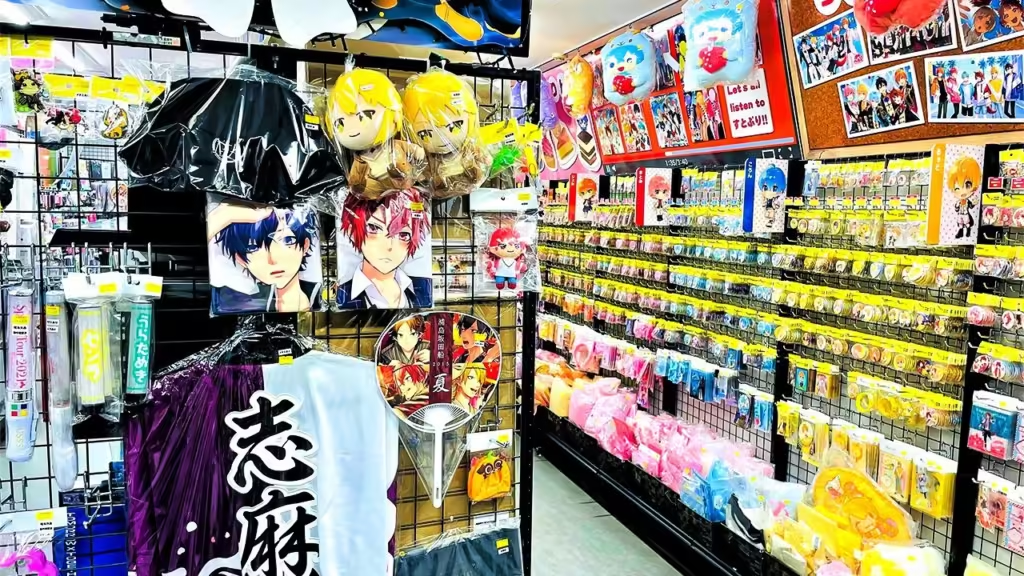
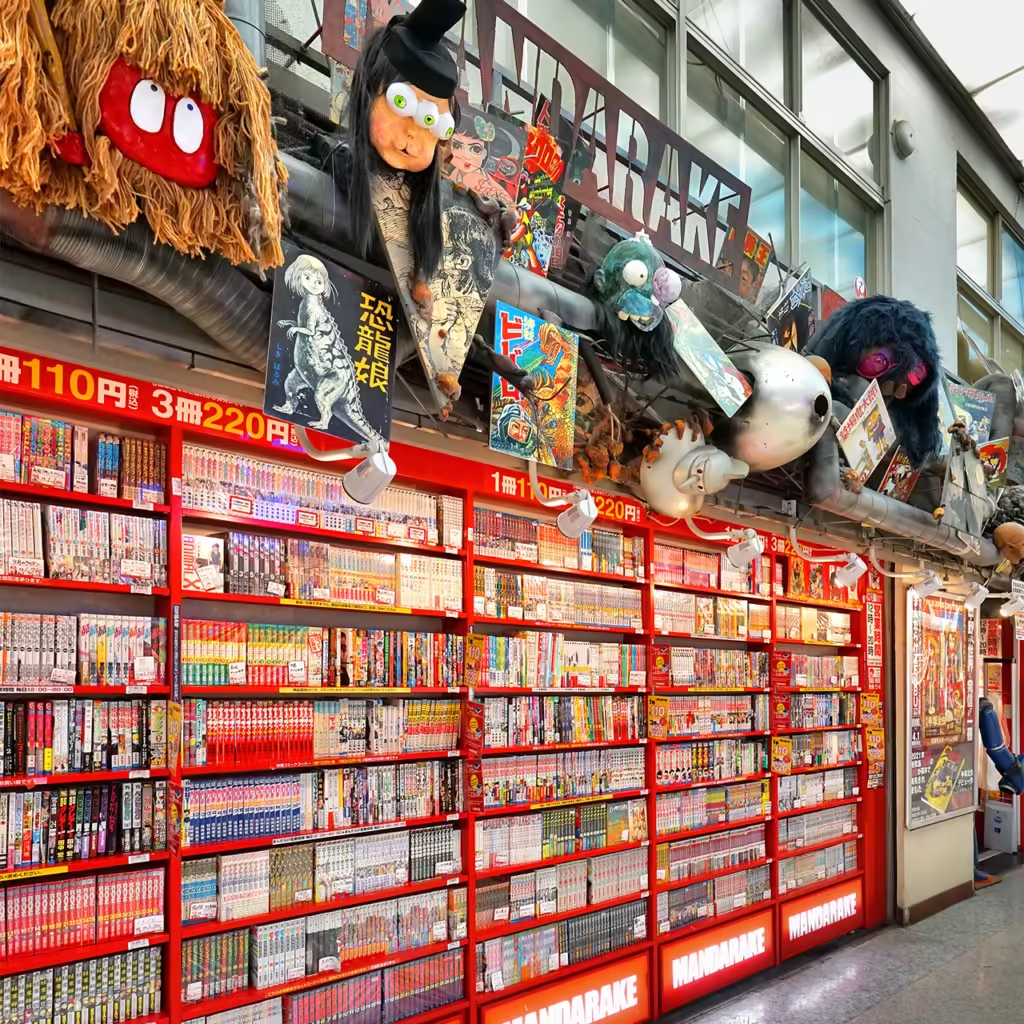
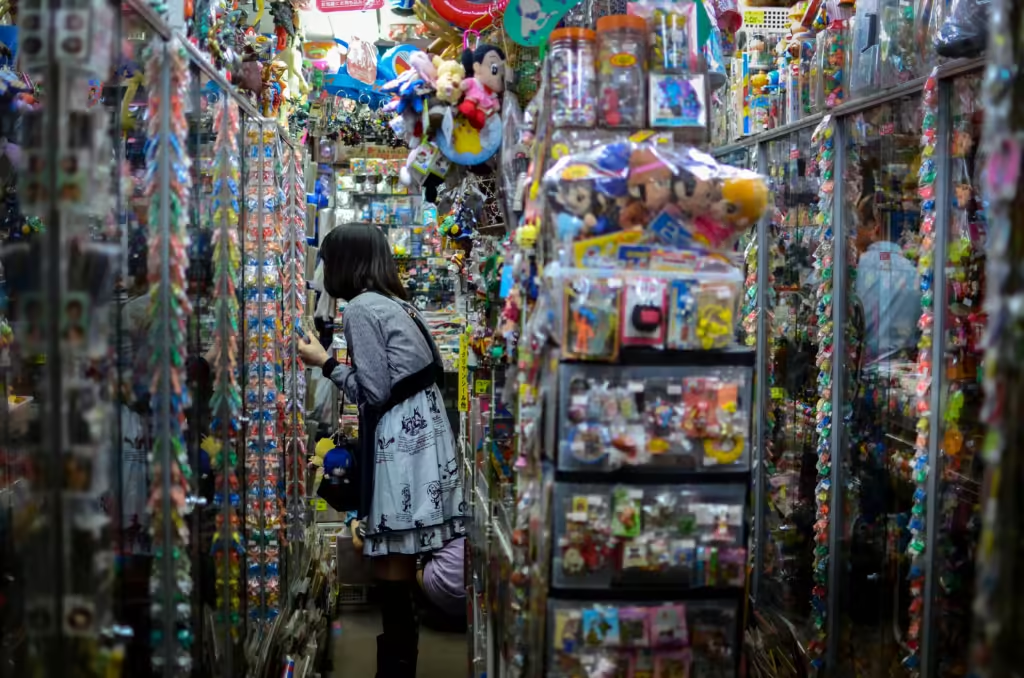
Japan offers something rare: permanent otaku geography.
- Akihabara
Known for dense anime, game, and electronics retail, Akihabara is often the first destination for otaku travelers. This area appears as a real-life location for anime series like Steins;Gate, Love Live!, and Lucky Star, and you can actually visit. - Ikebukuro
Particularly associated with female-oriented fandoms, Ikebukuro shows how fan demographics shape space. You can actually visit the real-life locations of Durarara!! here. - Nakano Broadway
A hub for collectors and second-hand culture, emphasizing depth over spectacle. - Den Den Town
Kansai’s counterpart to Akihabara, illustrating regional variation in otaku tourism.
Event-Based Otaku Tourism
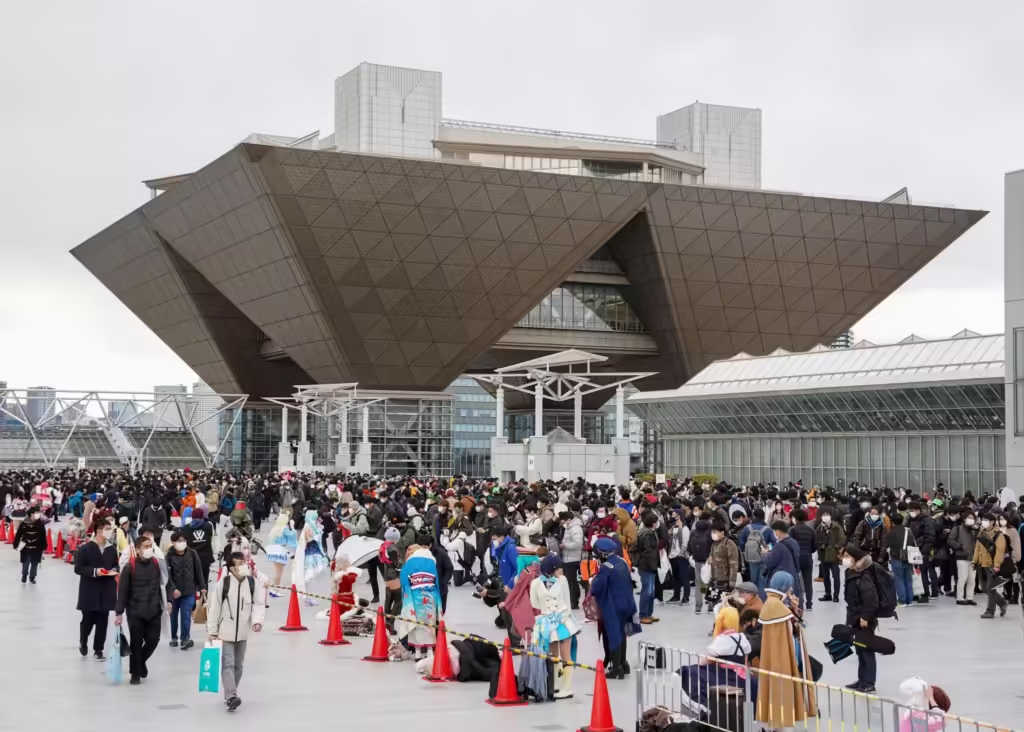
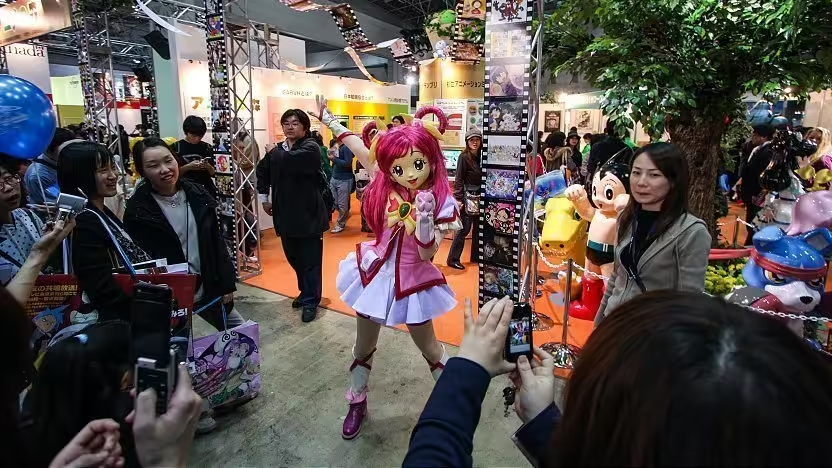
Some otaku destinations exist only temporarily. Comic Market transforms Tokyo into a fan-driven city twice a year, drawing visitors from across Japan and abroad.
Otaku tourism is therefore both place-based and time-based.
What Types of Otaku Are There?
Otaku identity is diverse. Commonly recognized types include:
Media Otaku (Anime, Manga, Games)
Media otaku are defined by deep engagement with narrative and media content such as anime series, manga, light novels, or video games. Their interest goes beyond watching or playing. Media otaku often analyze story structure, character development, studios, creators, release timelines, and adaptations. Many follow seasonal releases closely, track industry news, and revisit works repeatedly. Their dedication is usually intellectual and emotional, centered on understanding and experiencing media in depth rather than simply consuming it once.
Collector Otaku (Figures, Merchandise)
Collector otaku focus on the material side of fandom and express their passion by acquiring, preserving, and organizing physical items such as figures, model kits, limited editions, CDs, artbooks, and exclusive merchandise. Rarity, condition, authenticity, and provenance matter greatly. For collector otaku, ownership is not just possession but a form of documentation and personal archive. This type of otaku often engages in travel to access specialty shops, second-hand markets, or limited releases unavailable elsewhere.
Cosplay Otaku
Cosplay otaku center their fandom on embodiment and performance. Their engagement involves recreating characters through costumes, makeup, props, and behavior. This often requires skills in sewing, crafting, styling, and photography. Cosplay otaku participate in conventions, photoshoots, and community events where recognition and interaction are key. Unlike media-focused otaku, their connection to fandom is physical and social, built around visibility, presentation, and shared experiences.
Creator Otaku (Fan Artists, Doujin Creators)
Creator otaku actively produce content inspired by existing works. This includes fan art, fanfiction, music, games, videos, and self-published books known as doujin. Their relationship to fandom is participatory rather than purely consumptive. Creator otaku often engage deeply with style, themes, and character interpretation, contributing to the expansion of fan culture itself. Events and marketplaces play an important role for them, as creation is closely tied to sharing, exchange, and community feedback.
Tech Otaku
Tech otaku are defined by intense specialization in technology-related interests. Historically, this included electronics, hardware modification, computing, and gadgets. Today, it can extend to programming, retro systems, mechanical keyboards, audio equipment, or niche devices. Tech otaku value technical knowledge, experimentation, and mastery. Their engagement often intersects with other otaku fields, such as gaming or media production, but the core motivation is understanding how systems work at a detailed level.
Anisong Otaku (Anime Song Fans)
Anisong otaku are fans whose main connection to anime culture is music. They focus on opening and ending themes, insert songs, and character songs, often following specific singers, composers, or voice actors. Live performances, concerts, and convention stages are central to their fandom, making anisong otaku highly event-oriented within otaku culture.
Each group interacts with tourism differently, shaping distinct travel patterns.
The Social and Cultural Impact of Otaku in Japan
Otaku culture in Japan has shifted from a marginal identity to a recognized cultural and economic driver, especially in tourism. This change is visible in public initiatives rather than just media discourse. In 2016, the Anime Tourism Association was established to promote travel linked to anime and pop culture. Since then, it has actively selected and promoted “anime sacred spots” across the country, framing fan travel as a legitimate tourism route.
Cities have also adapted. Authorities actively market districts like Akihabara through their otaku identity rather than hiding it. Under Japan’s Cool Japan strategy, policymakers also position anime and related fan cultures as exportable assets and use pop culture to attract international visitors.
Today, otaku are no longer viewed only as niche consumers. Their practices shape urban branding, tourism campaigns, and Japan’s cultural presence abroad.
The Perception of Otaku in France and Abroad
In France, otaku identity is generally socially legible and public, rather than stigmatized. Manga and anime have been mainstream for decades, and this is reflected in infrastructure rather than labels. France is one of the world’s largest manga markets, and large-scale events play a central role in fan life. For example, Japan Expo regularly attracts hundreds of thousands of visitors, turning fandom into a mass public event.
Unlike Japan, France does not have permanent otaku districts comparable to Akihabara. As a result, fans travel primarily for events, focusing on conventions, concerts, and touring guests rather than year-round pilgrimage areas.
More broadly, outside Japan, the word otaku often functions as a neutral self-description for deep fandom. It frequently overlaps with gaming, cosplay, and online fan cultures, reflecting a blended, less rigid identity.
Being an Otaku in the United States: What Does That Look Like?
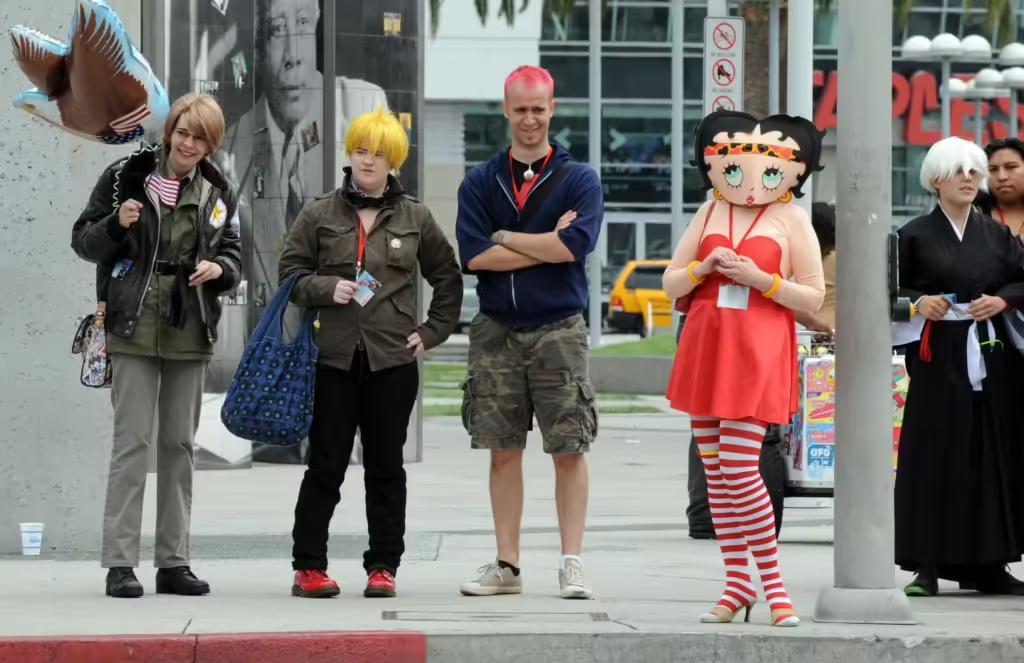
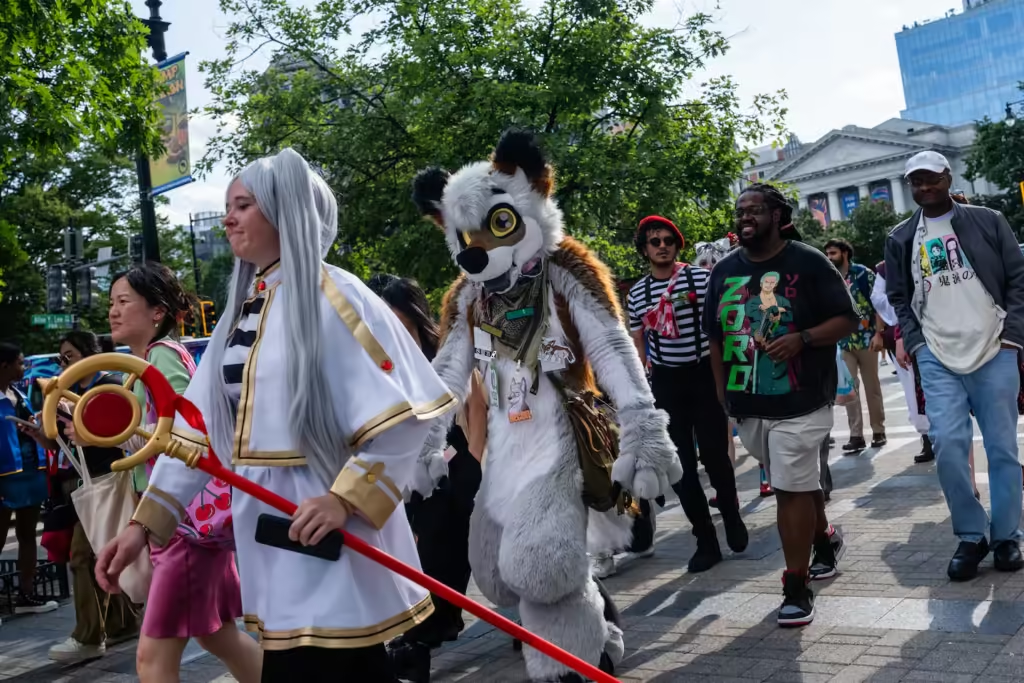
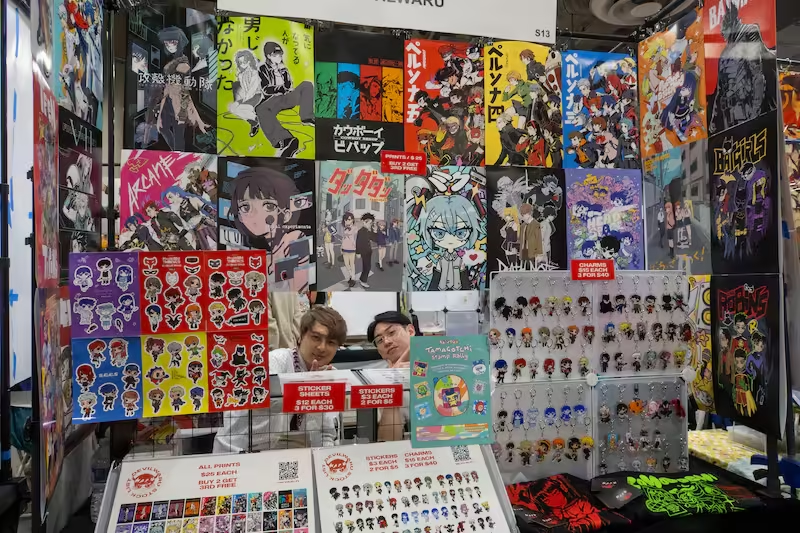
In the United States, otaku is usually a self-chosen identity with little historical stigma. Unlike Japan, the U.S. has no permanent otaku districts comparable to Akihabara or Ikebukuro. Instead, otaku culture is organized around large conventions that temporarily turn cities into fan hubs.
Events such as Anime Expo and Otakon drive domestic and international travel, concentrating shopping, cosplay, performances, and community activity into a few days.
The difference is structural: Japan centers otaku tourism around places, while the United States centers it around events.
Conclusion: Otaku as Travelers, Not Stereotypes
Otaku are not defined by isolation or escapism. They are defined by participation, community, and movement. Their culture explains why anime tourism continues to grow, why conventions reshape travel patterns, and why certain cities become fan destinations.
Understanding otaku culture is therefore essential to understanding modern fan-driven tourism.
FAQs About Otaku
A: An otaku is someone with deep, long-term engagement in a specific interest, often anime, manga, games, or related pop culture. The word points to intensity and dedication, not just casual enjoyment.
A: It depends on context. In Japan, “otaku” historically carried a negative or socially awkward image, though that has softened over time. Outside Japan, especially in Europe and North America, it is often used neutrally or positively as a self-identifier for dedicated fans.
A: No. While the term originated in Japan, it is now used globally. Many fans worldwide identify as otaku to describe deep involvement in anime, manga, games, and related communities.
A: No. Anime is the most visible part internationally, but otaku culture can include manga, games, idols, technology, trains, collectibles, and other specialized hobbies. What defines it is depth of interest.
A: No. Hikikomori refers to prolonged, severe social withdrawal discussed in medical or social contexts. Otaku refers to fandom identity and deep hobbies, and many otaku are socially active through communities, events, and conventions.
A: Otaku travel because their interests are tied to specific places and events, such as shopping districts, conventions, exhibitions, cafés, and fan gatherings. Travel often becomes part of participation and community life.
A: Otaku tourism describes travel that fan culture drives, including visits to anime districts, attendance at conventions, shopping for specialized goods, and participation in cosplay or community events. It differs from anime pilgrimage, which focuses on real-world locations shown in anime stories.
A: No. Japan has famous permanent otaku districts, but otaku tourism exists worldwide. In many countries, especially in Europe and the U.S., otaku tourism is mainly event-based, centered on large conventions.
A: Well-known destinations include Akihabara and Ikebukuro in Tokyo, Nakano Broadway for collectors, and Den Den Town in Osaka. These areas are known for specialized shops, arcades, and fan-focused spaces.
A: Common types include media otaku (anime, manga, games), collector otaku (figures and merch), cosplay otaku, creator otaku (fan artists and doujin creators), and tech otaku. People often overlap across categories.
A: “Otaku” describes deep fandom and long-term engagement. “Weeaboo” is internet slang, usually critical, for someone who excessively idealizes Japan and imitates surface-level culture. The difference is mainly attitude toward culture, not just interest.
A: “Weeb” is a looser internet term that can mean a casual anime fan, sometimes used jokingly or sometimes critically. “Otaku” usually implies deeper, more sustained engagement and often stronger community participation.
A: “Korea weeb” (often called “Koreaboo”) is slang, usually critical, for someone who idealizes Korean culture in an exaggerated way, often centered on K-pop or K-dramas. “Otaku” refers to deep engagement with a hobby, not idealization of a country.
A: Today, otaku are more visible because anime and pop culture have become globally accessible. At the same time, online communities help niche interests grow, social attitudes toward fandom have become more accepting, and conventions and live events make participation easier, more public, and more organized.
A: In Japan, otaku tourism centers on permanent districts built around fan culture. By contrast, in the United States, otaku tourism focuses mainly on events, with conventions functioning as temporary otaku hubs. The word also carries less historical stigma in the U.S.
A: Yes, but it overlaps with mainstream culture. Otaku still share practices, spaces, and community codes that make it a subculture, even though anime and fandom have become more widely accepted and commercially important.


Show Your Work
Whether you are a professional or an amateur, we will love to see your artwork. So don't hesitate to remove your cats from your box right away